Artwork
The Last Judgement
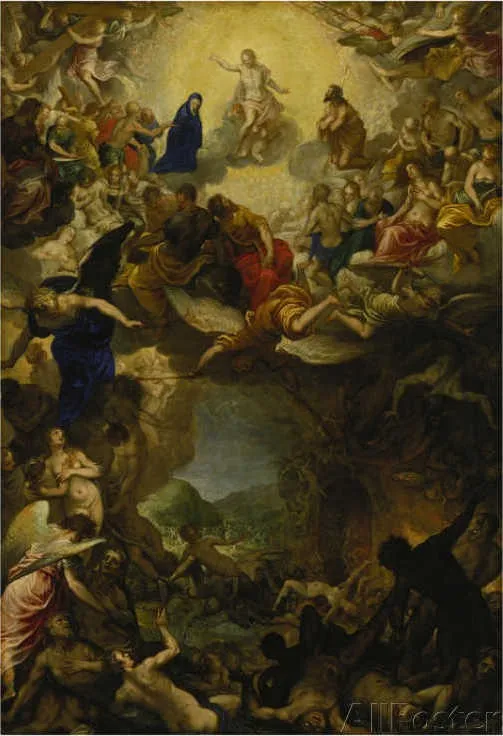
The Last Judgement is an unspecified painting by the Mannerist artist Hans Rottenhammer. It dates from 1600 and is held in the collection of the Bavarian State Painting Collections. Johann Rottenhammer, a German painter noted for his finely rendered small‑scale compositions, executed The Last Judgment circa 1600.
About this work
Subject & Meaning
The artwork serves as a visual representation of this final divine reckoning, focusing on the main subject of the Day of Judgment.
Hans Rottenhammer's 1598 painting, The Last Judgement, is a religious work centered on the Day of Judgment. As indicated by its title and genre classification, the composition depicts the biblical eschatological event where the dead are resurrected and judged by Christ. The artwork serves as a visual representation of this final divine reckoning, focusing on the main subject of the Day of Judgment.
Held within the Bavarian State Painting Collections at the Alte Pinakothek, the piece functions as a devotional image illustrating the ultimate separation of souls.
Technique & Style
Hans Rottenhammer's 1598 religious painting The Last Judgement measures 67.6 cm in height and 46 cm in width. Executed on wood panel, the work depicts the biblical Day of Judgment with dramatic compositional balance and meticulous detail characteristic of late Renaissance religious art. Its formal qualities include restrained color modulation and precise figure modeling within a structured spatial framework, reflecting the artist's technical mastery in handling the medium to convey theological narrative.
History & Provenance
Hans Rottenhammer painted The Last Judgement in 1598 as a religious work depicting the Day of Judgment. The painting measures 67.6 cm by 46 cm and belongs to the religious art genre. It was created for the Bavarian State Painting Collections and has been housed in the Alte Pinakothek since its acquisition.
Hans Rottenhammer's The Last Judgement (1598) is housed in the Alte Pinakothek, part of the Bavarian State Painting Collections, where it remains on display.
The work measures 67.6 cm in height and 46 cm in width.
It was exhibited in the 1905 Munich Secession exhibition and featured in the 2017 Alte Pinakothek retrospective on Rottenhammer's religious works.
Legacy
Hans Rottenhammer's 1598 painting The Last Judgement, housed in the Bavarian State Painting Collections at the Alte Pinakothek, established a precedent for large-scale, compositionally complex religious works in the German Renaissance. Its intricate depiction of the Day of Judgment influenced subsequent altar pieces and decorative cycles that sought to visualize apocalyptic narratives with narrative depth and spatial dynamism. Contemporary accounts from the late 17th century note its reproduction in engravings that circulated among academic art circles, reinforcing its role as a reference point for religious thematic treatment in Central European art education.
Overview
Johann Rottenhammer, a German painter noted for his finely rendered small‑scale compositions, executed The Last Judgment circa 1600. Rendered in the Mannerist idiom, the work portrays the biblical Day of Judgment and is presently housed in Munich’s Alte Pinakothek.
Context
The work emerges from a period when Northern European artists were assimilating Italian Mannerist conventions, blending elaborate composition with heightened expressiveness. Rottenhammer’s German background and his exposure to Italian art circles informed the hybrid visual language evident in this apocalyptic tableau.
Artist & collection
Artist
Johann Rottenhammer, or Hans Rottenhammer (1564 – 14 August 1625), was a German painter. He specialized in highly finished paintings on a small scale.




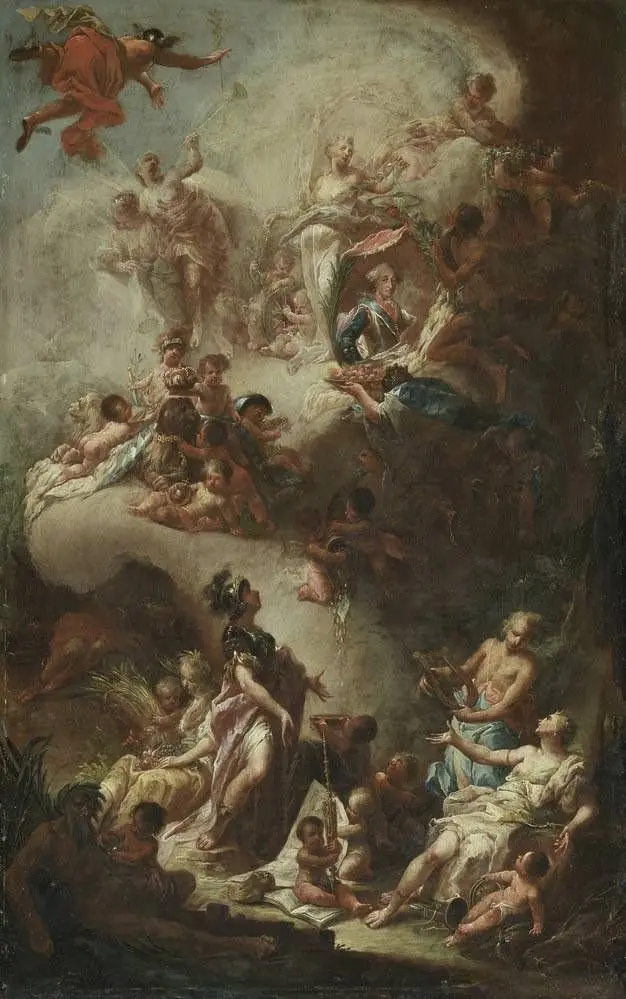
- Apotheose des Kurfürsten Maximilian III. Joseph von Bayern
 The Dream of Jacob
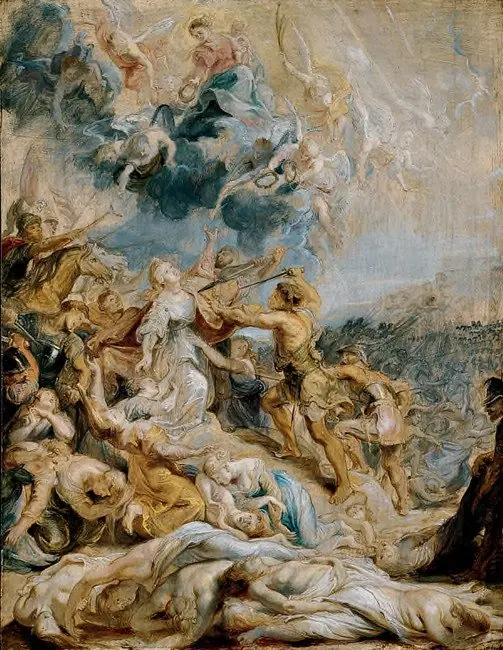 Martyrdom of St. Ursula
 The Apotheosis of Saint Charles Borromeo
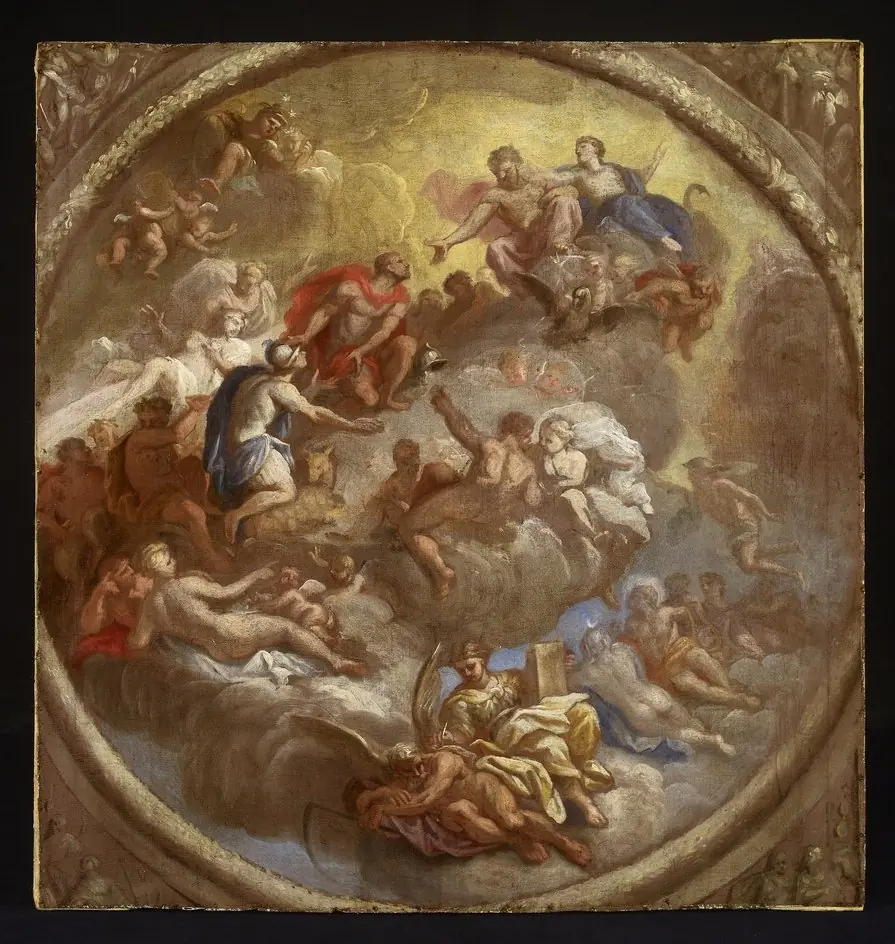 Sketch for a Ceiling Design
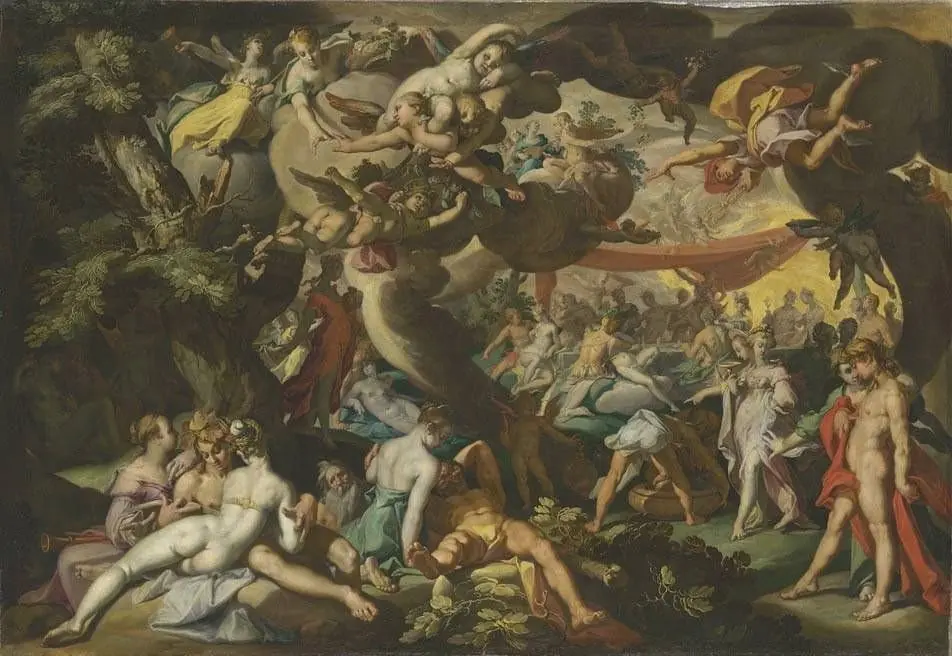 The Wedding of Peleus and Thetis
 Allegory of the Creation
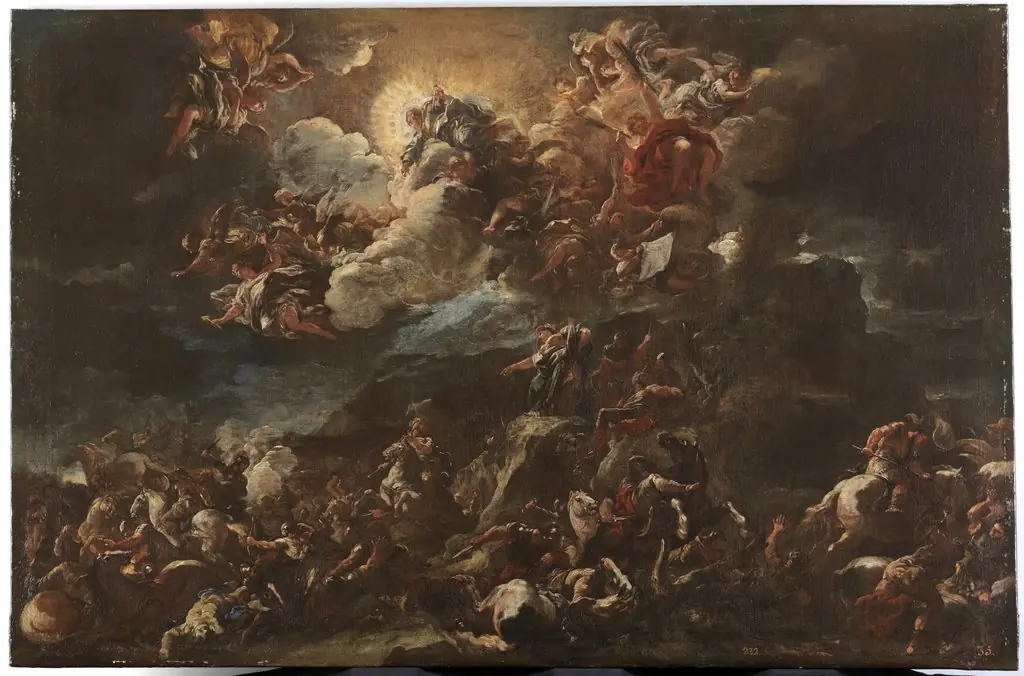 Victoria de los israelitas y cántico de Débora
 The Glorification of Saint James the Great
 Study for "An Apotheosis of a Saint" (for San Bernardino dei Morti, Milan)
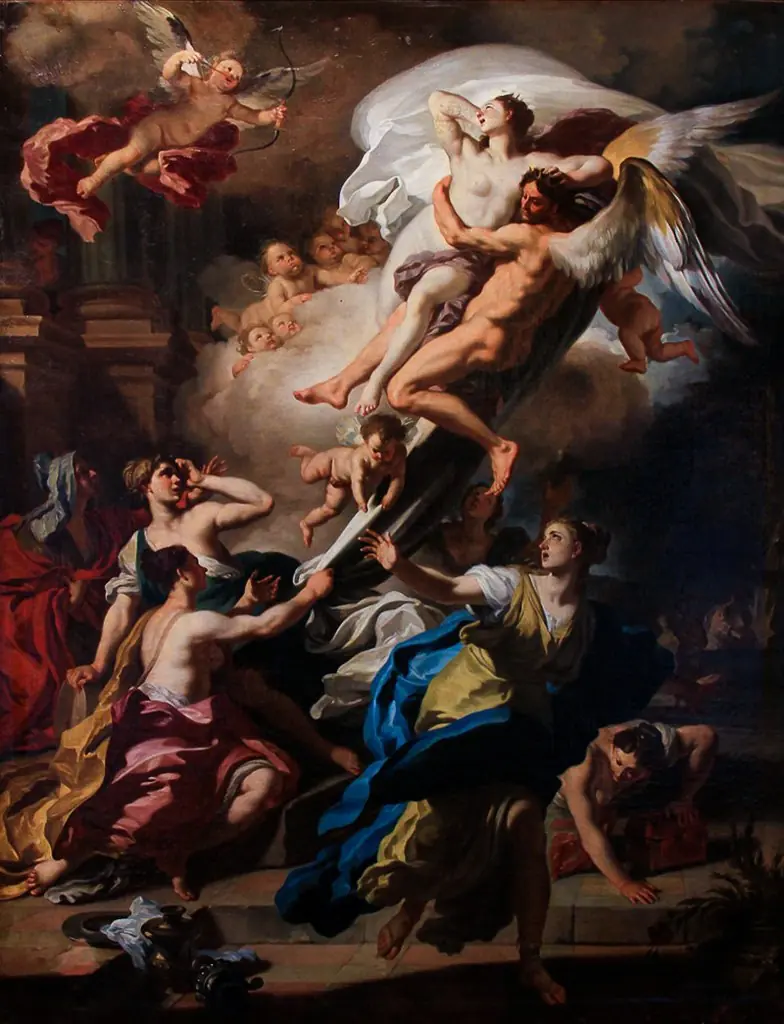 Boreas Abducting Oreithyia, Daughter of Erechteus
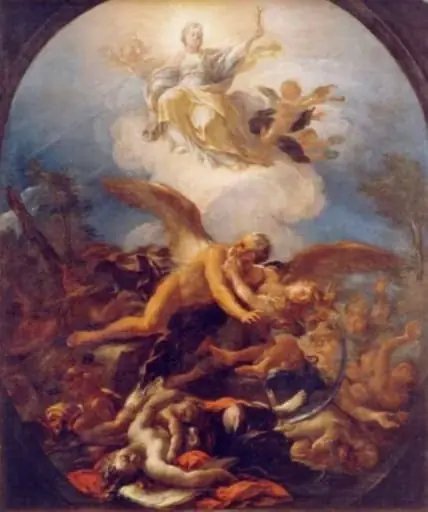 Triumful bisericii