Artwork
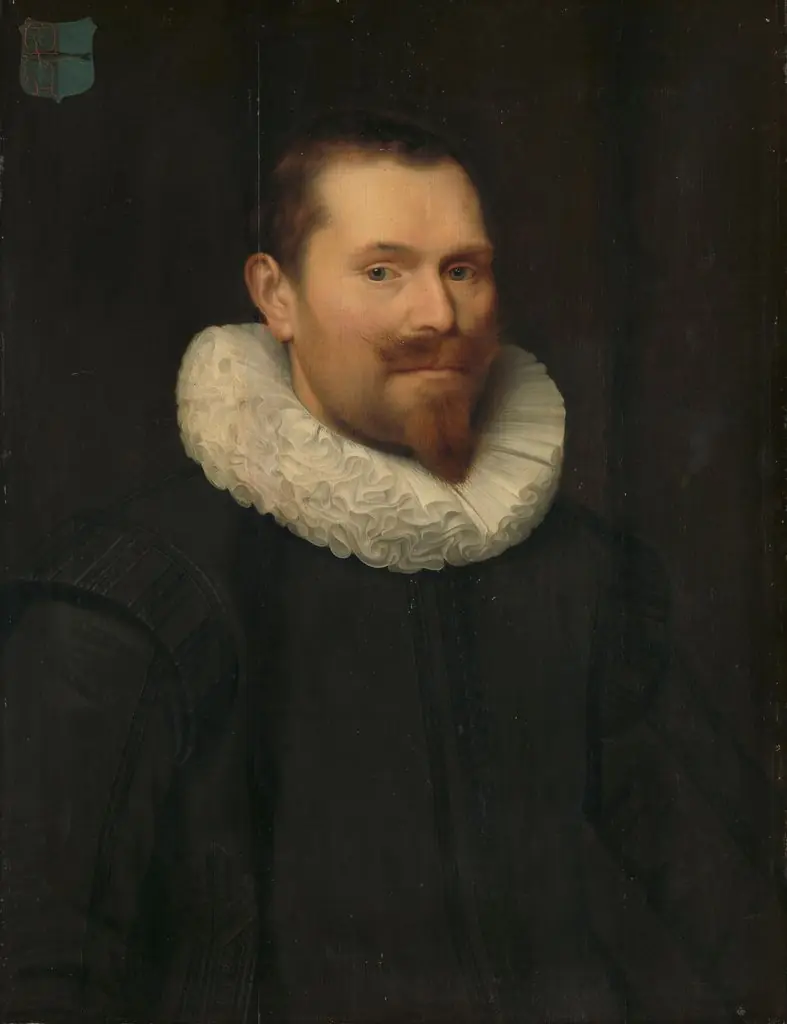
Portrait of David de Moor (1598-1643)
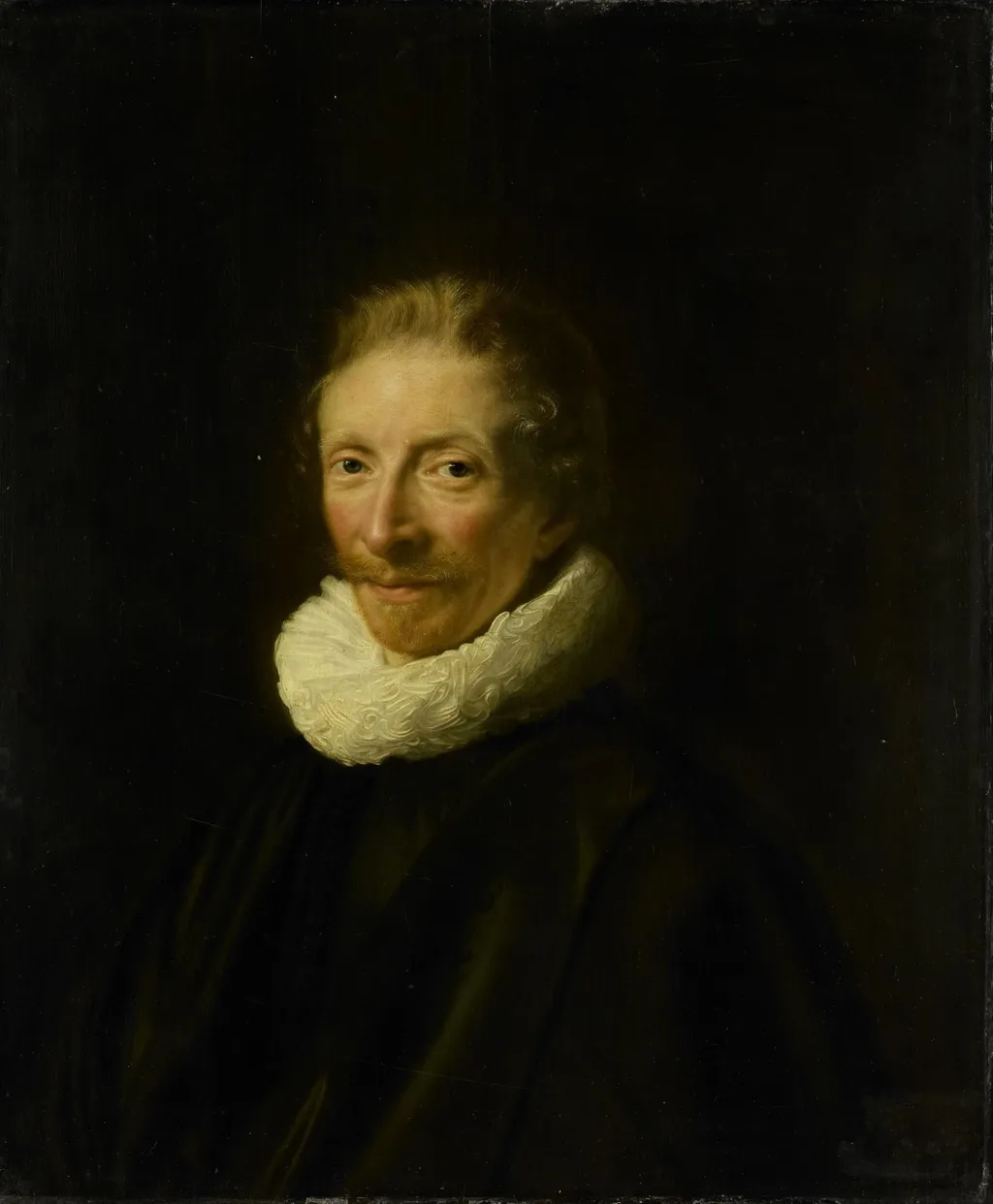
Portrait of David de Moor (1598-1643) is an oil painting by the Dutch Golden Age artist Abraham de Vries. It dates from 1640 and is held in the collection of the Rijksmuseum.
About this work
Technique & Style
As a classified painting within the portrait genre, the piece relies on the artist's handling of oil media to render the sitter's likeness.
Abraham de Vries executed the Portrait of David de Moor in 1640 using oil paint applied to a wooden panel support. The work measures 71.5 cm in height and 61 cm in width, adhering to the standard vertical format for portraiture of the period. As a classified painting within the portrait genre, the piece relies on the artist's handling of oil media to render the sitter's likeness. The work is currently held in the collection of the Rijksmuseum.
History & Provenance
The portrait of David de Moor is held in the collection of the Rijksmuseum in Amsterdam. The work is cataloged within the museum's inventory as a painting by Abraham de Vries, executed in oil on panel. While specific accession numbers are not detailed in the provided records, the piece is confirmed to be part of the Rijksmuseum's holdings, where it remains accessible as a significant example of 17th-century portraiture. No exhibition history is documented in the available sources.
Overview
Abraham de Vries painted the portrait of David de Woor in 1640 using oil on canvas. The work belongs to the Dutch Golden Age and is presently conserved in the Rijksmuseum’s collection. It presents a formal, half‑length depiction of a gentleman, rendered with a restrained palette and careful attention to facial illumination.
Subject & Meaning
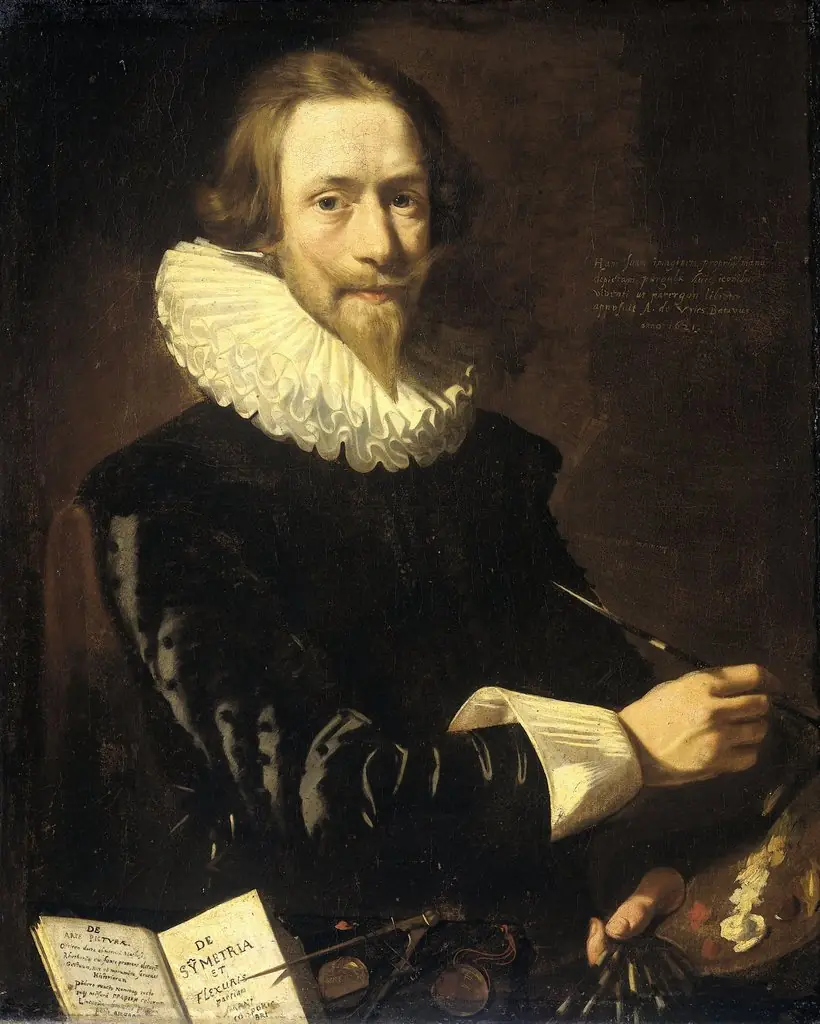
The sitter, David de Woor (1598‑1643), appears as a mature man with a light beard and curled hair, dressed in a dark coat trimmed with a prominent white ruff. The direct lighting emphasizes his features, suggesting a dignified, introspective character typical of early‑modern Dutch portraiture, where status and personal virtue were conveyed through compositional clarity.
Context
Abraham de Vries worked in France, Antwerp, and the Dutch Republic, absorbing diverse artistic influences that surface in this painting’s blend of French elegance and Dutch realism. The work exemplifies the period’s emphasis on individual likeness, modest yet refined attire, and the use of light to convey both physical presence and moral gravitas.
Own this work as a print
Artist & collection
Artist
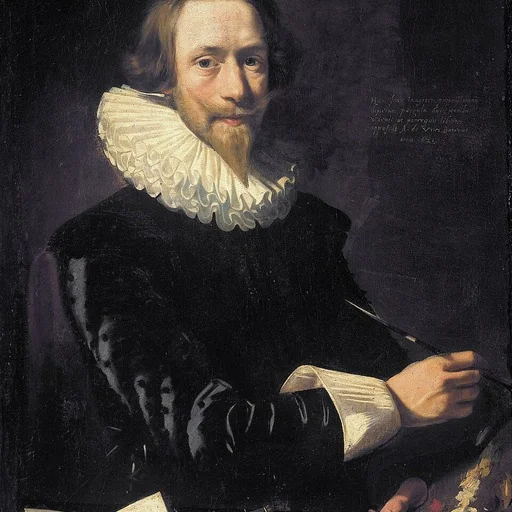
Abraham de Vries (c. 1590 – 1649 or 1650) was a Dutch painter who was one of the leading portraitists of his age. As he led a peripatetic lifestyle and worked in France, Antwerp and the Dutch Republic his stylistic…

 Untitled
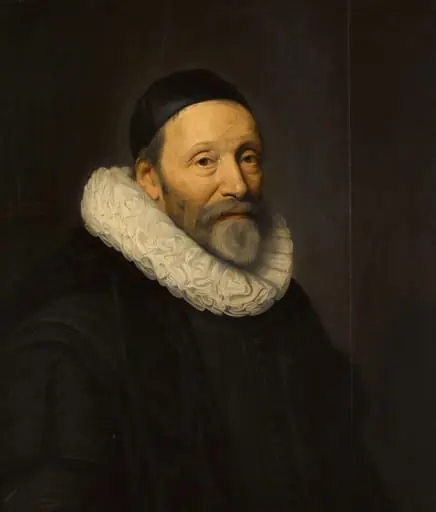 Portrait of Johannes Wttenbogaert (Jan Uytenbogaert), Remonstrant Minister in The Hague, Pastor of the Wallon Church
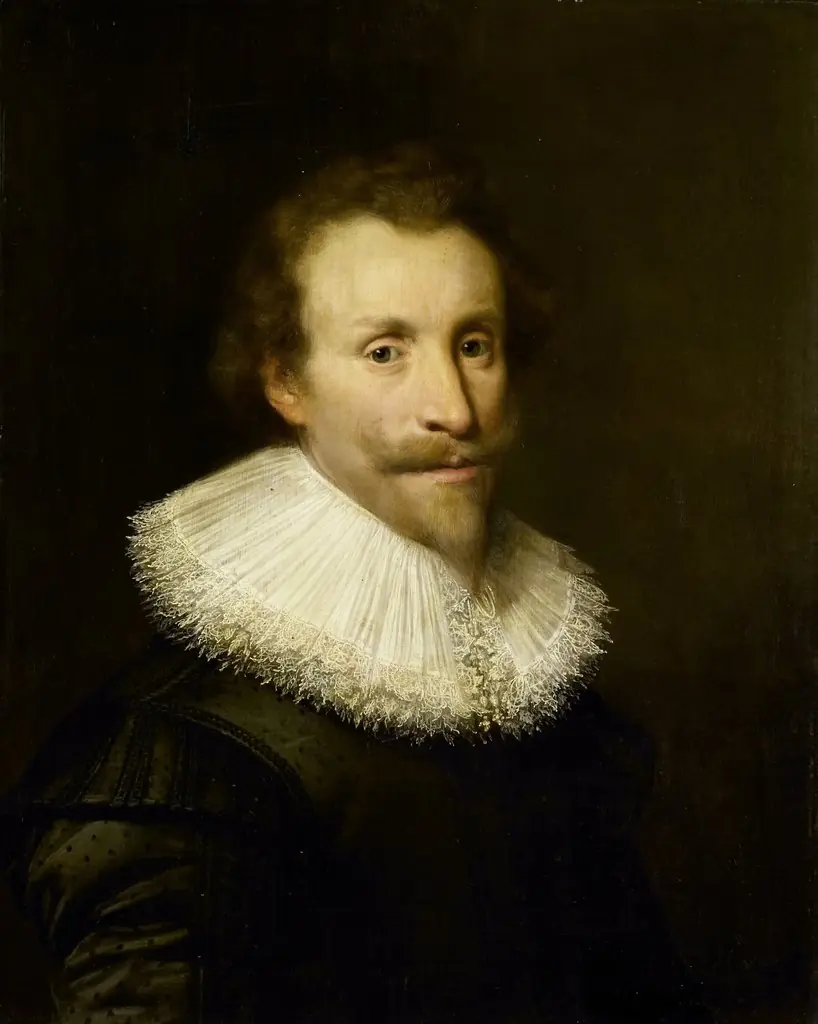 Portrait of a man
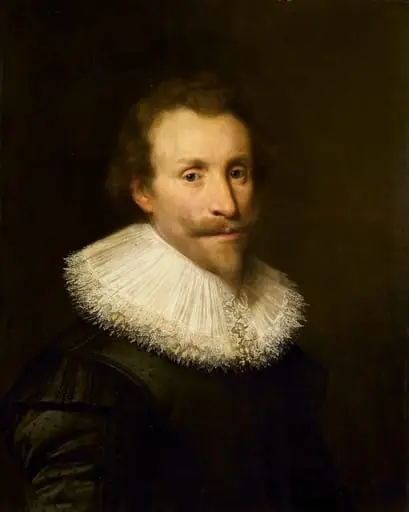 Untitled
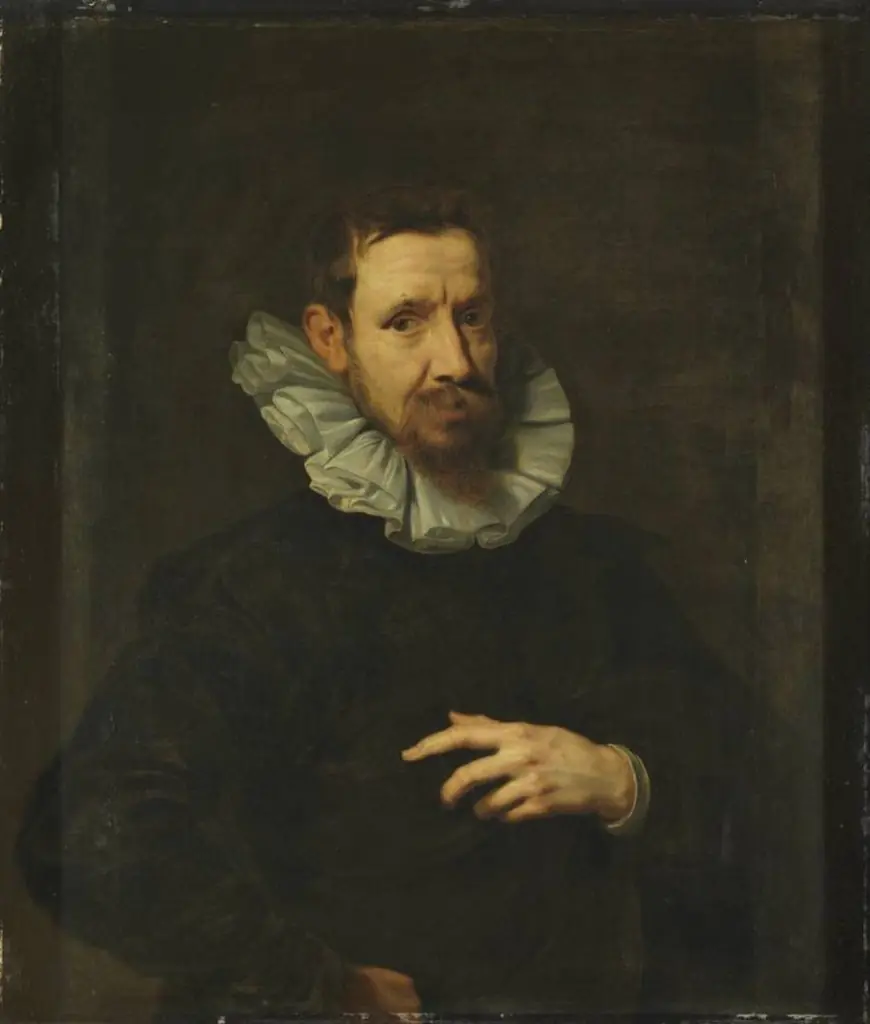 Portrait of the painter Jan Brueghel
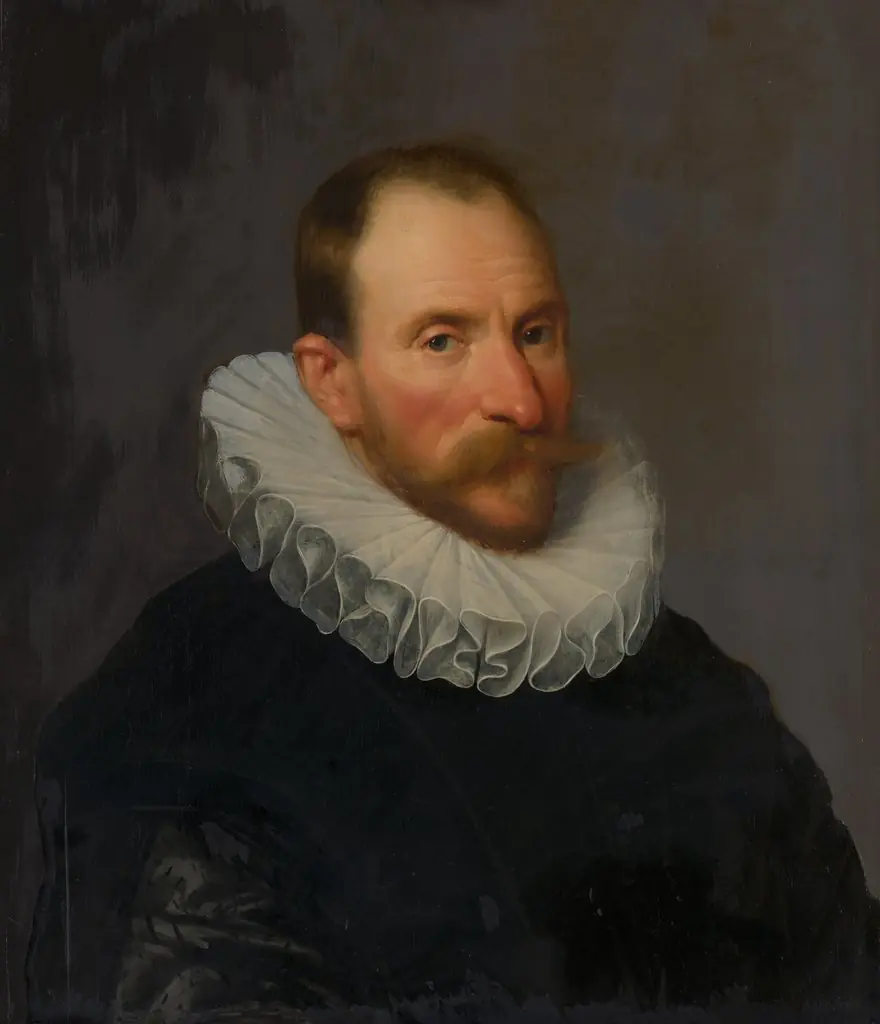 Portrait of Cornelis van Aerssen (1545-1627)
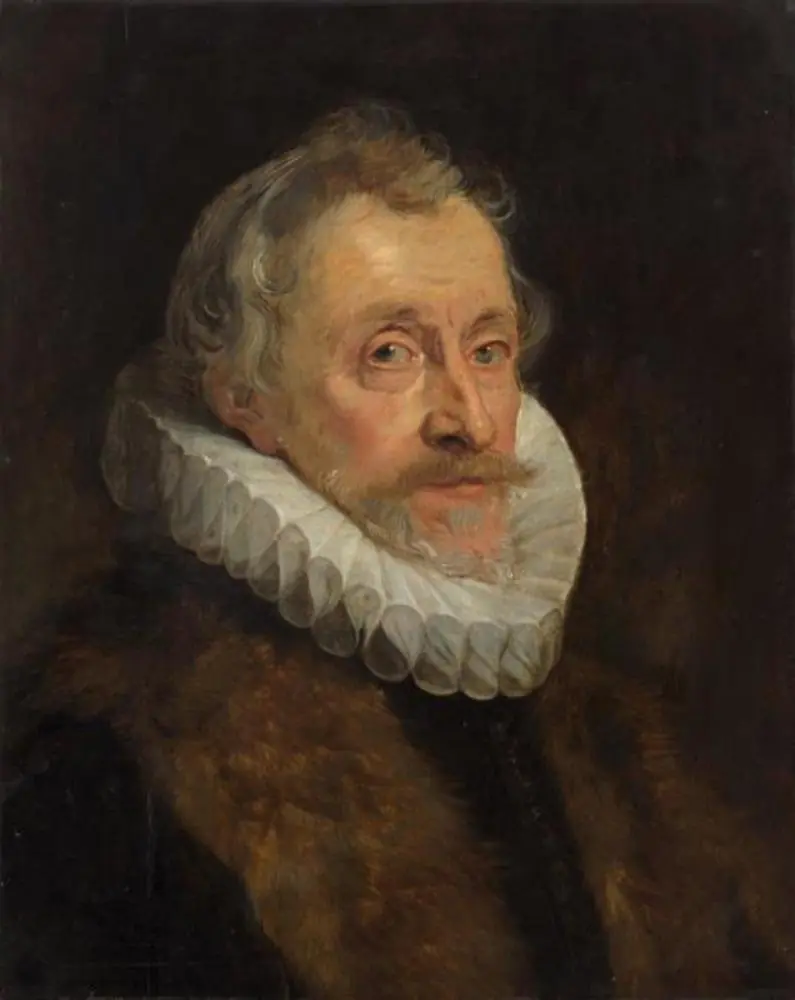 Man in a Fur Wrap and Pleated Collar
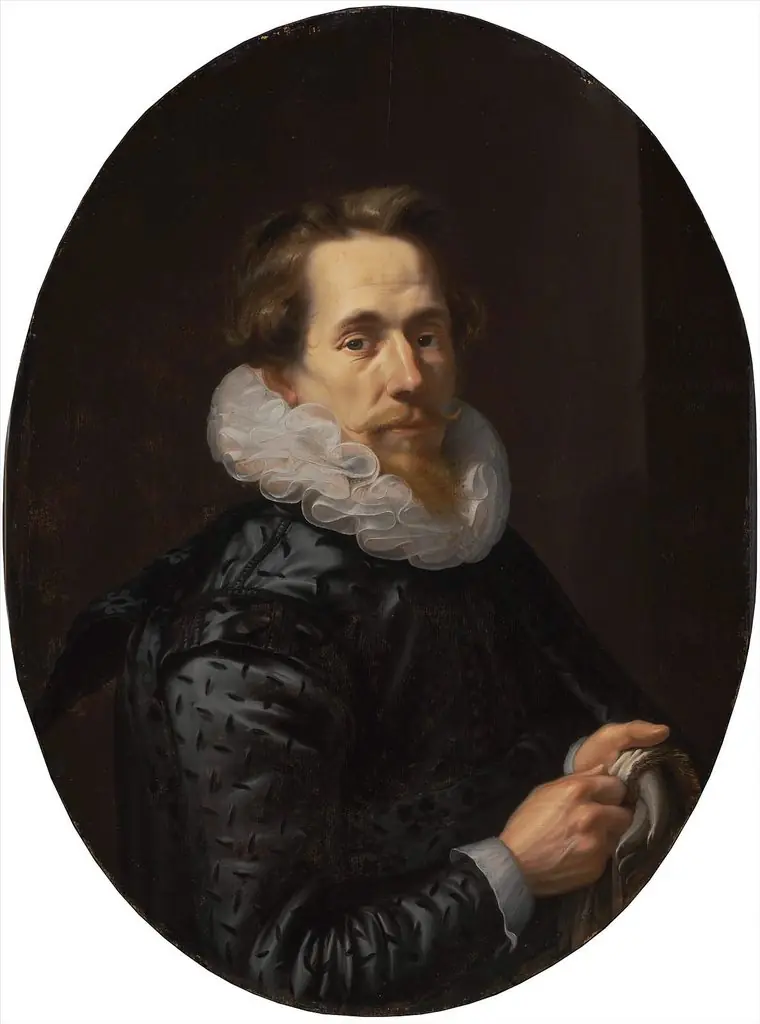 Portrait of a Man with a Ruff
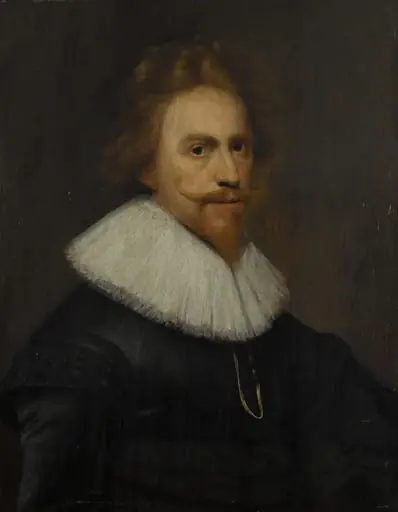 Self-Portrait
 Portrait of a man
- Portrait of Philippe le Mire (1596-?)