Artwork
Tobit and the Angel
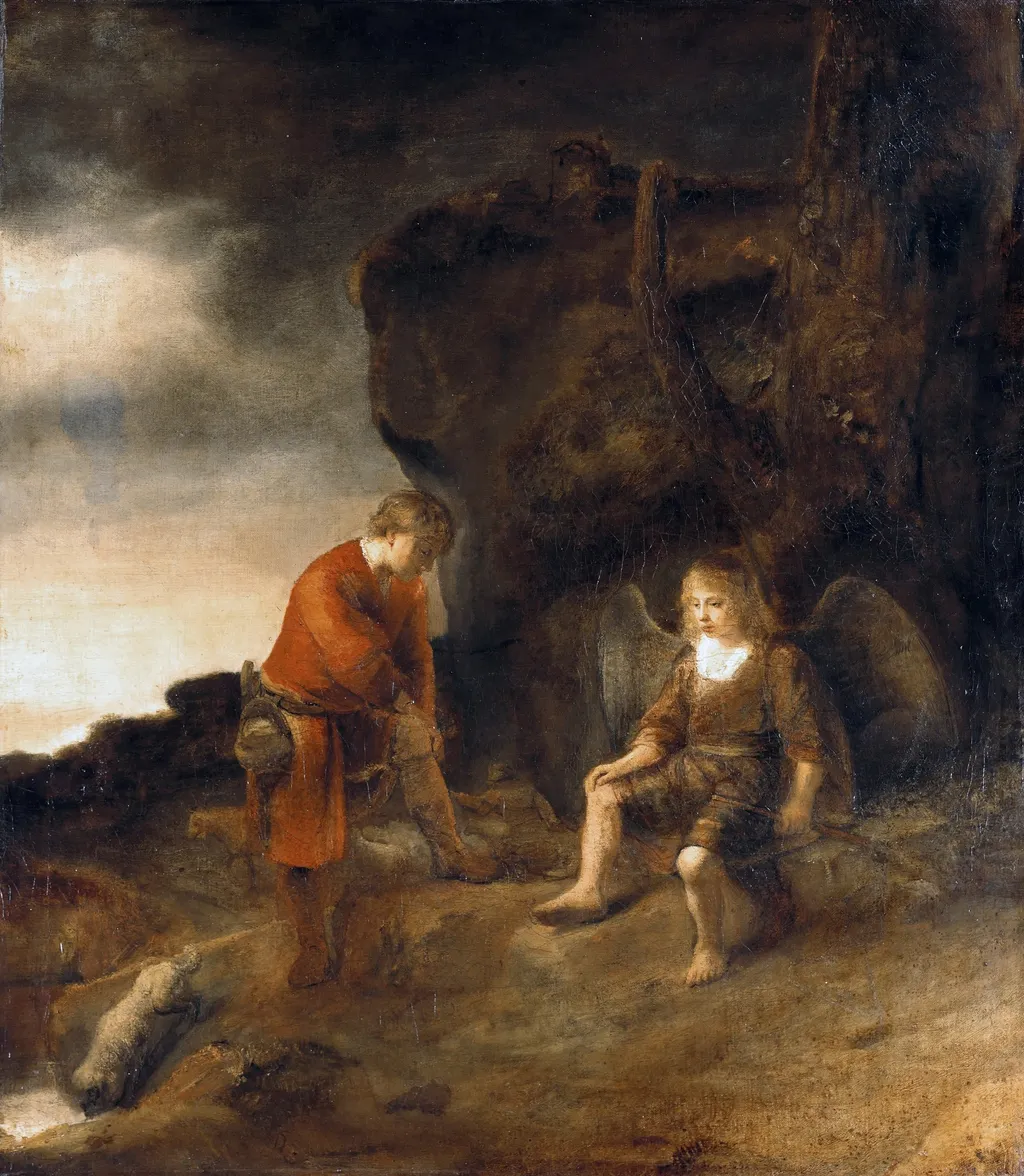
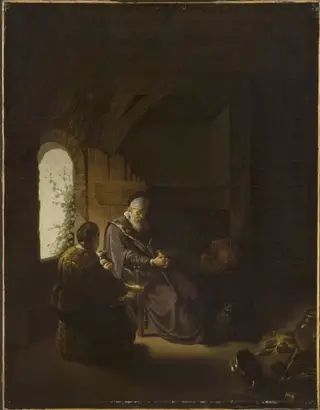
Tobit and the Angel is an oil painting by the Dutch Golden Age artist Abraham van Dijck. It dates from 1650 and is held in the collection of the Gemäldegalerie Berlin.
About this work
Subject & Meaning
The dog symbolizes loyalty and the miraculous nature of the angelic messenger, while the cliff setting underscores the narrative's dramatic tension.
The painting shows Tobit, an old blind man, receiving a divine visitation from the Angel Raphael accompanied by a dog. The scene illustrates the apocryphal Book of Tobit, emphasizing themes of filial piety, divine guidance, and compassionate rescue. The dog symbolizes loyalty and the miraculous nature of the angelic messenger, while the cliff setting underscores the narrative's dramatic tension. Together these elements convey a moral lesson about trust in providence and the reward of righteous deeds.
Technique & Style
The work is an oil painting on canvas, measuring 87 cm by 76.5 cm, created in 1650. It portrays the biblical scene of Tobias accompanied by an angel, rendered with the naturalistic modeling and rich coloration characteristic of Rembrandt's school. The handling of light emphasizes the figures' three-dimensional presence, while the composition balances narrative clarity with subtle emotional nuance.
History & Provenance
Abraham van Dijck painted Tobit and the Angel in 1650 as an oil on canvas work, recorded in the Gemäldegalerie Berlin collection where it remains displayed in Berlin, Germany.
The painting entered the museum's holdings through a documented acquisition, forming part of the institution's permanent display of Dutch and Flemish artworks.
Context
The painting Tobit and the Angel by Abraham van Dijck, created in 1650, exemplifies the religious genre within the Dutch Baroque tradition. It reflects the broader context of Dutch Golden Age art through its biblical narrative rendered with naturalistic detail and chiaroscuro, aligning with the thematic concerns of 17th-century religious painting.
Scholarly analyses often situate the work within van Dijck's oeuvre as a lesser-known painter influenced by Rembrandt, though it was historically misattributed to the School of Rembrandt. The piece is housed in the Gemäldegalerie Berlin, where it is recognized as part of their collection of Dutch religious artworks.
The artwork's composition draws from the story of Tobit and the Angel, a subject popular in religious art, emphasizing themes of divine intervention and compassion. Its dimensions of 87 cm by 76.5 cm and oil medium underscore the technical proficiency characteristic of the period.
Legacy
The painting’s later influence and reputation are rooted in its attribution to the workshop of Abraham van Dijck and its presence in a major Berlin collection, shaping scholarly discussions of Dutch Golden Age religious art. Its depiction of Tobit and the Angel has contributed to broader iconographic studies of the subject, particularly in relation to Raphael’s involvement and the symbolic use of the dog. The work’s visibility in a public institution has reinforced its status as a representative example of 17th-century biblical narrative painting, cited in art historical literature for its compositional and technical characteristics.
The painting’s legacy is further underscored by its role in exhibitions and academic discourse, where it is frequently referenced in analyses of Dutch realism and religious symbolism. Its inclusion in the Gemäldegalerie Berlin’s collection has ensured continued scholarly attention to its authorship and historical context, cementing its reputation as a significant, though sometimes ambiguously attributed, work within the broader corpus of Dutch biblical art.
Overview
Abraham van Dijck’s oil painting Tobit and the Angel, executed around 1650, is part of the collection of the Gemäldegalerie in Berlin. The work presents a nocturnal scene rendered in the Dutch Baroque style, focusing on a solitary figure in a vivid red coat and an attendant angelic youth amidst a rugged landscape.
Own this work as a print
Artist & collection

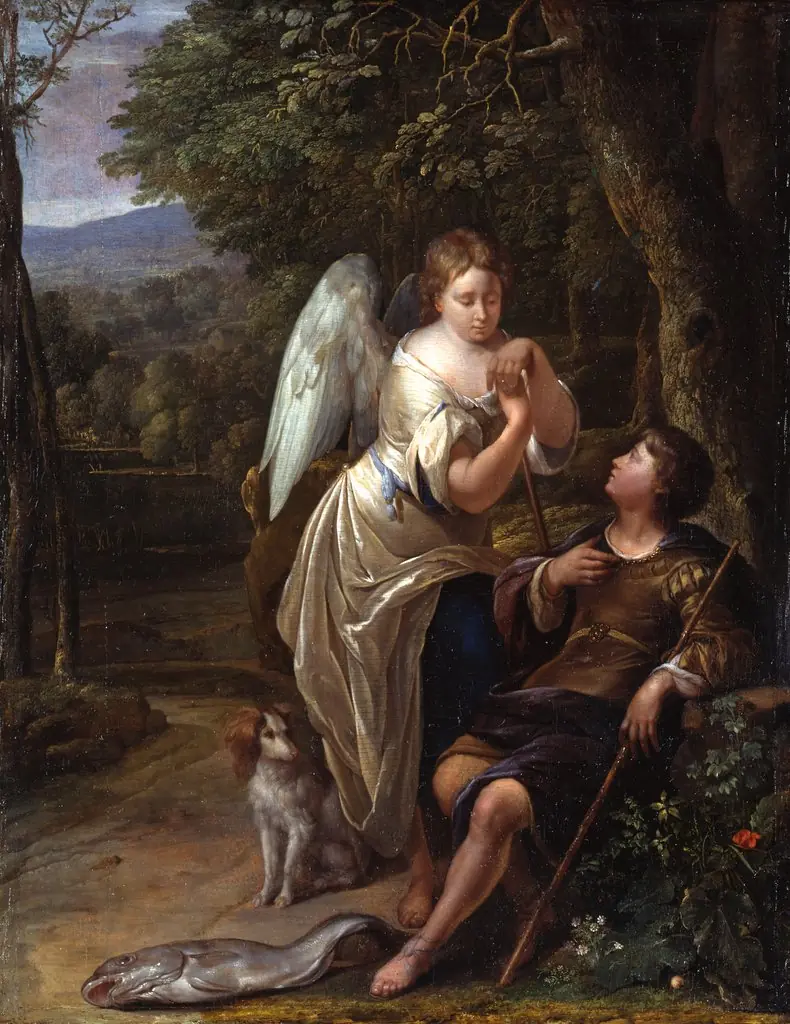
- Tobias and the Angel
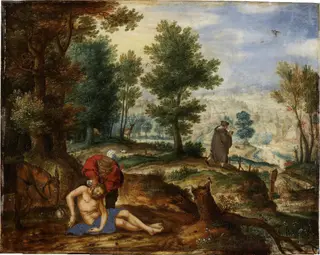 Landscape with the Good Samaritan
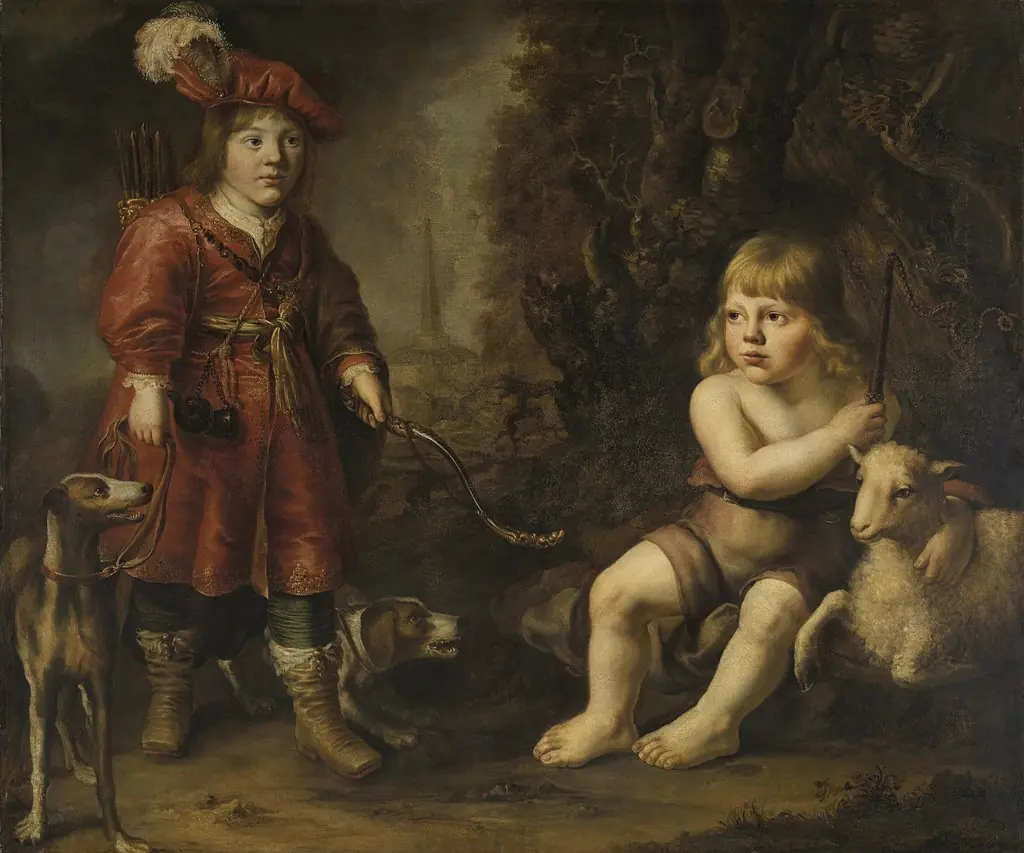 Portraits of two boys in a landscape, one dressed as a hunter, the other as St. John the Baptist
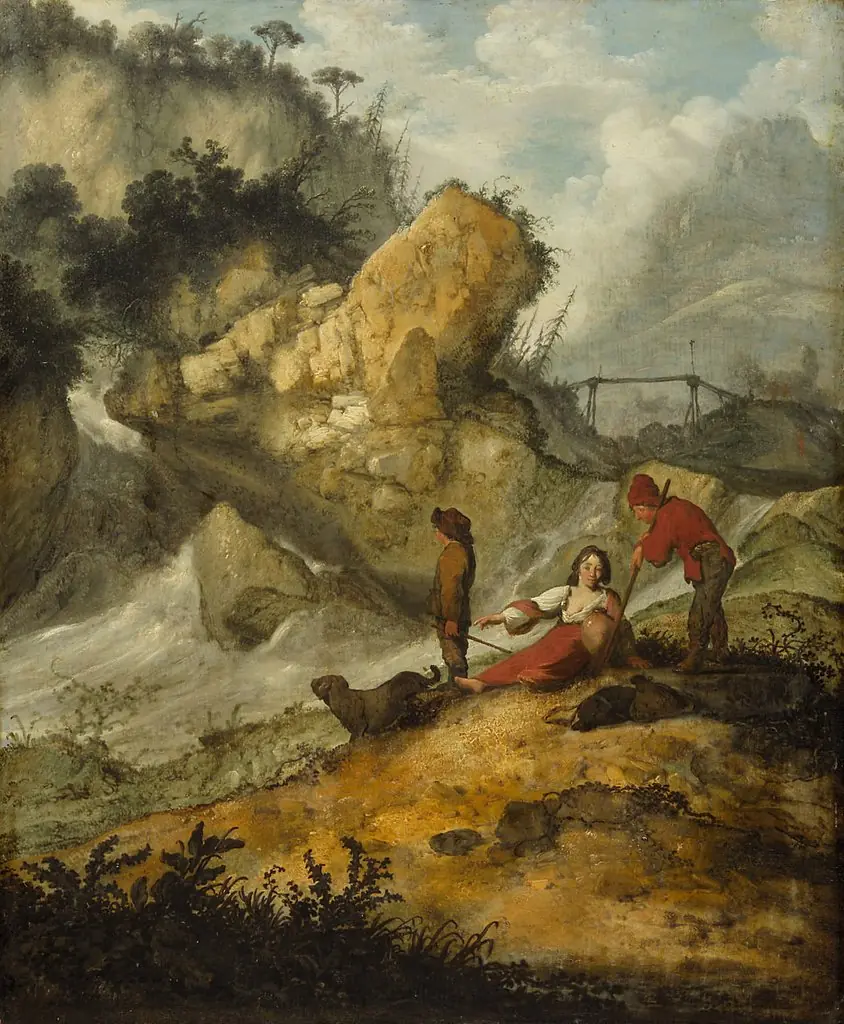 Rocky landscape with waterfall and shepherds
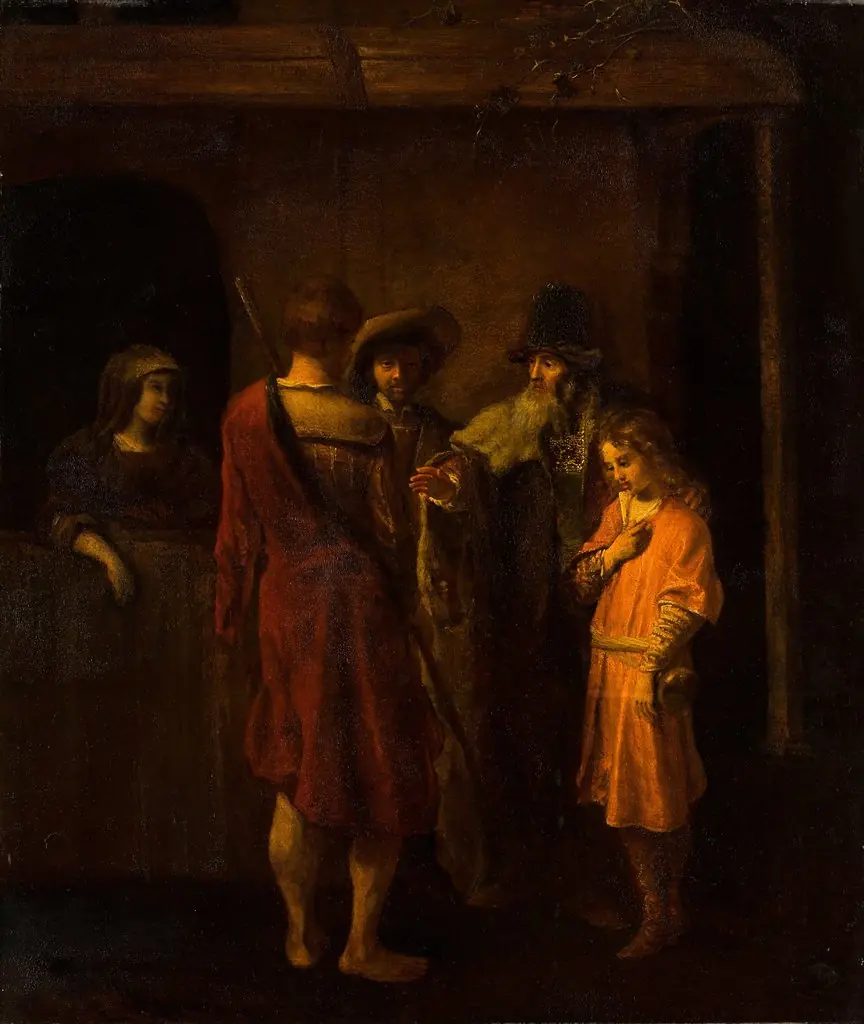 The Departure of Benjamin
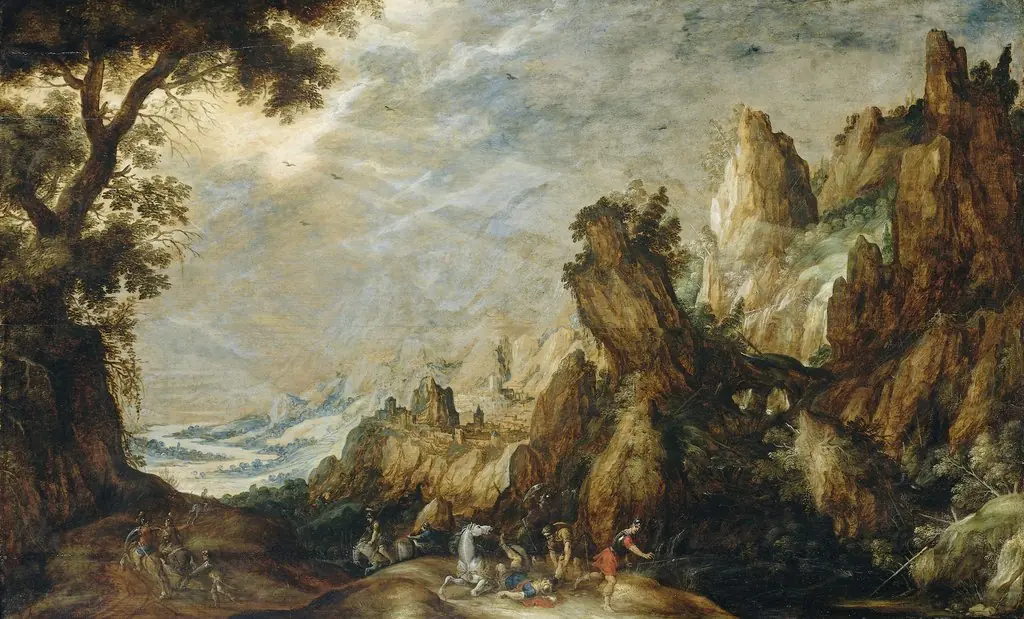 Landscape with Conversion of Saint Paul
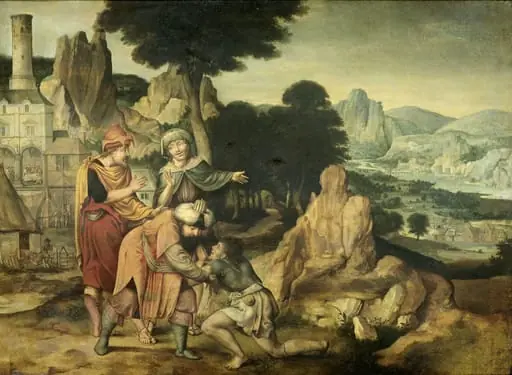 Parable of the Prodigal Son
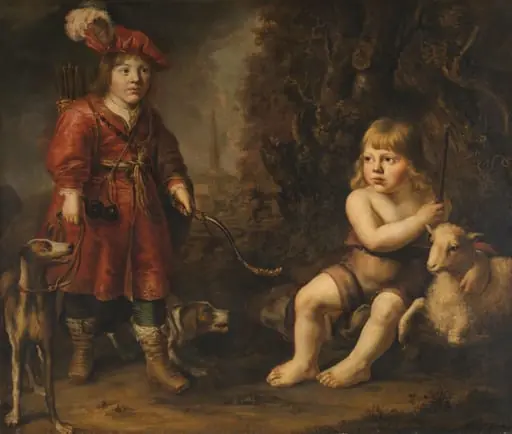 Portraits of two Boys in a Landscape, one dressed as a Hunter, the other St as John the Baptist
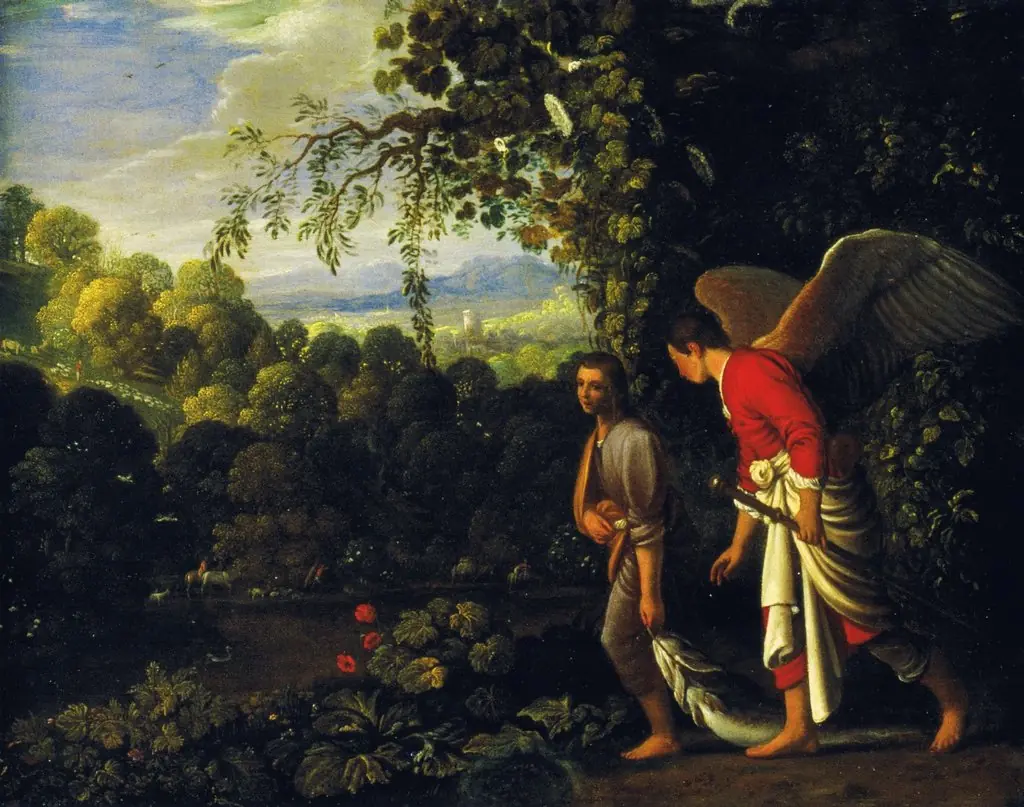 Tobias and the Angel
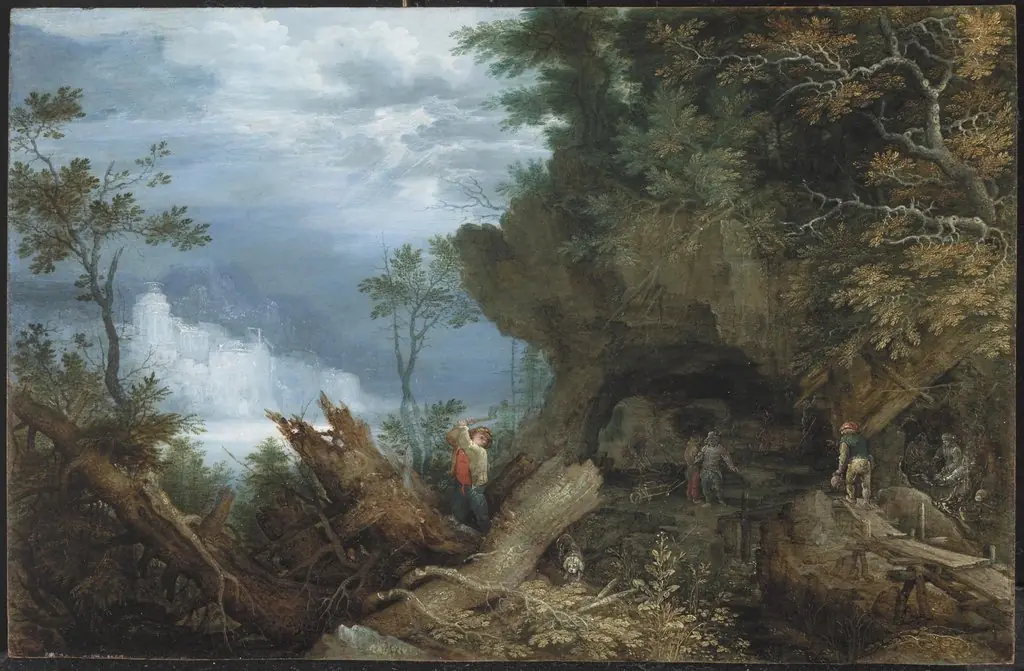 Mountainous Landscape with an Entrance to a Mine
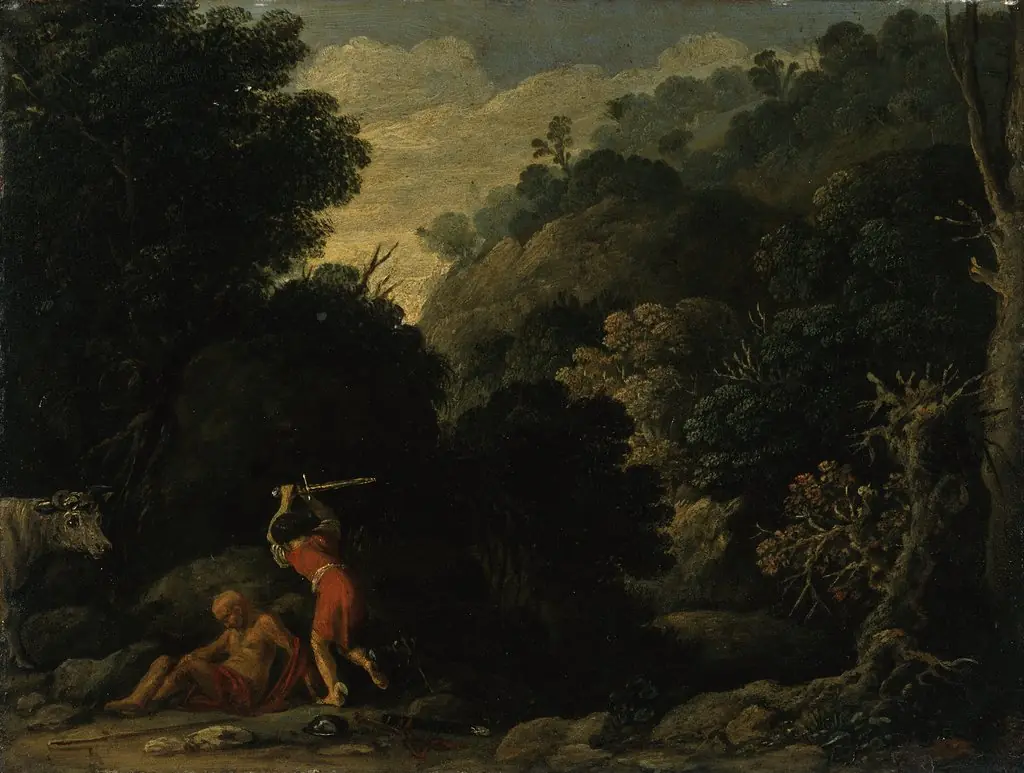 Forest Landscape with the Murder of Argus and Mercury
 Blind Tobit and His Wife