Artwork
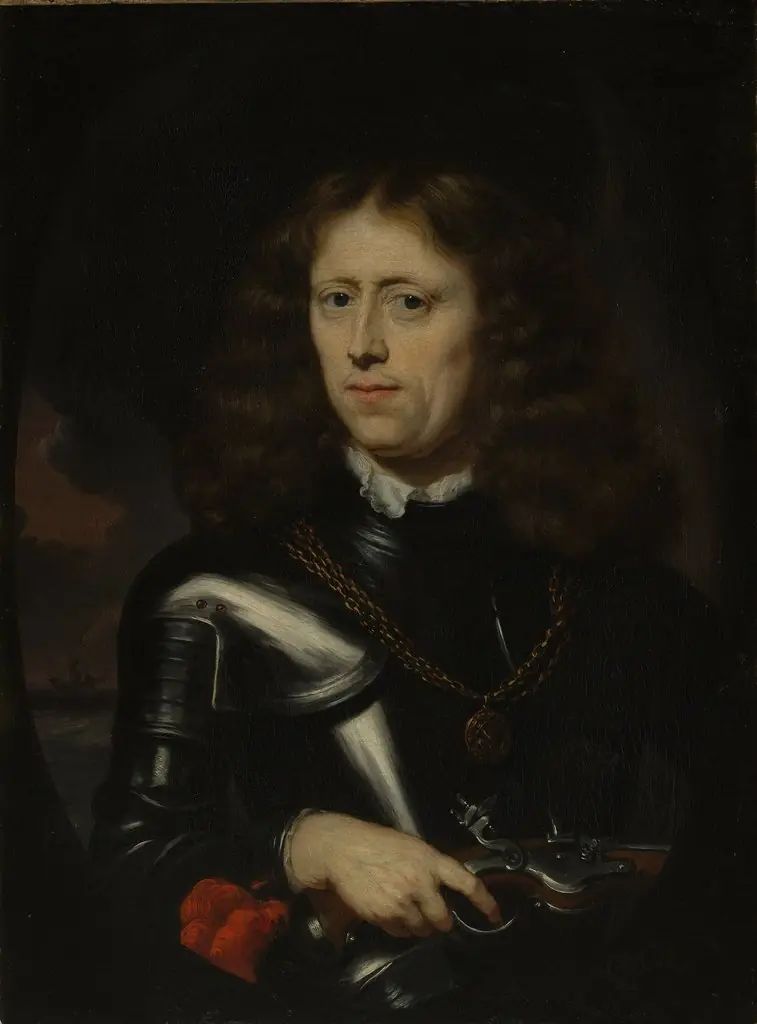
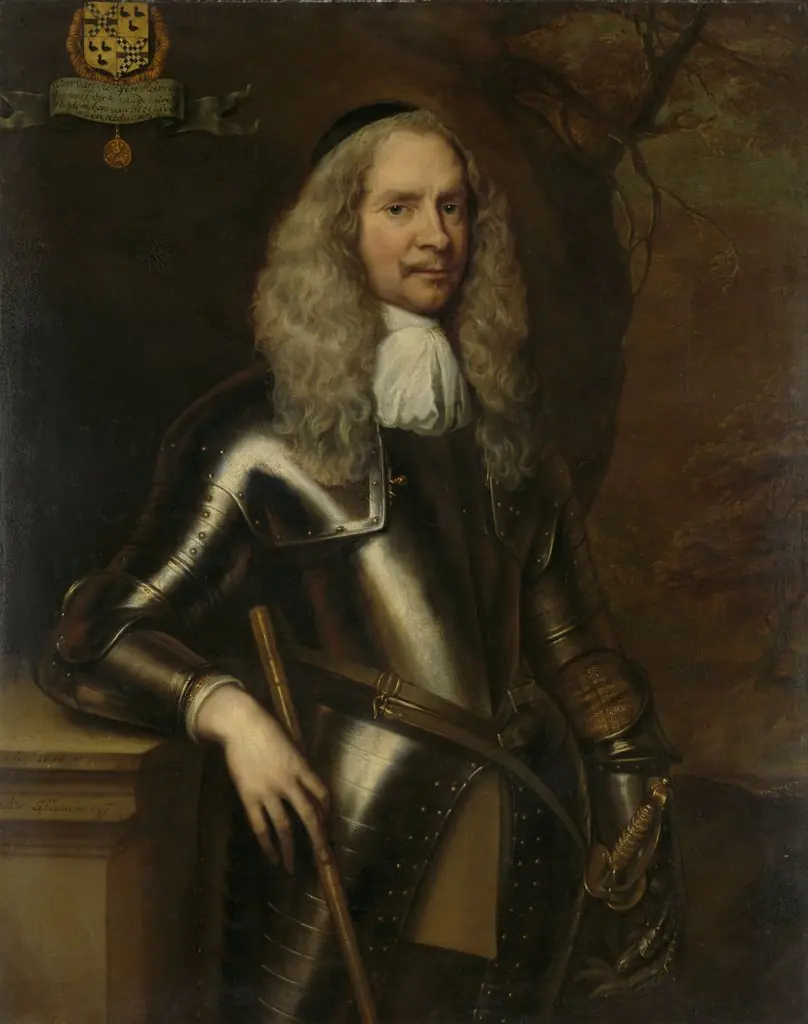
Cornelis Tromp (1629-91), Vice admiral, in Roman costume
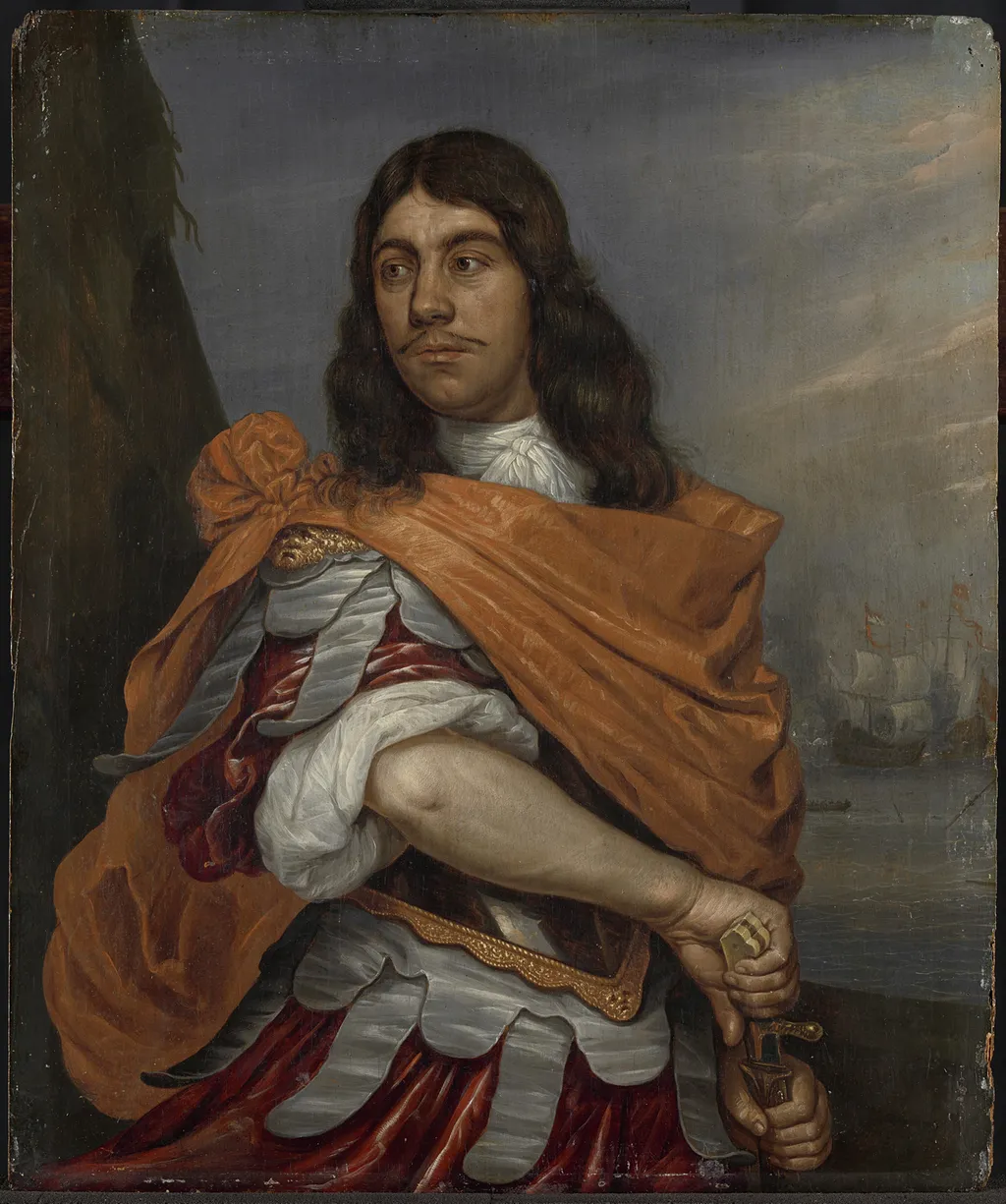
Cornelis Tromp (1629-91), Vice admiral, in Roman costume is an oil painting by the Dutch Golden Age artist Abraham van Westerveld. It dates from 1673 and is held in the collection of the Rijksmuseum. The canvas, executed in oil in 1673, presents the Dutch naval officer Cornelis Tromp (1629‑1691) attired in a stylised Roman uniform.
About this work
Subject & Meaning
The portrait depicts Cornelis Tromp, the Dutch vice admiral who lived from 1629 to 1691, presented in the guise of a Roman figure rather than in contemporary naval dress. This classicizing costume was a conventional strategy in late seventeenth-century European portraiture, used to elevate a sitter by associating him with the martial virtues and civic authority of antiquity. By clothing the admiral as a Roman, the painter Abraham van Westerveld frames Tromp not merely as a naval officer but as a statesman whose command and leadership align him with classical heroic ideals.
The work thus functions as both an individual likeness and an allegorical statement of honor, linking Tromp's seventeenth-century service to the enduring prestige of ancient Roman tradition.
Technique & Style
Abraham van Westerveld executed this portrait in 1673 using oil paint applied to a wooden panel support.
Abraham van Westerveld executed this portrait in 1673 using oil paint applied to a wooden panel support. The work measures 40 cm in height and 33 cm in width. Classified as a portrait, the painting depicts the vice admiral Cornelis Tromp dressed in Roman costume, a stylistic choice that frames the naval commander within a classical tradition.
The composition focuses on the sitter's likeness and attire, utilizing the oil medium to render the textures of the costume and the figure's features on the rigid panel surface.
History & Provenance
The work titled 'Cornelis Tromp (1629-91), Vice admiral, in Roman costume' was painted by Abraham van Westerveld in 1673 using oil on panel. It depicts the Dutch naval figure Cornelis Tromp and measures 40 cm by 33 cm. The painting entered the collection of the Rijksmuseum, where it remains on display.
The work was created during the Dutch Golden Age and reflects the tradition of portraying high-ranking officials in formal, sometimes idealized settings. Its creation date of 1673 is documented in the source material, and it was likely commissioned to commemorate Tromp's distinguished naval career, though direct commissioning records are not available.
The painting's provenance is tied to the Rijksmuseum, which acquired it as part of its permanent collection. It has been exhibited as part of the museum's portrait gallery, highlighting themes of authority and statecraft in 17th-century Dutch art.
Overview
The canvas, executed in oil in 1673, presents the Dutch naval officer Cornelis Tromp (1629‑1691) attired in a stylised Roman uniform. The figure dominates a dark, indistinct backdrop, his posture and attire emphasizing authority and classical virtue. The work is part of the Rijksmuseum’s collection and exemplifies the portraiture typical of the Dutch Golden Age.
Context
In the mid‑17th century, Dutch portraiture often incorporated classical motifs to convey status and moral qualities. Westerveld’s choice to dress Tromp in Roman garb aligns with this trend, while also resonating with the broader European fascination with antiquity that informed both art and political imagery of the period.
Own this work as a print
Artist & collection
Artist
Abraham van Westerveld (ˈaːbrɑˌɦɑm vɑn ˈʋɛstərˌvɛlt, 1620/1621-30 April 1692, Rotterdam) or Abraham Evertsz.

- Untitled
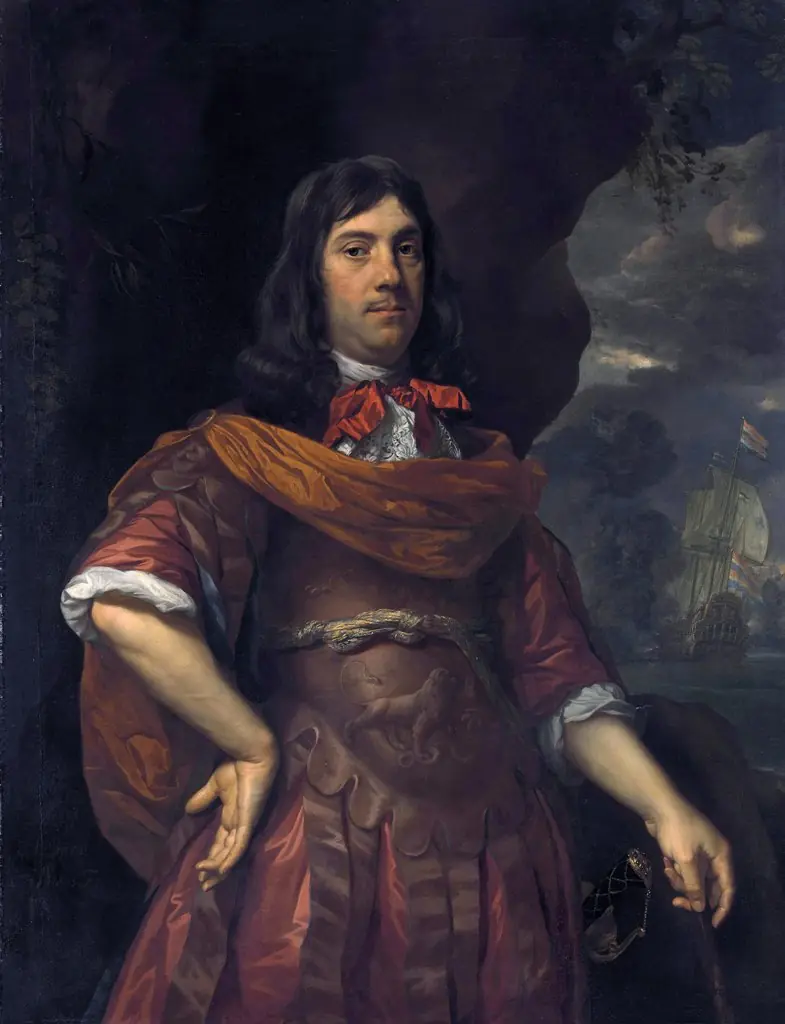 Cornelis Tromp (1629-91). Lieutenant-admiral general
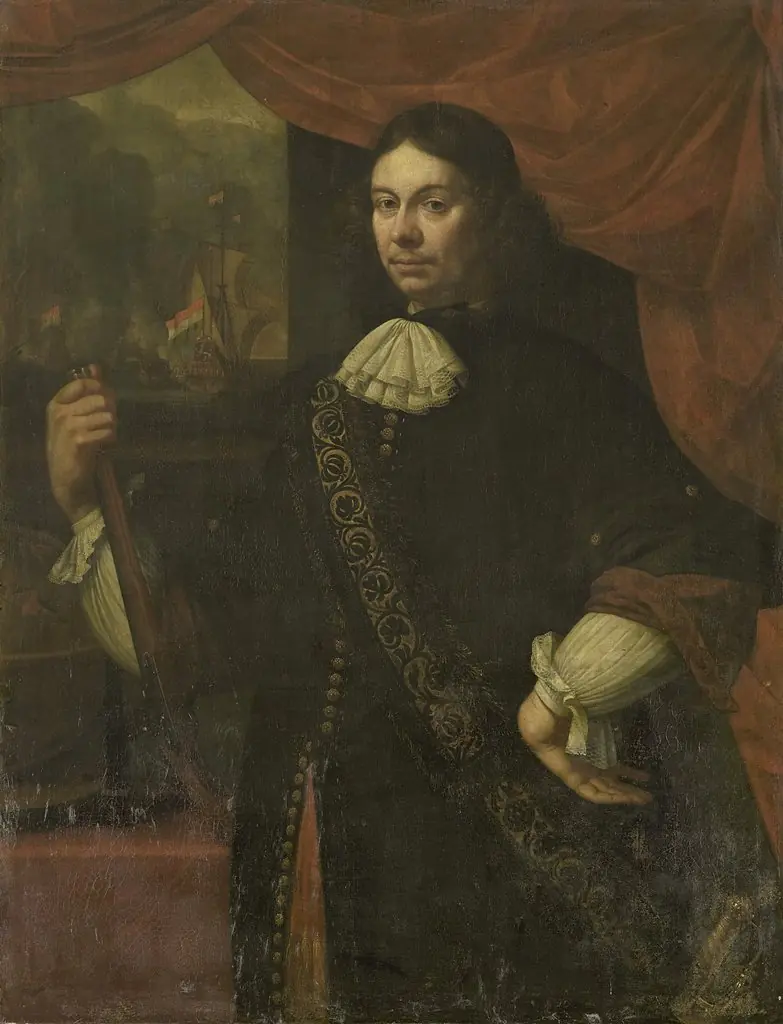 Portrait of Cornelis Jacobsz de Boer, Captain in the Navy
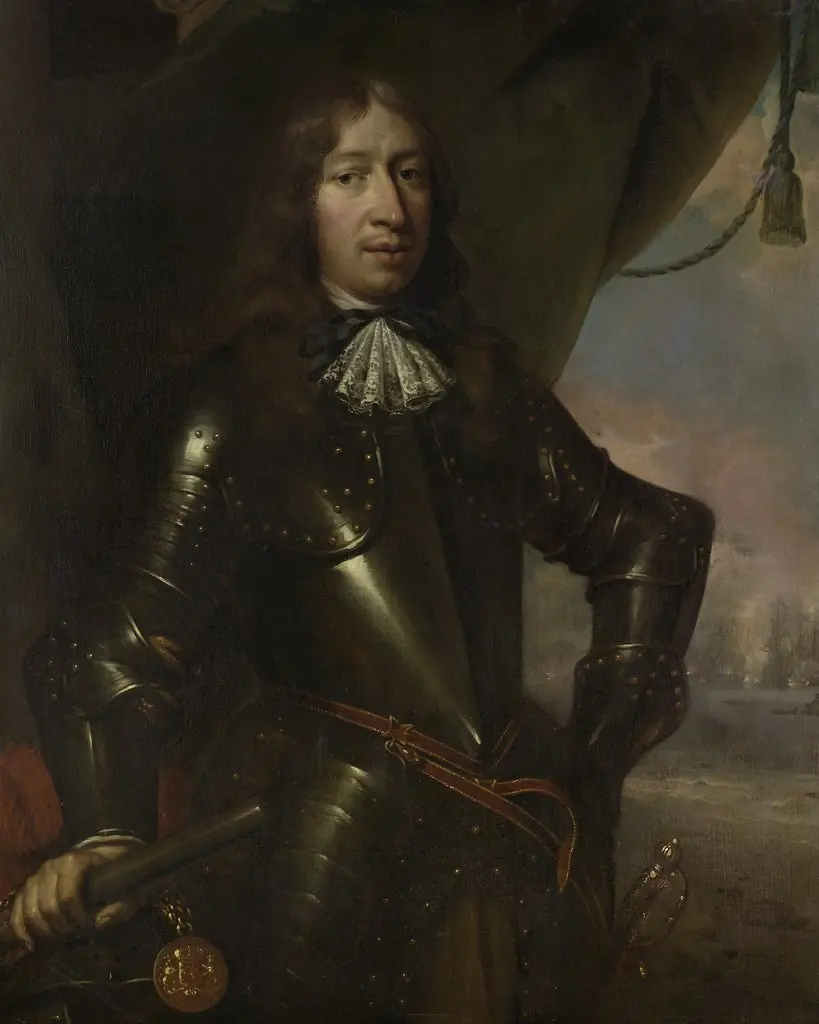 Portrait of Willem Joseph Baron van Ghent (1626-72), vice-admiral
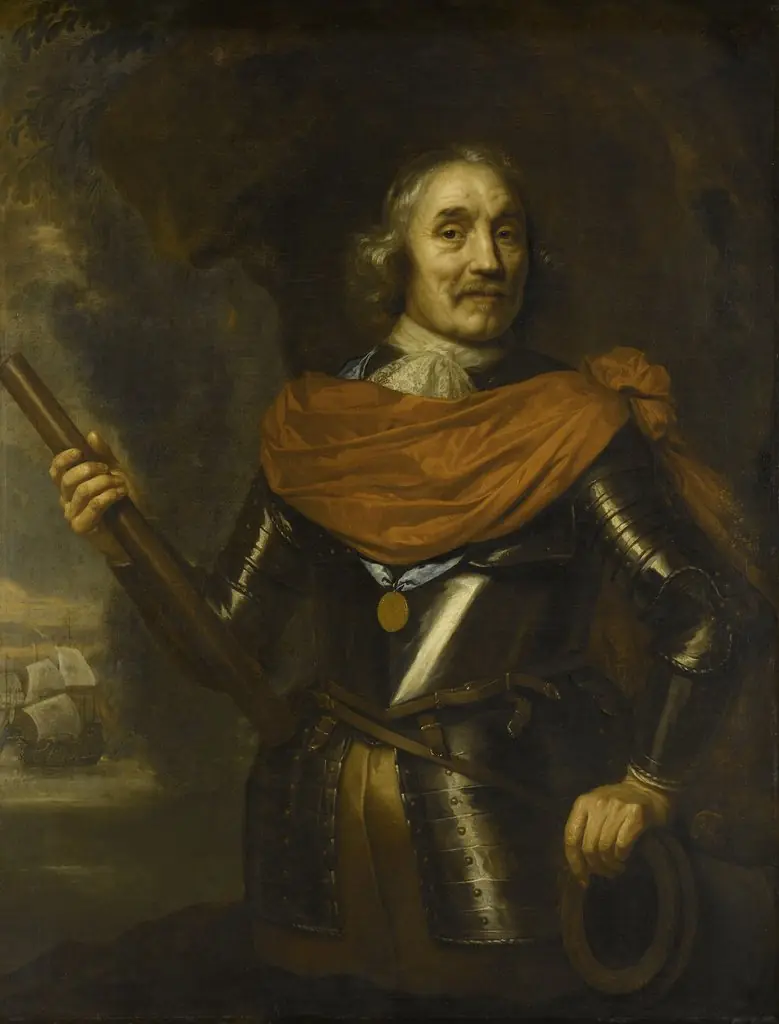 Maerten Harpertsz Tromp (1597-1653). Vice admiral
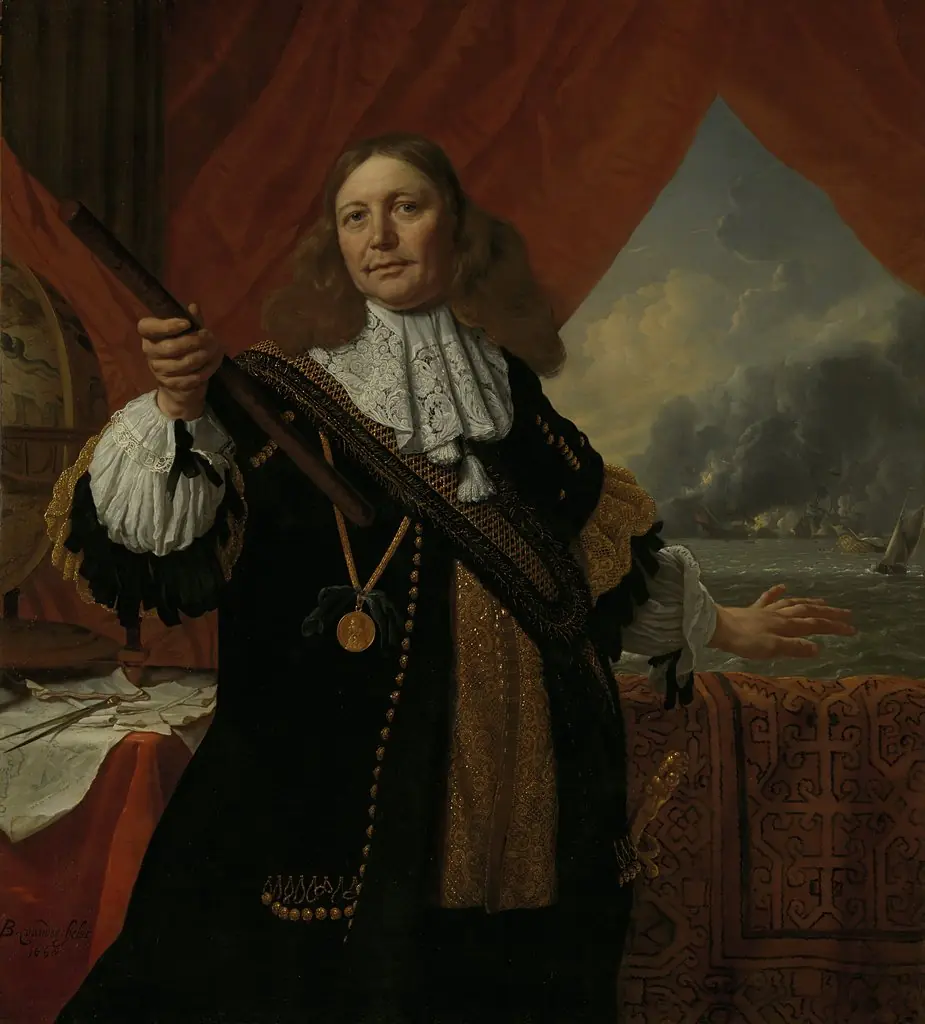 Johan de Liefde (c 1619-73), Vice admiral
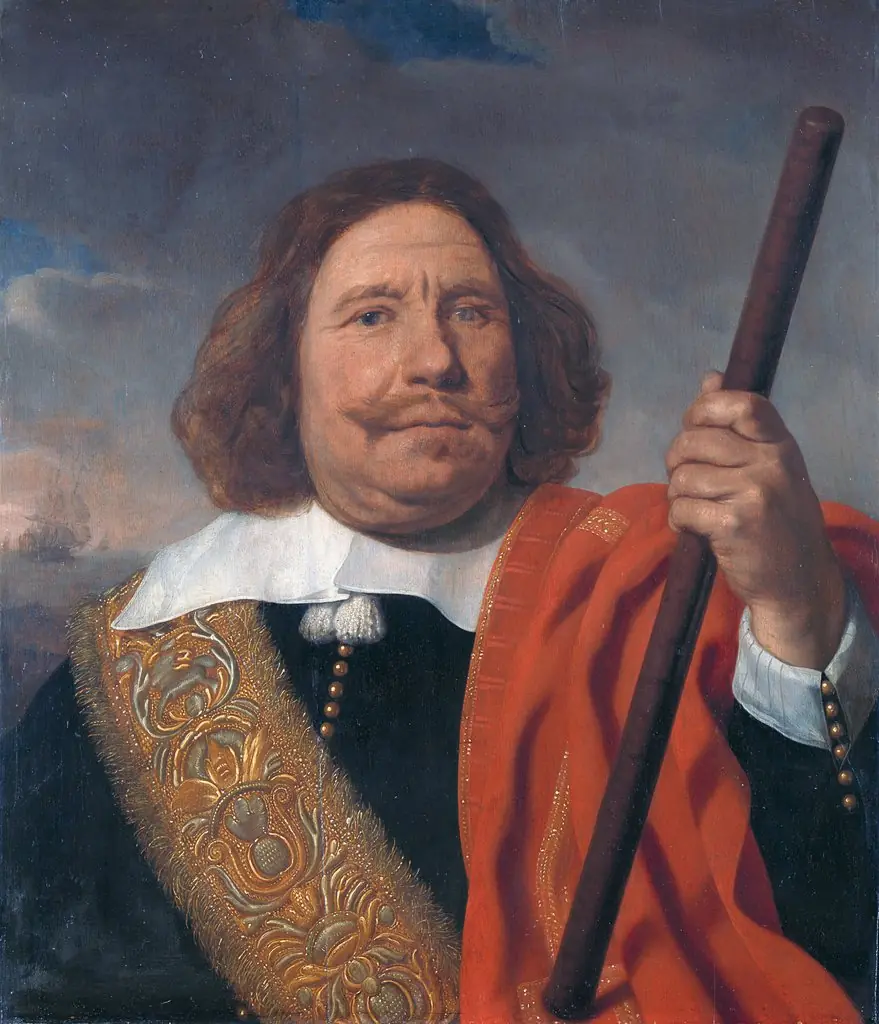 Egbert Meeuwsz Cortenaer (1605-65). Vice admiral, admiralty of the Maas, Rotterdam
 Cornelis van Aerssen (1600-62), lord of Sommelsdijk. Colonel of cavalry