Artwork
Kenilworth Castle, Warwickshire, England
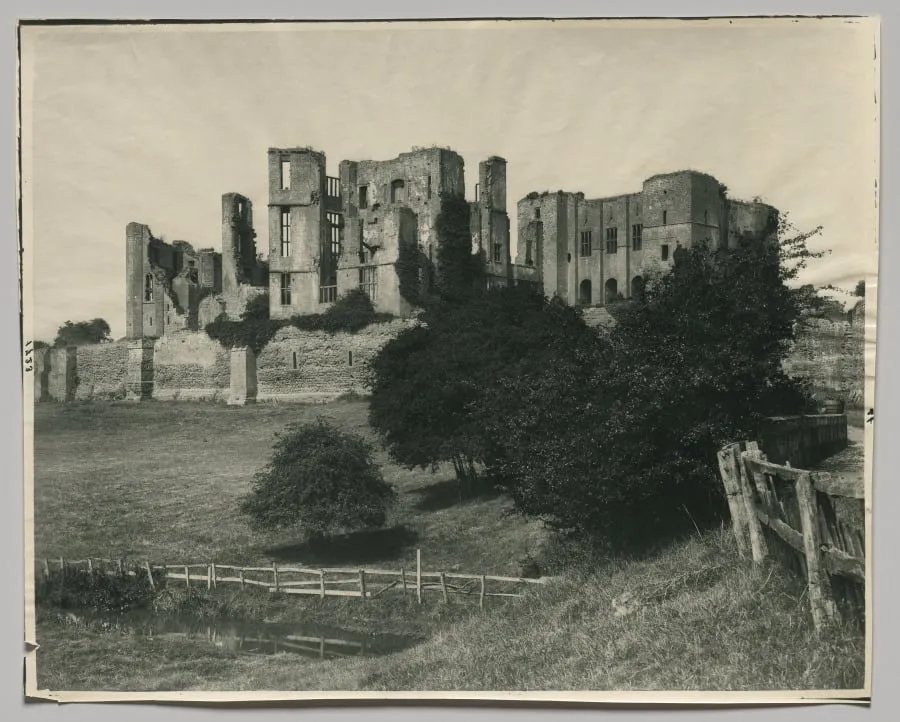
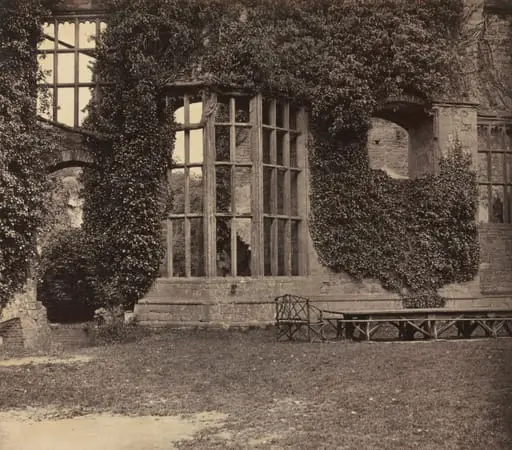
Kenilworth Castle, Warwickshire, England is a photography by the Impressionist artist Adolphe Braun. It dates from 1874 and is held in the collection of the Cleveland Museum of Art. Taken in the 1870s by photographer William James Braun, this image captures Kenilworth Castle as a ruin softened by time and vegetation.
- Accession no.
- 2021.62
- Credit line
- Gift of Michael Mattis and Judith Hochberg
About this work
Overview
Taken in the 1870s by photographer William James Braun, this image captures Kenilworth Castle as a ruin softened by time and vegetation.
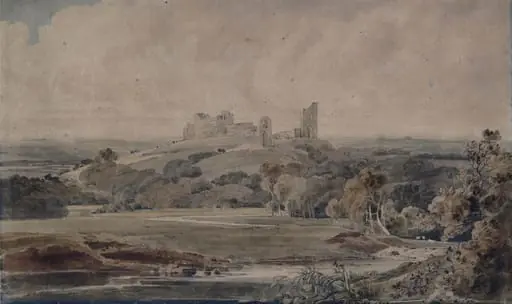
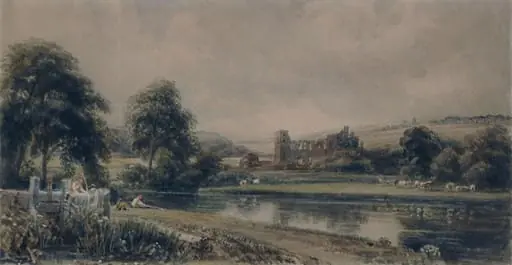
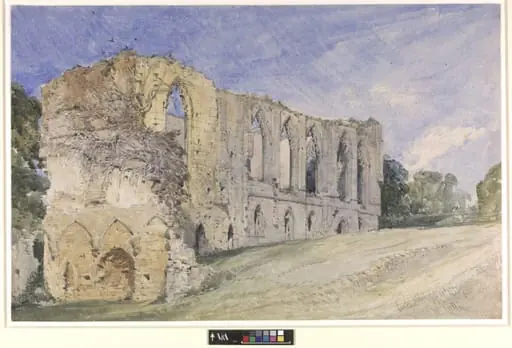
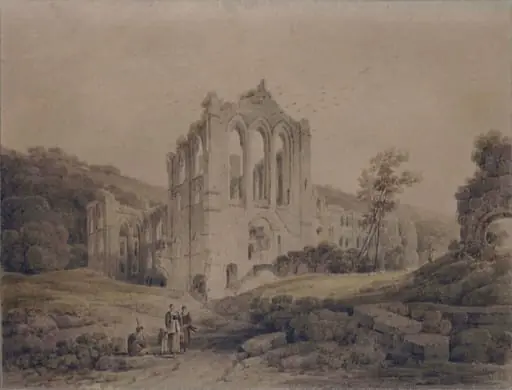
Taken in the 1870s by photographer William James Braun, this image captures Kenilworth Castle as a ruin softened by time and vegetation. The castle, situated beside a still lake in Warwickshire, appears partially reclaimed by nature, with ivy cloaking its stone walls and towers rising faintly above the water. The photograph reflects a period when the site was already well known, not through active use but through literary and cultural memory.
Subject & Meaning
The castle’s decay is not merely architectural but symbolic. Once a royal residence tied to Elizabeth I and Robert Dudley, its image now evokes romanticized history rather than political power. The photograph does not dramatize the past but quietly confirms its presence, offering a visual echo of the legends popularized by Sir Walter Scott’s 1821 novel, which had turned the ruins into a shared cultural touchstone.
Technique & Style
Braun’s photograph employs a composed, static perspective that emphasizes the castle’s isolation and stillness. The use of natural light enhances the texture of weathered stone and the dense green of ivy, while the calm lake mirrors the structure, doubling its sense of quiet endurance. The image avoids theatricality, favoring a documentary tone that aligns with mid-Victorian photographic ideals of truth and observation.
History & Provenance
Kenilworth Castle fell into disrepair after the English Civil War and was largely abandoned by the 18th century. By the 1820s, Scott’s novel had transformed it into a pilgrimage site for literary tourists. Braun’s photograph, made decades later, documents the site as it was visited by generations who had encountered its story in print rather than in person, preserving its status as a monument of imagination as much as of stone.
Context
In the 19th century, romantic ruins became popular subjects across Europe, especially in photography and painting. Artists and photographers often depicted castles that had outlived their function, emphasizing atmosphere over accuracy. Kenilworth was one of many such sites, its fame derived less from physical grandeur than from its role in literature, making it a symbol of how history could be preserved through narrative.
Legacy
Braun’s photograph contributes to a broader visual archive of heritage sites shaped by literary imagination. It records how ruins were perceived not as relics to be restored, but as evocative spaces where history lived in the mind. This image helped cement Kenilworth’s identity as a place where fact and fiction blurred, a quiet testament to the enduring power of story over stone.
Artist & collection