Artwork
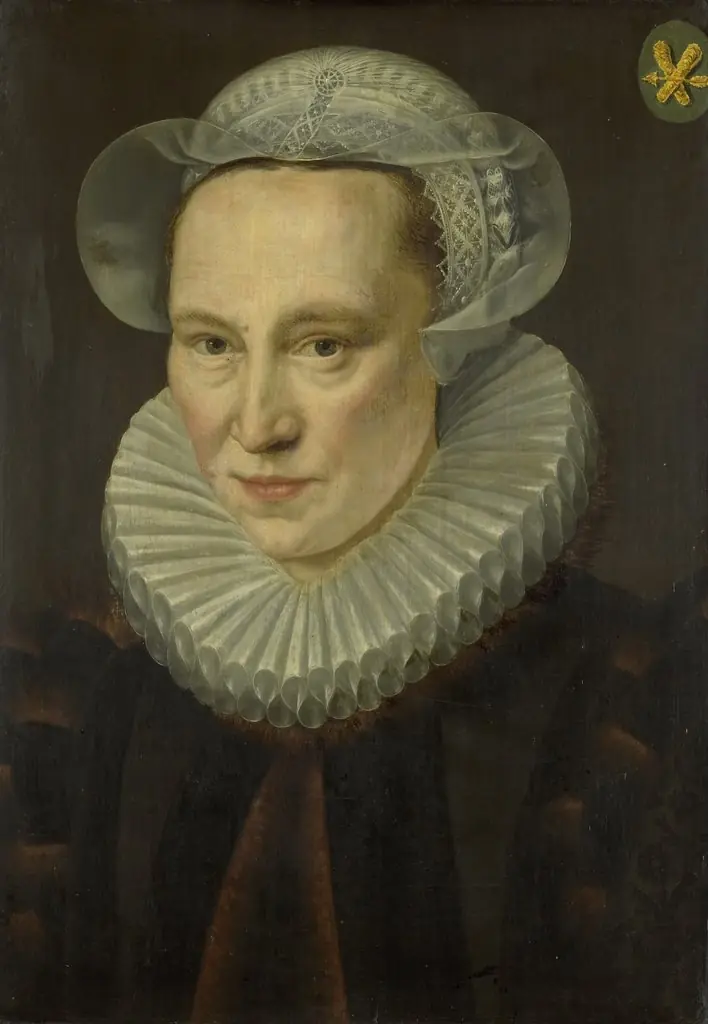
Portrait of a lady
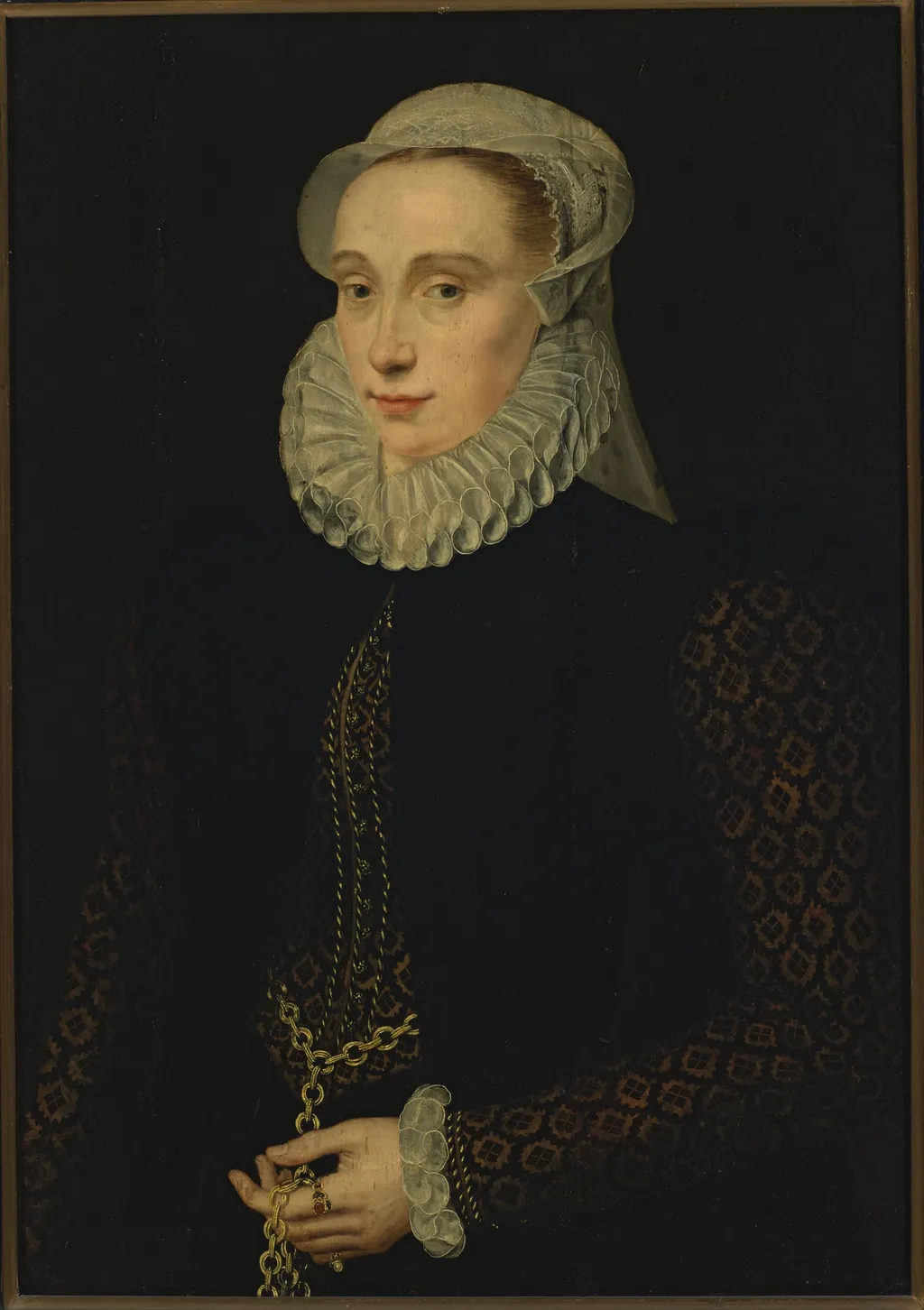
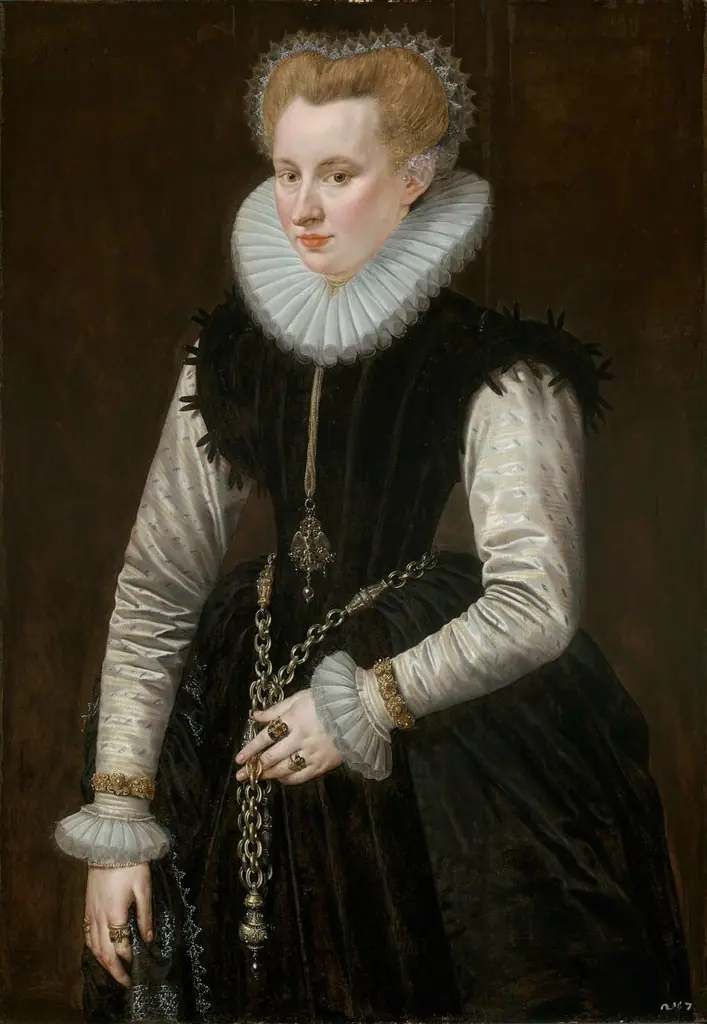
Portrait of a lady is an oil painting by the Dutch Golden Age artist Adriaen Thomasz. Key. It dates from 1577 and is held in the collection of the National Museum in Warsaw. Adriaen Thomasz.
About this work
Overview
Portrait of a Lady is an oil painting on oak panel by the Flemish Renaissance artist Adriaen Thomasz.
Portrait of a Lady is an oil painting on oak panel by the Flemish Renaissance artist Adriaen Thomasz. Key, dated circa 1600 according to Wikidata records, though this date falls after the artist's documented activity and likely reflects a cataloguing convention rather than precise dating. The work measures 74 by 52.5 centimeters and is held in the collection of the National Museum in Warsaw. Key, active in Antwerp from 1568 until his disappearance from records after 1589, was among the most technically accomplished portraitists of the post-iconoclasm generation in the Habsburg Netherlands, and this painting exemplifies the meticulous, status-conscious portraiture that secured his reputation among the city's mercantile and noble elite.
Subject & Meaning
The sitter is an unidentified woman, depicted at three-quarter length against a flat, dark background. She faces slightly left with her head turned toward the viewer, her pale face framed by a sheer, pale head covering that wraps around her hair and chin. A large, starched ruff collar encircles her neck, and she wears a dark bodice with long sleeves featuring a repeating gold and brown geometric pattern. Her hands, clasped at waist level, hold a heavy gold chain, while a pale, ruffled cuff is visible at her right wrist. The iconography of dress and accessories signals wealth and social standing: the ruff, gold chain, and patterned textiles were markers of the Antwerp bourgeoisie and nobility whom Key typically portrayed. The sitter's direct gaze and the careful attention to her jewelry and fabrics emphasize her social identity rather than individual personality, consistent with Northern Renaissance portraiture's focus on status and material display. The restrained palette of blacks, browns, and off-whites with touches of gold further underscores the dignified, sober aesthetic associated with Calvinist-influenced portraiture of the period.
Technique & Style
The painting is executed in oil on oak panel, a support characteristic of Flemish practice. The surface shows fine craquelure and a smooth, polished finish, with light falling evenly on the face and hands to create subtle modeling against the uniform darkness of the background. Key's technique is distinguished by precise detail in textiles and jewelry, with particular care given to the rendering of individual strands of hair, the pin securing the bonnet, the delicate folds of the ruff, and the reflections in the sitter's eyes. The brushwork achieves an almost photographic representation while introducing strong relief in flesh tones to model distinct physiognomy. This combination of technical perfection and fidelity to nature aligns with Key's documented working method, which gave his portraits their characteristic objective observation and innovative conceptual approach. The even lighting and neutral background are consistent with his standard compositional format, whether at half-, bust-, or three-quarter length.
History & Provenance
The painting's early provenance remains undocumented. It is now in the National Museum in Warsaw, though the precise date and circumstances of its acquisition are not specified in the available sources. The work has been independently endorsed by Dr. Koenraad Jonckheere and Lien Vandenberghe following firsthand inspection, and it is scheduled for inclusion in their forthcoming addendum to the catalogues raisonné of Willem and Adriaen Thomasz. Key. A poor copy of this painting, or perhaps a lost half-length version showing the sitter with jewelry, was sold at Casa d'Aste Babuino, Rome, on 9 April 2019 as lot 52 with an attribution to Frans Pourbus. This copy attests to the composition's circulation and the broader attribution history that has surrounded Key's oeuvre, as his works were frequently misattributed to other artists, including Frans Pourbus the Elder and Willem Key, after his posthumous obscurity.
Context
Adriaen Thomasz. Key emerged as a leading painter in Antwerp in the second half of the sixteenth century following the Beeldenstorm (Iconoclastic Fury), which had devastated Catholic art and church furnishings. Born around 1544, he trained under glass painter Jan Hack III and was registered as a pupil at the Antwerp Guild of Saint Luke in 1558. He became linked to Willem Key's workshop at an early age and assumed the Key name after taking over the workshop in 1568, a strategic branding decision given Willem Key's high reputation. Despite being a committed Calvinist in a largely Catholic city, Key secured patronage from across the confessional spectrum, including the Catholic Duke of Alva in 1568 and the Calvinist William the Silent in 1579. He did not flee Antwerp after the Spanish reconquest in 1585, continuing to work and take pupils until his final documented mention in 1589. His posthumous neglect was such that Karel van Mander omitted him entirely from the Schilder-Boeck (1604), and only in the mid-nineteenth century did Christiaan Kramm recognize his distinct artistic personality, declaring his work superior to Willem Key's and comparable to Antonis Mor. Koenraad Jonckheere's 2007 catalogue raisonné finally established a secure corpus, resolving decades of misattribution.
Legacy
Key's influence on subsequent generations, while significant, was partially obscured by his rapid posthumous neglect. His technical mastery and innovative concepts influenced painters including Rubens, though the full extent of this impact awaits fuller scholarly exploration. The persistent misattribution of his works to Frans Pourbus the Elder, Willem Key, and even Antonis Mor throughout the nineteenth and much of the twentieth century distorted understanding of his achievement. The forthcoming addendum to Jonckheere's catalogue raisonné, which will include this portrait, represents the ongoing scholarly effort to consolidate his oeuvre and restore his proper place in Flemish art history. His portraits of William the Silent, existing in multiple autograph versions at the Rijksmuseum, Mauritshuis, and Museo Thyssen-Bornemisza, remain his most widely recognized works and anchor his reputation as a painter capable of combining penetrating characterization with imposing presentation of status. The National Museum in Warsaw's holding of this portrait contributes to the international distribution of his works across major European collections including the Louvre, the Prado, the Kunsthistorisches Museum, and the Alte Pinakothek.
Own this work as a print
Artist & collection
Artist
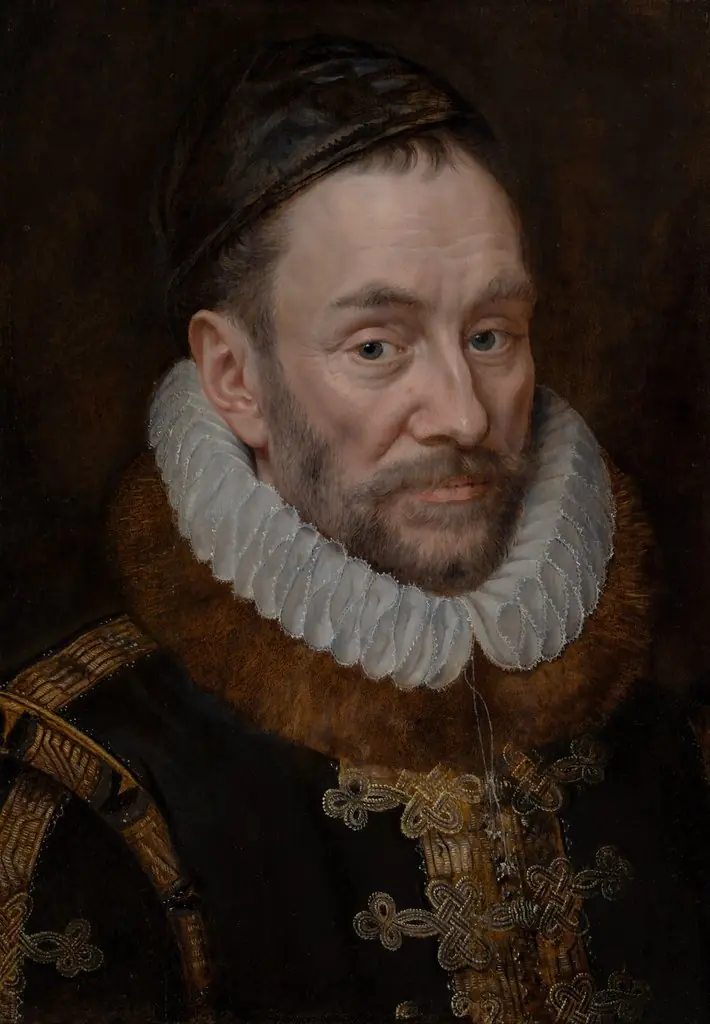
Adriaen Thomasz. Key (c. 1544 in Antwerp – after 1589 in Antwerp) was a Flemish painter of portraits and religious paintings, a draughtsman and a printmaker. He worked for a while in the Antwerp workshop of the…

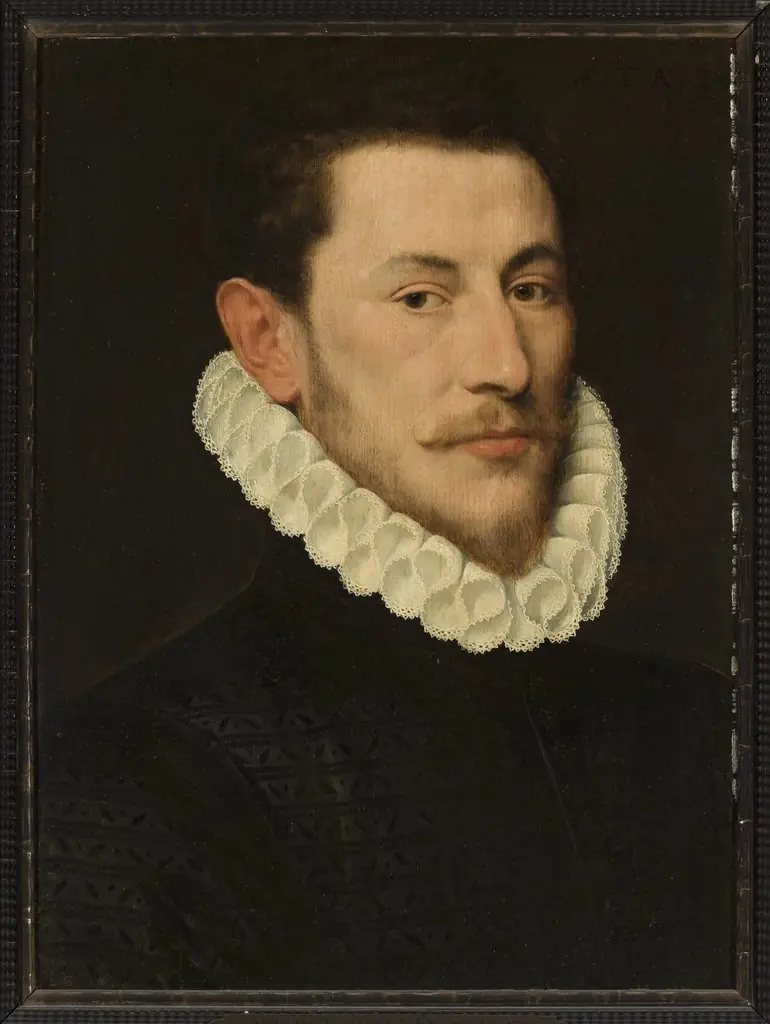
- Portrait of Antoinette Walleran (1598-?)
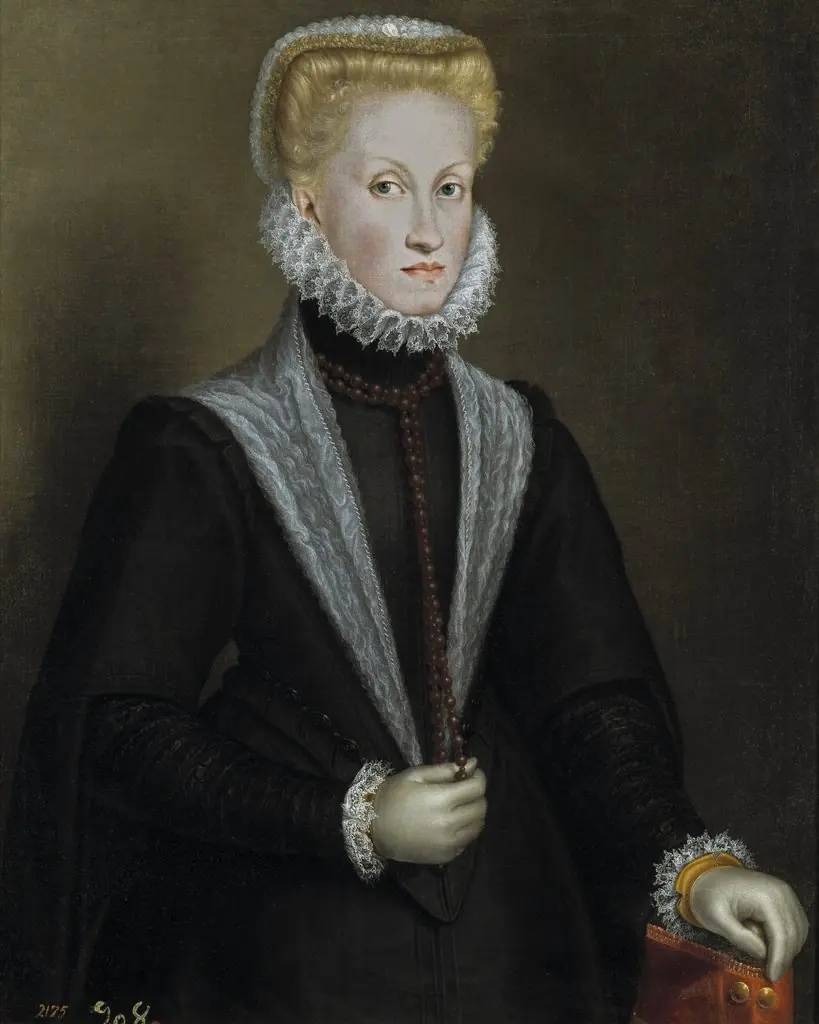 Portrait of Anna of Austria (1549-1580)
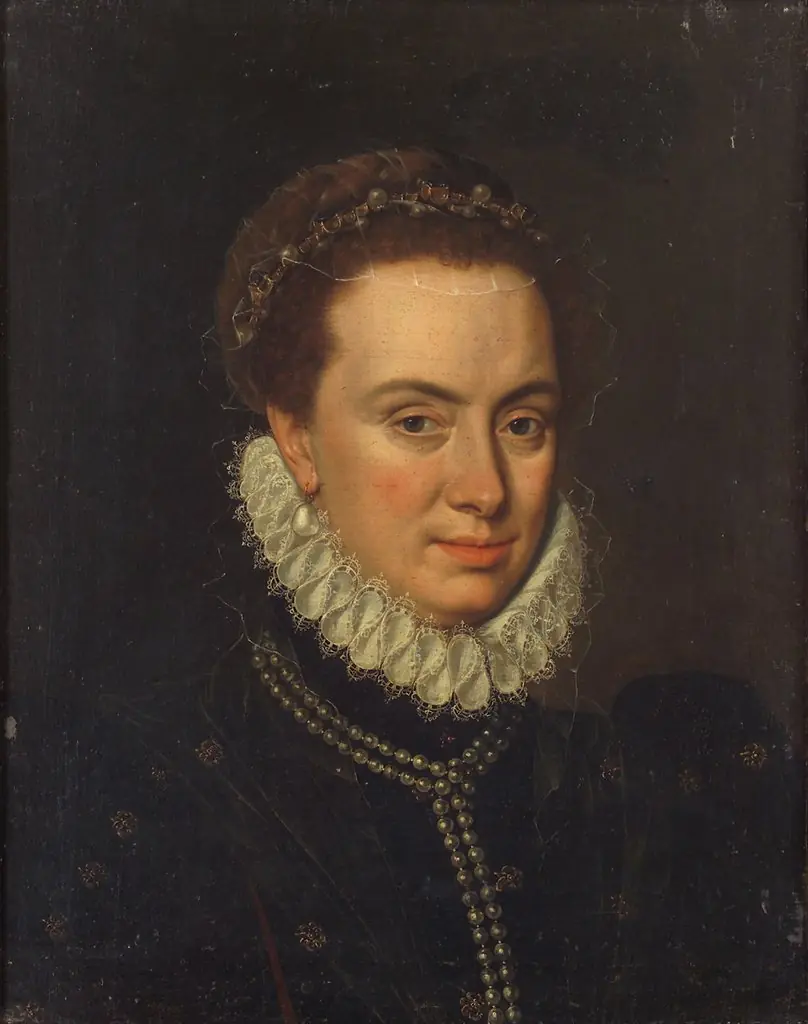 Margarete von Parma (1522-1586), Brustbild der etwa Vierzigjährgen
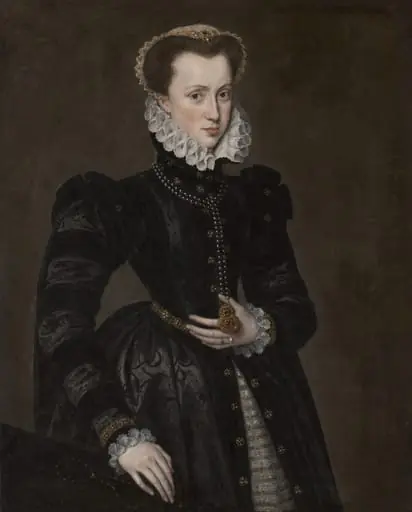 Portrait of a Court Lady
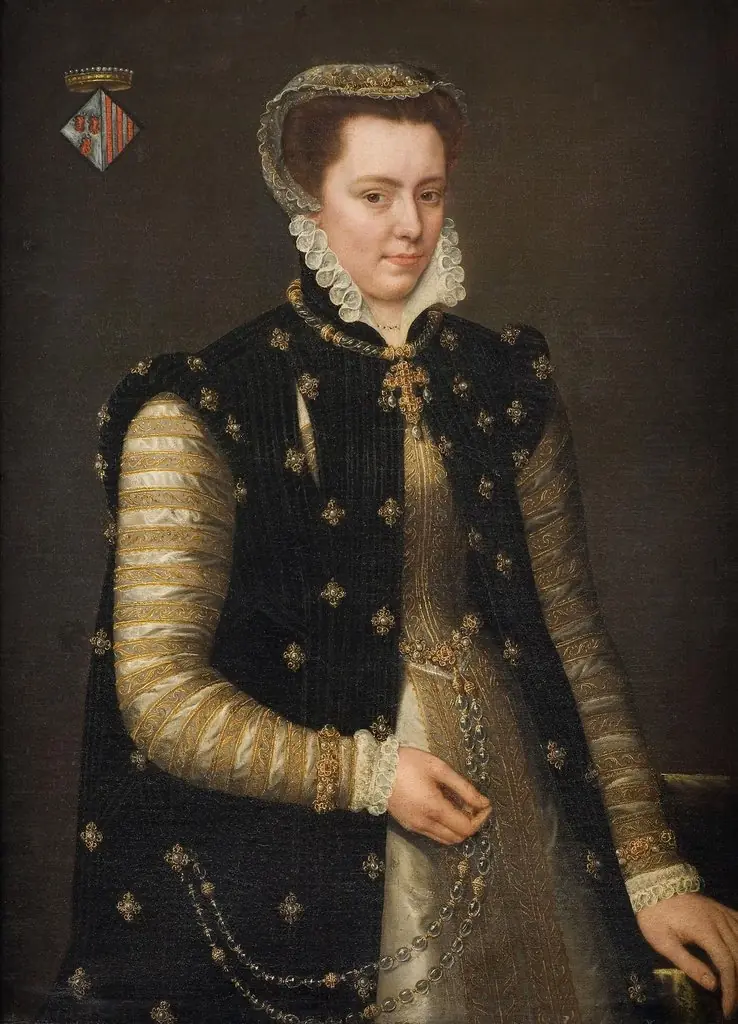 Portrait of Margaret of Parma
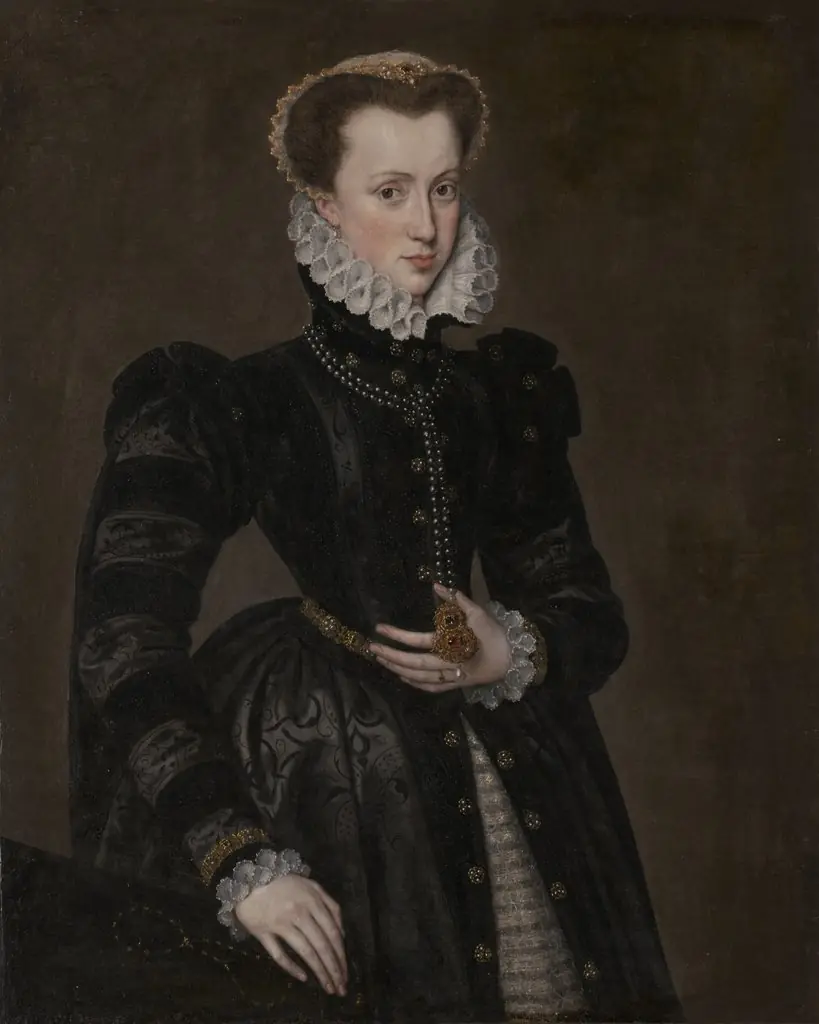 Portrait of a Court Lady
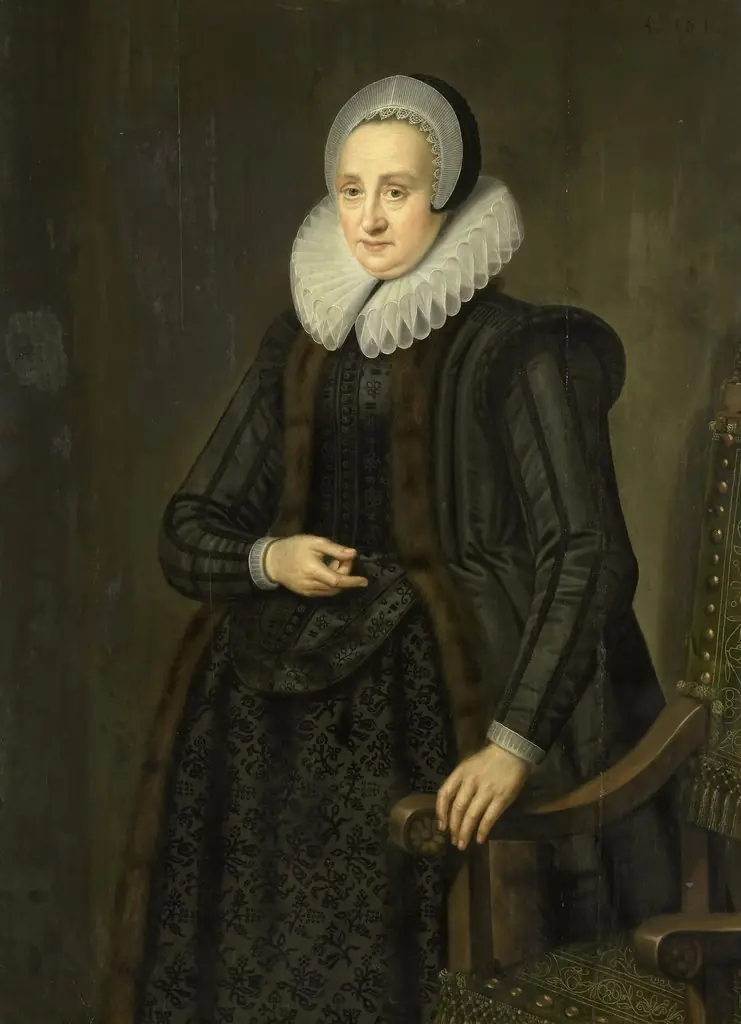 Portrait of Margarita Cassier
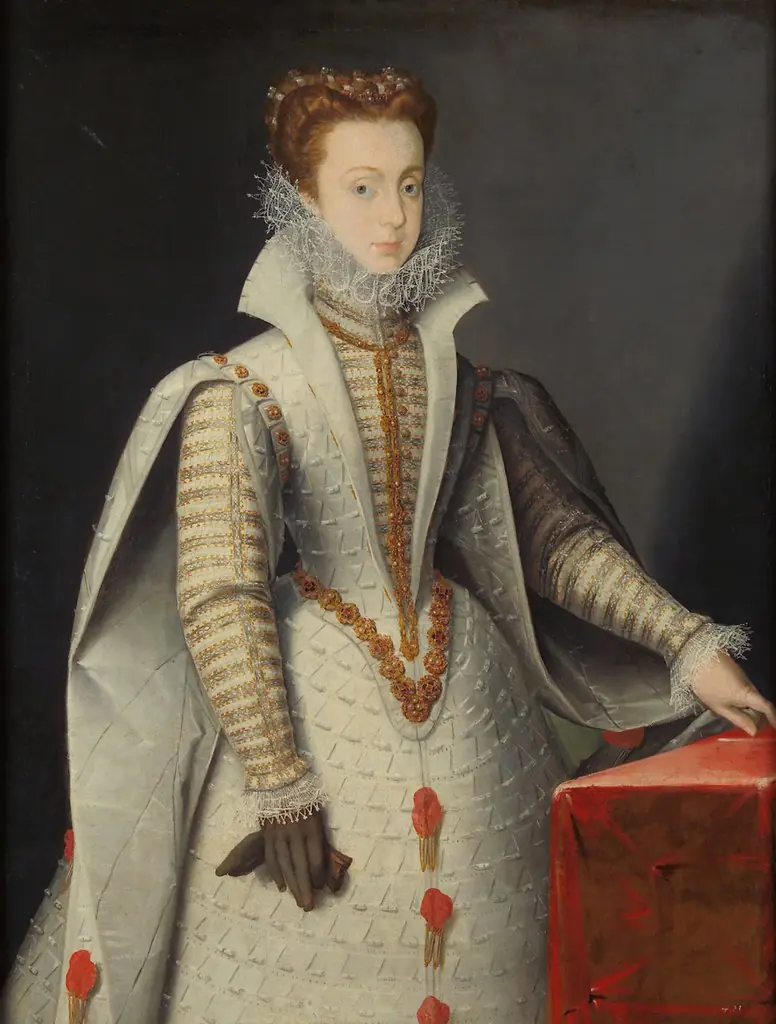 Herzogin Margarete von Joyeuse (1564-1625), Dreiviertelbildnis
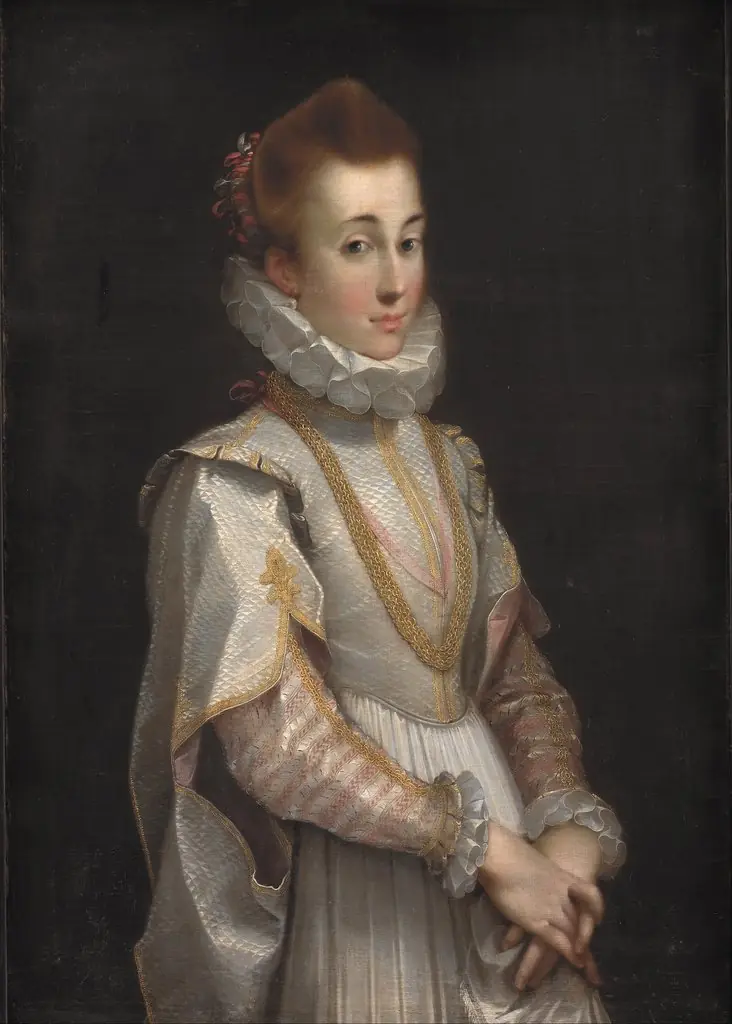 Portrait of a Young Lady
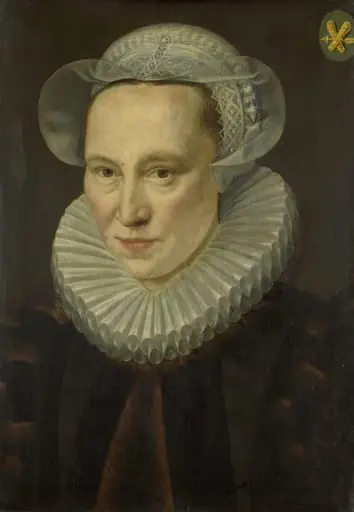 Portrait of Grietje Pietersdr Codde (1538-1607)
 Portrait of a Woman
 Portrait of Anna Radziwiłł née Sobek (?–1578)