Artwork
Portrait of a Young Lady
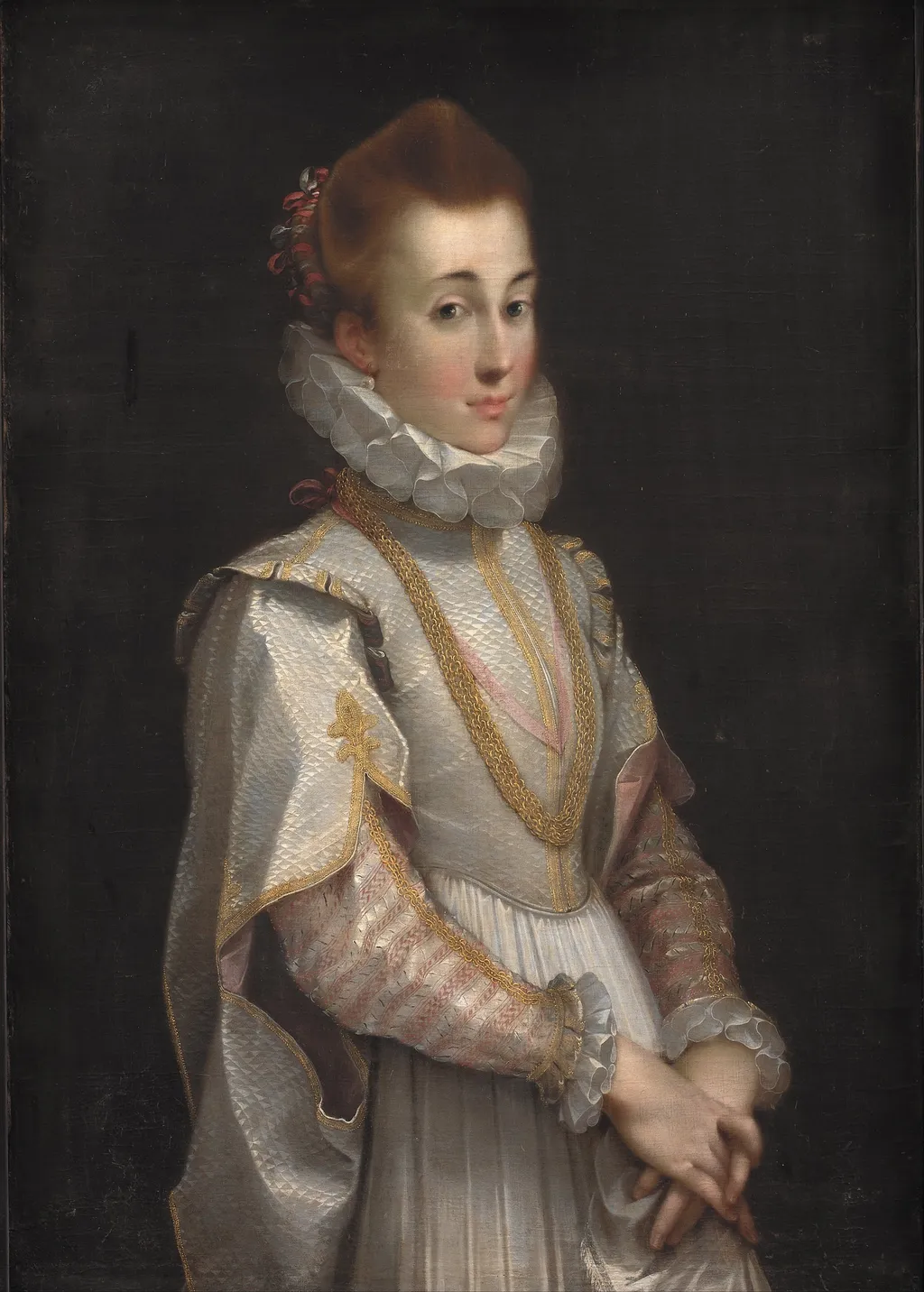
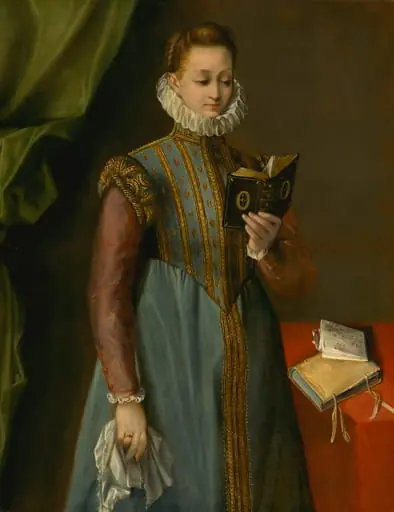
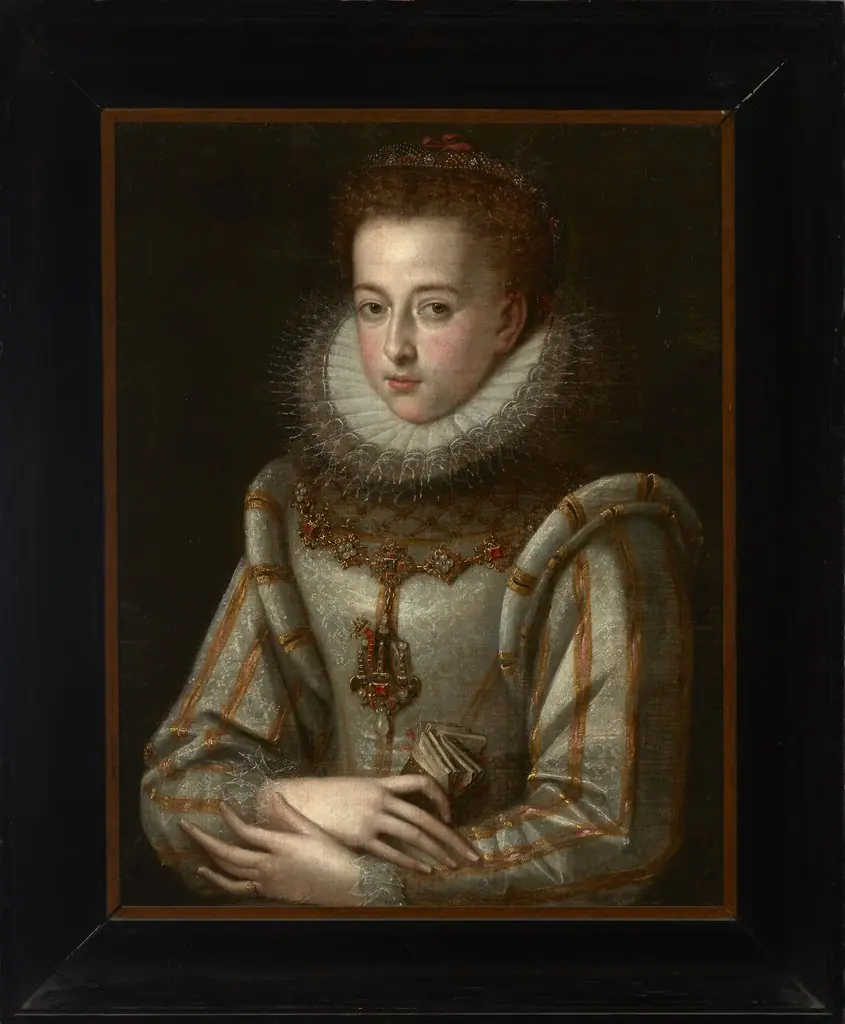
Portrait of a Young Lady is an oil painting by the Early Baroque Italian artist Federico Barocci. It dates from 1600 and is held in the collection of the Statens Museum for Kunst. Created in the year 1600, this oil painting portrays a young woman rendered in a luminous white gown edged with gold.
About this work
Technique & Style
Executed in 1600, this portrait by Federico Barocci is an oil painting on canvas. The work measures 119.5 cm in height and 83 cm in width. As a formal portrait, the composition focuses on the depiction of a woman, utilizing the fluidity of oil paint on a woven support to render the subject's features. The piece is currently held in the collection of the Statens Museum for Kunst.
History & Provenance
The painting was created in 1600 by Federico Barocci and is catalogued under accession details recorded by the Statens Museum for Kunst.
The painting Portrait of a Young Lady was created by the Italian artist Federico Barocci. The work dates to the year 1600. Executed in oil paint on canvas, the piece measures 119.5 cm in height and 83 cm in width.
It is currently held in the collection of the Statens Museum for Kunst, where it remains located. No further details regarding its original commission or intermediate ownership history are provided in the available records.
Portrait of a Young Lady is held at the Statens Museum for Kunst, with inventory number not specified in the sources. It has been exhibited in the museum’s permanent collection displays and featured in special exhibitions highlighting Barocci’s oeuvre, as documented in museum records.
The painting was created in 1600 by Federico Barocci and is catalogued under accession details recorded by the Statens Museum for Kunst.
Context
Portrait of a Young Lady is a 1600 oil painting on canvas depicting a woman, created by Italian Mannerist painter Federico Barocci. Executed in oil on canvas, the work measures 119.5 cm in height and 83 cm in width. It belongs to the portrait genre and is part of the collection at the Statens Museum for Kunst, where it remains on display.
Scholarly attention to Barocci's portraiture has emphasized its refined composition and psychological depth, situating the painting within the broader trajectory of late Renaissance portraiture that bridges Mannerist traditions and the emerging Baroque emphasis on naturalism. The work is frequently discussed in studies of Barocci's influence on subsequent portraitists, particularly regarding his treatment of gesture and facial expression as vehicles for narrative intent.
Overview
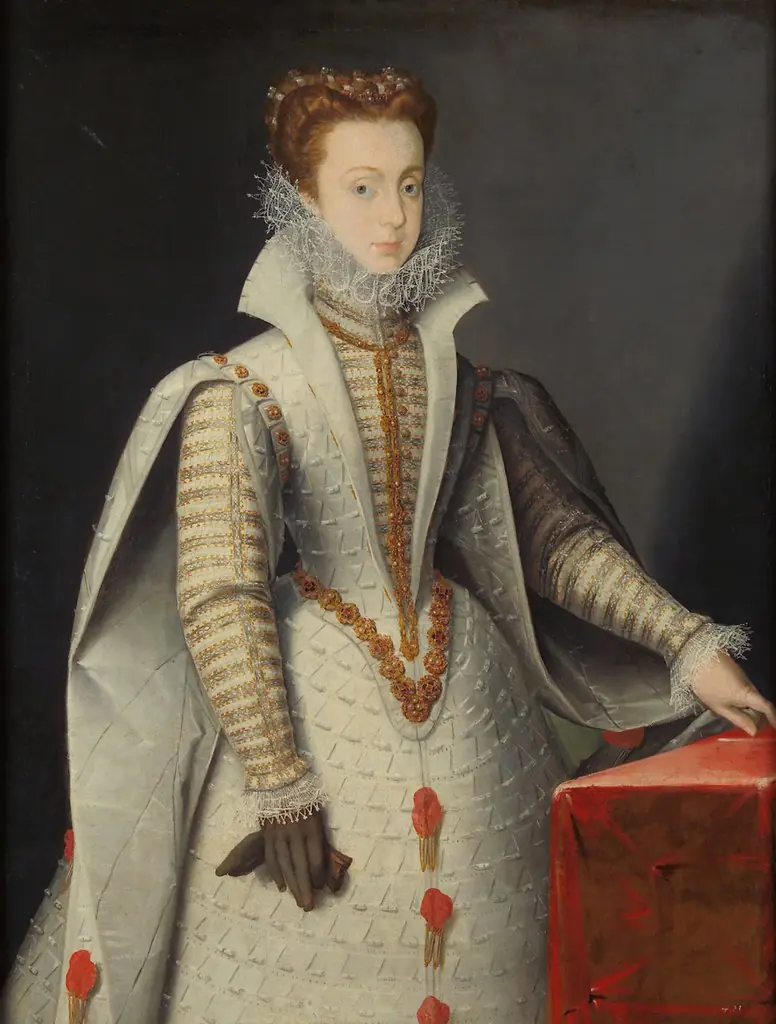
Created in the year 1600, this oil painting portrays a young woman rendered in a luminous white gown edged with gold. The figure is set against a deep, muted background that accentuates the delicate modeling of her features and the richness of the fabric. The work exemplifies the transitional phase between late Renaissance sensibilities and the emerging Baroque aesthetic in Italy.
Subject & Meaning
The sitter, a youthful female, is presented in a poised yet restrained manner, her hair gathered back and her gaze directed toward the viewer with a calm neutrality. The elaborate collar, bow‑adorned sleeve, and the subtle play of light on the dress suggest an emphasis on elegance and status, typical of portraiture intended to convey personal refinement.
Legacy
Barocci’s approach, marked by a refined handling of color and a gentle emotional tone, helped shape the visual language of the early Baroque in central Italy. His treatment of light, texture, and composition would later inform artists such as Peter Paul Rubens, who adopted similar strategies to convey vitality and depth in portraiture.
Own this work as a print
Artist & collection
Artist
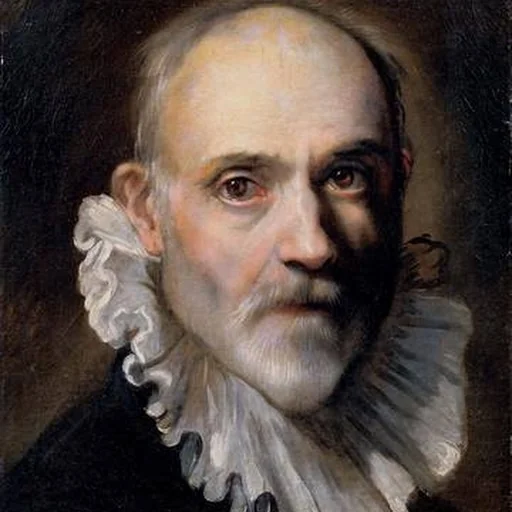
Federico Barocci (also written Barozzi) (c. 1535 – 30 September 1612) was an Italian Renaissance painter and printmaker. His original name was Federico Fiori, and he was nicknamed Il Baroccio. His work was highly…

 Portrait of a Young Woman
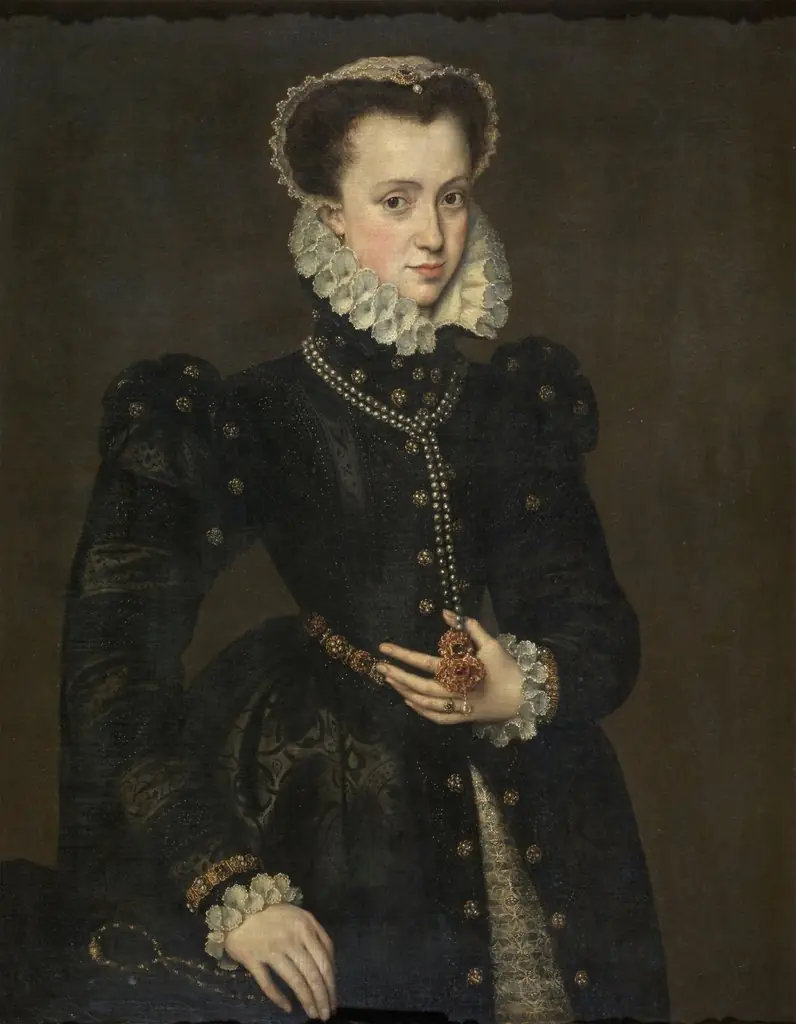 Portrait of a Lady
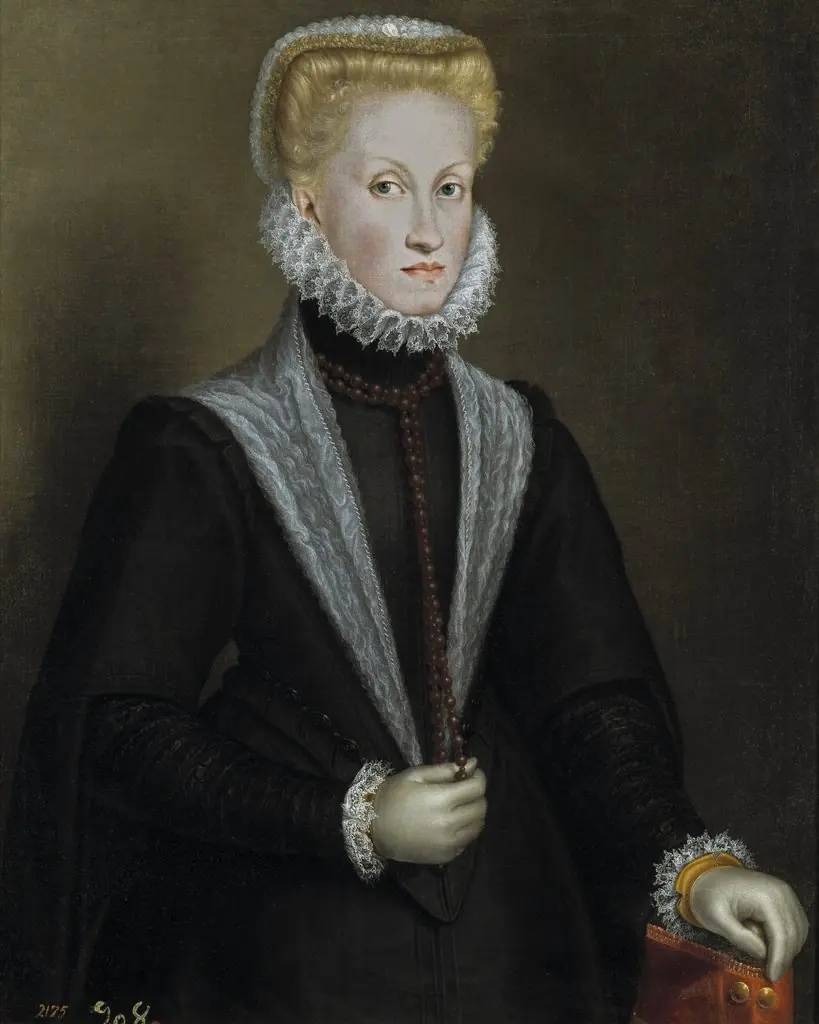 Portrait of Anna of Austria (1549-1580)
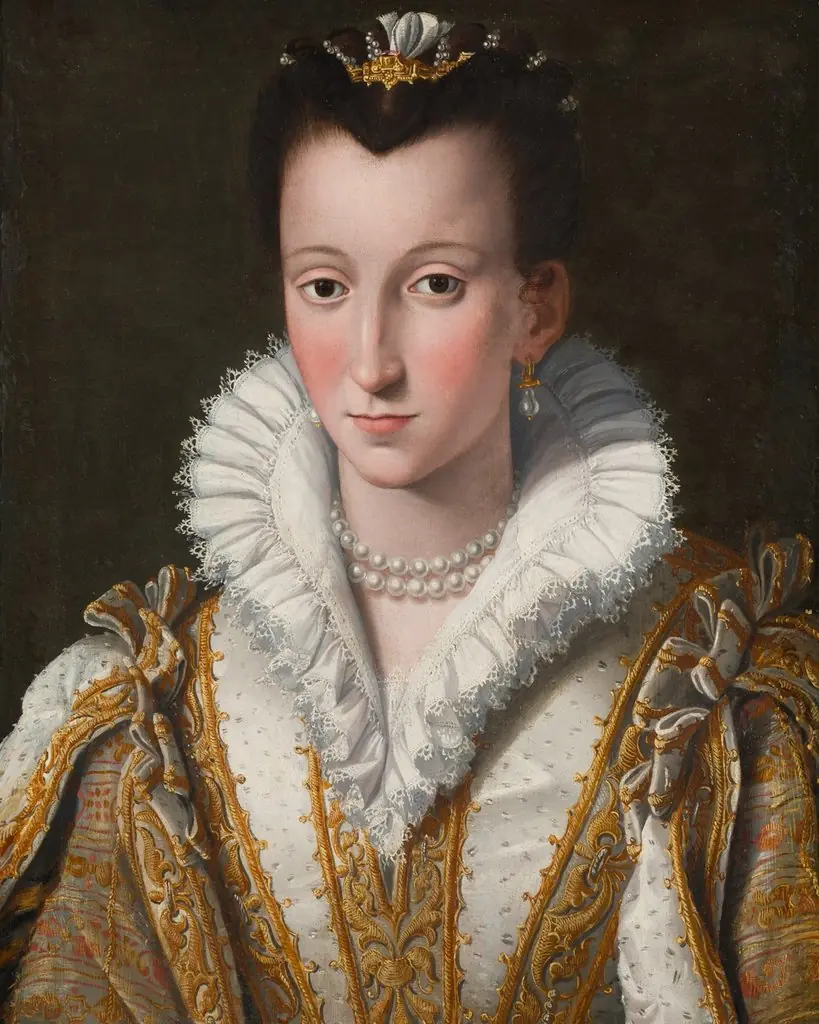 Portrait of Eleonora di Garzia di Toledo, called Dianora (?)
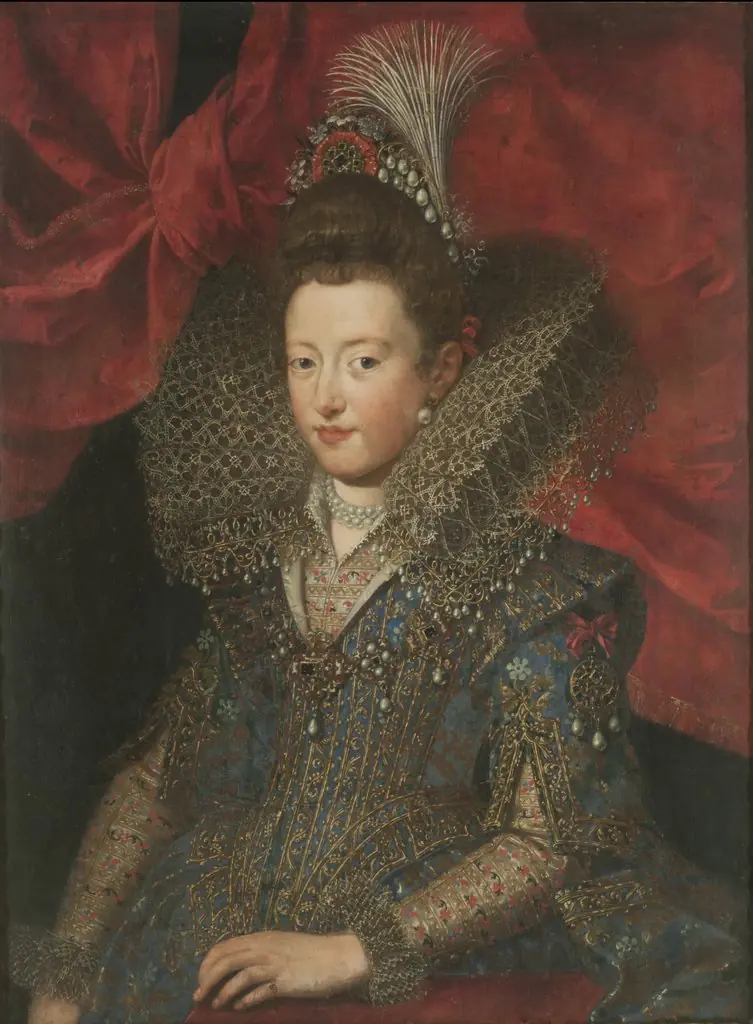 Portrait of Margarita Gonzaga
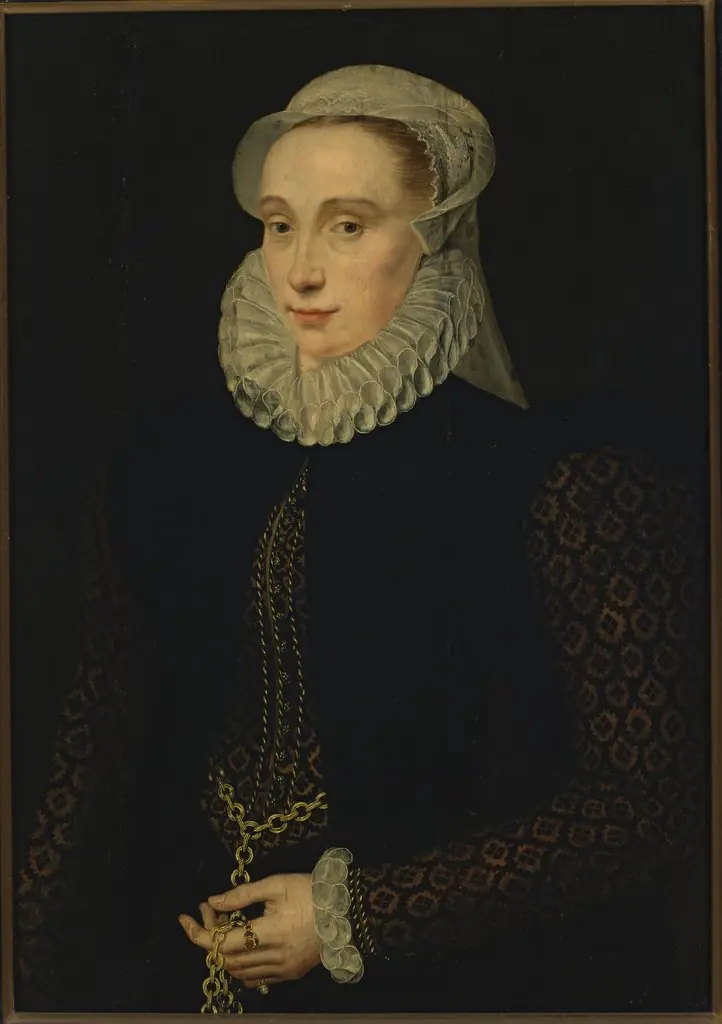 Portrait of a lady
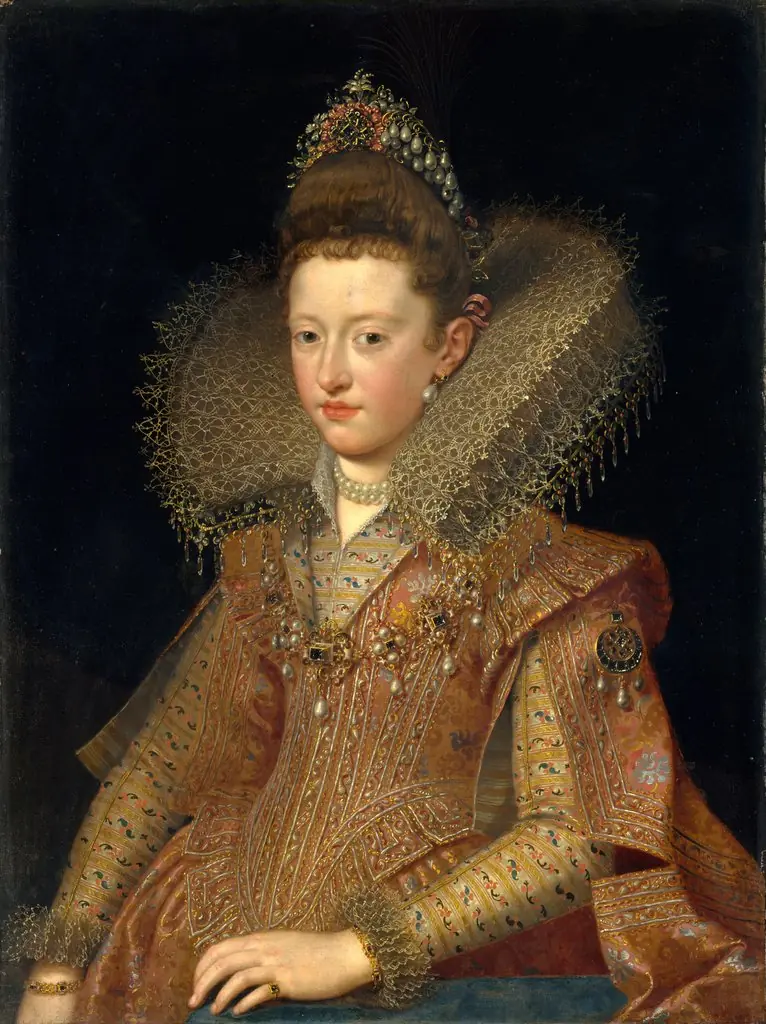 Margherita Gonzaga (1591–1632), Princess of Mantua
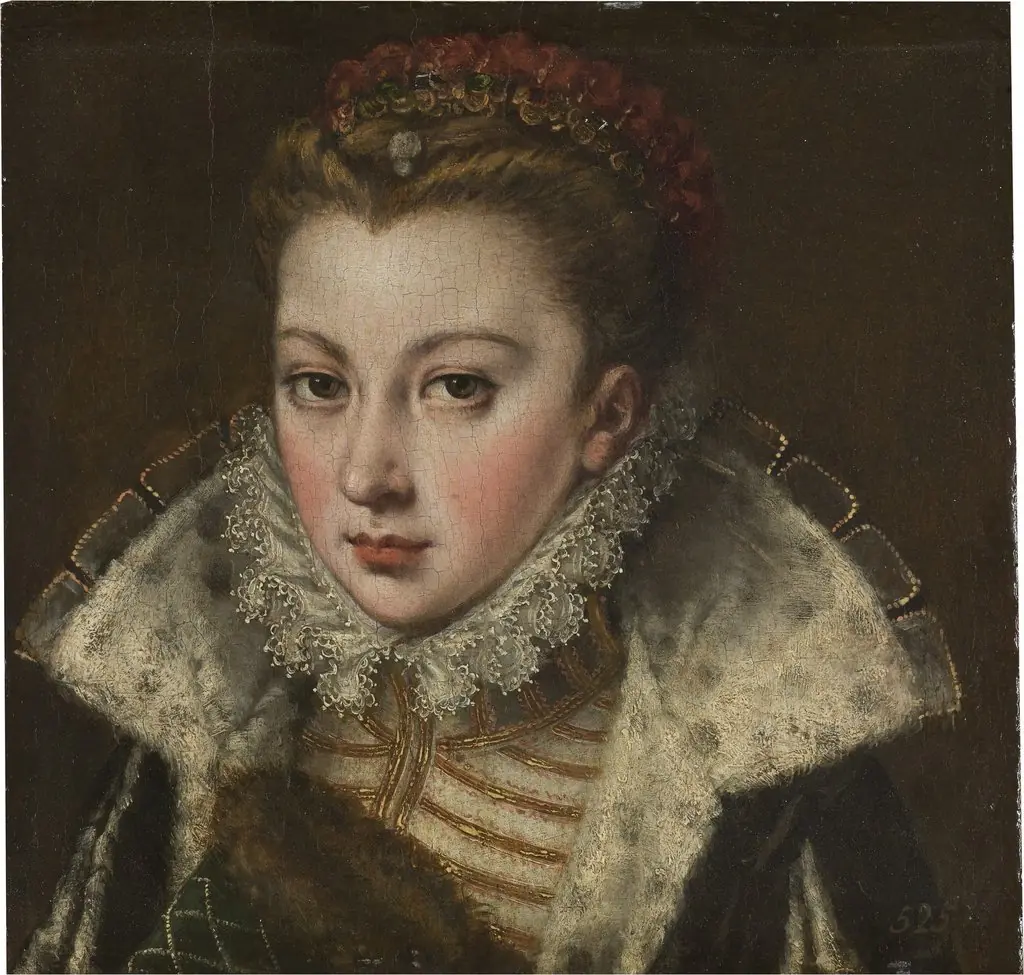 An Unknown Young Woman
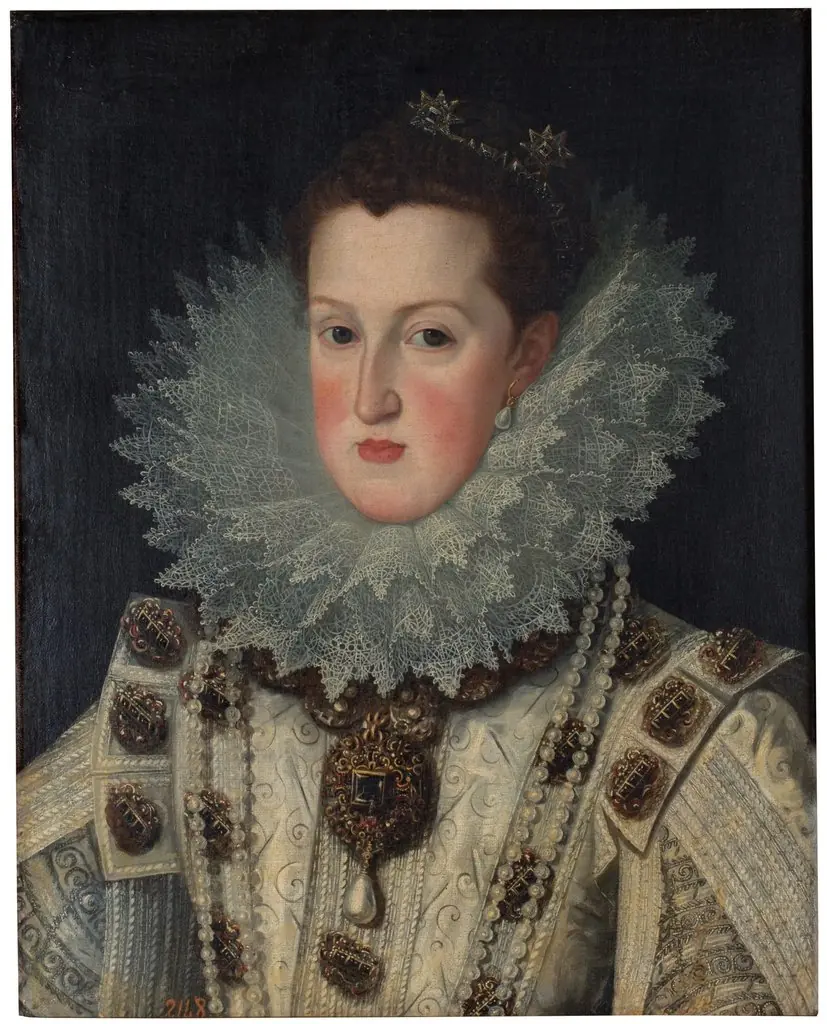 Margarita de Austria, reina de España
 Herzogin Margarete von Joyeuse (1564-1625), Dreiviertelbildnis
 Portrait of Queen Elisabeth of Spain (1545-1568)
- Portrait of a Young Lady