Artwork
A Chief Merchant of the VOC with his Wife and an Enslaved Servant
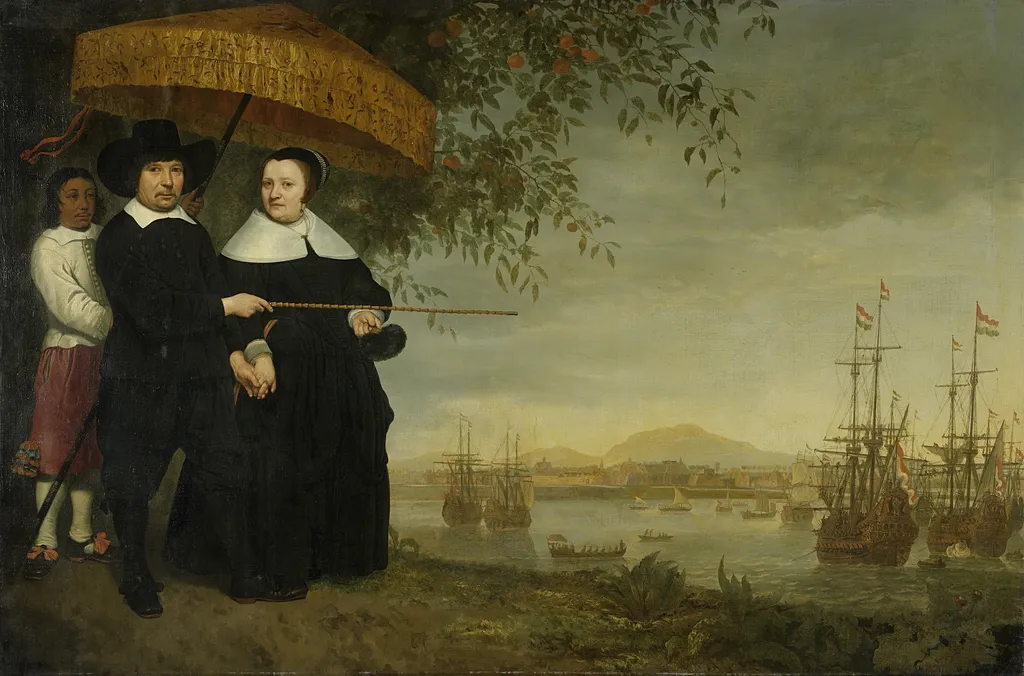
A Chief Merchant of the VOC with his Wife and an Enslaved Servant is an oil painting by the Dutch Golden Age artist Aelbert Cuyp. It dates from 1650 and is held in the collection of the Rijksmuseum.
About this work
Subject & Meaning
The painting portrays a chief merchant of the Dutch East India Company (VOC) alongside his wife and an enslaved domestic servant.
The painting portrays a chief merchant of the Dutch East India Company (VOC) alongside his wife and an enslaved domestic servant. Iconographically it incorporates a payung (umbrella), a merchant vessel, and the port of Batavia, elements that signal the sitter's authority and the company's maritime reach. Together with the roadstead setting, these symbols convey the wealth generated by Dutch trade and the hierarchical order, including enslaved labor, of seventeenth-century Dutch mercantile society. The work functions as a visual record of colonial opulence, status, and embedded power dynamics.
Technique & Style
Created in 1650, Aelbert Cuyp's work is an oil painting on a canvas support measuring 138 centimetres in height and 208 centimetres in width. Stylistically, the artwork combines group portraiture with marine art, blending domestic figures with a maritime setting. The composition depicts a chief merchant of the VOC, his wife, and an enslaved servant against a backdrop that includes a merchant vessel and the roadstead of Batavia, with details such as a payung (umbrella). The painting is held in the collection of the Rijksmuseum.
History & Provenance
A Chief Merchant of the VOC with his Wife and an Enslaved Servant was created in 1650 by Aelbert Cuyp in oil on canvas. The painting measures 138 × 208 cm and depicts a group portrait set against a marine backdrop. It is held in the collection of the Rijksmuseum in Amsterdam.
The available sources confirm the work as part of the museum's holdings but do not provide an accession number or document any exhibition history for the piece.
Overview
Aelbert Cuyp, a prominent painter of the Dutch Golden Age, created A Chief Merchant of the VOC with his Wife and an Enslaved Servant around 1650. This oil painting captures a merchant affiliated with the Dutch East India Company in Batavia, alongside his wife and an enslaved domestic worker. The work reflects the era's global trade connections and is currently housed in the Rijksmuseum collection.
Context
Created during the Dutch Golden Age, this painting emerges from a period of significant maritime and economic expansion for the Netherlands. The presence of a merchant associated with the Dutch East India Company (VOC) in Batavia highlights the nation's extensive colonial reach and its engagement in global trade networks. The depiction of an enslaved individual further illustrates the social and economic realities of this era, shaped by colonial exploitation.
Own this work as a print
Artist & collection

Artist
Aelbert Jacobszoon Cuyp or Cuijp (Dutch pronunciation: ; 20 October 1620 – 15 November 1691) was one of the leading Dutch Golden Age painters, producing mainly landscapes.

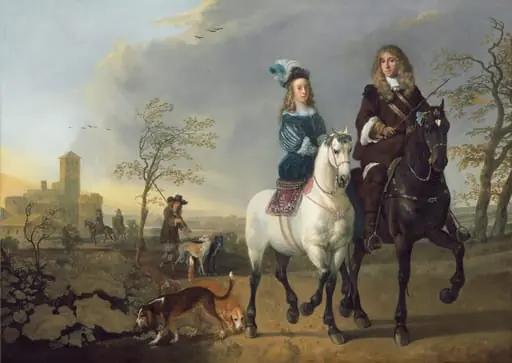 Lady and Gentleman on Horseback
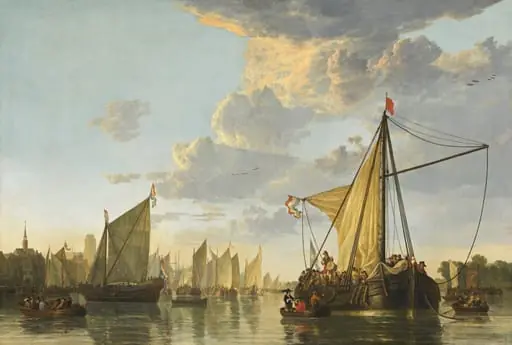 The Maas at Dordrecht
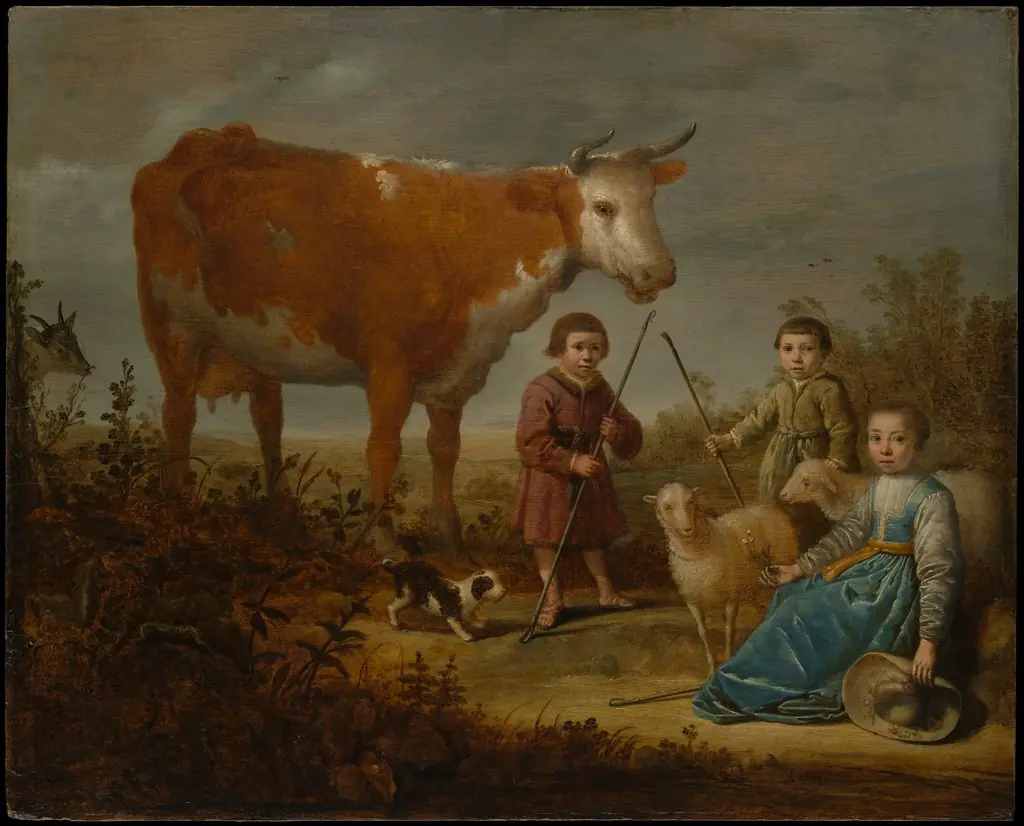 Children and a Cow
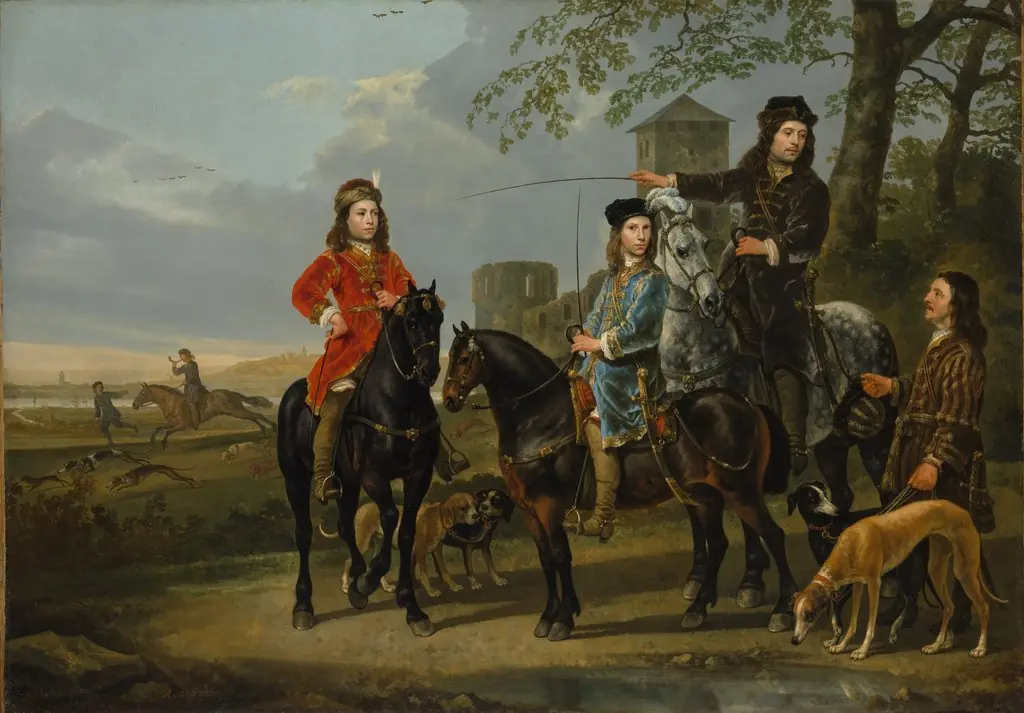 Equestrian Portrait of Cornelis (1639–1680) and Michiel Pompe van Meerdervoort (1638–1653) with Their Tutor and Coachman ("Starting for the Hunt")
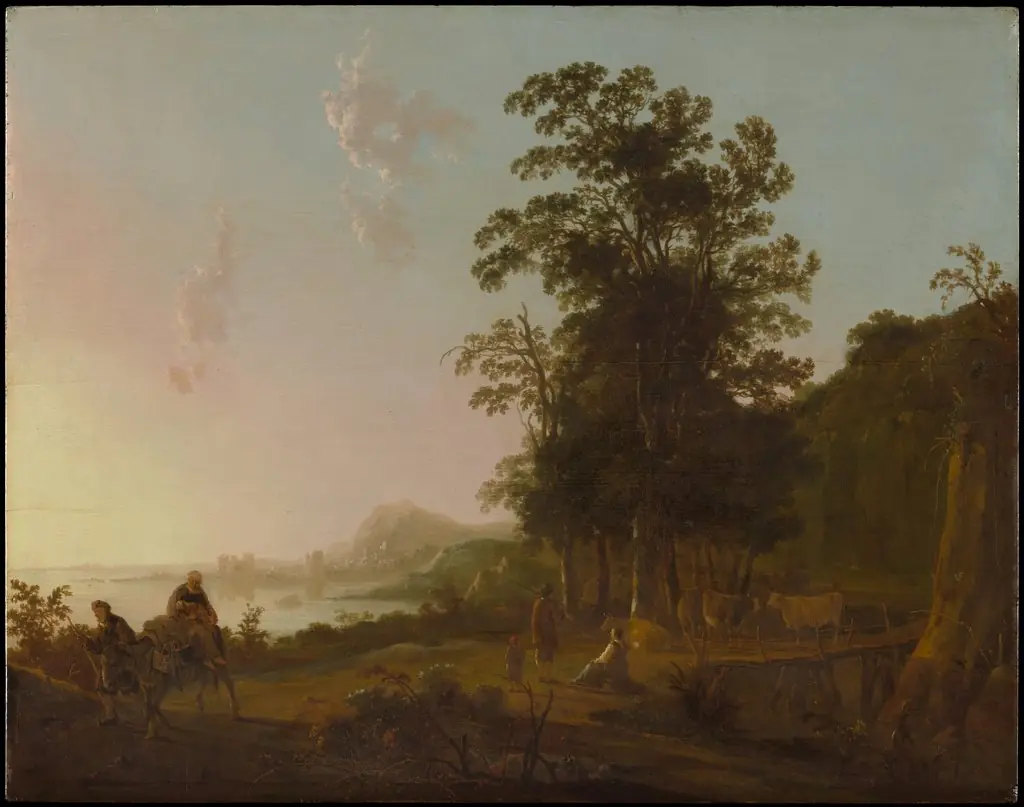 Landscape with the Flight into Egypt
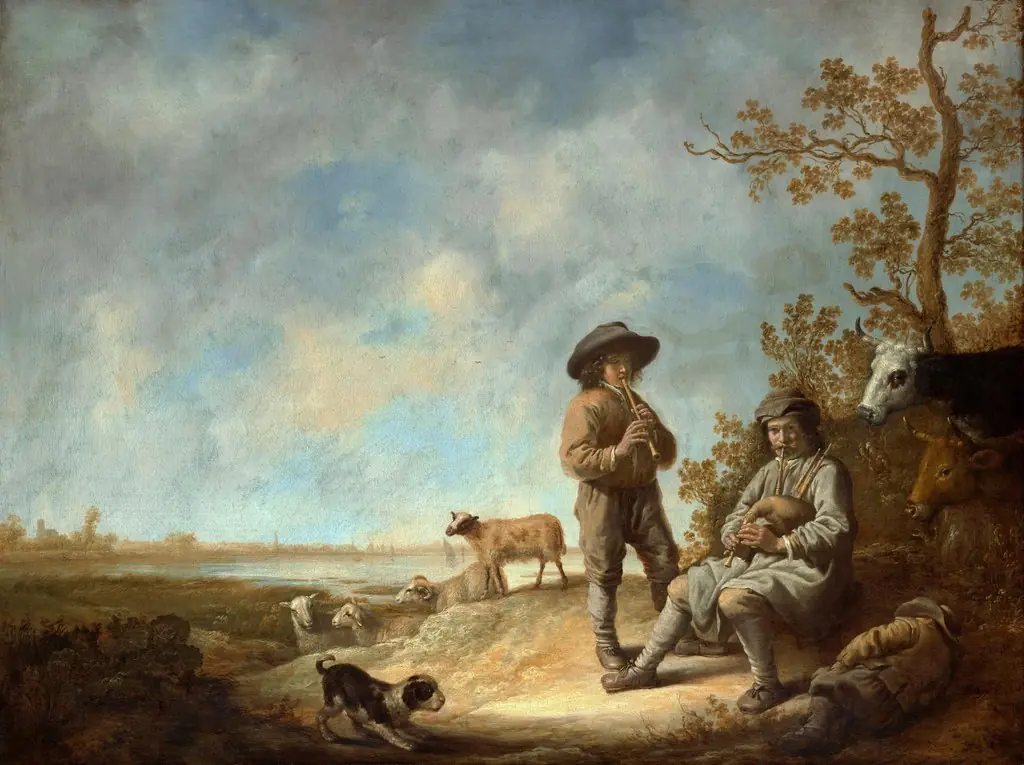 Piping Shepherds
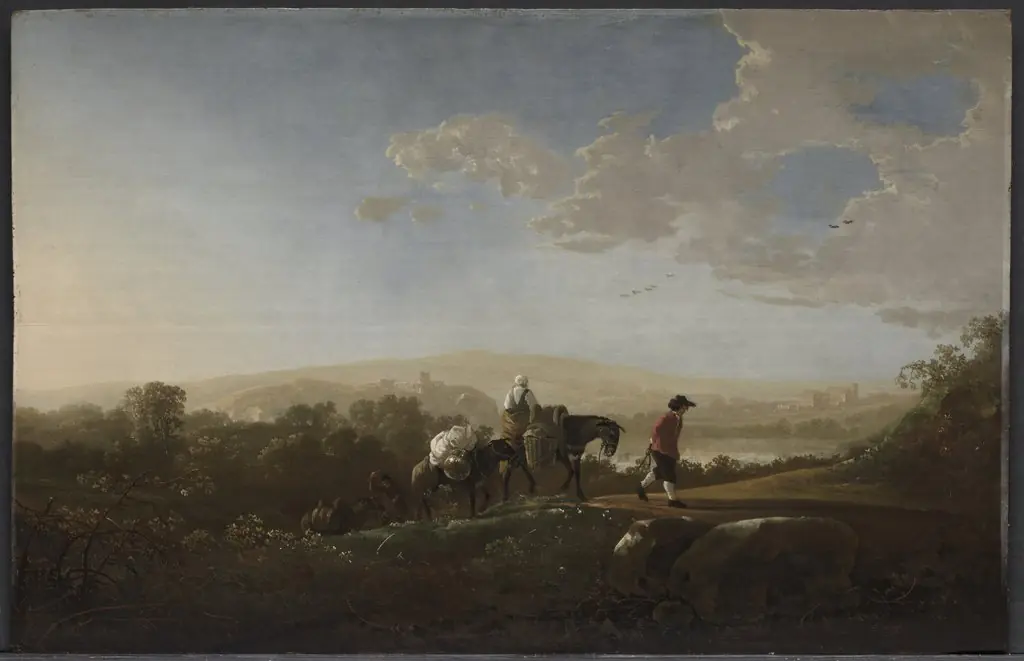 Travellers in Hilly Countryside
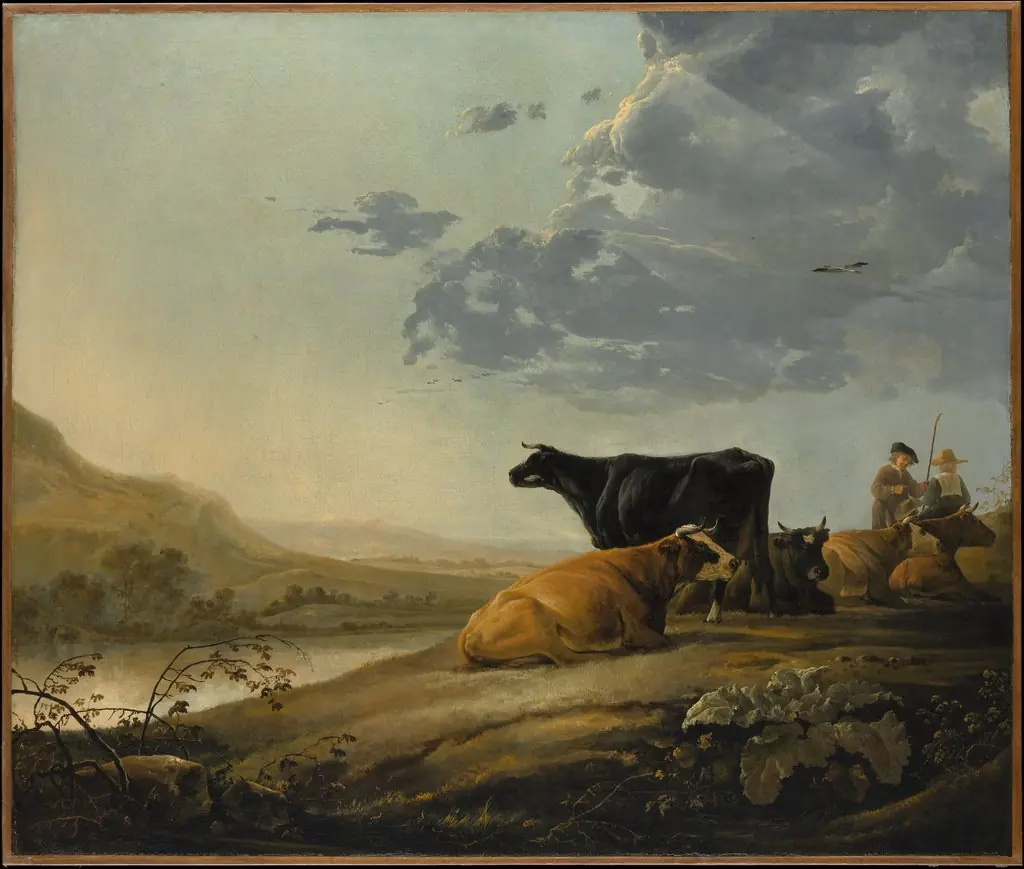 Young Herdsmen with Cows
- Burgomaster Cornelis Damasz. van der Gracht and his Wife, Jopken Jacobs, in a Landscape
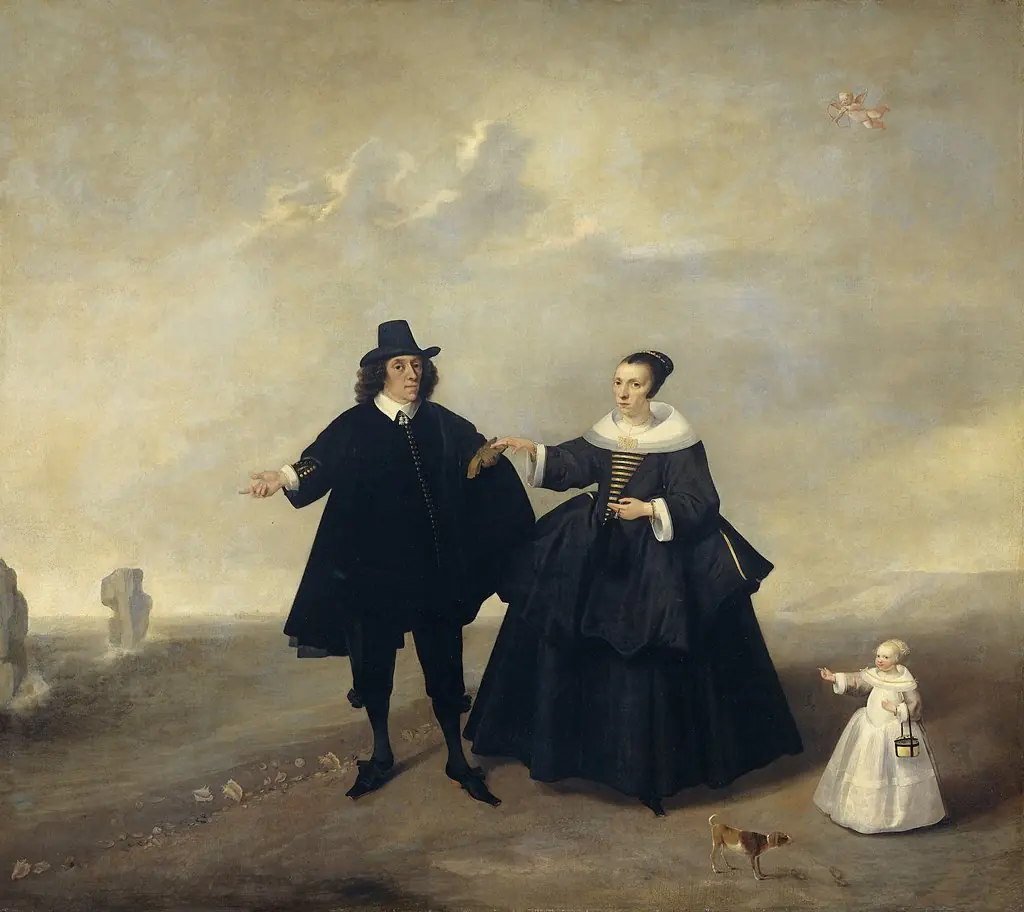 Portrait of a Married Couple with Child, Members of the Beresteyn Family
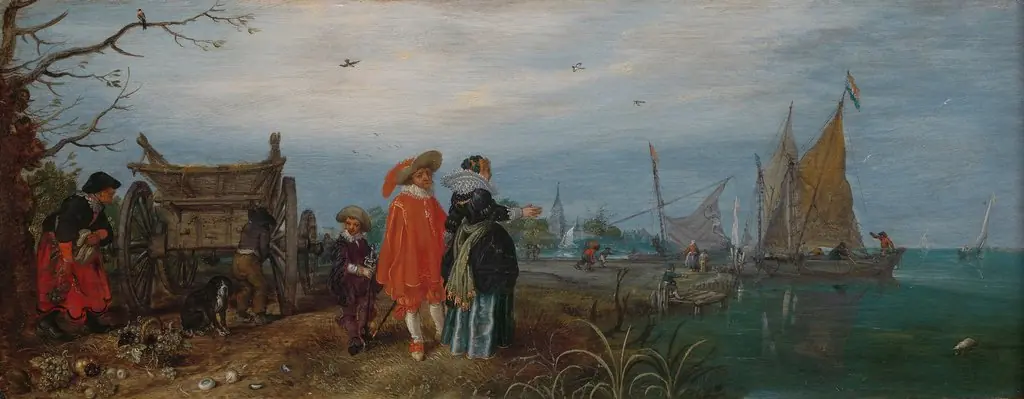 Autumn
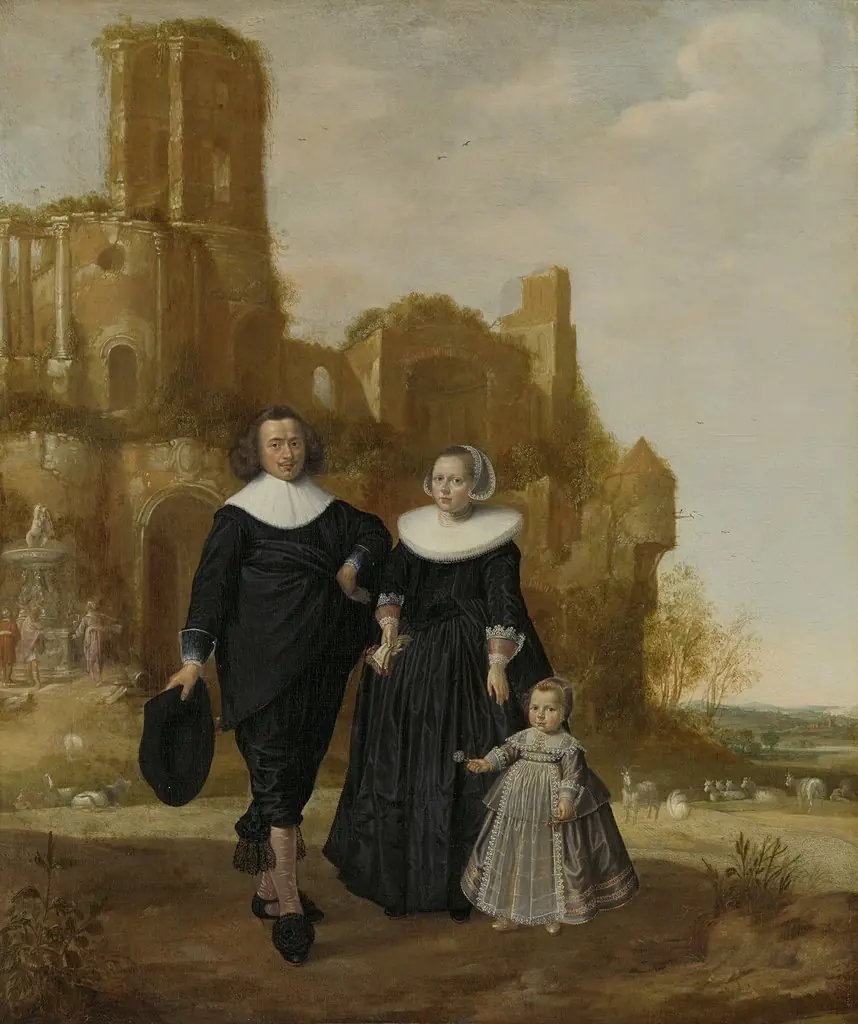 Portrait of a couple with their child in a landscape
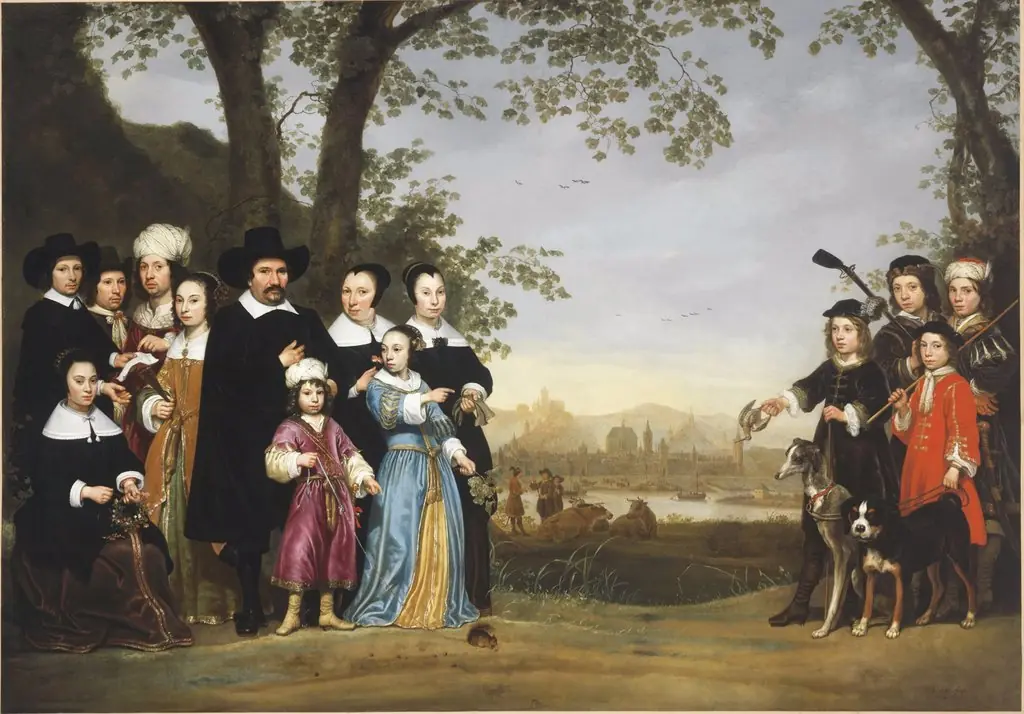 Portrait of the Sam Family
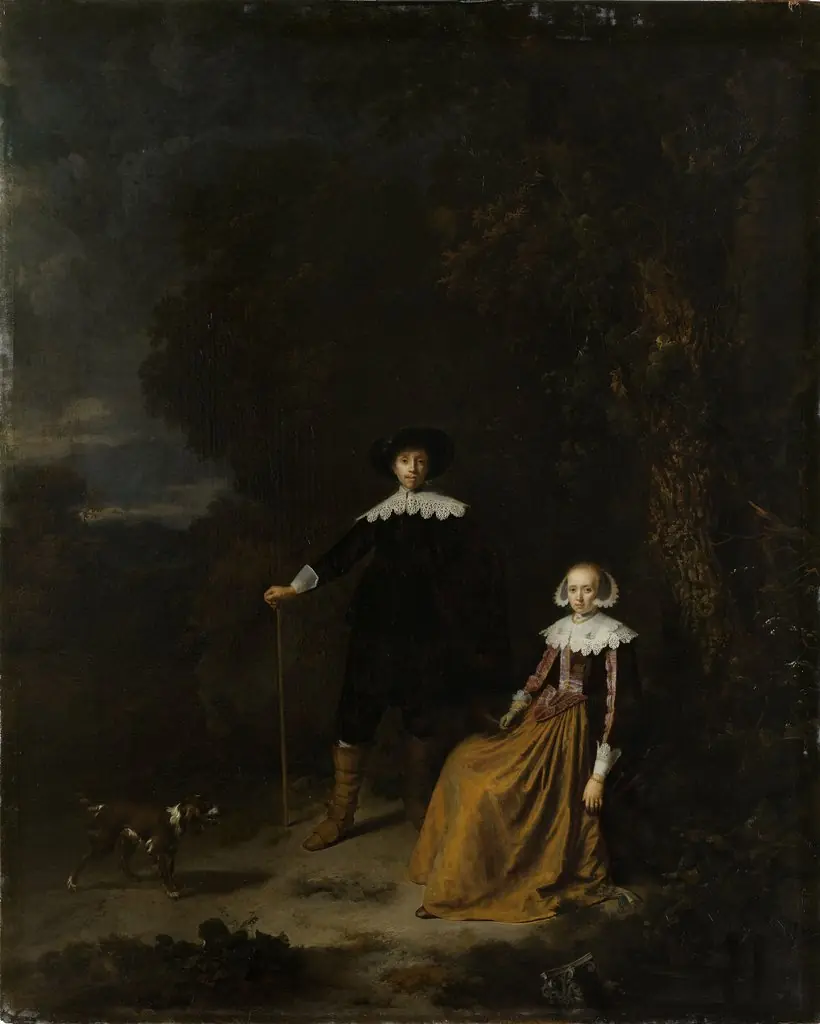 Portrait of a Couple in a Landscape
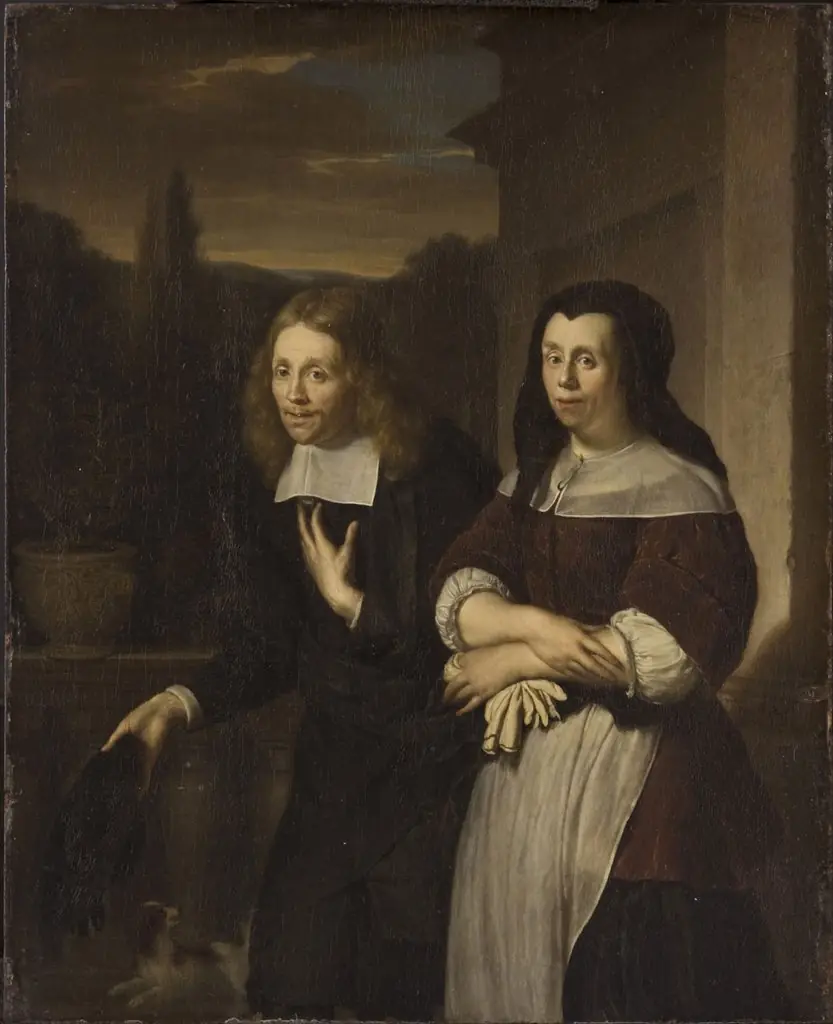 Portrait of a Husband and Wife
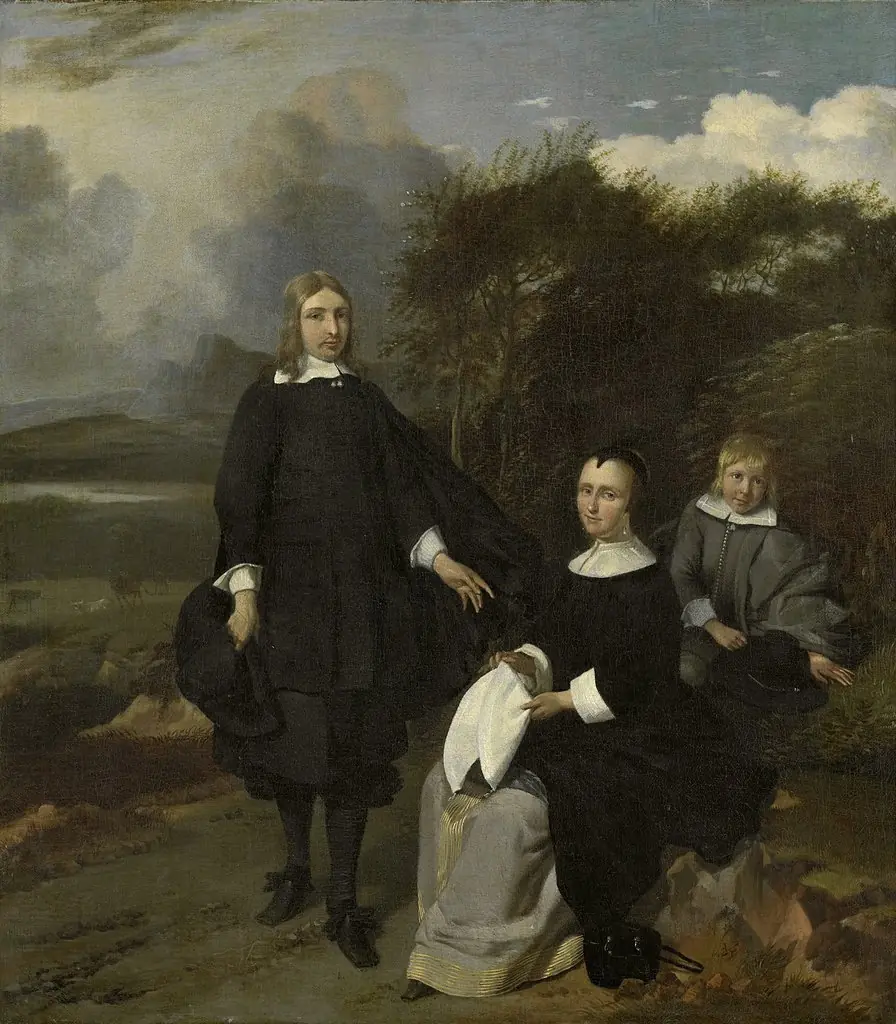 Family group in a landscape
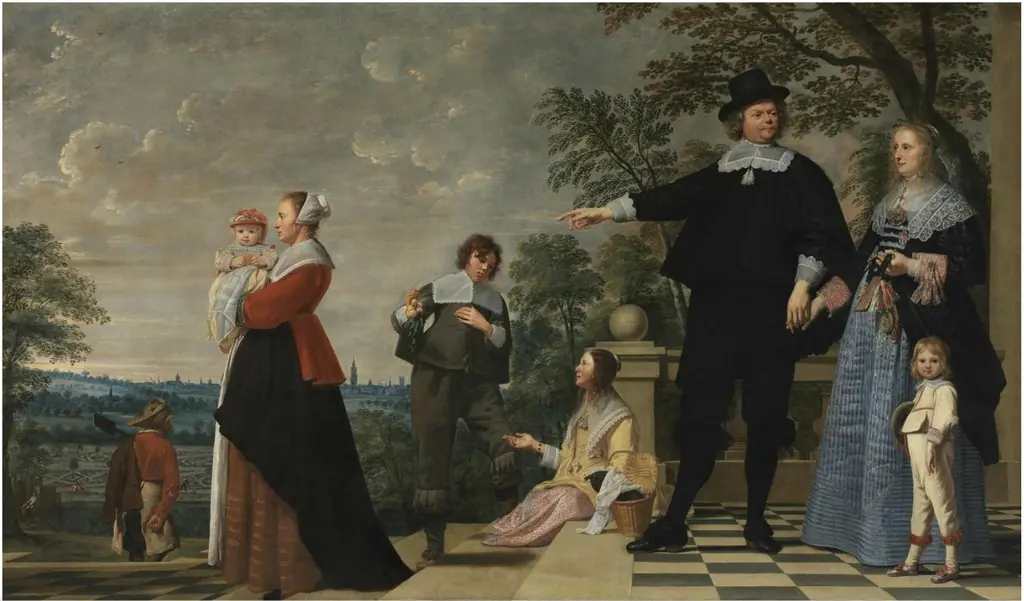 Portrait of a Bruges family
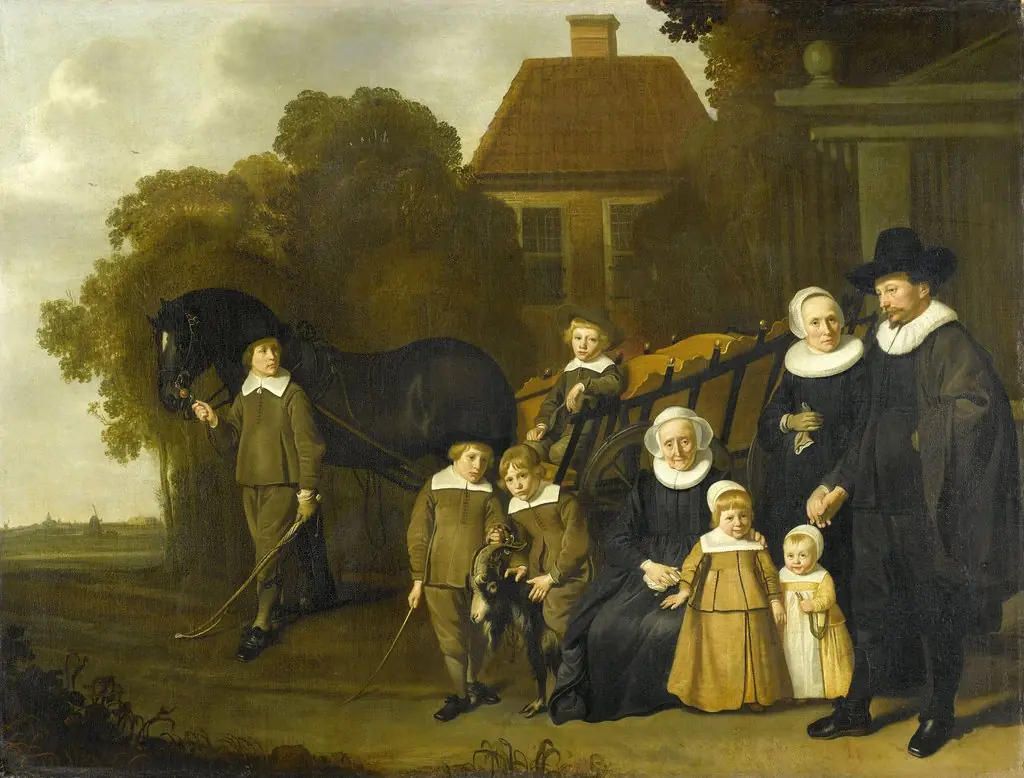 The Meebeeck Crywagen family near the gate of their country home on the Uitweg near Amsterdam
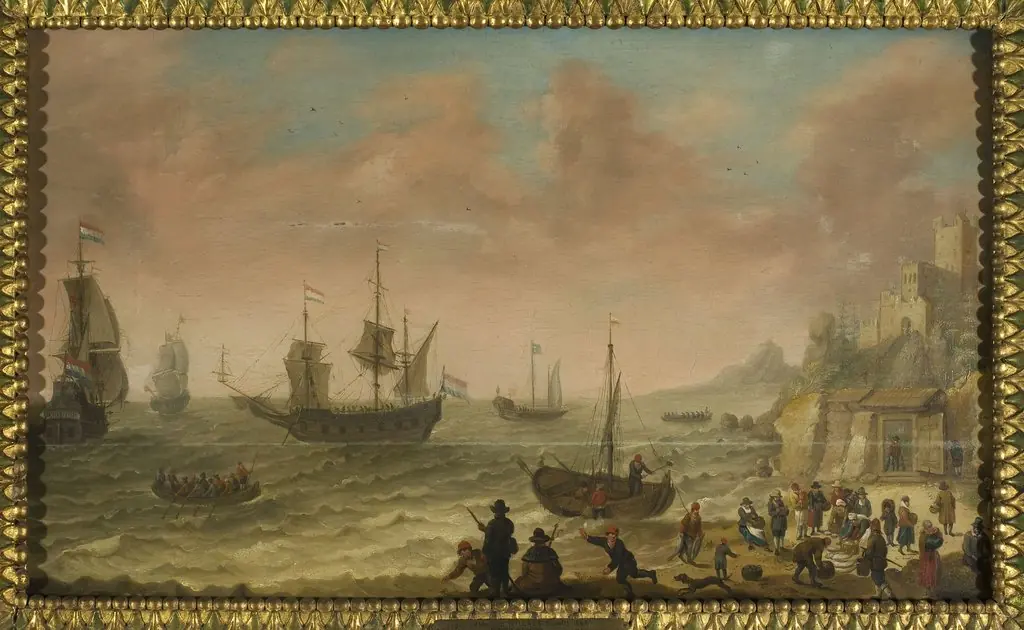 A Coastal Scene with Dutch Vessels and a Fish Market
 Portrait of a Couple probably Isaac Massa and Beatrix van der Laen