Artwork
Piping Shepherds
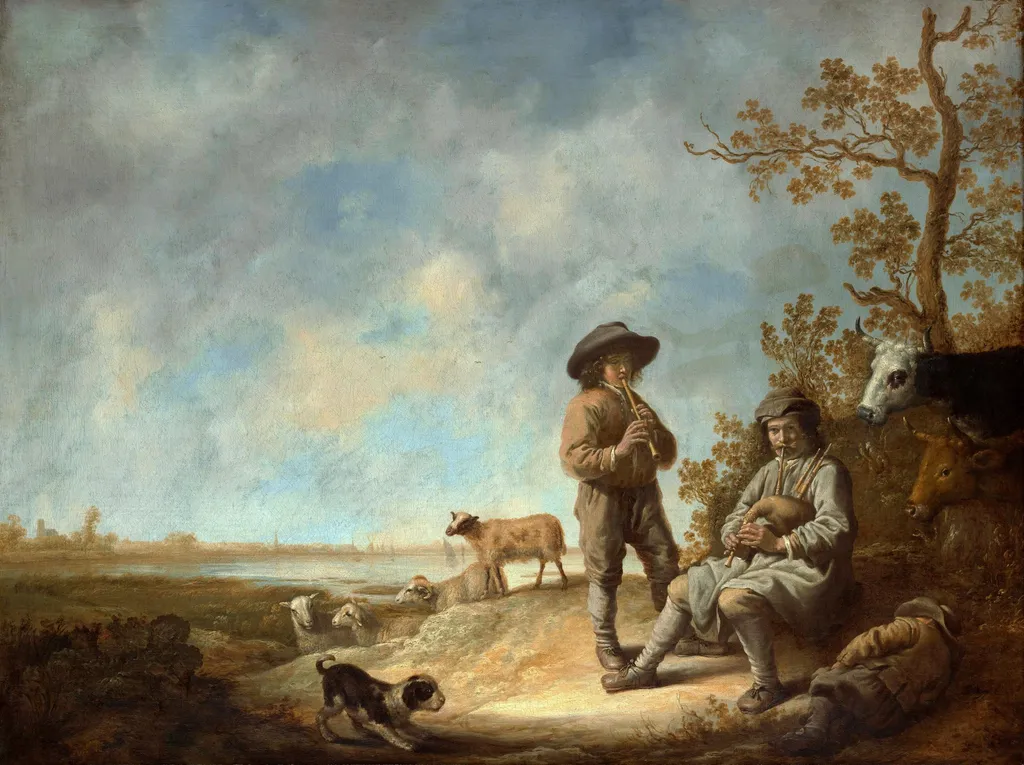
Piping Shepherds is an oil painting by the Dutch Golden Age artist Aelbert Cuyp. It dates from 1643 and is held in the collection of the Metropolitan Museum of Art.
About this work
Subject & Meaning
Nearby, two cows and a flock of sheep graze, and the abandoned herd wanders in the background, underscoring themes of pastoral care and responsibility.
The painting depicts two shepherds in a moment of musical leisure: an elderly seated man plays a bagpipe while a child stands and blows a flute, accompanied by a vigilant dog. Nearby, two cows and a flock of sheep graze, and the abandoned herd wanders in the background, underscoring themes of pastoral care and responsibility. This juxtaposition of enjoyment and duty reflects seventeenth‑century Dutch ideals of harmony between humanity, nature, and music.
The expansive sea‑filled landscape and distant city on the left connect the intimate scene to a broader world, presenting an idyllic vision of rural life that Aelbert Cuyp celebrated.
Technique & Style
The work is an oil‑on‑canvas landscape painted by Aelbert Cuyp in 1643–44. The support is canvas, and the medium is oil paint, giving the scene a richly layered surface typical of Dutch Golden Age easel painting. Measuring 90.8 × 119.4 cm, the composition places a seated shepherd with a bagpipe and a standing child with a flute in the foreground, a resting dog, and a wandering flock, while a distant sea and city horizon appear to the left.
The formal treatment emphasizes atmospheric perspective and the interplay of light across the landscape, characteristic of Cuyp’s stylistic blend of naturalism and lyrical mood.
History & Provenance
The work titled Piping Shepherds was painted by Dutch master Aelbert Cuyp in 1643, as recorded in the artist’s catalogue and confirmed by the Metropolitan Museum of Art. Executed in oil on canvas, the painting measures 90.8 × 119.4 cm and depicts shepherds with a bagpipe, flute, dog, and cattle. Its early provenance traces through several private owners: Charles Sedelmeyer, Collis P. Huntington, Arabella Huntington, William Ponsonby, 2nd Earl of Bessborough, and successive members of the Ponsonby family before entering the Met’s collection. The work has been part of the museum’s holdings since acquiring it from the last private owner.
Piping Shepherds is held by the Metropolitan Museum of Art, New York, where it carries accession number 1975.1.148. The painting entered the museum’s collection in 1975 as a gift of the family of Martin Colnaghi, aligning with the prior provenance linking it to successive owners including Charles Sedelmeyer, Collis Potter Huntington, and members of the Ponsonby family. The work has not been the subject of dedicated exhibitions in recent institutional records, though the Metropolitan Museum’s online collection entry and portal serve as the primary public interface for the painting.
Overview
Aelbert Cuyp, a Dutch painter, created Piping Shepherds between 1643 and 1644. This oil painting depicts a pastoral scene, characteristic of his work. The artwork is currently housed in the collection of the Metropolitan Museum of Art in New York City, where it represents a significant example of 17th-century Dutch landscape and genre painting.
Own this work as a print
Artist & collection

Artist
Aelbert Jacobszoon Cuyp or Cuijp (Dutch pronunciation: ; 20 October 1620 – 15 November 1691) was one of the leading Dutch Golden Age painters, producing mainly landscapes.

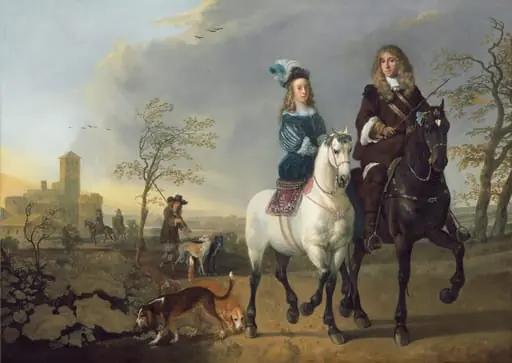 Lady and Gentleman on Horseback
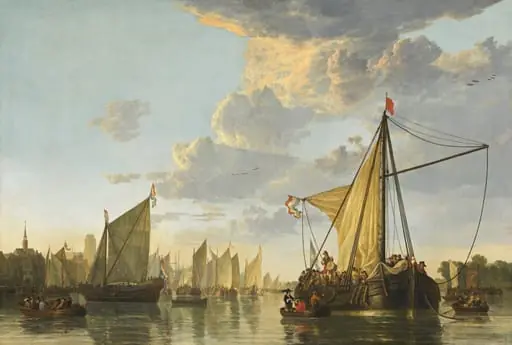 The Maas at Dordrecht
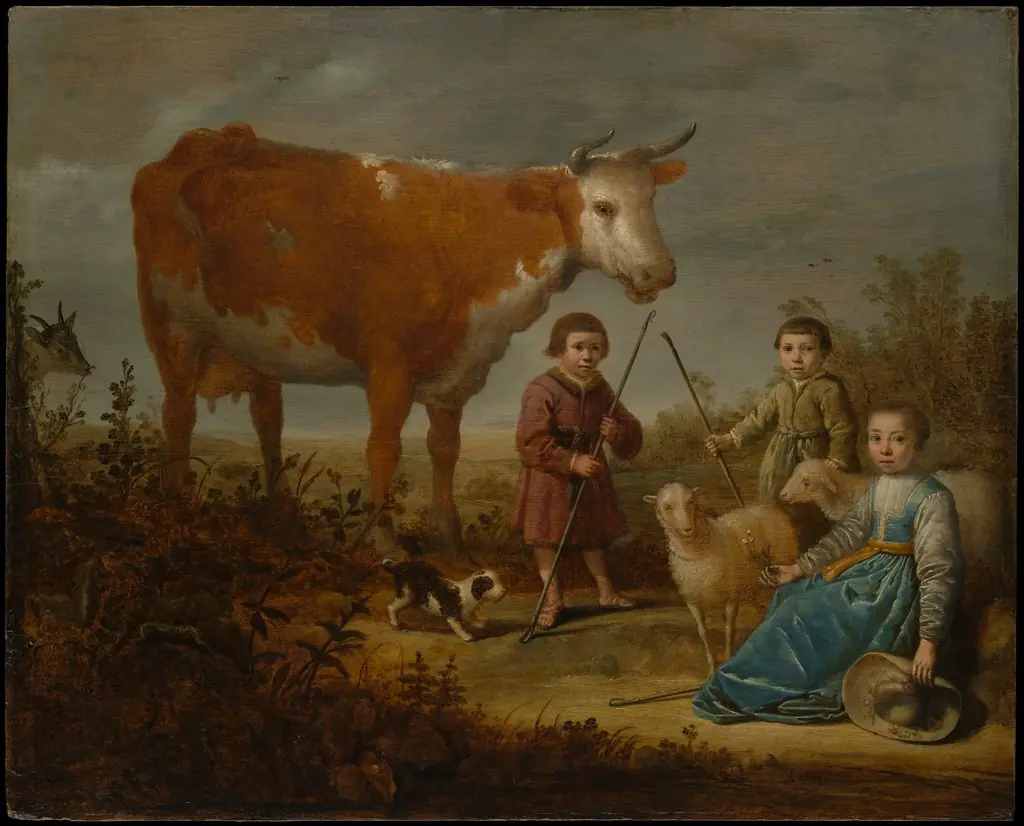 Children and a Cow
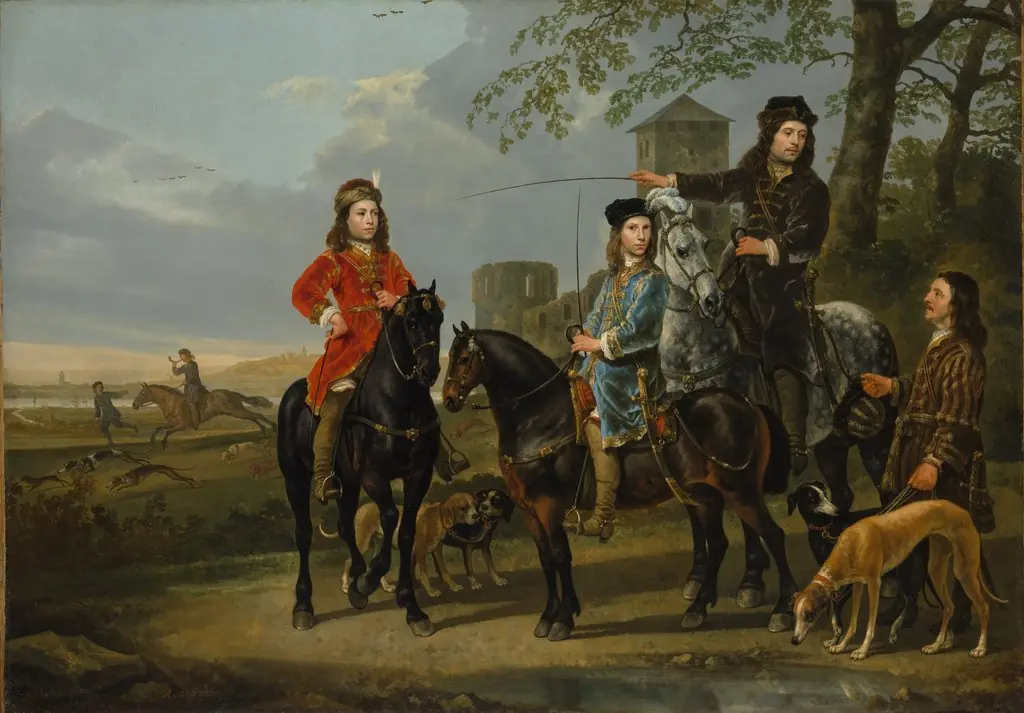 Equestrian Portrait of Cornelis (1639–1680) and Michiel Pompe van Meerdervoort (1638–1653) with Their Tutor and Coachman ("Starting for the Hunt")
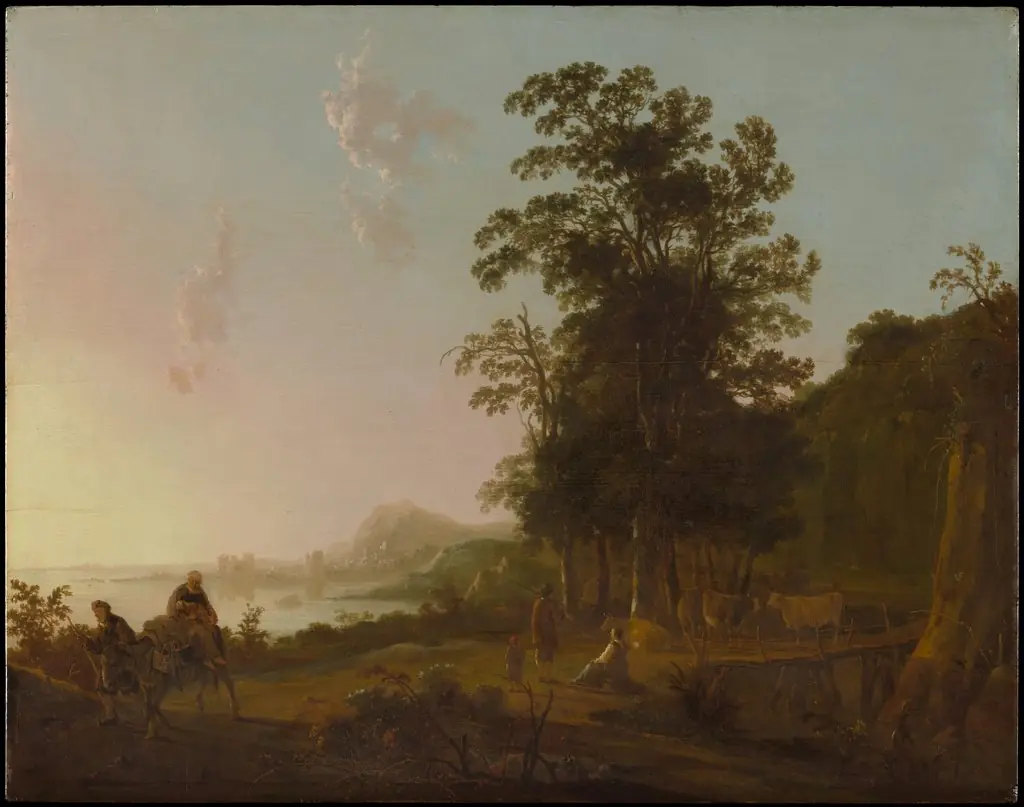 Landscape with the Flight into Egypt
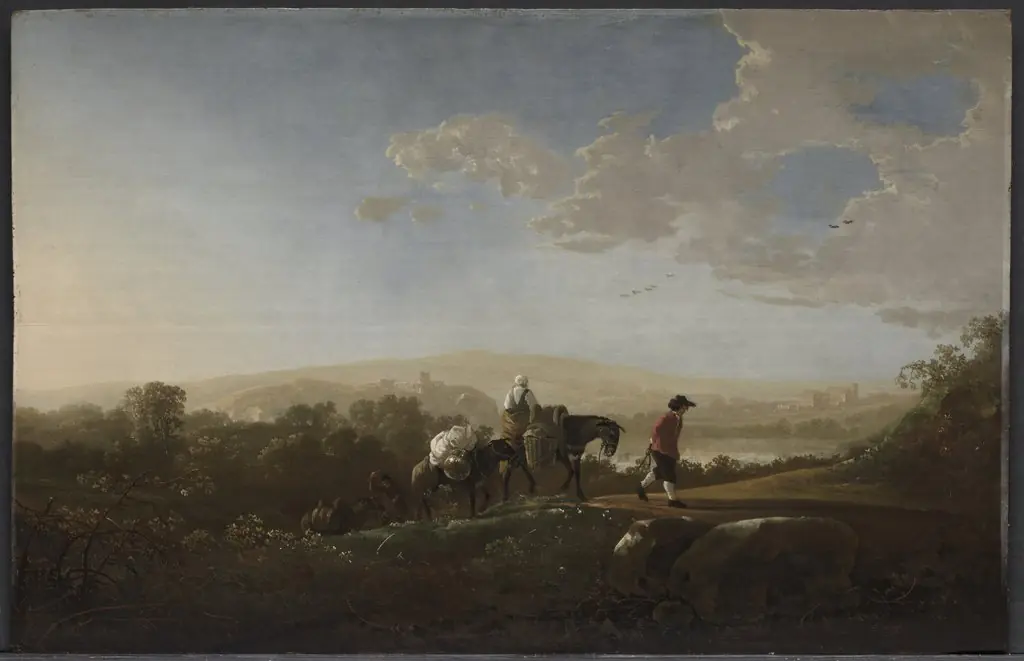 Travellers in Hilly Countryside
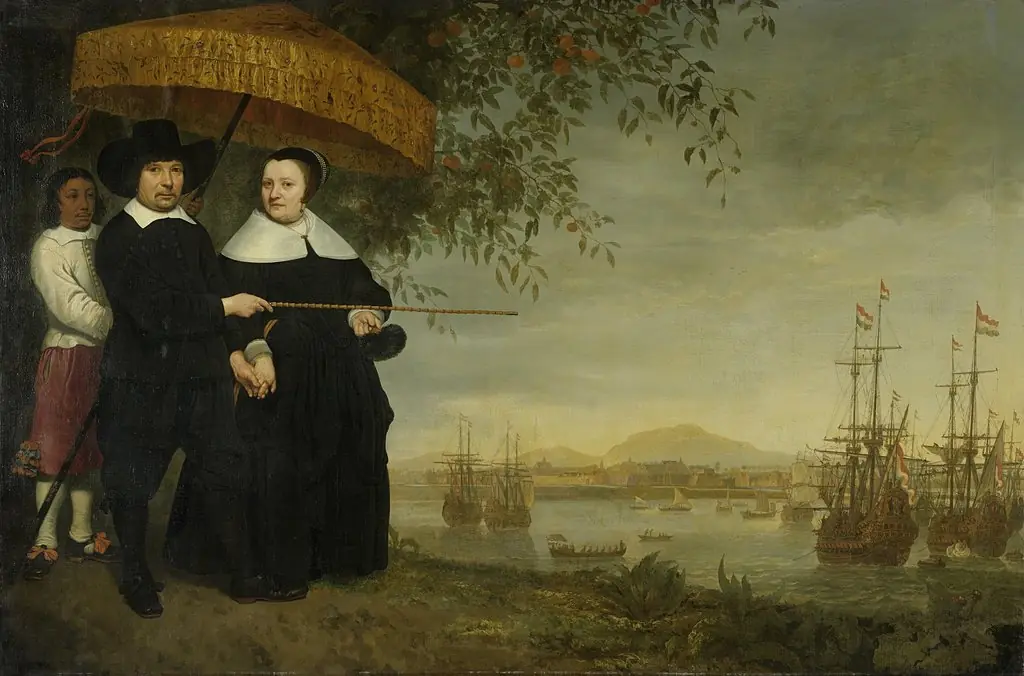 A Chief Merchant of the VOC with his Wife and an Enslaved Servant
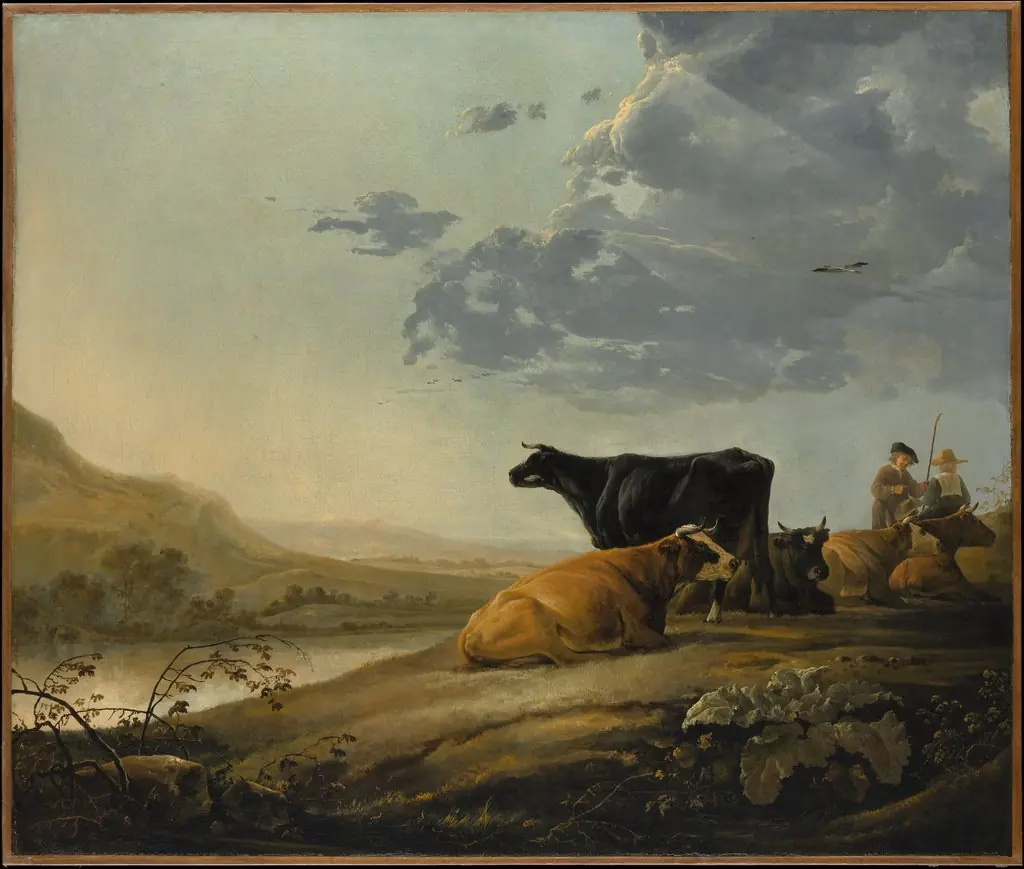 Young Herdsmen with Cows
- A Shepherd and His Flock
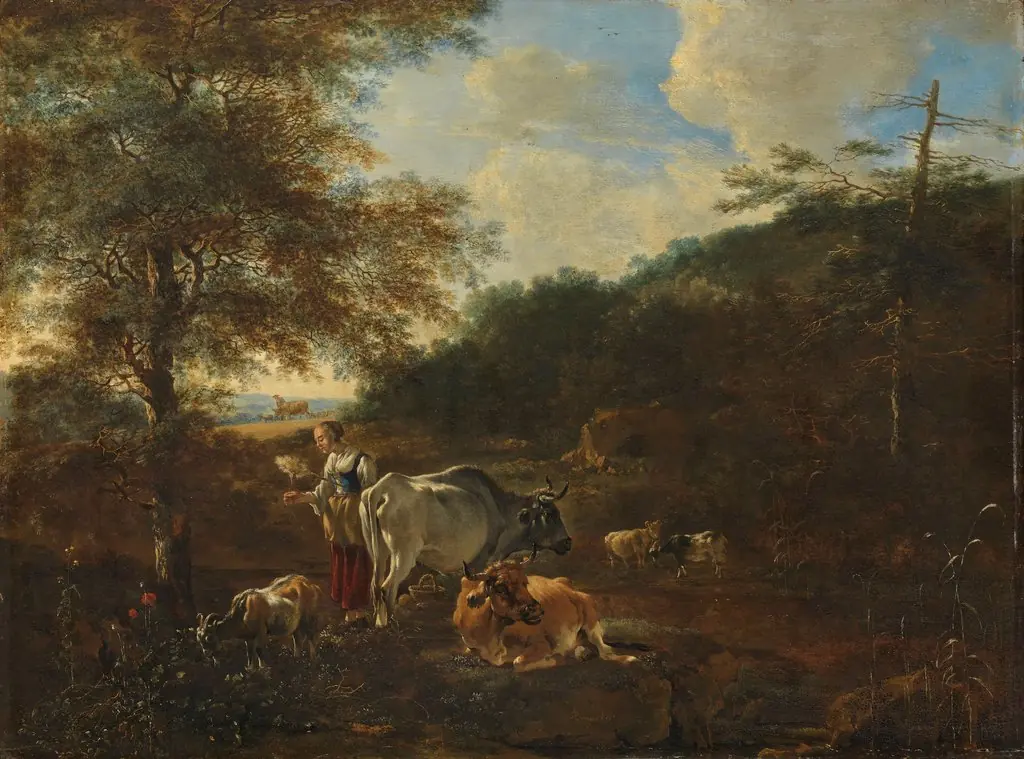 Landscape with cattle
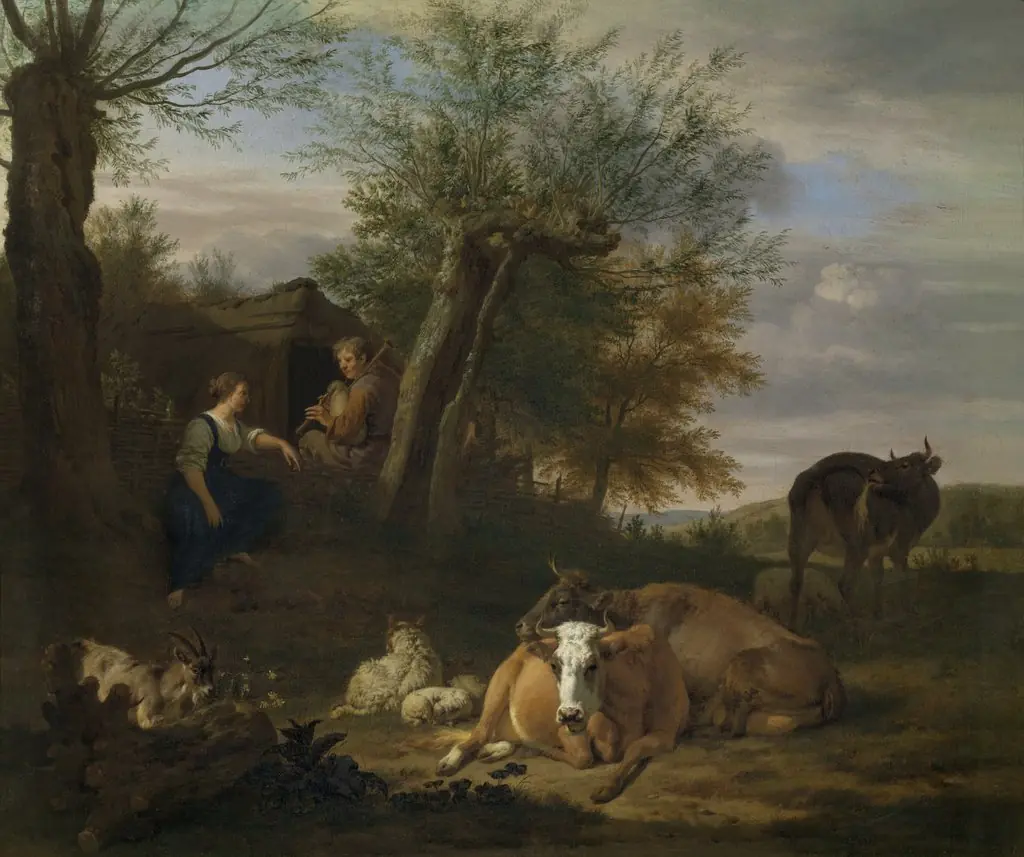 Bagpiper
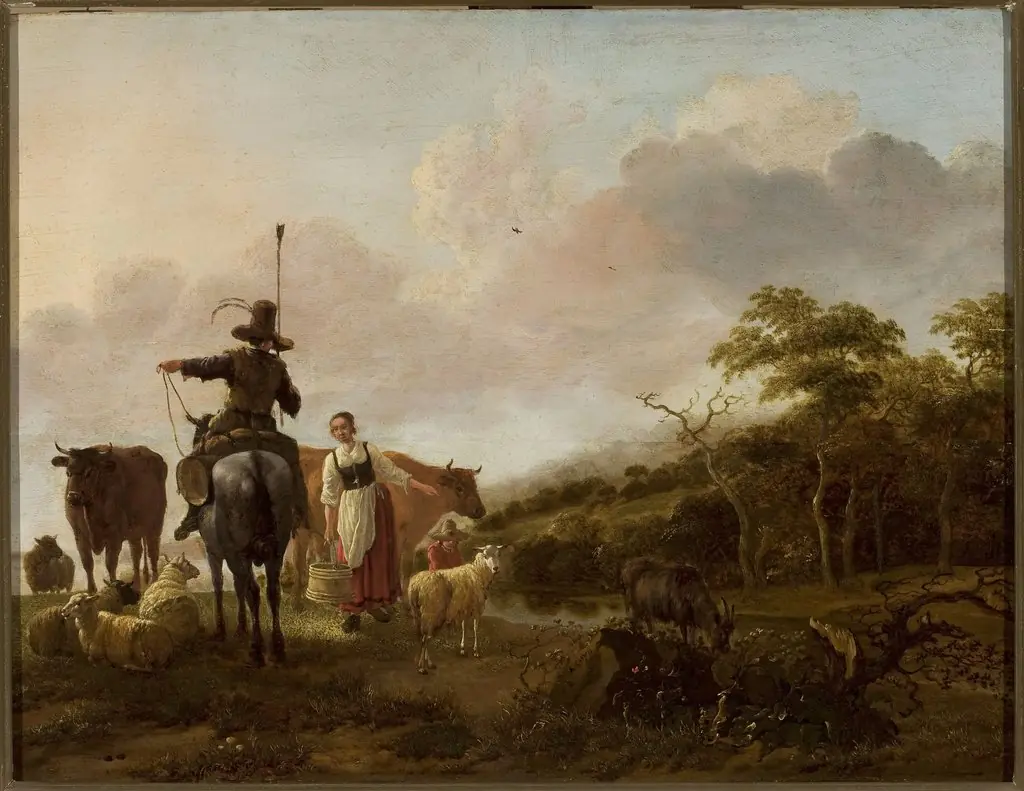 Pastoral landscape
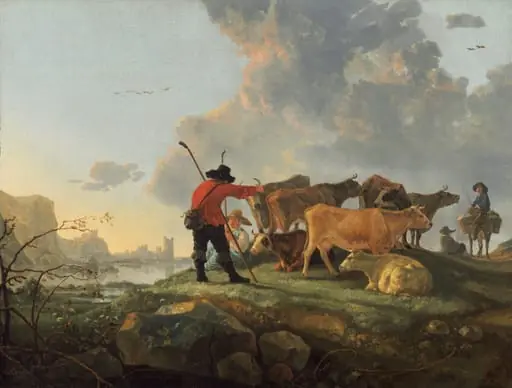 Herdsmen Tending Cattle
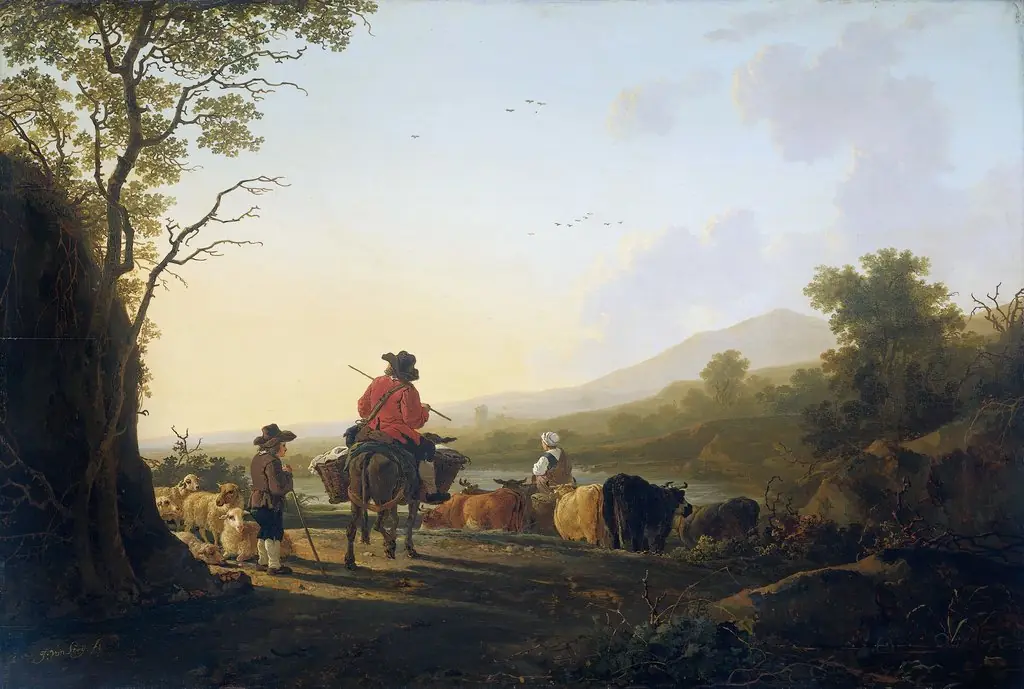 Landscape with Cattle Driver and Shepherd
 Landscape with sheperd, sheperdess and cattle
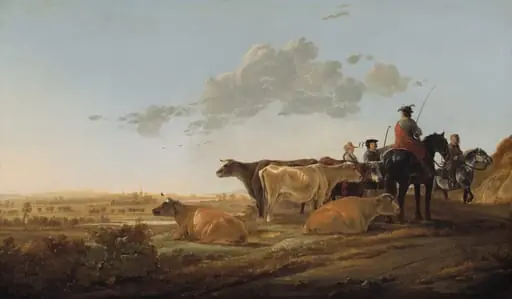 Landscape with Herdsmen
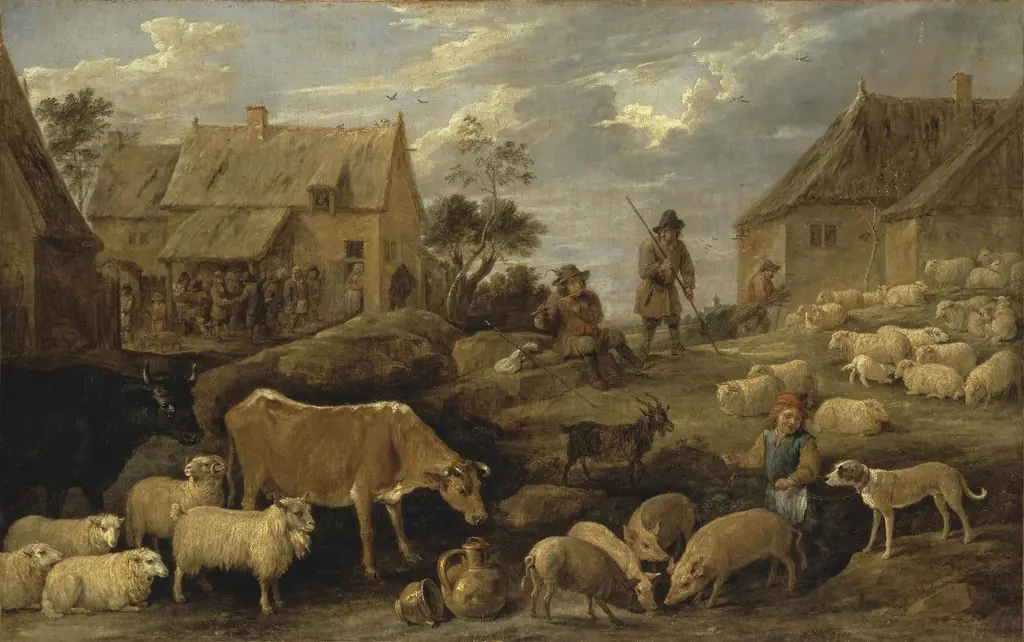 Landscape with shepherds and a flock
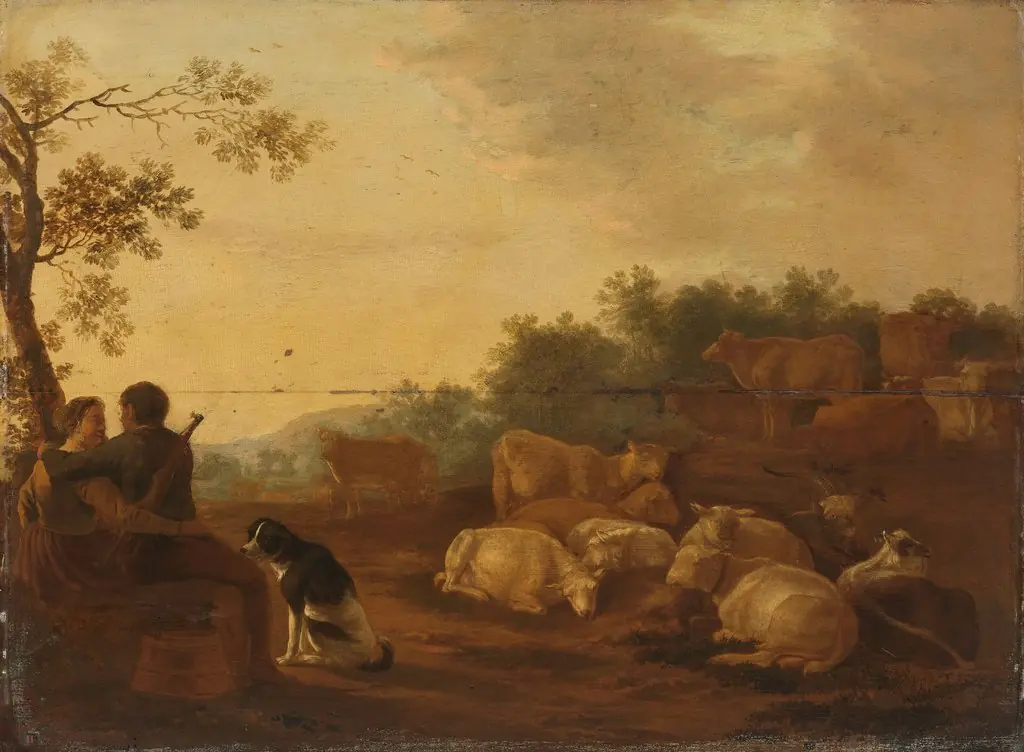 Landscape with sheperd, sheperdess and cattle
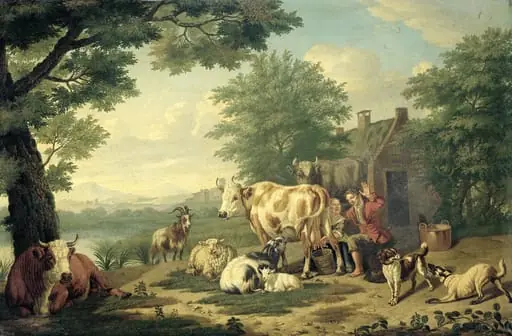 Milking Time
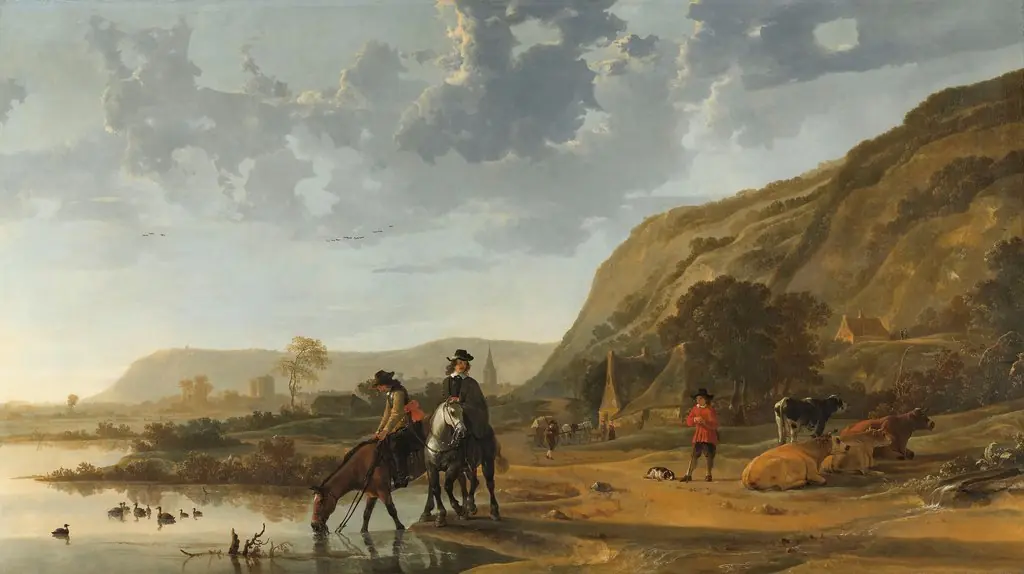 River Landscape with Riders