Artwork
Portrait of a Couple probably Isaac Massa and Beatrix van der Laen
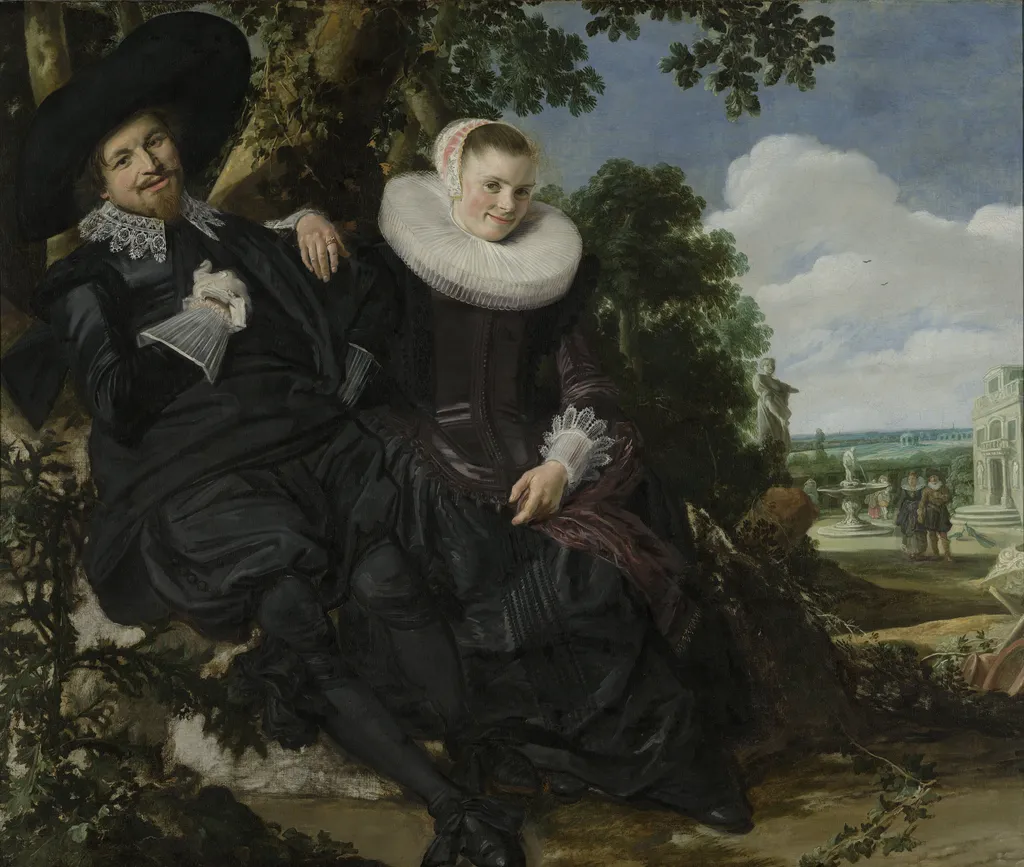
Portrait of a Couple probably Isaac Massa and Beatrix van der Laen is an oil painting by the Dutch Golden Age artist Frans Hals. It dates from 1622 and is held in the collection of the Rijksmuseum.
About this work
Portrait of a Couple probably Isaac Massa and Beatrix van der Laen is an oil painting by Frans Hals, dated 1622.
Portrait of a Couple probably Isaac Massa and Beatrix van der Laen is an oil painting by Frans Hals, dated 1622. The piece belongs to the Dutch Golden Age period, showing the artist’s skill with oil.
The work shows a married couple, identified as the merchant Isaac Massa and his bride Beatrix van der Laen. It was created as a marriage portrait, a common commission at the time.
You can see it at the Rijksmuseum.
Subject & Meaning
This double portrait depicts the merchant Isaac Massa and his bride Beatrix van der Laen, likely commissioned to celebrate their April 1622 marriage. Departing from the formal convention of separate canvases, Hals presents the couple in a relaxed, picnic-style setting within a garden. Their informal poses convey intimacy: Massa places a hand over his heart to signify love, while Beatrix rests her arm on his shoulder, displaying her wedding rings.
Both figures smile directly at the viewer, creating an impression of a candid, captured moment rather than a stiff official record.
The composition is rich with matrimonial symbolism. The couple leans against a tree wrapped in ivy, representing steadfast love and fidelity. In the foreground, a thistle plant alludes to male faithfulness.
The background features a lush garden with a fountain and house, symbols of domestic happiness, while strolling couples and peacocks evoke themes of rebirth and prosperity. This blend of genre-like informality with specific allegorical elements marks a significant shift toward emotional expression in Dutch portraiture.
Technique & Style
The work is an oil painting on canvas measuring approximately 140 cm by 166.5 cm, dated around 1622. It is executed in a loose, almost nonchalant manner, with occasional single‑stroke applications that create a realistic sheen, such as the white highlights on the woman's abdomen suggesting fabric luster. The Baroque style emphasizes an informal mood, contrasting with the formal conventions of the period, and the composition combines a relaxed domestic scene with symbolic elements: a climbing plant representing marital fidelity and peacocks evoking prosperity. Detailed rendering of the ruff, lace collar and wristbands further showcases Hals's precise brushwork.
History & Provenance
Painted on canvas around 1622 by Frans Hals in Haarlem, this work was commissioned by Isaac Massa to commemorate his marriage to Beatrix van der Laen, which took place in April of that year. The portrait entered the collection of Jan Six I and subsequently passed to Hendrik Six van Hillegom. It was sold at auction in Amsterdam in 1702 and again in 1851 before being acquired by the Rijksmuseum in Amsterdam, where it has been held since at least 1907, displayed in the Gallery of Honour under inventory number 1084.
Overview
Frans Hals completed this oil painting, titled Portrait of a Couple probably Isaac Massa and Beatrix van der Laen, around 1622. This work exemplifies the Dutch Golden Age, showcasing the artist's distinctive approach to portraiture. The piece depicts a man and a woman, traditionally identified as a specific married couple, rendered with the characteristic brushwork of the period.
Context
During the Dutch Golden Age, marriage portraits were a prevalent art form, frequently commissioned by prosperous individuals to celebrate and document their alliances. These works not only captured the likenesses of the sitters but also symbolized their commitment and social standing within the community. Hals's rendition fits within this established tradition, offering a glimpse into contemporary societal customs.
Own this work as a print
Artist & collection
Artist
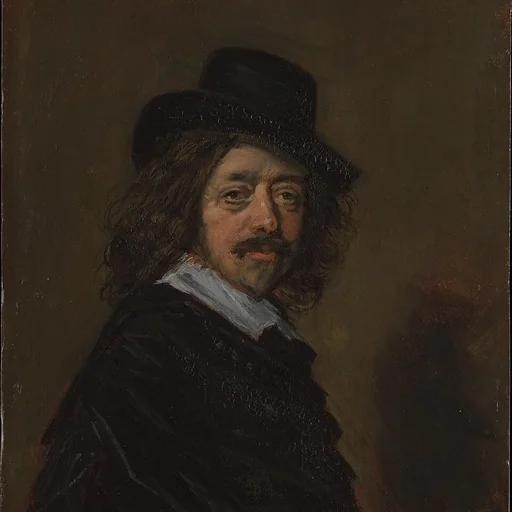
Frans Hals the Elder (UK: US:; Dutch:; c. 1582 – 26 August 1666) was a Dutch Golden Age painter. He lived and worked in Haarlem, a city in which the local authority of the day frowned on religious painting in places of…