Artwork
Portrait of Ernest de Beveren, Lord of West-IJsselmonde and De Lindt
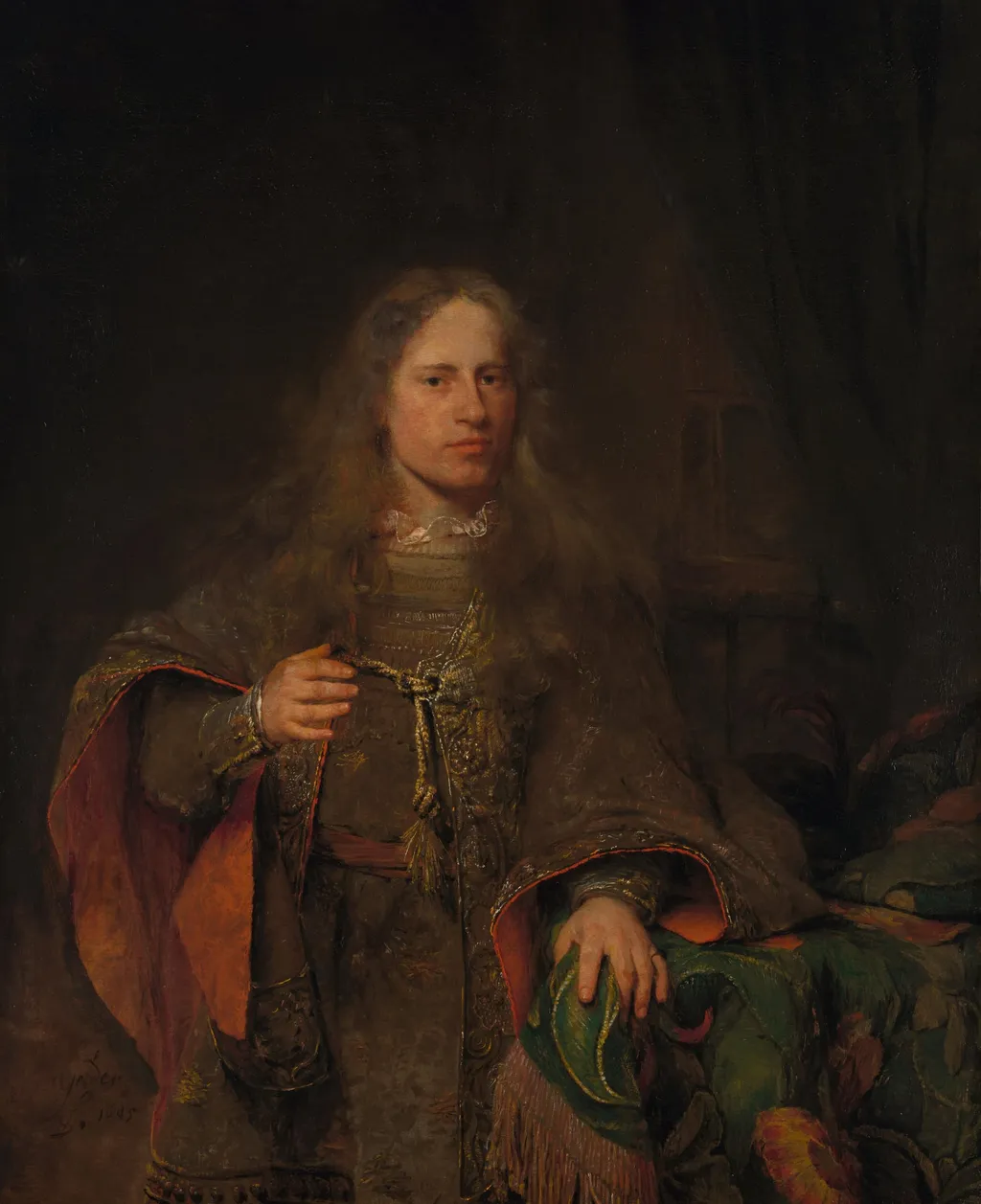
Portrait of Ernest de Beveren, Lord of West-IJsselmonde and De Lindt is an unspecified painting by the Dutch Golden Age artist Arent de Gelder. It dates from 1685 and is held in the collection of the Rijksmuseum.
About this work
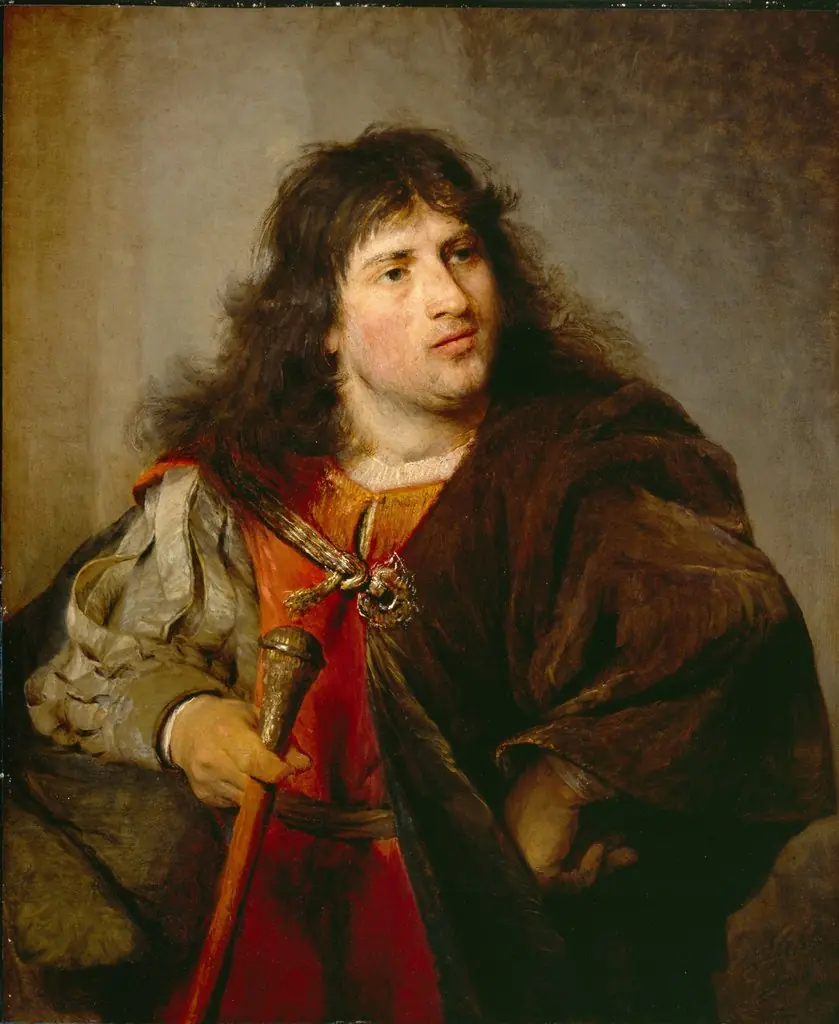
This portrait was painted in 1685, but the clothes look older, like something from 150 years earlier.
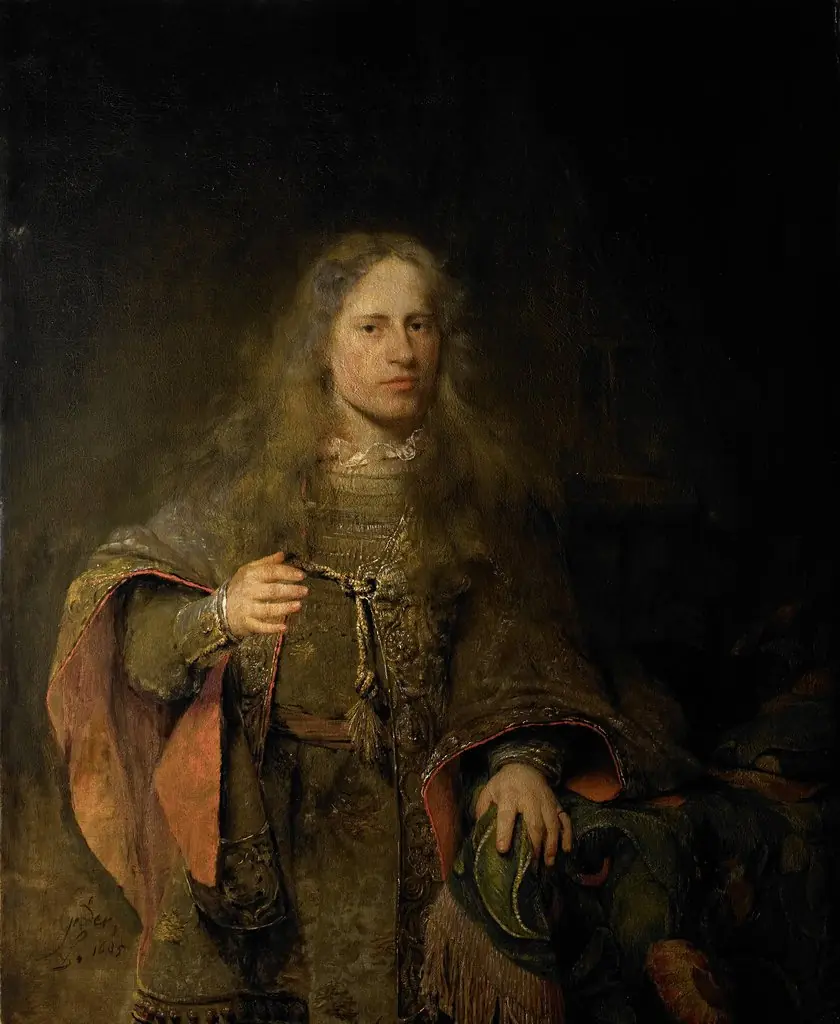
A young man in a velvet cape and lace collar stares straight at you. His face is half-lit, half in shadow. The background is dark and simple.
This portrait was painted in 1685, but the clothes look older, like something from 150 years earlier. The artist copied Rembrandt’s style: thick paint and strong light-and-dark contrasts. The brushstrokes are loose, almost messy in places.
To see more paintings like this, visit the Rijksmuseum.
Subject & Meaning
The painting Portrait of Ernest de Beveren, Lord of West-IJsselmonde and De Lindt (1685) by Aert de Gelder depicts a Dutch nobleman in a pose typical of 17th-century portraiture, emphasizing status through attire and direct gaze. The work belongs to the portrait genre and reflects de Gelder's mastery of chiaroscuro, a hallmark of his Rembrandt-influenced style. It is part of a broader body of portraiture that includes likenesses of scholars and civic figures, such as the 1724 Portrait of Herman Boerhaave with his wife and daughter (Rijksmuseum, Amsterdam). The painting’s iconography aligns with contemporary Dutch portrait conventions, conveying authority and lineage without allegorical symbolism. Its provenance is documented in museum records, including its presence in the Rijksmuseum collection.
Technique & Style
The work is executed in oil paint on canvas, a standard support for 17th-century Dutch portraiture. The brushwork shows the broad, expressive handling characteristic of Aert de Gelder’s adherence to Rembrandt’s late style, with strong chiaroscuro modeling that creates dramatic light and shadow. The composition is tightly framed and formally composed, reflecting the conventions of Dutch portraiture of the period, while the rendering of fabric and facial detail demonstrates a high level of naturalistic treatment.
History & Provenance
Portrait of Ernest de Beveren, Lord of West-IJsselmonde and De Lindt is a 1685 oil on canvas measuring 128 × 105 cm, painted by Aert de Gelder. It was created while the artist was active in Dordrecht and Amsterdam, reflecting his late Rembrandt-influenced style. The work entered the collection of the Rijksmuseum, Amsterdam, where it remains accessioned under inventory number A 2695. Its provenance traces from the sitter’s family through 19th-century private ownership to its acquisition and cataloguing by the Rijksmuseum, confirming continuous institutional custody since at least the early 20th century. The painting was commissioned as a formal portrait of a prominent Dordrecht burgher and later featured in museum inventories and exhibition records, including those of the Rijksmuseum and related Dutch art collections.
The painting is held by the Rijksmuseum in Amsterdam. The French-language source on Aert de Gelder lists the work as an oil on canvas measuring 128 × 105 cm and identifies it as "Portrait d'Ernest de Beveren, seigneur de West-Ijsselmonde et De Lindt," dating it to 1685. The same source also separately references "Ernestus van Beveren (1660-1722), 128 × 105 cm, Rijksmuseum Amsterdam," confirming the museum's collection of the portrait.
The German-language source, however, locates the 1685 "Porträt des Bürgermeisters von Dordrecht, E. van Beveren" in the "Sammlung Hardenbroek" at The Hague, presenting a conflicting provenance for the same sitter and date.
Context
The portrait belongs to the body of work of Aert de Gelder (1645-1727), a Dordrecht-based painter counted among Rembrandt's last pupils, having trained in Amsterdam from 1661 to 1663 under the master and, before that, under Samuel van Hoogstraten. He is noted as the only Dutch artist to continue painting in Rembrandt's late style into the eighteenth century, working with broad brushstrokes, scratched paint handling, and strong chiaroscuro contrasts. Although De Gelder concentrated primarily on biblical subjects, portraiture formed a significant strand of his output, and the 1685 likeness of Ernest de Beveren, a Dordrecht burgomaster, sits within this portrait practice alongside other commissions such as the Portrait of Tsar Peter the Great and the Portrait of Hermannus Boerhaave with his wife and daughter. The work is recorded in the holdings of the Rijksmuseum in Amsterdam. Scholarly attention to De Gelder includes Karl Lilienfeld's 1914 monograph and the 1998 exhibition catalogue *Arent de Gelder (1645-1727): Rembrandts laatste leerling*, which anchored his place within Rembrandt's circle.
Legacy
Aert de Gelder's 1685 Portrait of Ernest de Beveren, Lord of West-IJsselmonde and De Lindt established a lasting precedent for Dutch elite portraiture through its restrained dignity and technical mastery, directly influencing later generations of painters who adopted his fusion of Rembrandtian chiaroscuro with 18th-century compositional clarity. The work's presence in the Rijksmuseum collection cemented de Gelder's reputation as the final Dutch disciple of Rembrandt, a status reinforced by its frequent inclusion in exhibitions tracing his stylistic lineage from the 19th-century revival of interest in Dutch Golden Age masters to contemporary scholarship emphasizing his role in sustaining Baroque traditions into the 1700s. Art historians note its impact on portraitists seeking to emulate its psychological depth, while museum records confirm its enduring status as a benchmark for Dutch portraiture within institutional collections worldwide.
Own this work as a print
Artist & collection
Artist
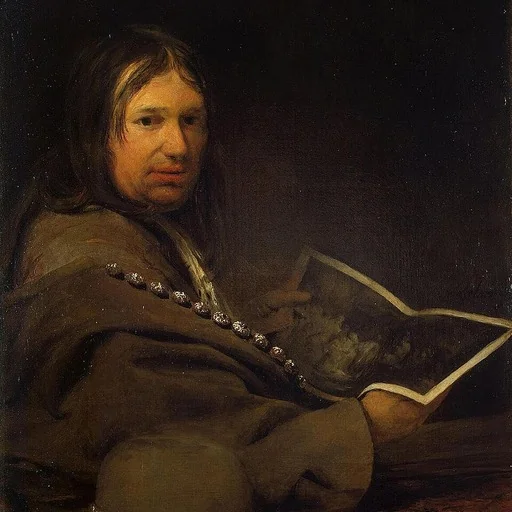
Aert de Gelder (Dutch:; October 26, 1645 – August 27, 1727) was a Dutch painter, the only Dutch artist to paint in the tradition of Rembrandt's late style into the 18th century.

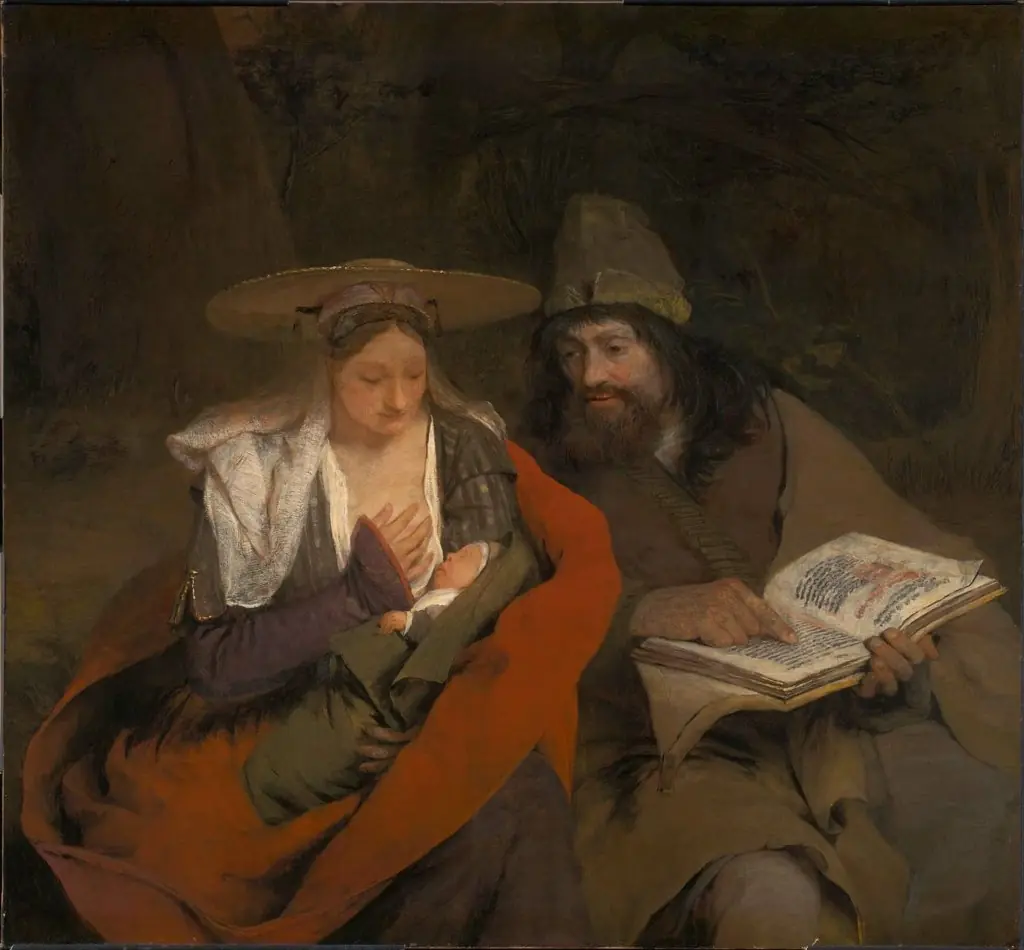 Rest on the Flight into Egypt
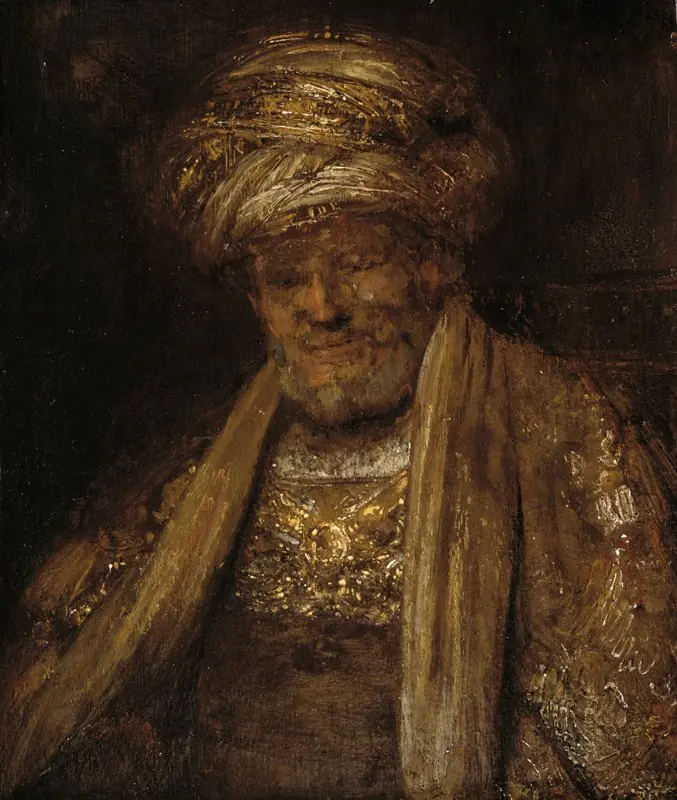 Portrait of an Oriental Man
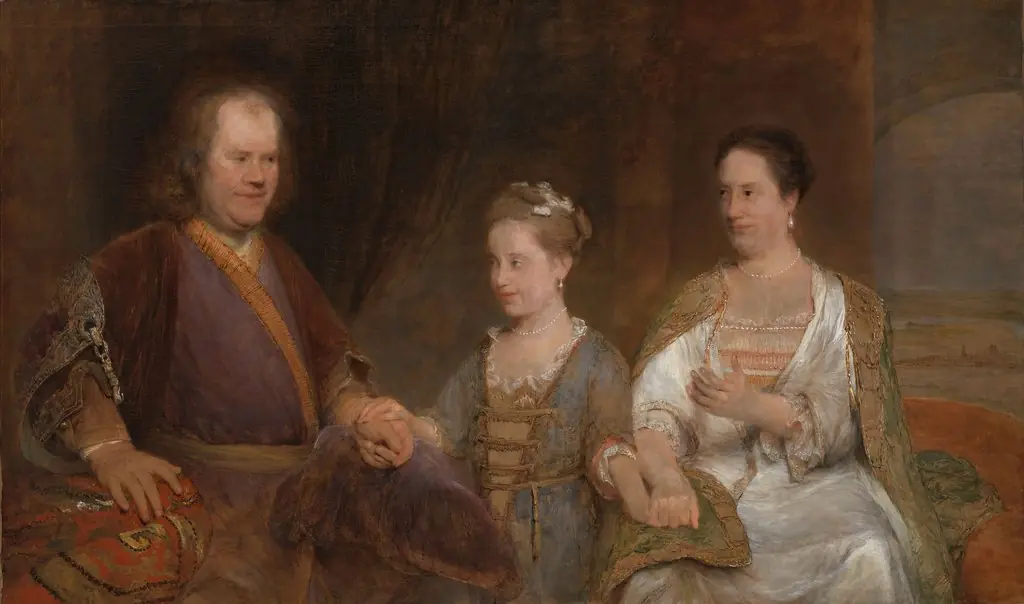 Portrait of Hermanus Boerhave (1668-1738), professor of medecine at the university of Leiden, with his wife Maria Drolenvaux (1686-1746) and their daughter Johanna Maria (1712-91)
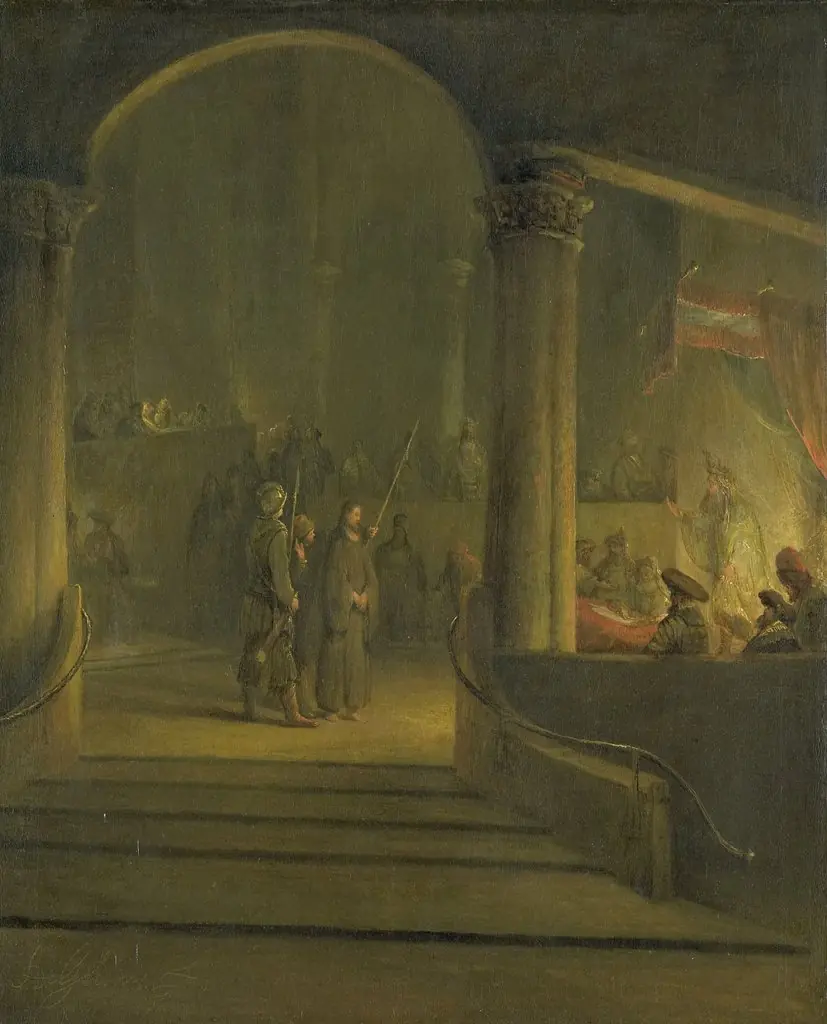 Christ before Caiphas
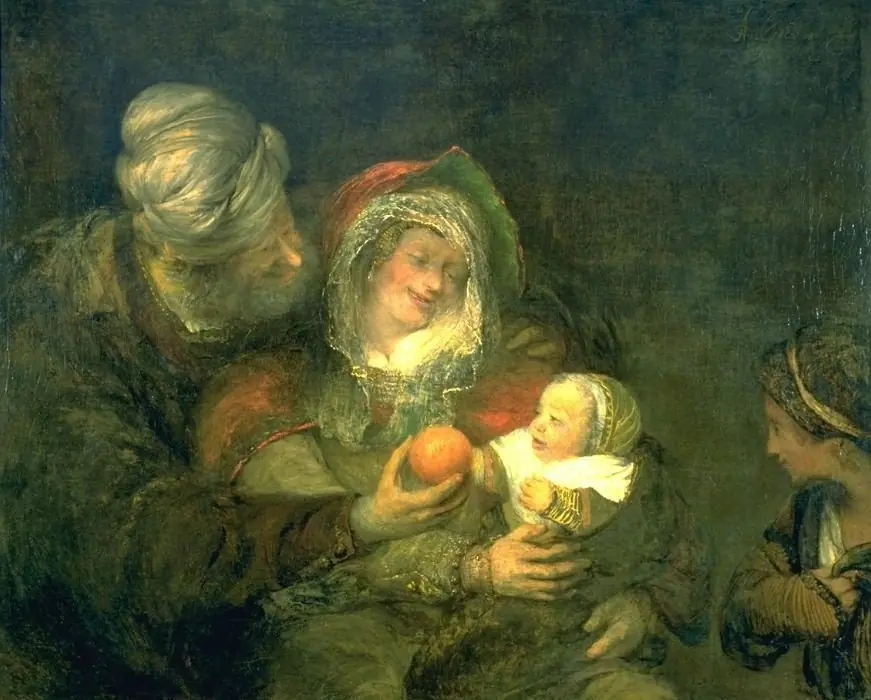 Holy Family
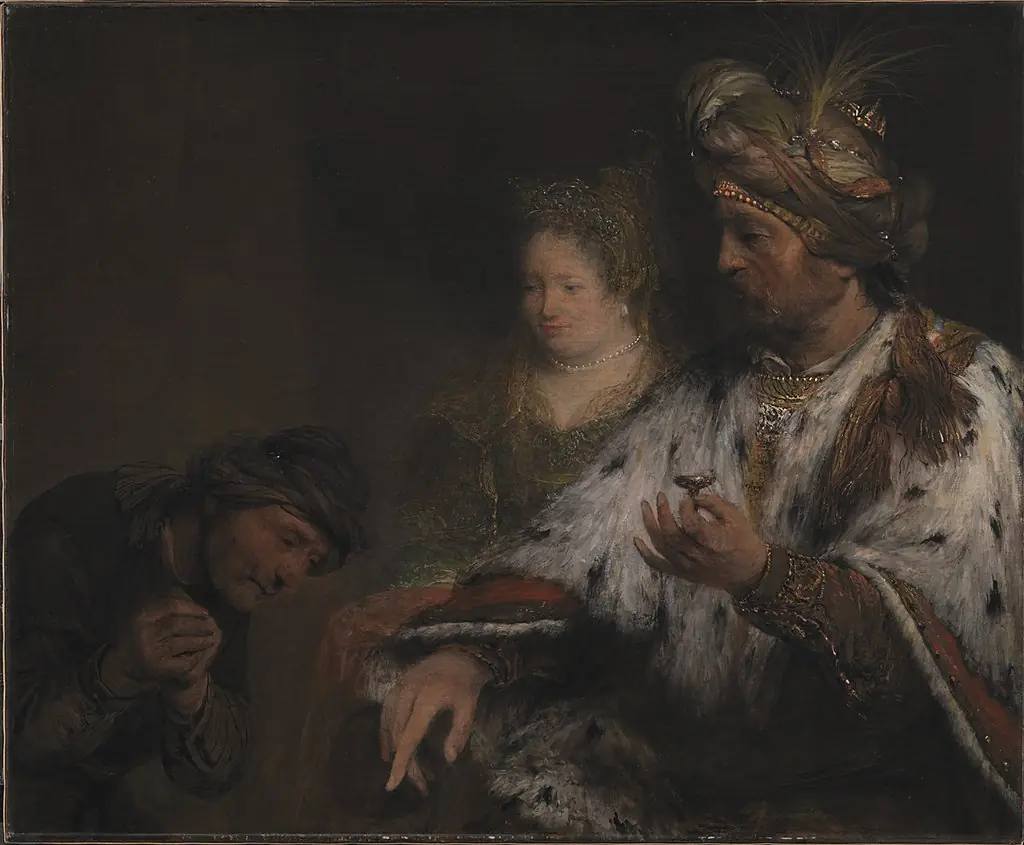 Den persiske kong Ahasverus giver Mordokaj ringen
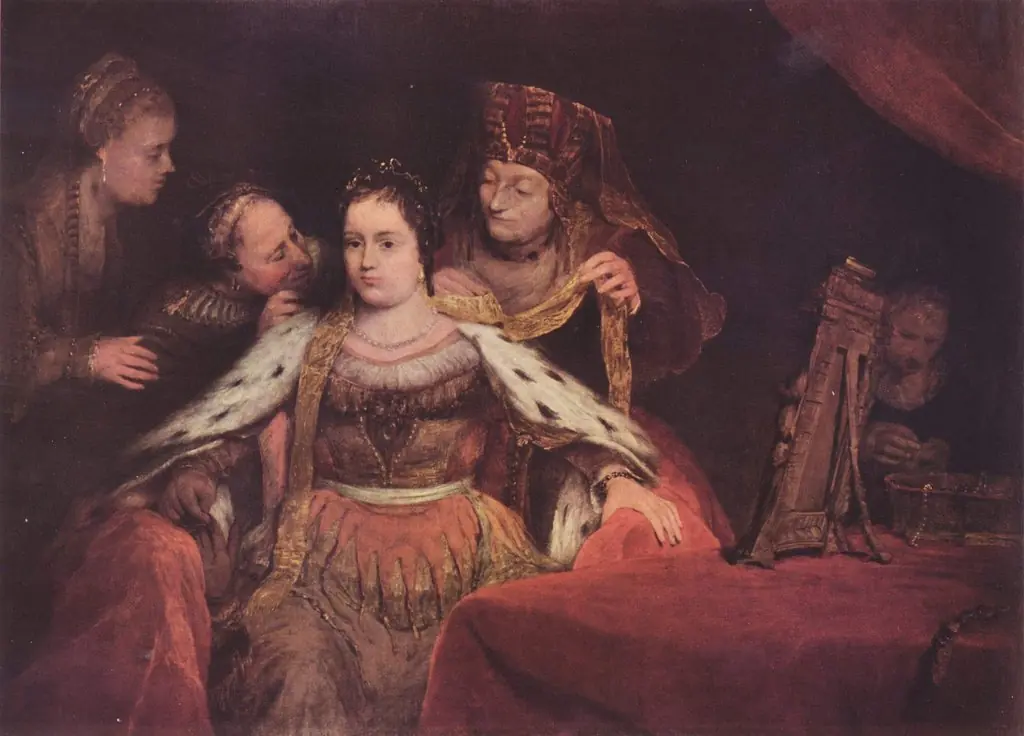 Esther's toilet
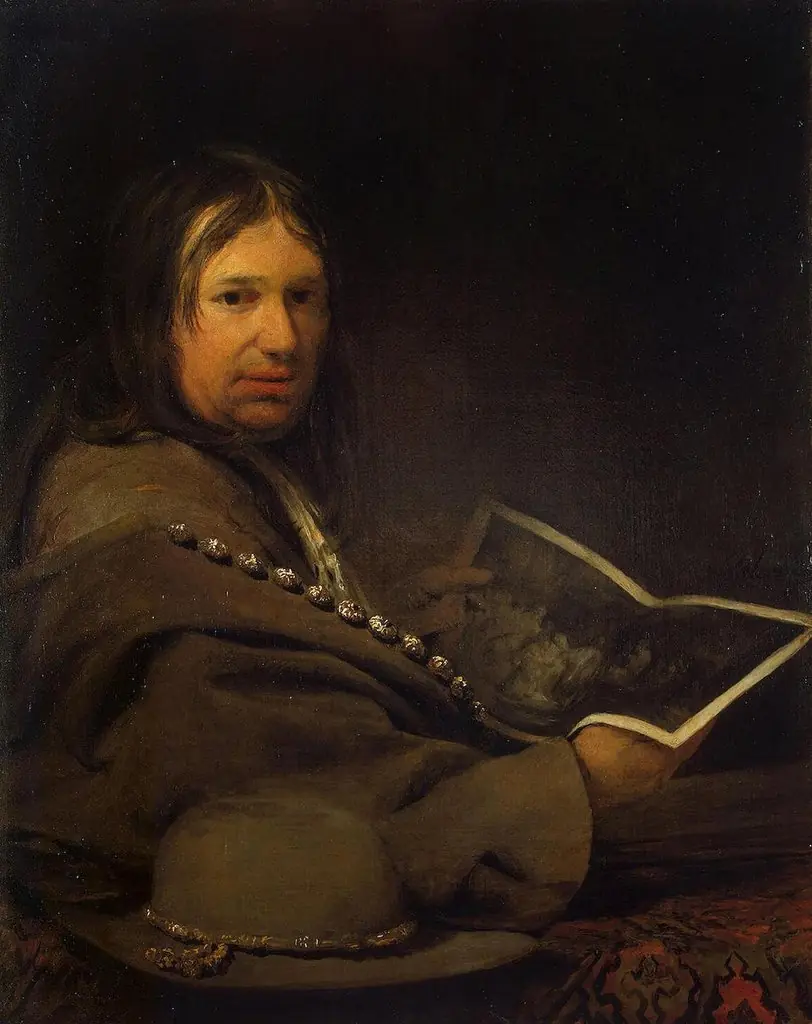 Portrait of a Collector
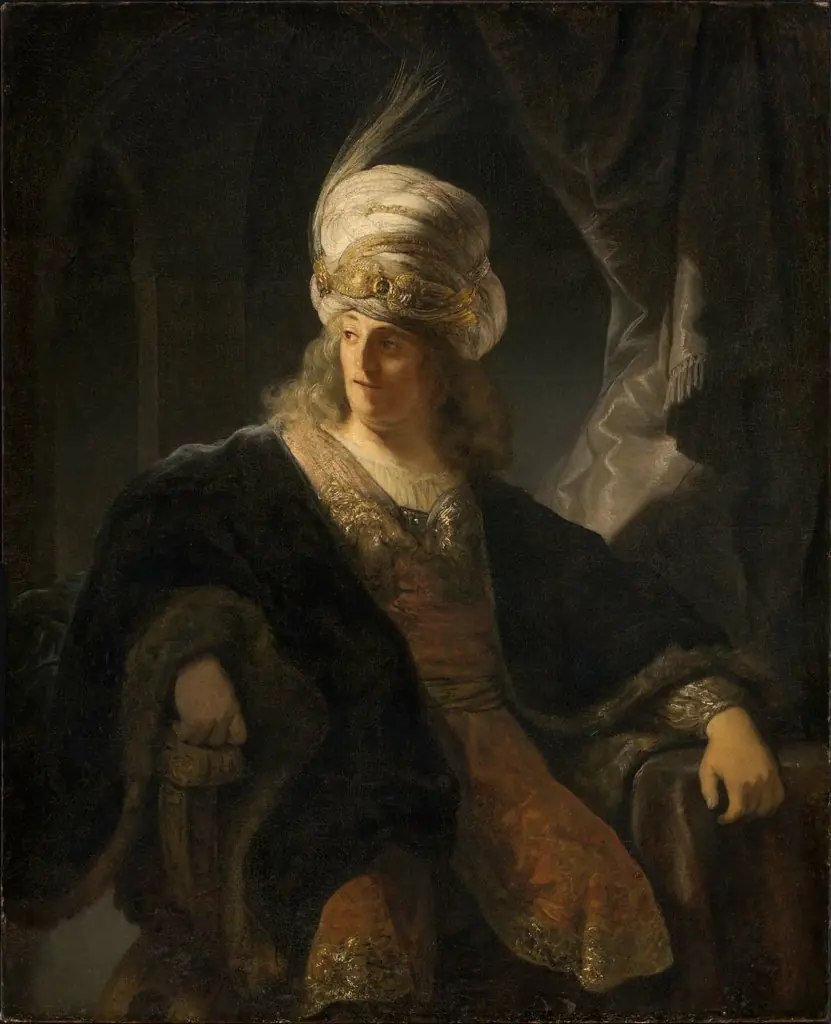 Young Man in Oriental Costume
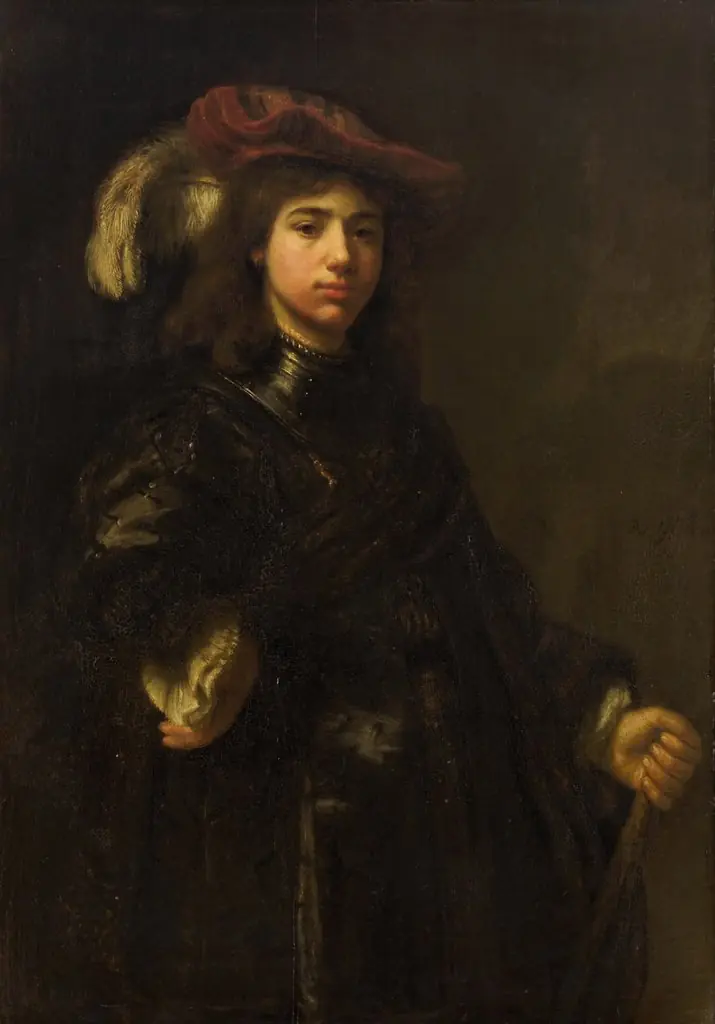 Young man with a plumed cap and a gorget
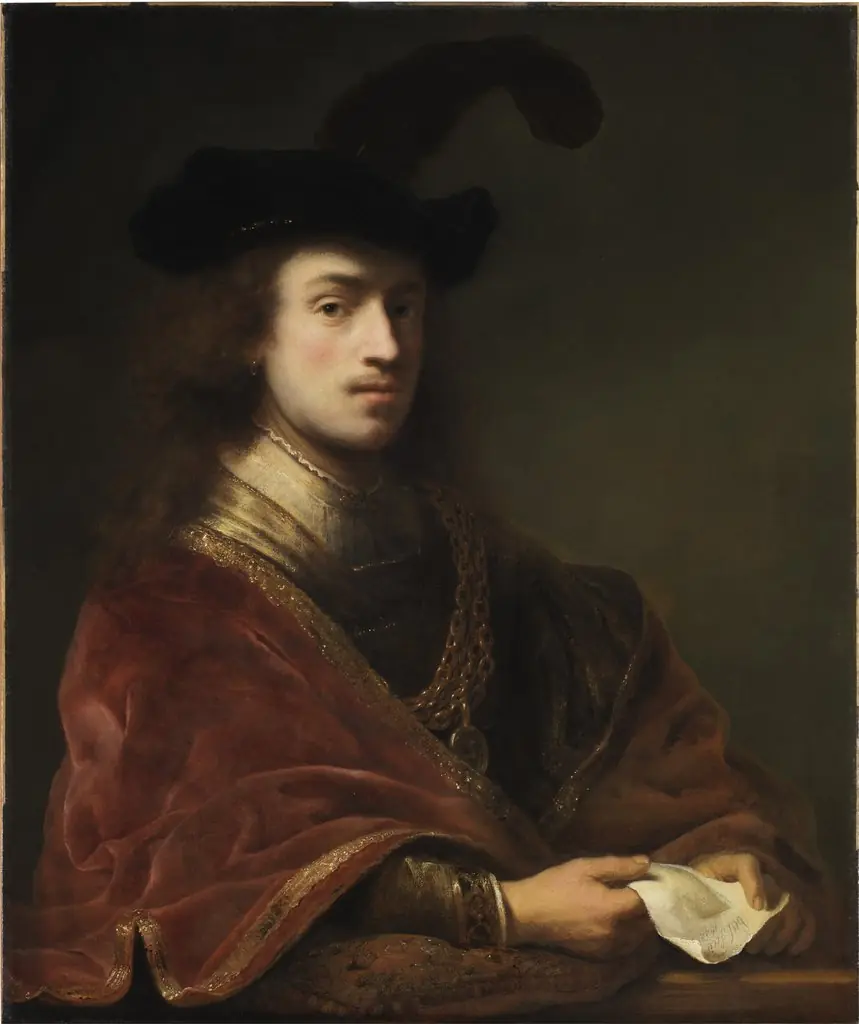 Self-Portrait, Behind a Parapet
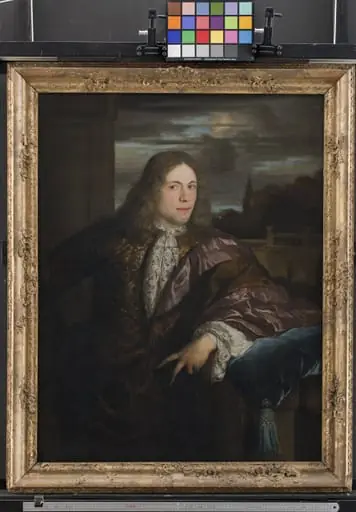 Portrait of a Young Gentleman
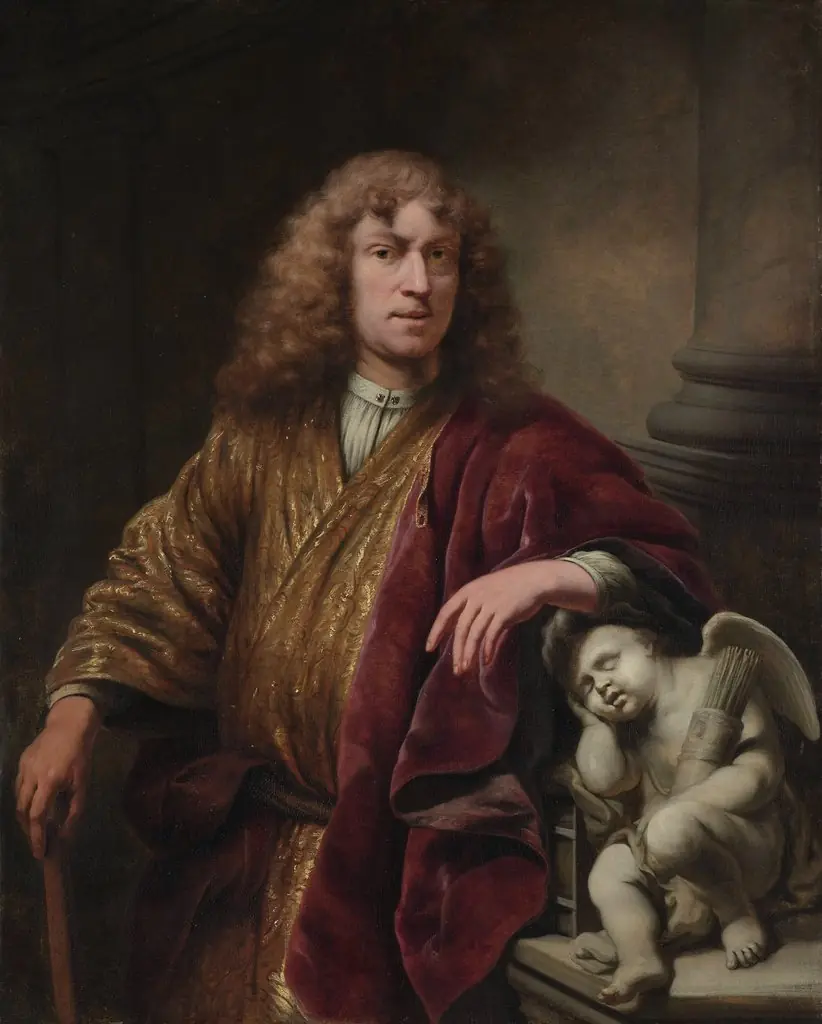 Self-portrait
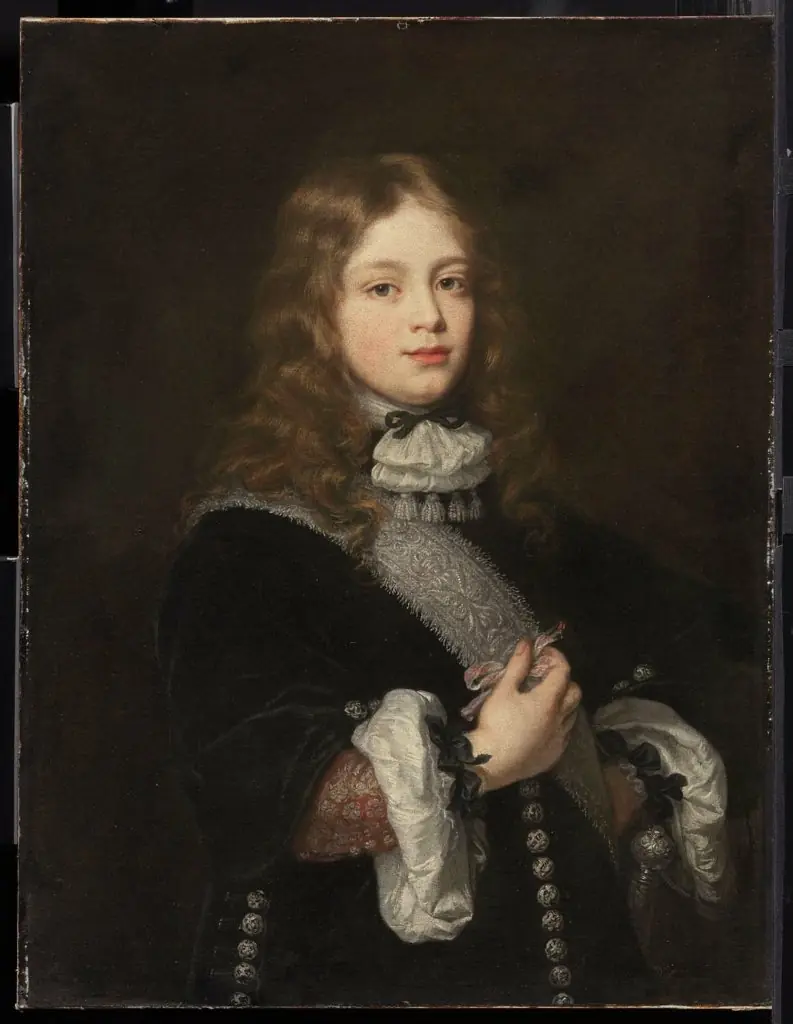 Portrait of a Boy
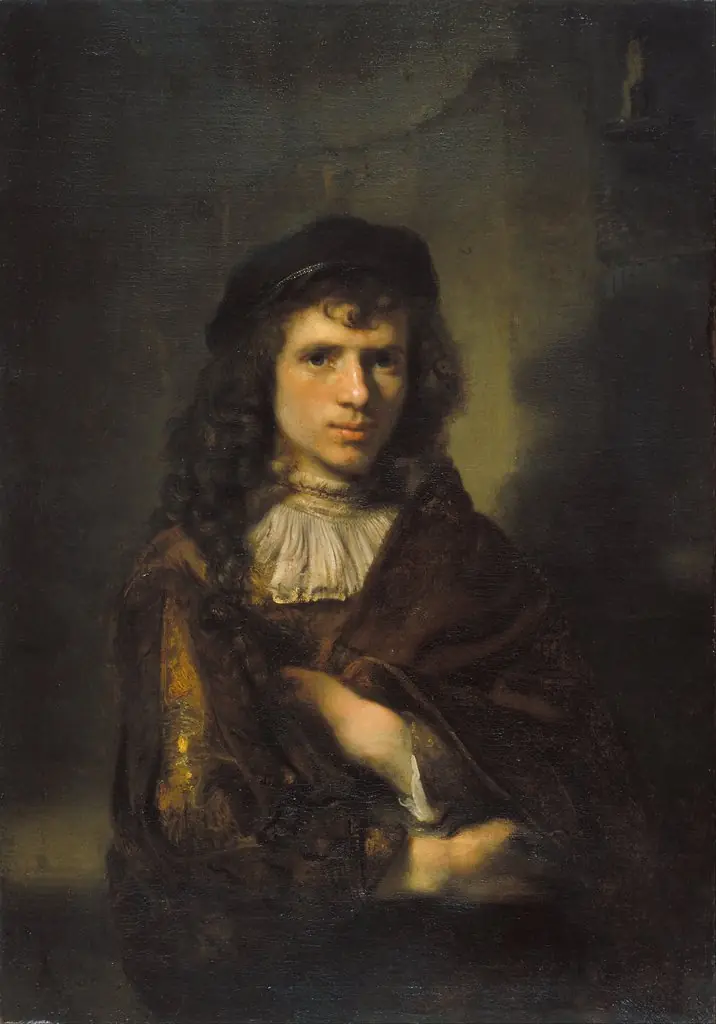 Portrait of a Young Man
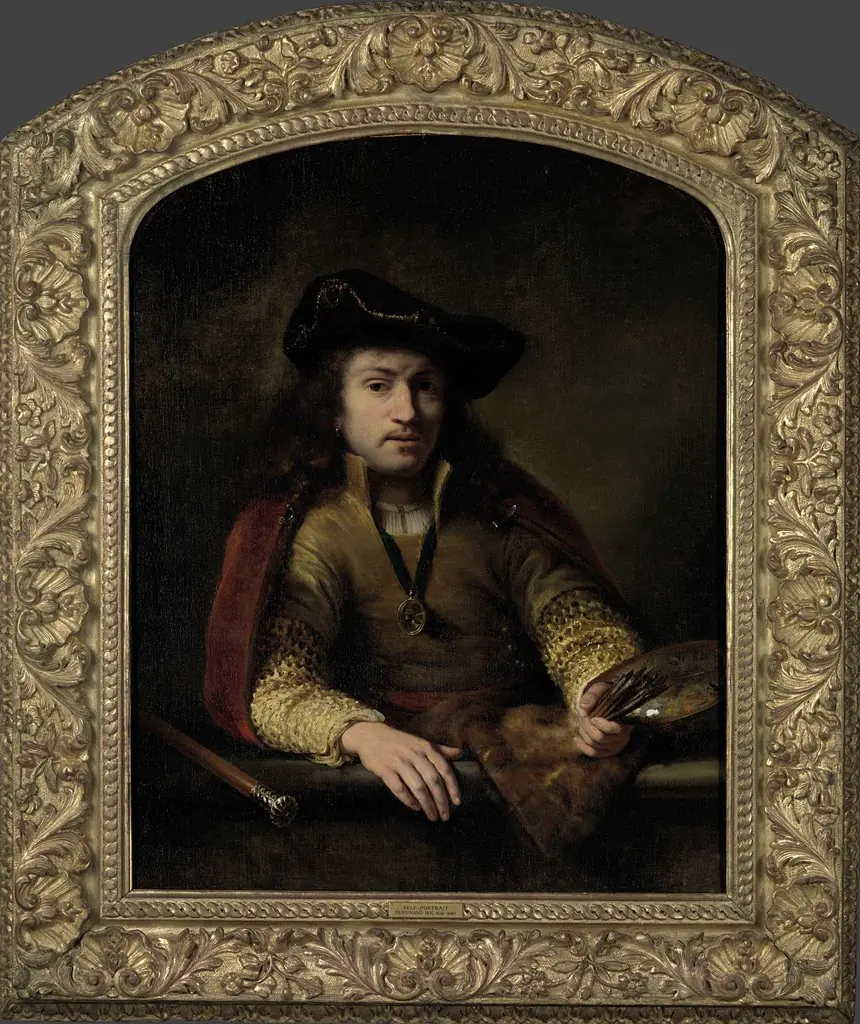 Portret van Ferdinand Bol
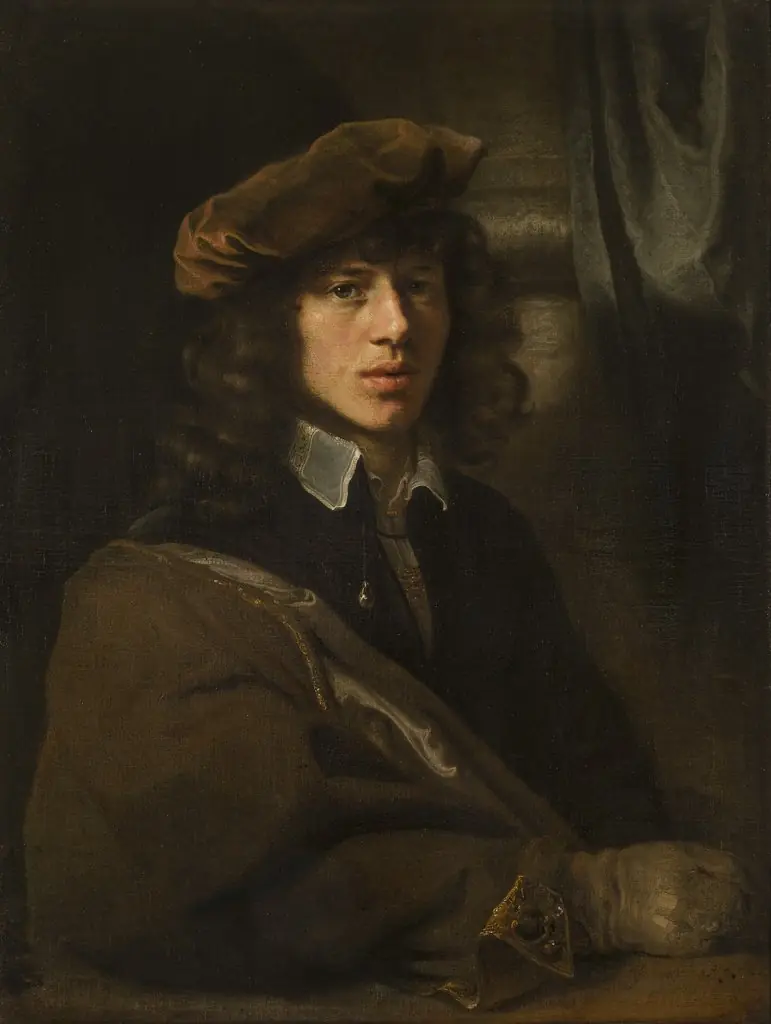 Portrait of Carel Fabritius
 Portrait of a Man
 Young Man in a Pearl-trimmed Cap
- Portrait of Ernest de Beveren, Lord of West-IJsselmonde and De Lindt