Artwork
Venus und Amor mit einem Satyr
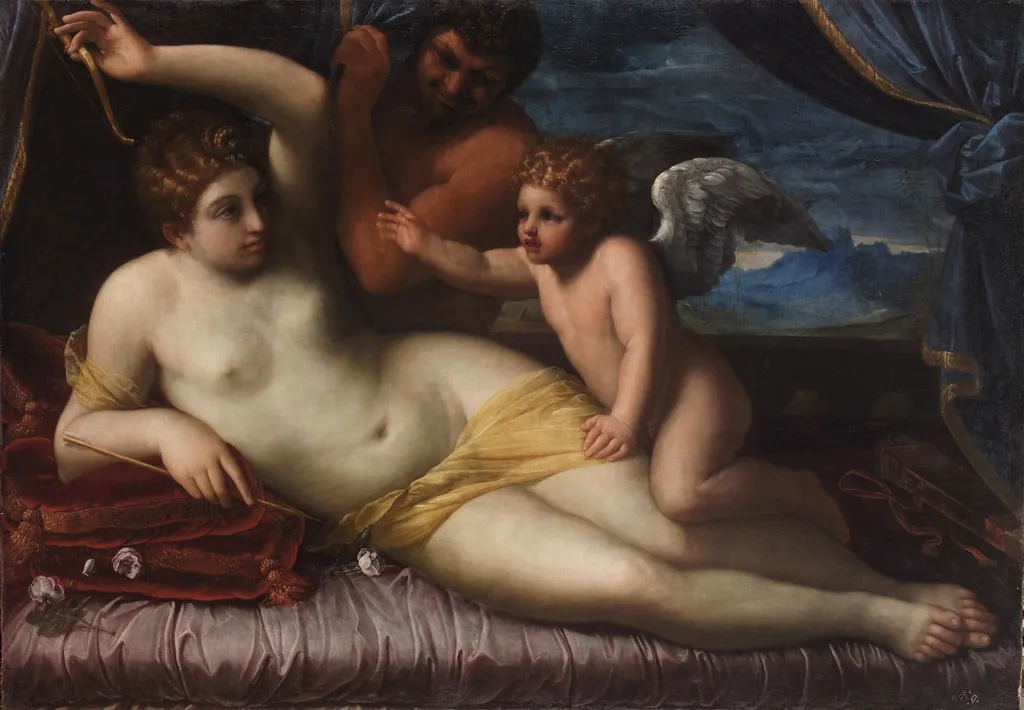
Venus und Amor mit einem Satyr is an unspecified painting by the Early Baroque Italian artist Agostino Carracci. It dates from 1600 and is held in the collection of the Kunsthistorisches Museum.
About this work
Subject & Meaning
Venus und Amor mit einem Satyr belongs to the mythological genre, presenting a classical narrative scene assembled from the traditional figures of Greco-Roman mythology. The composition brings together Venus, the goddess of love, with Amor (Cupid), her son and companion, alongside a satyr, a woodland creature associated in ancient myth with unrestrained lust and proximity to Dionysian revelry. The pairing of Venus and a satyr is a recurring motif in late Renaissance and Baroque art, used to dramatize the goddess's seductive power over even the most brutish of beings, while the presence of Amor reinforces the theme of love's dominion.
The painting, held by the Kunsthistorisches Museum, translates these mythological associations into a single visual field, where the contrast between divine beauty, erotic impulse, and bestial desire is staged as an allegory of love's pervasive reach.
Technique & Style
The painting measures 129 cm in height and 184 cm in width, and its condition remains stable as recorded in the museum’s collection documentation.
The work is executed in oil on canvas, an oil painting on canvas support, and is housed in the Kunsthistorisches Museum. Its formal qualities are defined by a mythological composition that combines the figures of Venus, Cupid, and a satyr within a harmonious arrangement of color and line, reflecting the classical style of Agostino Carracci. The painting measures 129 cm in height and 184 cm in width, and its condition remains stable as recorded in the museum’s collection documentation.
History & Provenance
Venus und Amor mit einem Satyr was created by Agostino Carracci in 1598. The mythological painting is held in the collection of the Kunsthistorisches Museum, where it remains located. The sources do not document a prior ownership chain, a specific commissioner, or any intermediate provenance between its creation and its current institutional holding, nor do they record exhibition history or acquisition details for the work.
The painting measures 129 cm in height by 184 cm in width.
Venus und Amor mit einem Satyr by Agostino Carracci is held in the collection of the Kunsthistorisches Museum in Vienna. The painting, completed in 1598, is catalogued within the museum's holdings as a mythological work depicting Venus. No specific inventory or accession number is recorded in the available sources, nor is any exhibition history documented.
Overview
Venus und Amor mit einem Satyr is a painting created by Agostino Carracci around 1600, associated with the early Baroque movement in Italy. It features Venus, Cupid, and a satyr in a serene composition, drawing on classical mythology.
Context
Part of the early Baroque, this work contrasts with the prevailing Mannerist style of the time, aligning with the academy's goals to elevate Bolognese art through a return to classical and naturalistic principles.
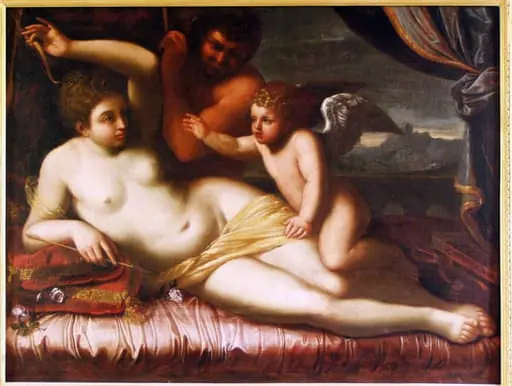
Artist & collection
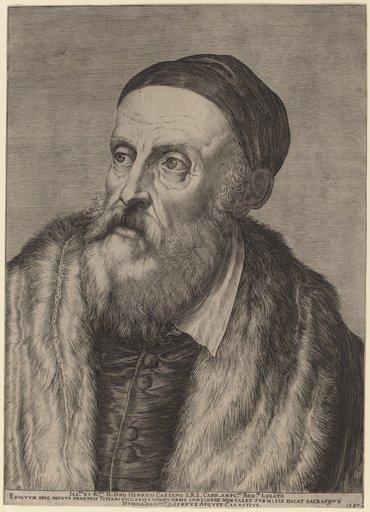
Artist
Agostino Carracci ( kə-RAH-chee, UK also kə-RATCH-ee, Italian: ; also Caracci; 16 August 1557 – 22 March 1602) was an Italian painter, printmaker, tapestry designer, and art teacher.

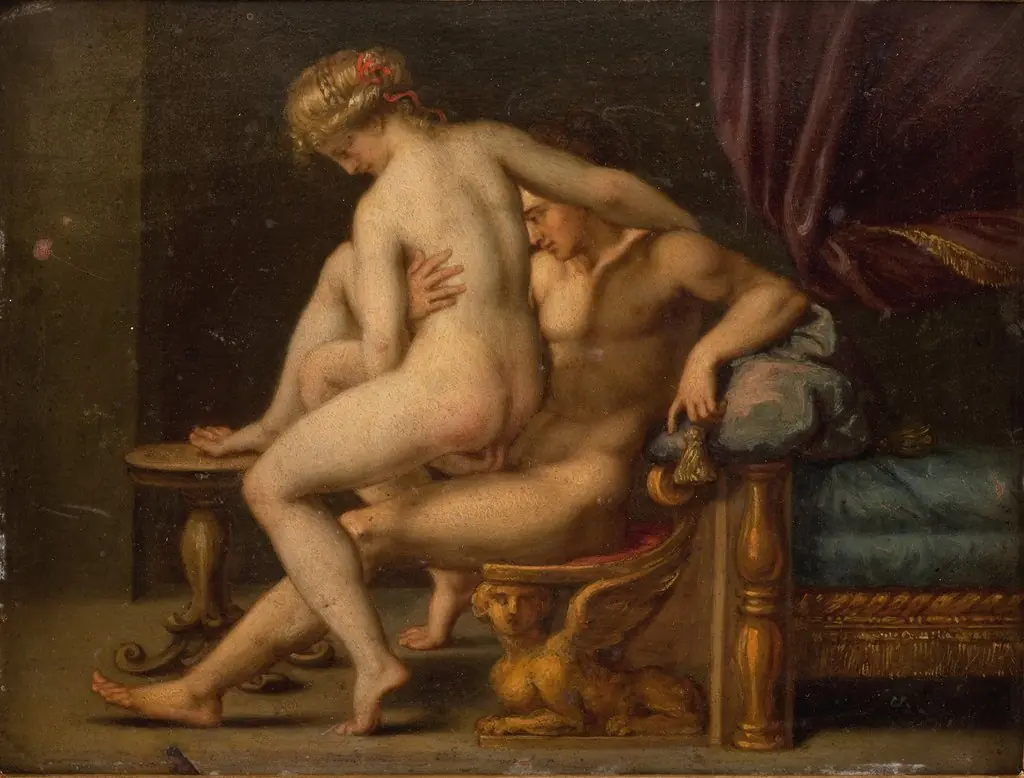
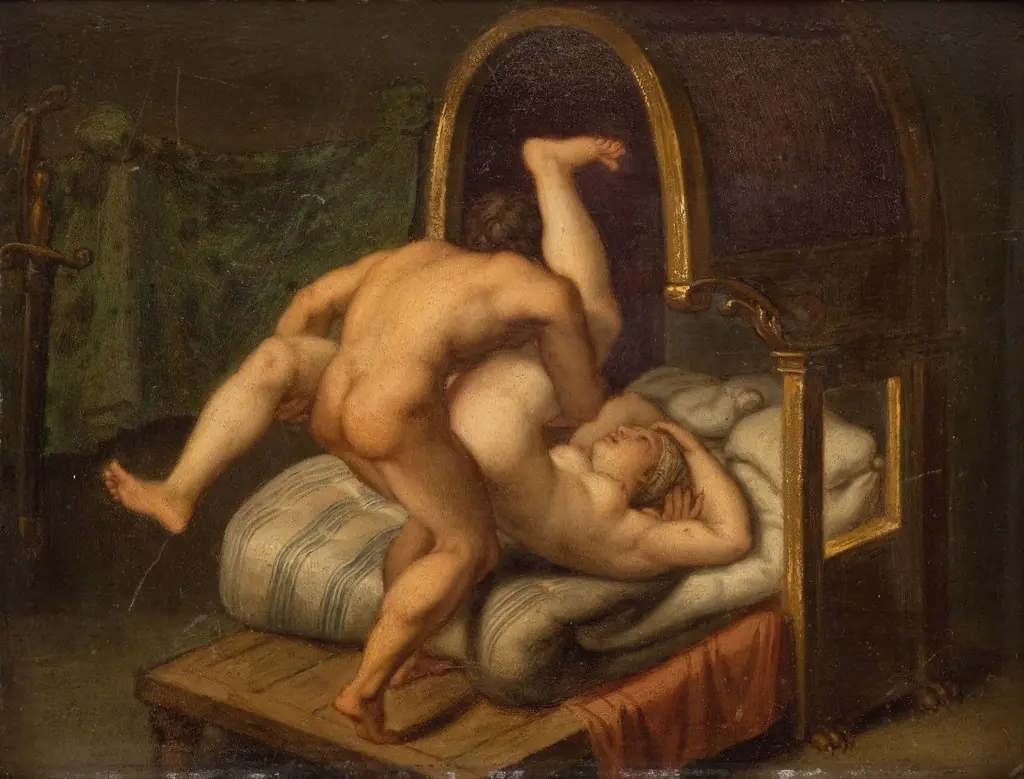
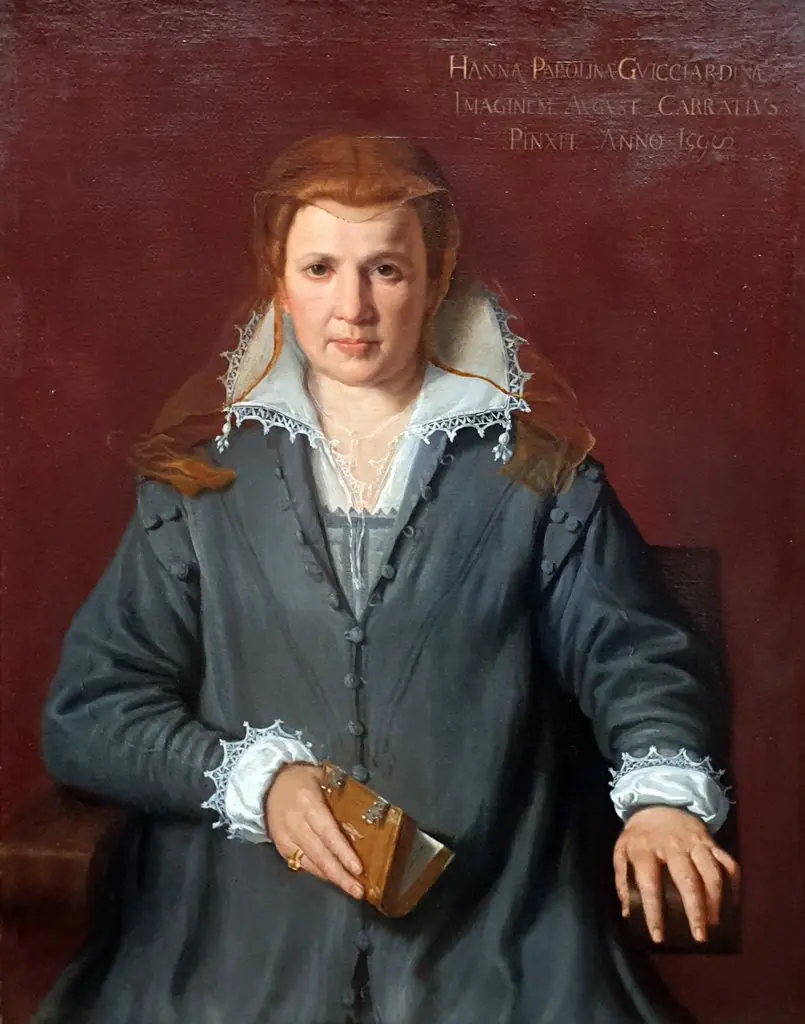
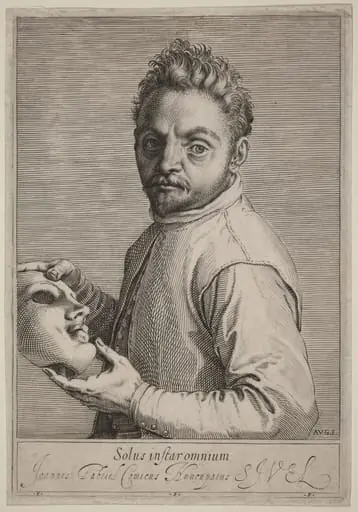
- Venus și Amor, pândiți de Pan (în Registrul inventar: Venus și Amor)
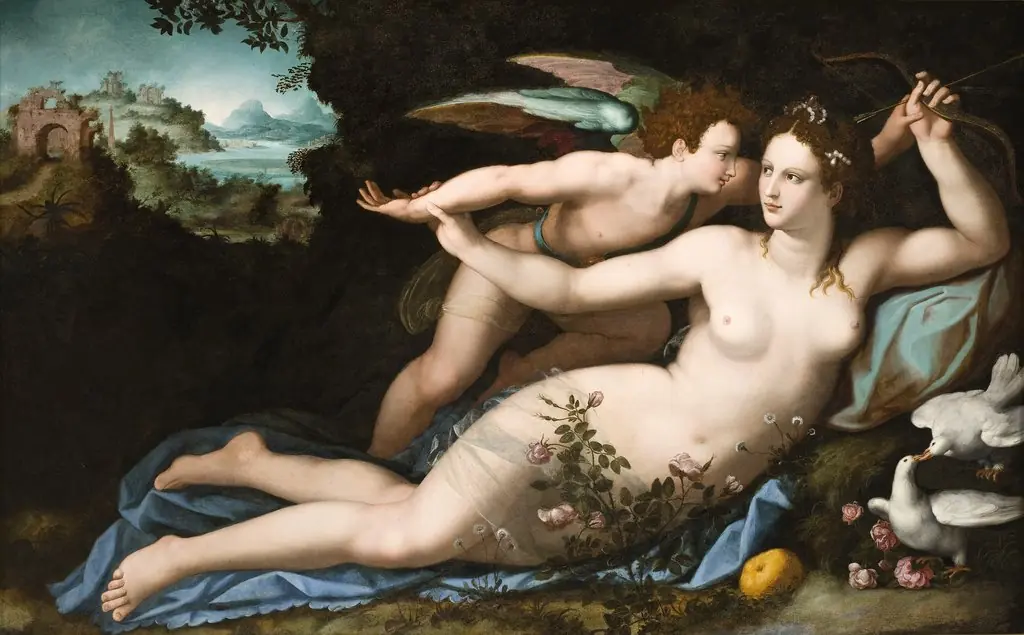 Venus disarming Cupid
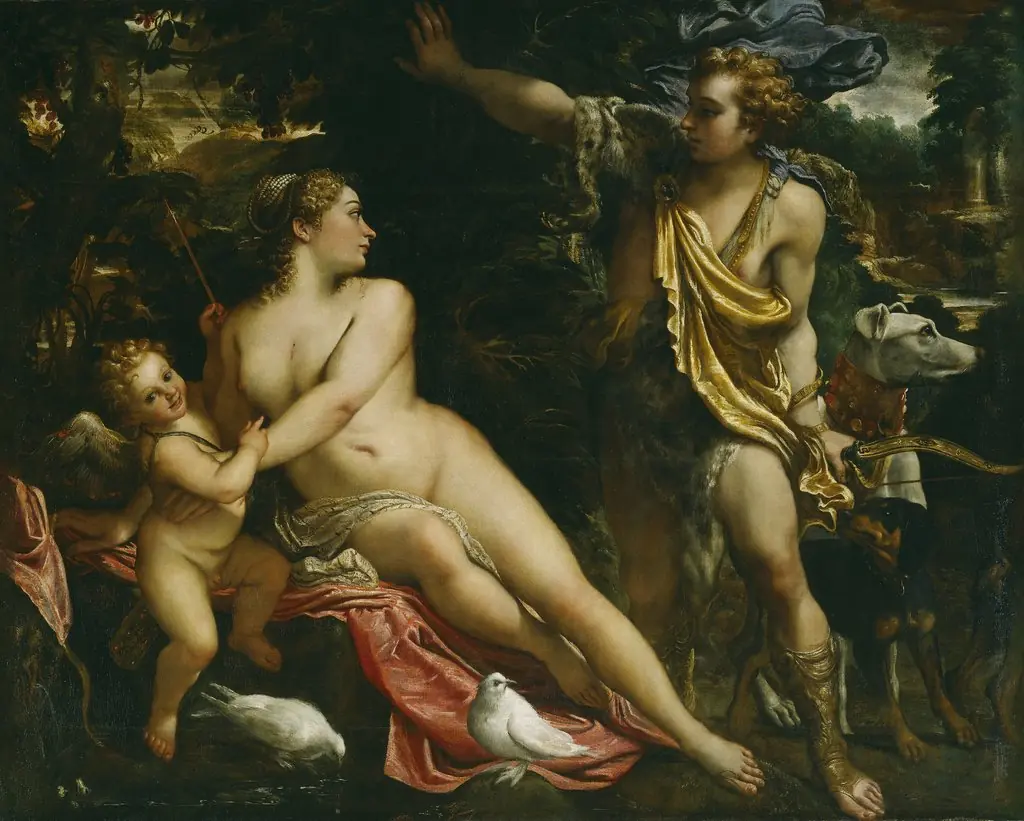 Venus, Adonis and Cupid
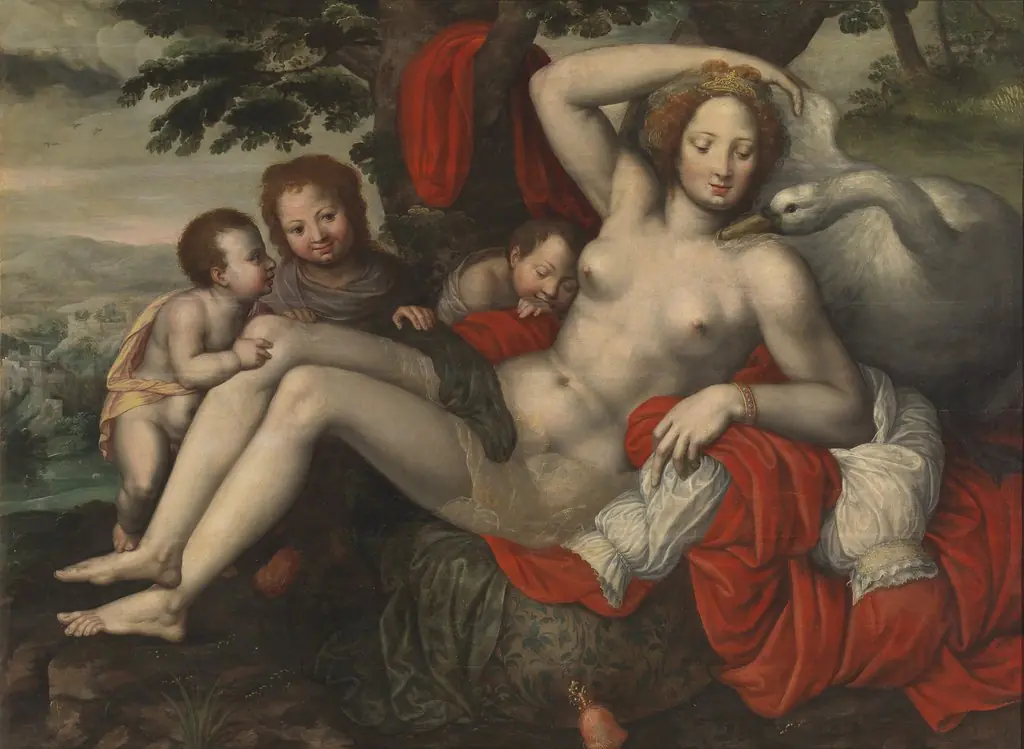 Leda and the Swan
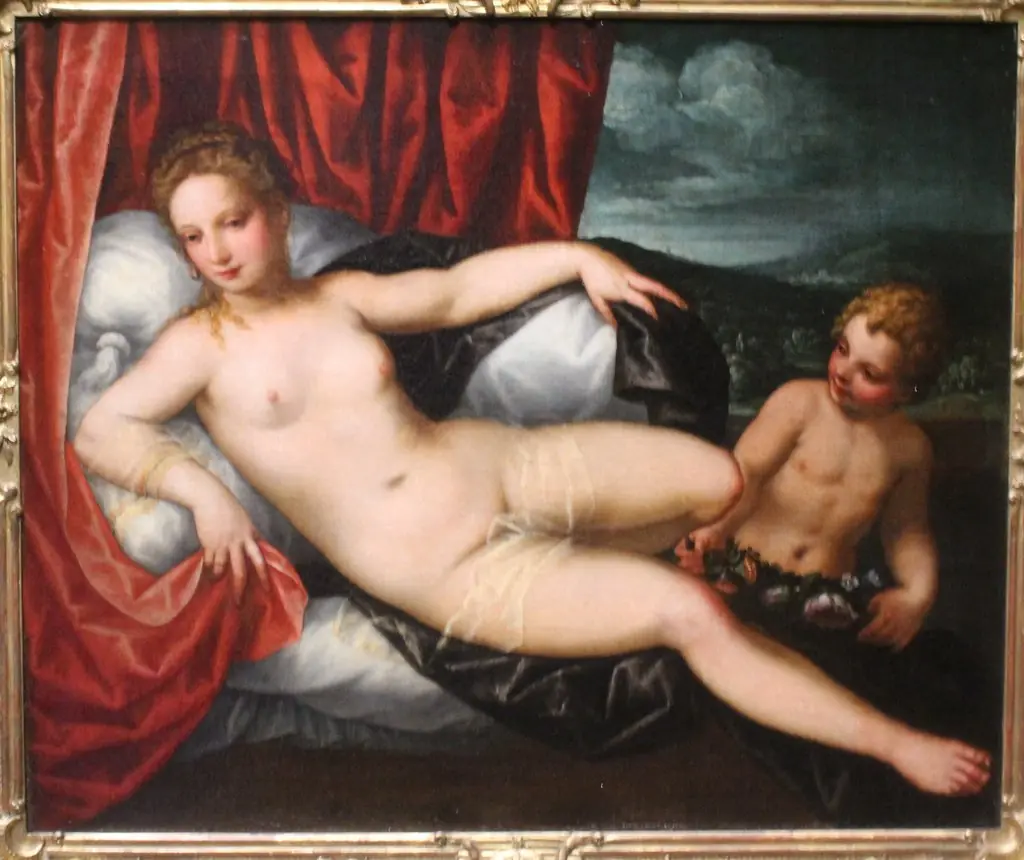 Resting Venus with Cupid
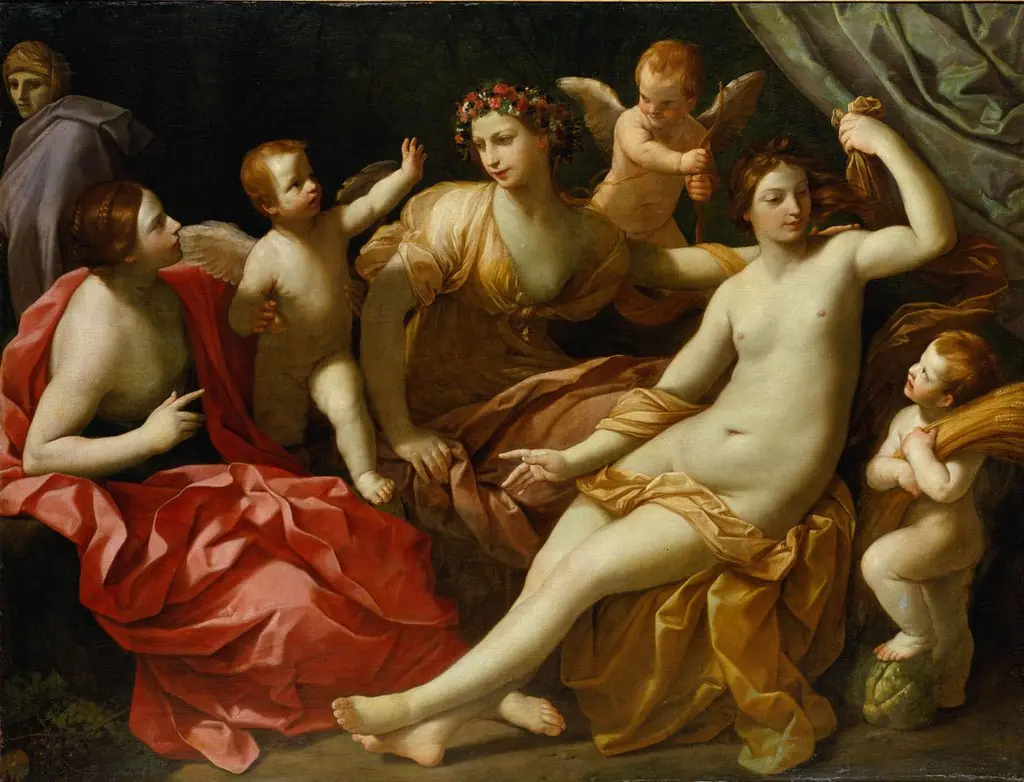 The Four Seasons
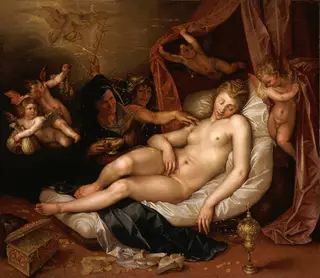 The Sleeping Danae Being Prepared to Receive Jupiter
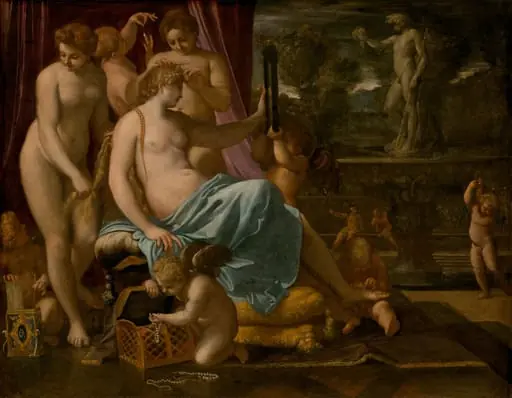 Venus Adorned by the Graces
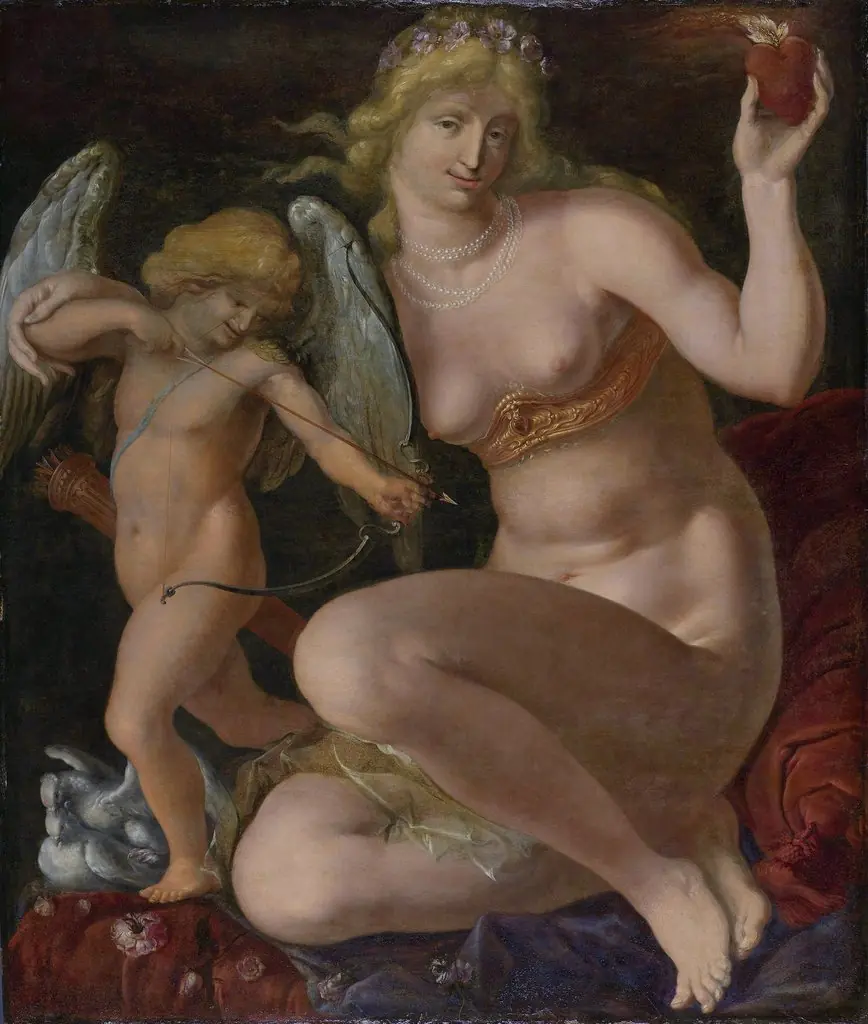 Venus and Cupid
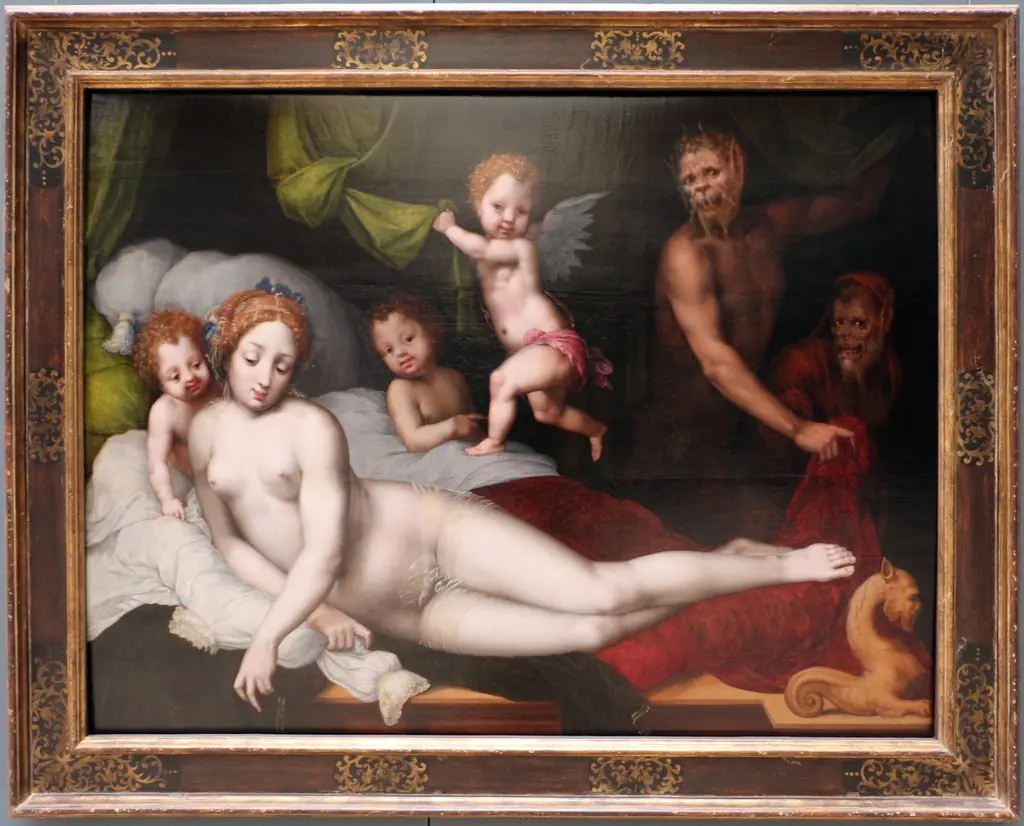 Jupiter als sater met Antiope en hun kinderen Amphion en Zethos
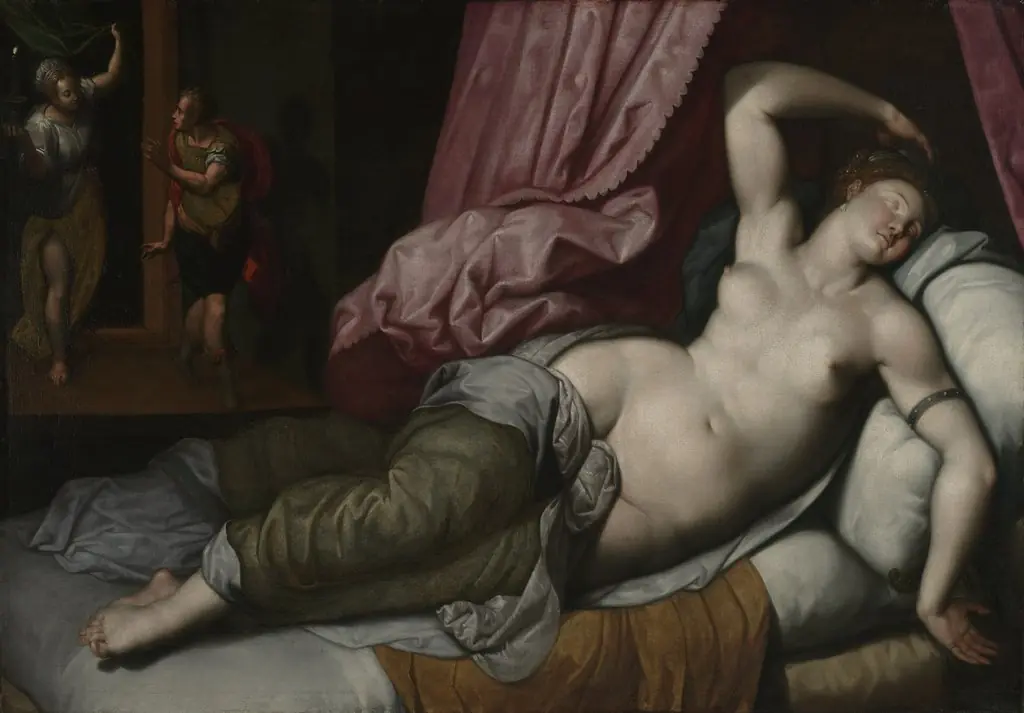 Paris Being Admitted to the Bedchamber of Helen
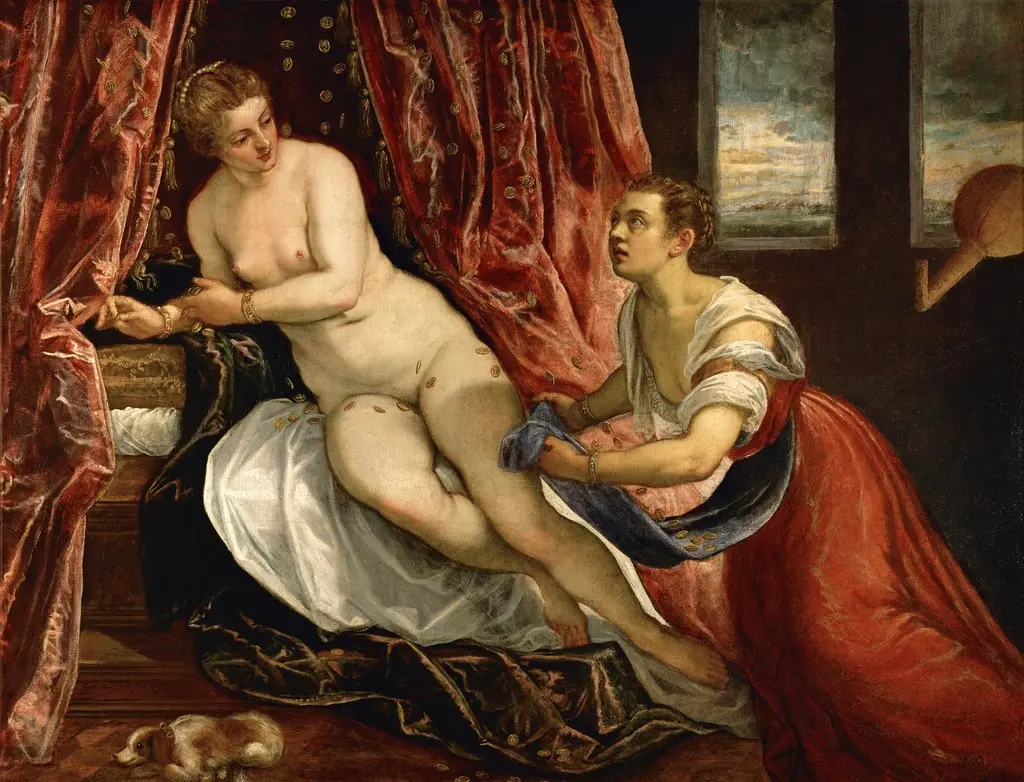 Danae
Danae