Artwork
Leda and the Swan
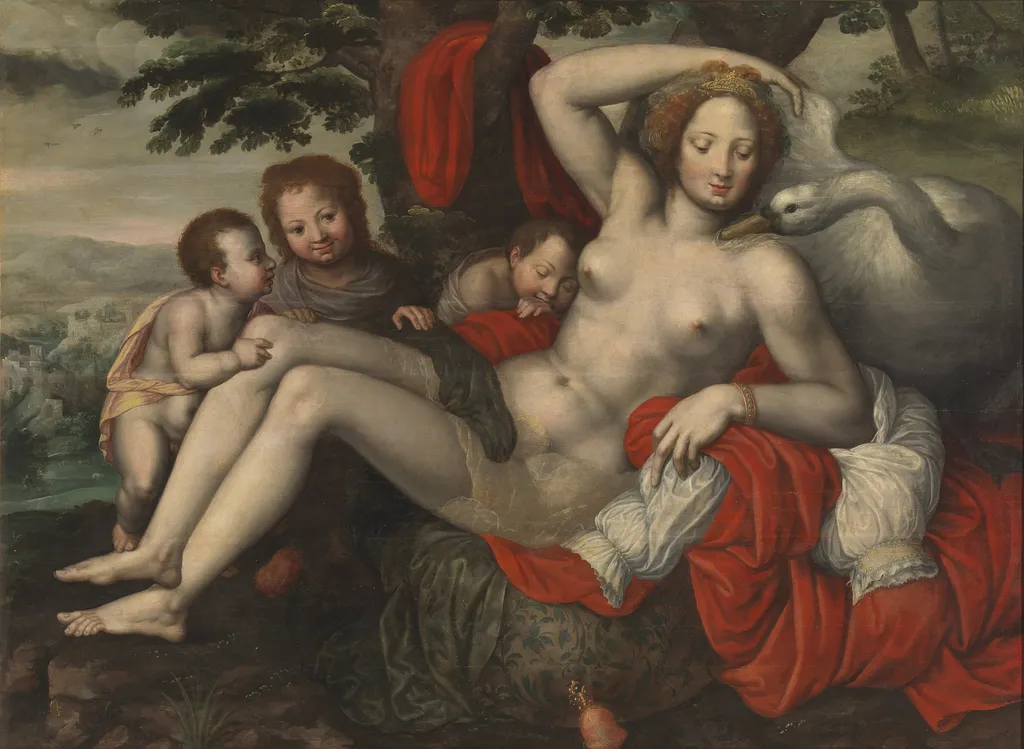
Leda and the Swan is an oil painting by the Northern Renaissance artist Georg Pencz. It dates from 1501 and is held in the collection of the Museo del Prado.
About this work
Subject & Meaning
The work depicts the mythological subject of Leda and the Swan, a narrative from classical antiquity. As a mythological painting, the composition centers on the figure of Leda interacting with the swan, which represents the god Zeus in disguise. The piece functions as a visual interpretation of this specific legend, categorized within the genre of mythology.
Technique & Style
Georg Pencz's Leda and the Swan is executed in oil paint on panel, a support well suited to the precise handling associated with Northern Renaissance practice.
Georg Pencz's Leda and the Swan is executed in oil paint on panel, a support well suited to the precise handling associated with Northern Renaissance practice. The work measures 92 by 126 cm, providing a broad horizontal field for the mythological subject.
Stylistically, the painting belongs to the mythological genre tradition, treating the Leda theme with the figure-centered composition typical of mid-16th-century German painting. The classification as a painting rather than a drawing or print further indicates a fully developed, colored surface rather than a preparatory sketch.
Overview
Leda and the Swan is a mythological oil-on-panel painting created in 1501 by Georg Pencz, a German artist associated with the Northern Renaissance. The work is characterized by its detailed depiction of a reclining female figure, partially clothed in red, accompanied by a swan, three children, and a serene landscape backdrop.
History & Provenance
Created in 1501, the painting is a product of the Northern Renaissance. It is currently part of the collection at the Museo del Prado, highlighting its recognized artistic and historical value.
Context
As a work of the Northern Renaissance, Leda and the Swan situates itself within a broader European artistic movement that emphasized detailed realism and the revival of classical themes. Pencz's dual role as a painter, engraver, and printmaker also positions the work at the intersection of various artistic practices of the time.
Legacy
While specific direct influences of Leda and the Swan on later artworks are not widely documented, the painting contributes to the broader legacy of Northern Renaissance art, exemplifying the period's engagement with mythology and the technical prowess of its artists.
Own this work as a print
Artist & collection
Artist
Georg Pencz (c. 1500 – 11 October 1550) was a German engraver, painter and printmaker. Pencz was probably born in Westheim near Bad Windsheim/Franconia. He travelled to Nuremberg in 1523 and joined Albrecht Dürer’s…

 Venus, Adonis and Cupid
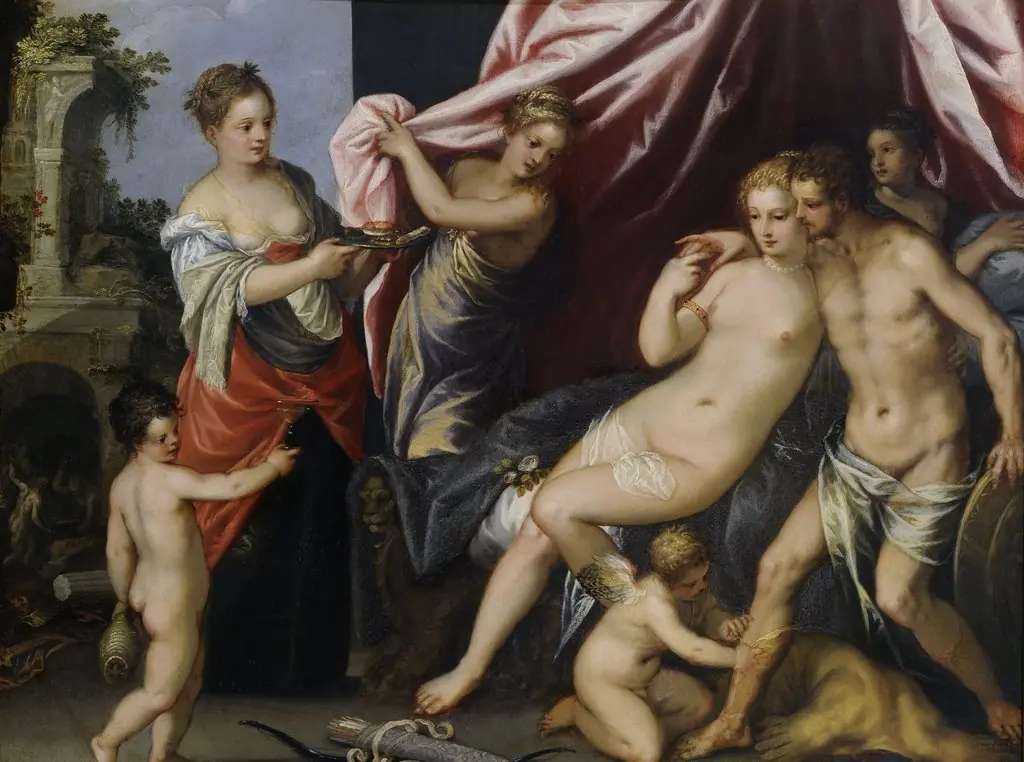 Venus and Mars
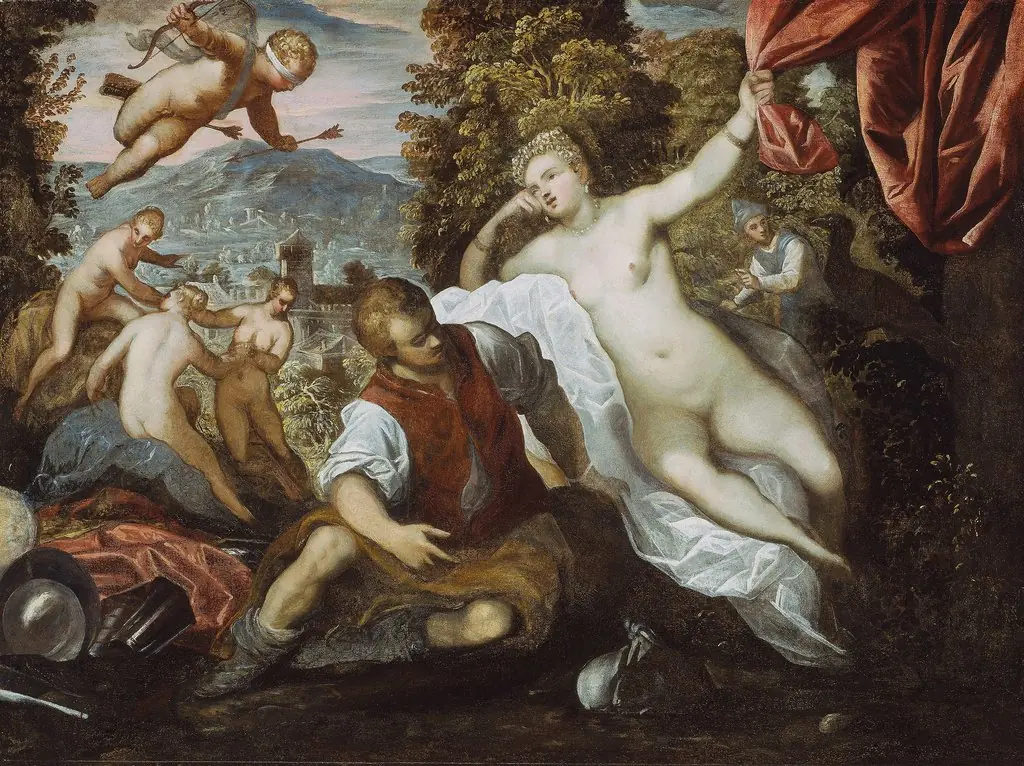 Venus and Mars with Cupid and the Three Graces in a Landscape
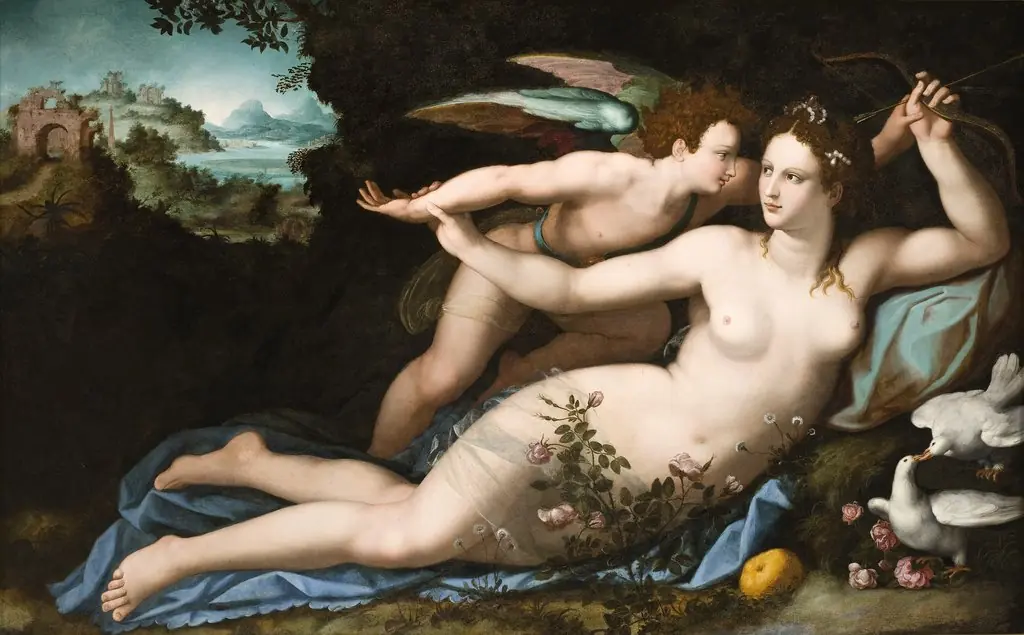 Venus disarming Cupid
 Venus and Mars with Cupid and the Three Graces in a Landscape
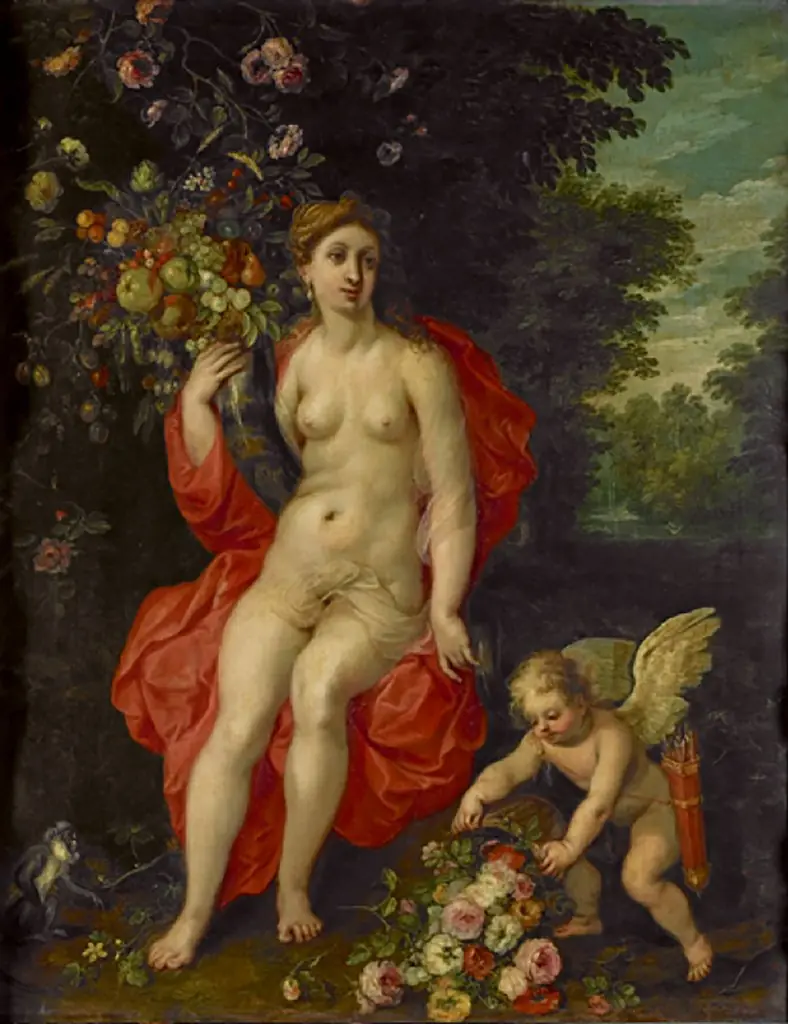 Venus and Amor as Allegory of Abundance
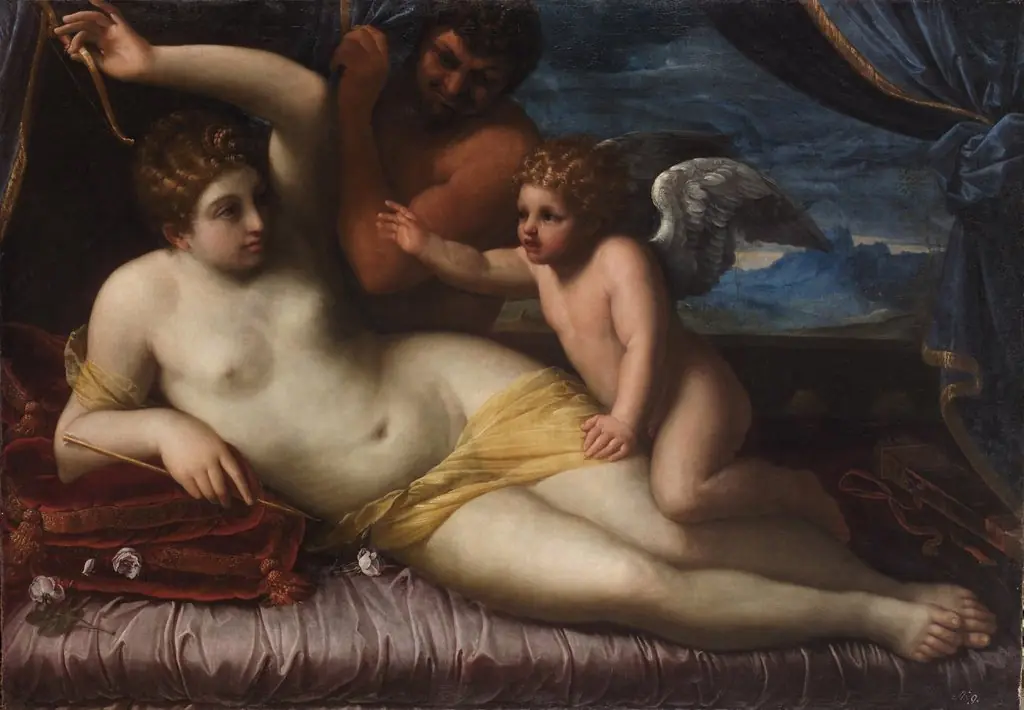 Venus und Amor mit einem Satyr
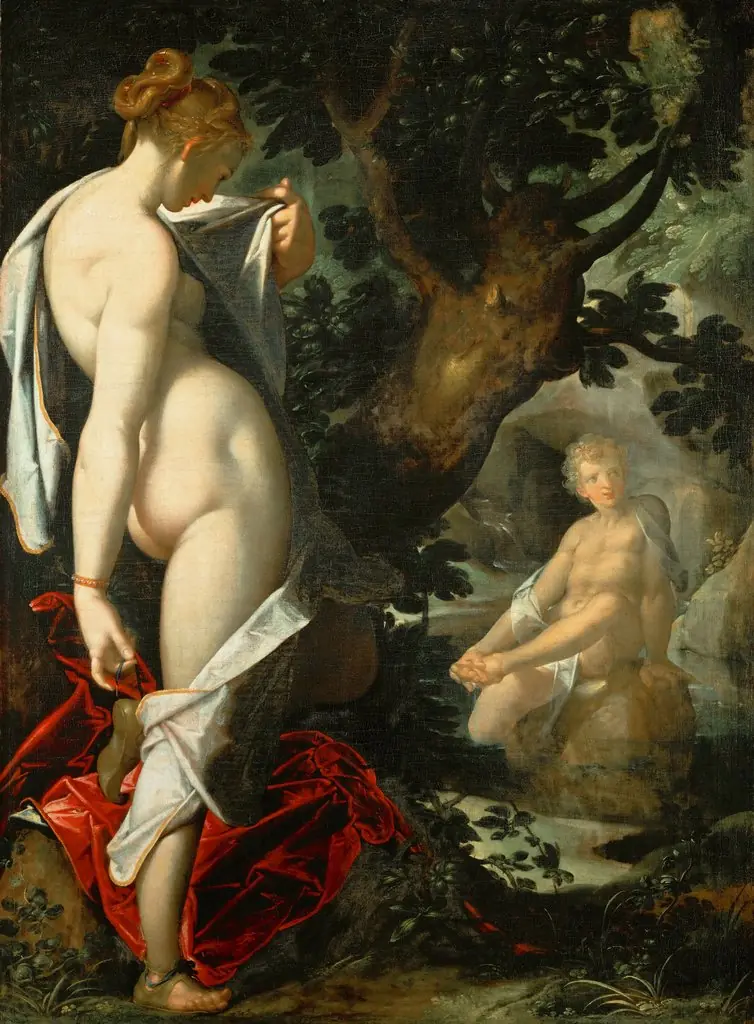 Hermaphroditus and the nymph Salmacis
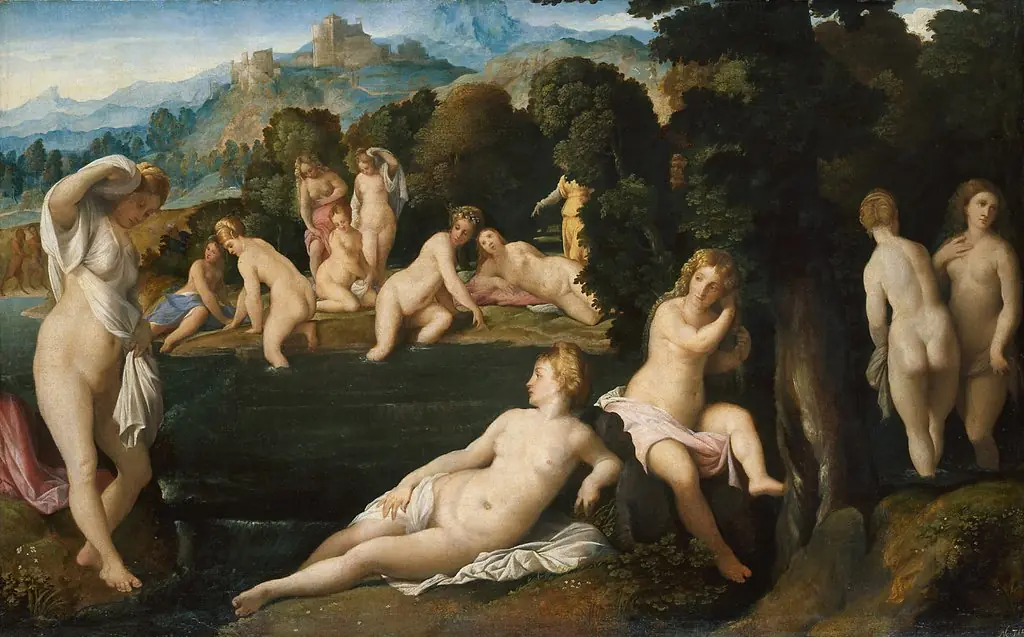 Bathing Nymphs