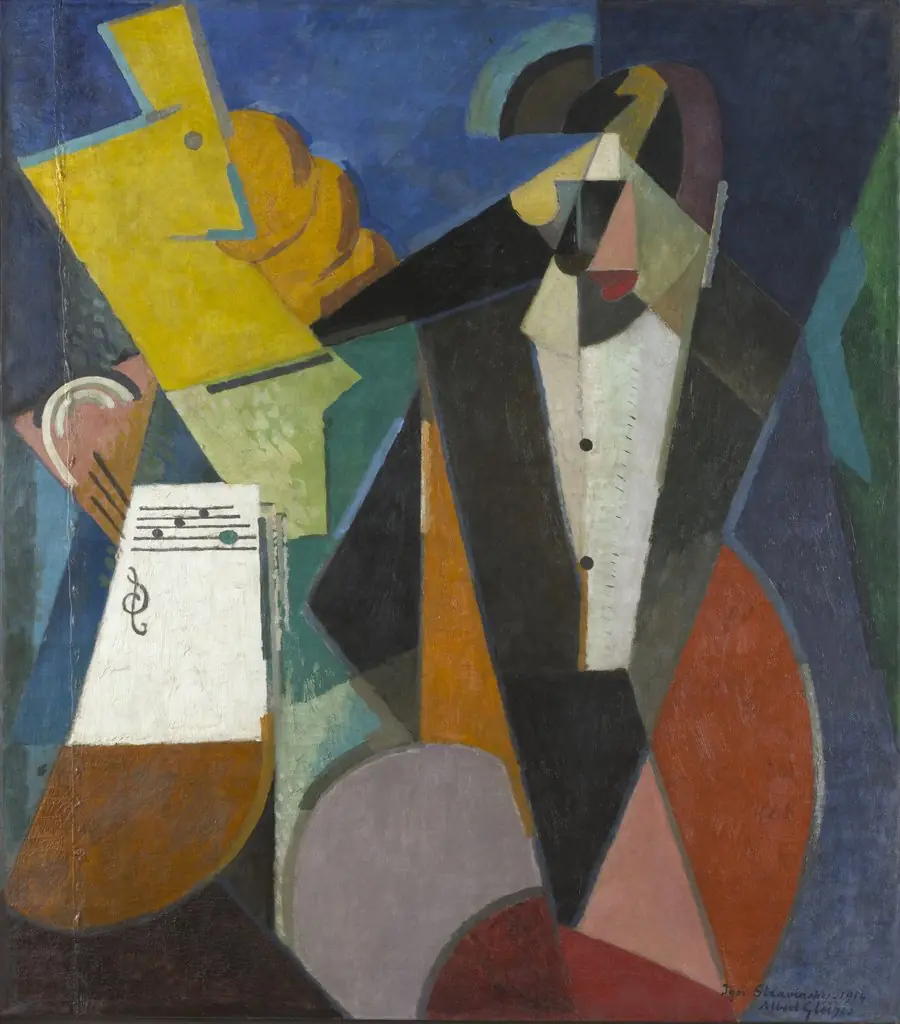
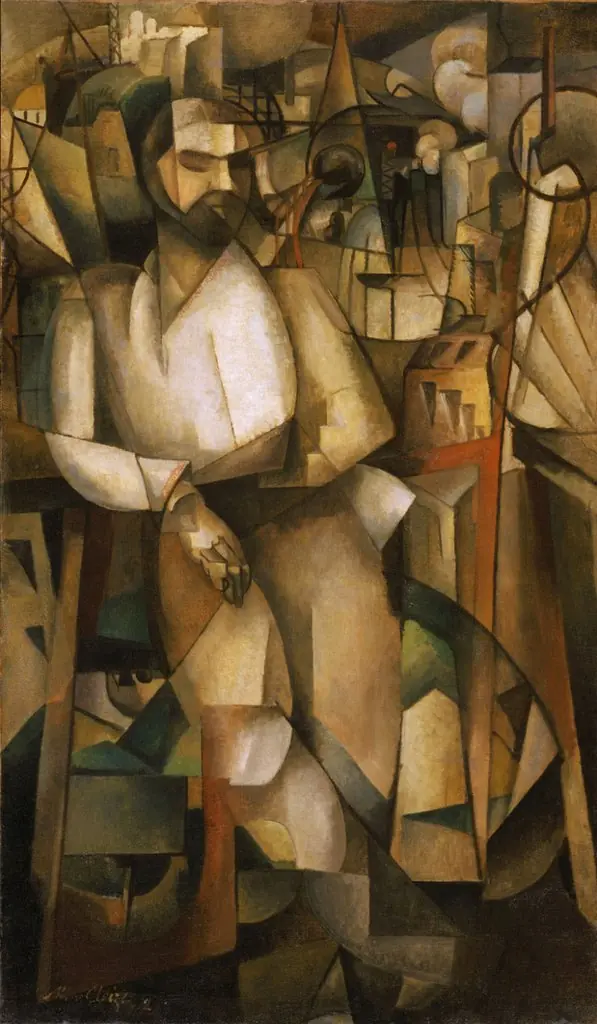
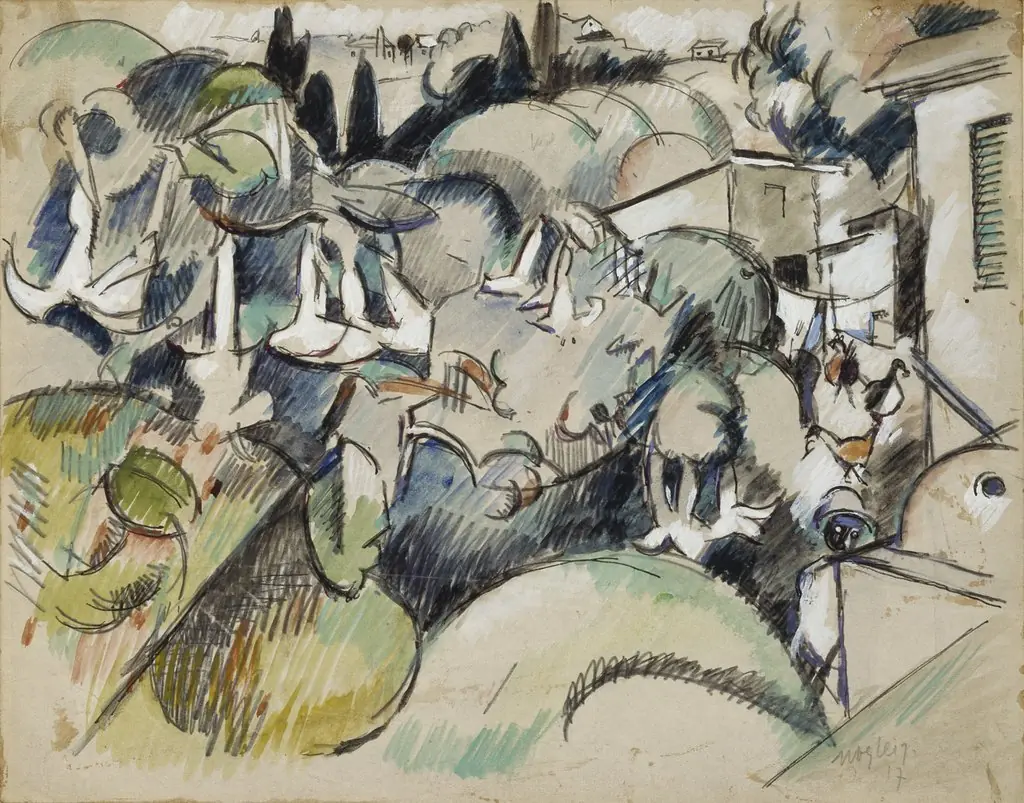
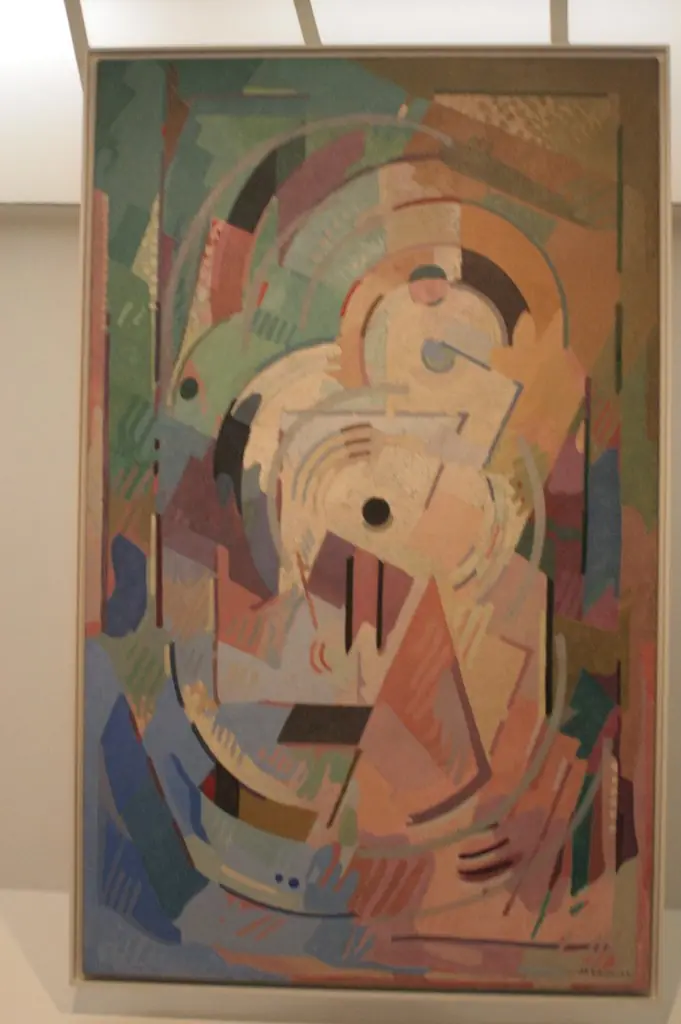
Artwork
The Port (Marseille)
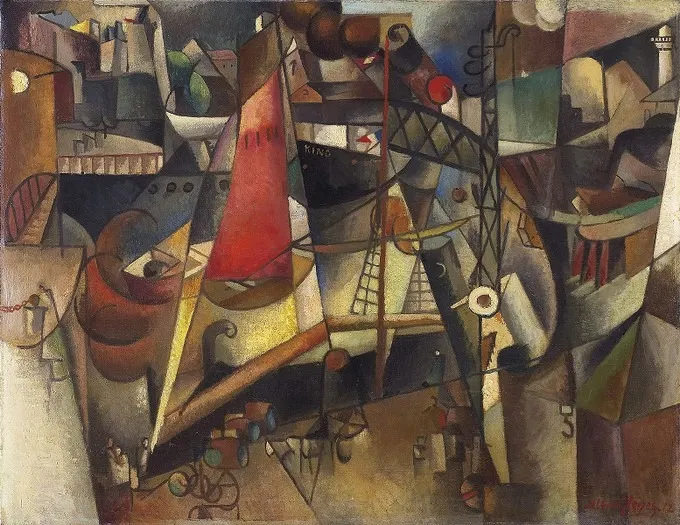
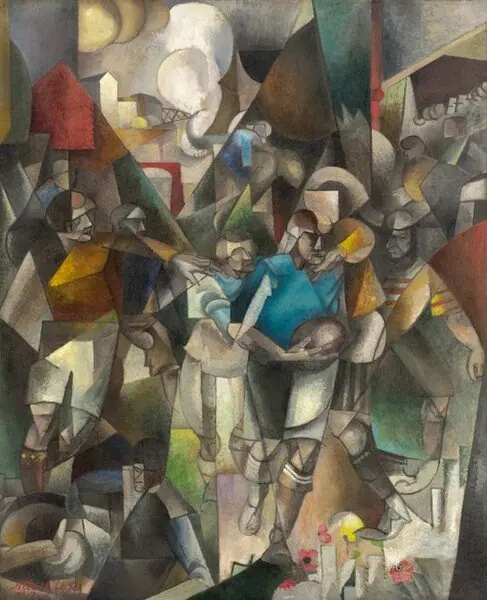
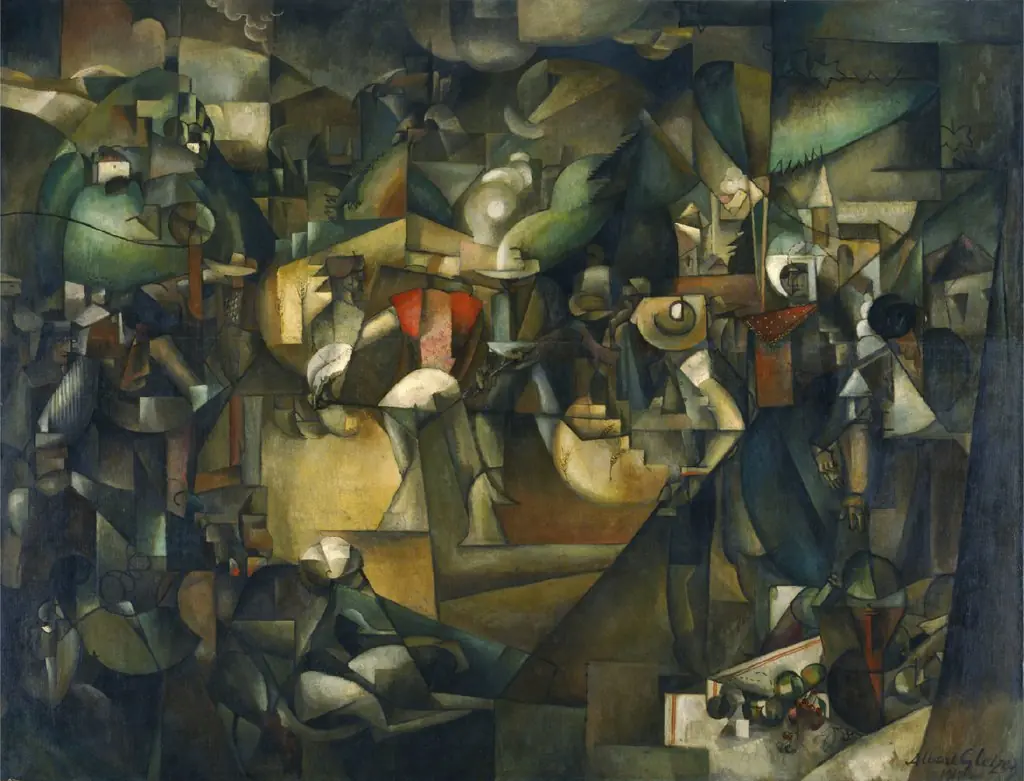
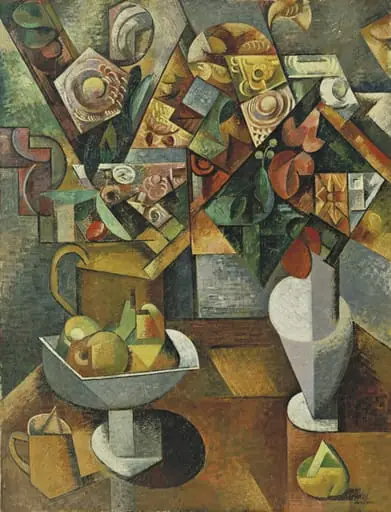
The Port (Marseille) is an oil painting by the Cubism Analytic artist Albert Gleizes. It dates from 1912 and is held in the collection of the Art Gallery of Ontario.
About this work
Overview
Painted in 1912 by Albert Gleizes, The Port (Marseille) is an oil on canvas work that exemplifies early Cubist experimentation.
Painted in 1912 by Albert Gleizes, The Port (Marseille) is an oil on canvas work that exemplifies early Cubist experimentation. It depicts the bustling harbor of Marseille through fragmented forms and layered planes. The painting is part of the permanent collection at the Art Gallery of Ontario, where it remains a key example of the movement’s departure from traditional perspective and representation.
Subject & Meaning
The scene captures the industrial activity of Marseille’s port, though not as a literal view. Buildings, ships, and figures are reduced to angular, interlocking shapes, suggesting movement and density rather than recognizable detail. The intent is not to document the harbor but to convey its energetic complexity through abstracted forms, reflecting the modern experience of urban life.
Technique & Style
Gleizes employs a Cubist approach, breaking down forms into geometric facets, rectangles, triangles, and trapezoids, that overlap and intersect. The palette is restrained, dominated by muted browns and grays, with selective use of red and blue to create focal points. Brushwork is deliberate but not expressive; structure and spatial ambiguity take precedence over texture or atmosphere.
History & Provenance
Created during Gleizes’s most active Cubist period, the painting was produced shortly after his collaboration with Jean Metzinger on the theoretical text Du 'Cubisme'. It entered the Art Gallery of Ontario’s collection in the mid-20th century, likely through a private donation or acquisition, and has since been exhibited as a significant example of French Cubism in North America.
Context
In 1912, Parisian artists were redefining visual language in response to industrialization and new scientific ideas about space and perception. Gleizes, aligned with the Section d’Or group, sought to represent multiple viewpoints simultaneously. The Port (Marseille) reflects this intellectual shift, rejecting single-point perspective in favor of a dynamic, multi-faceted composition.
Legacy
The painting contributes to the broader understanding of Cubism’s evolution beyond Picasso and Braque. Gleizes’s emphasis on structural rhythm and conceptual space influenced later abstract movements. While less widely known than some contemporaries, his work, including this piece, remains a vital reference in studies of early 20th-century modernism and the redefinition of visual reality.
Artist & collection
Artist
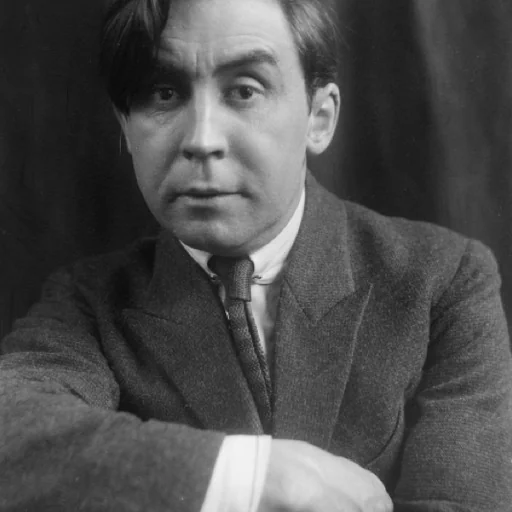
Albert Gleizes was a French artist, theoretician, philosopher, a self-proclaimed founder of Cubism and an influence on the School of Paris.