Artwork
Harvest Threshing
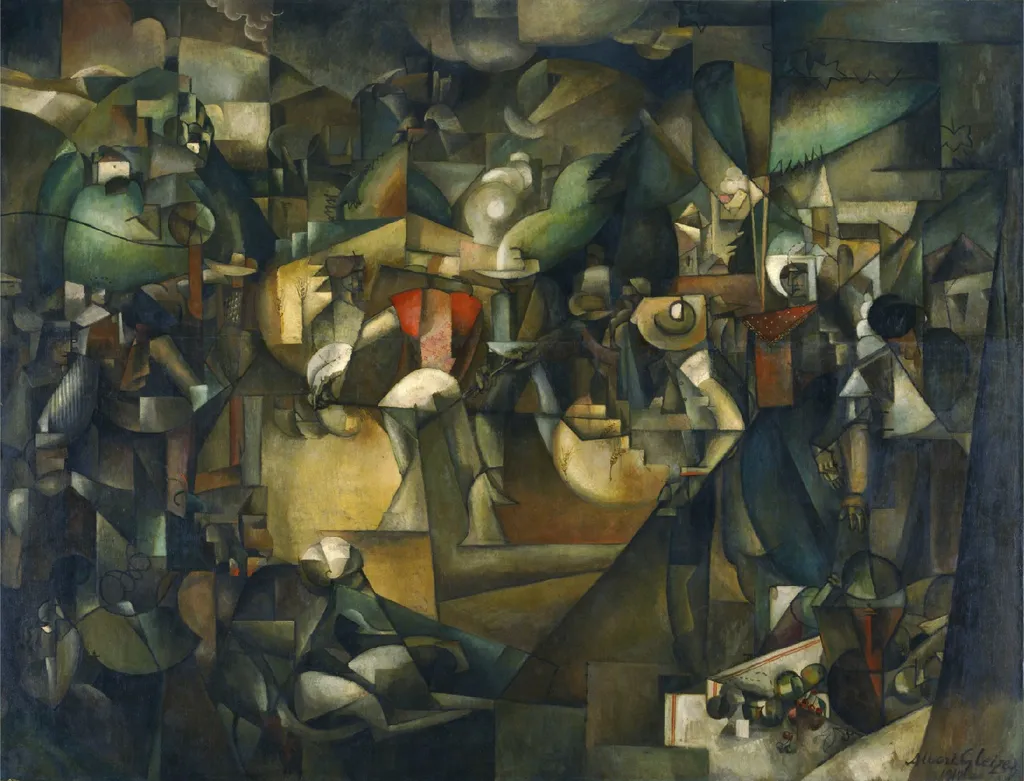
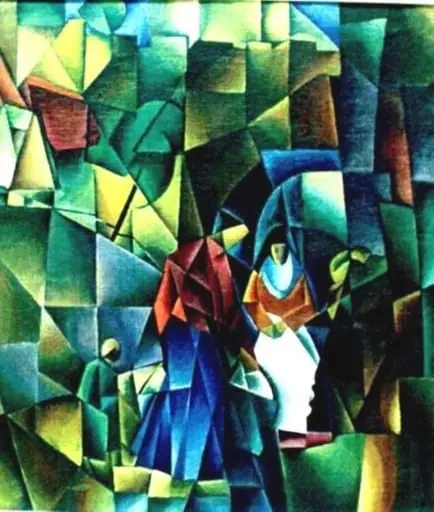
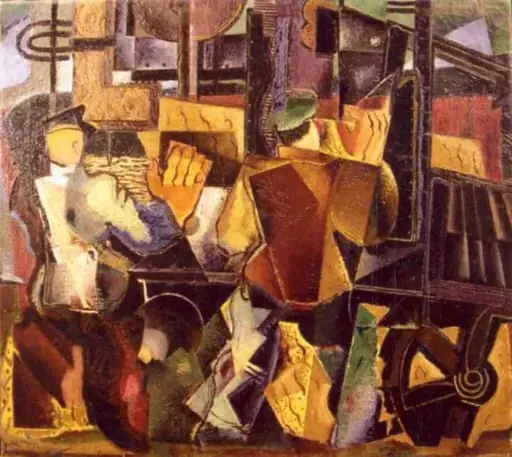
Harvest Threshing is an oil painting by the Cubism Synthetic artist Albert Gleizes. It dates from 1912 and is held in the collection of the National Museum of Western Art.
About this work
Overview
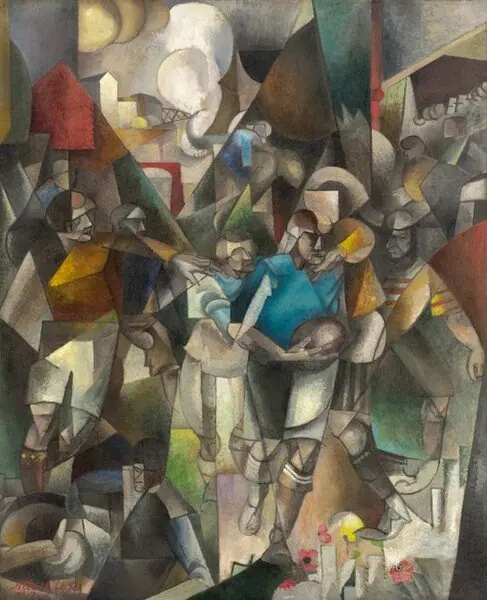
Harvest Threshing is a large-scale oil painting created by French artist Albert Gleizes in 1912. Measuring among the biggest of its time, it showcases a bustling farm scene with multiple figures engaged in harvesting activities.
Subject & Meaning
The painting depicts a collective rural labor scene, emphasizing unity and cooperation among the workers. The rustic attire and tasks like threshing and winnowing highlight the everyday realities of agricultural life.
Technique & Style
Gleizes employed a Cubist approach, breaking down the scene into numerous small, geometric shapes. A predominantly earthy palette of greens, yellows, and browns, set against a warm golden background, conveys a sense of harmony and sunlight.
History & Provenance
First exhibited at the 1912 Salon de la Section d'Or in Paris, the painting was later part of the Solomon R. Guggenheim Museum collection in New York. It is currently housed at the National Museum of Western Art in Tokyo, Japan.
Context
Created during the pre-WW1 Cubist period, Harvest Threshing, alongside Robert Delaunay's La Ville de Paris, stands as one of the most ambitious works of that era, reflecting the innovative artistic explorations of the time.
Artist & collection
Artist
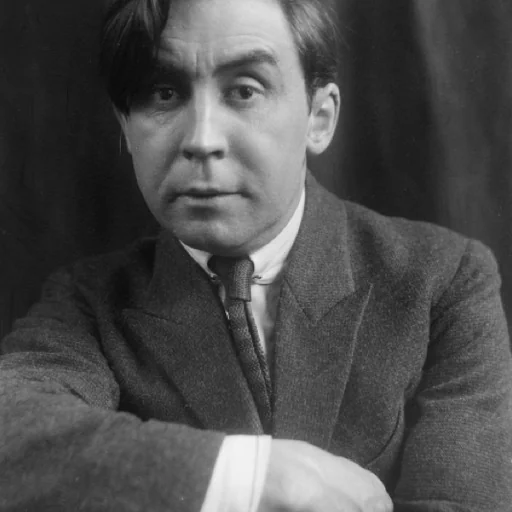
Albert Gleizes was a French artist, theoretician, philosopher, a self-proclaimed founder of Cubism and an influence on the School of Paris.