Artwork
Portrait of Igor Stravinsky
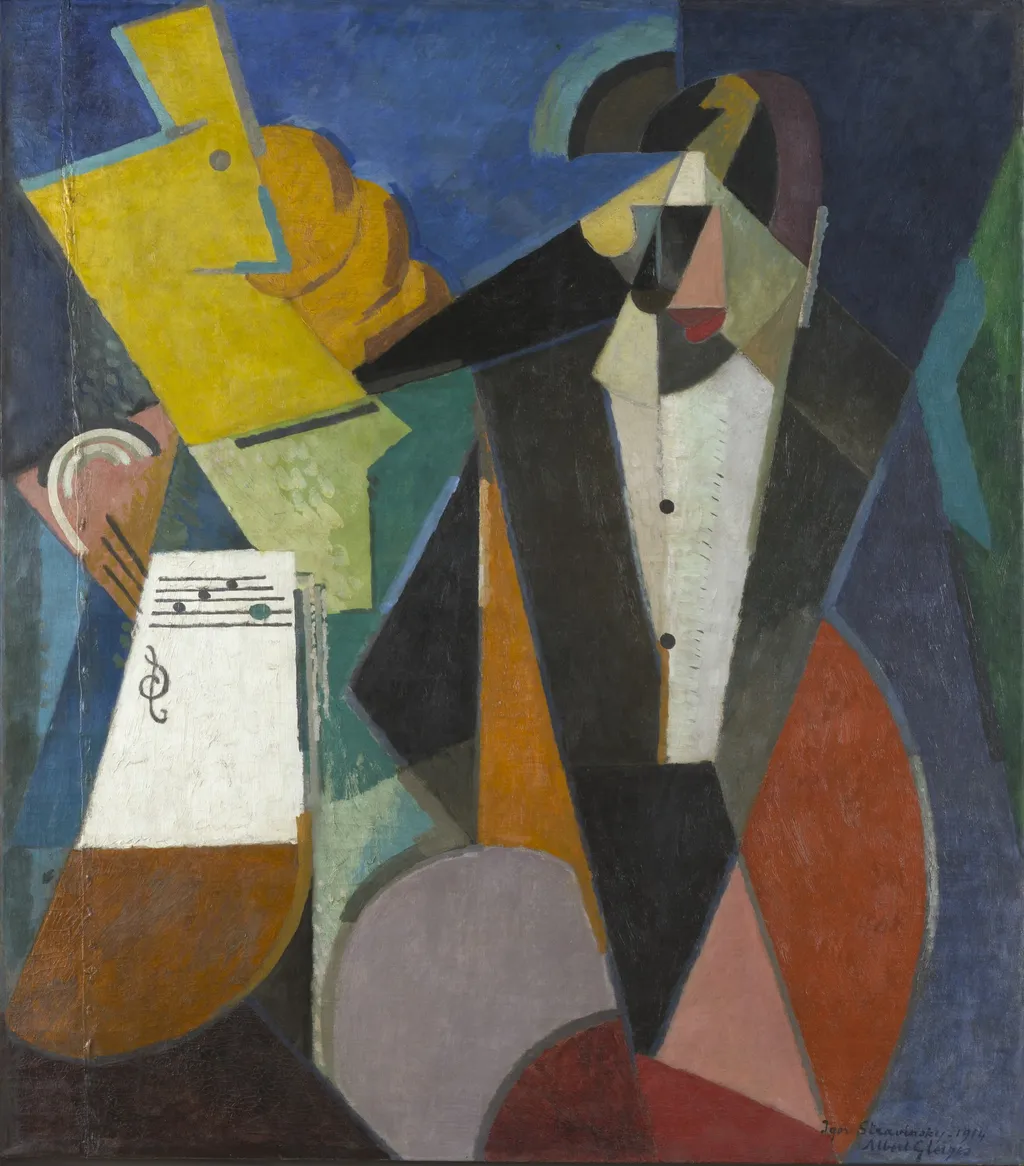
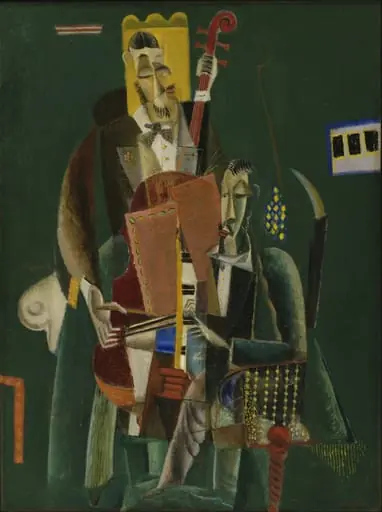
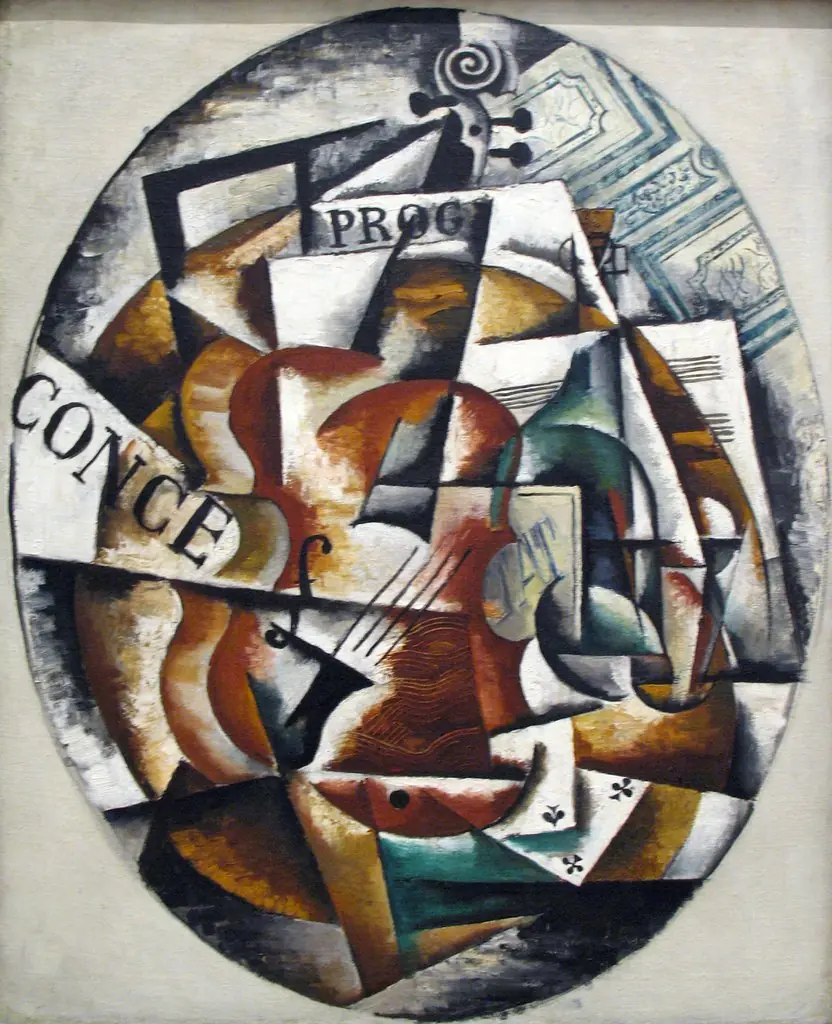
Portrait of Igor Stravinsky is an oil painting by the Cubism Synthetic artist Albert Gleizes. It dates from 1914 and is held in the collection of the Museum of Modern Art.
About this work
Overview
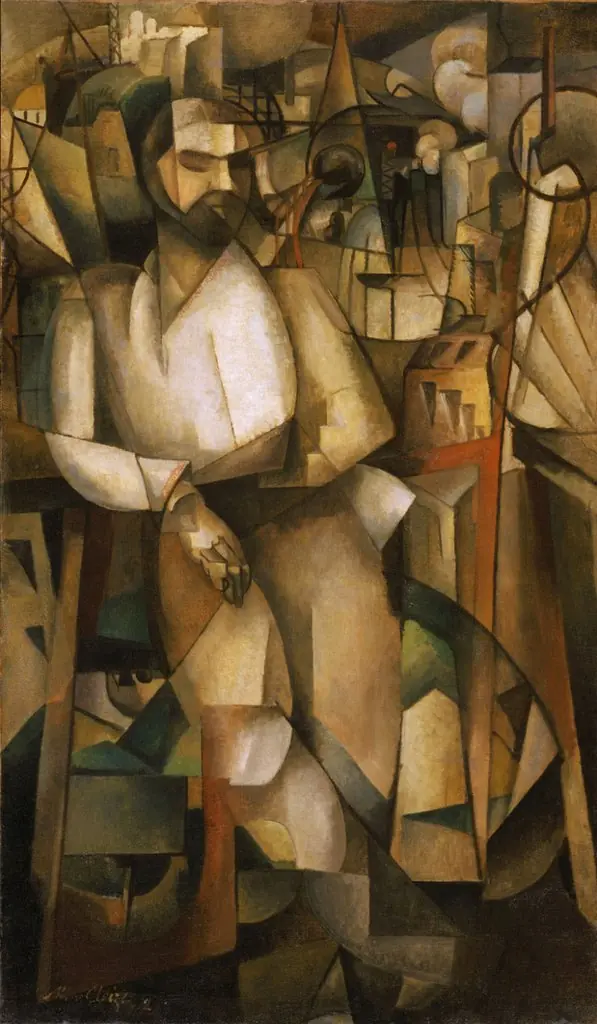
Albert Gleizes’ 1914 oil painting presents the composer Igor Stravinsky in a poised, contemplative stance. Rendered in a muted palette of blues, greens, and dark clothing, the work measures the figure’s presence through a restrained composition that balances portraiture with early Cubist abstraction. The canvas resides in the collection of the Museum of Modern Art.
Subject & Meaning
The sitter, Igor Stravinsky, appears with his characteristic beard and moustache, dressed in a black jacket over a white shirt. His right arm is lifted, while his gaze falls downward, suggesting introspection. The serious set of his mouth and the downward glance convey a moment of thoughtful pause, aligning the portrait’s mood with the composer’s intellectual reputation.
Technique & Style
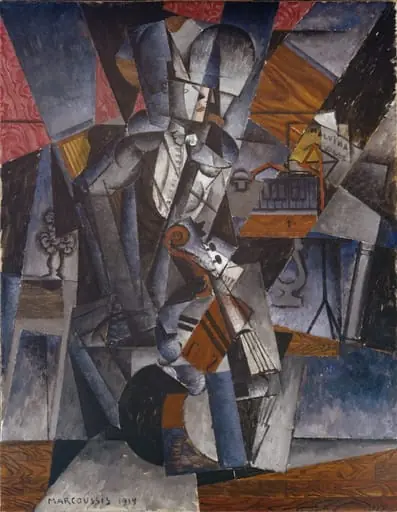
Gleizes employs a Cubist visual language, breaking the facial features into geometric planes and fragmented shapes. The composition integrates overlapping facets that suggest multiple perspectives, while the background’s blended blues and greens provide a subtle chromatic field. The brushwork remains controlled, allowing the structural analysis of form to coexist with a recognizable likeness.
History & Provenance
Created in 1914, the portrait entered the Museum of Modern Art’s holdings, where it is displayed as part of the institution’s early 20th‑century modernist collection. Its acquisition reflects MoMA’s commitment to documenting the intersection of avant‑garde visual art and contemporary music figures of the period.
Context
The painting emerges at a time when Gleizes, a leading figure of Cubism, was exploring the synthesis of visual and musical modernism.
The painting emerges at a time when Gleizes, a leading figure of Cubism, was exploring the synthesis of visual and musical modernism. Stravinsky, whose revolutionary scores were reshaping music, represented an ideal subject for an artist seeking to parallel musical innovation with visual fragmentation. The work thus embodies a cross‑disciplinary dialogue characteristic of the pre‑World War I avant‑garde.
Own this work as a print
Artist & collection
Artist
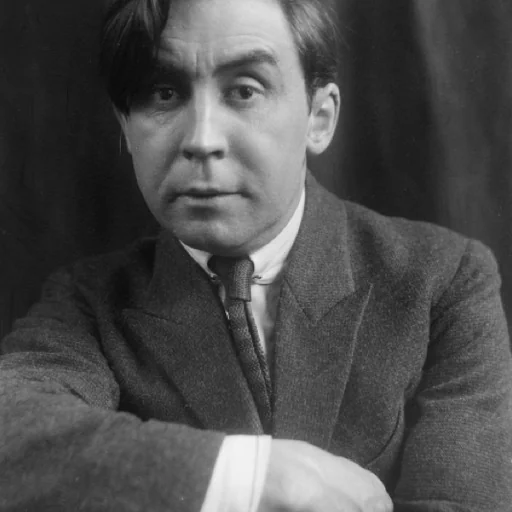
Albert Gleizes was a French artist, theoretician, philosopher, a self-proclaimed founder of Cubism and an influence on the School of Paris.