Artwork
Portrait of a Man
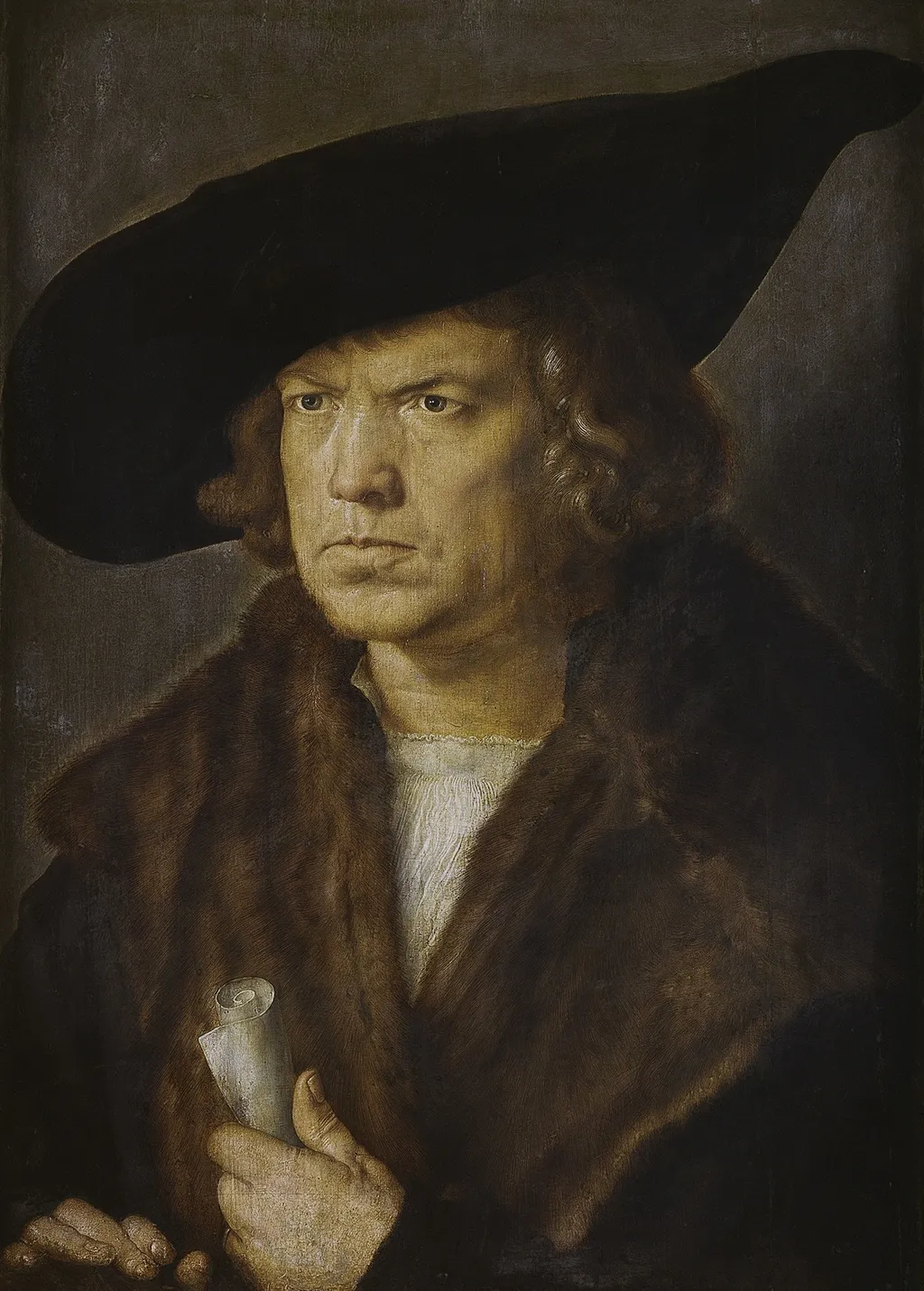
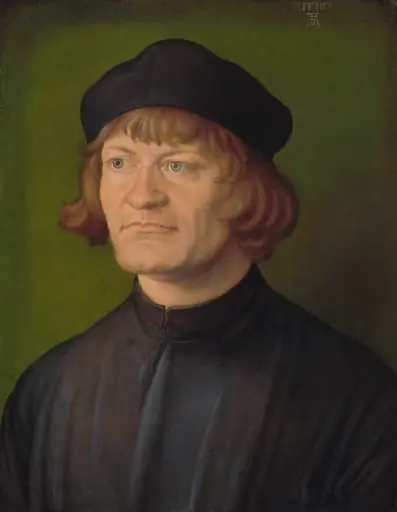
Portrait of a Man is an oil painting by the Northern Renaissance artist Albrecht Dürer. It dates from 1521 and is held in the collection of the Museo del Prado.
About this work
Technique & Style
Portrait of a Man is executed in oil paint on panel, a support and medium consistent with Dürer's established portrait practice of the early 1520s.
Portrait of a Man is executed in oil paint on panel, a support and medium consistent with Dürer's established portrait practice of the early 1520s. The work measures 50 cm in height by 36 cm in width, a modest upright format suited to a single-figure bust-length portrait.
Stylistically, the painting belongs to Dürer's mature portrait mode of the early 1520s, in which the sitter is rendered with sharp linear definition, controlled modeling of the flesh, and a tightly observed handling of surface detail. The composition isolates the male sitter against a plain ground, focusing attention on the face and the structure of the head through carefully graduated tonal transitions rather than incidental setting.
No source documents the present condition of the panel, and no further technical information, such as ground preparation, underdrawing, or pigment analysis, is recorded in the available material.
History & Provenance
The portrait is dated to 1521 by the artist’s inscription on the panel, which also situates its creation in Antwerp during the winter of that year. The work was later recorded in the Spanish royal collection by the mid-17th century, when it appears in inventories associated with the Alcázar of Madrid. By the 19th century it was held in the Museo del Prado, where it remains in the permanent collection.
The painting entered the Prado’s holdings under Ferdinand VII of Spain, whose ownership is noted in the museum’s records.
The painting is held in the Museo del Prado, Royal Palace of Madrid. Its accession number is P001877, and it is inventoried as oil on panel measuring 50 cm high by 36 cm wide.
It was exhibited in 2021 at the Museo del Prado in the show "Dürer and the Renaissance."
Overview
Albrecht Dürer’s Portrait of a Man dates to 1521 and is executed in oil on canvas. The work belongs to the portrait tradition of the Northern Renaissance and is part of the Museo del Prado’s collection. It presents a solitary figure rendered with the precision for which Dürer is renowned, reflecting his mature style in the early sixteenth century.
Subject & Meaning
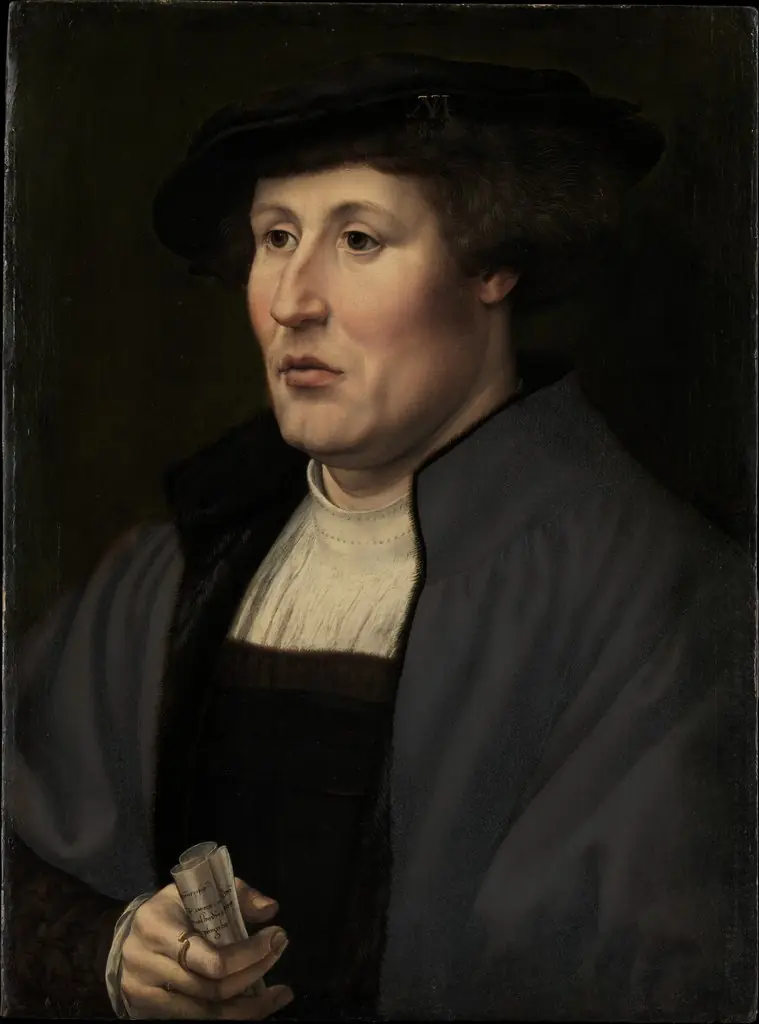
The sitter is depicted in a dark, fur‑trimmed coat, his head shaded by a broad‑brimmed hat that partially obscures his features. He holds a rolled document, suggesting a letter or official paper of some significance. The plain, dark backdrop isolates the figure, directing attention to his expression and the implied importance of the written object.
Context
The portrait aligns with Dürer’s broader interest in individual likenesses and his dialogue with contemporary Italian artists, whose influence he absorbed during his travels. By 1521, Dürer had established a reputation across Europe, and this work exemplifies his synthesis of German detail with emerging Renaissance ideals of realism and psychological depth.
Own this work as a print
Artist & collection
Artist
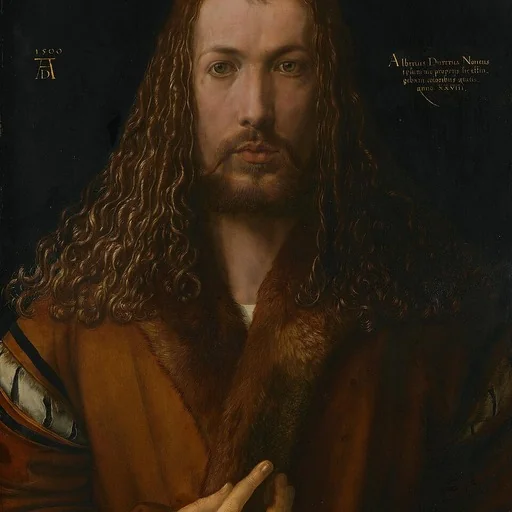
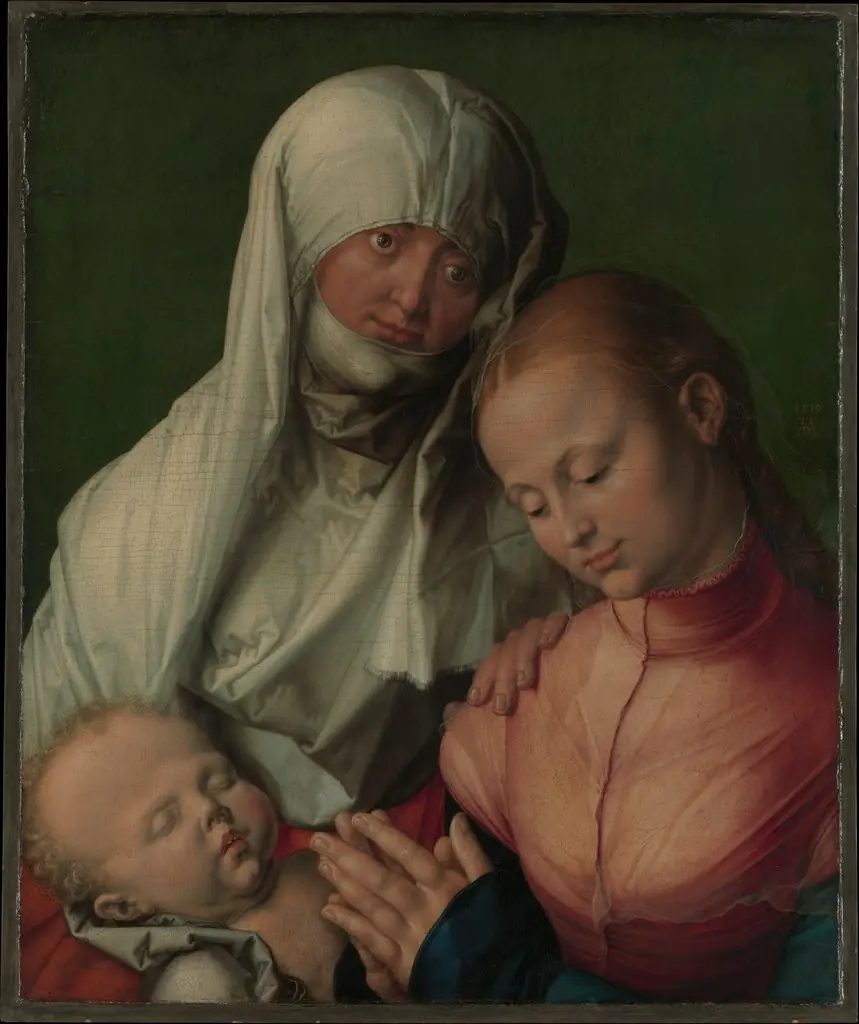
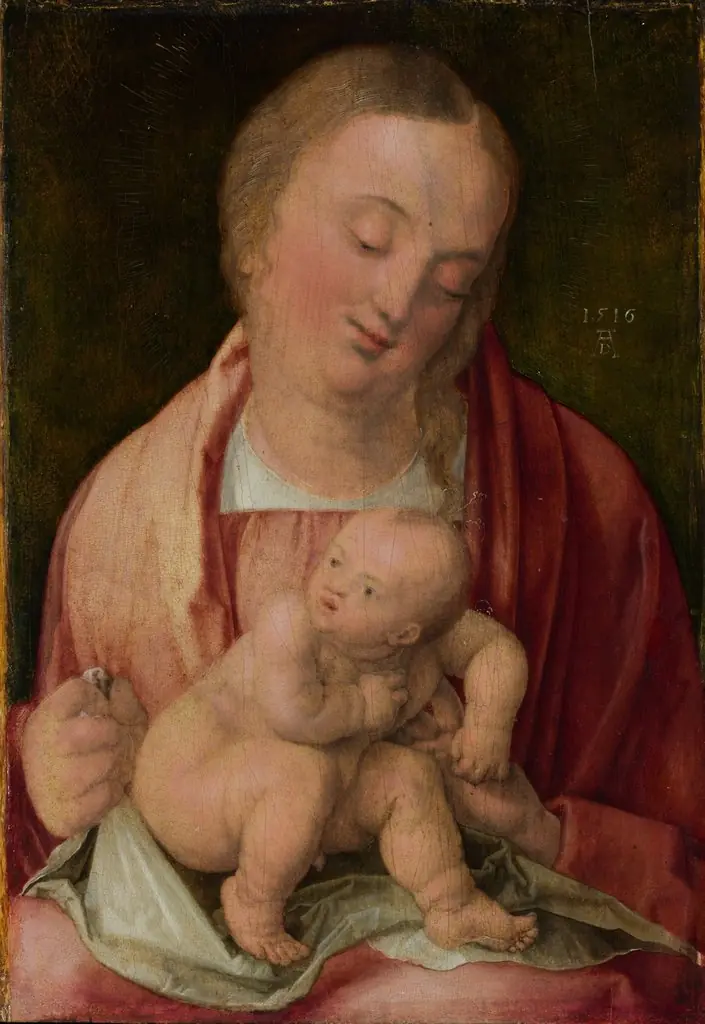
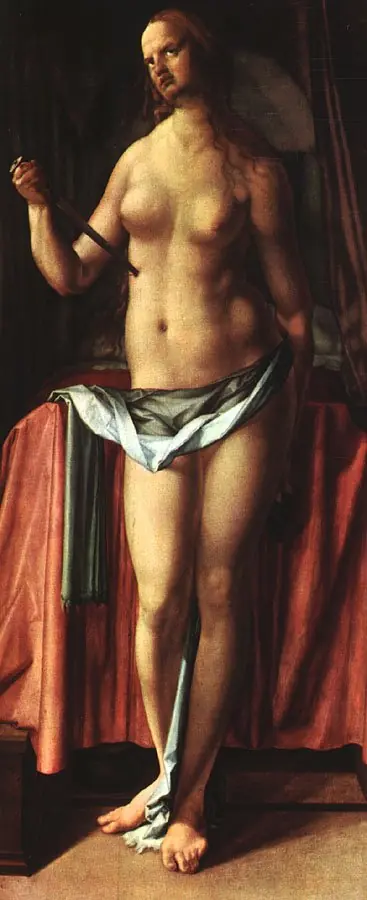
Albrecht Dürer spent his life in Nuremberg, a busy German city where artists traded prints like currency.

![Madonna and Child [obverse], by Albrecht Dürer](https://artifactworldgallery.com/img/albrecht-durer--madonna-and-child-obverse--d7b8ebf05d22ebe5-w320.webp)
![Lot and His Daughters [reverse], by Albrecht Dürer](https://artifactworldgallery.com/img/albrecht-durer--lot-and-his-daughters-reverse--b4ebf9b282faa17a-w320.webp)
- Portrait of a young Man
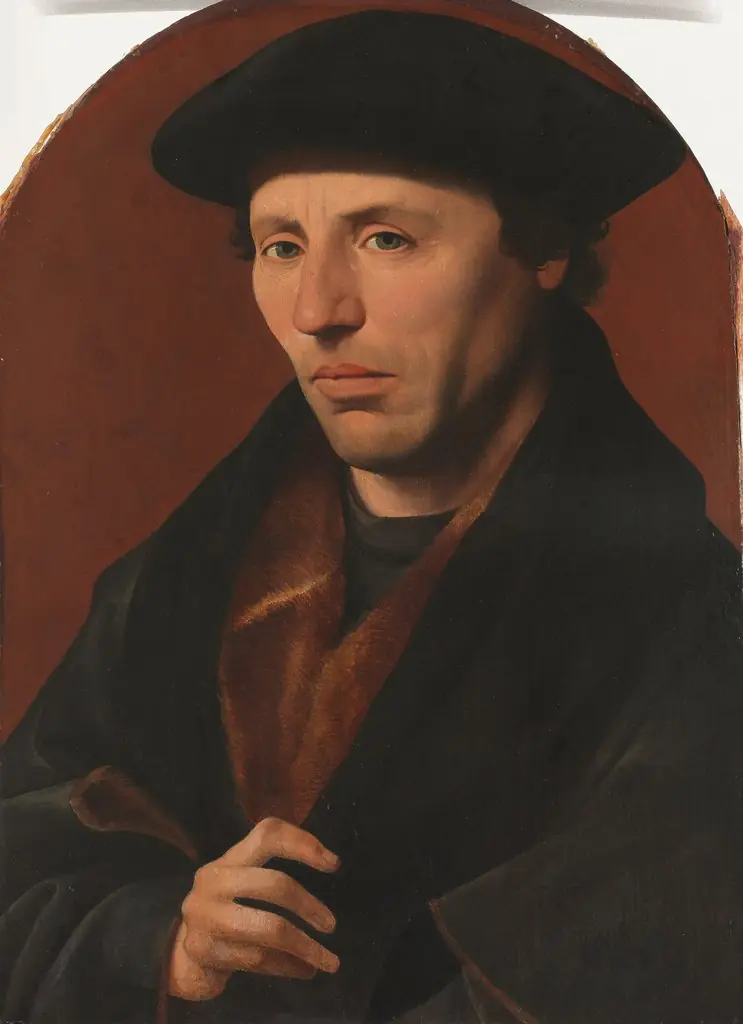 Portrait of a Haarlem Citizen
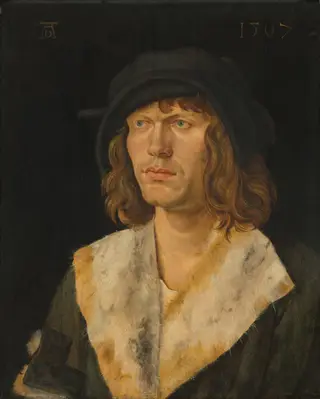 Portrait of a Man
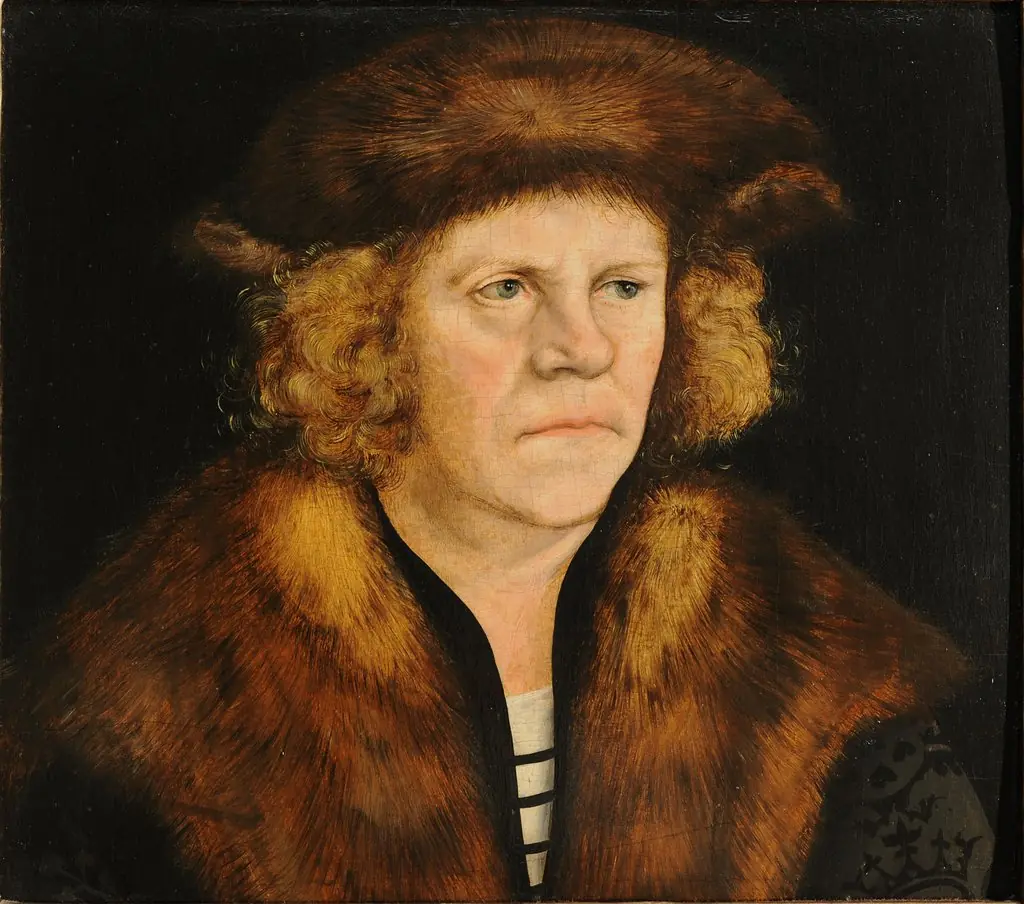 Portrait of a man in a fur beret
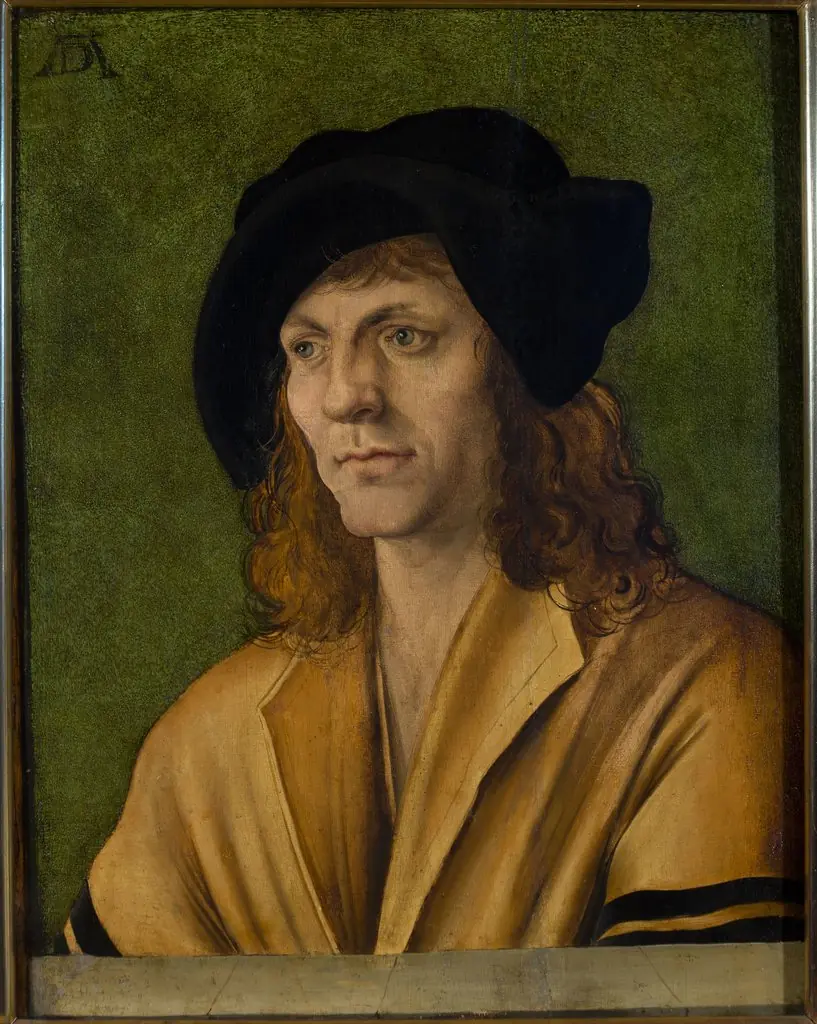 Portrait of a man in a yellow jacket
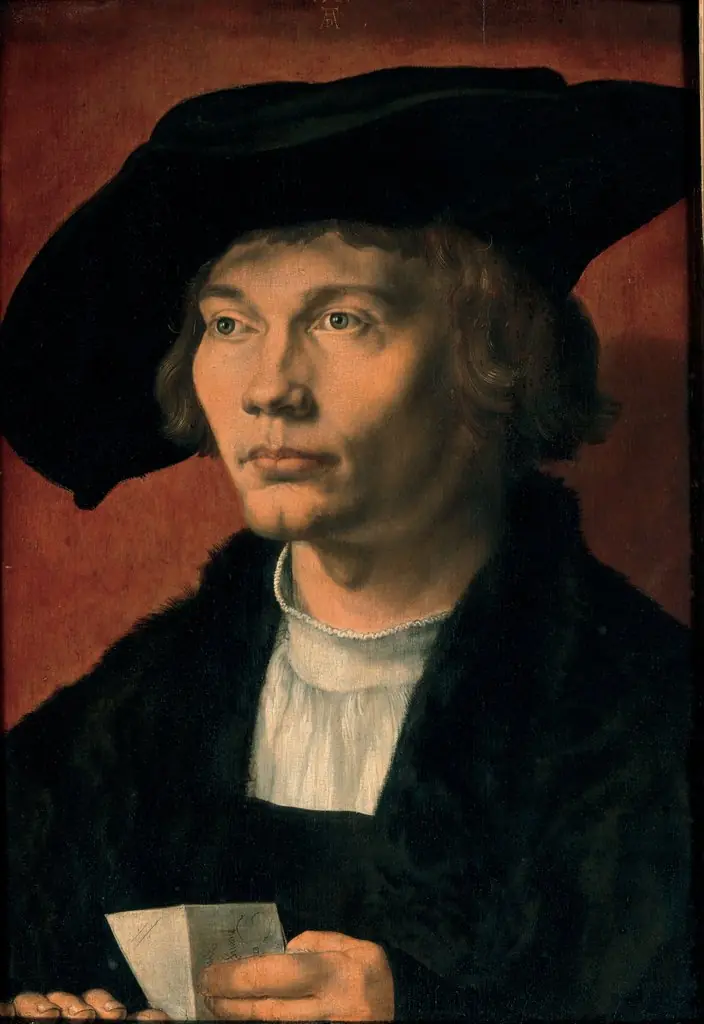 Portrait of Bernhart von Reesen
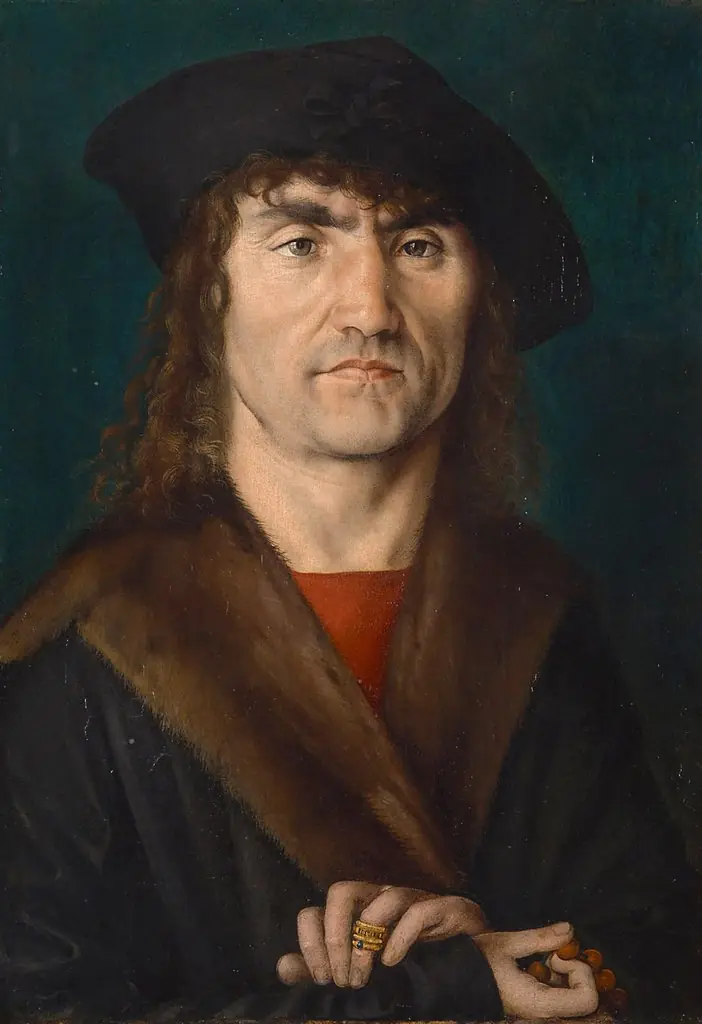 Bildnis eines Mannes mit Rosenkranz
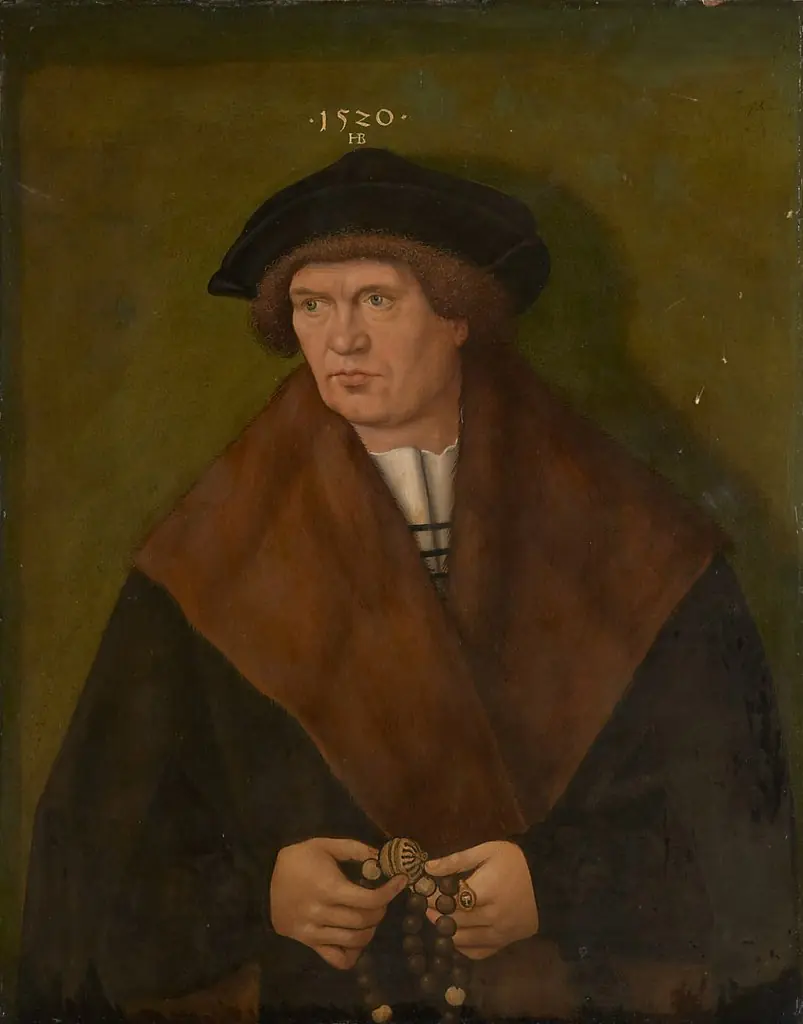 The Nuremberg dressmaker Hans Pirkel the Younger
 Portrait of a Man
 Portrait of a man with ring
 Portrait of a beardless man
 Portrait of a Man with a Pink Carnation