Artwork
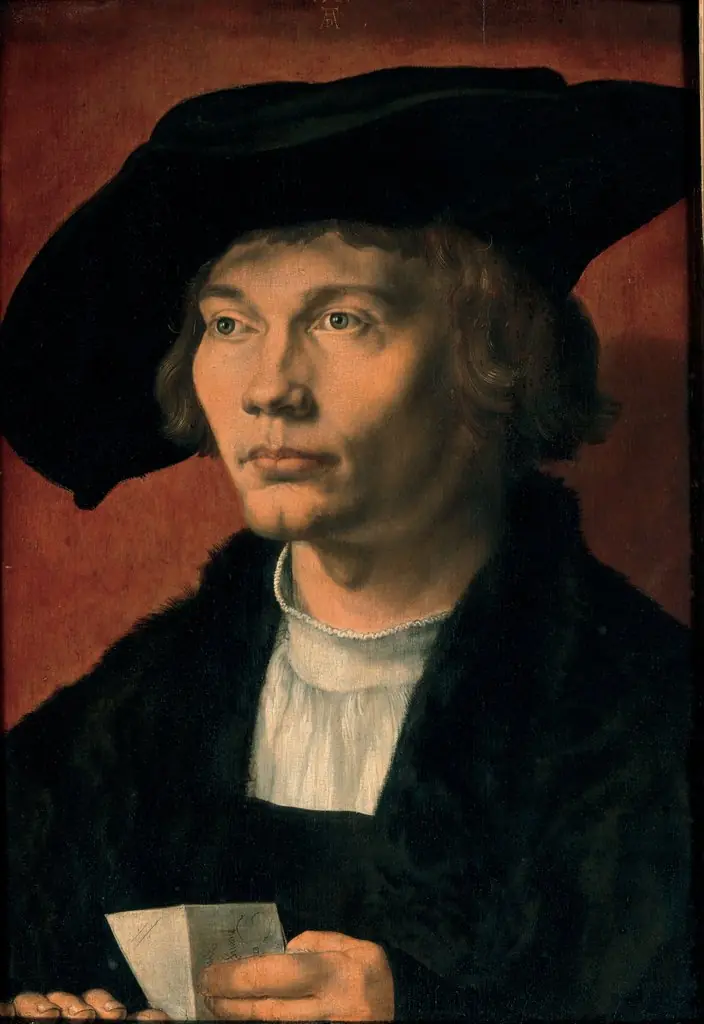
Portrait of a Man
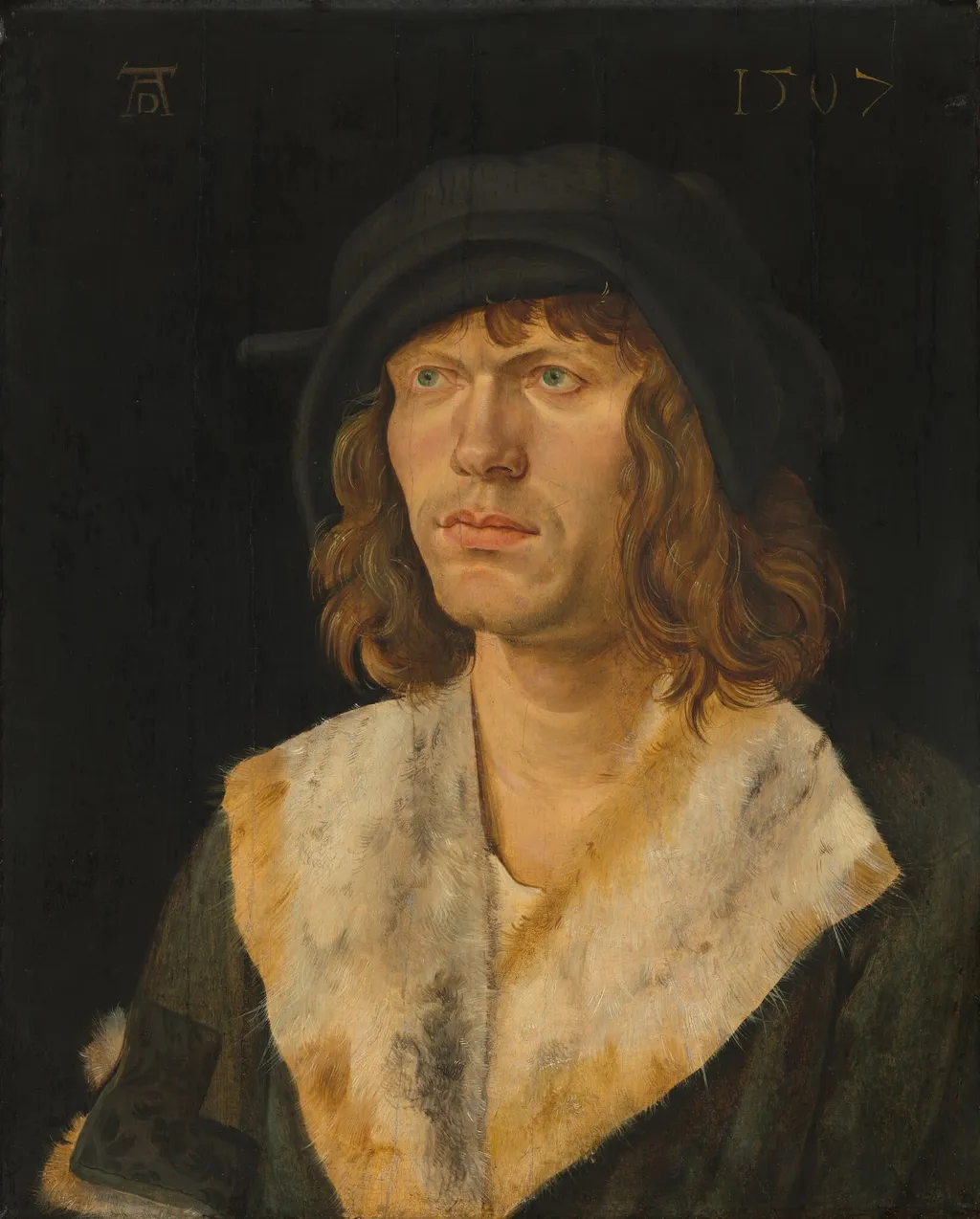
Portrait of a Man is an oil painting by the Northern Renaissance artist Hans Leonhard Schäufelein. It dates from 1507 and is held in the collection of the National Gallery of Art.
- Inscription
- Inscribed:probably by later hand, upper left in monogram: AD; probably by later hand, upper right: 1507
About this work
Technique & Style
Classified as a portrait, the painting depicts a male subject rendered through the artist's handling of oil medium on the rigid panel surface.
Created in 1507, the Portrait of a Man is executed in oil paint on a wooden panel support. The work measures 39.8 centimeters in height and 32.3 centimeters in width. Classified as a portrait, the painting depicts a male subject rendered through the artist's handling of oil medium on the rigid panel surface.
These material choices and dimensions are consistent with early 16th-century German panel painting practices. The physical object remains in the collection of the National Gallery of Art, where its specific support and medium have been documented alongside its attribution to Hans Leonard Schäufelein.
History & Provenance
The painting was created in 1507 by Hans Leonhard Schäufelein. It entered Swedish ownership around 1750 when Pehr von Lagerbring purchased it in Germany. By 1770 or 1771, the work was acquired by David Henric Hildebrand for Castle Ericsberg, Katrineholm, and remained in the Hildebrand family through David Gotthard Henric Hildebrand.
It later passed to his grandson, Carl Carlsson Bonde, as part of the Fideikommiss estate, and descended to Carl Gotthard Carlsson Bonde. The painting was sold in 1927 via Galerie Matthiesen, Berlin, and P. & D. Colnaghi & Co., London and New York, before being jointly owned by M. Knoedler & Co., New York, from 1928. Andrew W. Mellon purchased it in 1928, and it was deeded to The A.W. Mellon Educational and Charitable Trust in 1932. The National Gallery of Art, Washington, D.C., received it as a gift in 1937.
The painting is currently held in the collection of the National Gallery of Art in Washington, D.C., specifically within the Andrew W. Mellon Collection. Its accession history began when Andrew W. Mellon purchased the work in 1928 through M. Knoedler & Co., following its joint ownership with Galerie Matthiesen and P. & D. Colnaghi and Co. Mellon formally deeded the piece to The A.W. Mellon Educational and Charitable Trust on March 30, 1932.
It subsequently entered the National Gallery of Art as a gift in 1937. Prior to these acquisitions, the work resided at Castle Ericsberg in Katrineholm, Sweden, where it remained part of the Bonde family fideicommissum through descent from the late eighteenth century until its sale via Berlin and London dealers in 1927.
Legacy
The Portrait of a Man (1507) by Hans Leonard Schäufelein entered the National Gallery of Art through the Andrew W. Mellon donation in 1932, a trajectory documented in its provenance from Swedish owners to the Bonde family and subsequent sales in Berlin and London. Scholarly attention to its early ownership, including letters from Carl Jedvard Carlsson Bonde and records from the Getty Provenance Index, has reinforced its role in tracing the artist’s early patronage. The work’s inclusion in the Mellon collection and its detailed cataloguing in the National Gallery’s records have contributed to ongoing research on Schäufelein’s portraiture, shaping the artist’s modern reputation as a key figure in German Renaissance painting.
Overview
This painting, titled Portrait of a Man, was created by Hans Leonard Schäufelein around 1507. Executed in oil on panel, the work presents a solitary male figure. The subject is depicted seated within a subdued interior, characterized by a serious demeanor and unassuming dress, reflecting a common approach to individual representation during the early 16th century.
Subject & Meaning
The artwork focuses on a single male figure, portrayed with a solemn expression. His simple garments and the tranquil setting suggest an emphasis on the individual's character rather than ostentatious display. This direct and unadorned presentation was characteristic of many portraits from the Northern Renaissance, aiming to capture a sense of personal gravity and presence.
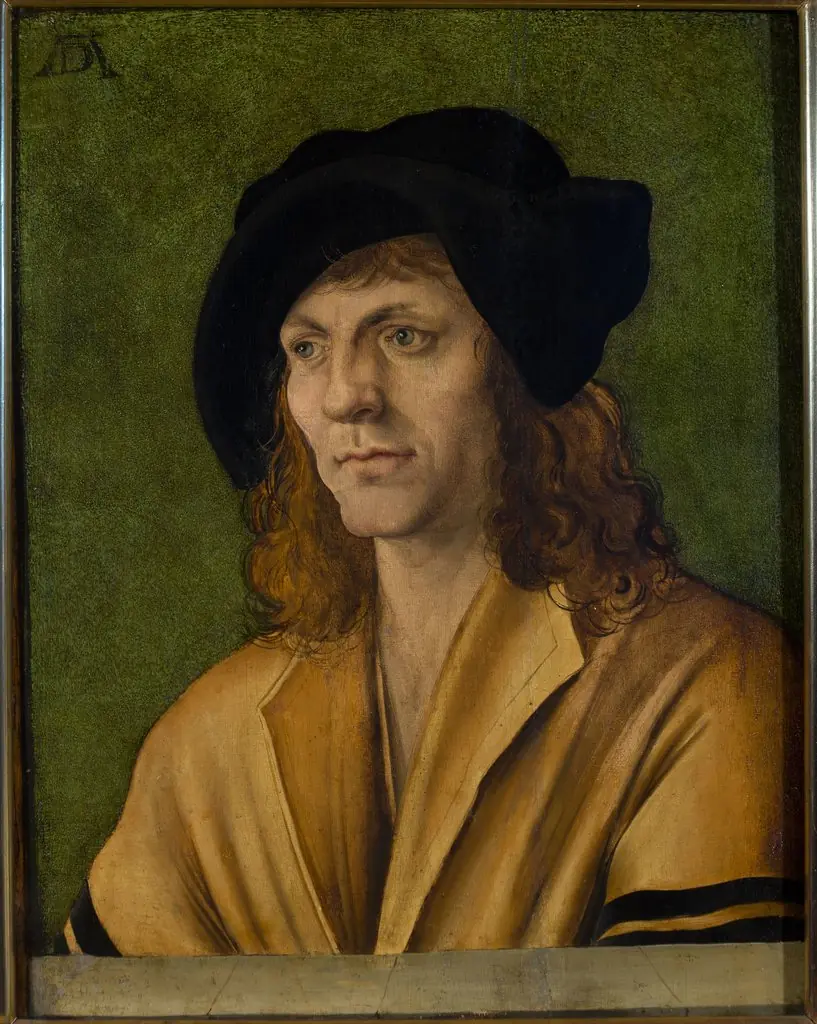
Own this work as a print
Artist & collection
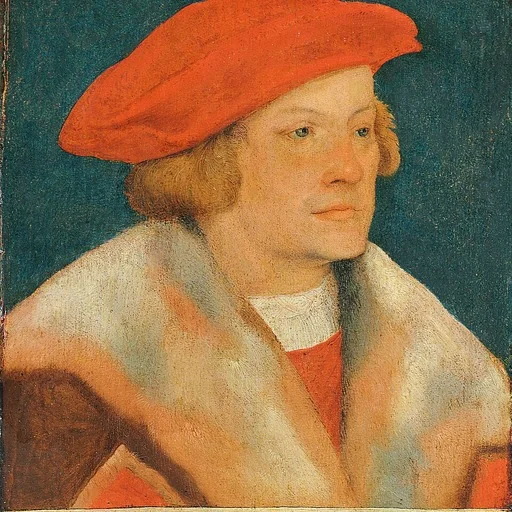
Artist
Hans Leonhard Schäufelein (1480–1540) was an artist, born in Nuremberg.

- Portrait of a man in a yellow jacket
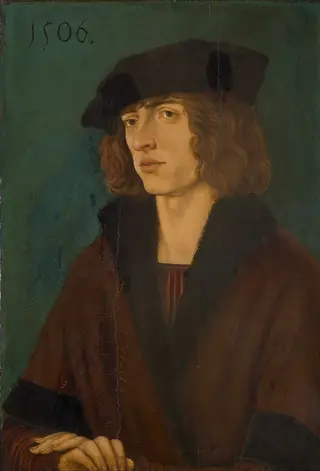 Portrait of a young Man
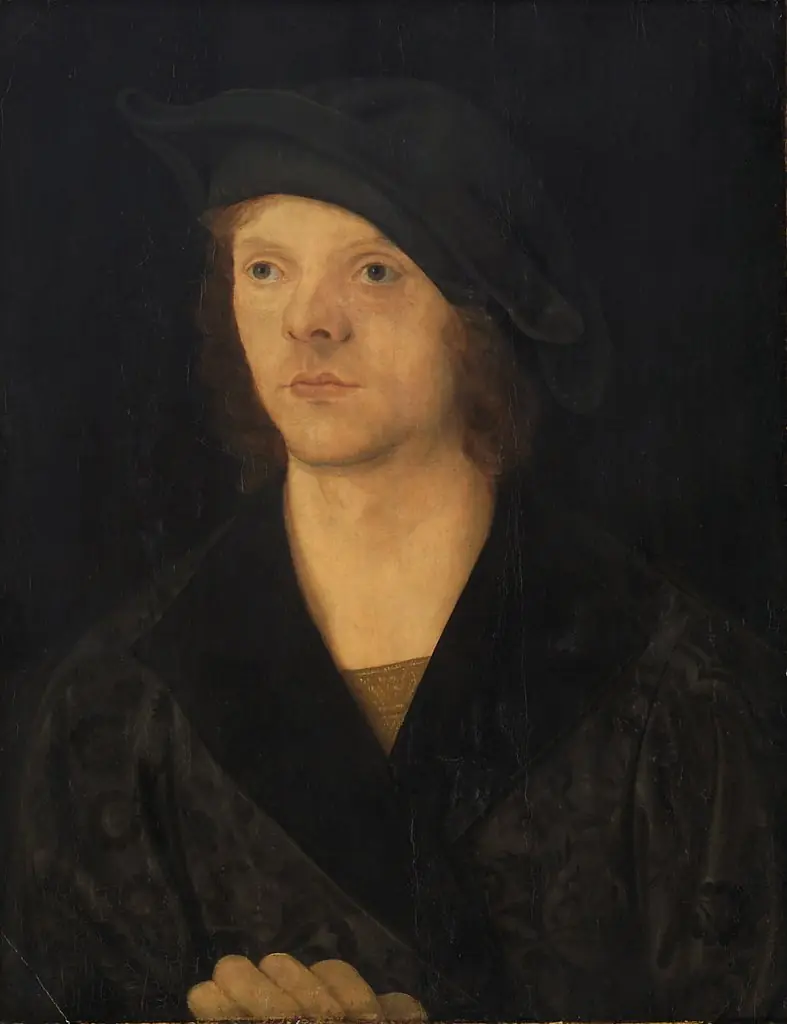 Bildnis eines jungen Mannes
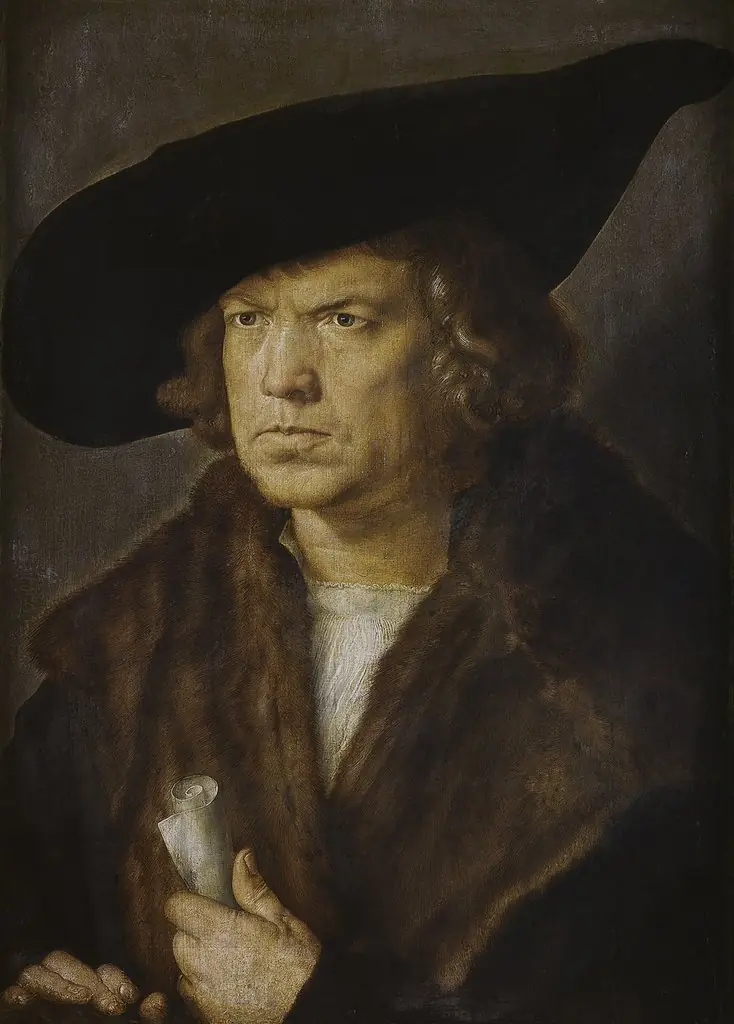 Portrait of a Man
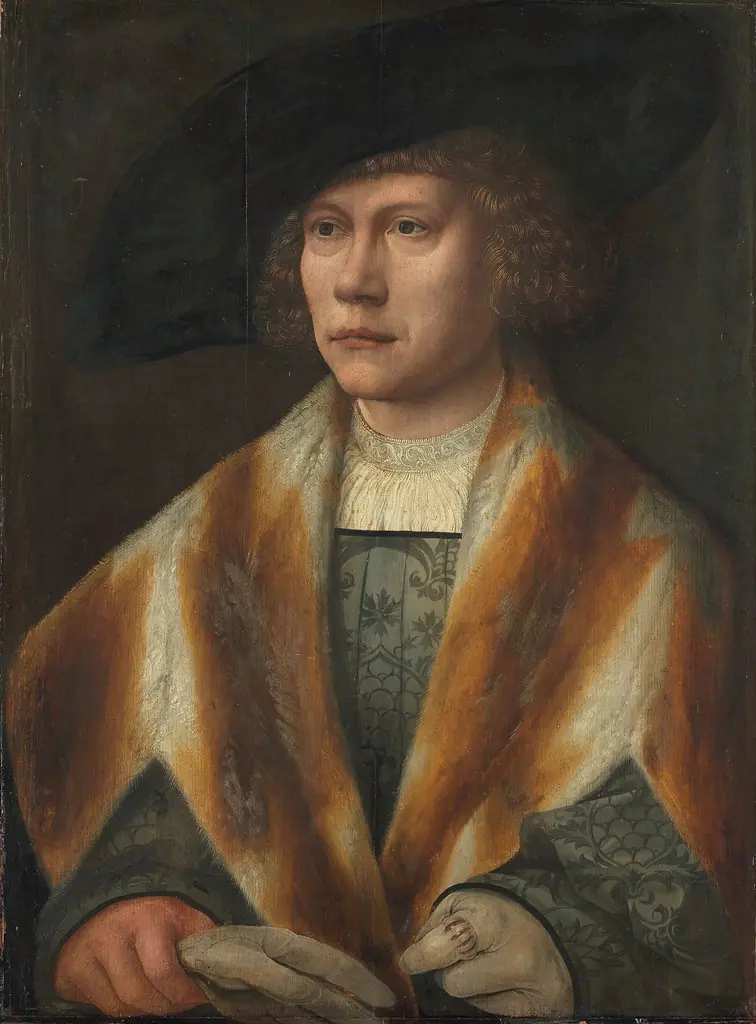 Portrait of a young Man
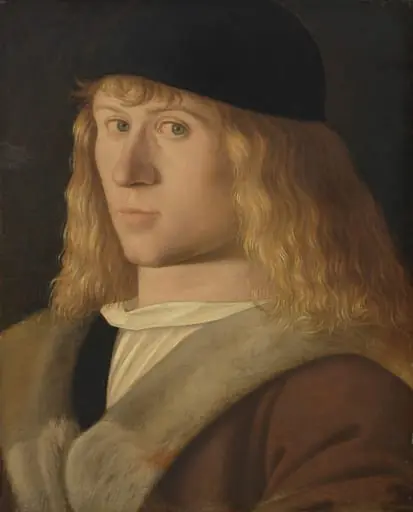 Portrait of a Young Man
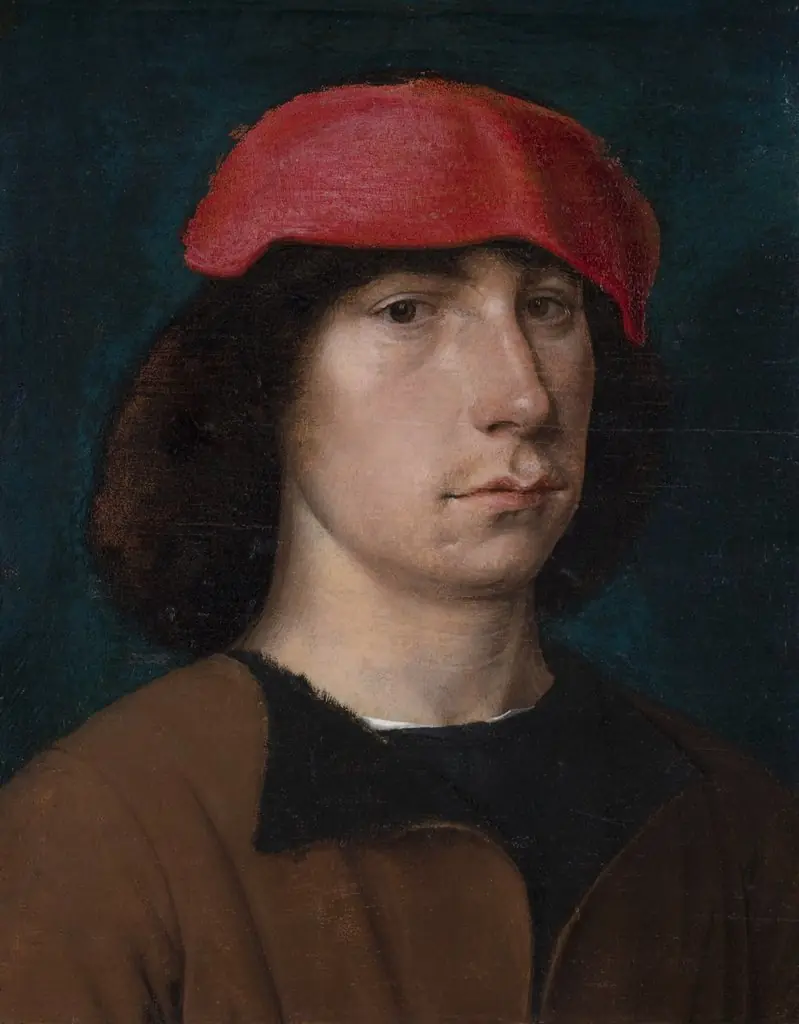 A Young Man in a Red Cap
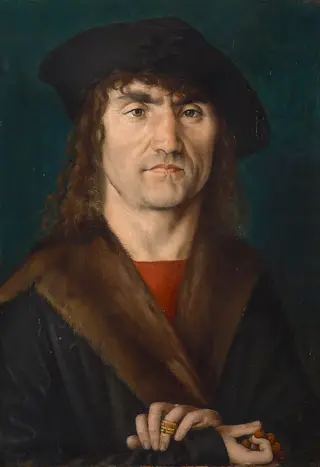 Bildnis eines Mannes mit Rosenkranz
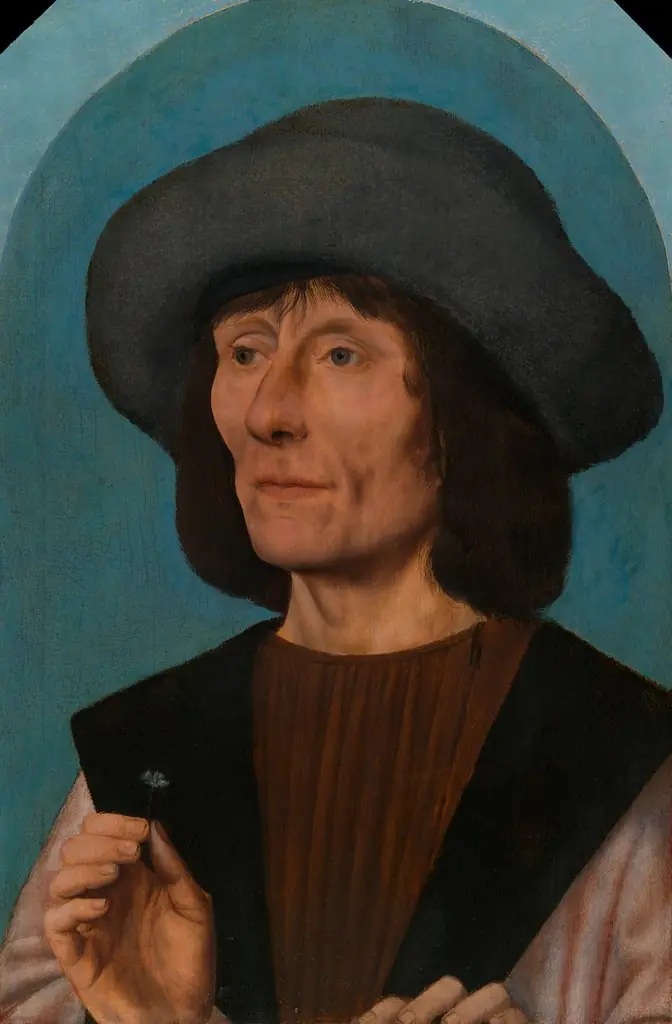 Portrait of a Man with a Pink Carnation
 Portrait of a Man with a Pink
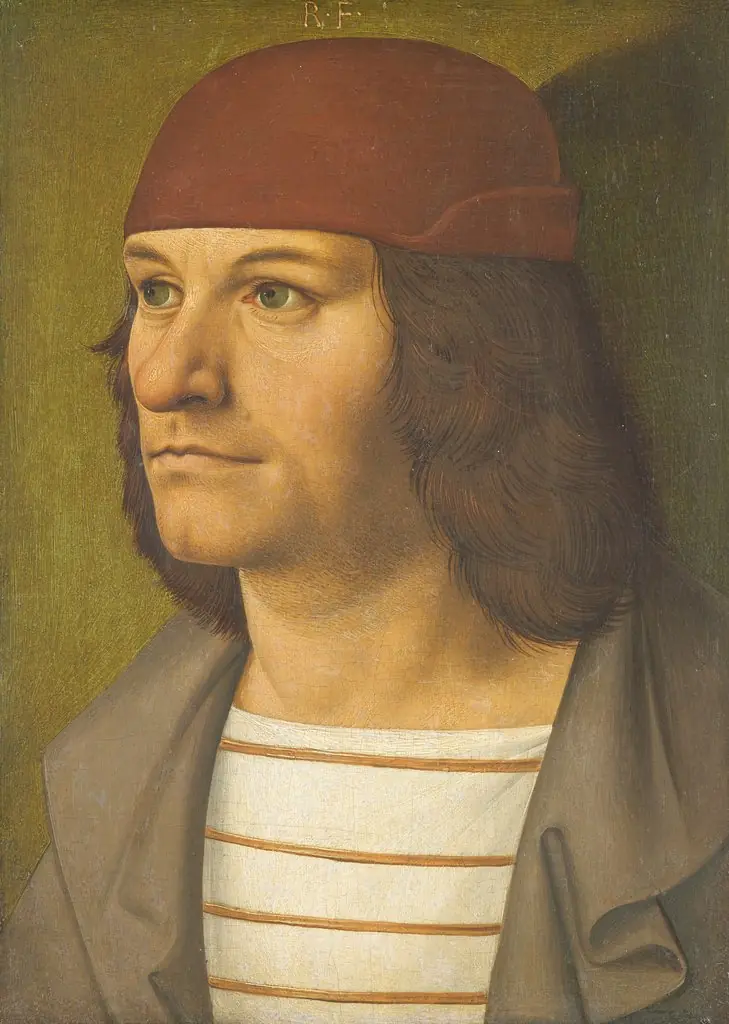 Bildnis des Malers Jobst Seyfrid
 Portrait of Bernhart von Reesen