Artwork
Marienaltar, Mittelbild, Szene: Maria mit Kind
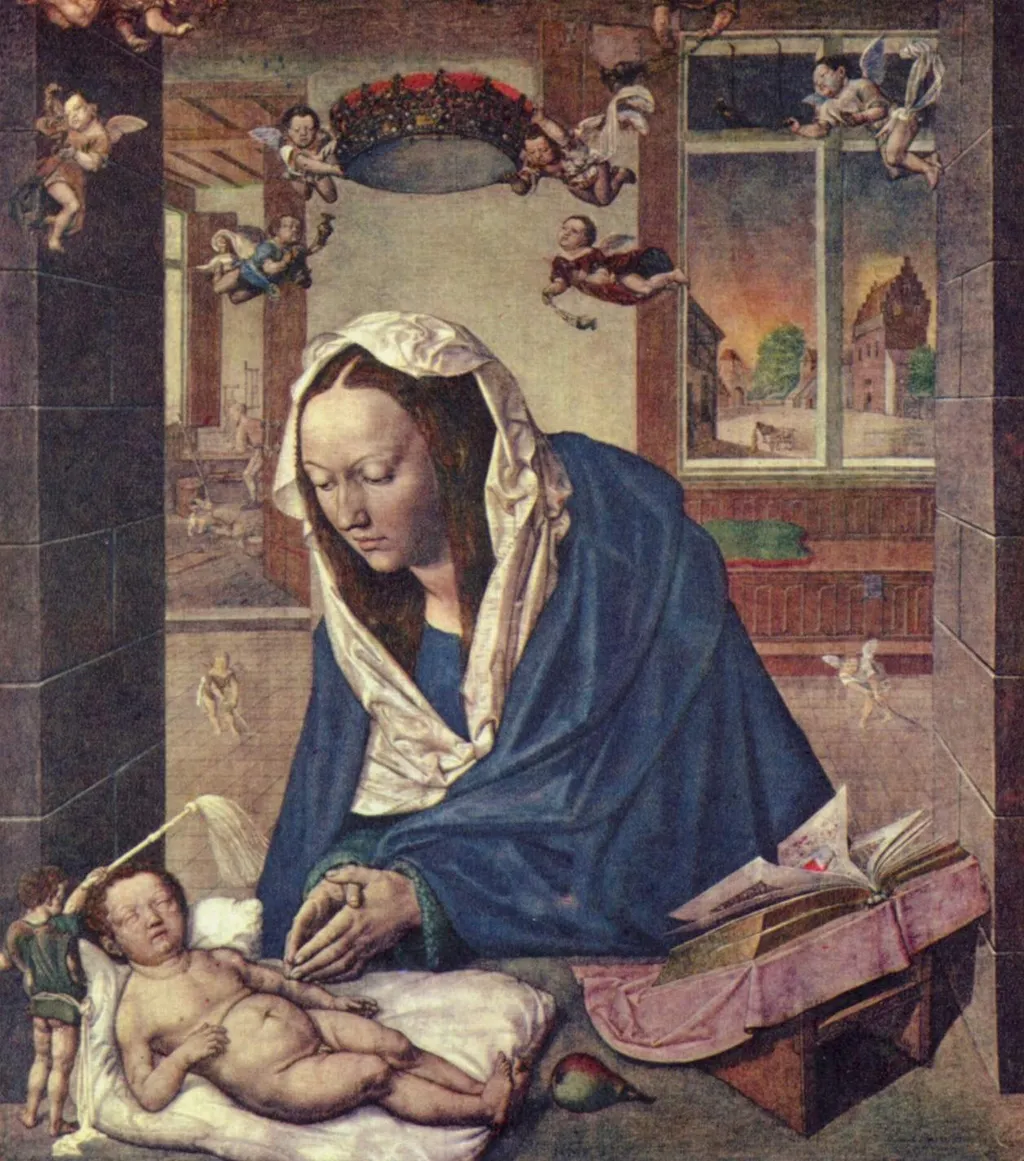
Marienaltar, Mittelbild, Szene: Maria mit Kind is an oil painting by the Northern Renaissance artist Albrecht Dürer. It dates from 1498 and is held in the collection of the Gemäldegalerie Alte Meister.
About this work
Overview
Painted in 1498 by Albrecht Dürer, this oil-on-panel work forms the central panel of a triptych commissioned for a private chapel.
Painted in 1498 by Albrecht Dürer, this oil-on-panel work forms the central panel of a triptych commissioned for a private chapel. It belongs to a series of religious images created during Dürer’s early mature period, shortly after his return from Italy. The composition centers on the Virgin Mary and the Christ Child, rendered with meticulous detail and quiet solemnity. The painting is now part of the Gemäldegalerie Alte Meister’s collection in Dresden.
Subject & Meaning
The Virgin Mary is depicted seated, holding the Christ Child, who reaches toward a pear resting on a white cloth. The pear, a symbol of divine love and redemption, and the open book nearby suggest theological contemplation. Surrounding cherubs and the distant cityscape reinforce a sacred, otherworldly space. The scene avoids theatricality, instead emphasizing intimacy and spiritual stillness, aligning with devotional practices of late 15th-century Northern Europe.
Technique & Style
Dürer employed oil paint with precision, layering thin glazes to achieve luminous skin tones and rich fabric textures. The blue mantle of Mary contrasts subtly with the muted interior, while soft chiaroscuro models the figures with gentle volume. The background window reveals a detailed cityscape, and the cherubs are rendered with delicate brushwork. The composition balances symmetry with naturalistic detail, reflecting Northern Renaissance ideals of observation and spiritual clarity.
History & Provenance
Commissioned as part of a private altarpiece, likely for the chapel of a Nuremberg merchant family, the painting remained in private hands until the 18th century. It entered the Dresden collection in the 1760s, where it was integrated into the growing gallery of German Renaissance works. Its survival intact, without major alterations, offers rare insight into early Dürer panel painting outside his more widely known prints.
Context
Created during Dürer’s formative years after his first Italian journey, the work blends Northern European attention to detail with emerging Italian compositional harmony. While his woodcuts had already brought him fame, this painting demonstrates his ambition to elevate panel painting to the level of Italian altarpieces. It reflects a broader trend among German artists to reconcile devotional tradition with humanist ideals and technical innovation.
Legacy
Though less celebrated than Dürer’s prints or later portraits, this panel remains a key example of his early mastery in oil. It influenced contemporaries in Nuremberg and contributed to the acceptance of oil painting in German religious art. Its quiet dignity and technical refinement helped define the aesthetic of Northern Renaissance devotional imagery, setting a standard for future generations of regional painters.
Artist & collection
Artist
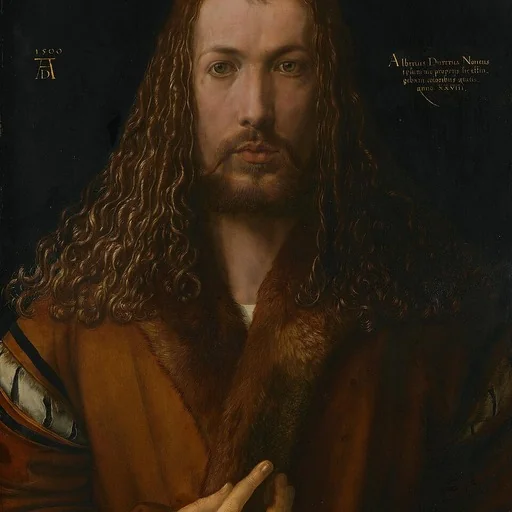
Albrecht Dürer spent his life in Nuremberg, a busy German city where artists traded prints like currency.

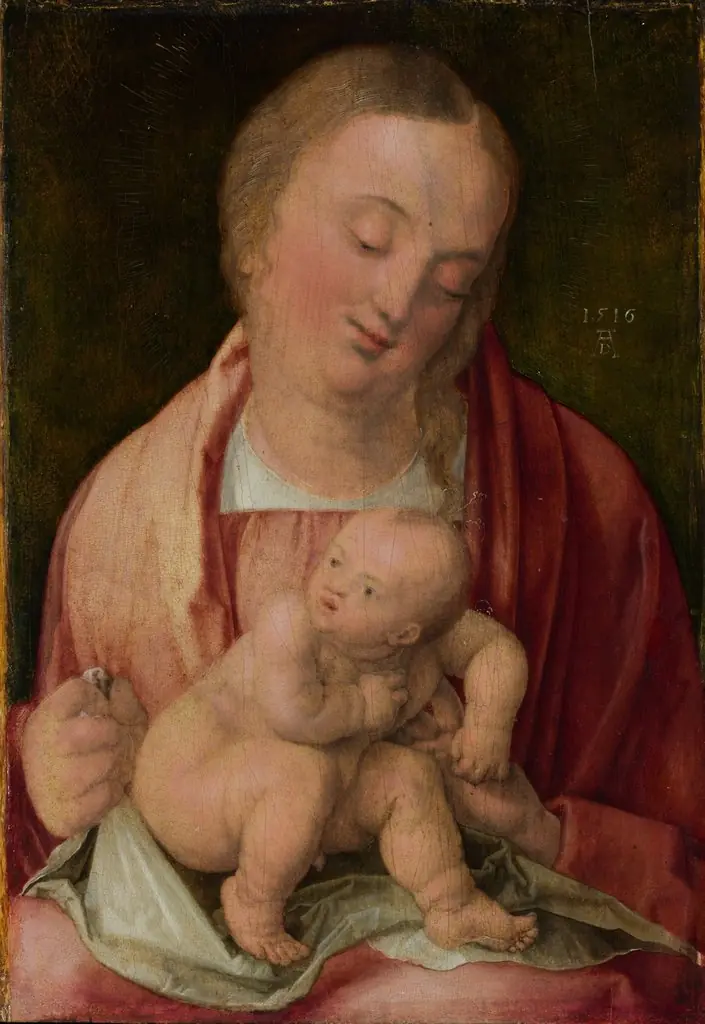
![Madonna and Child [obverse], by Albrecht Dürer](https://artifactworldgallery.com/img/albrecht-durer--madonna-and-child-obverse--d7b8ebf05d22ebe5-w320.webp)
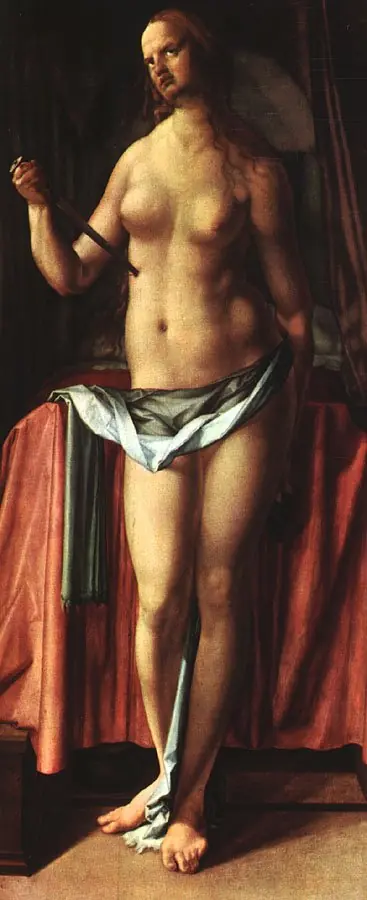
![Lot and His Daughters [reverse], by Albrecht Dürer](https://artifactworldgallery.com/img/albrecht-durer--lot-and-his-daughters-reverse--b4ebf9b282faa17a-w320.webp)
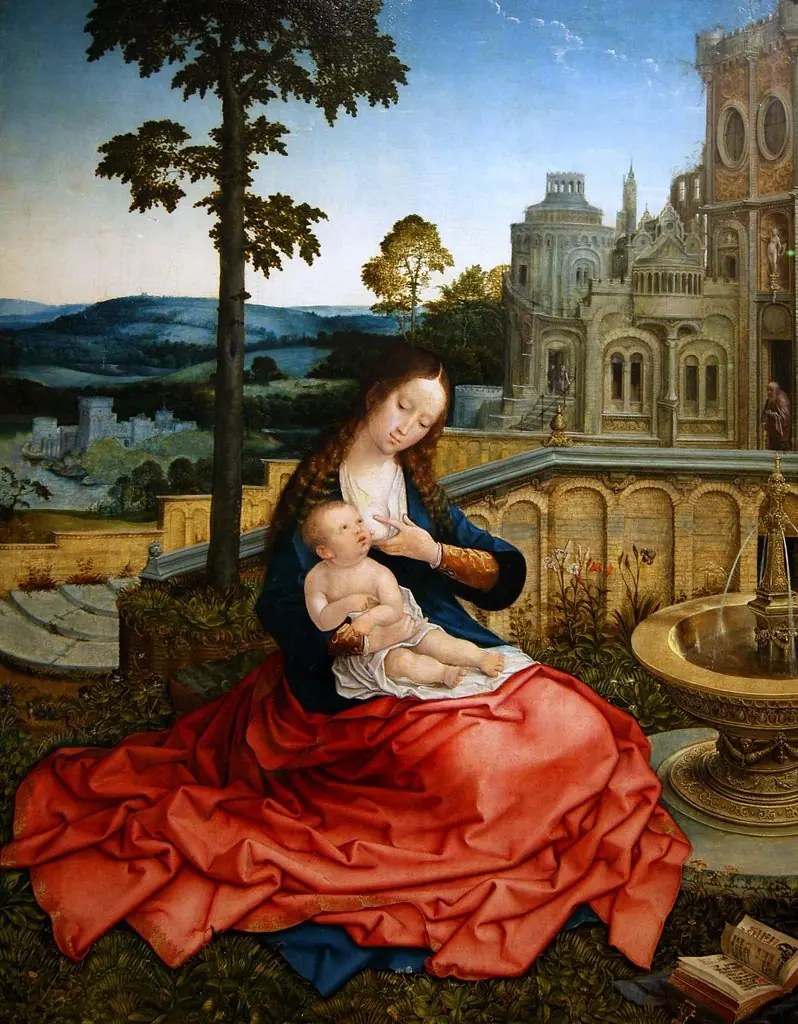 Virgin and Child near a Fountain
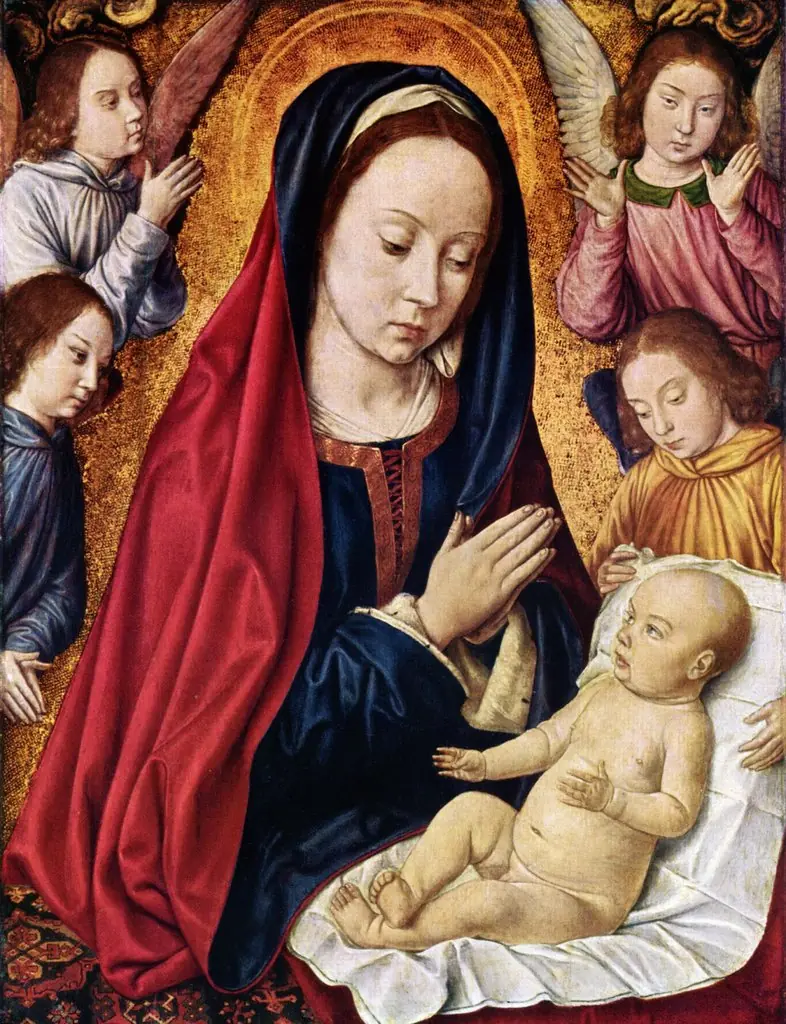 Madonna and Child
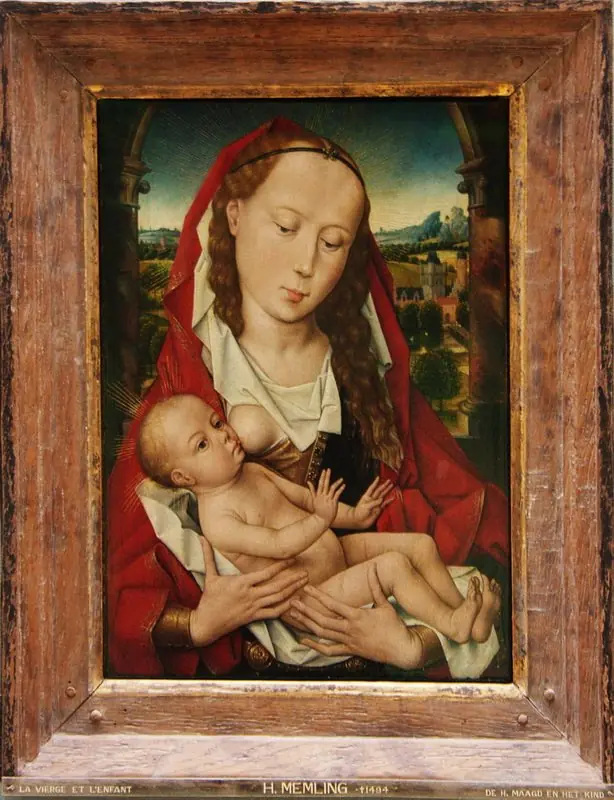 Mare de Déu de la llet
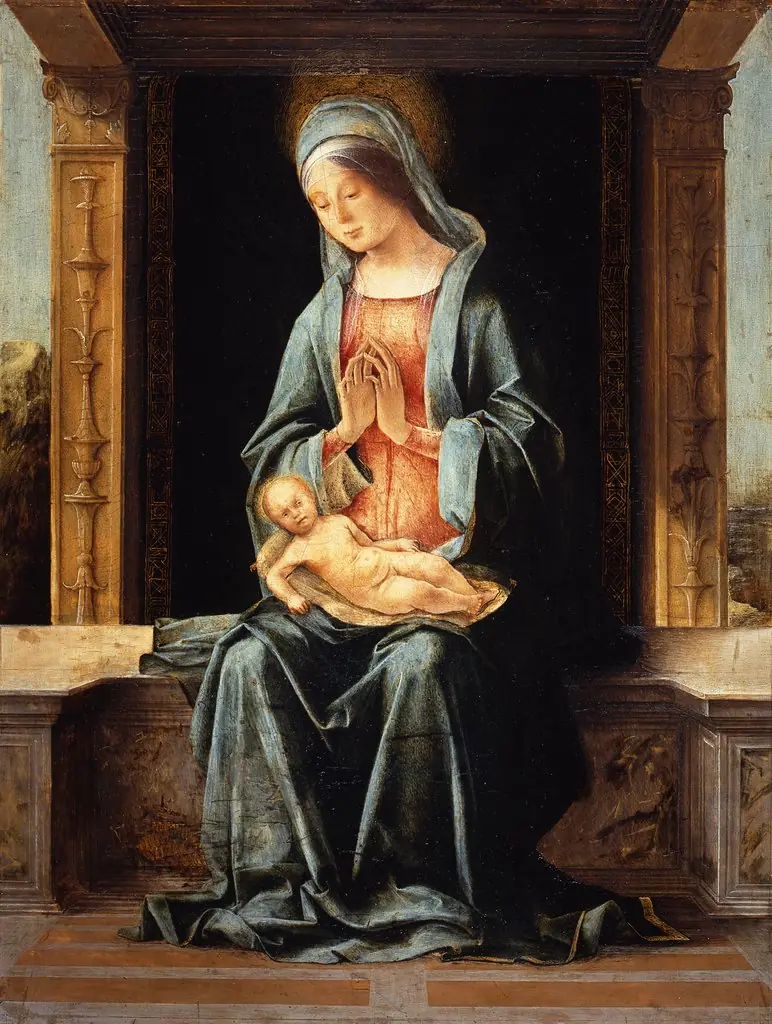 The Virgin and Child
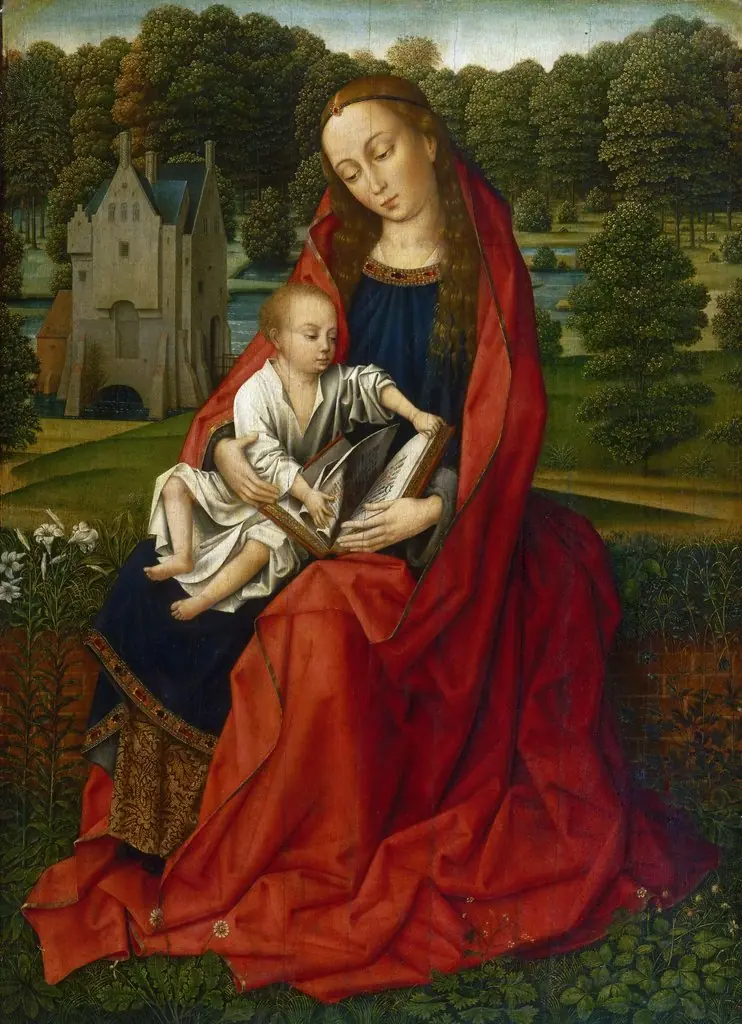 Virgin and Child in a Landscape
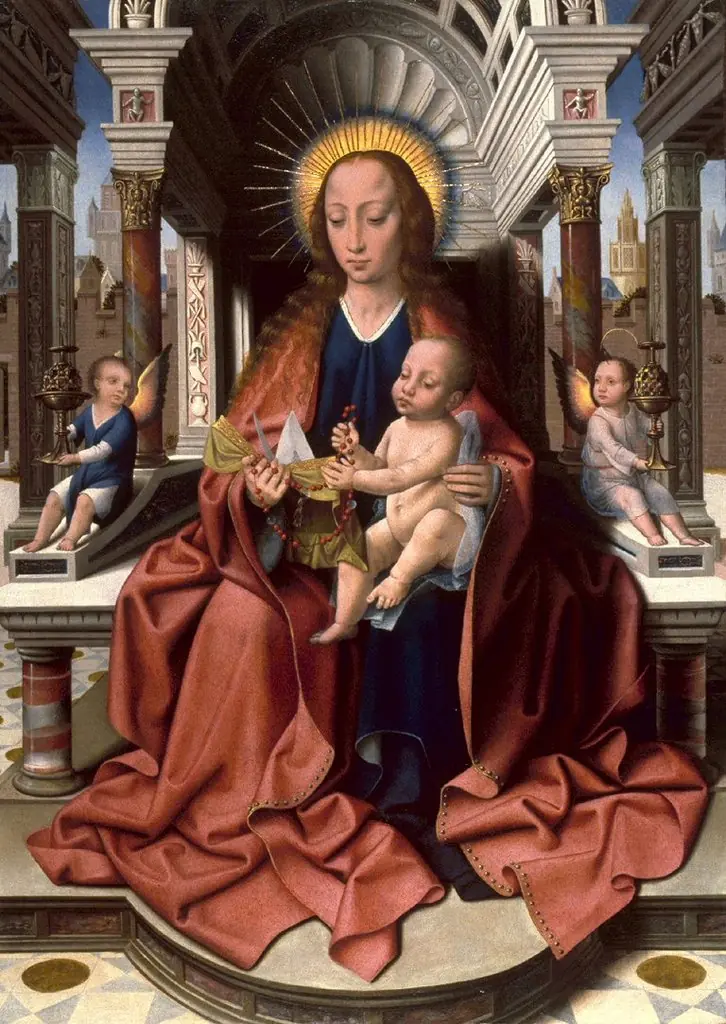 Virgin and Child Enthroned
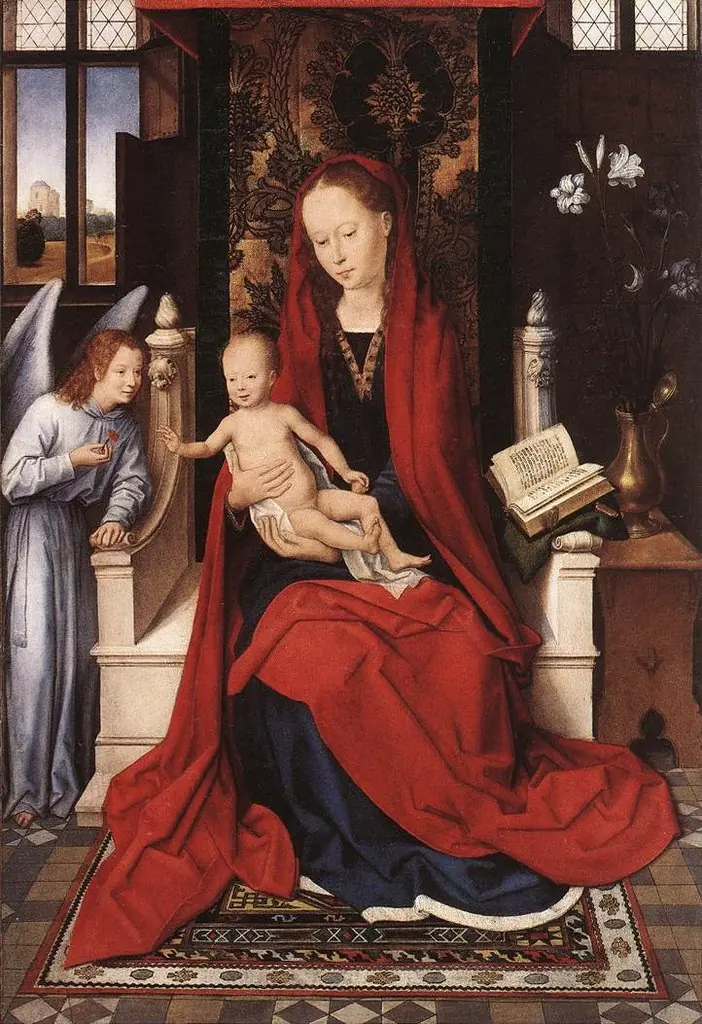 Enthroned Madonna and Child with Angel
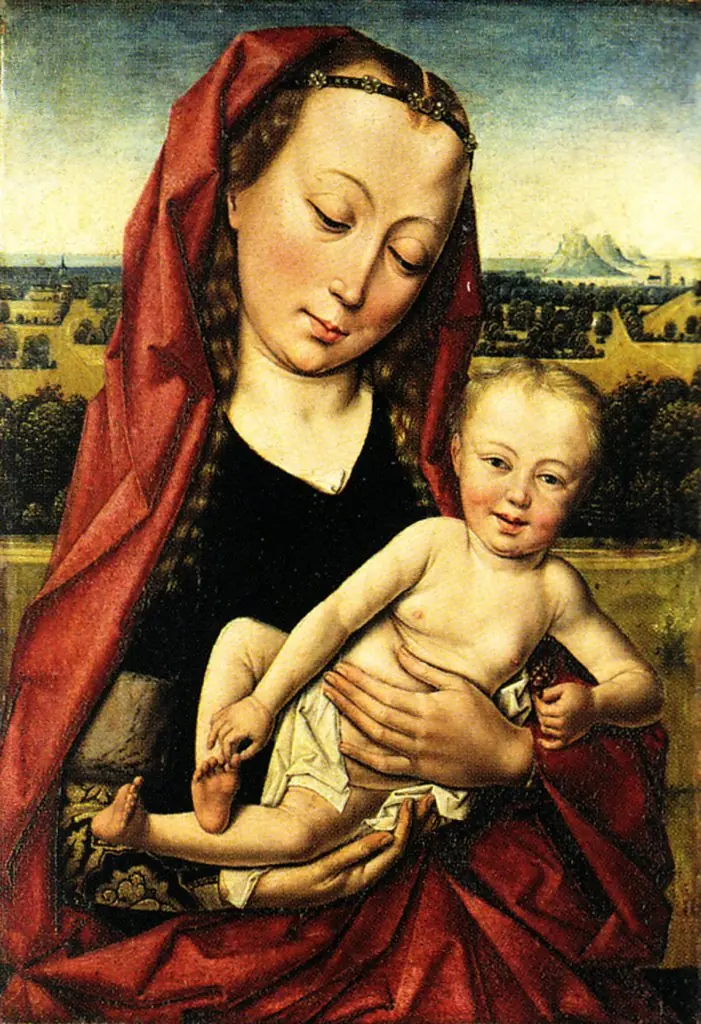 Virgin with child
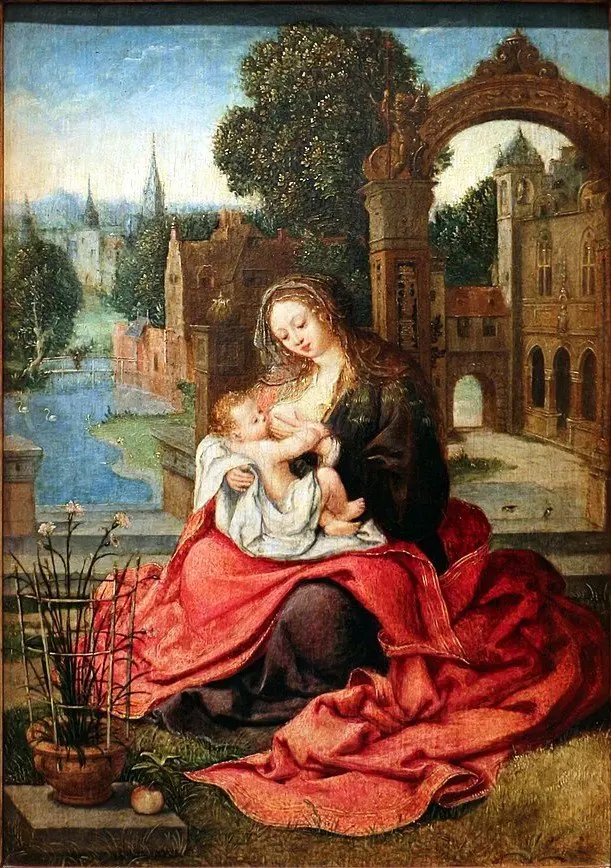 A Virgem e o Menino
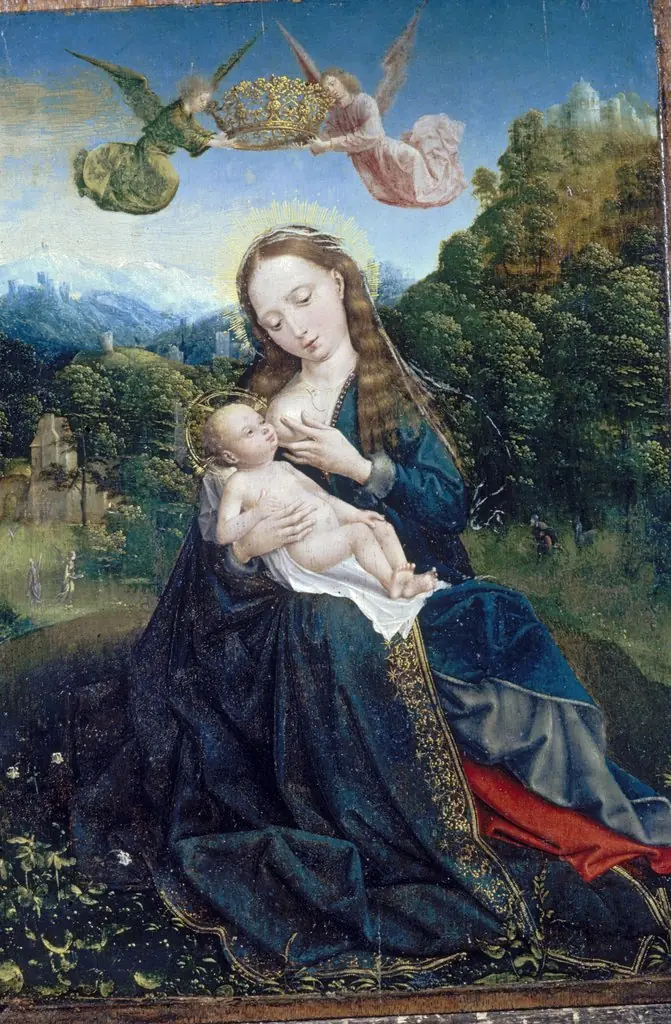 Rest on the Flight into Egypt
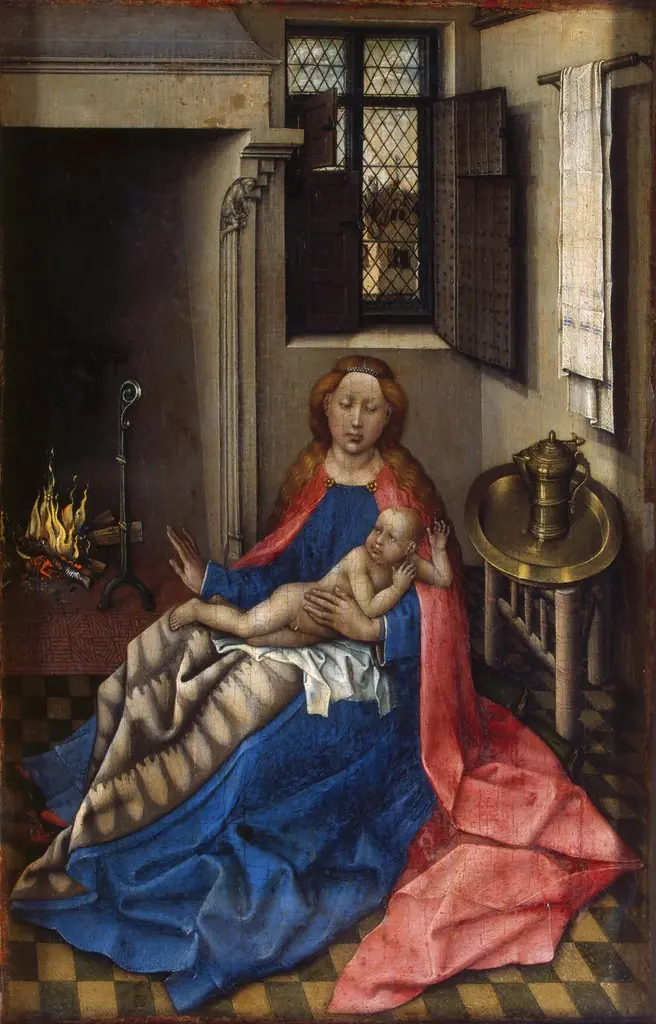 The Virgin and Child by a Fireplace (Right Wing of a Diptych)
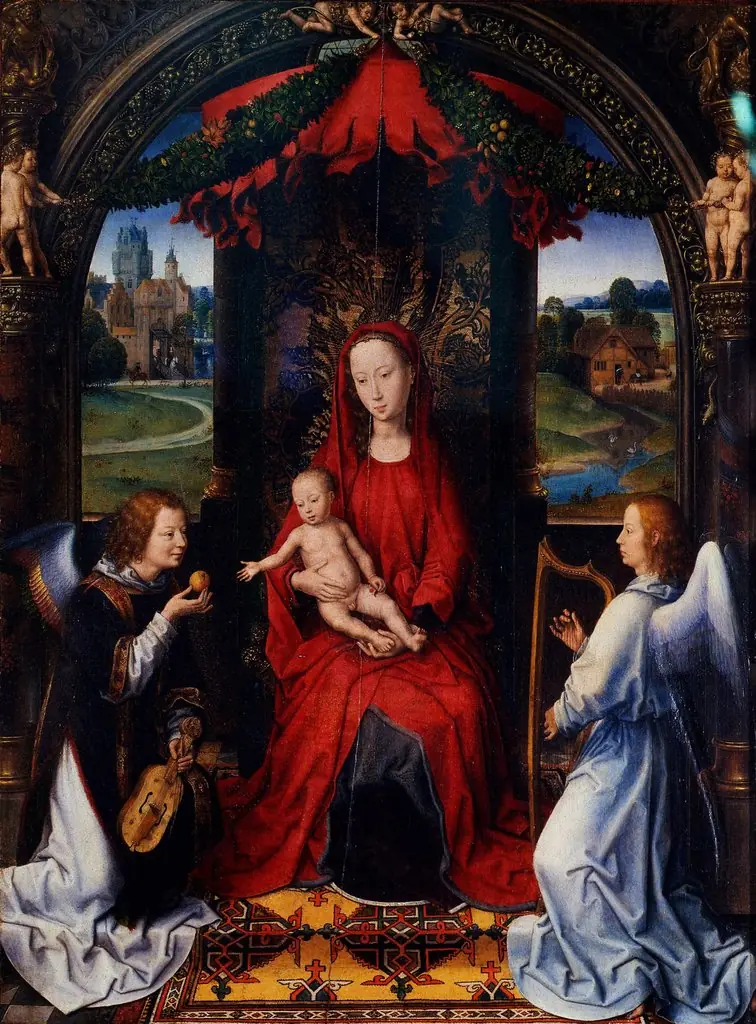 Madonna enthroned with child and two musical angels