Artwork
The Virgin and Child by a Fireplace (Right Wing of a Diptych)
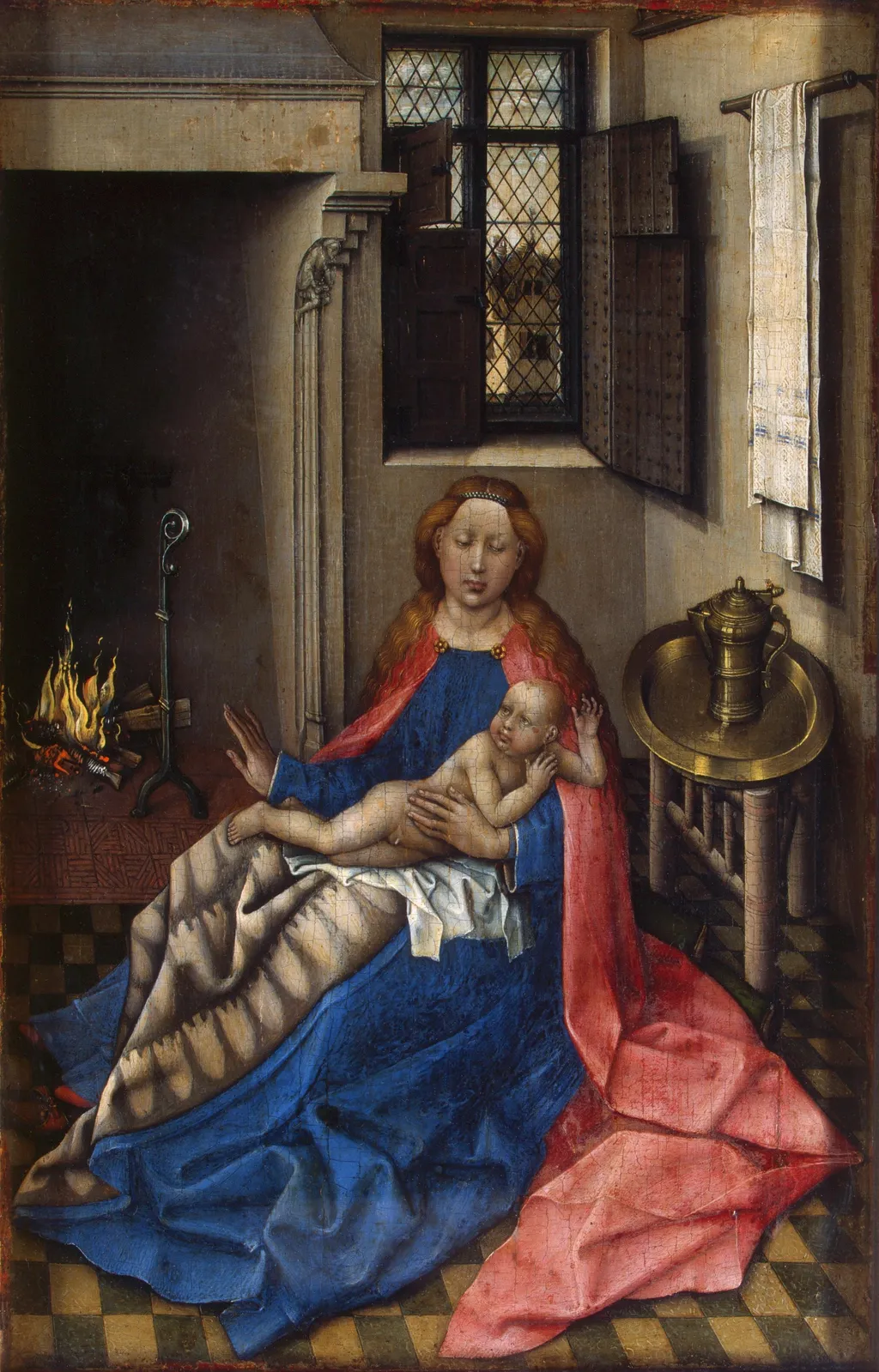
The Virgin and Child by a Fireplace (Right Wing of a Diptych) is an oil painting by the Northern Renaissance artist Robert Campin. It dates from 1433 and is held in the collection of the Hermitage Museum.
About this work
Subject & Meaning
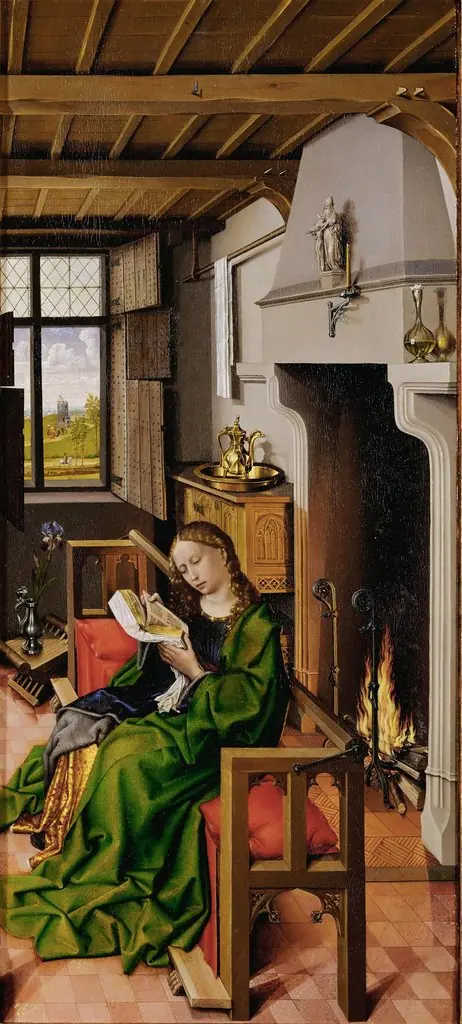
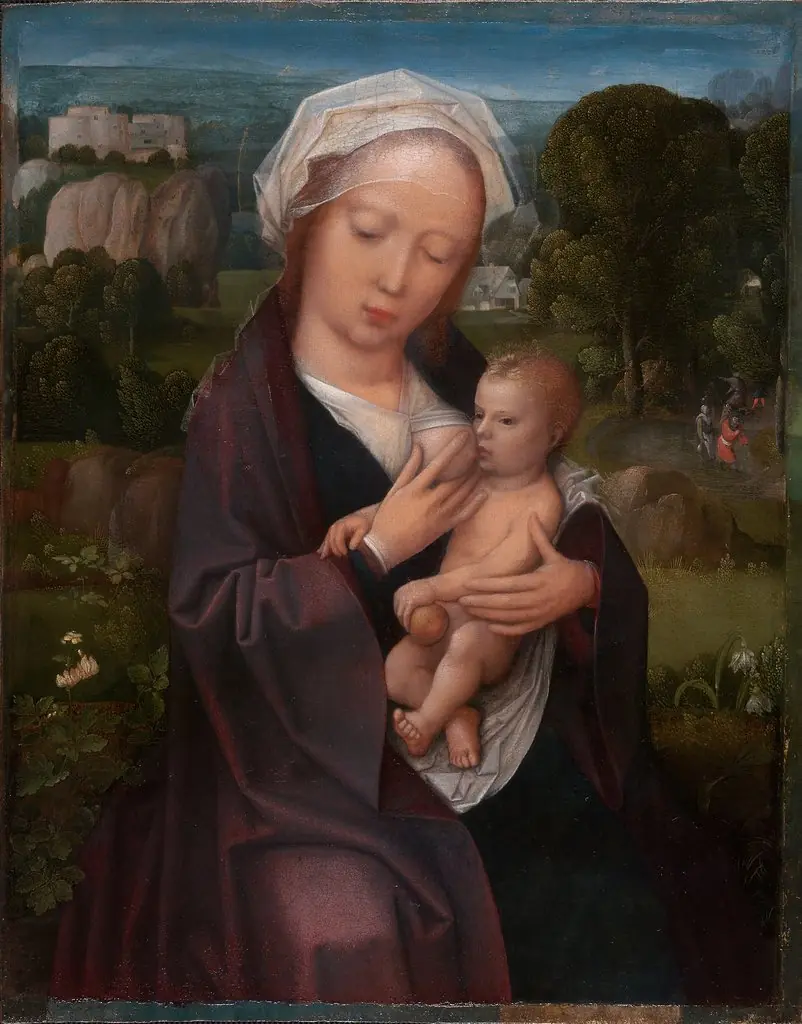
The Virgin and Child by a Fireplace depicts the Madonna seated with the Christ Child before a domestic hearth.
The Virgin and Child by a Fireplace depicts the Madonna seated with the Christ Child before a domestic hearth. The fireplace, a symbol of warmth and home, underscores the Virgin’s nurturing role and the humanity of Christ, reinforcing the devotional focus on the incarnation characteristic of Early Netherlandish religious art. By placing the holy figures in an intimate interior setting, the panel invites contemplation of the sacred within everyday life, reflecting the period’s emphasis on personal piety and the sanctity of the household.
Technique & Style
The work is an oil painting executed on a wooden panel, reflecting Early Netherlandish techniques of fine detail and luminous color. It depicts the Virgin and Child within a domestic interior framed by a fireplace, showcasing meticulous spatial composition and naturalistic rendering characteristic of Robert Campin's style. The surface handling reveals careful glazing that enhances depth, while the overall formal balance emphasizes intimate devotional focus.
The painting measures 34.3 cm in height and 24.5 cm in width, preserving its original panel support without significant alteration.
History & Provenance
The panel was commissioned in 1433 by the Burgundian court official Dmitry Tatishchev and later entered the collection of the Hermitage Museum in St. Petersburg, where it remains on permanent display. Executed in oil on a wooden panel, the work measures 34.3 cm in height by 24.5 cm in width and was produced in the Netherlands. Its creation is documented in archival records from 1433, confirming it as part of a diptych intended for private devotion.
Overview
Created in 1433, this oil painting forms the right wing of a diptych attributed to Robert Campin, a pivotal figure in early Netherlandish art. The work presents a domestic interior where the Virgin Mary holds the infant Christ, set before a modest fireplace. The composition is now part of the collection of the State Hermitage Museum in St. Petersburg.
Context
The painting belongs to a period when Netherlandish artists were redefining religious imagery by placing sacred subjects within recognizable domestic spaces. Campin’s integration of everyday objects and interior architecture anticipates later developments by Jan van Eyck and underscores the shift toward a more personal, humanized portrayal of the Virgin and Child.
Own this work as a print
Artist & collection
Artist
Robert Campin (Valenciennes (France) c. 1375 - Tournai (Belgium) 26 April 1444) now usually identified with the Master of Flémalle (earlier the Master of the Merode Triptych, before the discovery of three other similar…

- The Virgin and Child Enthroned
 The Virgin and the Child
 Madonna and Child Enthroned
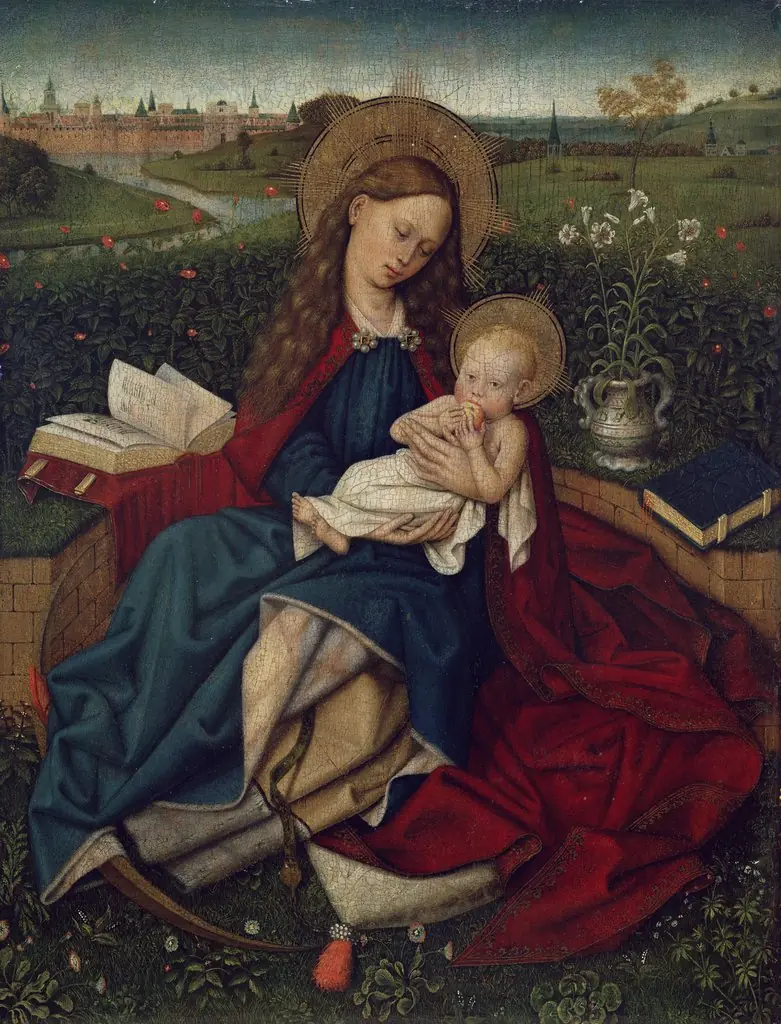 The Madonna of Humility
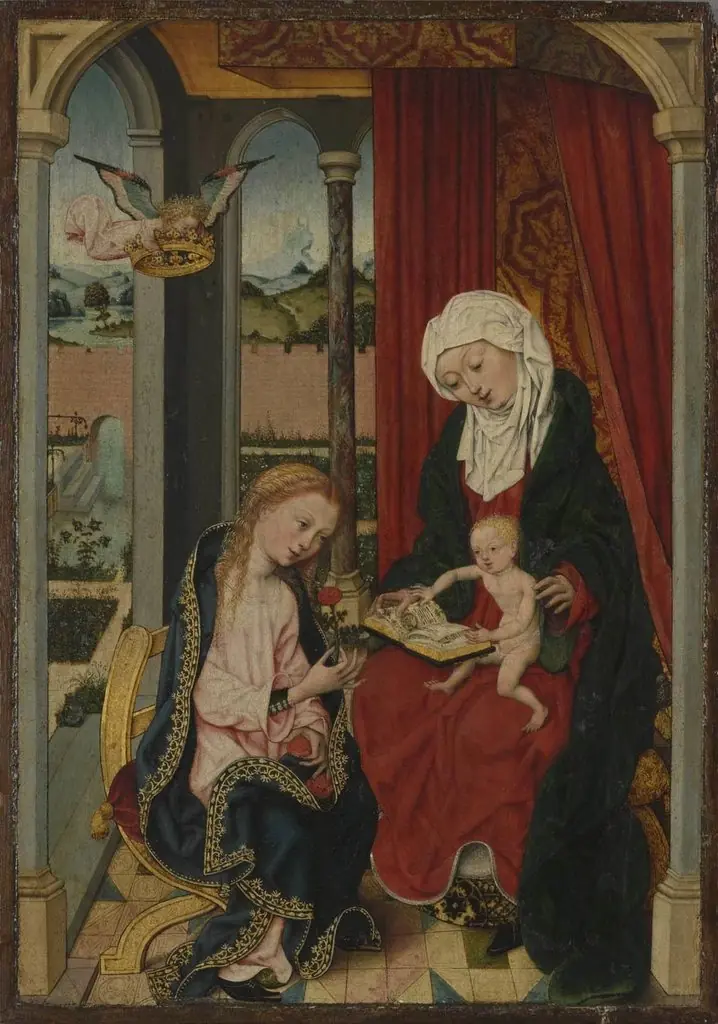 Virgin and Child with Saint Anne
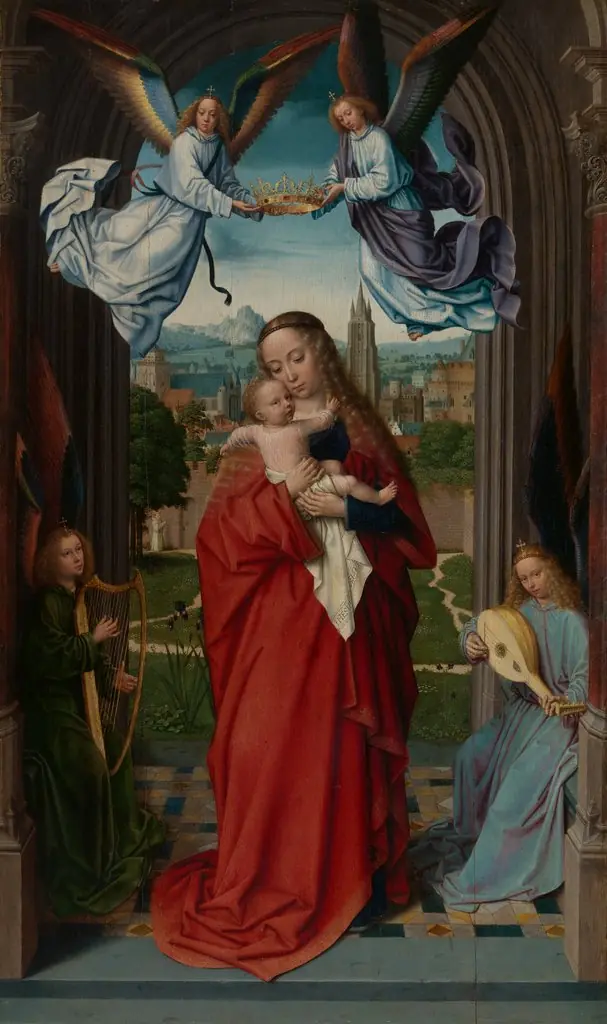 Virgin and Child with Four Angels
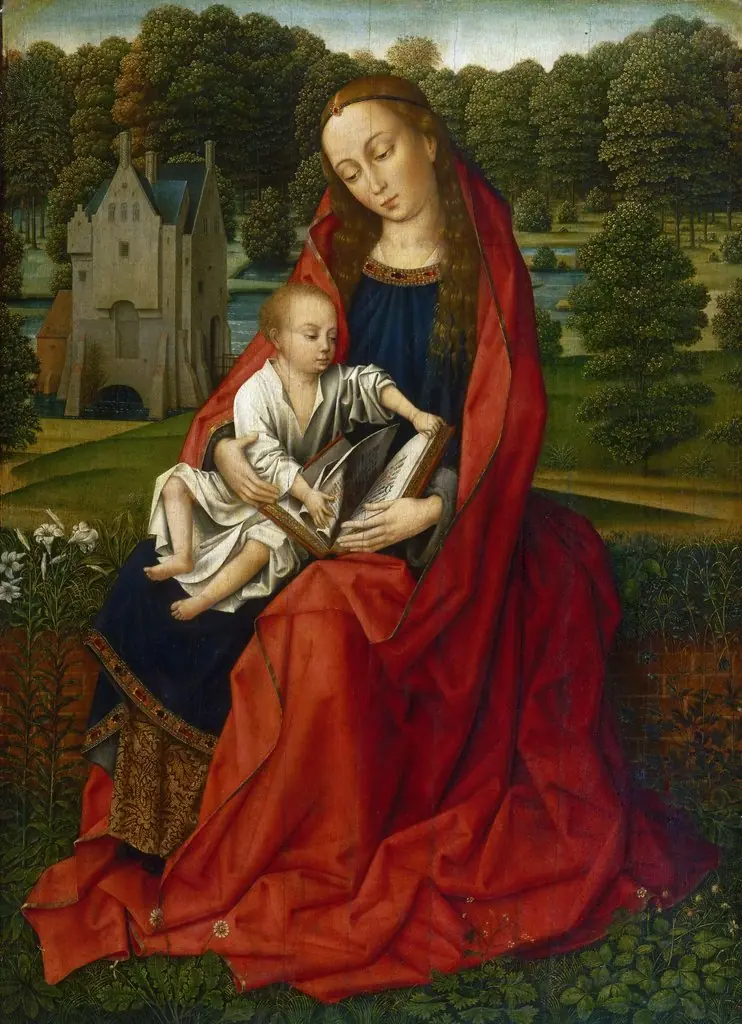 Virgin and Child in a Landscape
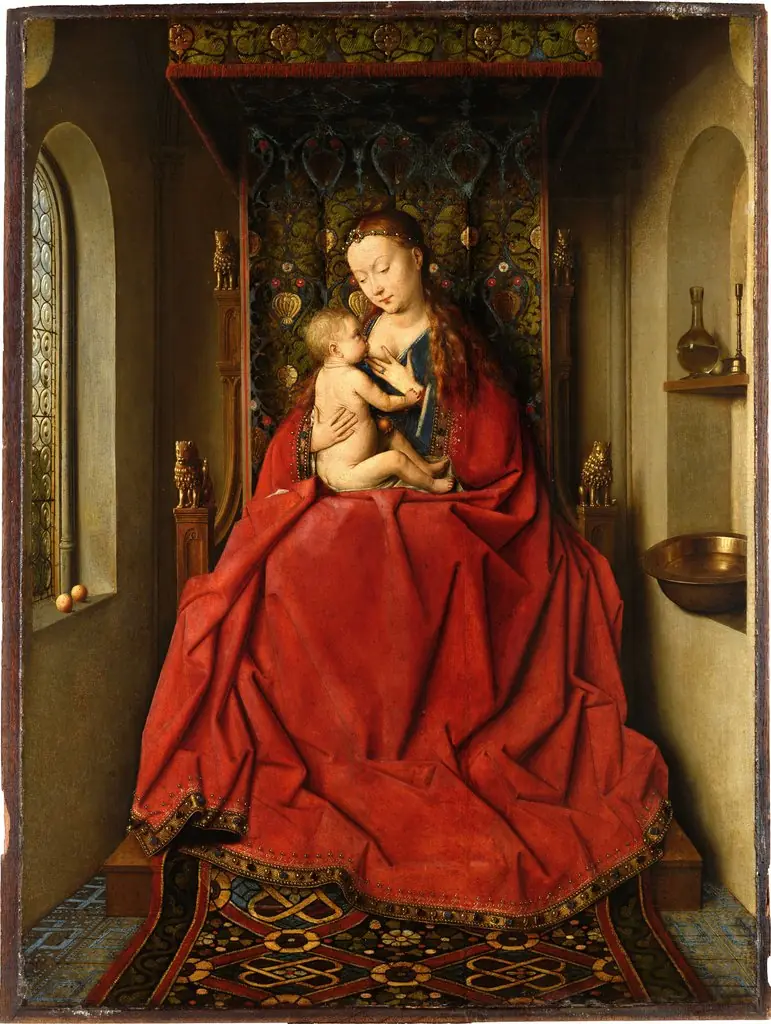 Lucca Madonna
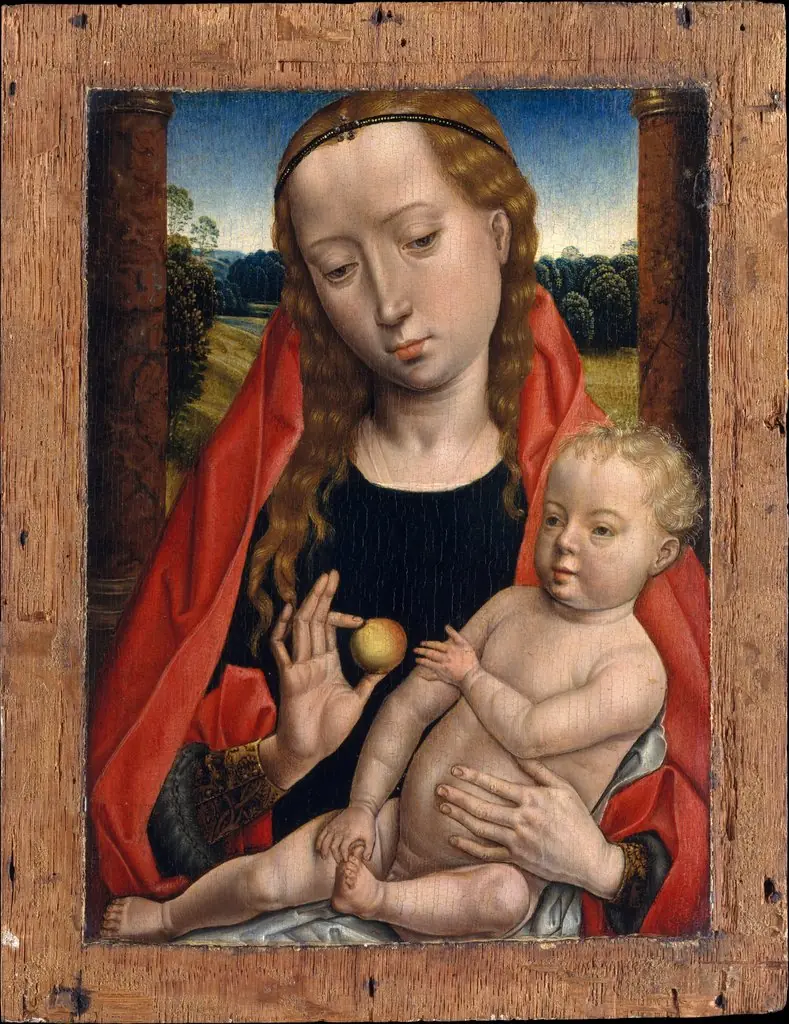 Virgin and Child
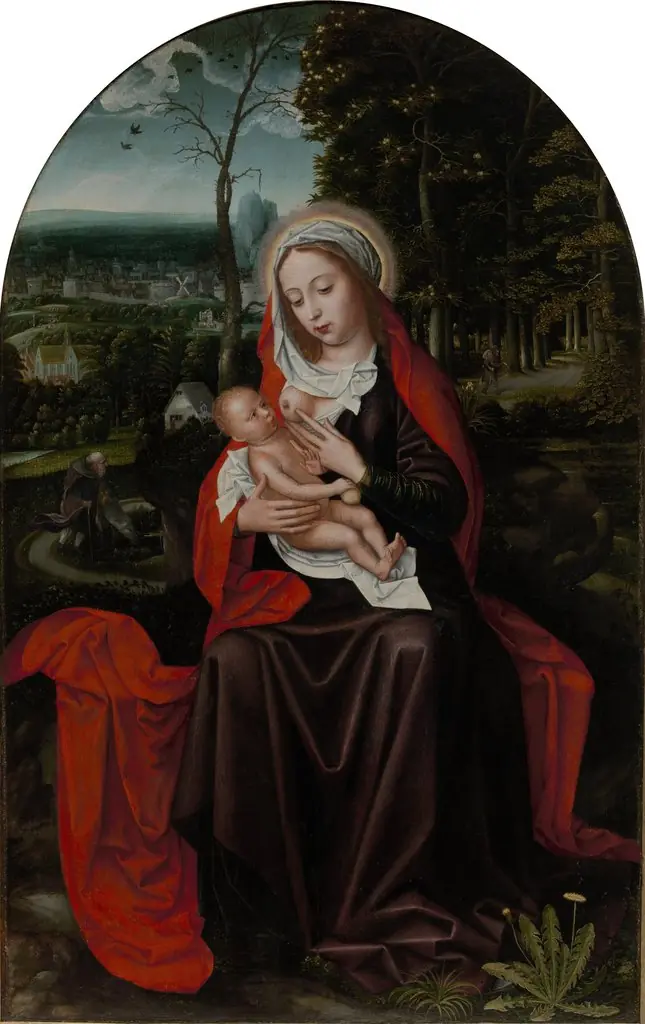 Rest on the flight into Egypt
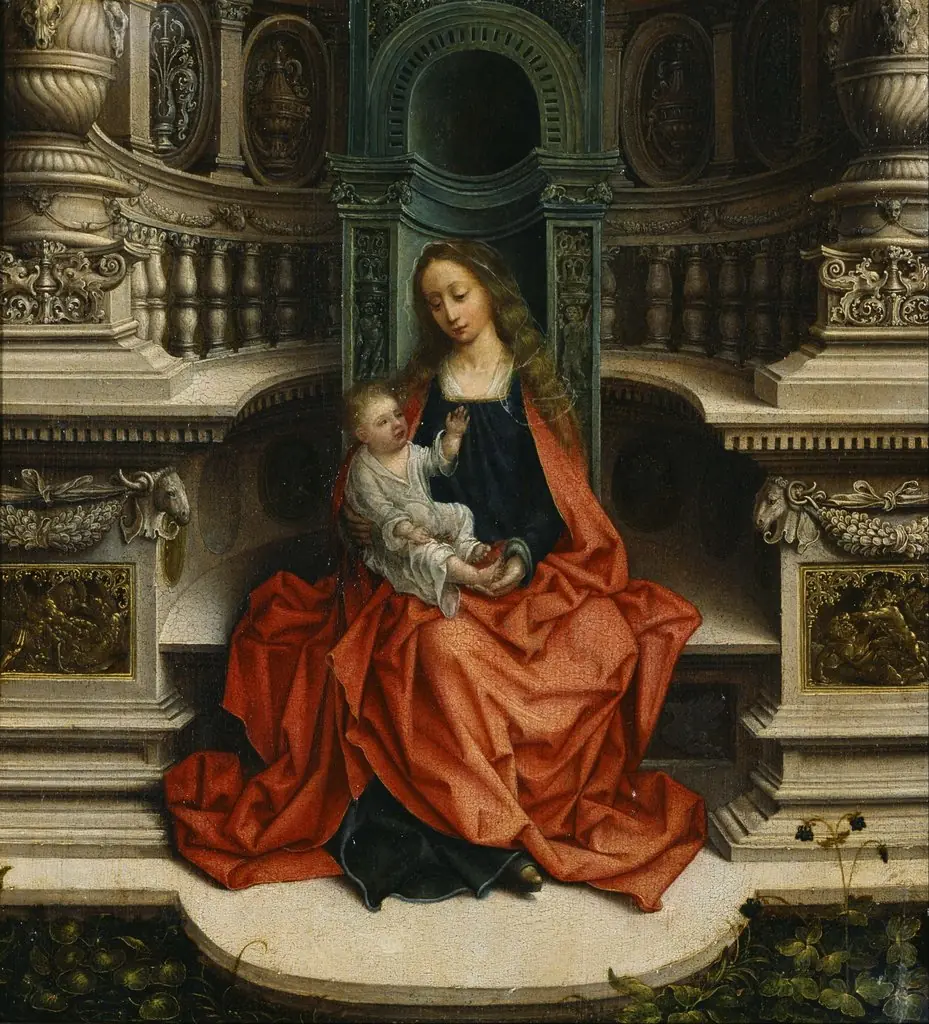 The Madonna and Child Enthroned
 Virgin and Child