Artwork
Madonna enthroned with child and two musical angels
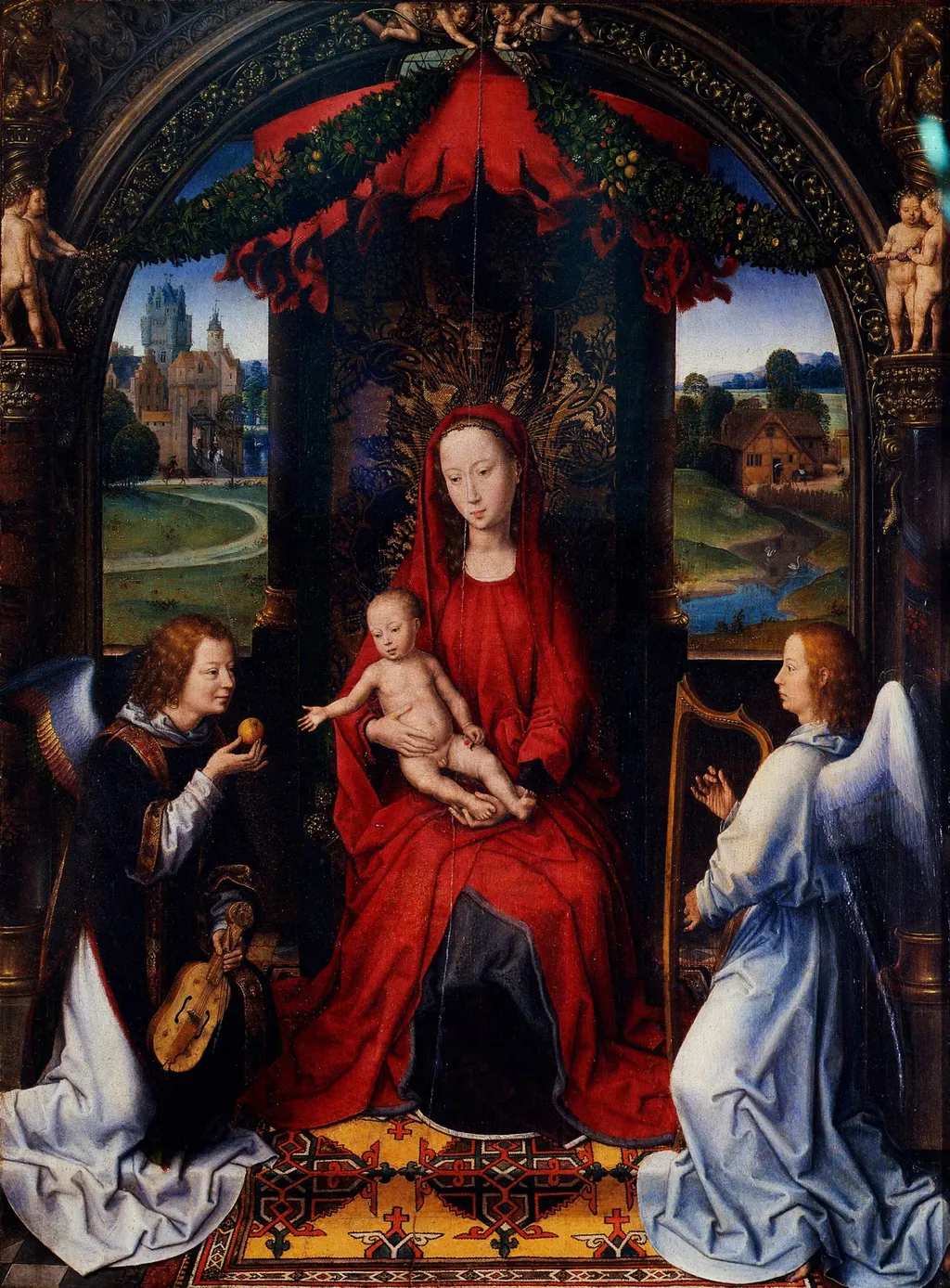
Madonna enthroned with child and two musical angels is an oil painting by the Northern Renaissance artist Hans Memling. It dates from 1490 and is held in the collection of the Uffizi Gallery.
About this work
Subject & Meaning
The angels' instruments and the apple offered to the Child symbolize the heavenly music of redemption and the acceptance of original sin's penalty.
The work portrays the Virgin Mary seated on a throne, holding the infant Christ, with two angels playing musical instruments beside her. This iconography belongs to the sacra conversazione tradition, where holy figures are brought together in a unified space, and emphasizes Marian devotion and the Incarnation. The angels' instruments and the apple offered to the Child symbolize the heavenly music of redemption and the acceptance of original sin's penalty.
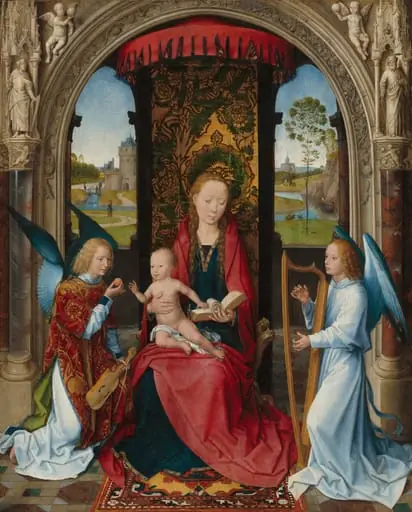
The red mantle of Mary creates a luminous focal point, while the ornate architecture and Anatolian carpet reflect Northern artistic influences. The painting's composition draws on earlier works by Memling, including the Trittico Donne, and shares structural elements with the Trittico della Madonna in trono in Vienna. The landscape backgrounds showcase Memling's mastery of atmospheric perspective.
Technique & Style
The work is an oil painting on wooden panel measuring 57 by 42 centimeters, created around 1490–1491. It depicts the Virgin Mary seated on a throne adorned with a richly decorated canopy, holding the infant Christ, while two musical angels flank the composition. One angel offers an apple to the Child, a symbolic gesture of redemption, and is also found in other works such as the Donne Triptych.
The painting is housed in the Uffizi Gallery in Florence. Its style reflects Early Netherlandish traditions, characterized by intricate architectural framing with classical motifs, lavish drapery, and detailed ornamental elements including damask hangings, fruit, and floral garlands. The background features expansive landscapes rendered with atmospheric perspective, showcasing the artist’s mastery of northern European techniques. The red mantle of Mary serves as a dominant visual anchor, enhancing the compositional balance and luminosity.
History & Provenance
Hans Memling created the painting in oil on panel, with dating estimates ranging from 1480 to approximately 1490–1491. The work was likely present in Florence by the final decade of the fifteenth century, evidenced by the young Fra Bartolomeo faithfully copying its landscape in his own Madonna and Child with Saint John the Baptist. In 1799, the Uffizi Gallery acquired the painting from the heirs of the painter Ignazio Hugford, where it has since remained.
The painting is held in the collection of the Uffizi Gallery in Florence. It entered the museum's holdings in 1799 following a purchase from the heirs of the painter Ignazio Hugford. Evidence suggests the work was present in Florence as early as the last decade of the fifteenth century, indicated by its influence on Fra Bartolomeo, who copied its landscape features in his own Madonna col Bambino e san Giovannino now at the Metropolitan Museum.
Context
The painting is recognized as an early example of Northern Renaissance sacra conversazione, where the Virgin and Child occupy a central position amid angels and symbolic objects. Scholars note its stylistic ties to Hans Memling’s broader oeuvre and to the influence of Northern European techniques on Italian painting, as documented in the Uffizi catalogue and referenced in Italian art histories. The work’s composition, featuring a red mantle, a baldachin, and an Anatolian carpet, reflects both devotional symbolism and the artist’s engagement with contemporary Florentine taste, situating it within the evolution of devotional imagery in the late 15th century.
Legacy
The painting influenced later religious compositions through its sacra conversazione format and symbolic use of angels. Its depiction of musical angels informed devotional works in Renaissance Tuscany, particularly in compositions emphasizing Marian veneration. The work's compositional balance and integration of donor figures, as seen in the Trittico Donne connection, shaped devotional painting in Northern Italy and beyond.
The Uffizi Gallery's long-term stewardship since 1799 cemented its reputation as a key example of Early Netherlandish influence in Florence, studied alongside works like the Trittico della Madonna in trono at the Kunsthistorisches Museum. Its stylistic elements, including the red mantle of Mary and architectural framing, became reference points for later religious art.
Overview
This oil painting, created by Hans Memling around 1490, is a representation of a sacred scene. It is a characteristic work of the Northern Renaissance, currently housed at the Uffizi Gallery.
Own this work as a print
Artist & collection
Artist
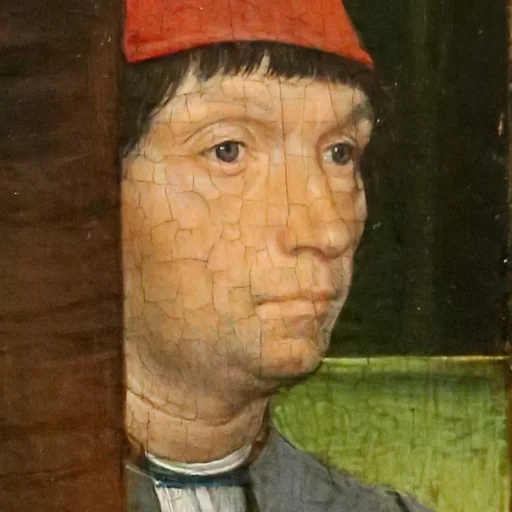
Hans Memling was a German-Flemish painter who worked in the tradition of Early Netherlandish painting.

![Saint Veronica [obverse], by Hans Memling](https://artifactworldgallery.com/img/hans-memling--saint-veronica-obverse--5a649fd8b09c96b9-w320.webp)
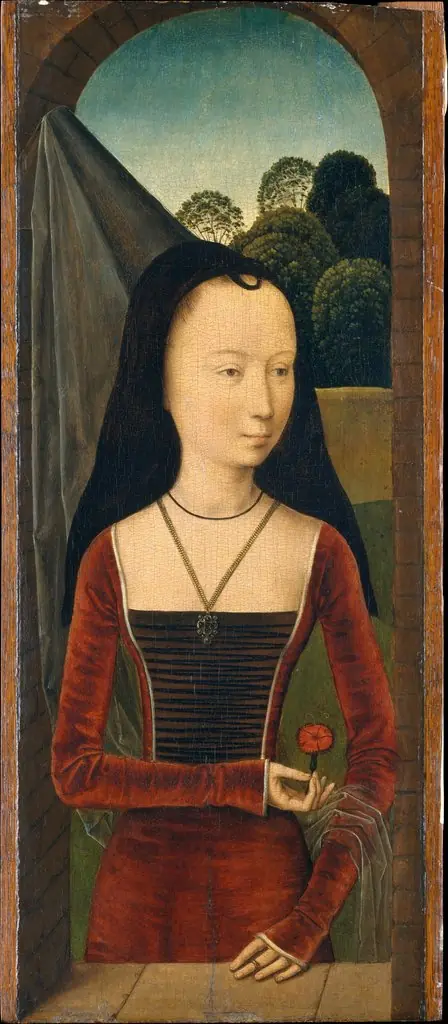
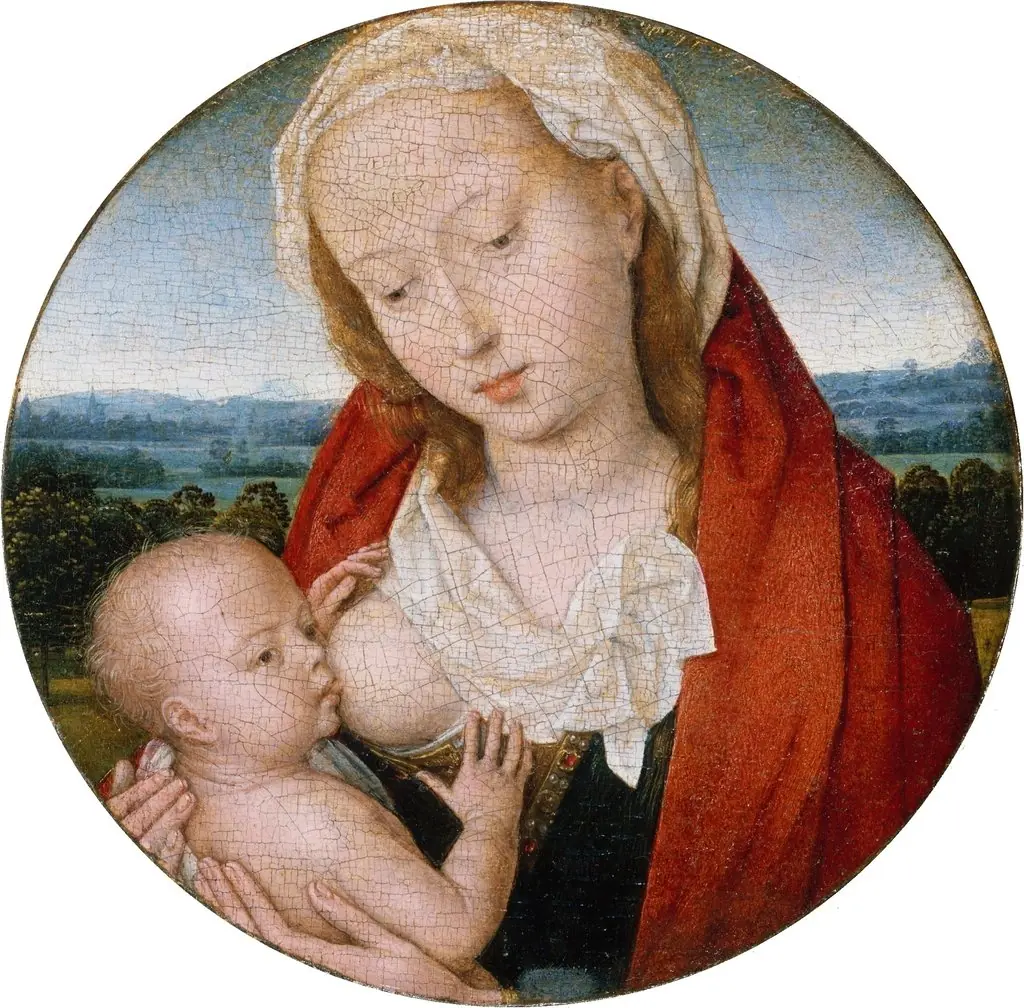
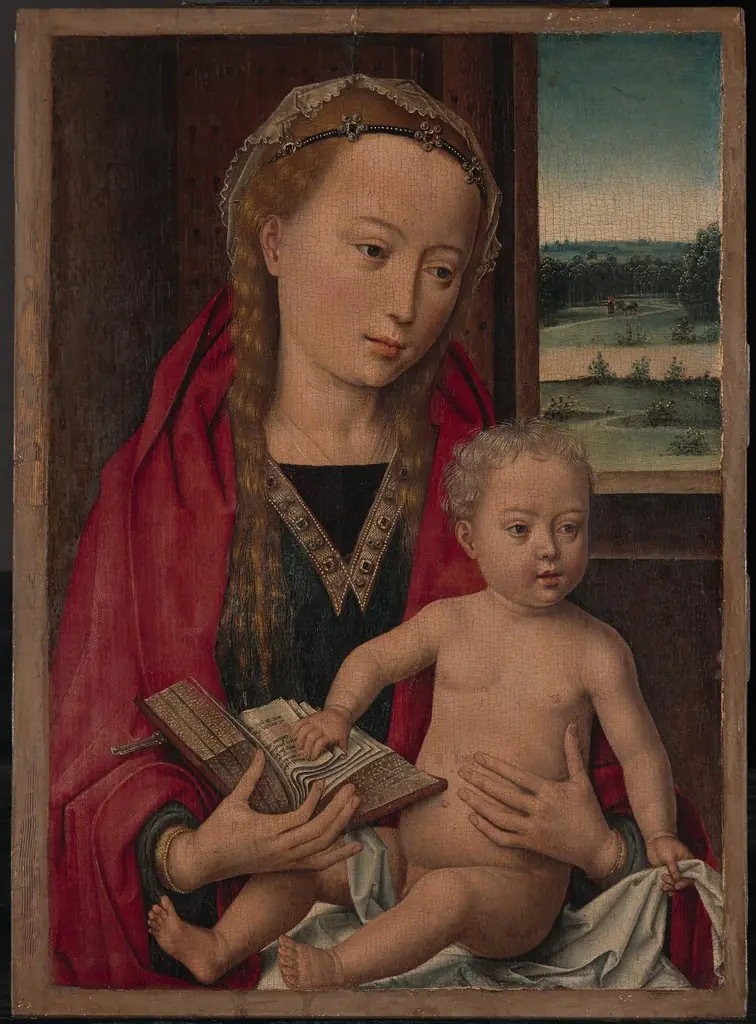
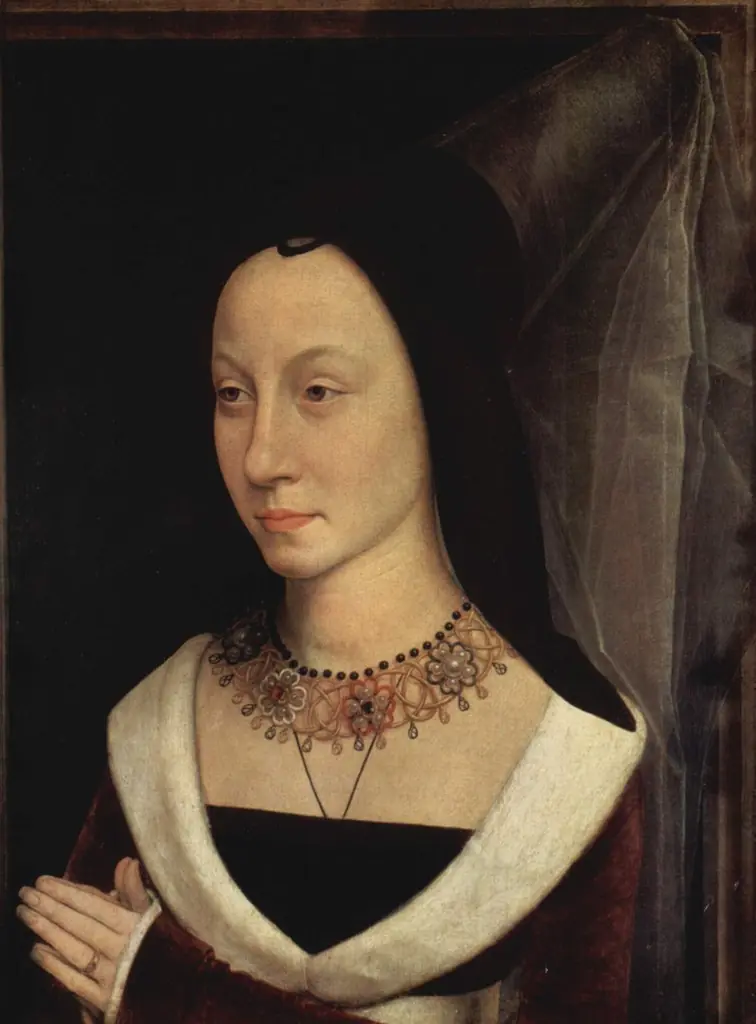
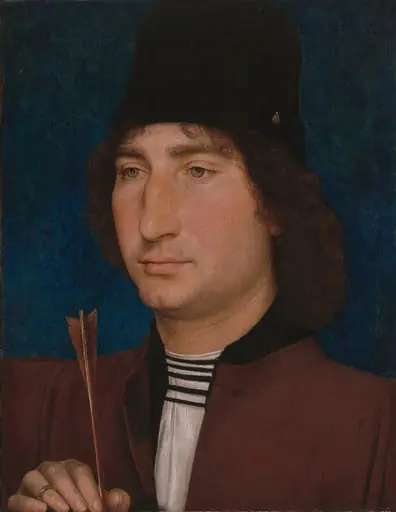
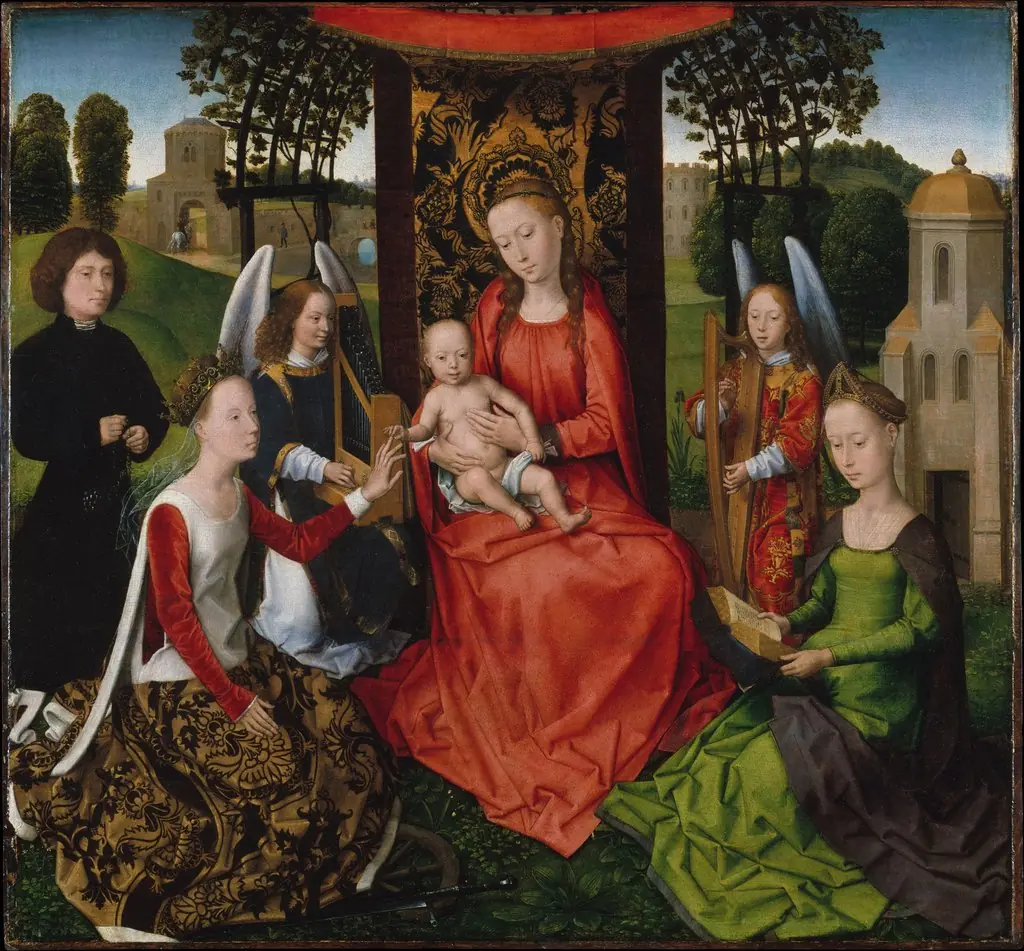
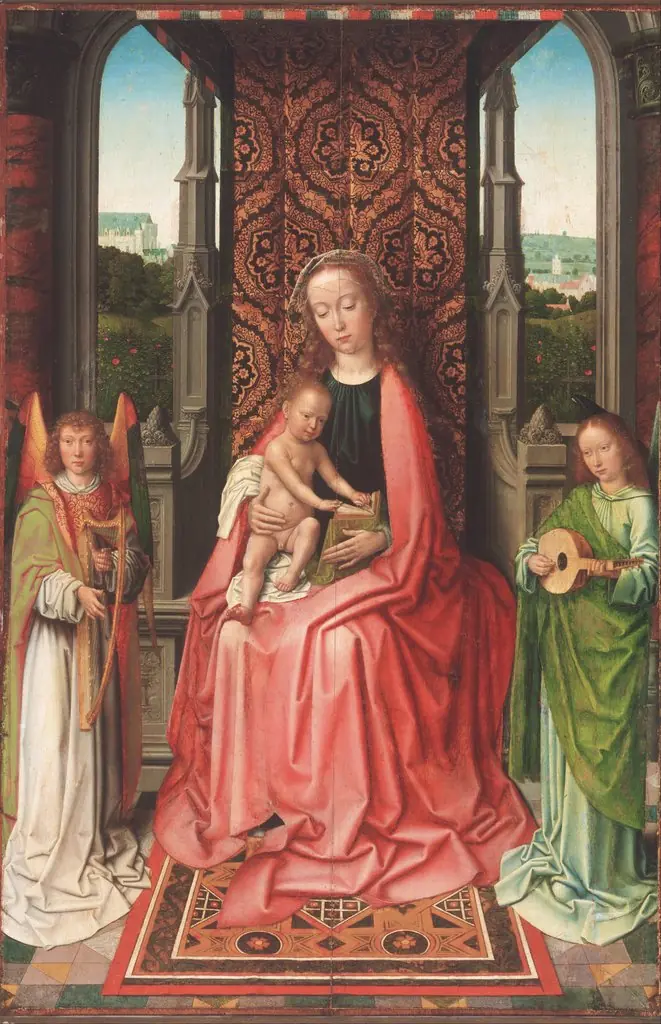 Enthroned Virgin and Child, with Angels
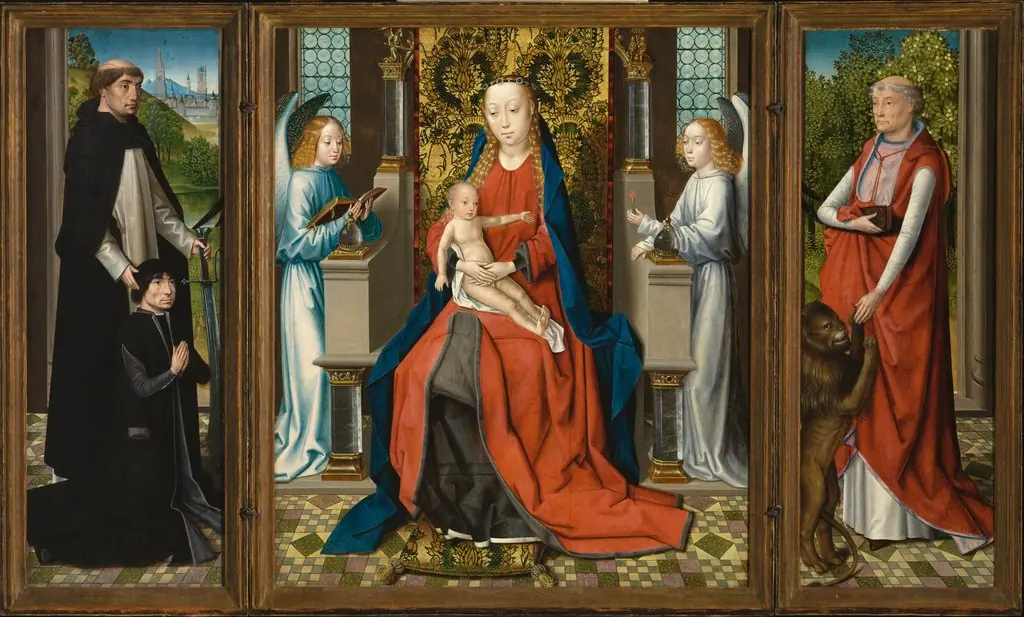 Triptych of Madonna and Child with Angels; Donor and His Patron Saint Peter Martyr; and Saint Jerome and His Lion
 Virgin and Child with two angels
 Virgin and Child with Four Angels
 Madonna of the Rose Bower
 Pagagnotti Triptych
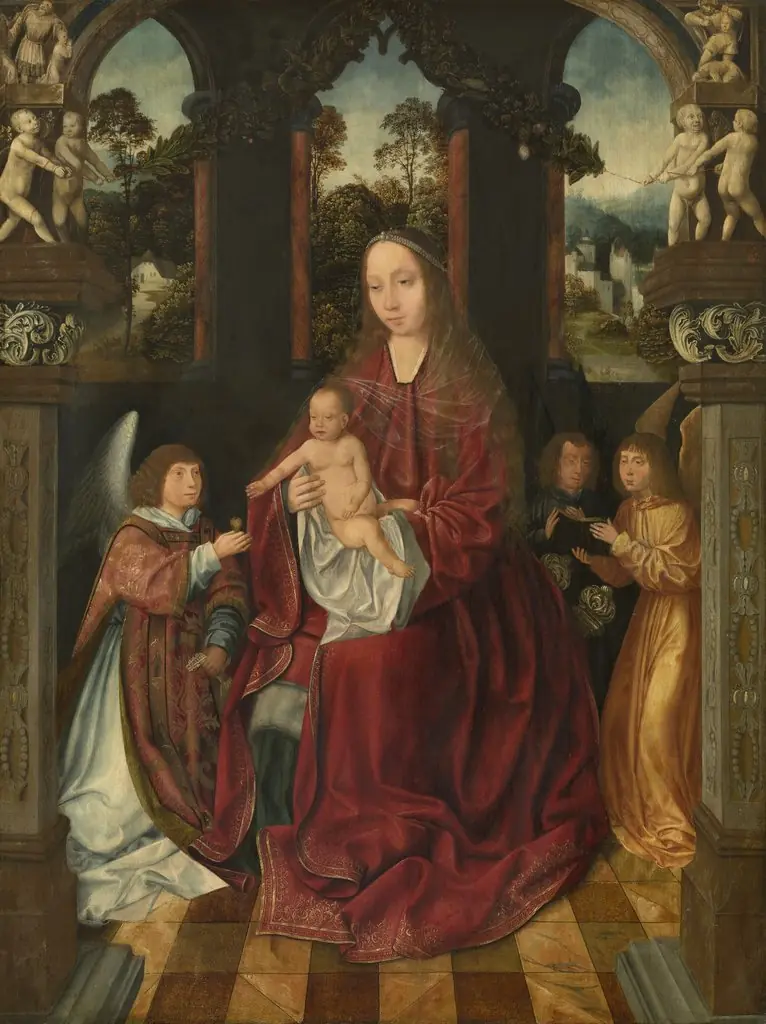 Madonna with Angels
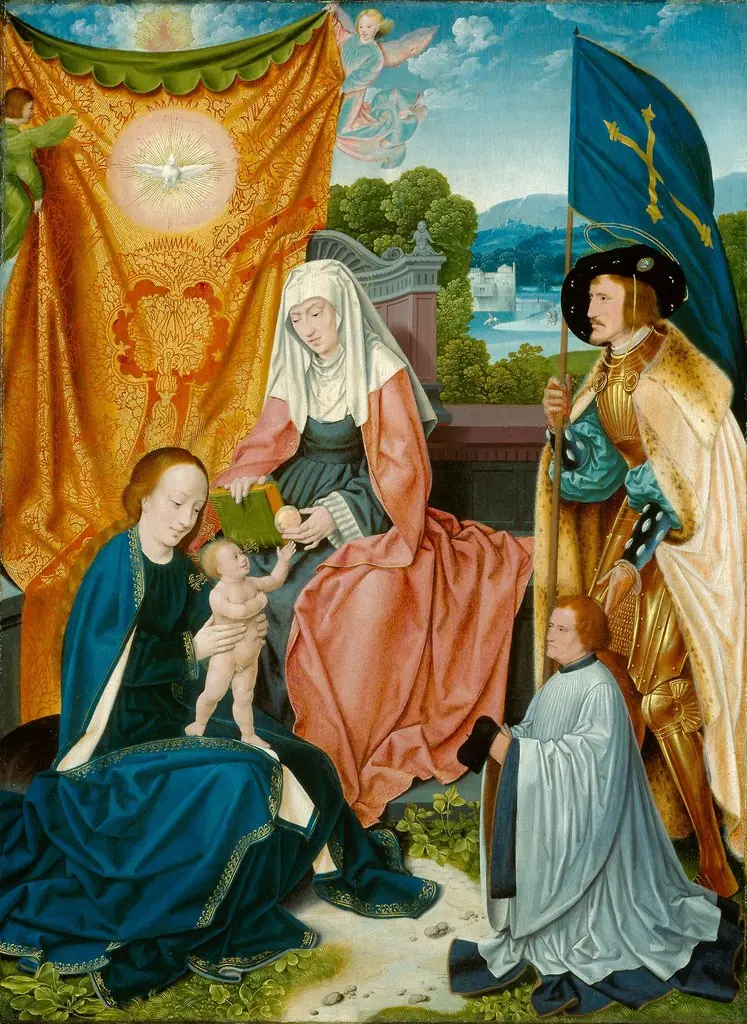 Virgin and Child with Saint Anne, Saint Gereon, and a Donor
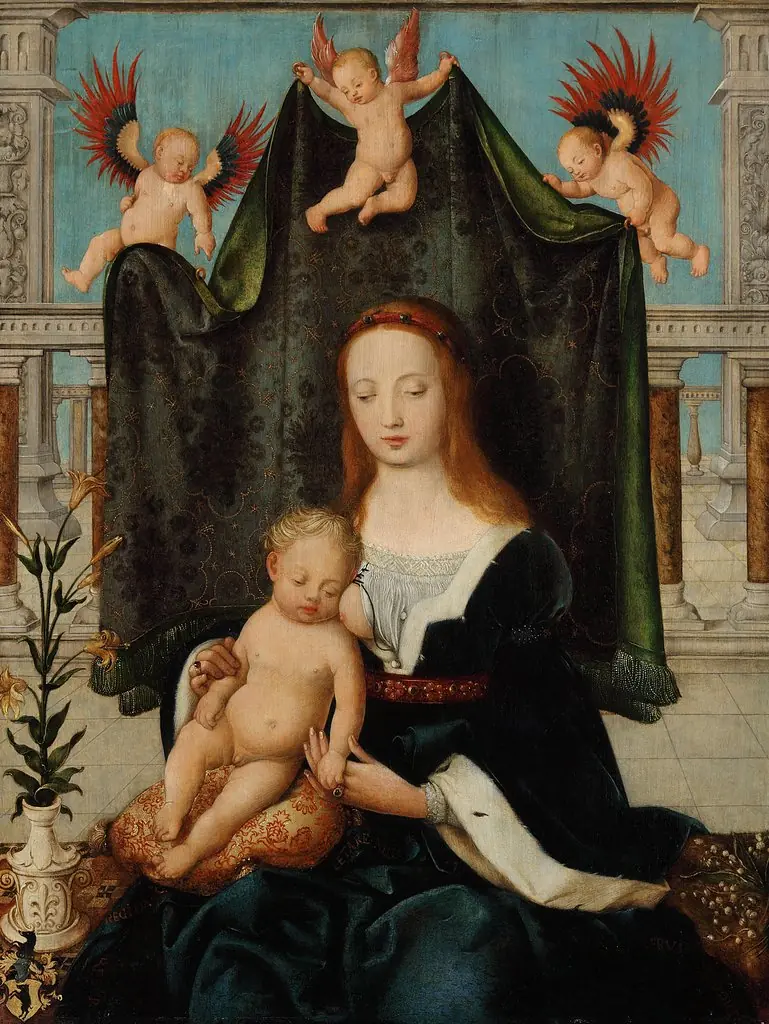 The Virgin and Sleeping Child