Artwork
Der Dorfbarbier
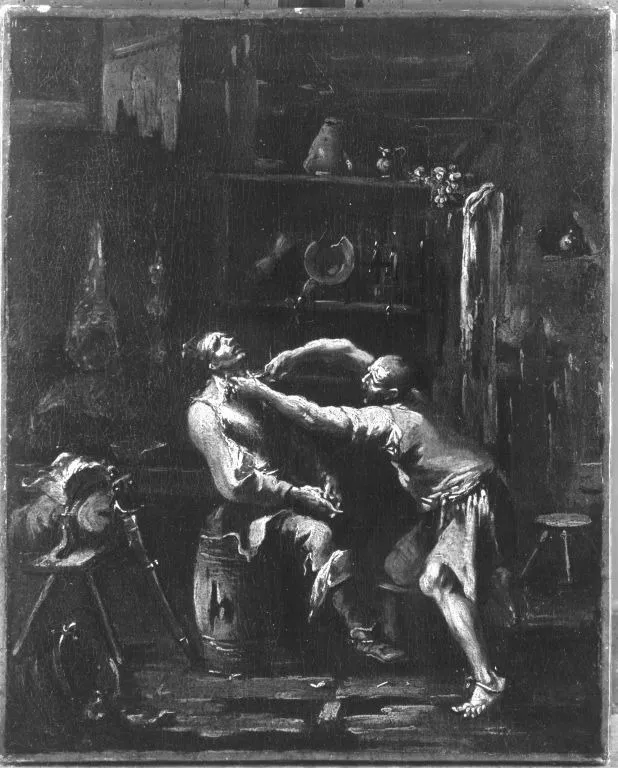
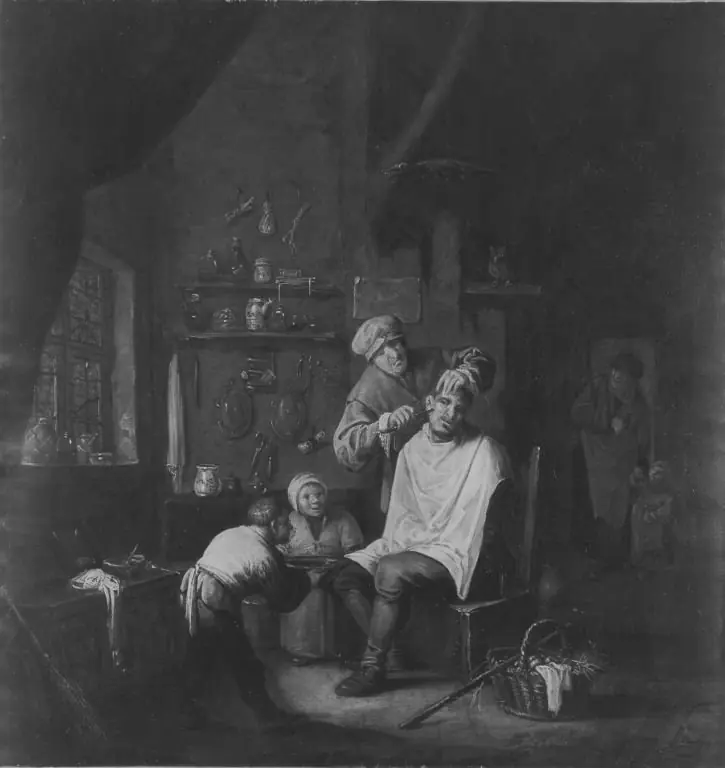
Der Dorfbarbier is an unspecified painting by the Early Baroque Italian artist Alessandro Magnasco. It dates from 1708 and is held in the collection of the Bavarian State Painting Collections.
About this work
Subject & Meaning
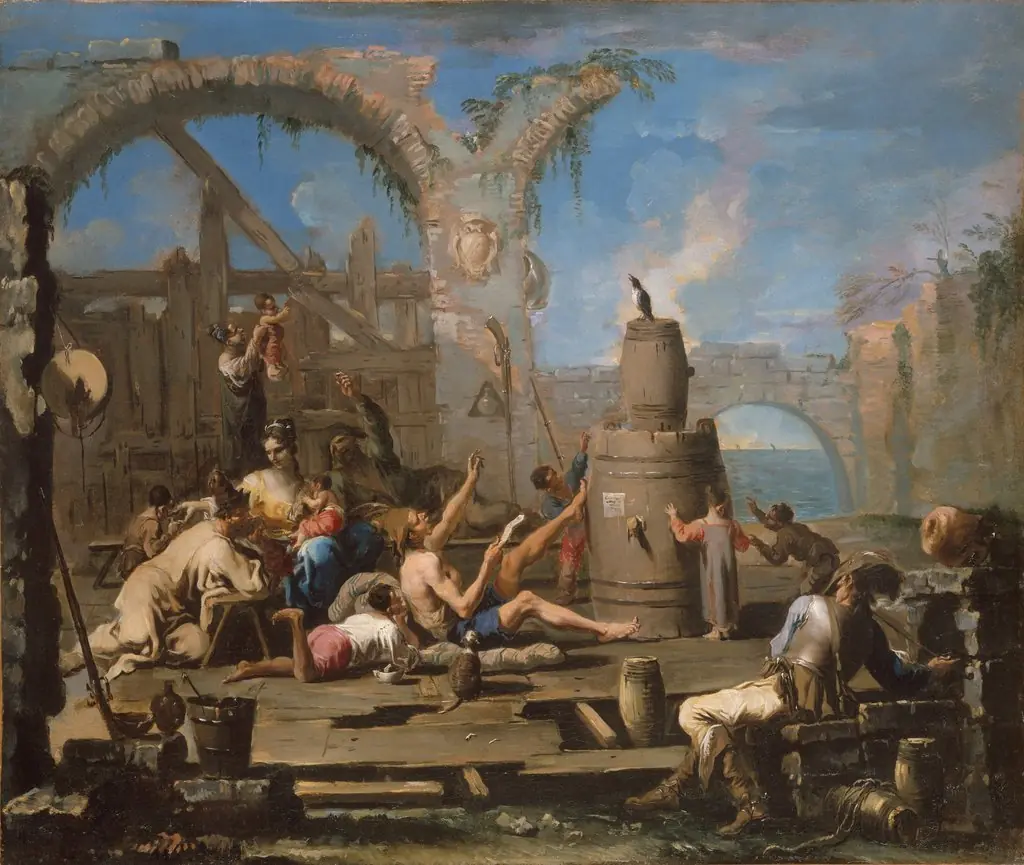
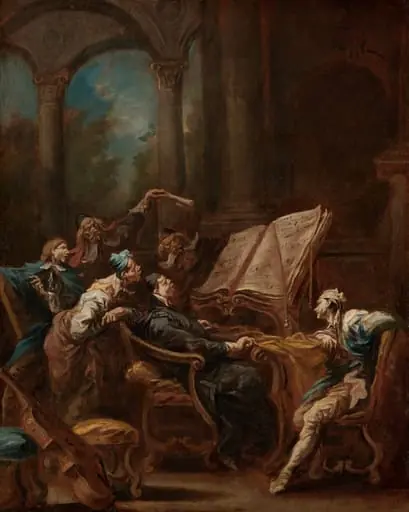
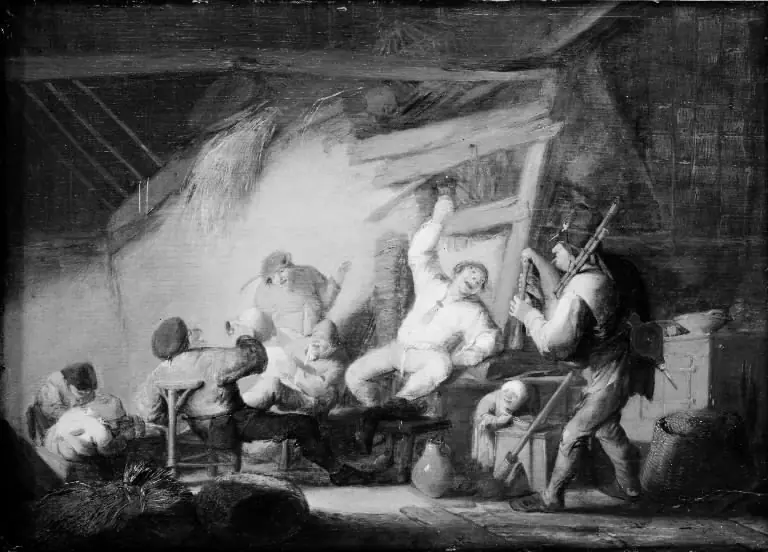
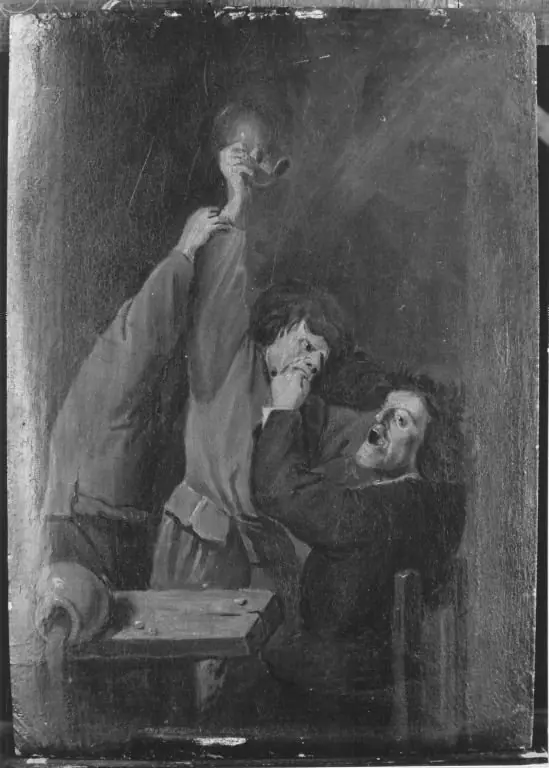
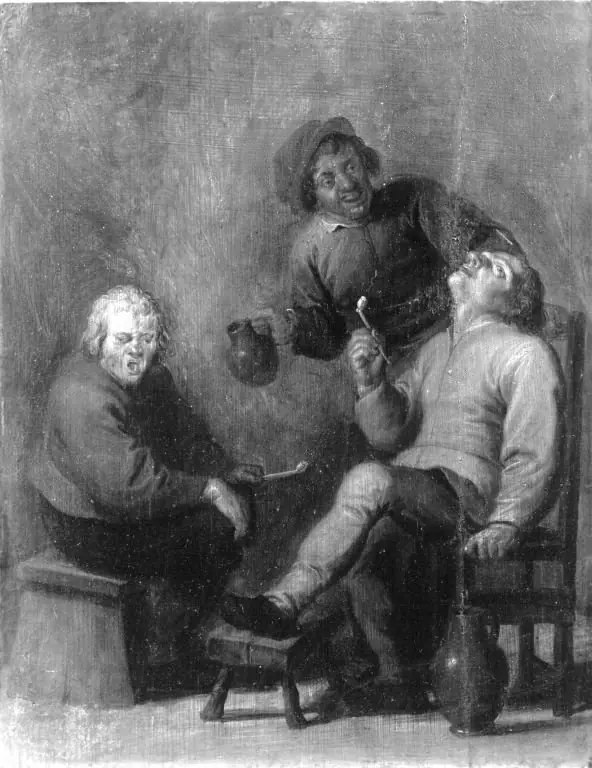
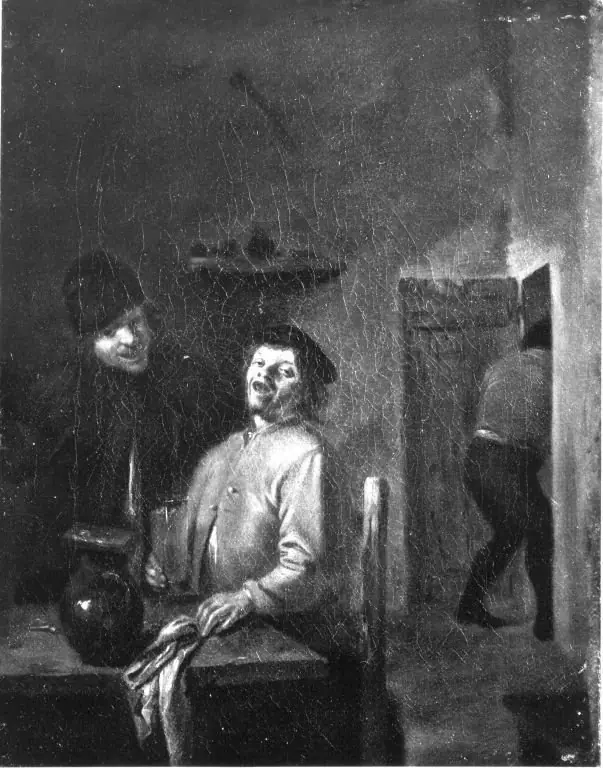
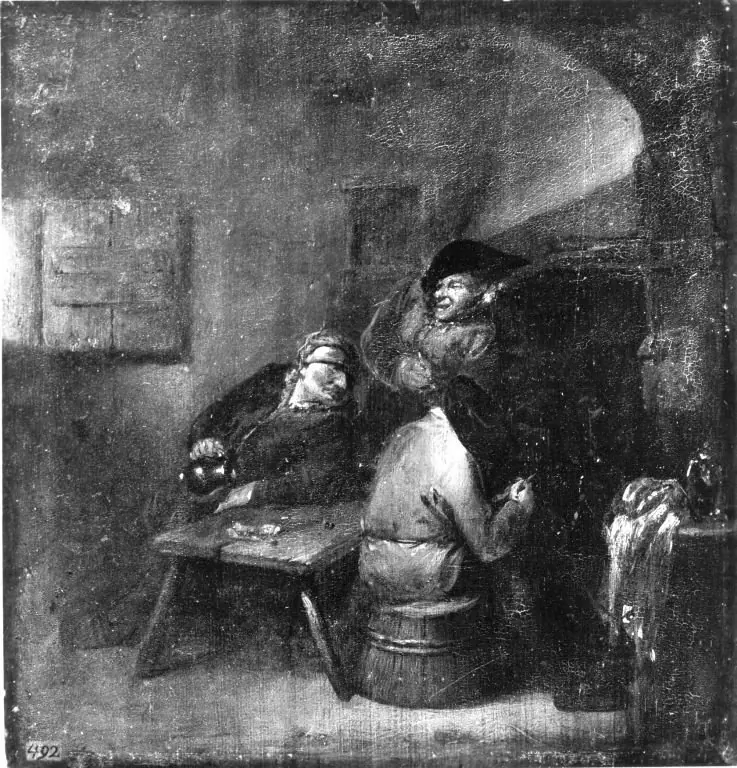
The painting shows a rural barber in the act of shaving a customer, a scene rendered with expressive brushwork that emphasizes the everyday, almost theatrical quality of the encounter. The barber’s stool and the tools of his trade serve as visual cues that identify his profession, while the informal setting underscores the social character of grooming in early 18th‑century Italy. Magnasco’s focus on this modest occupation reflects an interest in the lives of common people, using the act of shaving to comment on the fleeting nature of appearance and the routine rituals that bind community interactions.
The work therefore combines genre representation with a subtle critique of social transience, inviting viewers to consider the ordinary moments that shape communal identity.
History & Provenance
Alessandro Magnasco completed the painting Der Dorfbarbier in 1708. The work is currently held by the Bavarian State Painting Collections at the Alte Pinakothek. Specific details regarding the original commission or the intermediate ownership chain prior to its acquisition by the museum are not provided in the available records.
Context
Magnasco was known for his dramatic, expressive style within the Baroque tradition, often focusing on genre scenes with heightened emotional intensity.
Alessandro Magnasco painted Der Dorfbarbier in 1708, depicting a barber at work with a stool and tools. The work is housed in the Alte Pinakothek in Munich, part of the Bavarian State Painting Collections. Its dimensions are 37.3 cm in height and 30.5 cm in width.
Magnasco was known for his dramatic, expressive style within the Baroque tradition, often focusing on genre scenes with heightened emotional intensity. The painting exemplifies his interest in everyday moments rendered with a sense of immediacy and movement.
The work's reception and scholarly interpretation have emphasized its dynamic composition and the artist's departure from more conservative contemporaries, situating it within broader discussions of Northern Baroque painting and the evolution of genre subjects in the early 18th century.
Overview
Der Dorfbarbier is an oil painting by Alessandro Magnasco, nicknamed il Lissandrino, completed in 1708. The work belongs to the early Baroque period and is currently housed in the Alte Pinakothek in Munich. Magnasco was active mainly in Milan and Genoa, where he developed a distinctive approach to genre painting that distinguished him from contemporaries working in more conventional modes.
Technique & Style
Magnasco's handling relies on rapid, broken brushwork that energizes the surface and prevents the eye from settling into smooth finish. Light operates unevenly across the composition, plunging certain passages into deep shadow while allowing others to emerge with relative clarity. This dramatic tonal opposition, related to chiaroscuro, models form through contrast rather than contour.
The artist's characteristic fragmentation of figures and space produces a sense of restless motion even within a static image.
Artist & collection

Artist
Alessandro Magnasco (February 4, 1667 – March 12, 1749), also known as il Lissandrino, was an Italian late-Baroque painter active mostly in Milan and Genoa.