Artwork
Portrait of Laura Chigi
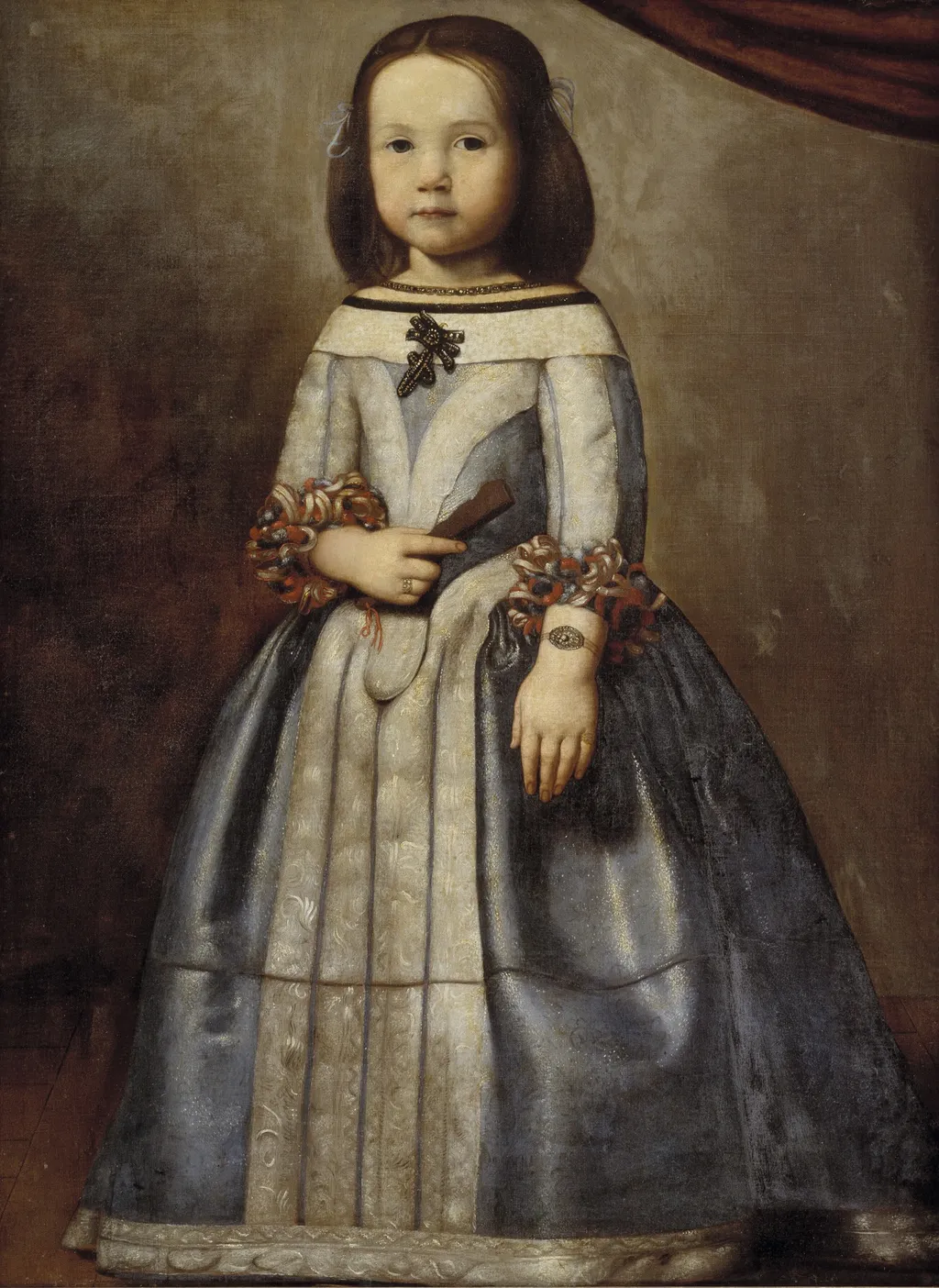
Portrait of Laura Chigi is an oil painting by the Early Baroque Italian artist Alessandro Mattia. It dates from 1662 and is held in the collection of the Statens Museum for Kunst.
About this work
History & Provenance
According to the available records, the work is part of the museum's holdings, with no further accession or inventory number specified in the sources.
The portrait depicting Laura Chigi was created in 1662 by the artist Alessandro Mattia. Executed in oil paint on canvas, the work dates specifically to that year according to available records. The painting is currently held in the collection of the Statens Museum for Kunst, where it remains part of the institution's holdings.
No further details regarding the original commission, intermediate ownership history, or specific circumstances of its creation are provided in the current sources.
The Portrait of Laura Chigi by Alessandro Mattia, painted in 1662, is held in the collection of the Statens Museum for Kunst in Denmark. According to the available records, the work is part of the museum's holdings, with no further accession or inventory number specified in the sources.
No exhibition history for the painting is documented in the provided sources.
Overview
Alessandro Mattia’s 1662 oil portrait presents Laura Chigi in a restrained, frontal stance. Rendered on a modestly sized canvas, the work is part of the collection of Denmark’s Statens Museum for Kunst. The composition isolates the sitter against a dark, unadorned backdrop, directing the viewer’s focus to her attire, hands, and expression.
Subject & Meaning
The painting portrays Laura Chigi, a young woman of the prominent Chigi family, holding a small book in her left hand, a possible reference to education or piety. Her calm demeanor, slight smile, and composed gaze convey a sense of cultivated poise, reflecting the social expectations placed upon women of her status in mid‑17th‑century Italy.
Technique & Style
Mattia employs a chiaroscuro scheme, contrasting the illuminated figure with the deep surrounding darkness to model volume and create spatial depth. The artist’s handling of oil paint is meticulous, evident in the rendering of fabric folds, the sheen of the dark collar and cuffs, and the delicate rendering of the sitter’s hands and jewelry.
Context
The work belongs to a broader tradition of Baroque portraiture in which artists emphasized realism, psychological presence, and the interplay of light and shadow. Mattia’s approach aligns with contemporaneous practices in Rome and Florence, where portraiture served both as a record of lineage and as a visual affirmation of the sitter’s virtue and education.
Own this work as a print
Artist & collection

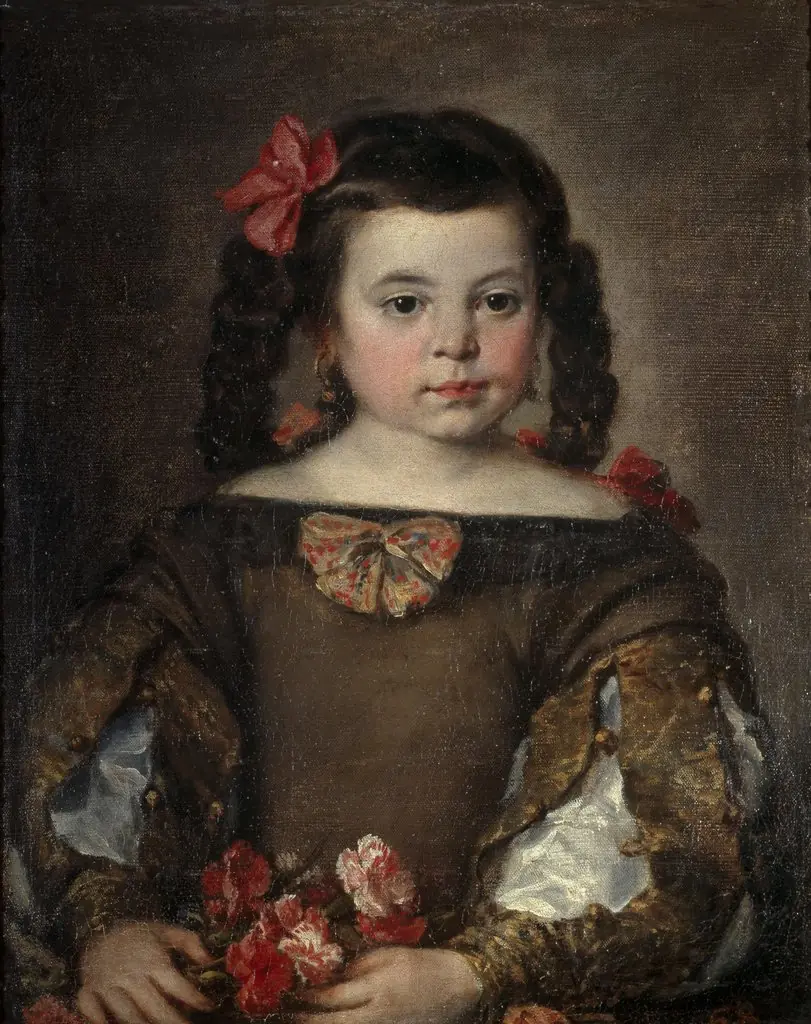 Portrait of a Young Girl
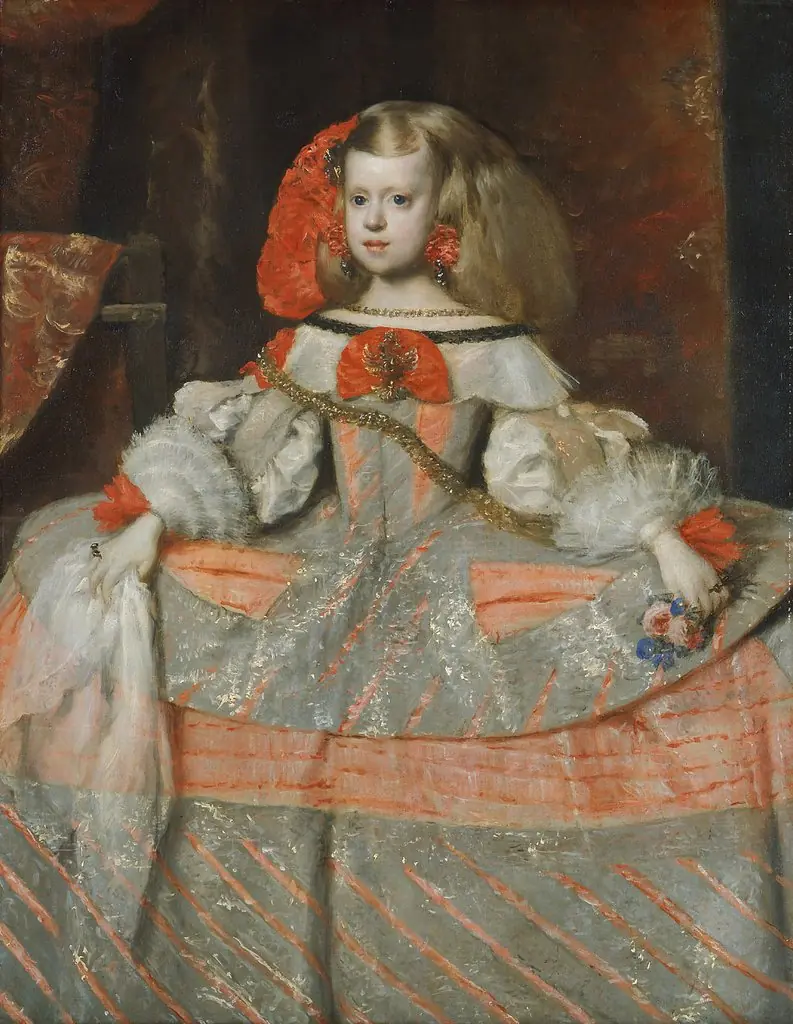 Infanta Margarita Teresa (1651-1673)
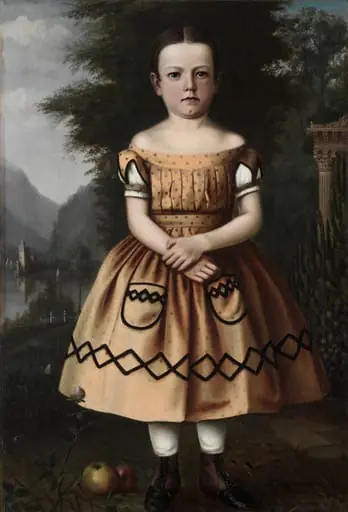 Minnie Willard
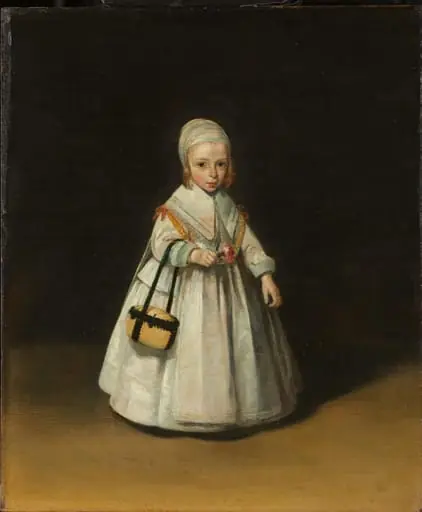 Helena van der Schalcke
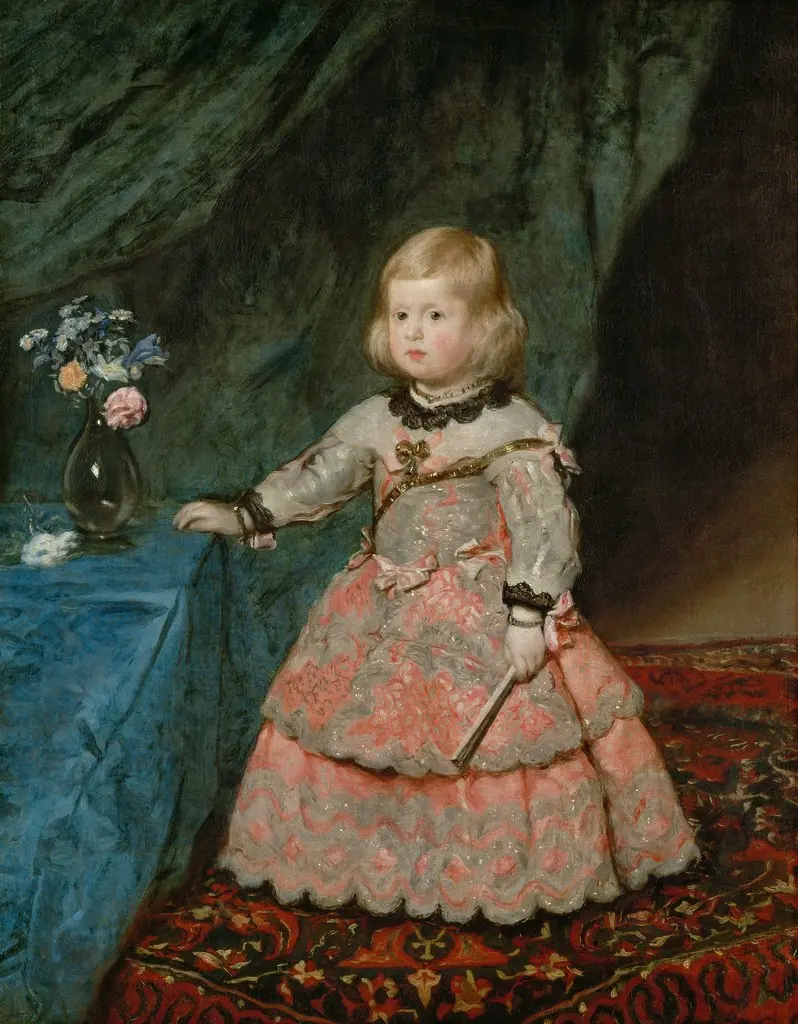 Infanta Margarita Teresa
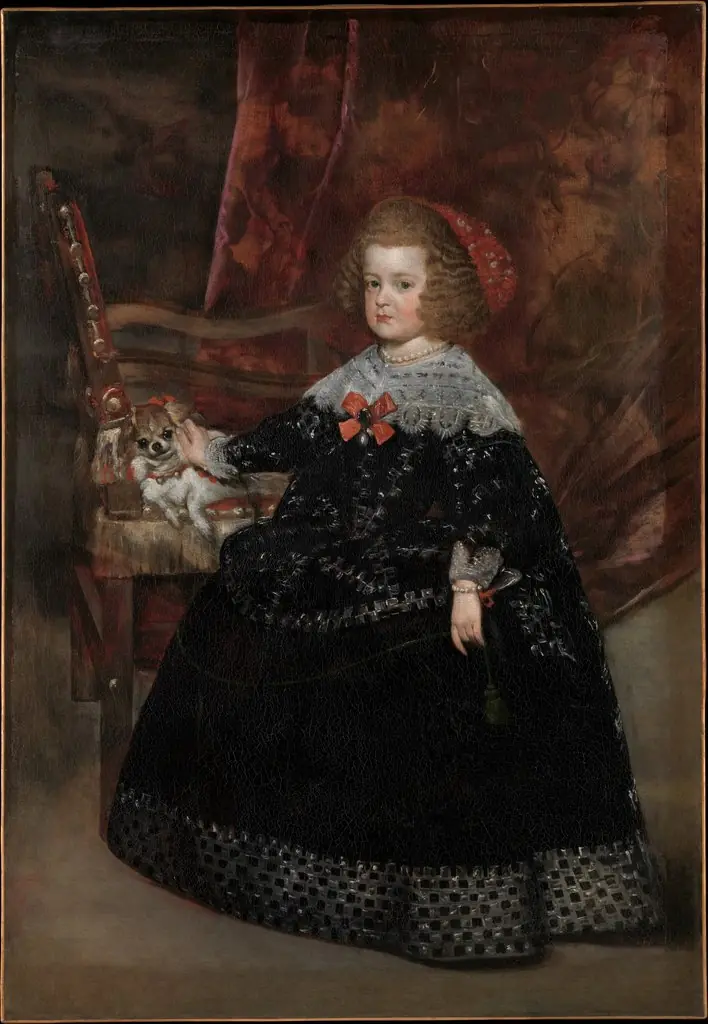 María Teresa (1638–1683), Infanta of Spain
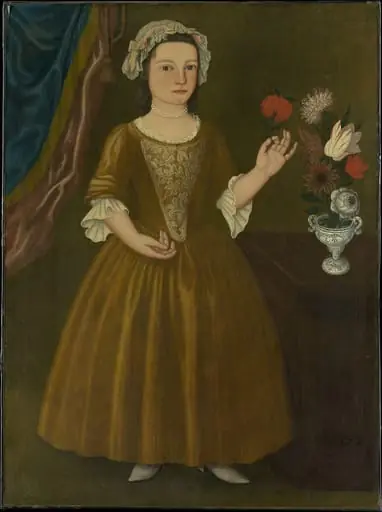 Catherina Elmendorf
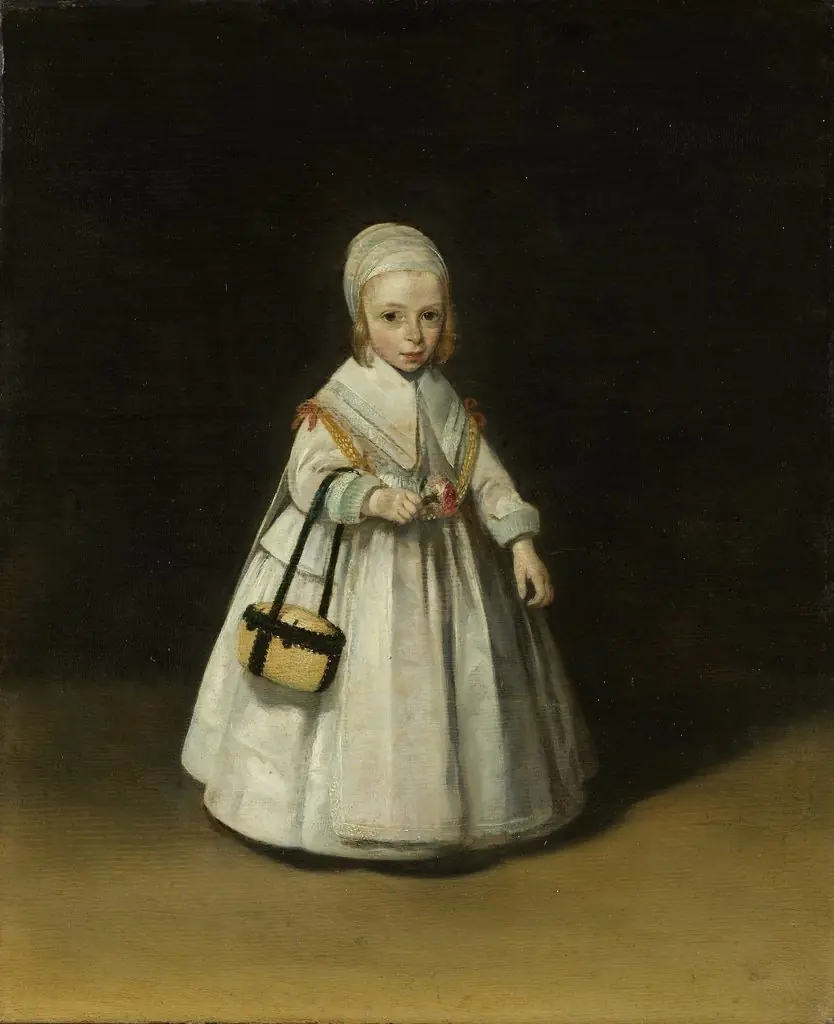 Portrait of Helena van der Schalcke
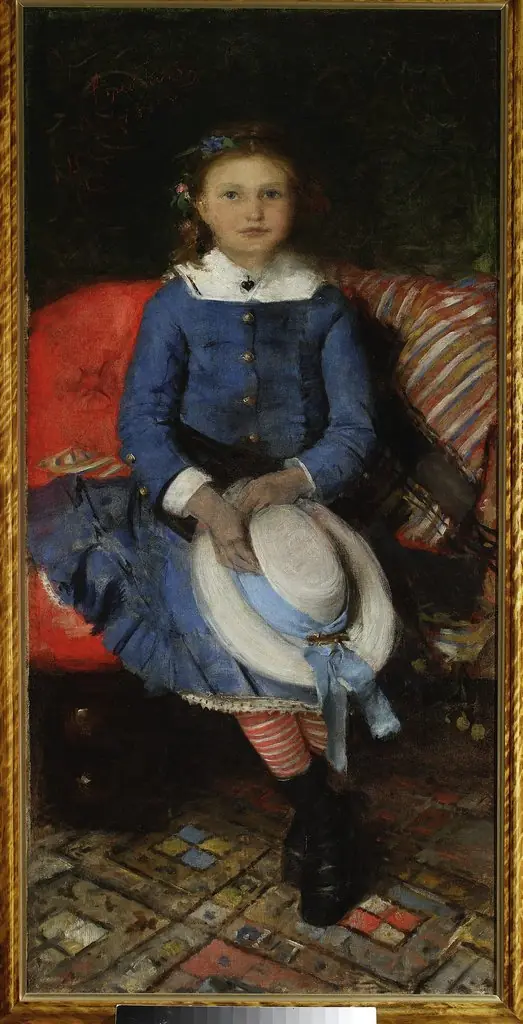 Portrait of the artist’s sister
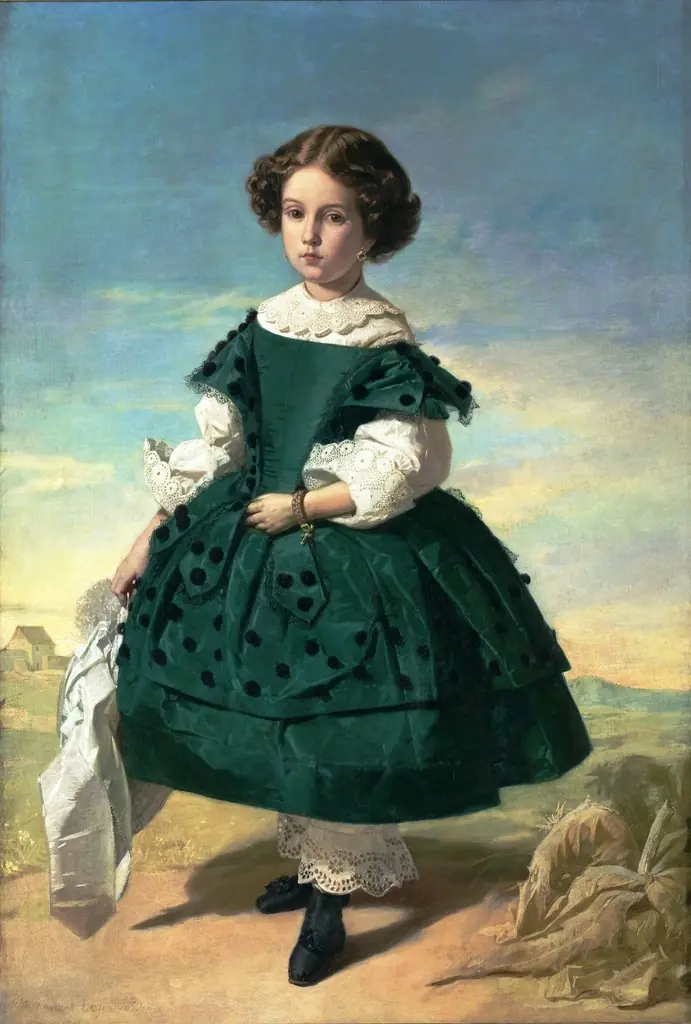 Portrait of a girl
 Mary Cabot Wheelwright
- Portrait of Laura Chigi