Artwork
Kreuzabnahme
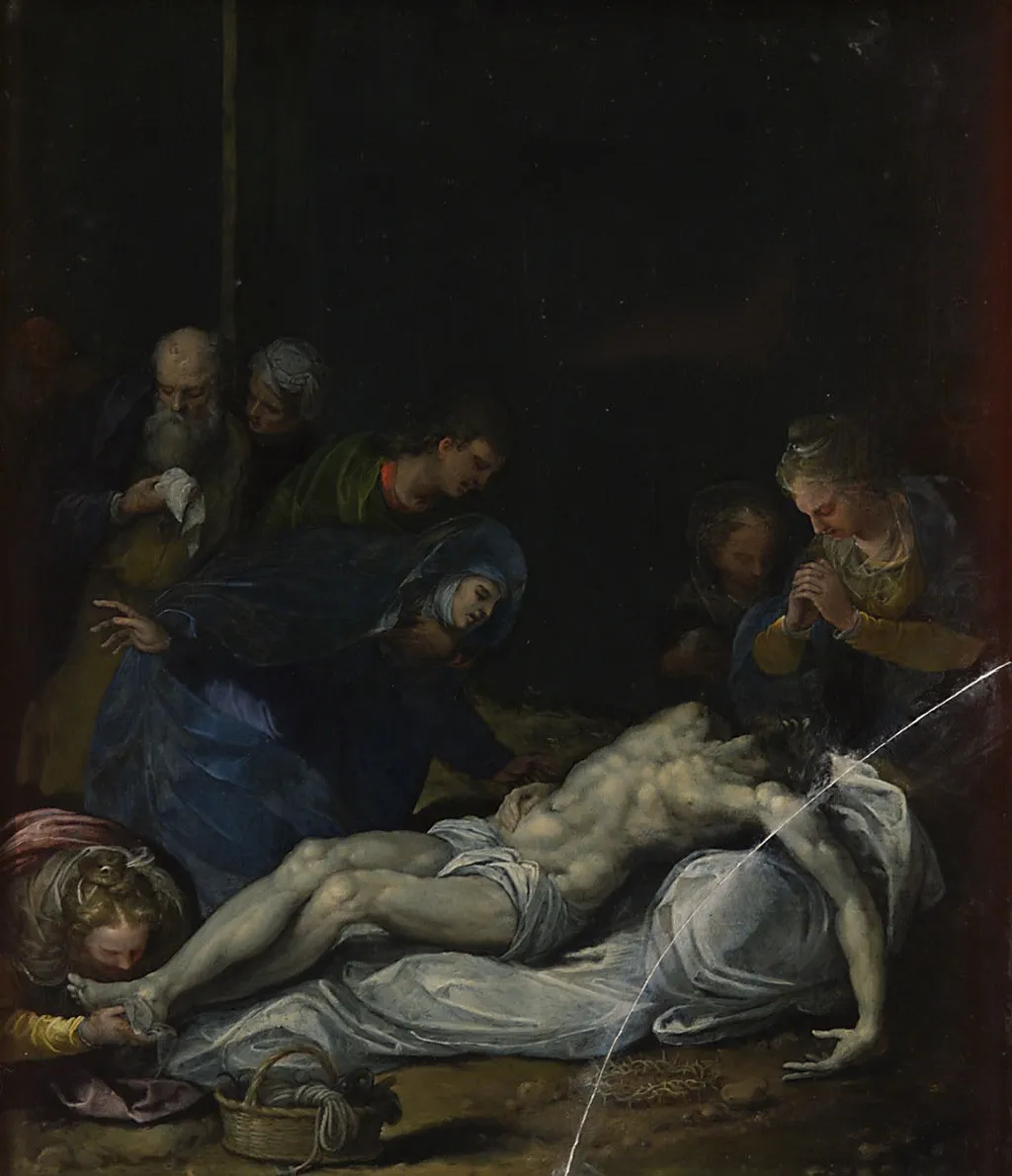
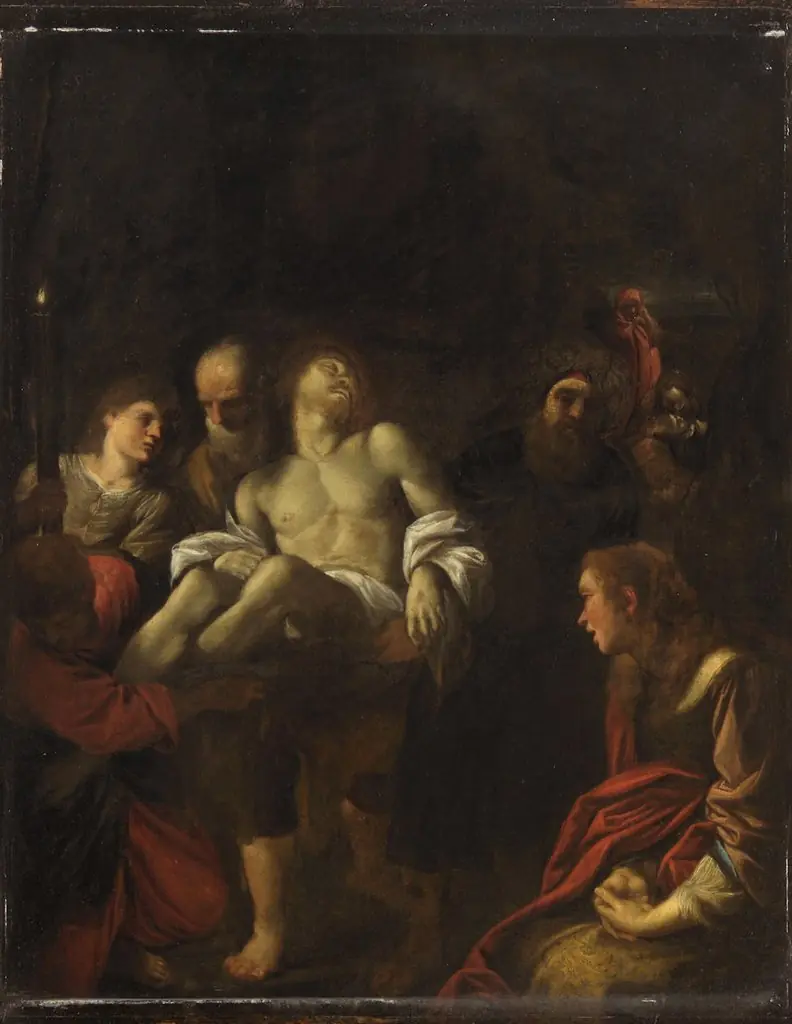
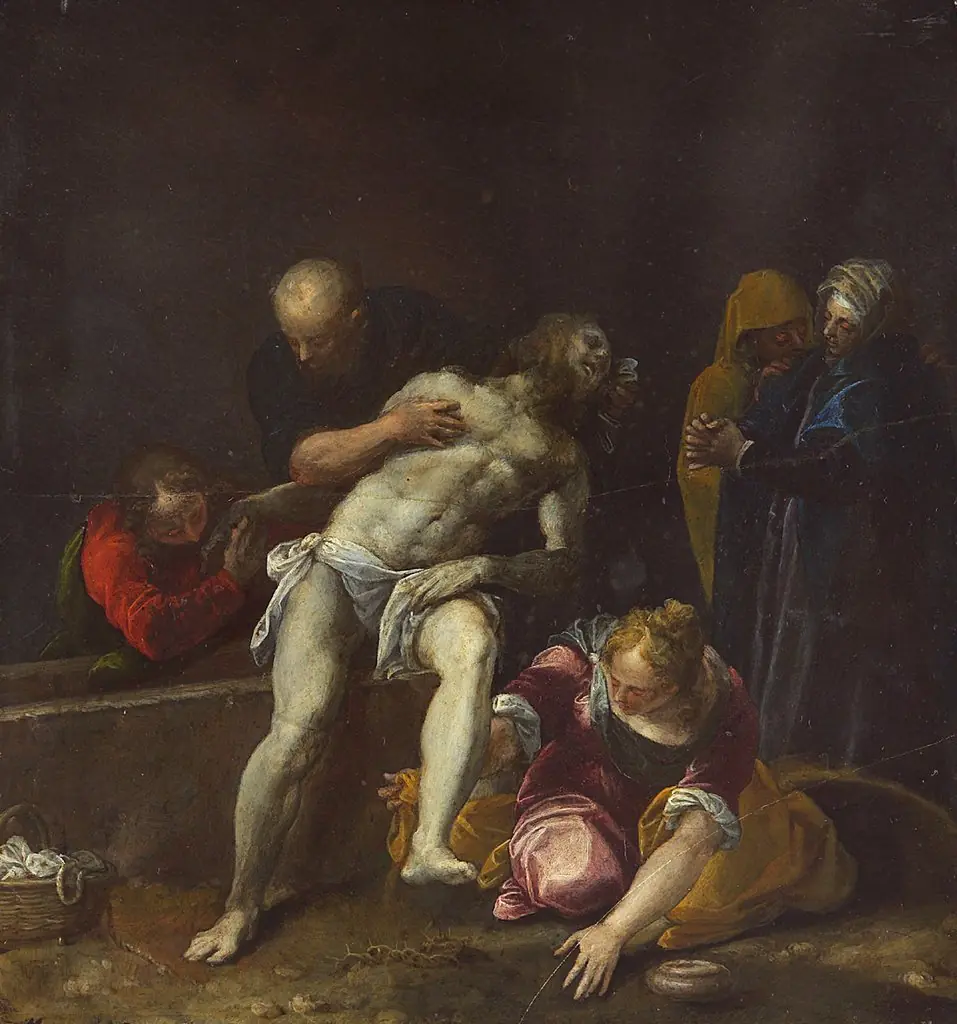
Kreuzabnahme is an unspecified painting by the Early Baroque Italian artist Alessandro Turchi. It dates from 1610 and is held in the collection of the Kunsthistorisches Museum.
About this work
Subject & Meaning
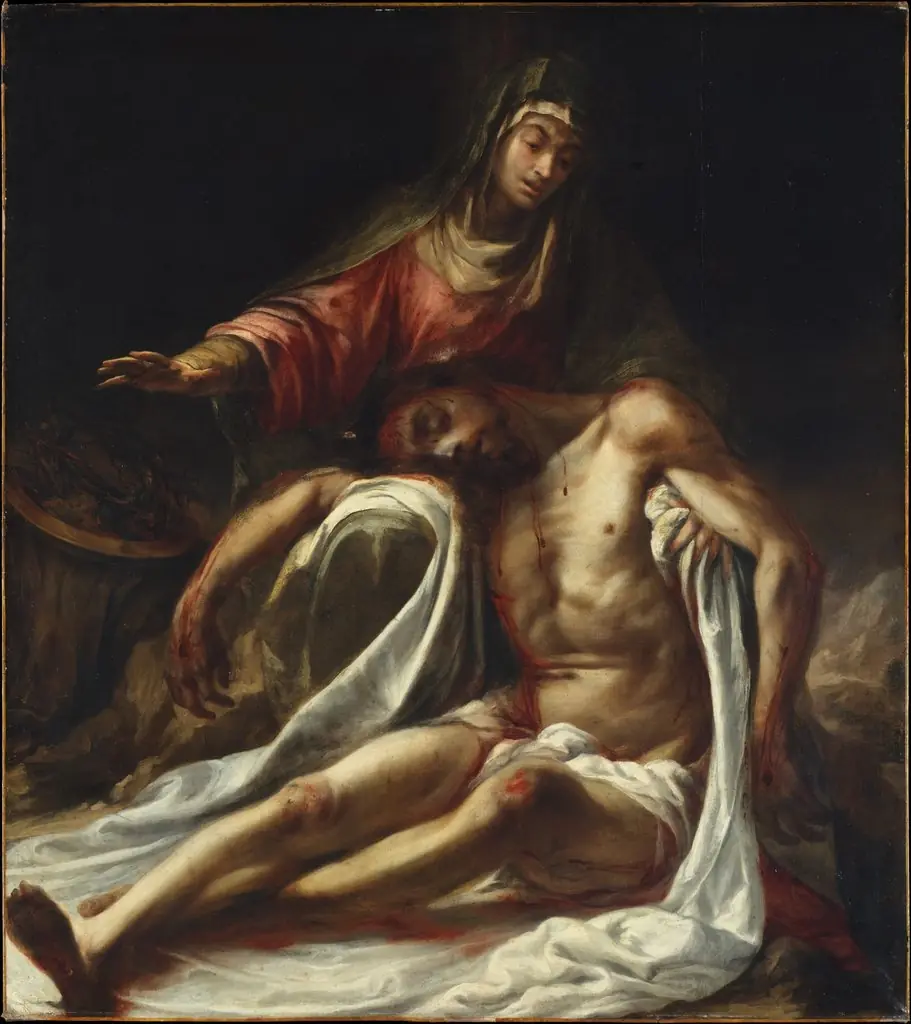
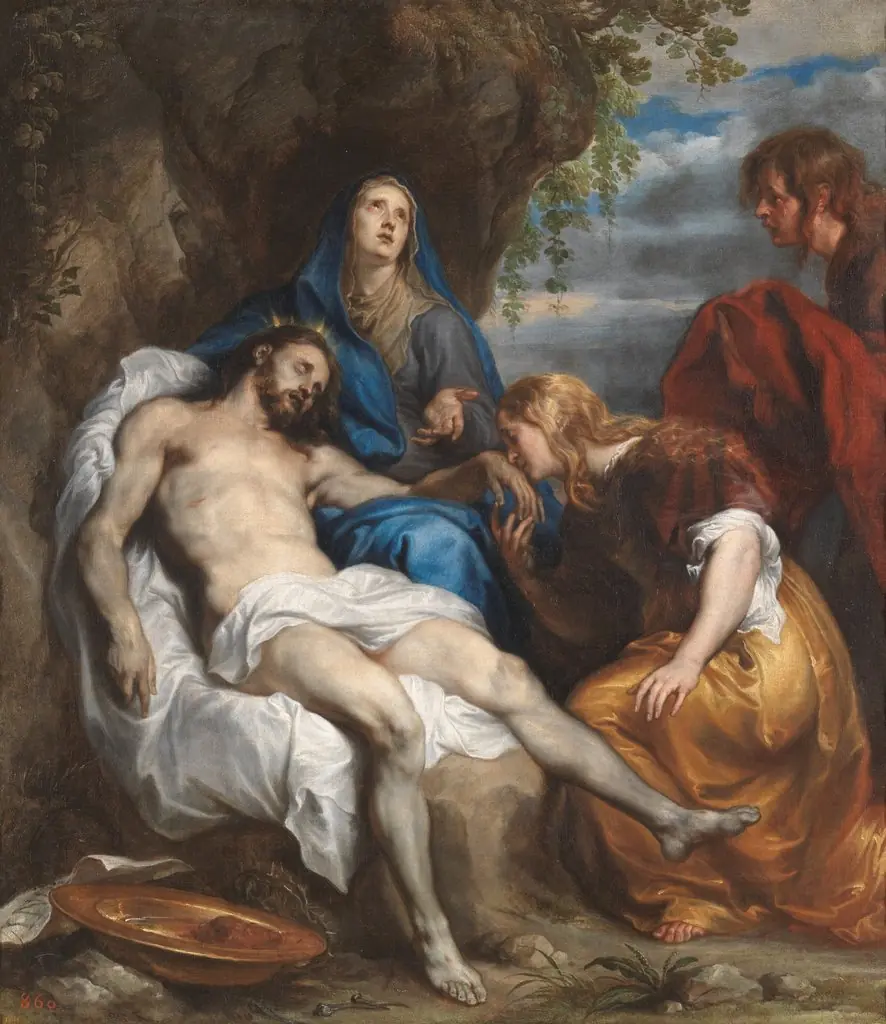
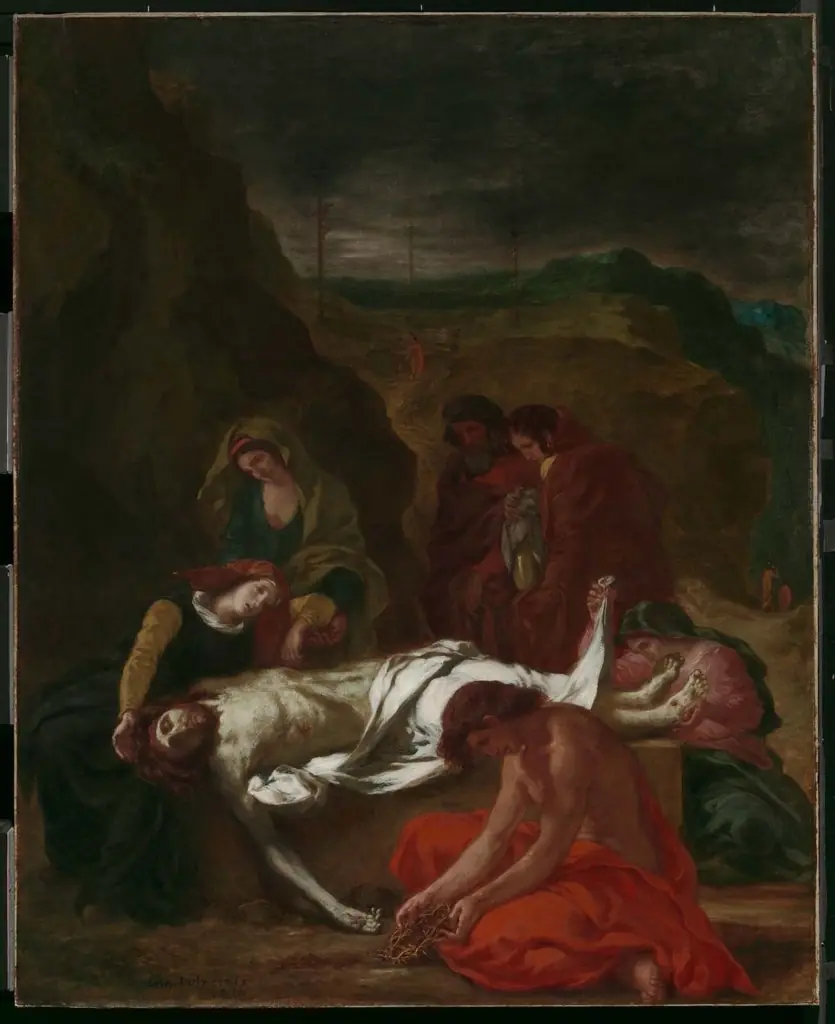
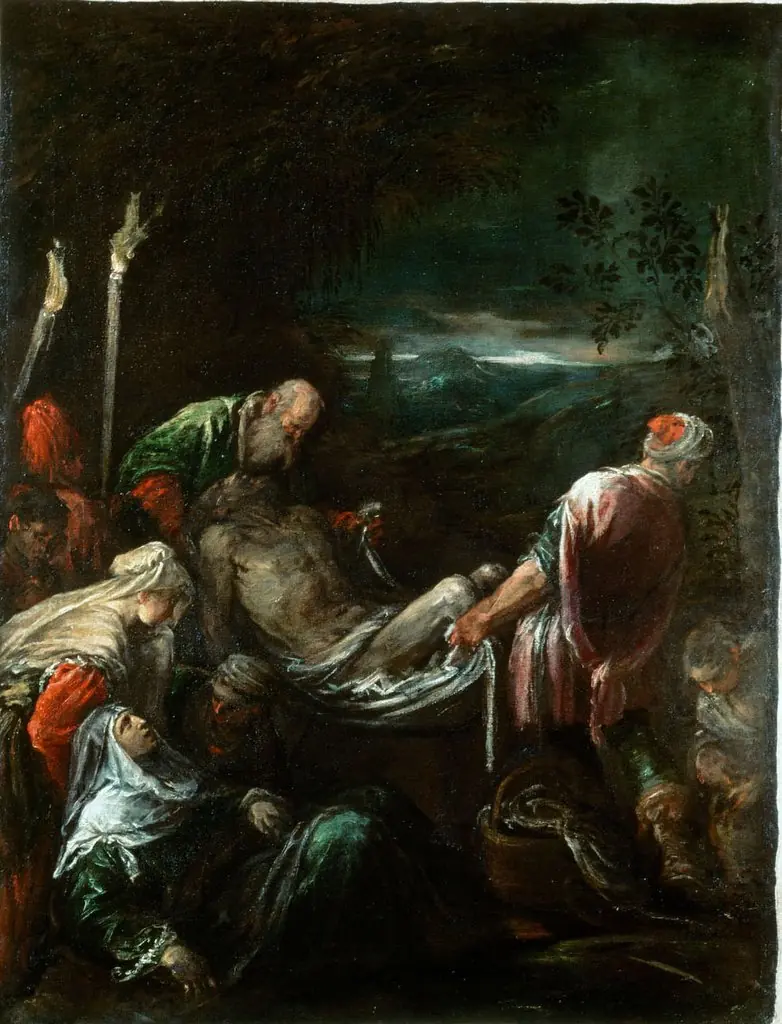
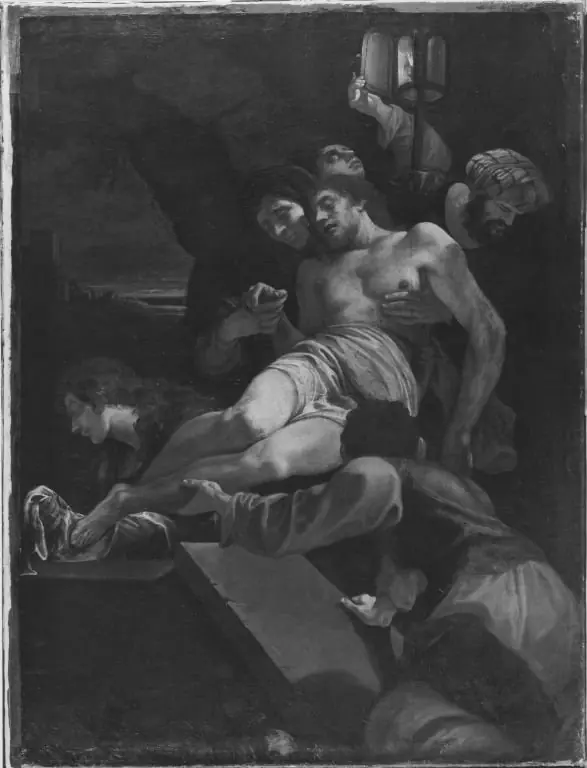
The painting portrays the Descent from the Cross, a pivotal moment in the Passion narrative where Christ’s body is lowered from the crucifix after his death. This subject emphasizes the physical and spiritual gravity of the sacrifice, reflecting the devotional focus on Christ’s humanity and redemptive suffering in early‑17th‑century religious art.
History & Provenance
The painting Kreuzabnahme (Descent from the Cross) was created by Alessandro Turchi, also known as L'Orbetto, in 1610.
The painting Kreuzabnahme (Descent from the Cross) was created by Alessandro Turchi, also known as L'Orbetto, in 1610. This religious work depicts the removal of Jesus Christ from the cross and measures 41 cm in height by 35 cm in width. The artwork is currently held in the collection of the Kunsthistorisches Museum.
No further details regarding the original commission, specific patron, or the intermediate ownership chain prior to its presence in the museum are provided in the available records.
Overview
Alessandro Turchi’s Kreuzabnahme, executed in 1610, belongs to the early Baroque period. The work, now part of the Kunsthistorisches Museum’s holdings, portrays the biblical scene of the Descent from the Cross, a subject frequently treated by artists of the era.
Technique & Style
Turchi employs a pronounced chiaroscuro, casting deep shadows that isolate the figures against a dark backdrop. The handling of light highlights the flesh and drapery, creating a tactile sense of texture. His approach merges a gentle modeling of forms with the dramatic tenebrism associated with Caravaggio, reflecting the transitional aesthetics of early 17th‑century Italian painting.
Context
The painting was created at a time when the Counter‑Reformation encouraged emotionally resonant depictions of Christ’s passion. Turchi’s synthesis of softness and Caravaggesque starkness aligns with contemporary efforts to engage viewers through both devotional intimacy and visual drama.
Artist & collection
Artist
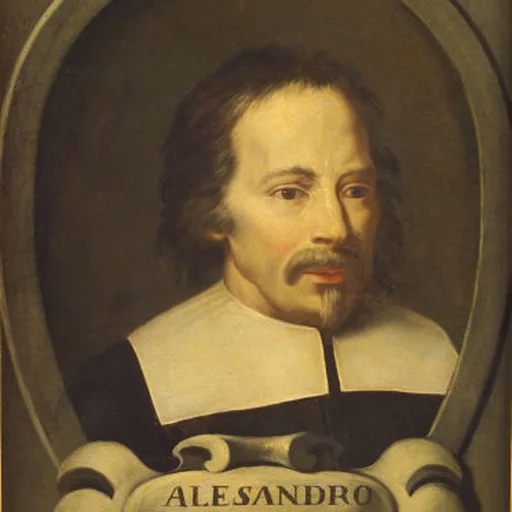
Alessandro Turchi (1578 – 22 January 1649) was an Italian painter of the early Baroque, born and active mainly in Verona, and moving late in life to Rome.