Artwork
The Pietà
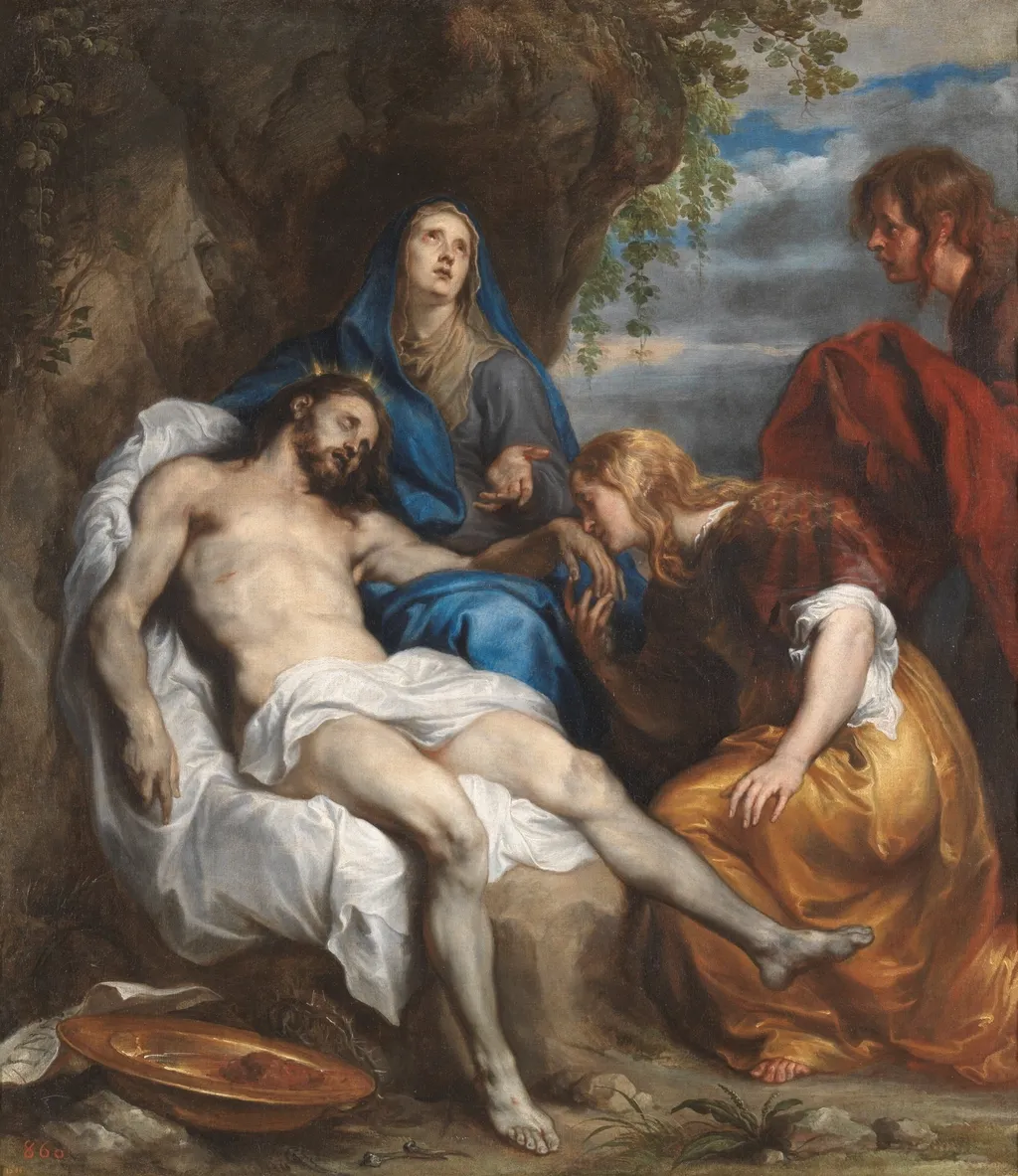
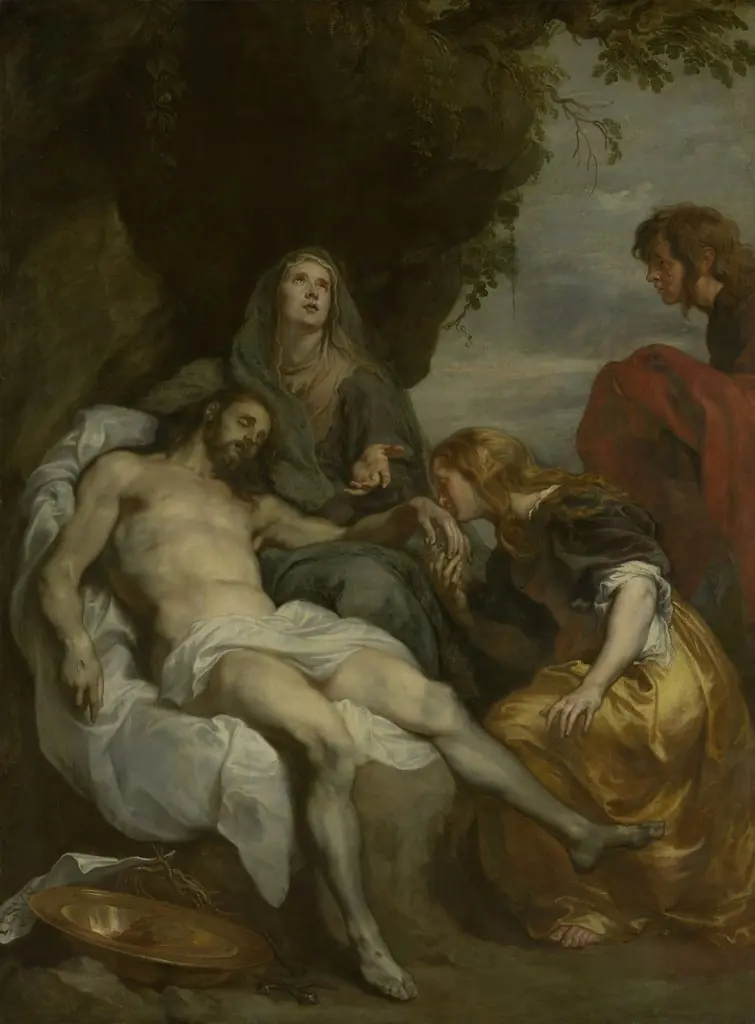
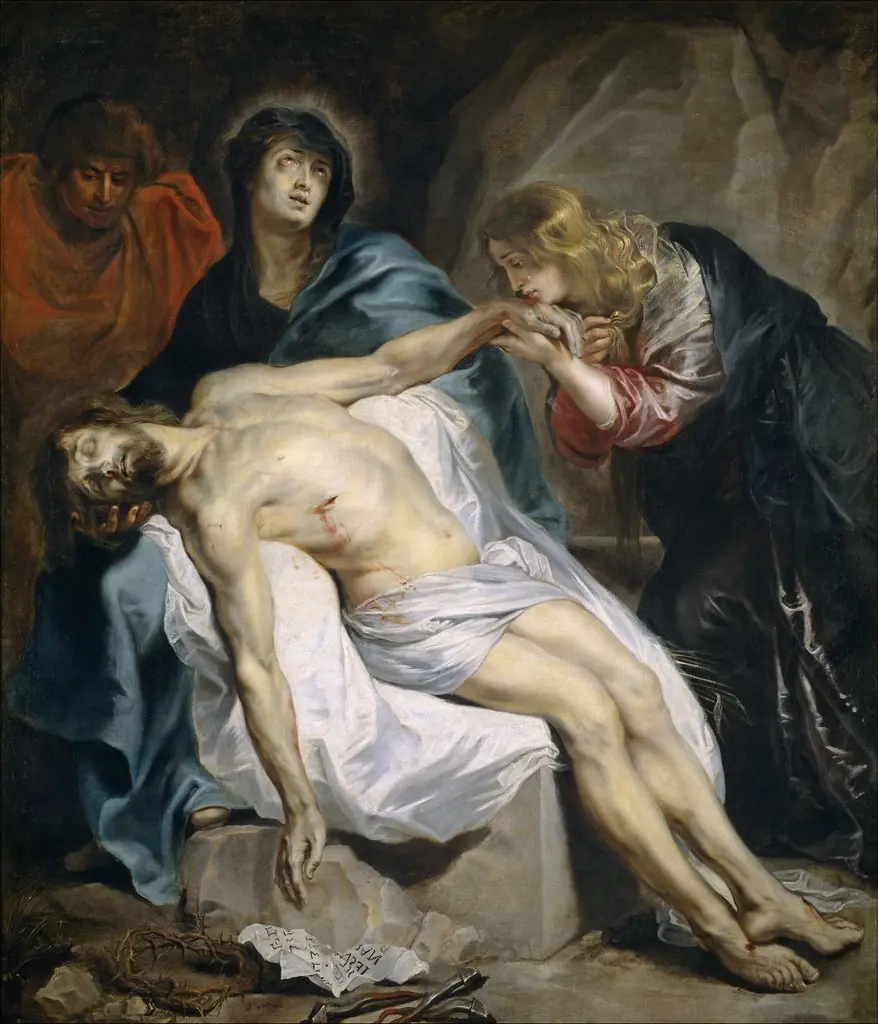
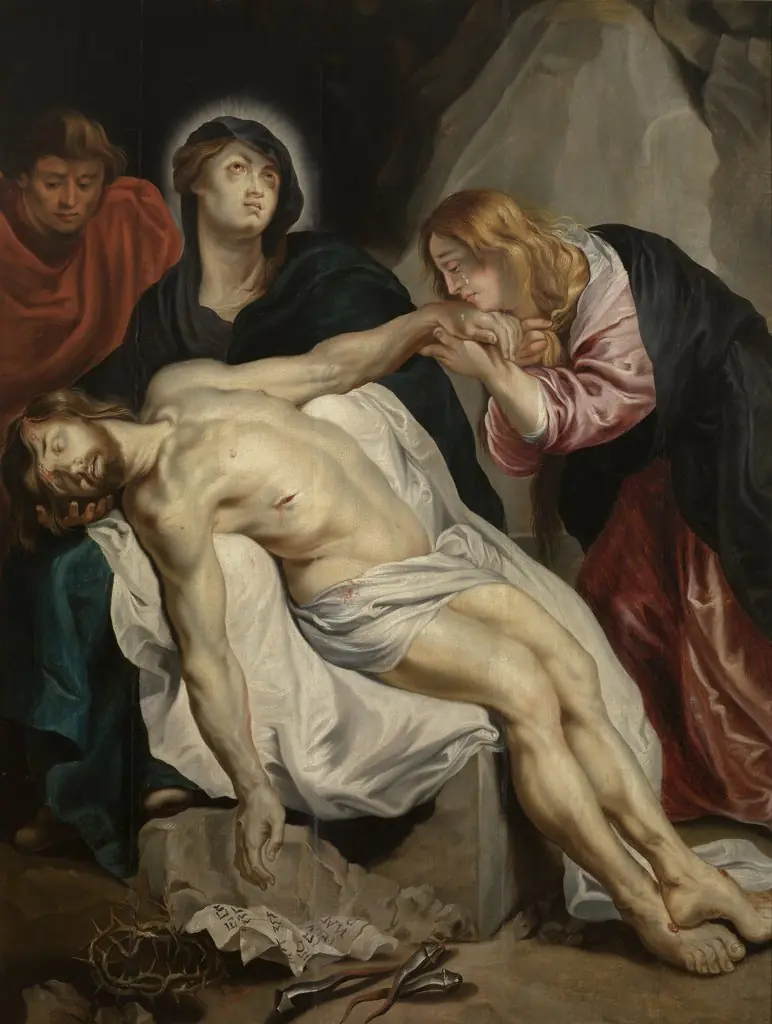
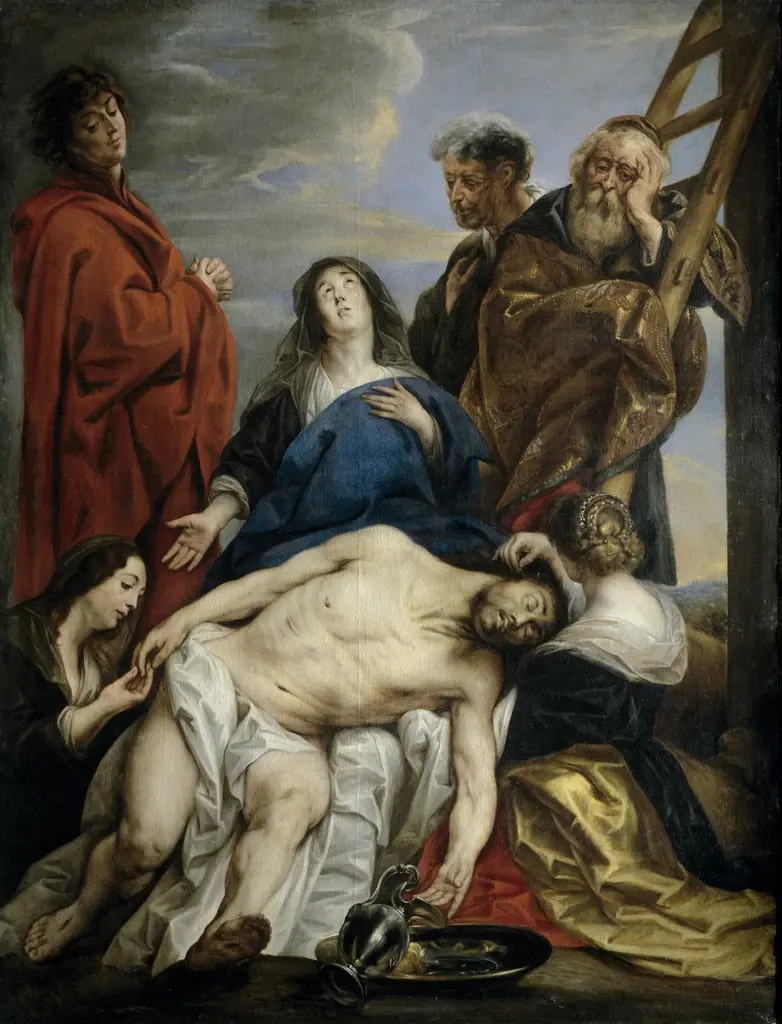
The Pietà is an oil painting by the Flemish Baroque painting artist Anthony van Dyck. It dates from 1629 and is held in the collection of the Museo del Prado.
About this work
Subject & Meaning
The work’s symbolism emphasizes the humanity of Christ’s suffering and the compassion of Mary, reflecting Counter‑Reformation ideals of emotional engagement.
The subject of The Pietà is a devotional representation of the Virgin Mary cradling the dead Christ, embodying themes of sacrifice and maternal grief within Catholic iconography. The work’s symbolism emphasizes the humanity of Christ’s suffering and the compassion of Mary, reflecting Counter‑Reformation ideals of emotional engagement. Executed in oil on canvas in 1629, the painting measures 114 cm by 100 cm and was originally owned by Ferdinand VII before entering the collection of the Museo del Prado, where it remains on display in the Royal Palace.
The composition draws on traditional Pietà iconography while adapting it to a more intimate, naturalistic style characteristic of van Dyck’s mature period, reinforcing the narrative of compassionate redemption.
Technique & Style
Anthony van Dyck executed The Pietà in 1629 in oil on canvas, measuring 114 by 100 cm. The work belongs to the religious genre, depicting Jesus Christ in the traditional Pietà subject.
The painting's handling and formal qualities must be inferred from its medium and period context: oil on canvas allowed van Dyck the flexibility to achieve the rich coloration and nuanced modeling characteristic of his Flemish Baroque style. The relatively modest dimensions suggest an intimate devotional function rather than monumental altarpiece display. No specific information about the painting's current condition or conservation history is provided in the available sources.
History & Provenance
Anthony van Dyck created the oil-on-canvas painting known as The Pietà in 1629. The work, which measures 114 by 100 centimeters, depicts Jesus Christ within a religious context. By the early 19th century, the painting was in the possession of Ferdinand VII of Spain.
It is currently held in the collection of the Museo del Prado, located within the Royal Palace of Madrid.
The creation of this piece occurred during the artist's active period in the 1620s, specifically dated to the year 1629. The work remains a significant example of van Dyck's religious output from that decade.
The Pietà by Anthony van Dyck is held in the collection of the Museo del Prado in Madrid. The work, created in 1629, was historically owned by Ferdinand VII of Spain. While the painting is part of the museum's permanent holdings, the provided records do not list a specific inventory number or detail any temporary exhibition history for this piece.
Overview
The Pietà is a 1629 oil painting by Anthony van Dyck, a prominent Flemish Baroque artist. It is part of the Museo del Prado's collection in Madrid.
Own this work as a print
Artist & collection
Artist
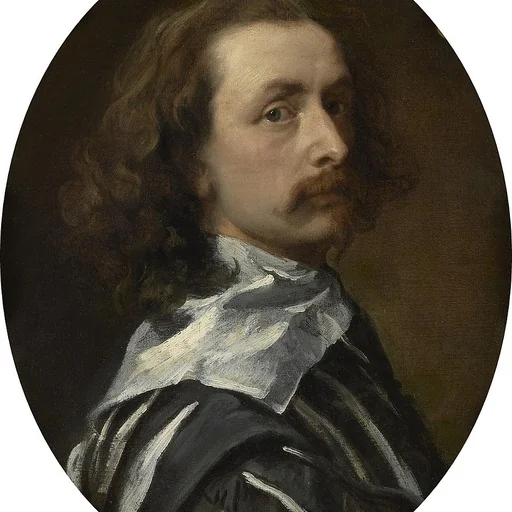
Sir Anthony van Dyck (; Dutch: Antoon van Dijck; 22 March 1599 – 9 December 1641) was a Flemish Baroque artist, who became the leading court painter in England after success in the Spanish Netherlands and Italy.