Artwork
The Lamentation
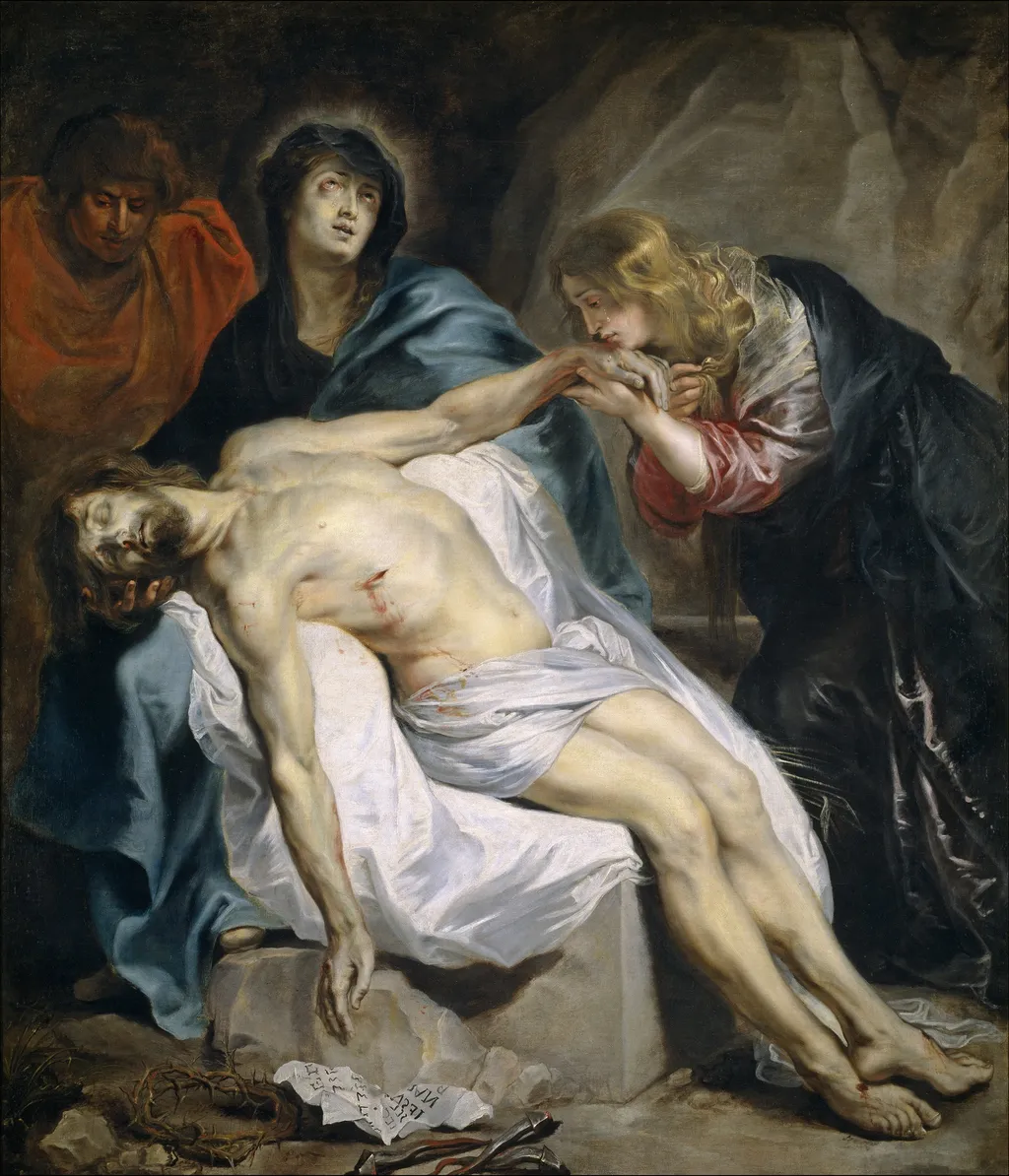
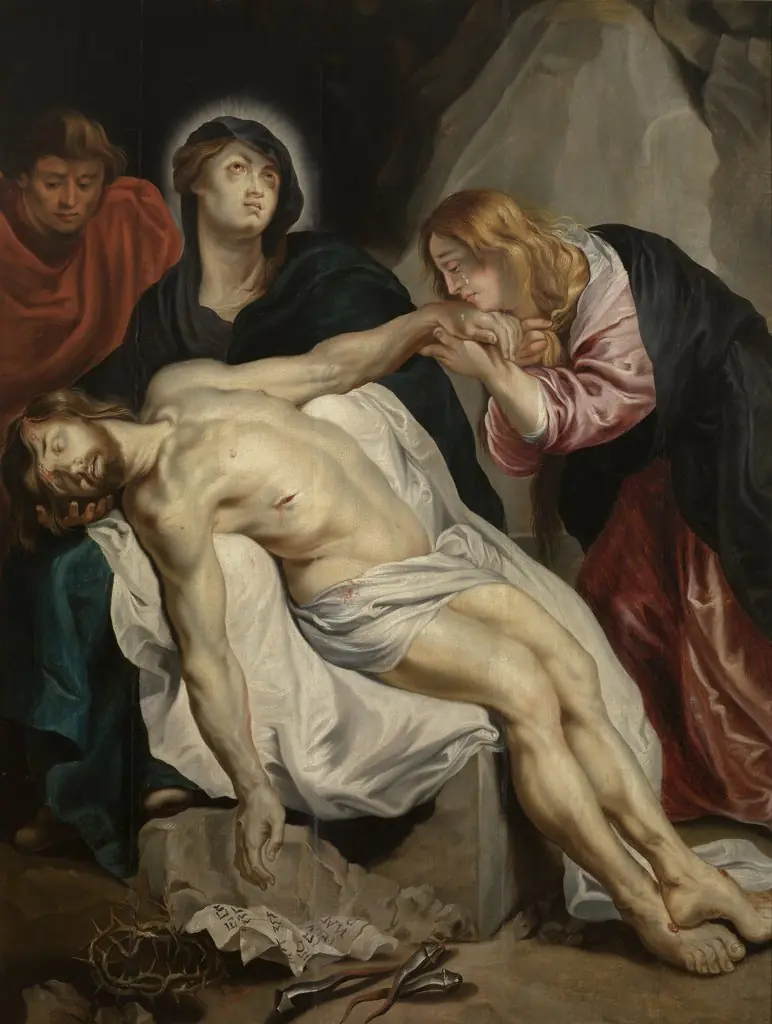
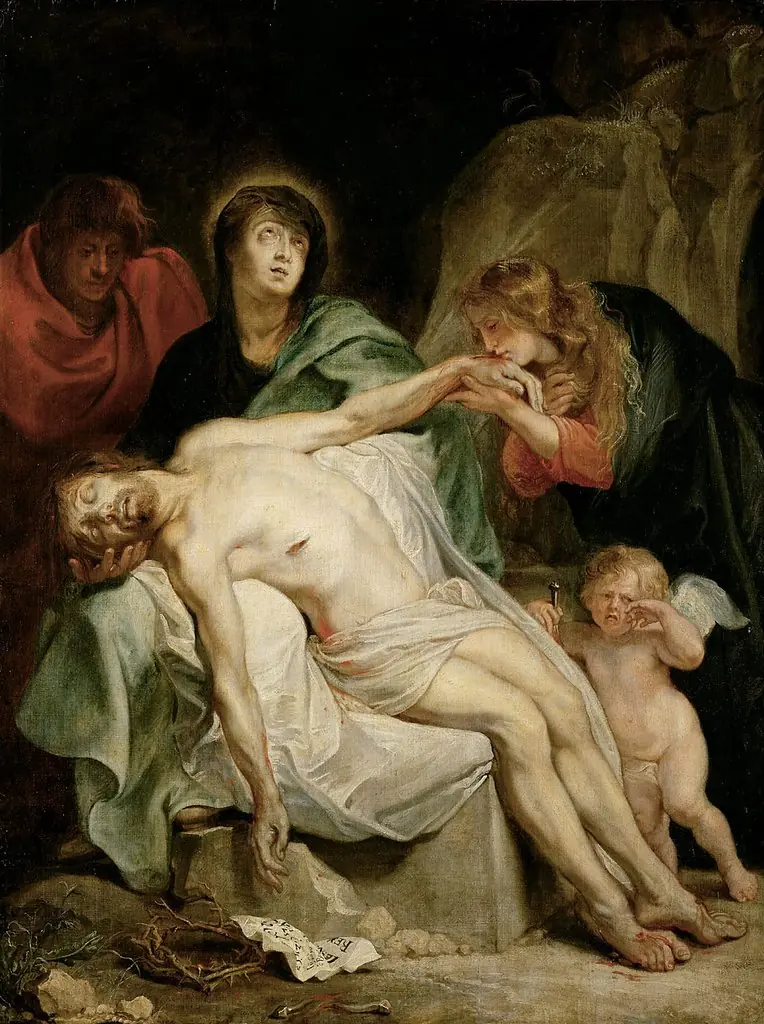
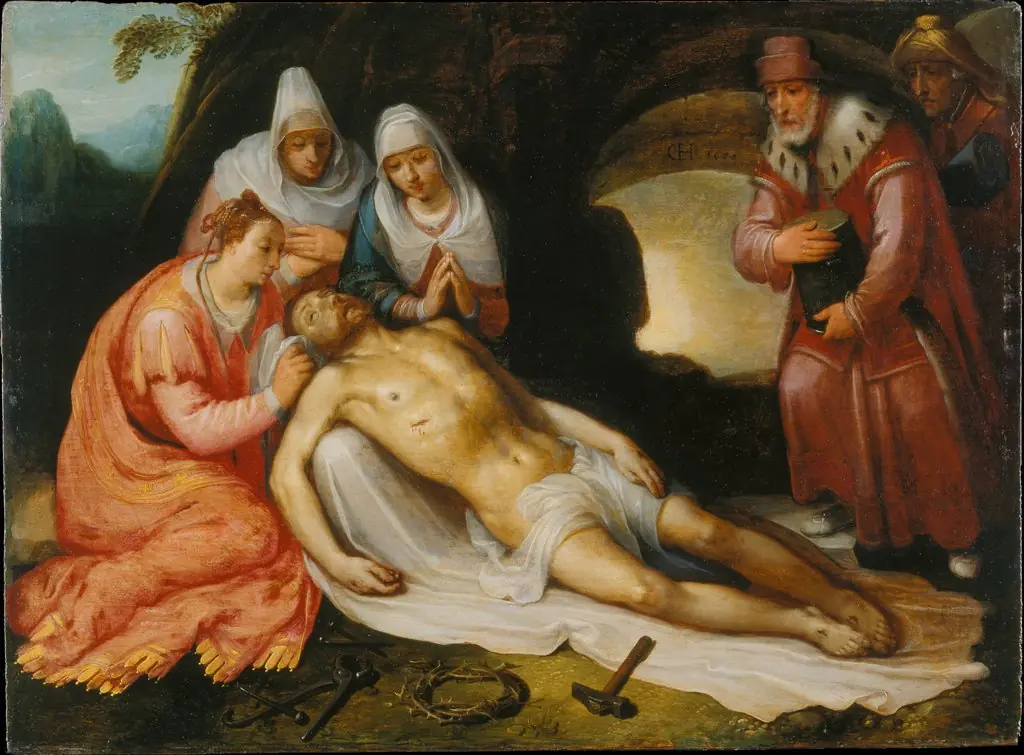
The Lamentation is an oil painting by the Flemish Baroque painting artist Anthony van Dyck. It dates from 1619 and is held in the collection of the Museo del Prado.
About this work
Subject & Meaning
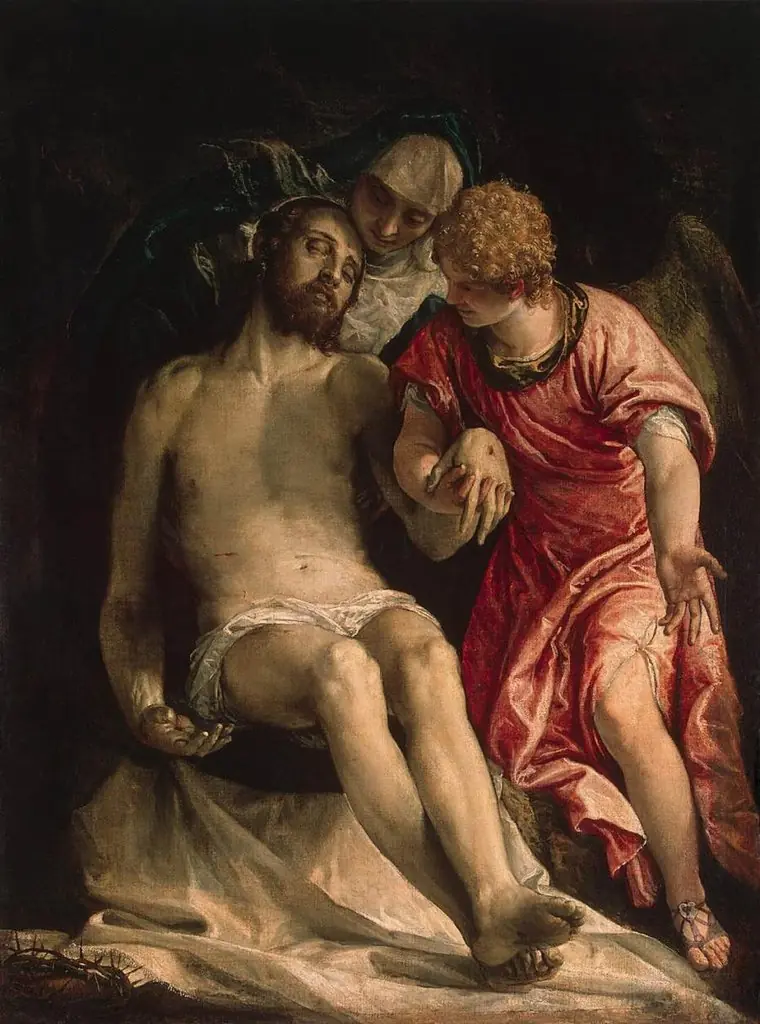
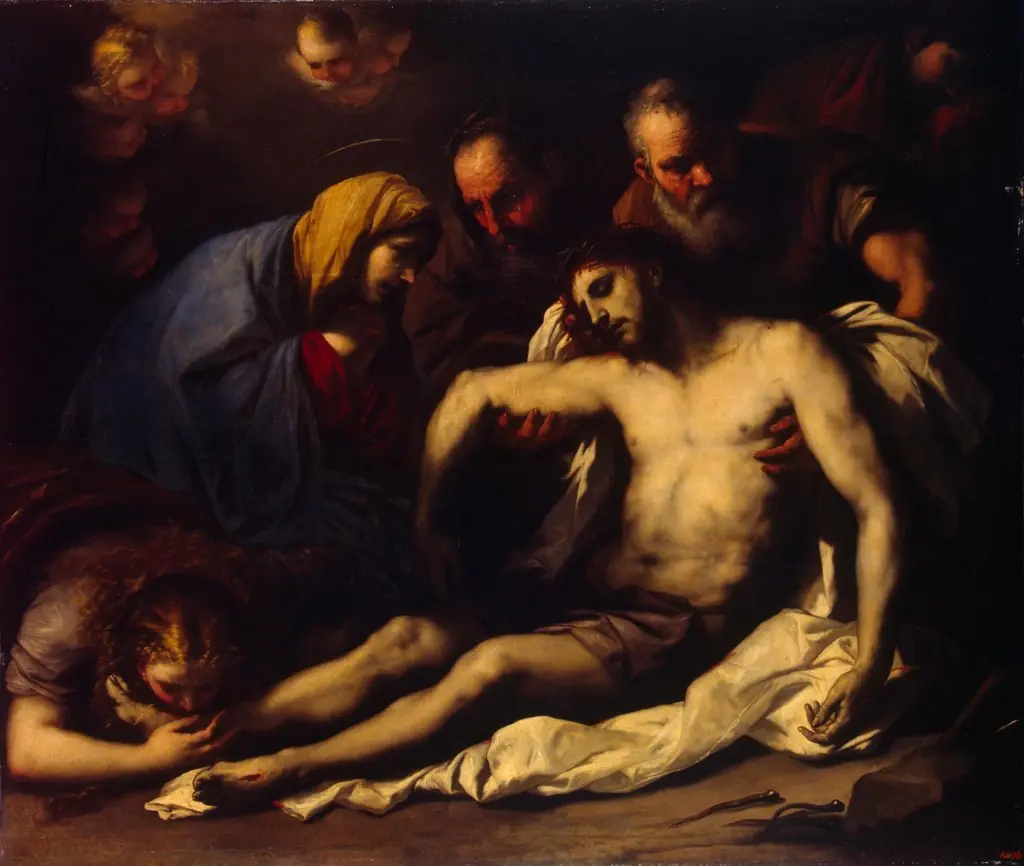
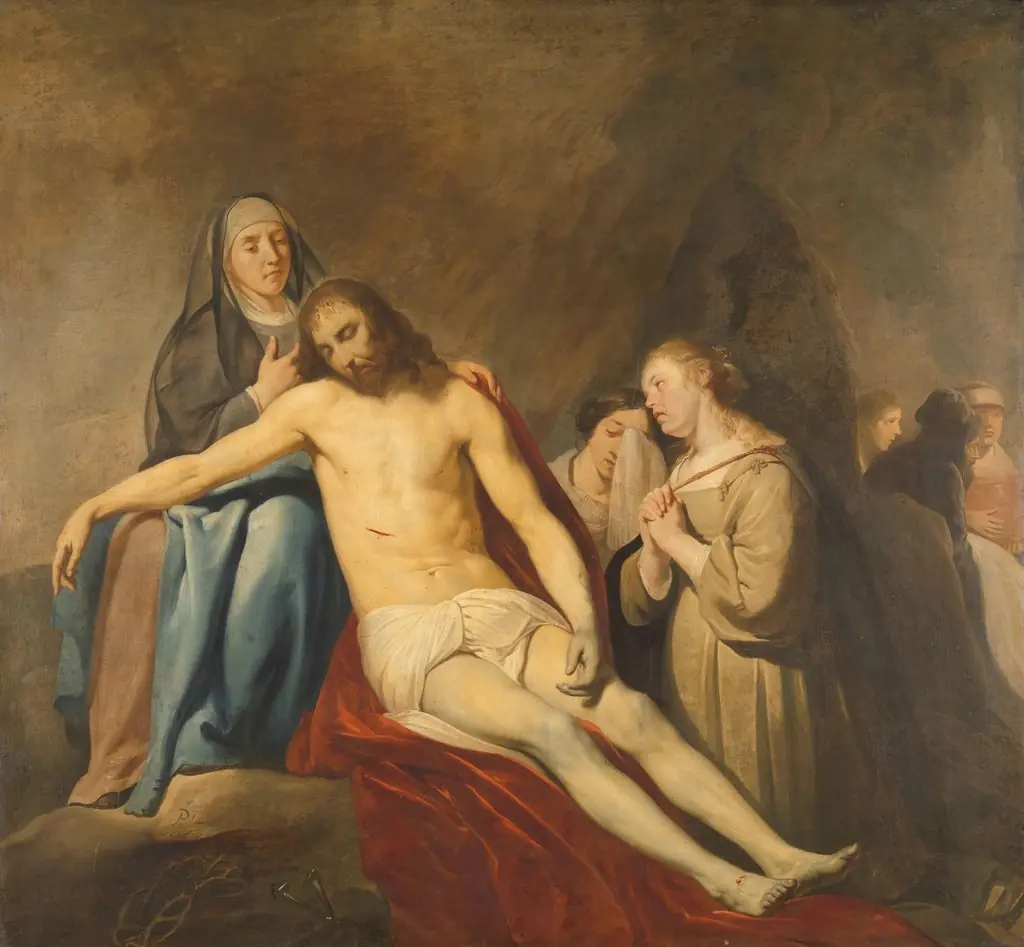
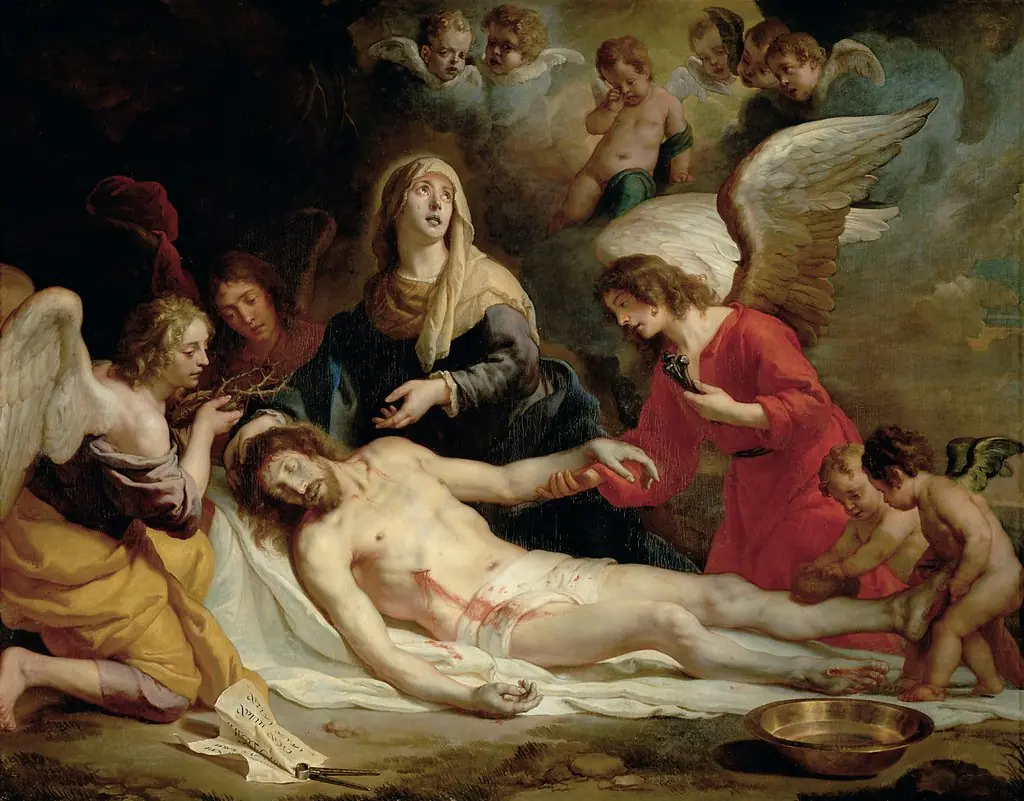
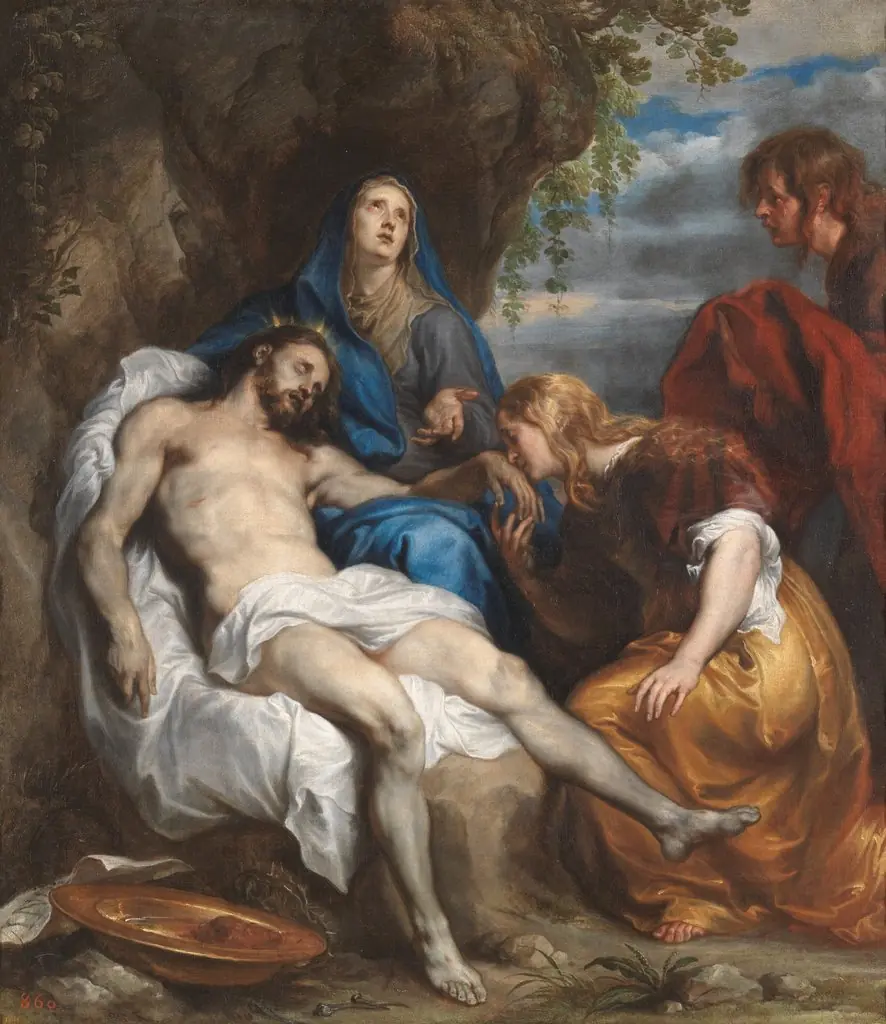
The painting depicts the biblical Lamentation of Christ, the moment after Jesus’s removal from the cross when the Virgin Mary mourns his lifeless body.
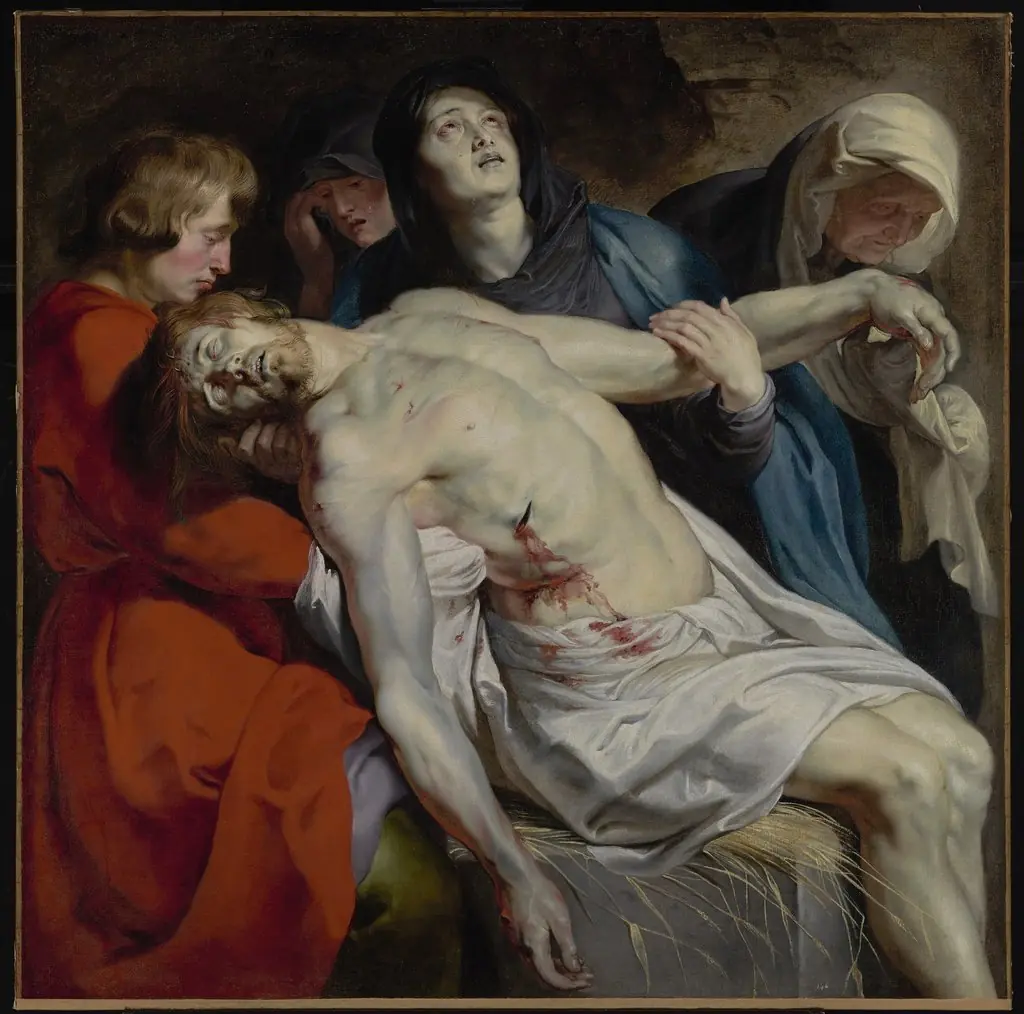
The painting depicts the biblical Lamentation of Christ, the moment after Jesus’s removal from the cross when the Virgin Mary mourns his lifeless body. The central focus is Christ’s corpse, rendered with a pallid, vulnerable flesh that underscores his mortality, while Mary’s anguished posture and expressive gaze convey profound sorrow. Drawing from the tradition of the Entombment, the work uses the lamentation motif to symbolize the human grief inherent in the divine sacrifice, inviting contemplation of compassion, loss, and the redemptive promise of resurrection.
Technique & Style
The Lamentation is executed in oil paint on canvas, a standard support for Anthony van Dyck's religious compositions of this period. The work measures 203 cm in height and 170 cm in width, a substantial vertical format suited to its devotional function. Stylistically, the painting is based on a compositional model identified as The Entombment, indicating that Van Dyck drew on a related prototype while developing his own treatment of the Lamentation subject. The canvas is held in the collection of the Museo del Prado.
History & Provenance
The Lamentation is an oil painting on canvas created in 1619 by the Flemish artist Anthony van Dyck. It measures 203 cm in height and 170 cm in width, depicting the Lamentation of Christ and drawing on the composition of The Entombment. The work was commissioned as a religious piece and was painted for the high altar of the Church of St. Michael in Antwerp before entering the collection of the Museo del Prado, where it remains on display.
The painting was executed during van Dyck’s early Antwerp period, shortly after his return from Italy, and reflects the influence of his study of earlier religious compositions. Its provenance traces a direct path from the original commission to the Museo del Prado, which acquired it in the early 19th century and has preserved it as part of its core collection of Flemish masters.
Overview
The Lamentation is a 1619 oil painting by Anthony van Dyck, a Flemish artist associated with the Baroque style.
Own this work as a print
Artist & collection
Artist
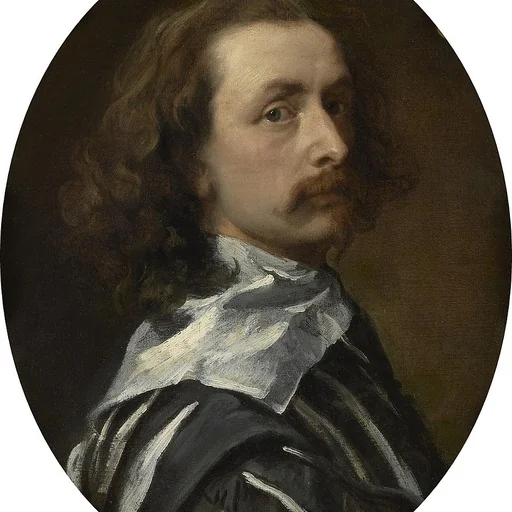
Sir Anthony van Dyck (; Dutch: Antoon van Dijck; 22 March 1599 – 9 December 1641) was a Flemish Baroque artist, who became the leading court painter in England after success in the Spanish Netherlands and Italy.