Artwork
Pietà
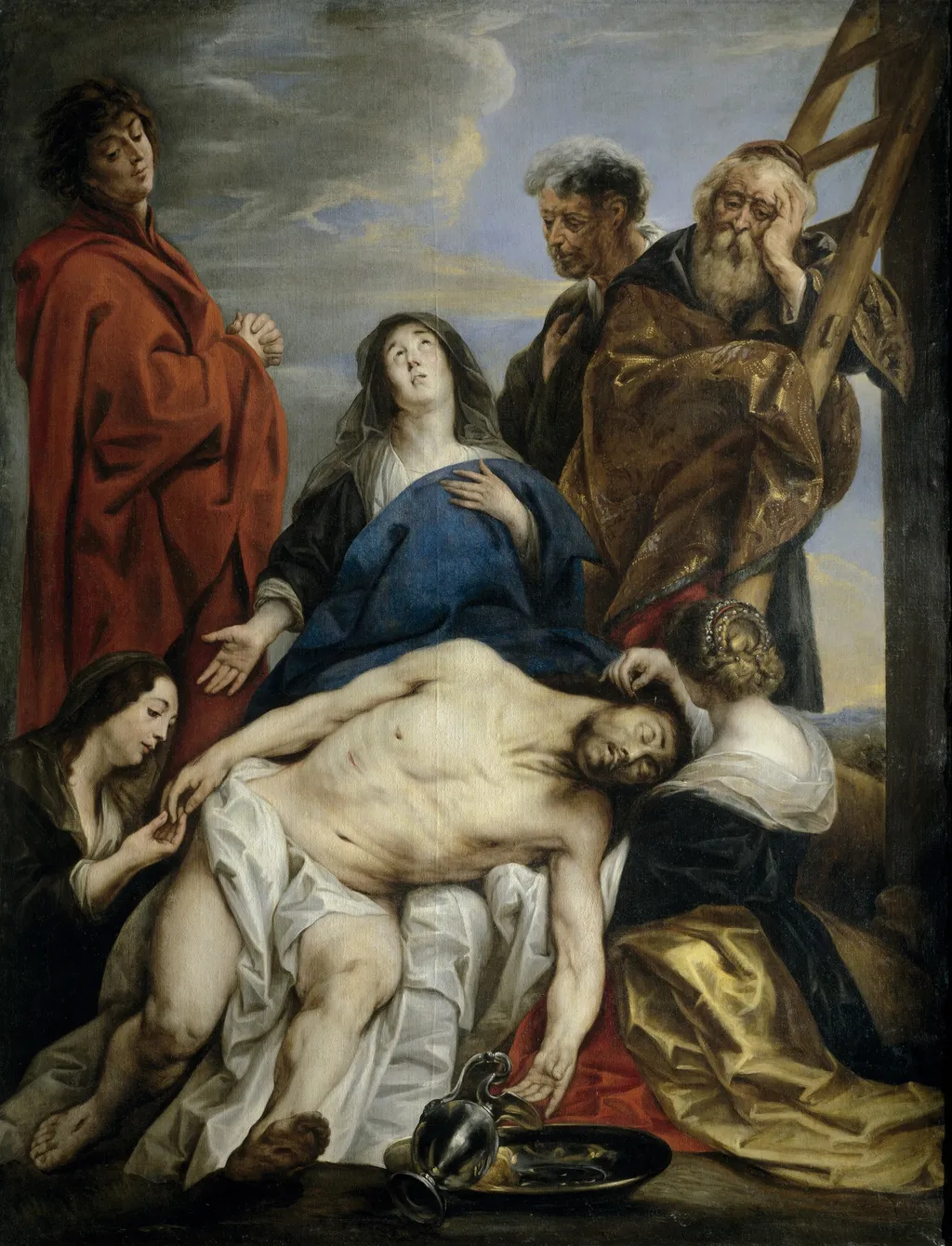
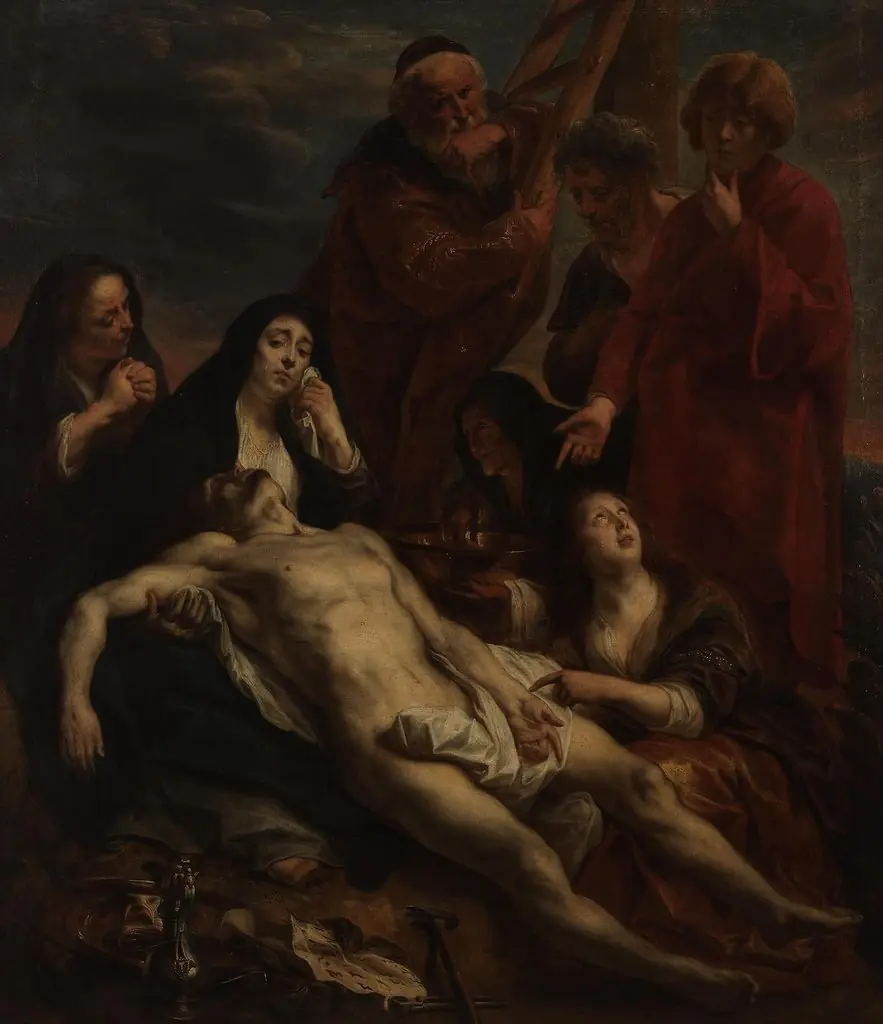
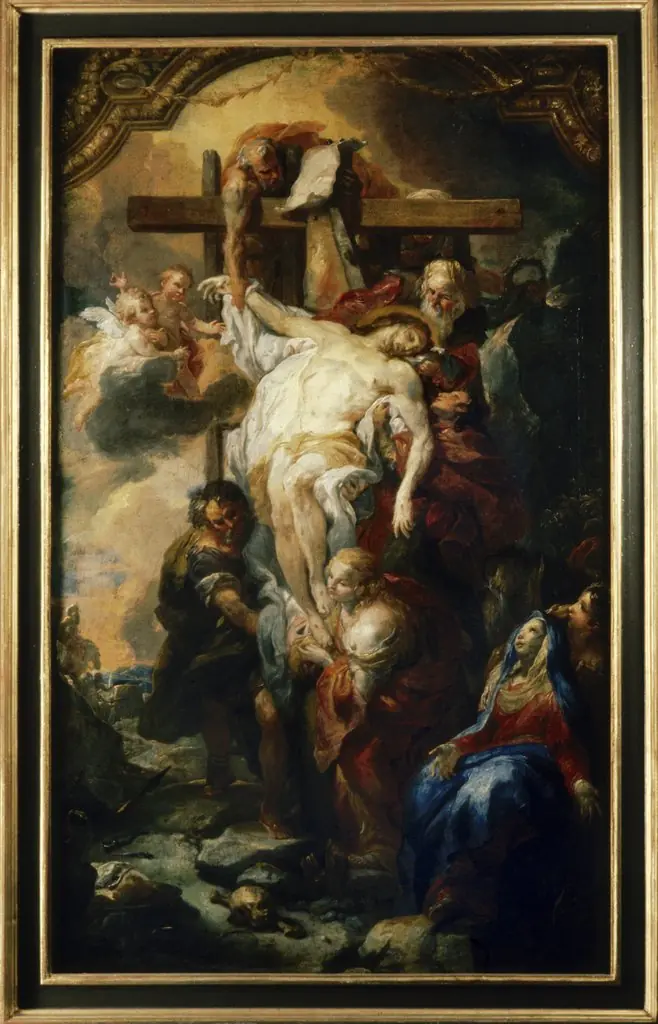
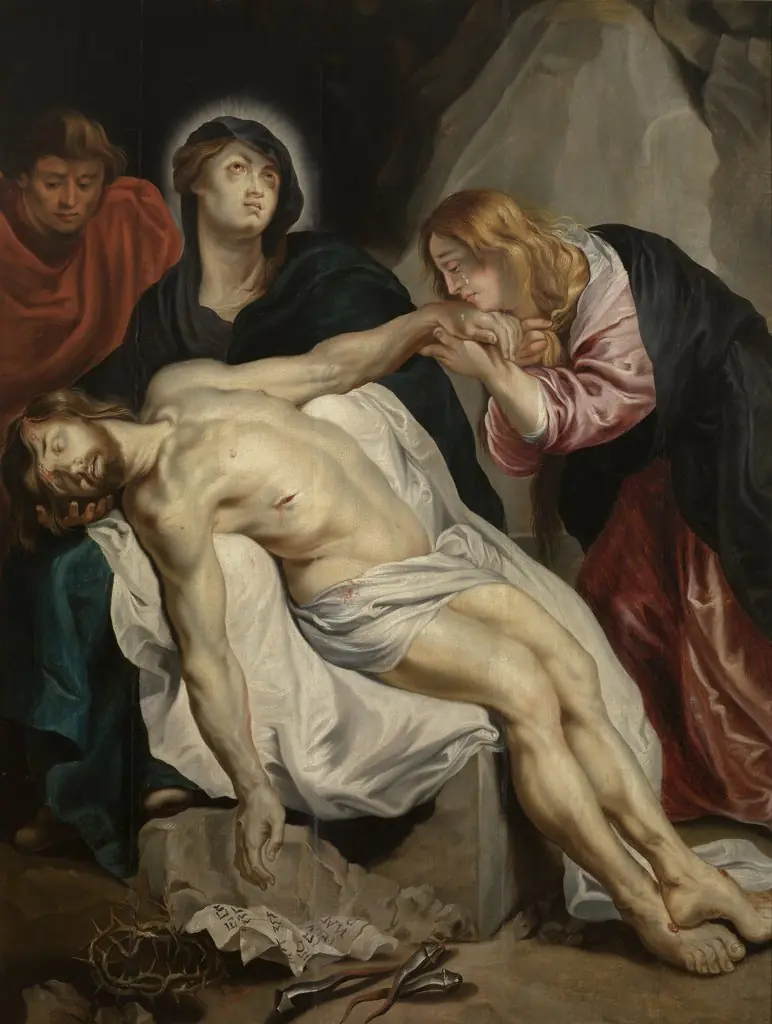
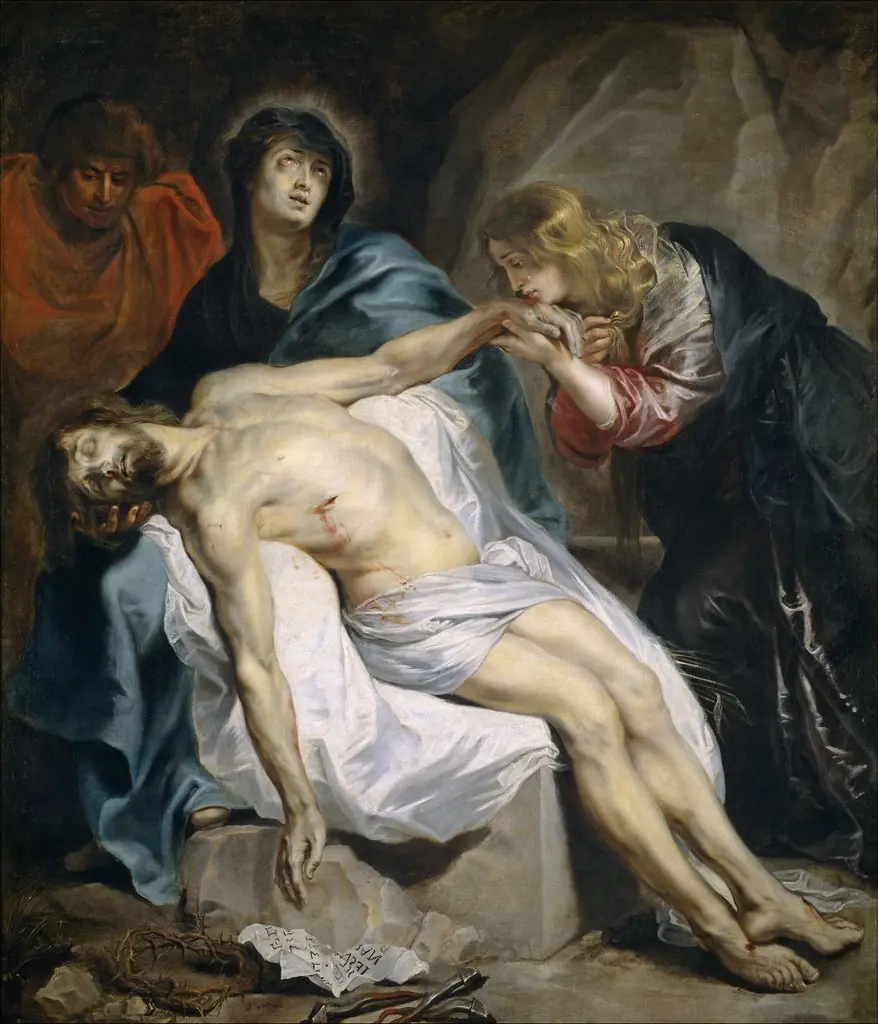
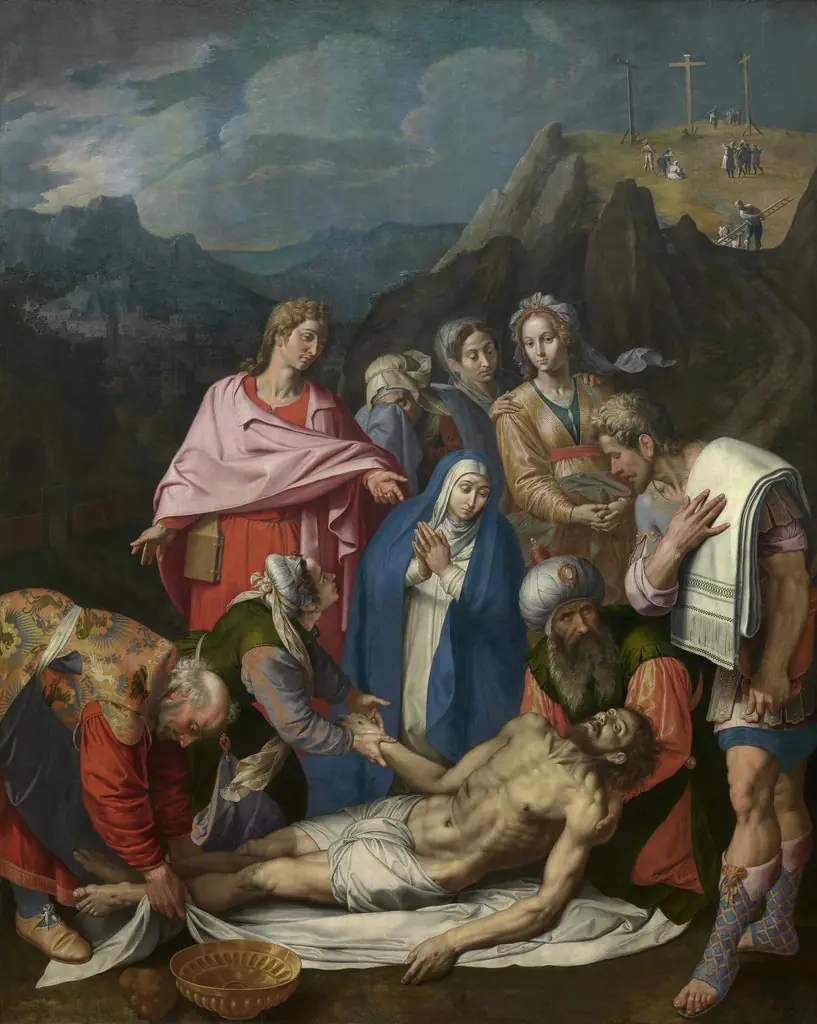
Pietà is an oil painting by the Flemish Baroque painting artist Jacob Jordaens. It dates from 1650 and is held in the collection of the Museo del Prado.
About this work
Subject & Meaning
Jacob Jordaens emphasizes the intimate humanity of the figures, using naturalistic gestures and rich drapery to convey both grief and devotion.
The work portrays the Virgin Mary cradling the dead Christ in a moment of sorrowful contemplation, a subject drawn from the Passion narrative. Jacob Jordaens emphasizes the intimate humanity of the figures, using naturalistic gestures and rich drapery to convey both grief and devotion. The composition situates the holy family within a domestic interior, underscoring the sacred humanity of the scene and inviting viewers to meditate on the redemptive suffering of Christ.
Technique & Style
Jacob Jordaens painted the Pietà in 1650 using oil on canvas. The work measures 221 cm in height and 169 cm in width, depicting Jesus Christ in a religious composition. It belongs to the religious art genre and is executed in oil paint, reflecting formal qualities characteristic of Baroque religious imagery.
The painting is housed in the Museo del Prado, where it remains part of the collection. Its technical execution employs traditional oil painting methods on canvas support, maintaining the material integrity typical of 17th-century religious works.
History & Provenance
The painting titled "Pietà" was created in 1650 by Jacob Jordaens as an oil on canvas work depicting a religious scene centered on Jesus Christ. It was commissioned for the Museo del Prado, where it remains in the collection today. The artwork measures 221 cm in height and 169 cm in width, reflecting its substantial dimensions within the museum's holdings.
The provenance and creation history of the piece are documented through its inception in the year 1650, aligning with the date recorded in the source material. Its classification as a religious painting underscores the thematic focus of the work, which is further corroborated by its genre and material composition as noted in the source descriptions.
The Pietà by Jacob Jordaens is held in the permanent collection of the Museo del Prado in Madrid. According to the available records, the painting forms part of the museum's holdings as a religious work in oil on canvas, dated 1650. No specific inventory or accession number is documented in the provided sources, and no exhibition history beyond its presence in the Museo del Prado's collection is recorded.
Overview
Pietà, created by Jacob Jordaens around 1650, is a Flemish Baroque oil painting depicting a somber religious scene of mourning, characterized by dramatic lighting and intense emotional expression.
Own this work as a print
Artist & collection
Artist
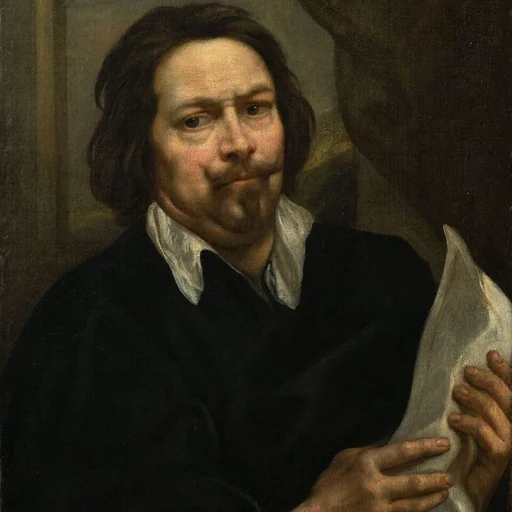
Jacques (Jacob) Jordaens (19 May 1593 – 18 October 1678) was a Flemish painter, draughtsman and a designer of tapestries and prints.

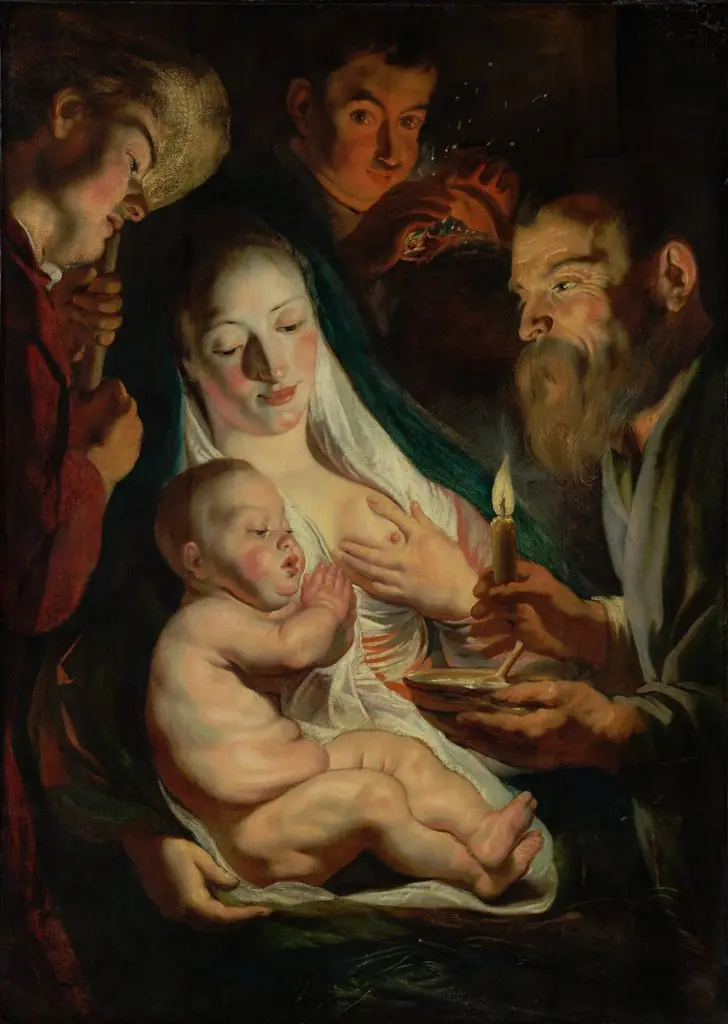 The Holy Family with Shepherds
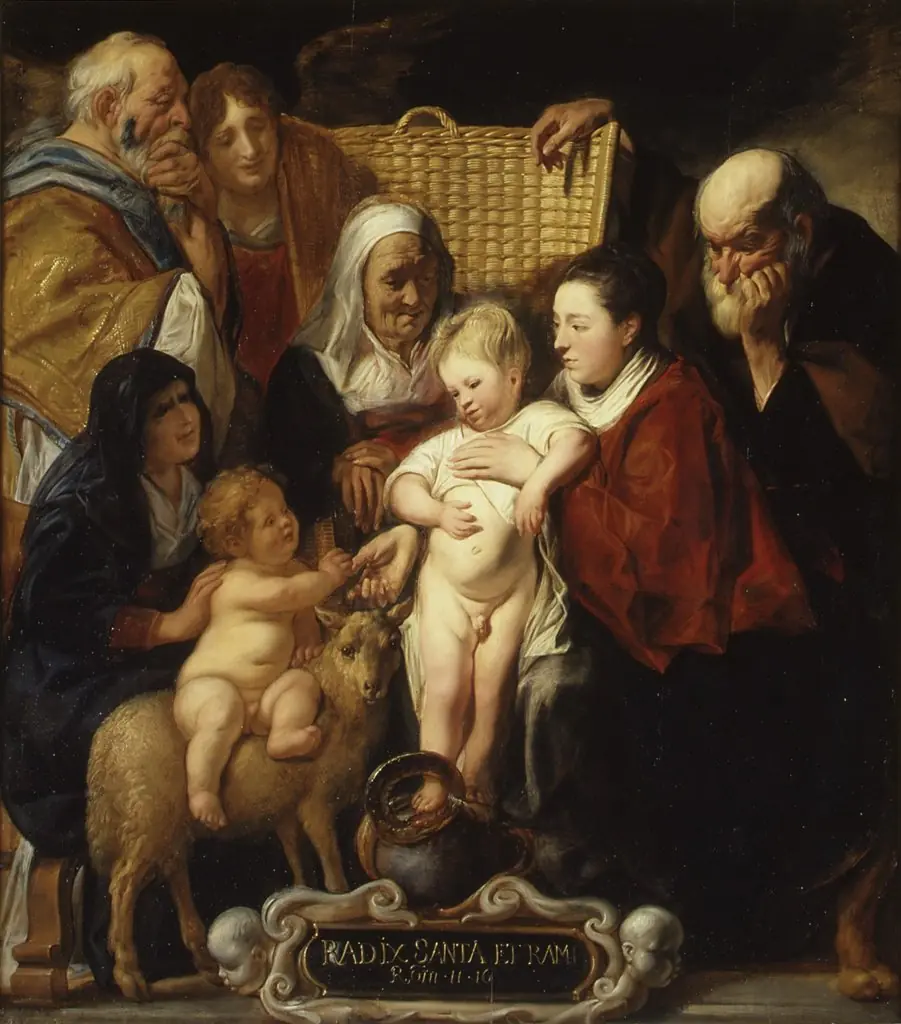 The Holy Family with Saint Anne and the Young Baptist and His Parents
 Untitled
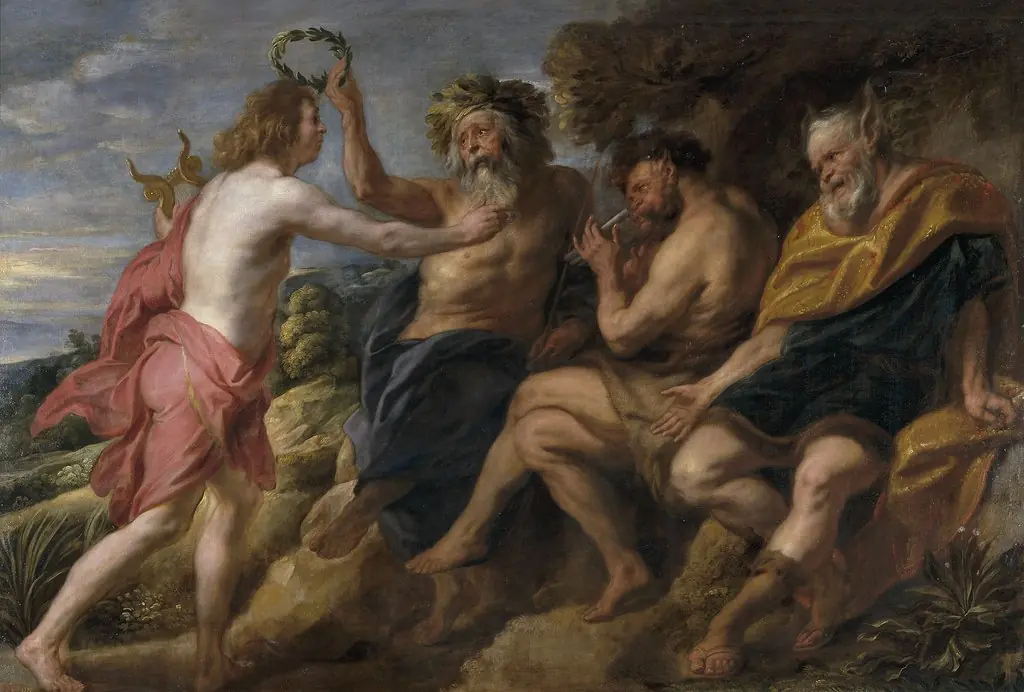 Apollo as Victor over Pan
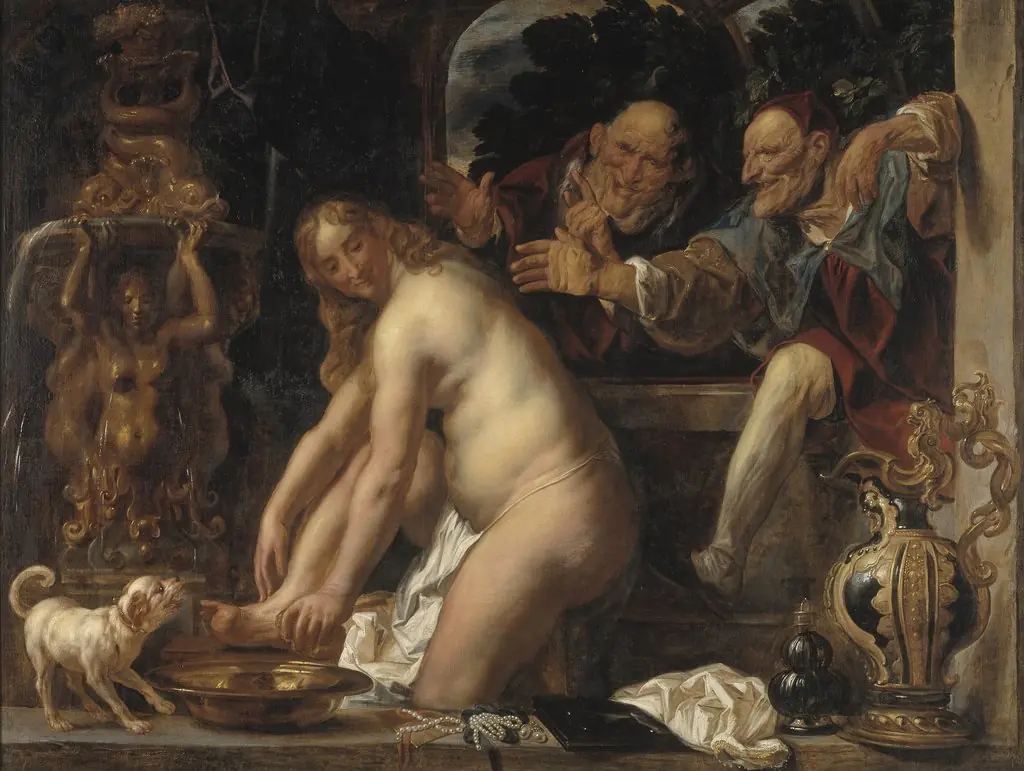 Susanna and the Elders
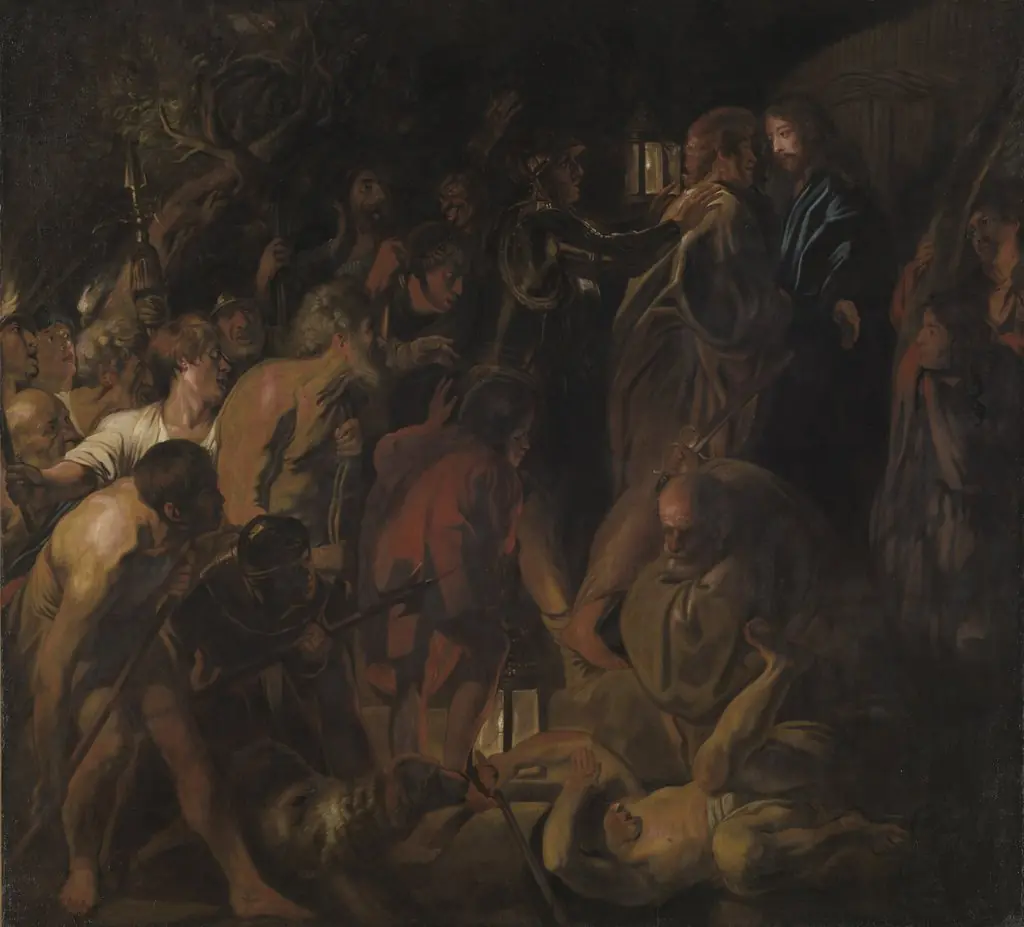 The Betrayal of Christ
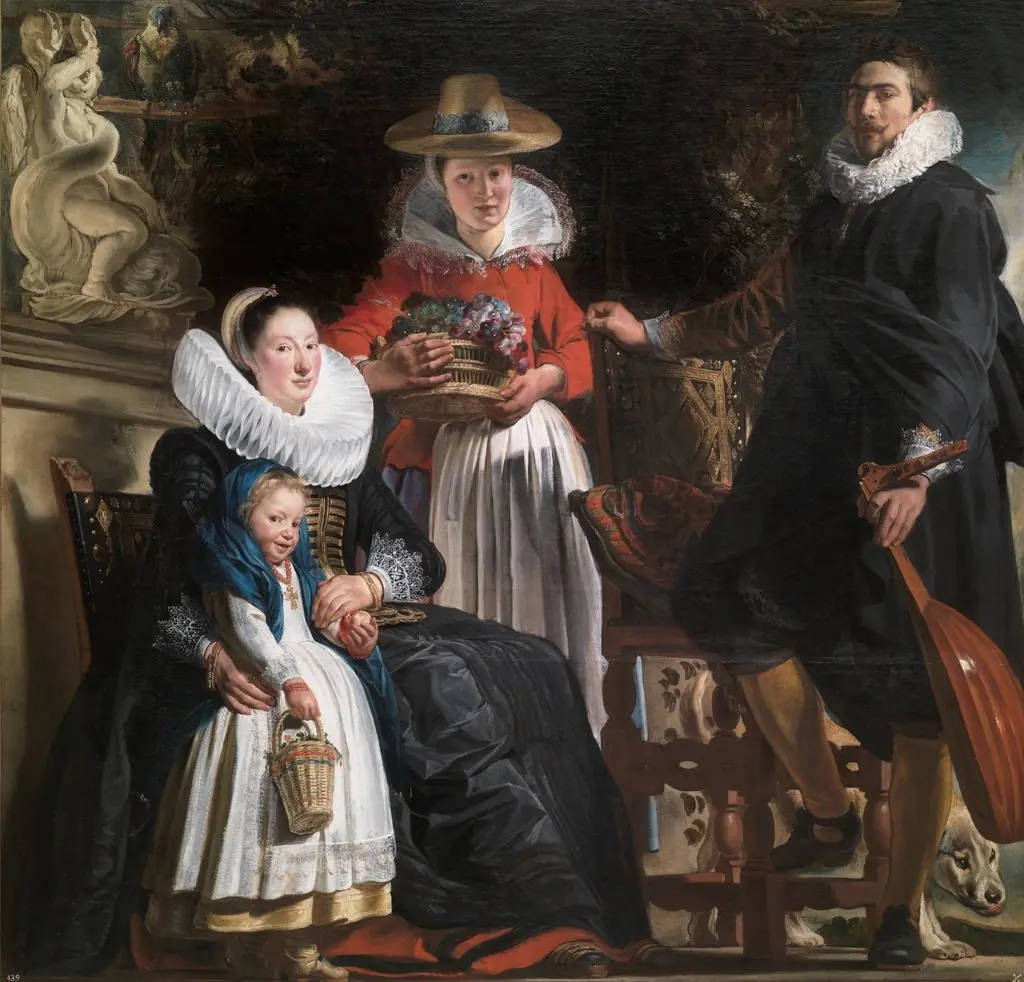 Portrait of the artist with his family
 The Tribute Money. Peter Finding the Silver Coin in the Mouth of the Fish. Also called "The Ferry Boat to Antwerp"