Artwork
Snow landscape
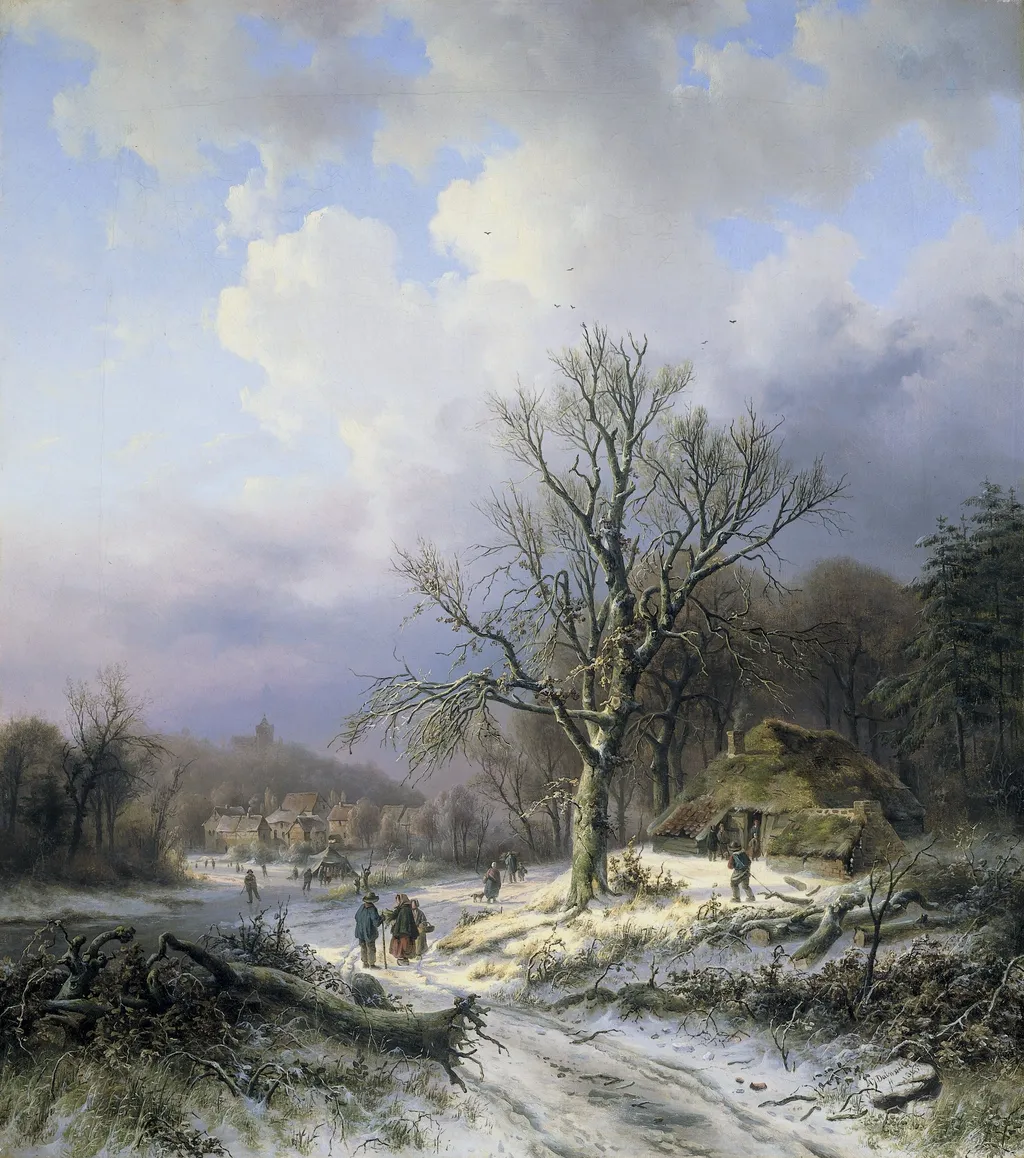
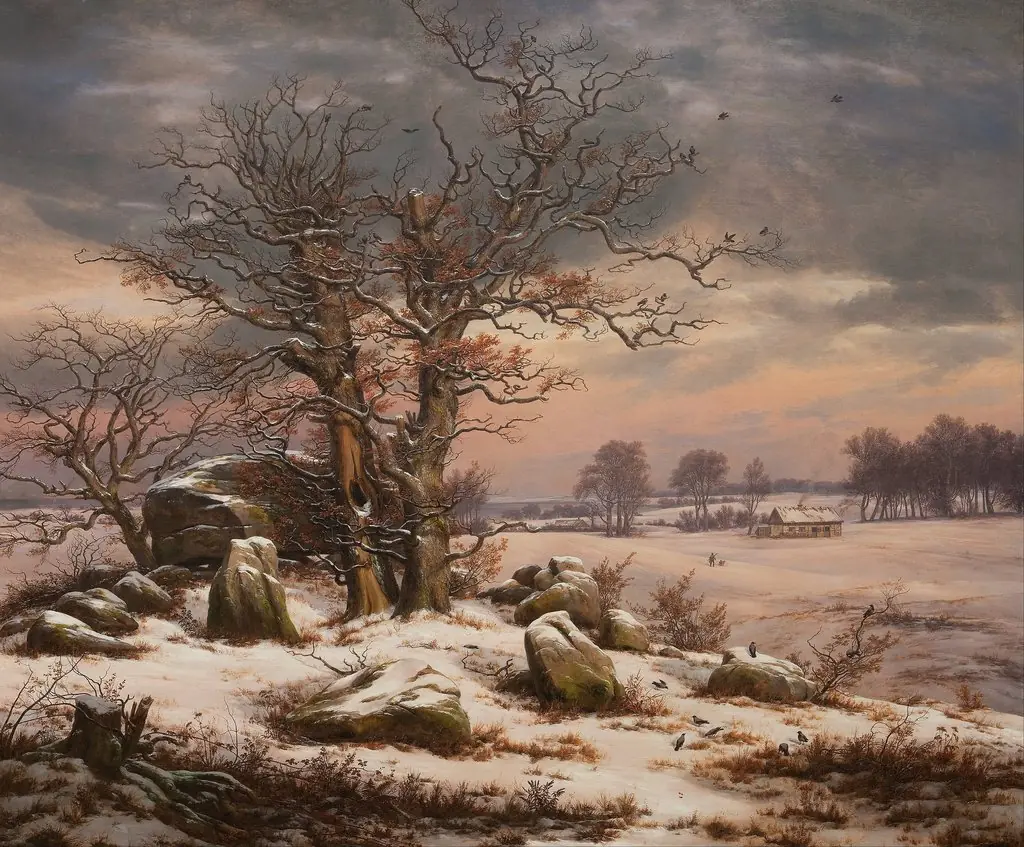
Snow landscape is an oil painting by Alexander Joseph Daiwaille. It dates from 1845 and is held in the collection of the Rijksmuseum.
About this work
Technique & Style
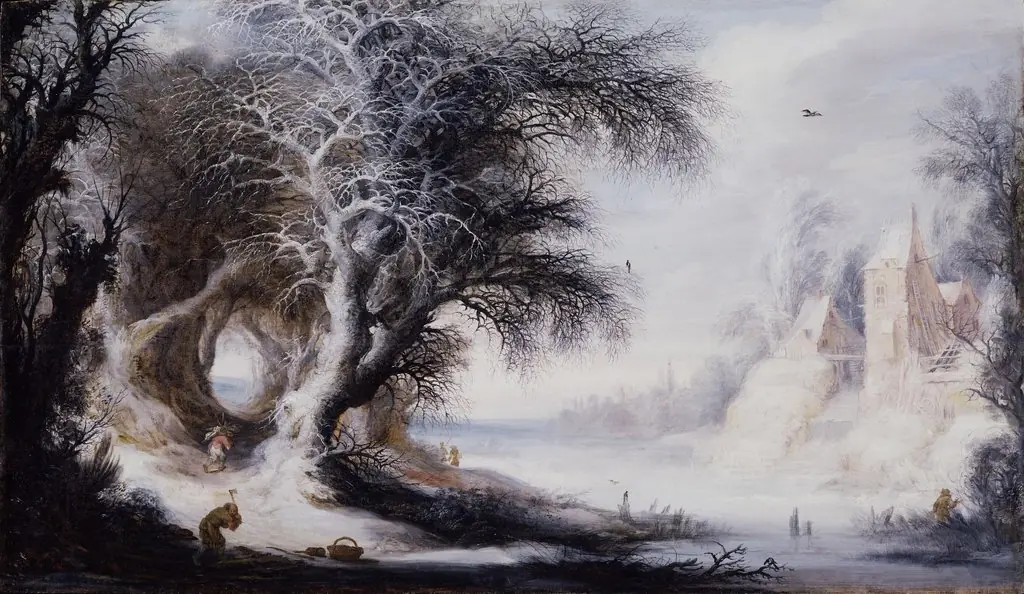
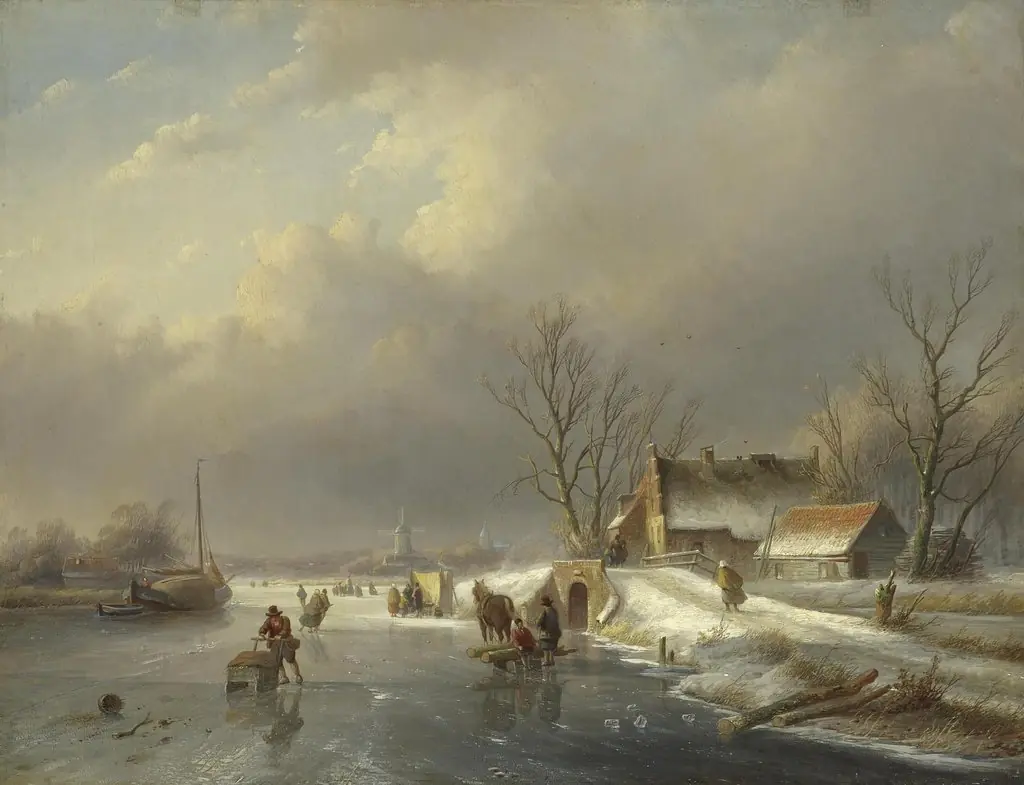
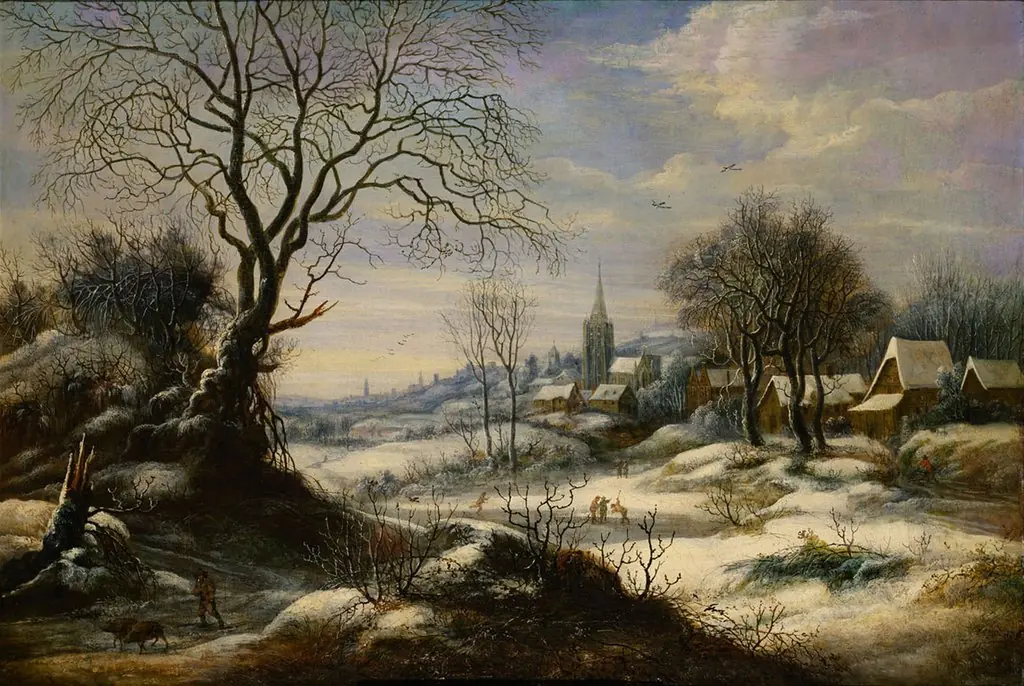
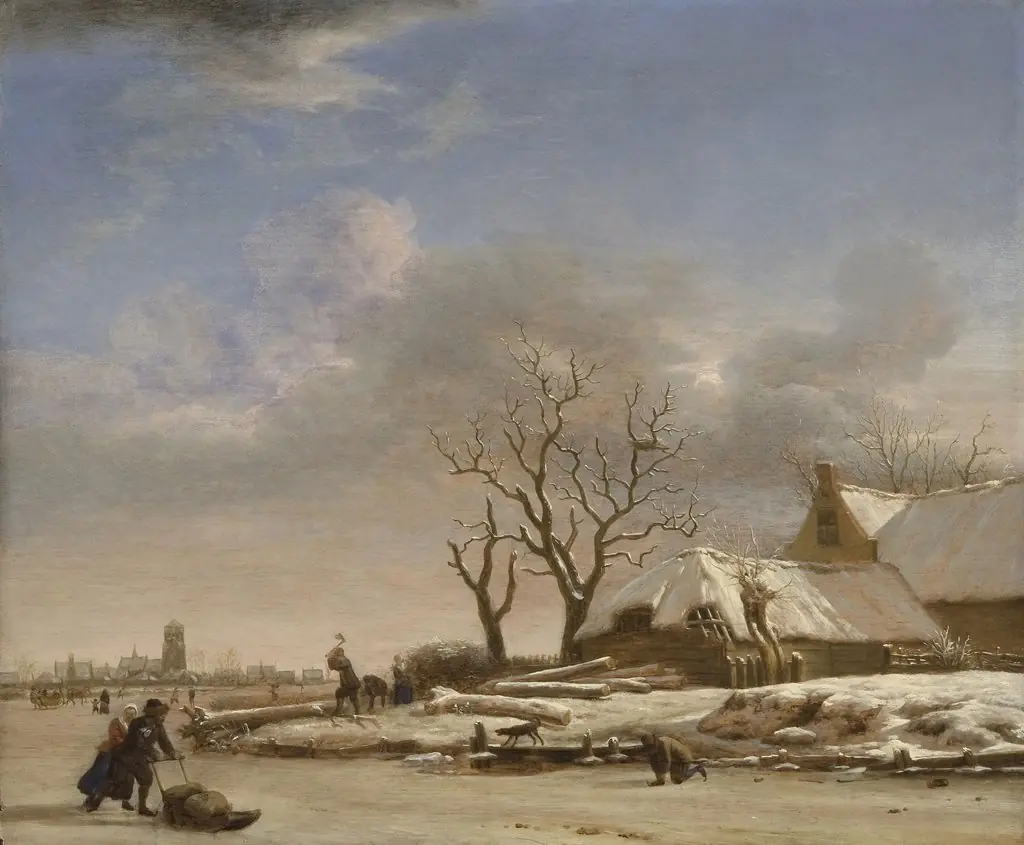
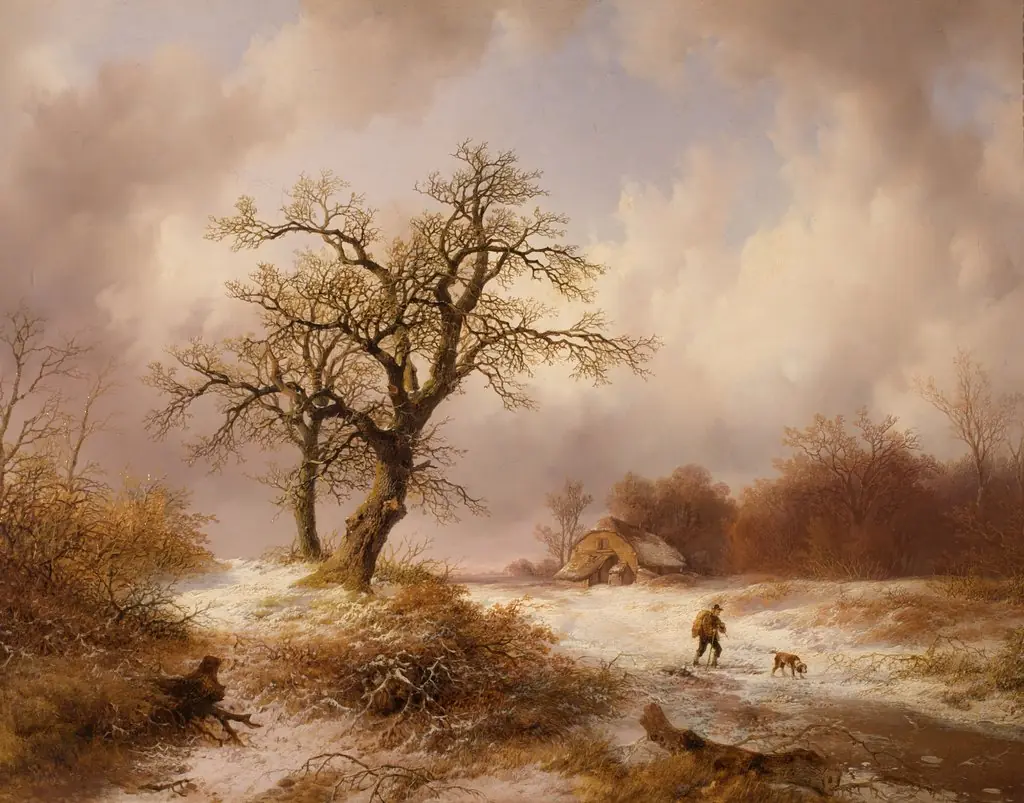
The work is an oil painting executed on canvas, employing traditional oil paint application to render a winter scene with a solitary tree.
The work is an oil painting executed on canvas, employing traditional oil paint application to render a winter scene with a solitary tree. The surface bears the characteristic brushwork and tonal modulation of mid-nineteenth-century Dutch landscape practice, while the measured support dimensions of roughly 70.5 cm by 62 cm contribute to a balanced compositional structure. The painting’s handling of light and atmospheric depth reflects a realist approach to naturalistic depiction, and its present condition is documented within the Rijksmuseum’s collection records.
History & Provenance
Snow landscape was created by the Dutch painter Alexander Joseph Daiwaille in 1845, executed in oil paint on canvas. The work entered the collection of Adriaan van der Hoop, the Amsterdam merchant and art patron whose holdings formed the basis of a major bequest to the Rijksmuseum. It is now held jointly by the Rijksmuseum and the Amsterdam Museum as part of the collection Adriaan van der Hoop.
No details of a commission or intermediate ownership chain beyond van der Hoop are documented in the available sources.
The painting Snow landscape by Alexander Joseph Daiwaille is part of the Rijksmuseum collection in Amsterdam and was originally owned by Adriaan van der Hoop. It was created in 1845 and measures 70.5 cm in height and 62 cm in width. The work has been exhibited at the Rijksmuseum as part of its landscape painting displays.
Context
Snow landscape (1845) by Alexander Joseph Daiwaille exemplifies 19th-century Dutch landscape painting, combining precise naturalistic detail with Romantic sensibility. The work reflects the artist's integration of plein-air observation and studio refinement, aligning with contemporaries who emphasized atmospheric effects in winter scenes. Its composition, featuring a solitary tree against a snow-covered expanse, demonstrates technical mastery within the genre while anticipating later developments in Dutch realism.
The painting's provenance at the Rijksmuseum and Amsterdam Museum underscores its significance within institutional collections of Dutch art.
Scholarship highlights its role in documenting 19th-century Dutch engagement with seasonal landscapes, though critical reception during Daiwaille's lifetime remained secondary to his portraiture. Contemporary analyses situate the work within broader European winter painting traditions, noting its distinctive compositional balance.
Overview
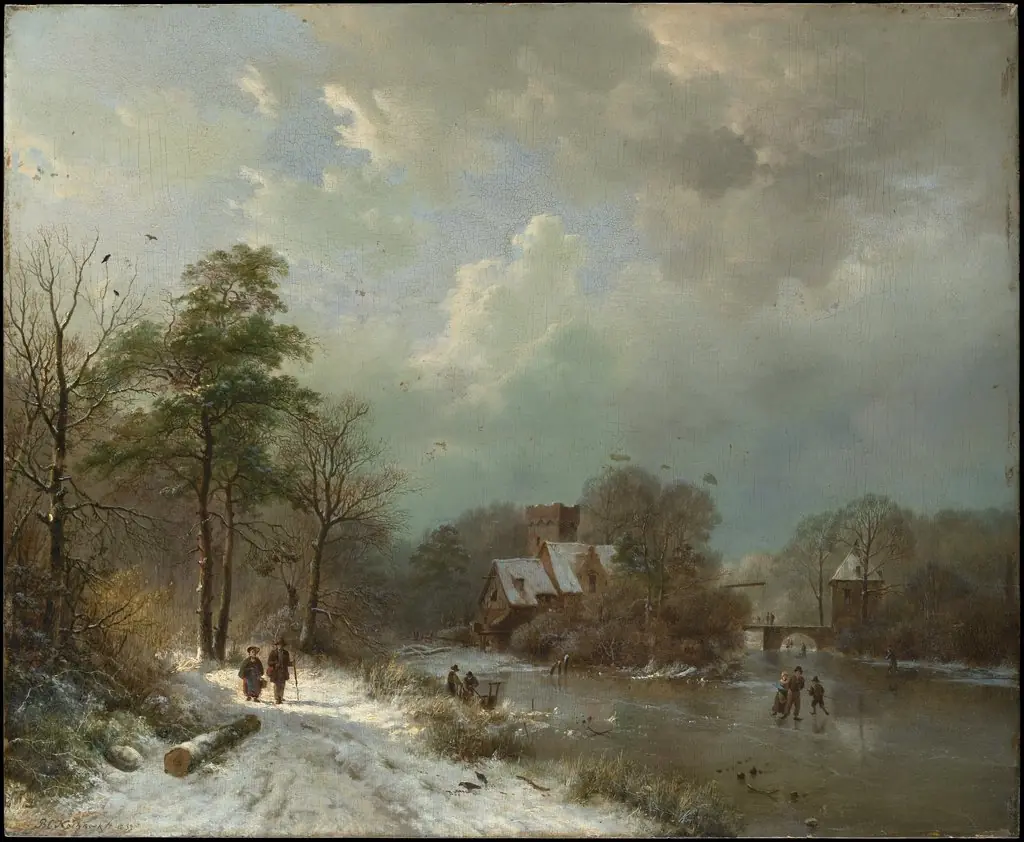
Created in 1845 by Dutch painter Alexander Joseph Daiwaille, this oil on canvas presents a tranquil winter tableau. The composition centers on a modest village pathway dusted with a thin veil of snow, bordered by barren trees and modest thatched roofs under a bright, cloud‑dotted sky.
Subject & Meaning
The scene captures everyday life in a cold season: a few figures traverse the snow‑covered lane, their breath suggested by the frigid atmosphere. A solitary, twisted tree dominates the middle ground, offering a focal point that balances the quiet human activity with the starkness of the landscape.
Own this work as a print
Artist & collection
Artist
Alexander Joseph Daiwaille (21 January 1818 – 1888) was a Dutch portrait painter.