Artwork
Jane L. Van Reid
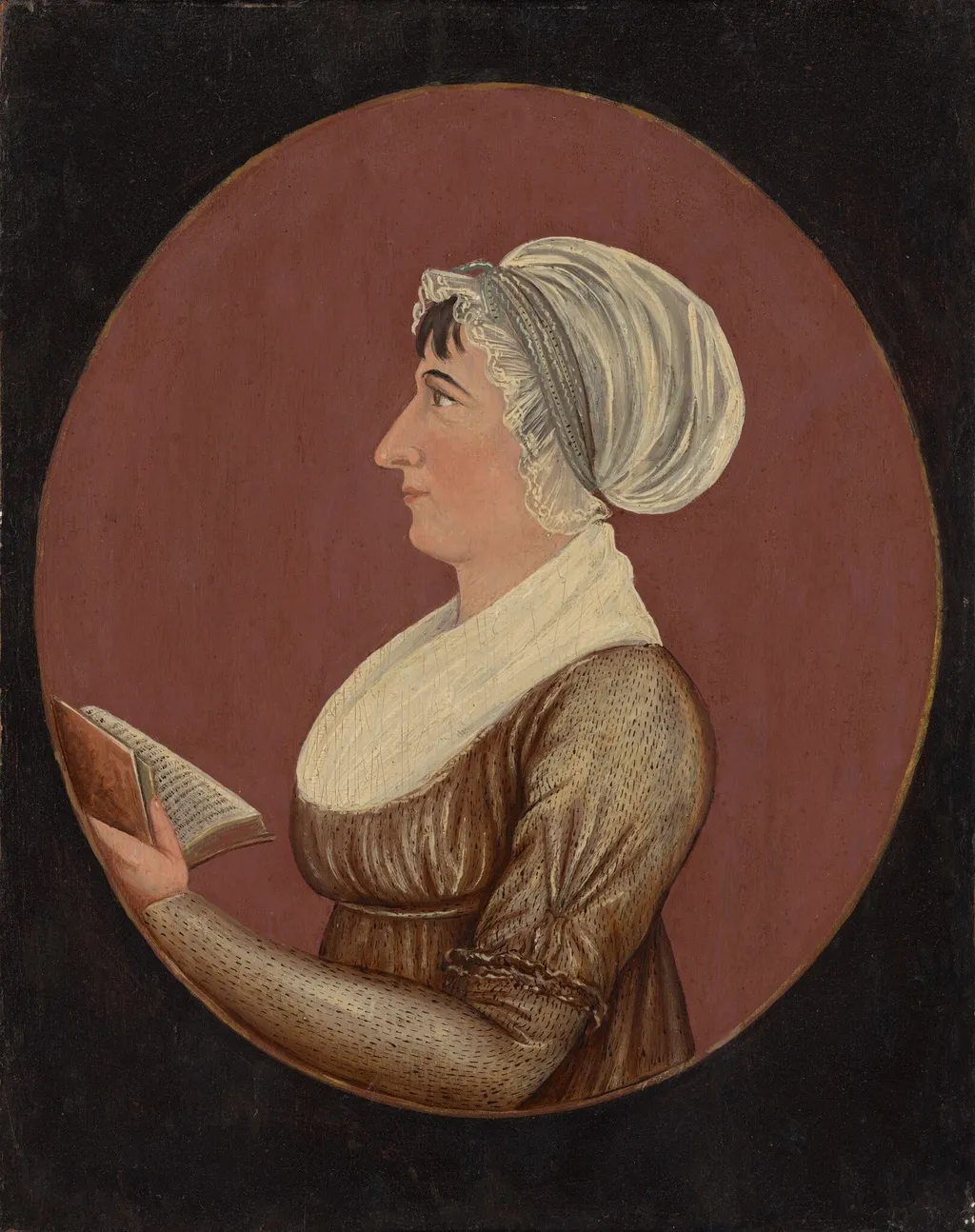
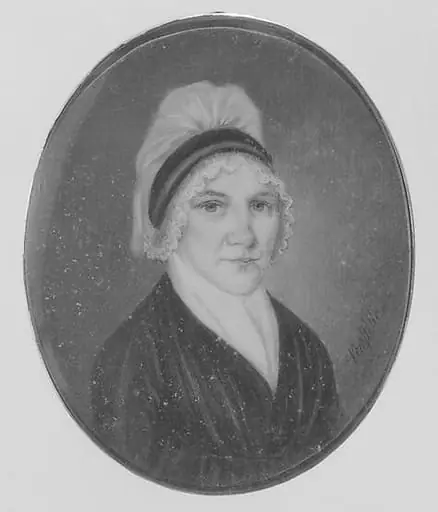
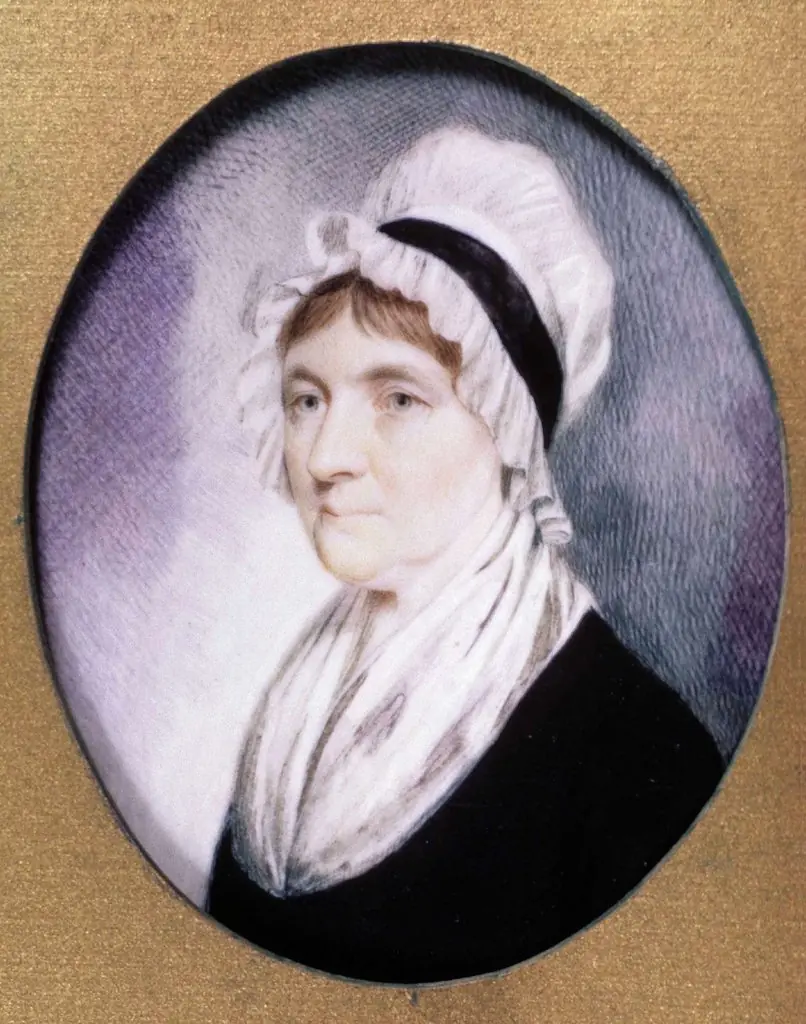
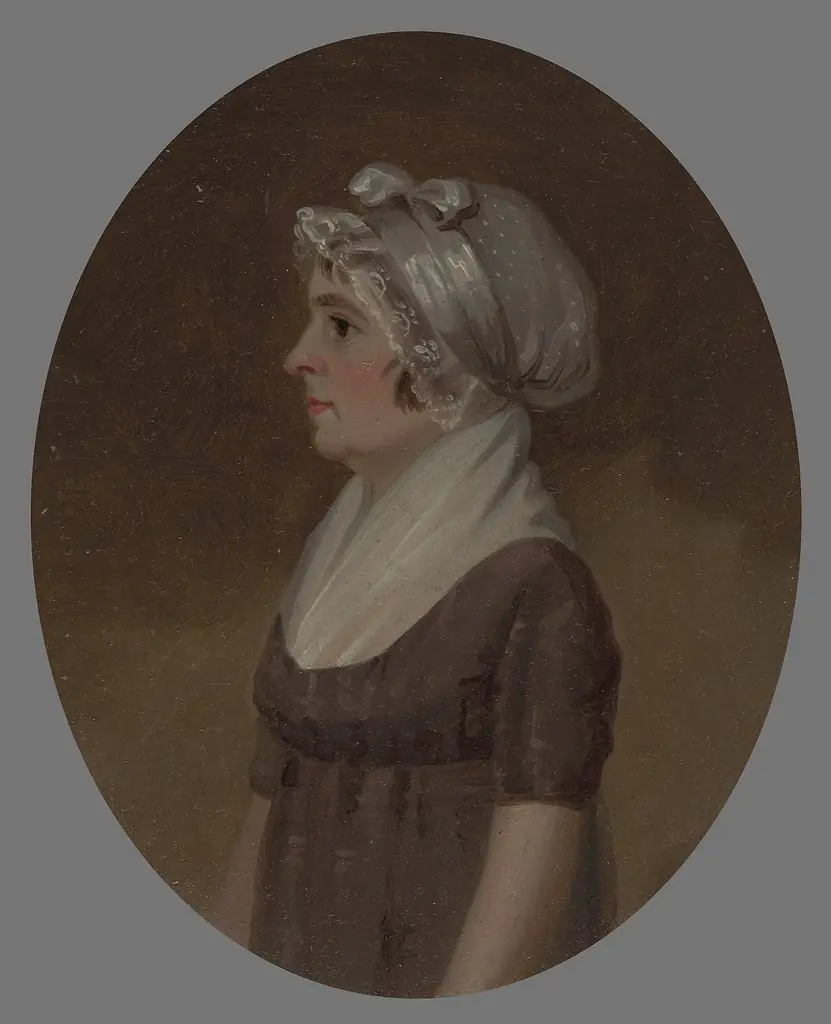
Jane L. Van Reid is an oil painting. It dates from 1810 and is held in the collection of the National Gallery of Art. The work titled "Jane L.
About this work
Technique & Style
Created in 1810, this portrait is executed in oil on a support composed of wood mounted on pressed wood. The work measures 25.3 cm in height and 20.2 cm in width. Stylistically, it functions as a genre portrait attributed to an American artist active during the 19th century. The piece is currently held in the collection of the National Gallery of Art in Washington, D.C.
History & Provenance
Williams of Litchfield, Connecticut, who had purchased it at an estate sale in Georgetown, Connecticut that same year.
Created in 1810, this oil portrait on wood originates from Pennsylvania. The work's documented ownership history begins with an estate sale held in Georgetown, Connecticut, in 1952. Following this sale, the painting was acquired by Thomas D. Williams of Litchfield, Connecticut.
Williams subsequently sold the piece later that same year to collectors Edgar William and Bernice Chrysler Garbisch. In 1955, the Garbisches donated the artwork to the National Gallery of Art in Washington, D.C., where it remains part of the permanent collection.
Jane L. Van Reid has been held by the National Gallery of Art in Washington, D.C., since 1955, when it was given to the institution by Edgar William and Bernice Chrysler Garbisch. The Garbisches had acquired the portrait in 1952 from Thomas D. Williams of Litchfield, Connecticut, who had purchased it at an estate sale in Georgetown, Connecticut that same year. Prior to that, the work was recorded as having been in Pennsylvania.
No exhibition history beyond the documented provenance chain is recorded in the available sources.
Context
Jane L. Van Reid (active 19th century) is recognized as an American portrait painter whose work reflects the stylistic conventions of early American portraiture, particularly in its formal composition and attention to bourgeois subject presentation. The painting, dated 1810, exemplifies the transitional period in American art when neoclassical influences merged with emerging romantic sensibilities, situating it within broader discussions of identity and status among the young nation's elite. Its provenance traces a documented ownership chain from an estate sale in Georgetown, Connecticut (1952), through private collectors Thomas D. Williams and Edgar and Bernice Chrysler Garbisch, culminating in its donation to the National Gallery of Art in 1955.
This trajectory underscores its significance as a representative example of 19th-century American portraiture preserved in a major public collection.
Legacy
The painting Jane L. Van Reid, attributed to an American 19th-century artist, is part of the National Gallery of Art's collection in Washington, D.C., having entered the museum through a series of transactions beginning with an estate sale in Georgetown, Connecticut, in 1952 and culminating in a gift from Edgar William and Bernice Chrysler Garbisch in 1955. Its dimensions are recorded as 25.3 cm in height and 20.2 cm in width, confirming it as a small-format portrait painted in oil on wood panel. The work's significance is underscored by its inclusion in the National Gallery of Art's holdings, reflecting early American portraiture and the legacy of women artists in the 19th century.
Overview
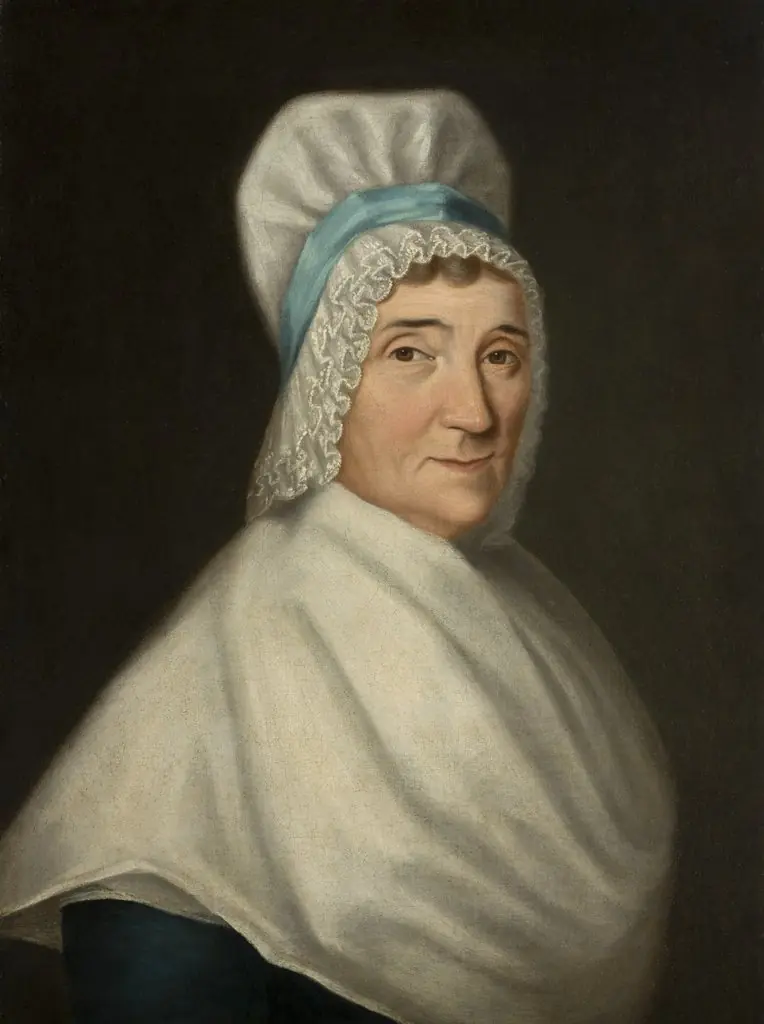
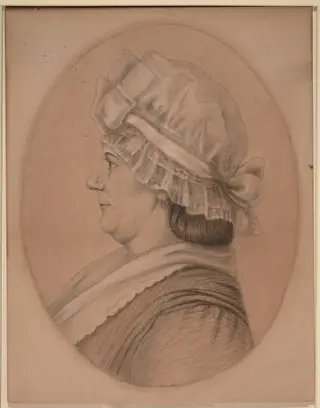
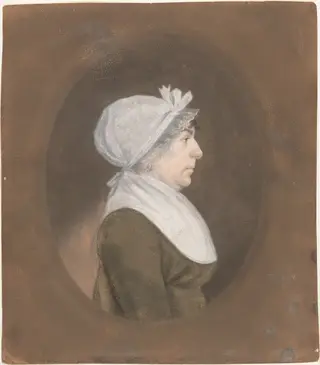
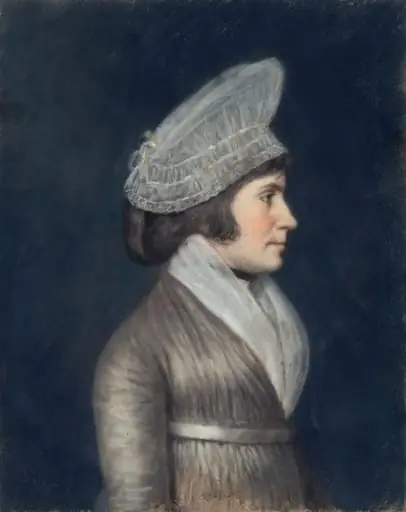
The work titled "Jane L. Van Reid" is an oil painting executed on pressed wood. It depicts a solitary woman shown in profile, turned toward the left. She is dressed in a modest brown gown with a white collar and a simple white head covering, and she holds an open book in her right hand.
Subject & Meaning
The figure’s restrained attire and unadorned hairstyle convey an atmosphere of modesty and simplicity, qualities often associated with the social expectations of women during the period in which the portrait was produced.
Artist & collection