Artwork
Dorothea Hart
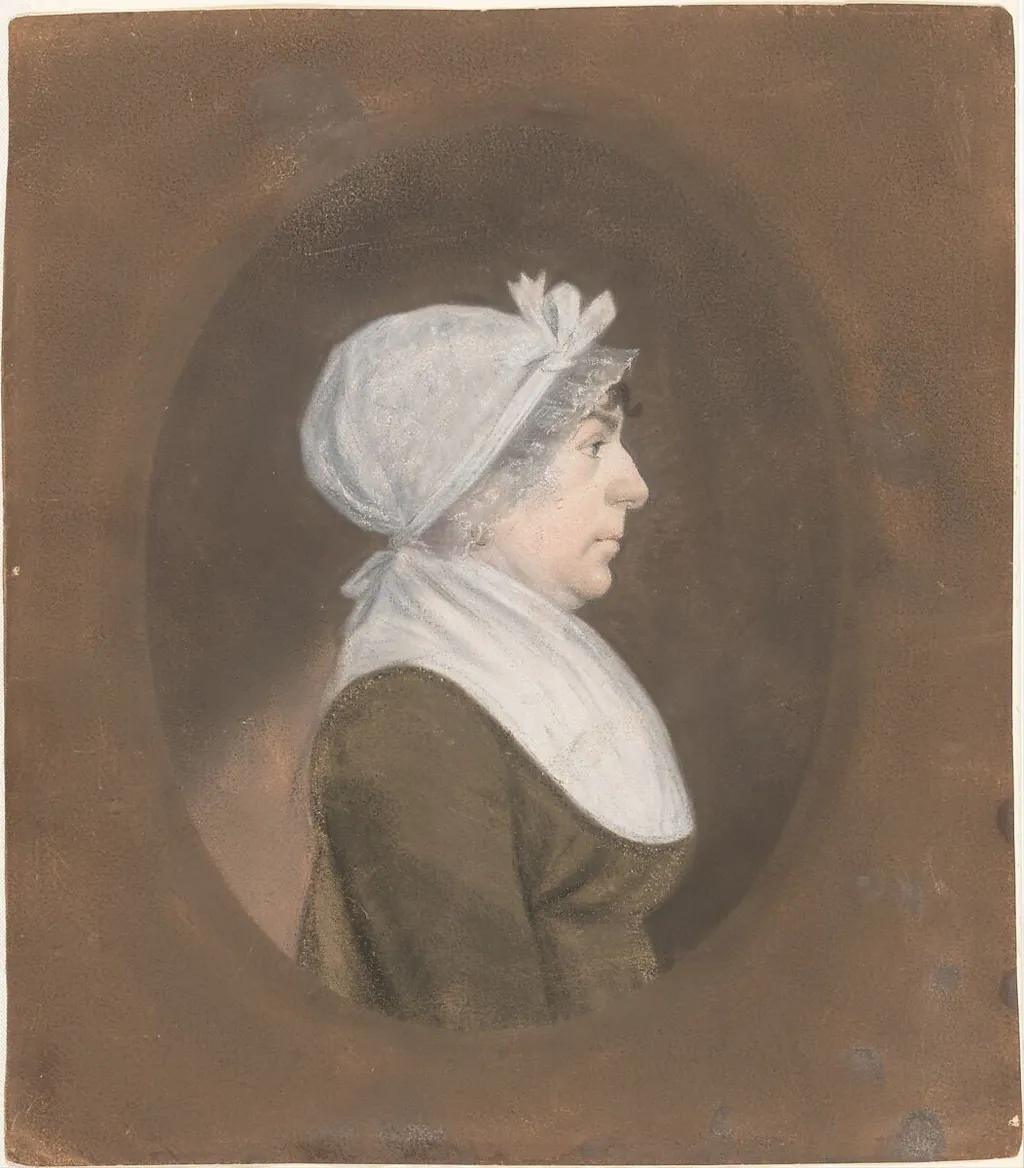
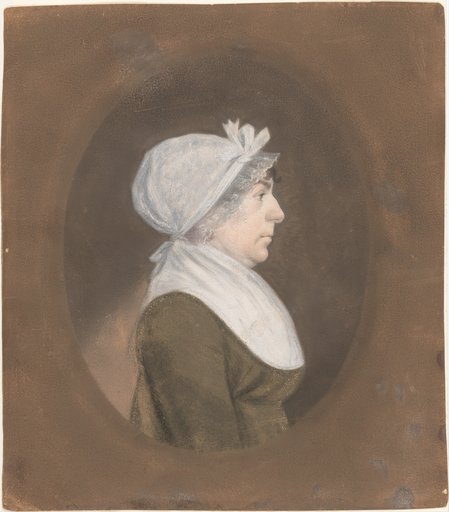
Dorothea Hart is a pastel drawing by the Romanticist artist Ellen Wallace Sharples. It dates from 1809 and is held in the collection of the Metropolitan Museum of Art.
- Accession no.
- 35.17
- Credit line
- Fletcher Fund, 1935
About this work
The paper’s tone has darkened over time, giving the skin a warmer glow than the artist probably meant.
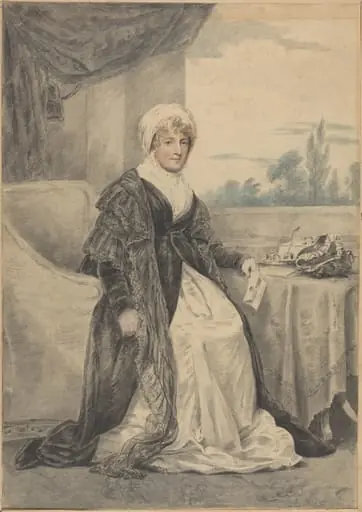
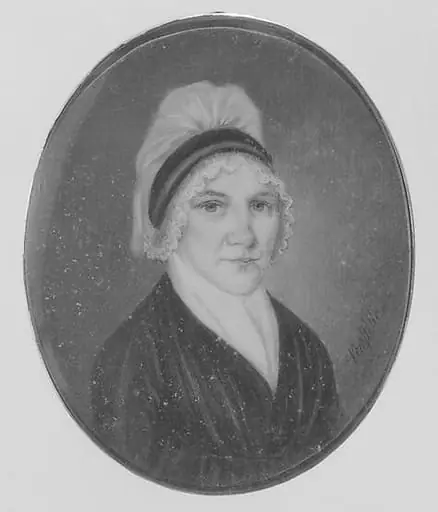
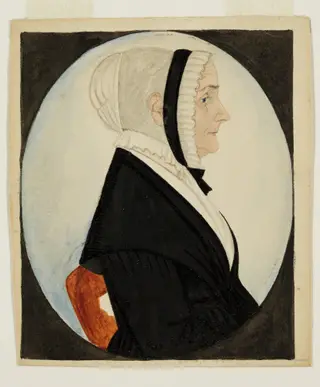
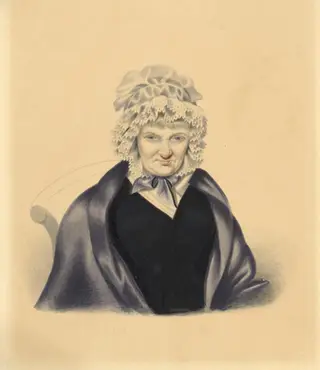
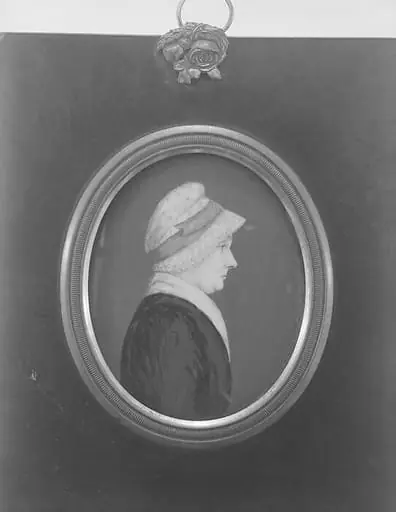
A woman in a white cap looks to the side, her face lit softly. The pastel strokes are quick but careful, like a sketch that became the final piece.
This portrait was made in 1809, when pastel was still new in America. The paper’s tone has darkened over time, giving the skin a warmer glow than the artist probably meant. It feels like a private moment, not a posed show.
If you like this quiet style, look up more works in pastel. The way the colors blend without brushes is worth seeing up close.
Subject & Meaning
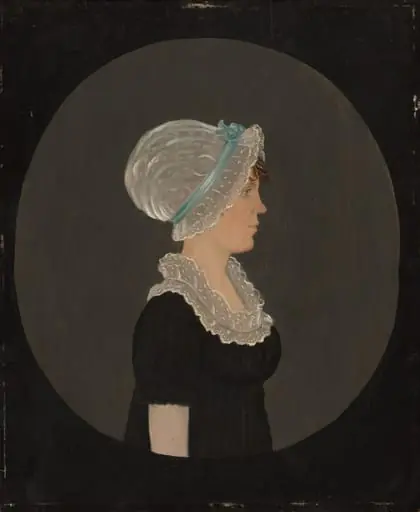
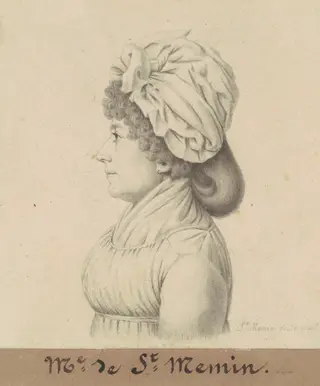
The work titled Dorothea Hart is a pastel portrait dating to 1809 that portrays a young woman in profile. Her attire includes a cap, a bow, lace trim, and a fichu, all noted as characteristic details of the period. These elements are recorded in the museum’s classification within The American Wing and are documented in the artwork’s descriptive data.
The combination of the profile view and the listed accessories suggests an emphasis on genteel femininity and the sitter’s social presentation. As a portrait, the piece functions both as a record of the sitter’s appearance and as a symbolic display of contemporary fashion.
Technique & Style
Dorothea Hart was executed in pastel on toned laid paper, a medium that has since undergone oxidation, altering the original surface appearance. Created in 1809, the work is a profile portrait depicting a woman adorned with a cap, bow, and fichu featuring lace details. The handling of the pastel captures the delicate textures of the clothing accessories against the prepared paper support. Stylistically, the piece adheres to the profile format characteristic of the artist's portraiture from this period.
History & Provenance
The pastel portrait of Dorothea Hart was created on October 20, 1809, by the artists James Sharples and Ellen Wallace Sharples. Executed in pastel on toned paper that has since oxidized, the work depicts the subject in profile wearing a cap, fichu, and lace. The piece is currently held within the collection of the Metropolitan Museum of Art in New York, where it is classified under The American Wing. The specific creation date of October 1809 is recorded as the inception of the artwork.
Legacy
The portrait by Ellen Wallace Sharples, dated 1809, is catalogued as part of the American Wing at the Metropolitan Museum of Art, indicating its acceptance within a canonical narrative of early American portraiture. The drawing, rendered in pastel on toned laid paper, portrays a woman wearing a cap, lace, bow, fichu, and a profile pose, details documented in both the museum’s internal record and the work’s Wikidata entry. Its preservation in a leading institution reflects a sustained scholarly interest and contributes to the artist’s enduring reputation in studies of 19th‑century American art.
Overview
Ellen Wallace Sharples’ portrait of Dorothea Hart, executed in 1809, is a pastel work on toned paper that has since oxidized, altering its original hue. The composition presents a woman wearing a white cap, a bow, and a fichu, her gaze turned away from the viewer, illuminated by a soft light that suggests intimacy rather than formal display.
Context
During the early 1800s, American artists were experimenting with pastel as an alternative to oil, attracted by its immediacy and luminous qualities. Sharples’ work exemplifies this experimental phase, aligning with contemporary trends that favored intimate portraiture over grand, formal compositions.
Artist & collection
Artist
Ellen Wallace Sharples (1769-1849) was a British artist known for her portraits in pastel and watercolour.