Artwork
Portrait of a Man
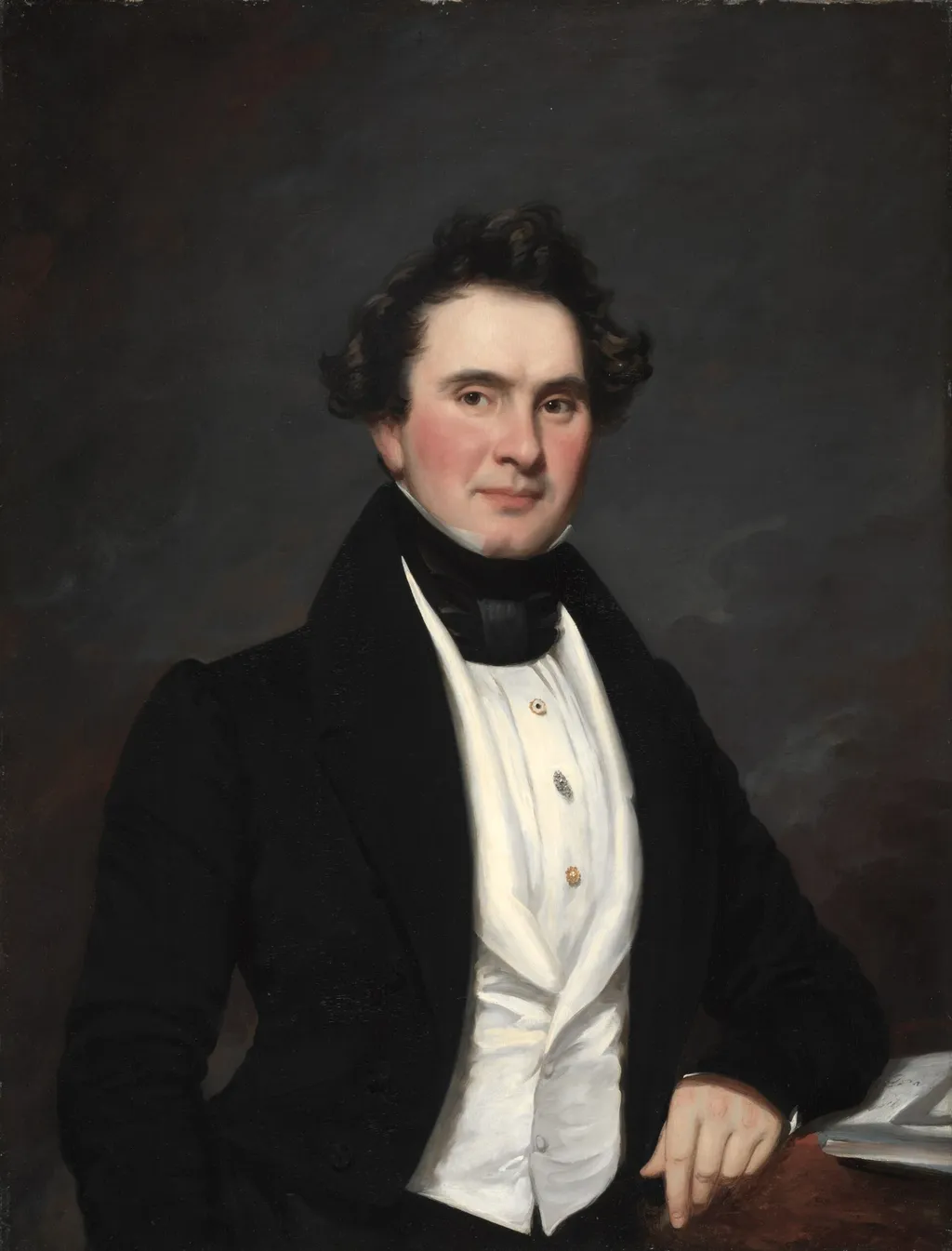
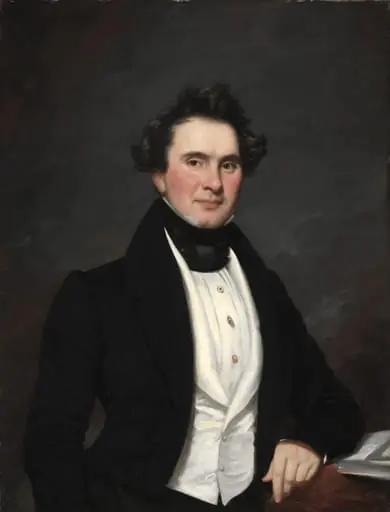
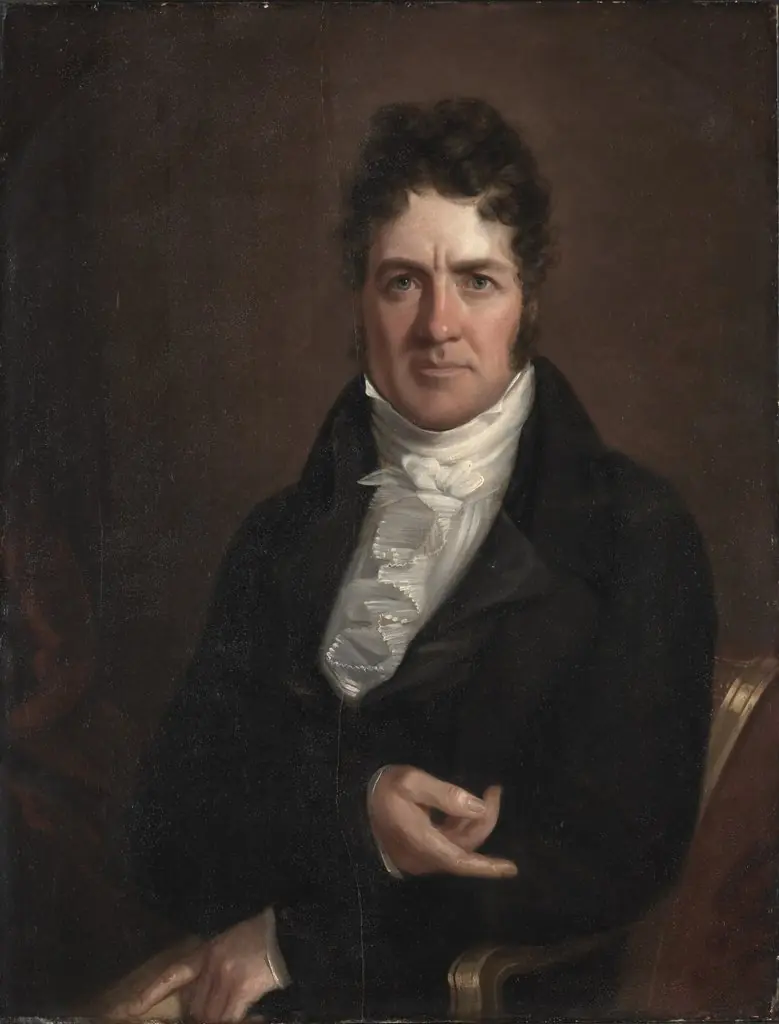
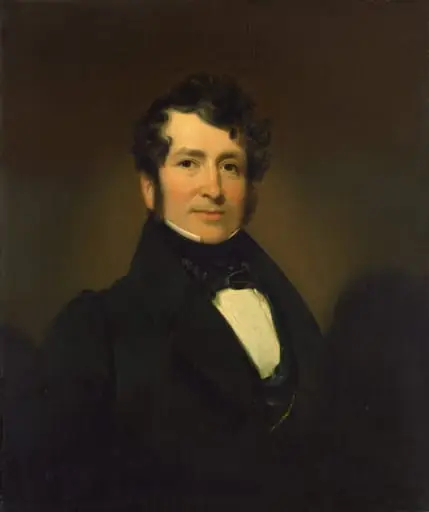
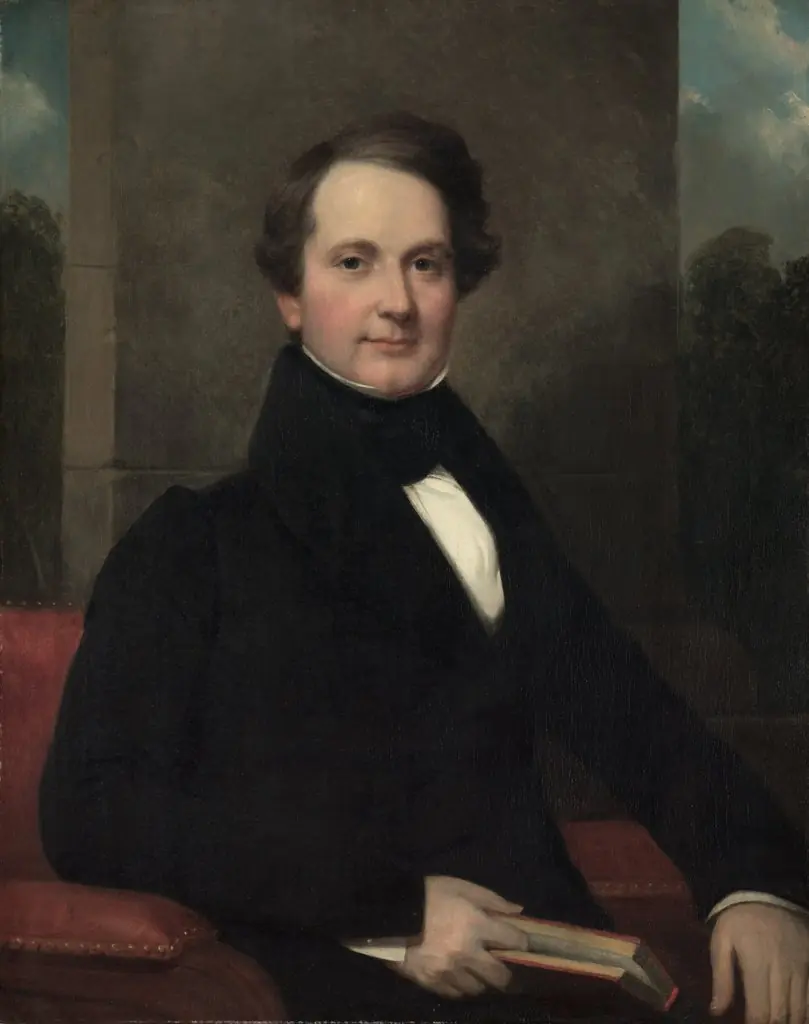
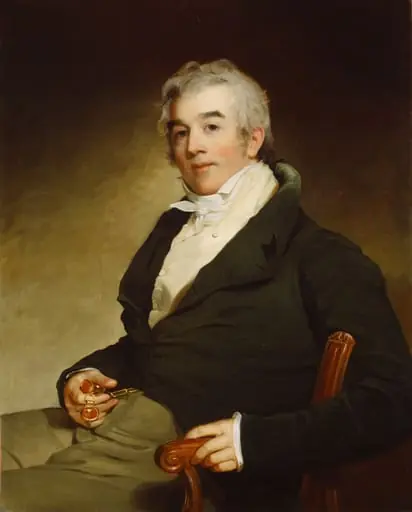
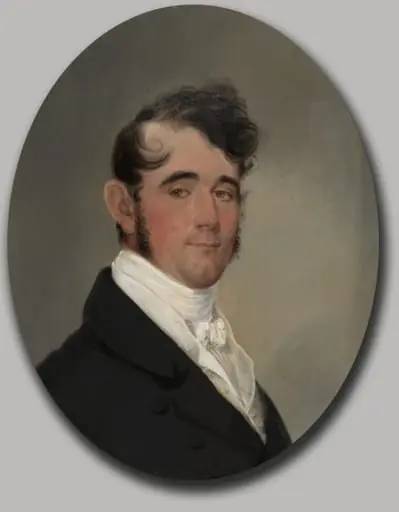
Portrait of a Man is an oil painting by the American Folk Art artist William Jewett. It dates from 1832 and is held in the collection of the Cleveland Museum of Art.
About this work
Subject & Meaning
As a portrait genre work from 1832, it follows the tradition of individual representation that emphasized the sitter's social standing and personal character.
The painting depicts a man, presented in the formal conventions of early 19th-century American portraiture. As a portrait genre work from 1832, it follows the tradition of individual representation that emphasized the sitter's social standing and personal character. The subject's identity is not specified beyond his gender, reflecting the standard practice of the era where portraits served as documents of respectable personhood.
The work represents the collaborative portrait tradition of the period, attributed to Samuel Lovett Waldo and William Jewett, who operated a shared studio practice. The painting's meaning resides in its function as a marker of bourgeois identity and the democratic expansion of portraiture in the young United States, where such works allowed middle-class subjects to claim the visual prestige previously reserved for elites.
Technique & Style
The work titled Portrait of a Man is executed in oil paint on a wooden panel, a technique documented for early‑19th‑century American portraiture. The catalog records the dimensions as 91.4 cm by 69.7 cm and the date as 1832, with creation taking place in the United States. The support is a solid panel, and the piece is classified as a portrait that depicts a solitary male sitter. The artwork is attributed to William Jewett, with possible collaboration noted in the provenance.
History & Provenance
Created in 1832, the oil-on-panel painting known as Portrait of a Man was executed by the American artists Samuel Lovett Waldo and William Jewett. The work depicts a male subject and measures 91.4 cm in height by 69.7 cm in width. It is currently held in the collection of the Cleveland Museum of Art, where it is cataloged under the accession number 1947.206.
The piece was produced in the United States during the early nineteenth century. While the specific identity of the sitter and the original commissioning details are not provided in the available documentation, the work is firmly dated to the year 1832. The collaboration between Waldo, who lived from 1783 to 1861, and Jewett, who lived from 1789/90 to 1874, resulted in this significant portrait now preserved by the Cleveland institution.
The painting is held by the Cleveland Museum of Art, where it is catalogued under accession number 1947.206. The museum's collection record attributes the work to Samuel Lovett Waldo and William Jewett. No specific exhibition history is provided in the available sources.
Context
The painting, titled Portrait of a Man, is an 1832 oil on panel portrait created in the United States, reflecting early American portraiture. Its classification as a portrait and inclusion in the Cleveland Museum of Art collection underscore its role as a representative example of the genre during the period. Documentation attributes its creation to Samuel Lovett Waldo and William Jewett, situating it within the corpus of 19th‑century American portraiture.
Overview
William Jewett's "Portrait of a Man," an oil painting created in 1832, offers a formal depiction of an unidentified male subject. This work is held within the collection of The Cleveland Museum of Art, serving as an example of American portraiture from the early 19th century. The painting showcases Jewett's approach to capturing individual likeness and presence.
Own this work as a print
Artist & collection