Artwork
The Beheading of St John the Baptist
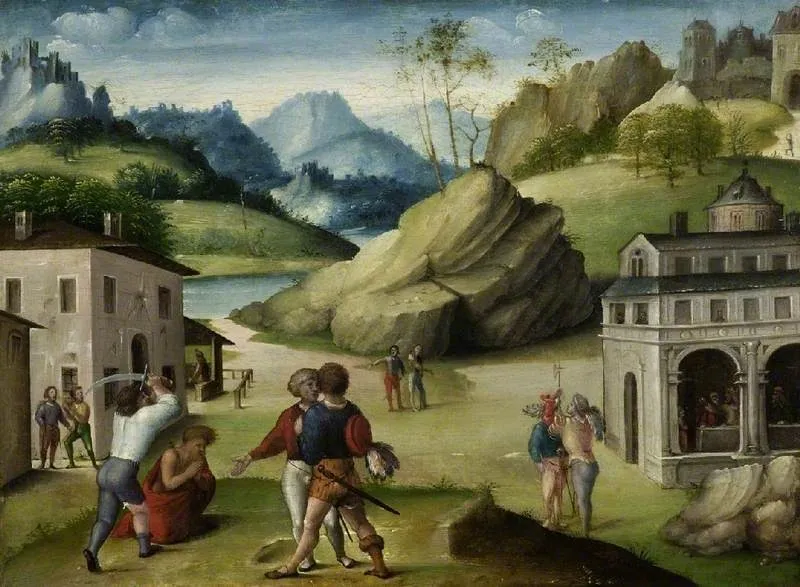
The Beheading of St John the Baptist is an oil painting by the Gothic painting artist Amico Aspertini. It is held in the collection of the Fitzwilliam Museum.
About this work
Overview
As a Bolognese artist, he blended Gothic sensibilities with emerging Mannerist tendencies, creating compositions marked by dense detail and restless movement.
Amico Aspertini painted The Beheading of St John the Baptist in oil during the early 16th century, a period when Italian art was shifting from High Renaissance ideals toward more expressive forms. As a Bolognese artist, he blended Gothic sensibilities with emerging Mannerist tendencies, creating compositions marked by dense detail and restless movement. The work remains in the Fitzwilliam Museum’s collection, where it exemplifies regional stylistic experimentation of the time.
Subject & Meaning
The painting illustrates the execution of John the Baptist, as recounted in the Gospels, when Salome’s request led to his beheading. Aspertini emphasizes the moment of violence with stark clarity: the figure’s head is severed, blood visible, while onlookers react with varied expressions of horror, indifference, or complicity. The scene carries moral weight, reflecting contemporary religious contemplation on martyrdom and divine justice.
Technique & Style
Aspertini employed oil paint to achieve rich color saturation and fine detail, particularly in the textures of fabric, skin, and landscape. His figures are elongated and dynamically posed, avoiding classical balance in favor of expressive tension. The background features a crowded, uneven terrain of hills and water, creating a sense of spatial dislocation that anticipates Mannerist distortions, while retaining Gothic narrative intensity.
History & Provenance
The painting was likely completed in the 1510s or 1520s, during Aspertini’s mature period in Bologna. It entered the Fitzwilliam Museum’s collection in the 19th century, having passed through private hands in Italy. Its survival in relatively intact condition offers insight into the devotional art produced outside major centers like Florence or Rome, highlighting the regional diversity of Renaissance practice.
Context
Created amid religious upheaval and artistic innovation, the work reflects how local Italian workshops interpreted biblical narratives with personal flair. While contemporaries pursued harmony and proportion, Aspertini favored crowded compositions and emotional intensity, aligning with a broader trend in northern Italy toward expressive, almost theatrical religious imagery that prefigured Mannerism.
Legacy
Though not widely known outside specialist circles, Aspertini’s painting contributes to understanding the transition from Renaissance naturalism to Mannerist complexity. Its unorthodox structure and emotional rawness offer a counterpoint to more celebrated works of the era, illustrating how regional artists expanded the visual language of sacred storytelling beyond mainstream conventions.
Artist & collection
Artist
Amico Aspertini, also called Amerigo Aspertini (ca 1474 – 1552), was an Italian Renaissance painter and sculptor whose complex, eccentric, and eclectic style anticipates Mannerism.

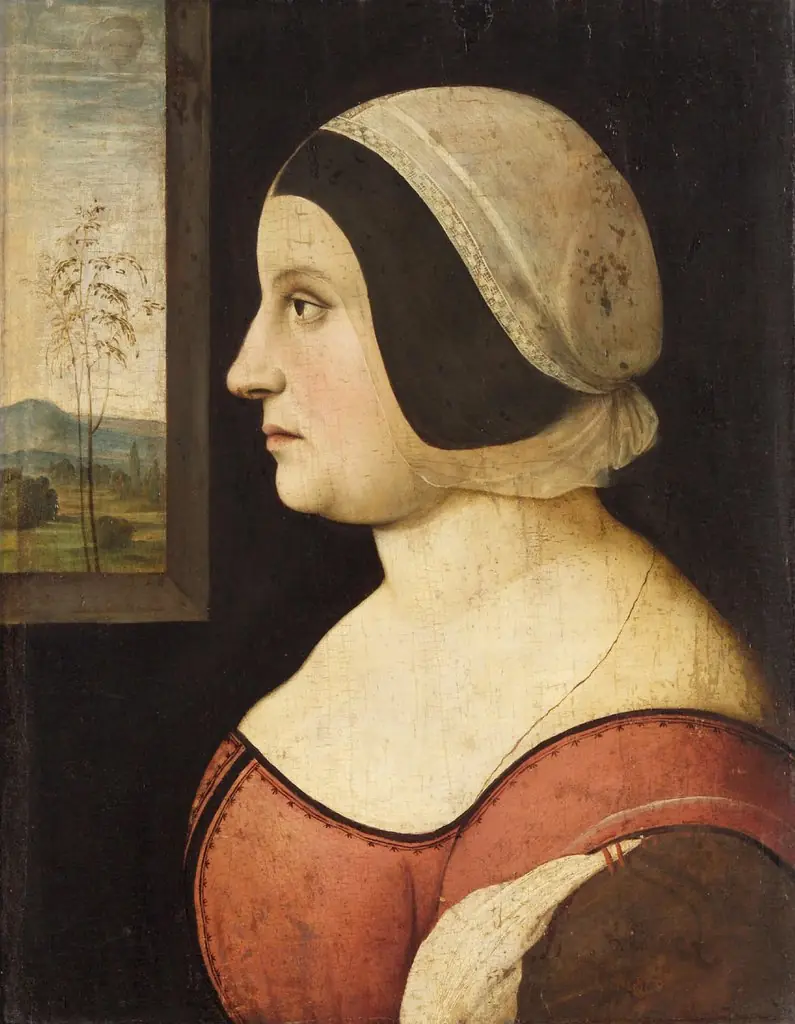
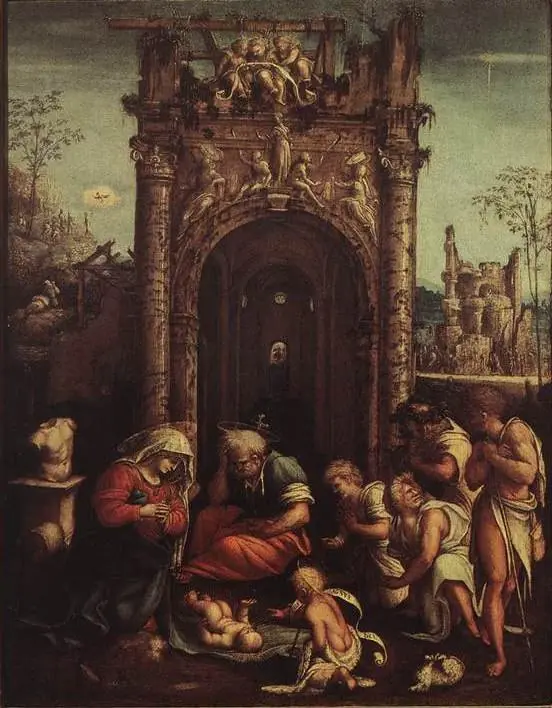
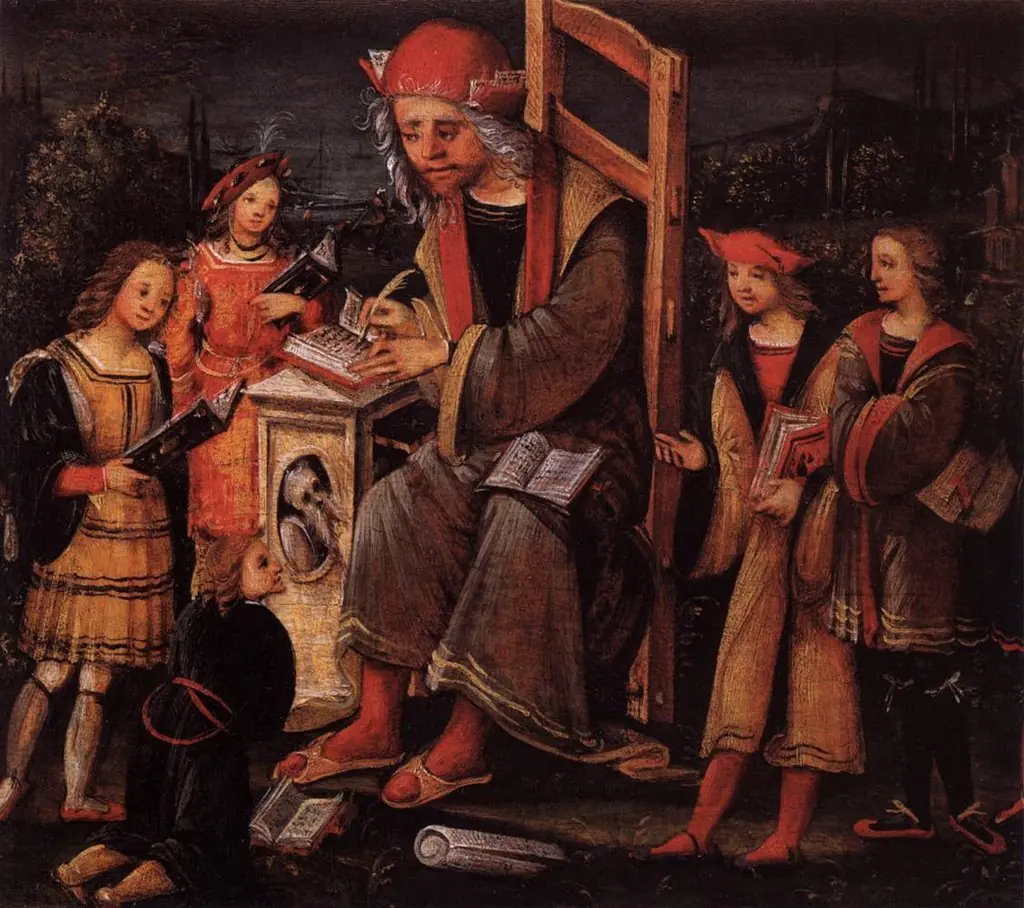
- Atalanta's race
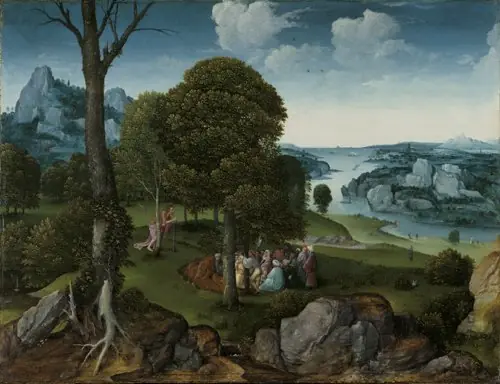 Landscape with St John the Baptist Preaching
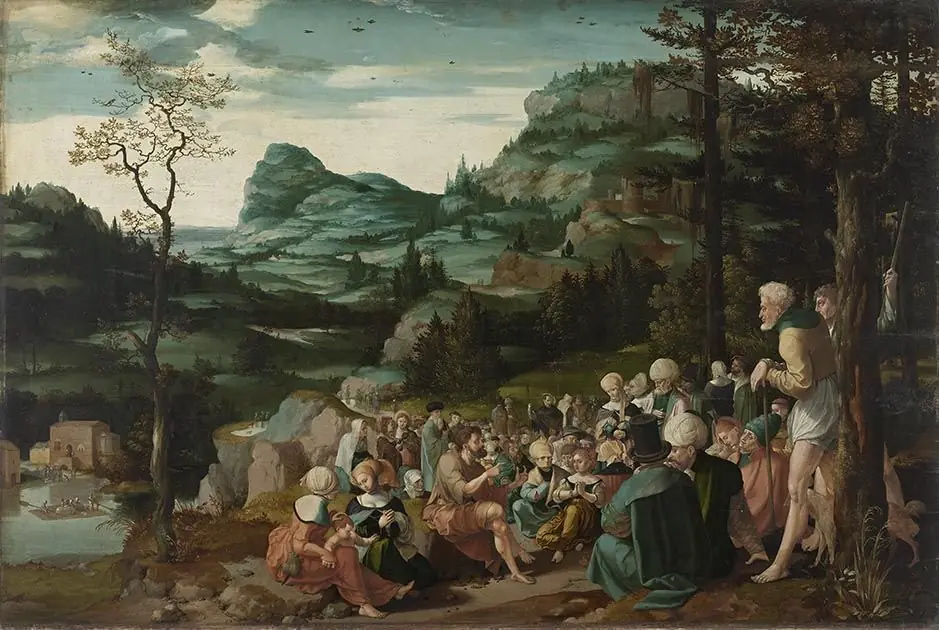 St. John the Baptist Preaching
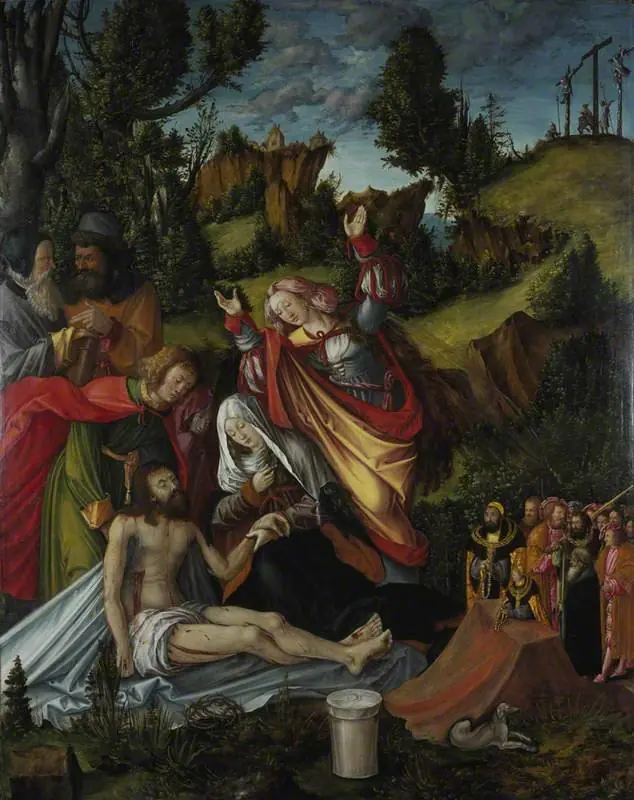 The Lamentation of Christ with a Group of Donors
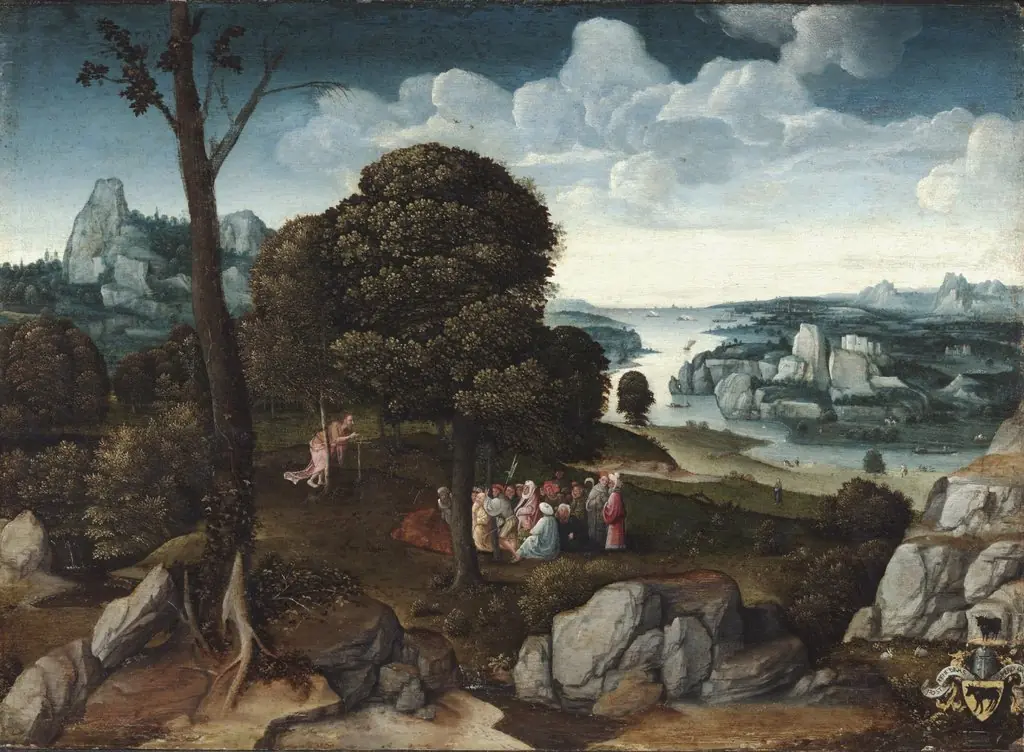 Landscape with Saint John the Baptist Preaching
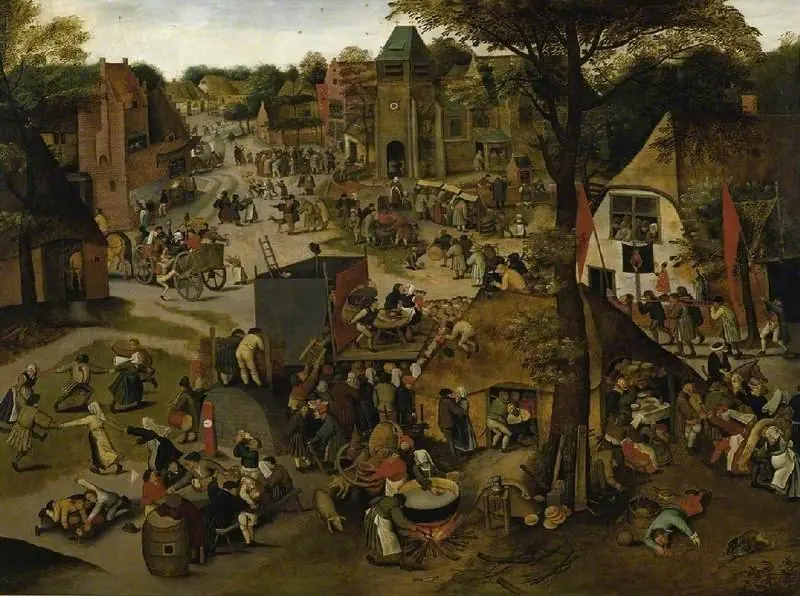 A Village Festival, With a Theatrical Performance and a Procession in Honour of St Hubert and St Anthony
 Landscape with St John baptising
 Landscape with Saint Jerome
 The Four seasons
 Landscape with Roman ruins
 The Journey to Calvary
 The Meeting of Rebecca and Abraham's Servant at the Well of Nahor