Artwork
König Philipp IV. von Spanien (1605-1665) mit seiner Schwester, der Infantin Anna (1601-1666), Bildnis in ganzer Figur
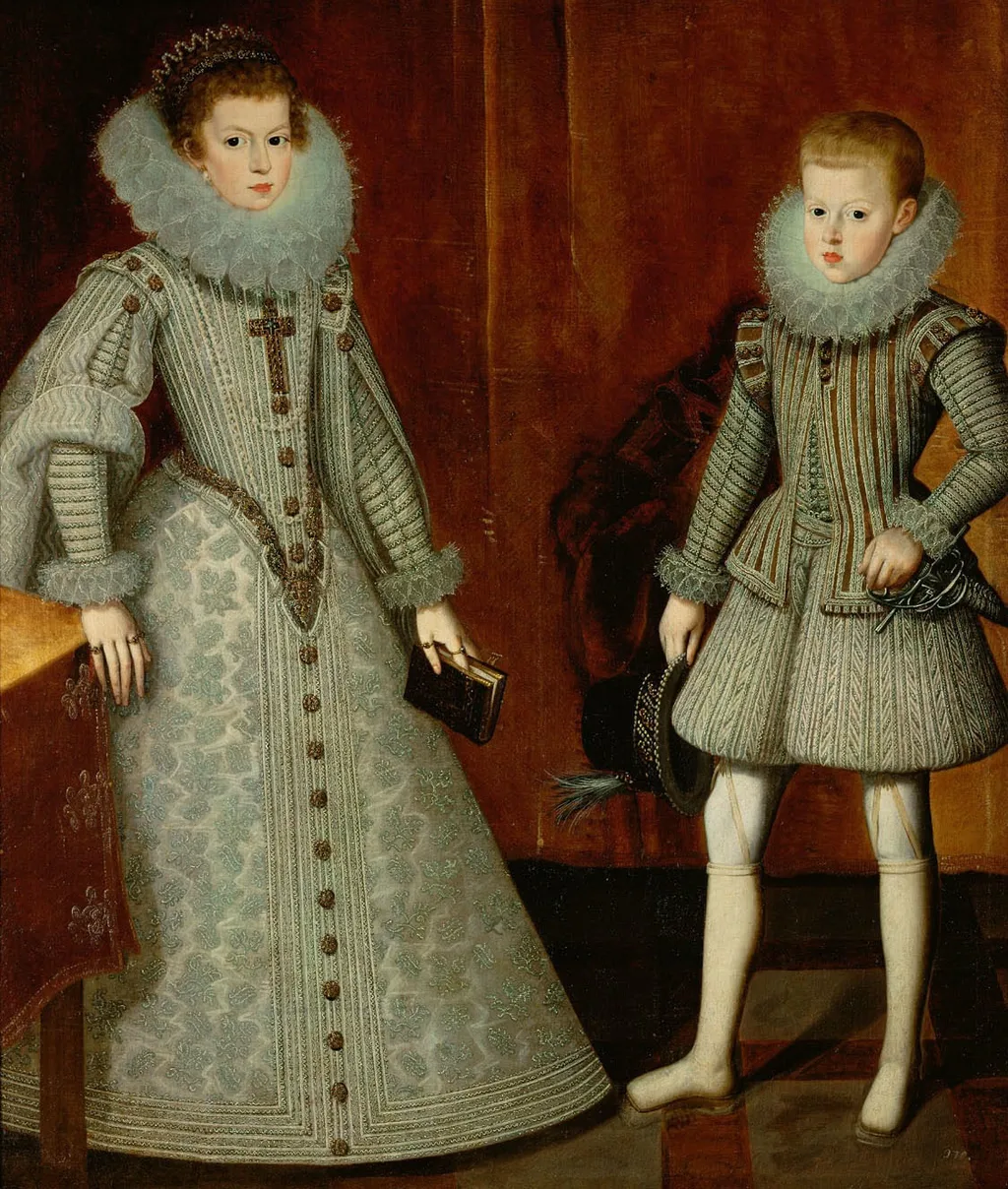
König Philipp IV. von Spanien (1605-1665) mit seiner Schwester, der Infantin Anna (1601-1666), Bildnis in ganzer Figur is an unspecified painting by the Early Baroque Italian artist Bartolomé González y Serrano. It dates from 1612 and is held in the collection of the Kunsthistorisches Museum.
About this work
Subject & Meaning
Created in 1612 by Bartolomé González y Serrano, the work presents the royal siblings in a full-length portrait format.
The painting depicts King Philip IV of Spain alongside his sister, Infanta Anne of Austria. Created in 1612 by Bartolomé González y Serrano, the work presents the royal siblings in a full-length portrait format. As a formal court portrait, the composition serves to document the presence of the young monarch and his sister, establishing their identities within the Spanish Habsburg lineage.
The depiction focuses on the physical likeness and status of the two figures at the time of their youth.
Technique & Style
The work is a painting executed in oil on canvas, a support consistent with the portrait practice of early seventeenth-century Spanish court painters. According to the catalogue record, the medium is canvas, and the canvas measures 137 cm in height by 118 cm in width, yielding a near-square upright format suited to a full-length double portrait.
Stylistically, the picture belongs to the formal tradition of Spanish Habsburg court portraiture, presenting the sitters, Philip IV of Spain and his sister Anne of Austria, in whole-length, life-size format. The handling reflects the restrained, sober courtly manner associated with Bartolomé González y Serrano, who served the Spanish crown and produced official likenesses of the royal family. The work is held in the Kunsthistorisches Museum collection, though the provided sources do not specify current condition, conservation history, or detailed stylistic analysis.
History & Provenance
The painting was created by Bartolomé González y Serrano in 1612, executed on canvas as a full-length portrait depicting Philip IV of Spain and his sister, the Infanta Anna of Austria.
The work is held in the collection of the Kunsthistorisches Museum, where it is located at Schloss Ambras in Innsbruck. The sources do not provide further details about the original commission, intermediate owners, or the chain of custody leading to its present institutional placement.
The full-length portrait of King Philip IV of Spain and his sister, Infanta Anna, painted by Bartolomé González y Serrano in 1612, is held in the collection of the Kunsthistorisches Museum in Vienna. The work is executed in oil on canvas and measures 137 cm in height by 118 cm in width. While the painting is currently associated with the Kunsthistorisches Museum, historical records also link it to the Schloss Ambras in Innsbruck.
The provided sources do not contain specific inventory numbers or a detailed list of past exhibitions for this artwork.
Context
The portrait of Philip IV of Spain with his sister Anne of Austria, painted by Bartolomé González y Serrano in 1612, is housed in the Kunsthistorisches Museum in Vienna and is classified as a full-length court portrait. It entered the museum's collection in the early 19th century, likely transferred from the Ambras collection in Innsbruck, where it had been displayed since the 16th century. The work exemplifies the Habsburg court's use of portraiture to assert dynastic authority and reflects the influence of Spanish Habsburg visual culture on Central European collections.
Scholars have examined its composition and political symbolism in studies of early Baroque portraiture, particularly regarding the representation of royal family members in ceremonial contexts.
Overview
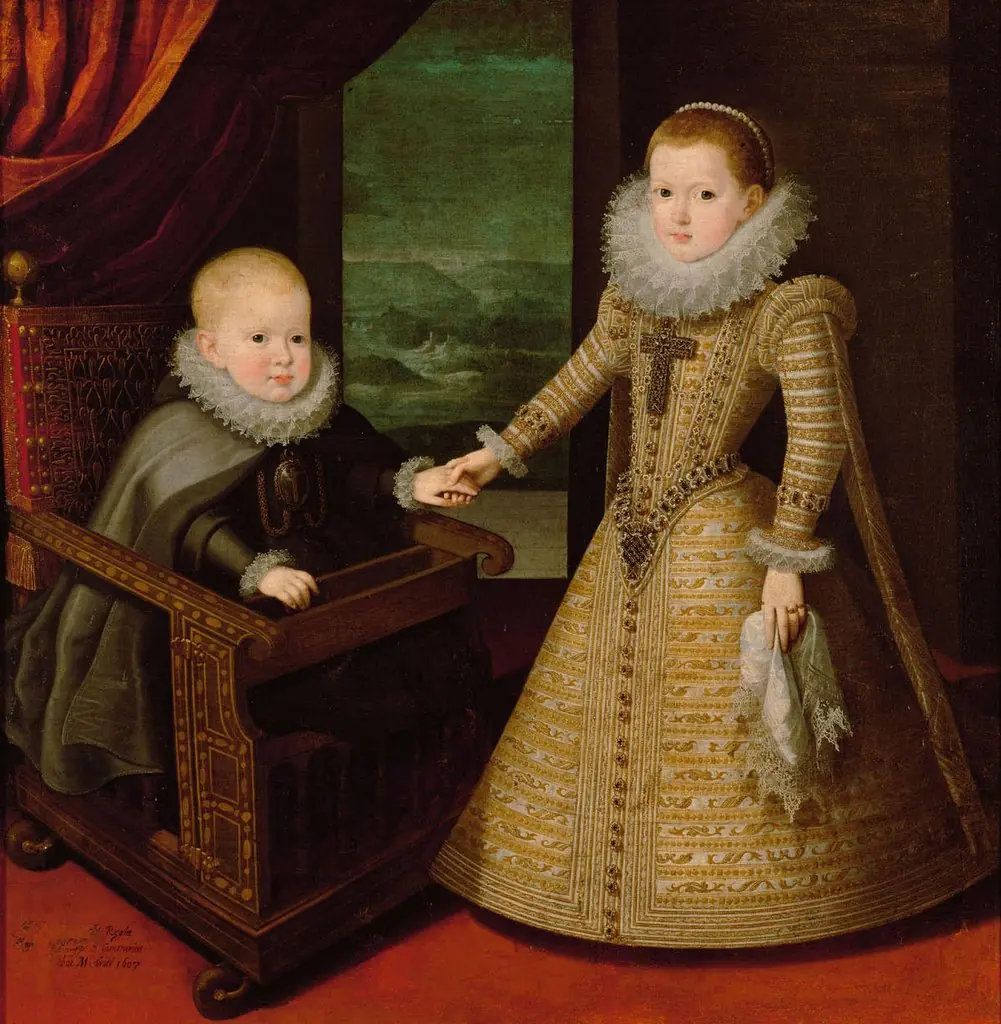
Bartolomé González y Serrano’s full‑length canvas, dated 1612, portrays the Spanish monarch Philip IV alongside his sister, the Infanta Anna. Executed in the early Baroque idiom, the work follows the courtly portrait tradition of the Spanish Habsburgs and is now part of the collection of the Kunsthistorisches Museum in Vienna.
Artist & collection
Artist
Bartolomé González y Serrano (1564–1627) was a Spanish Baroque painter specializing in portraits that represent a continuation of Renaissance court portrait types practiced by Alonso Sánchez Coello and especially by Juan Pantoja de la Cruz.

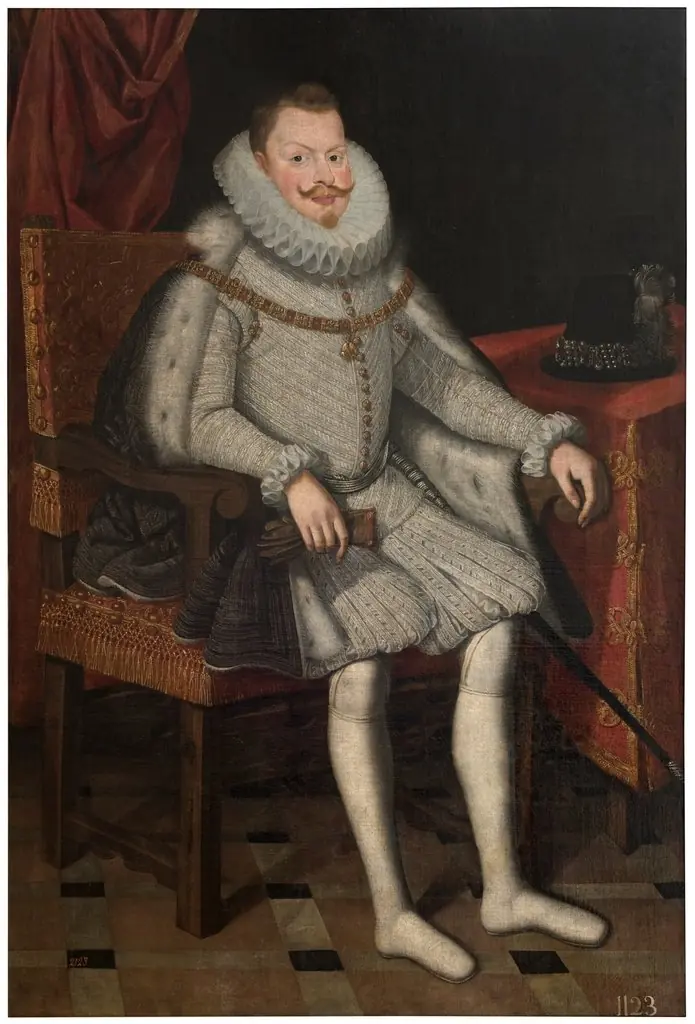 Felipe III rey de España sedente
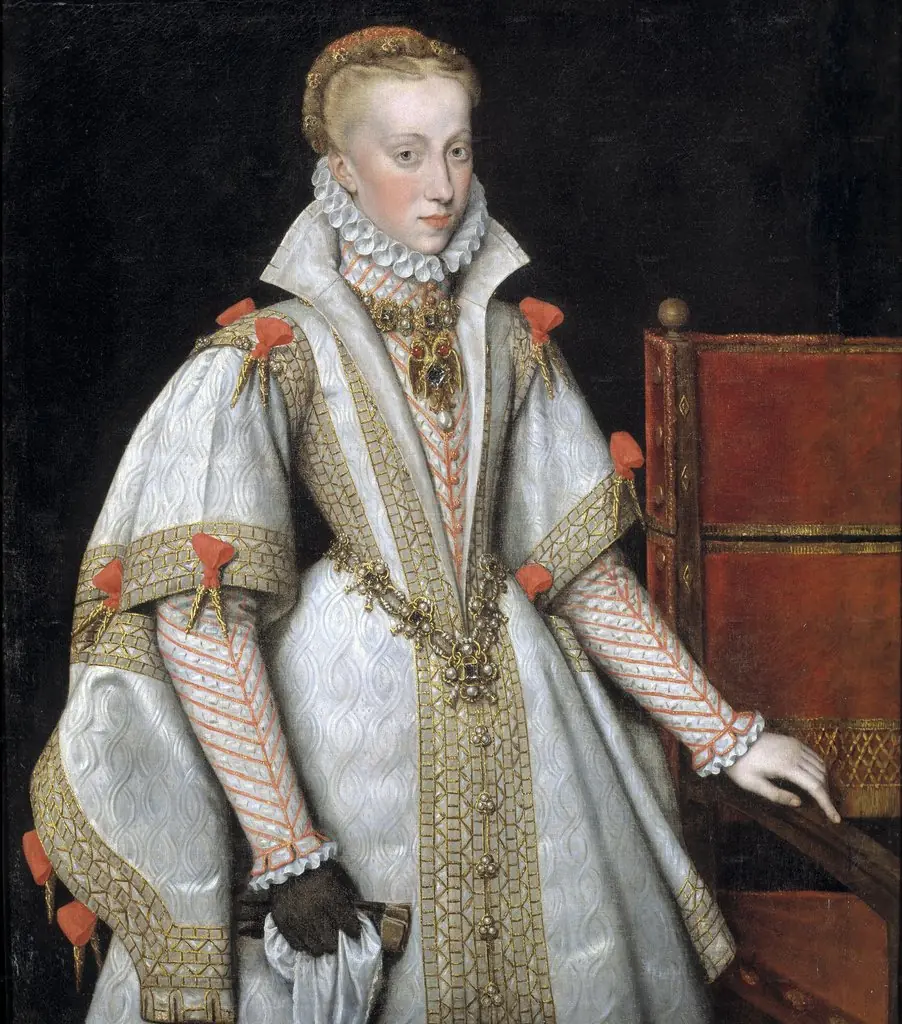 Queen Anne of Austria, fourth Wife of Philip II
 El archiduque Carlos de Austria, duque de Stiria
 La archiduquesa María de Baviera duquesa de Stiria
 Margarita de Austria, reina de España
 Queen Margaret of Austria
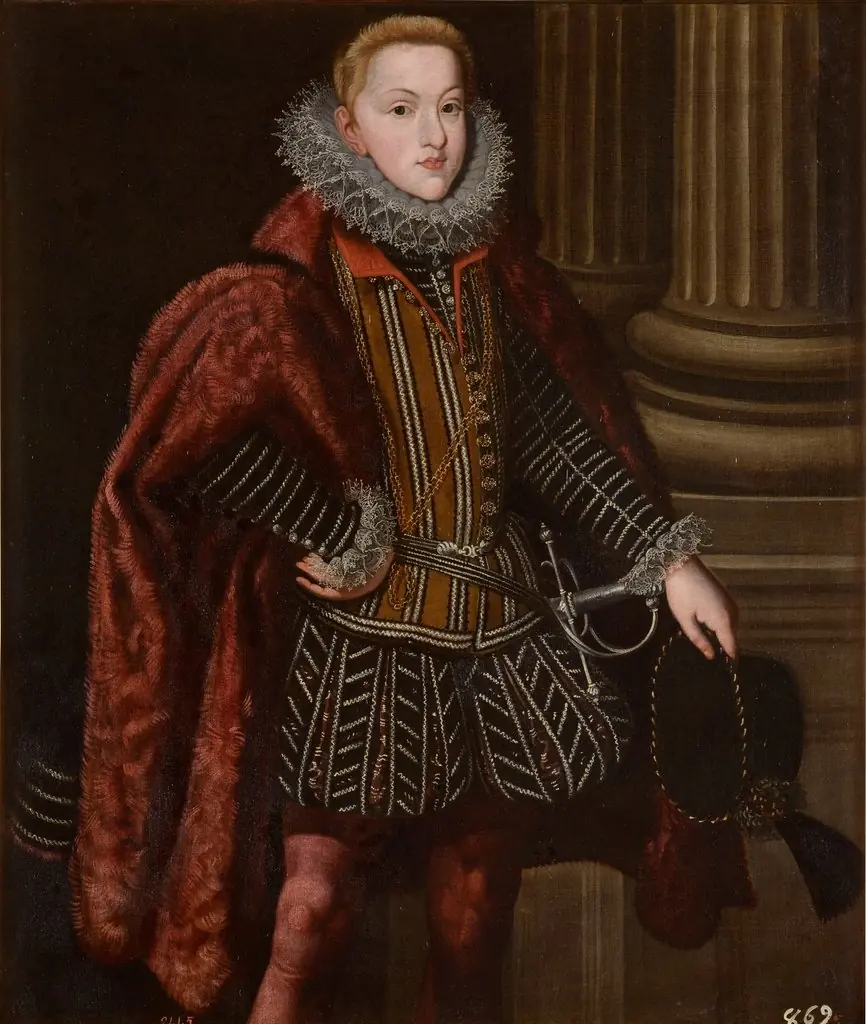 El archiduque Leopoldo cuñado de Felipe III
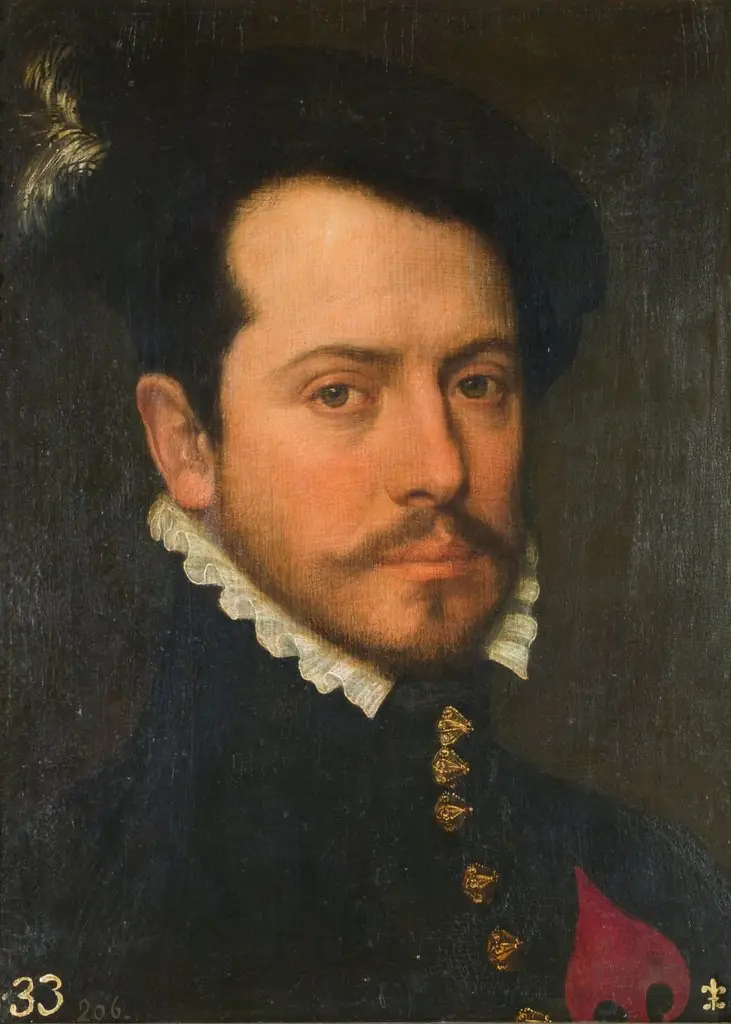 Portrait of a Knight of the Order of Santiago
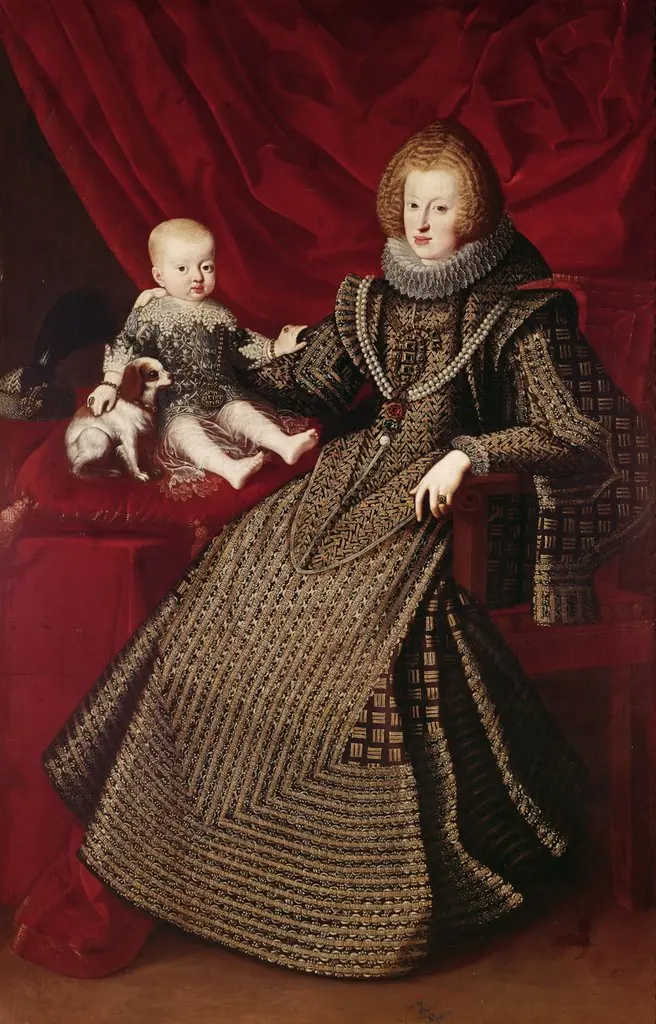 Infantin Maria Anna (1606-1646), Kaiserin, in ganzer Figur mit ihrem erstgeborenen Sohn Ferdinand (1633-1654)
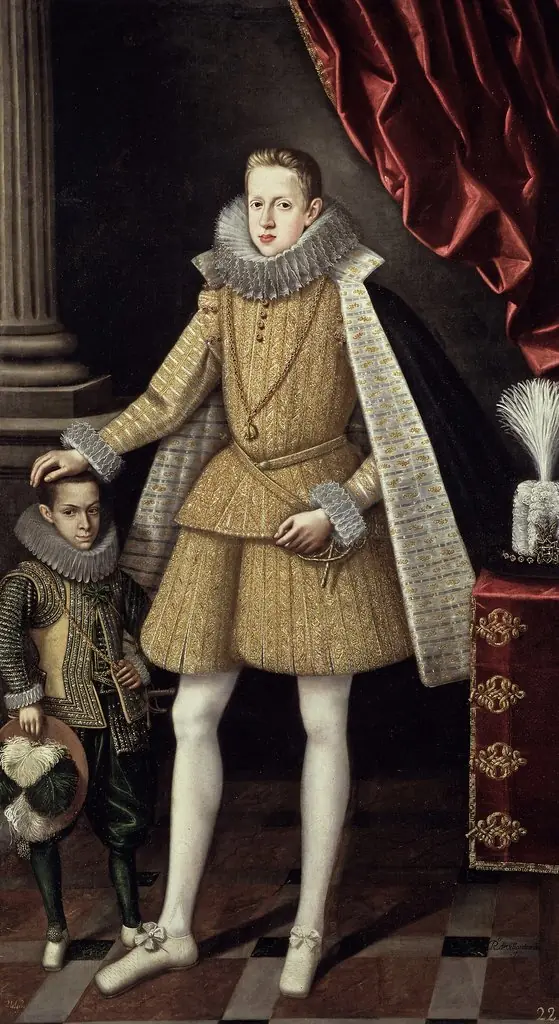 Prince Philip and the Dwarf, Miguel Soplillo
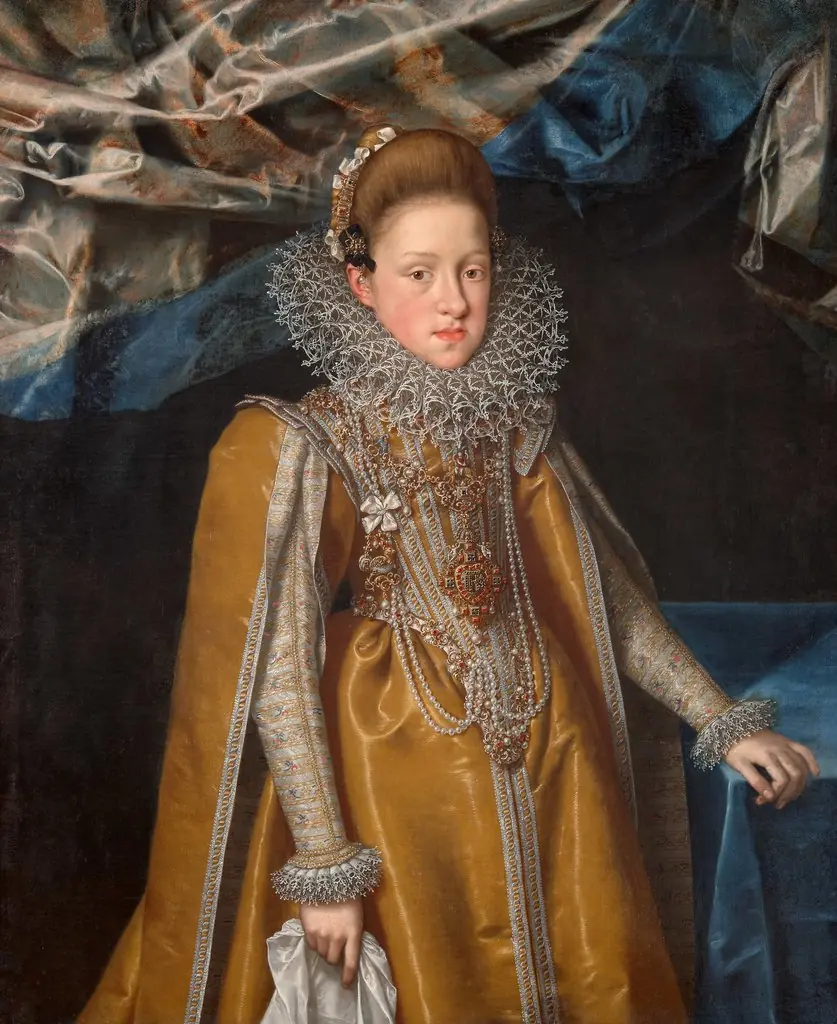 Archduchess Maria Magdalena of Austria
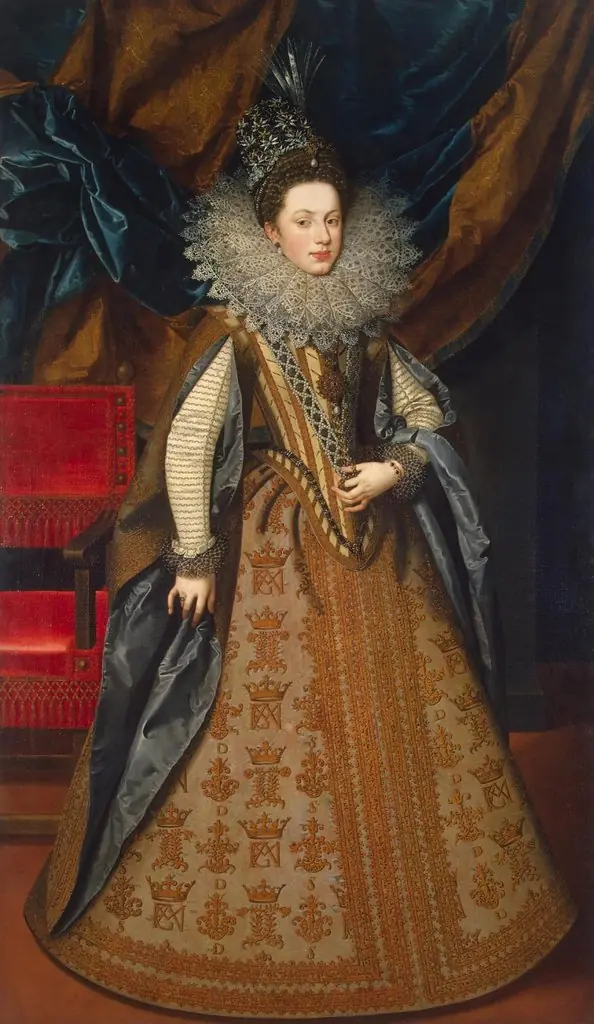 Portrait of Margaret of Savoy, Duchess of Mantua
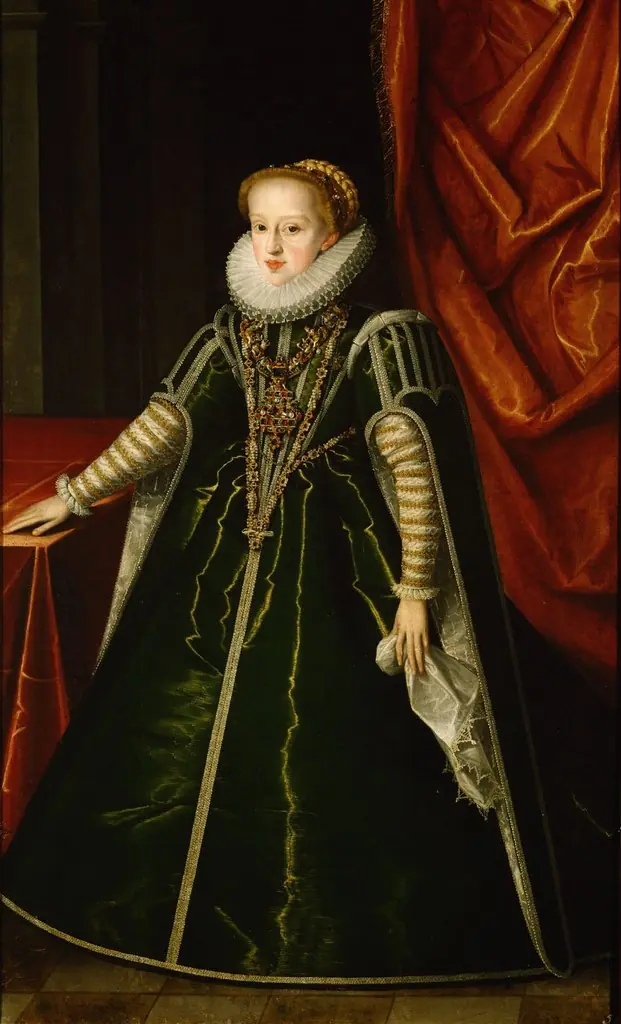 Erzherzogin Gregoria Maximiliane (1581-1597), Tochter von Karl II. von Innerösterreich, im Alter von 11 bis 12 Jahren in ganzer Figur
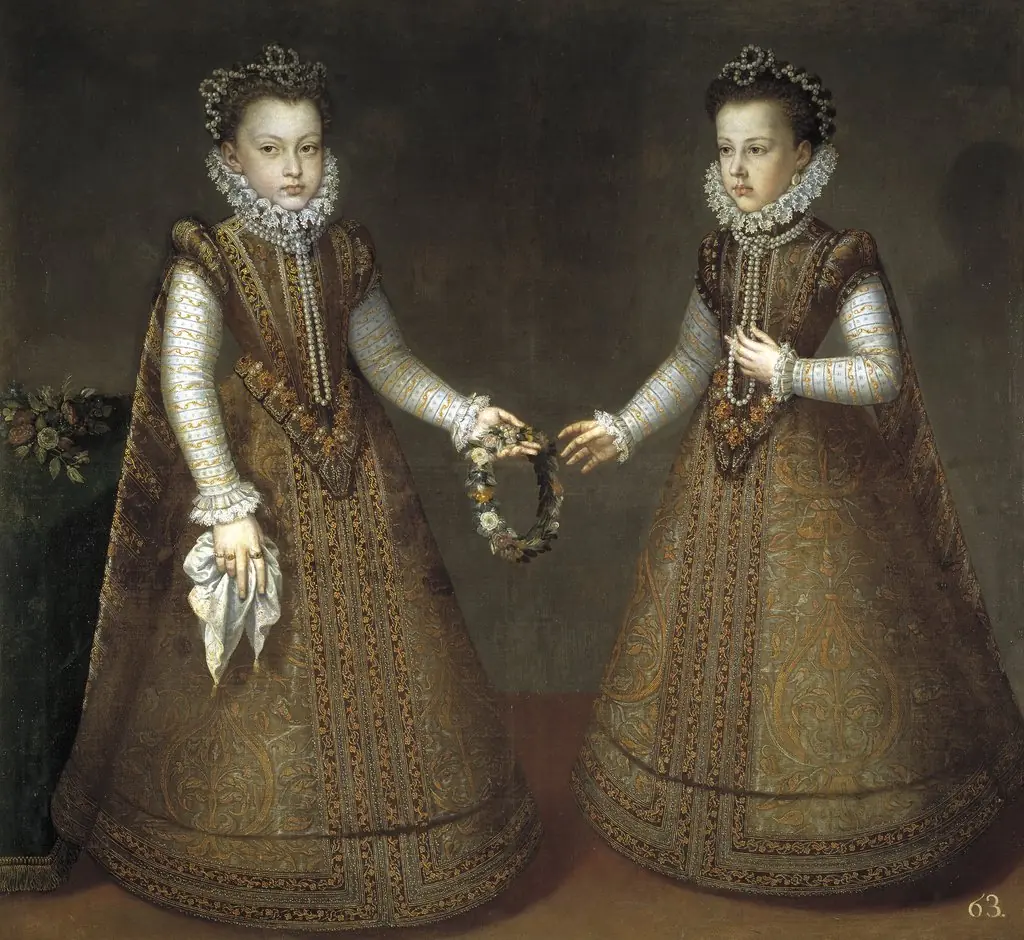 The Infantas Isabel Clara Eugenia and Catalina Micaela
 The Infanta Isabel Clara Eugenia and Magdalena Ruiz
 Margaret of Austria