Artwork
The Mystical Marriage of Saint Catherine
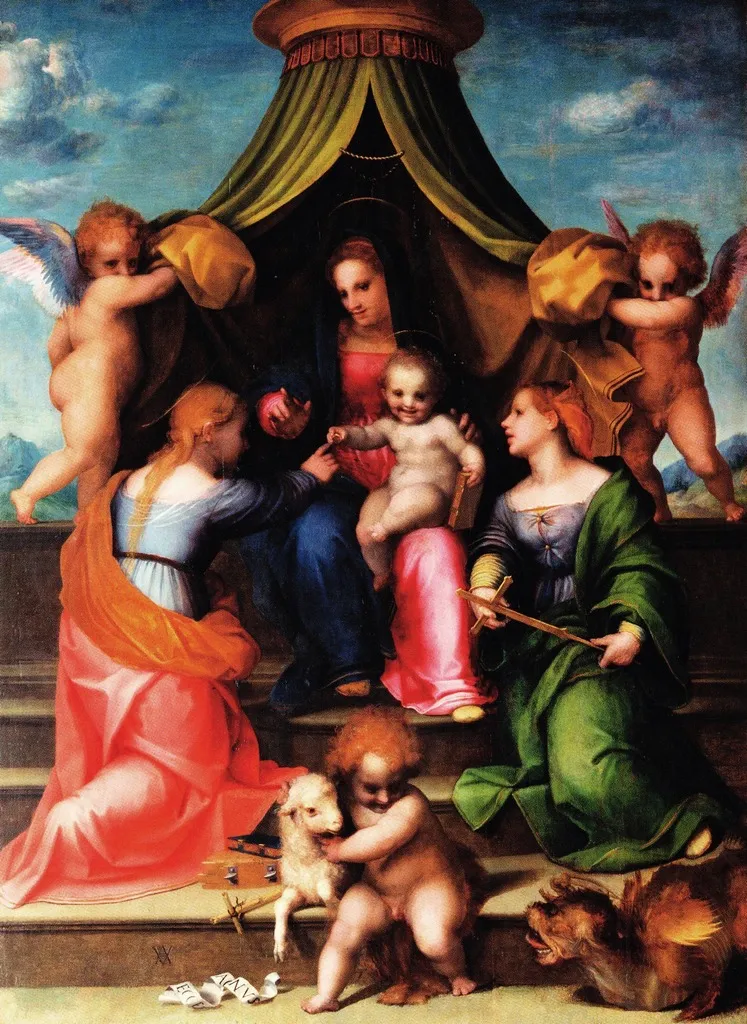
The Mystical Marriage of Saint Catherine is an oil painting by the High Renaissance artist Andrea del Sarto. It dates from 1512 and is held in the collection of the Staatliche Kunstsammlungen Dresden.
About this work
Overview
The Mystical Marriage of Saint Catherine is a religious painting executed by the Italian High Renaissance artist Andrea del Sarto around 1512 to 1513.
The Mystical Marriage of Saint Catherine is a religious painting executed by the Italian High Renaissance artist Andrea del Sarto around 1512 to 1513. Created using oil paint on a wooden panel measuring 167 by 122 centimeters, the work exemplifies the sacra conversazione genre. The painting was acquired by the imperial gallery in Prague in 1749 and is currently held in the Gemäldegalerie Alte Meister in Dresden, Germany. Produced during an early phase of Sarto's career, the work holds particular significance for its considerable influence on his principal pupils, Rosso Fiorentino and Pontormo.
Subject & Meaning
The composition depicts the mystic marriage of Saint Catherine of Alexandria, based on the Bride of Christ theme. Beneath a green canopy, the Virgin Mary sits holding the Christ Child, who places a ring on the finger of the kneeling Saint Catherine. On the right, Saint Margaret of Antiochia sits holding a sword, her attribute, while a small dragon at her feet symbolizes the beast she tamed in prison. At the base of the stepped stone platform, the young Saint John the Baptist embraces a lamb, the Agnus Dei, pulling it protectively away from Margaret's dragon. A scroll bearing the inscription Ecce Agnus Dei rests nearby alongside John's reed cross. Two symmetrical winged putti hold the canopy's golden fabric open, one facing the viewer and one turned away.
Technique & Style
Sarto employed oil on panel to achieve a polished, enamel-like finish with smooth, almost imperceptible brushwork. The figures are defined by soft modeling and gentle shadows suggesting diffuse light from the upper left. The vibrant palette features rich blues, pinks, greens, and oranges typical of his early career, though the painting also introduces Sarto's characteristic sfumato with sandy tones. Stylistically, the work demonstrates clear references to Raphael's Madonna del Baldacchino and the contemporary works of Fra Bartolomeo. The figure of Saint John clinging to the lamb echoes the compositional arrangements of Leonardo da Vinci. The putti are arranged in elegant contrapposto, and the kneeling Catherine features a braided hairstyle, while halos crown the central Virgin and Child.
History & Provenance
Dated to approximately 1512 to 1513, the altarpiece was created during the same period Sarto was working on his frescoes in the Chiostrino dei Voti in the Santissima Annunziata in Florence. The painting's early provenance remains unrecorded prior to its acquisition by the imperial gallery in Prague in 1749. It subsequently entered the collection of the Staatliche Kunstsammlungen Dresden, where it resides today in the Gemäldegalerie Alte Meister.
Context
The painting belongs to Sarto's youthful phase, concurrent with his significant fresco cycle at the Santissima Annunziata in Florence. As a major work of the High Renaissance, it synthesizes the monumental compositional balance of Raphael and Fra Bartolomeo with the Leonardesque modeling that defined Sarto's approach. The altarpiece served as a crucial model for his emerging pupils, profoundly shaping the early styles of Rosso Fiorentino and Pontormo, who absorbed and adapted its vibrant color harmonies and structural arrangements into their own developing mannerist vocabularies.
Artist & collection
Artist
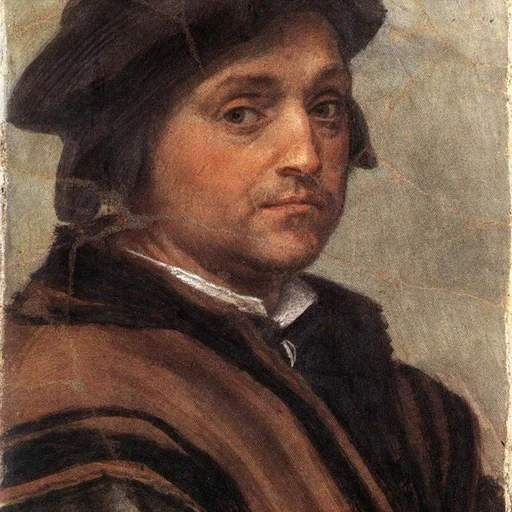
Andrea del Sarto was an Italian painter from Florence, whose career flourished during the High Renaissance and early Mannerism.

 Mystic Marriage of St. Catherine
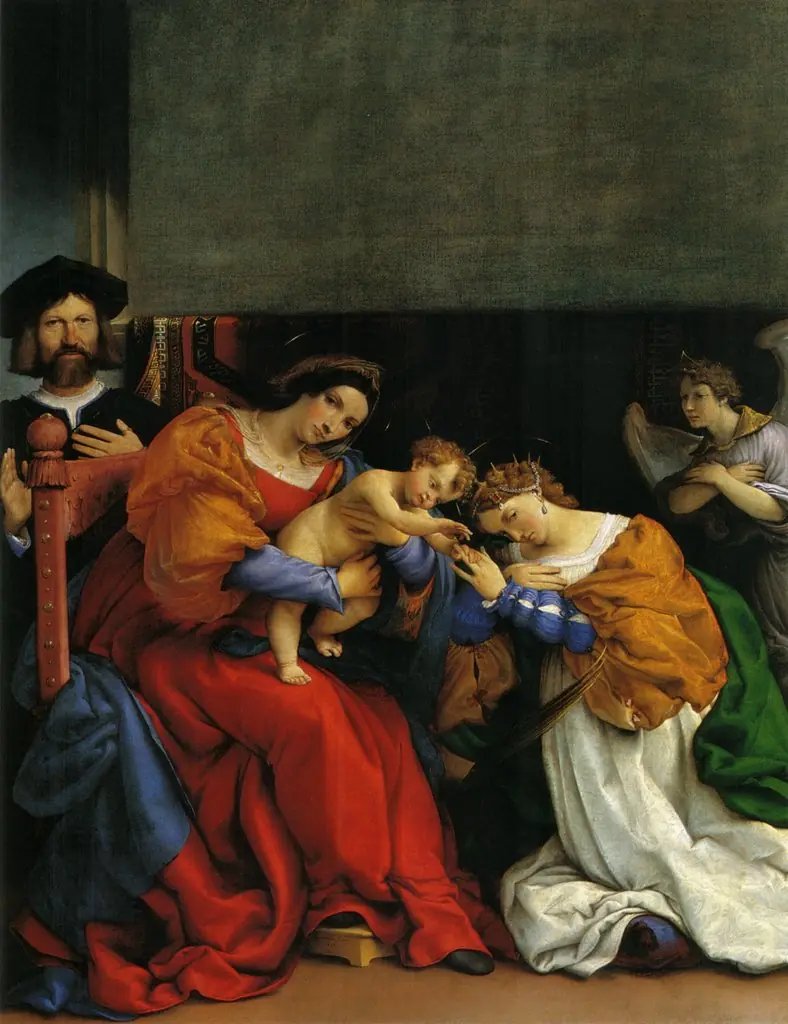 Mystical Marriage of St Catherine of Alexandria with Niccoló Bonghi
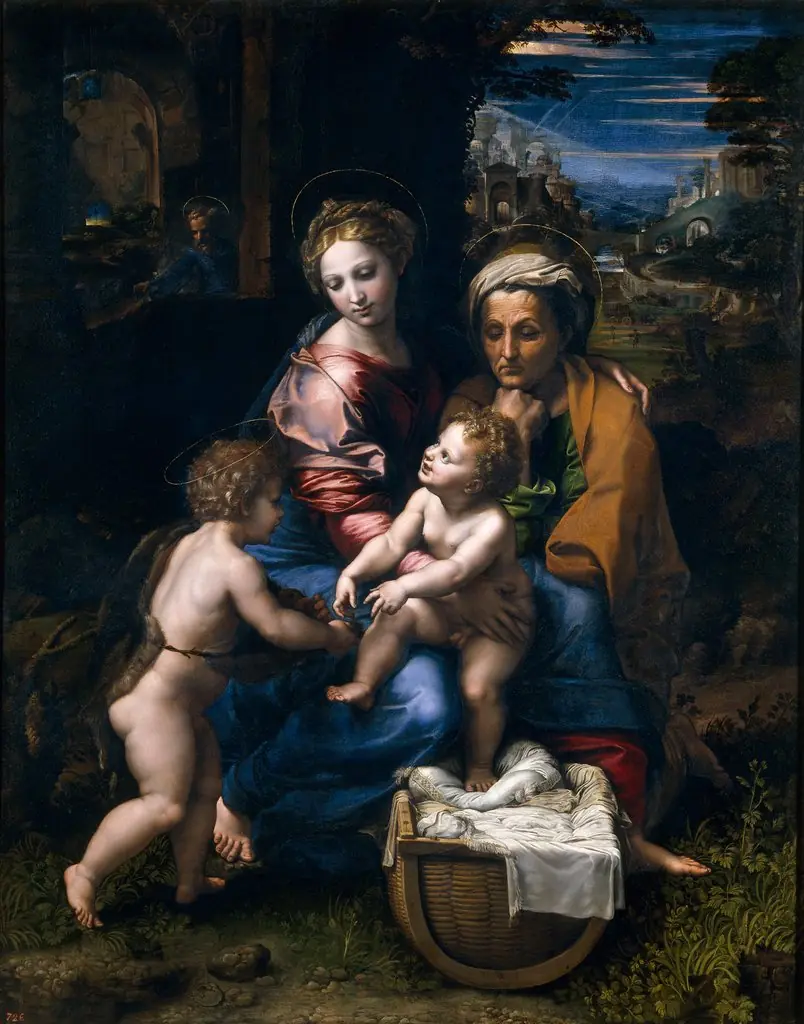 The Holy Family
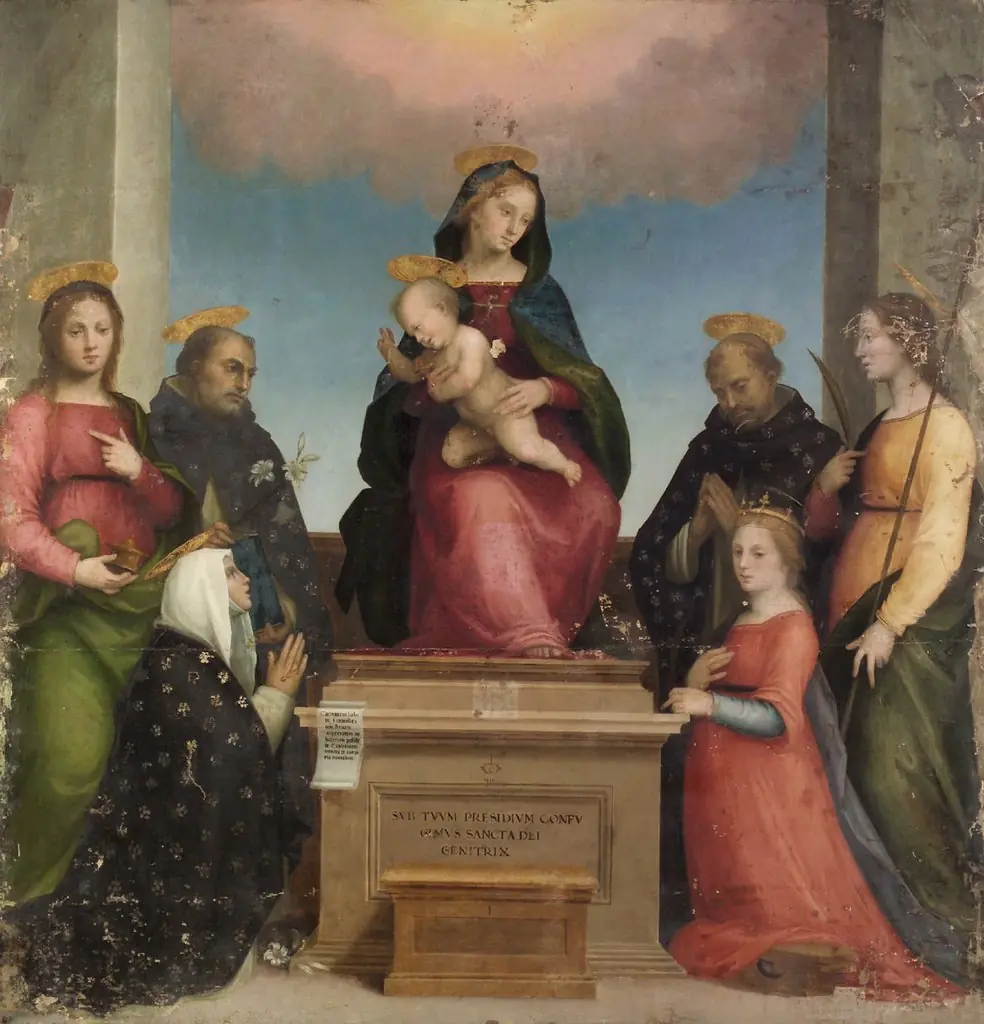 Maria mit Kind und den Hll. Katharina von Siena, Katharina von Alexandrien, Maria Magdalena, Dominikus, Petrus Martyr und einer Märtyrerin
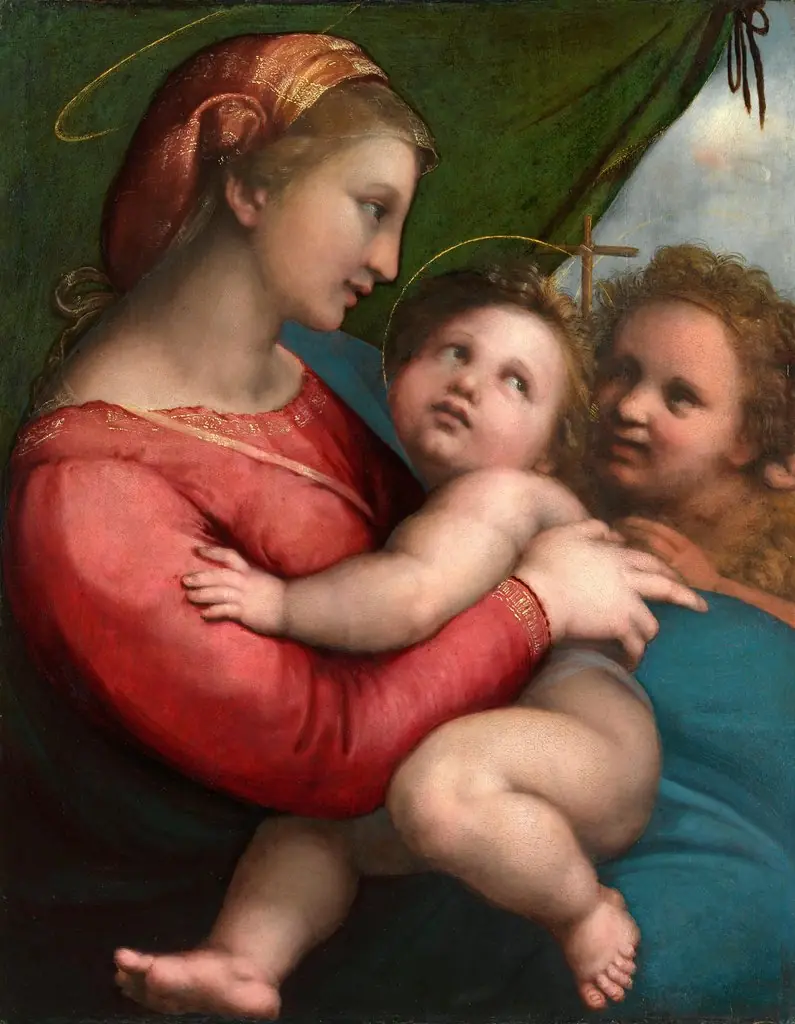 Madonna della tenda
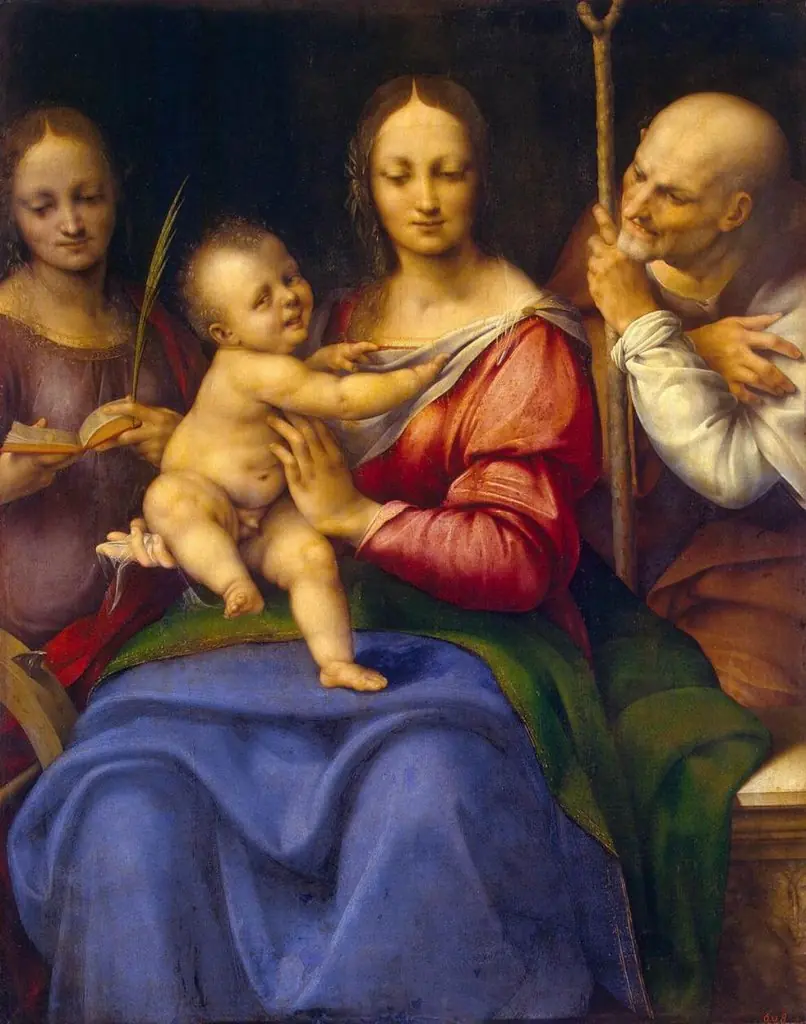 Holy Family with St Catherine
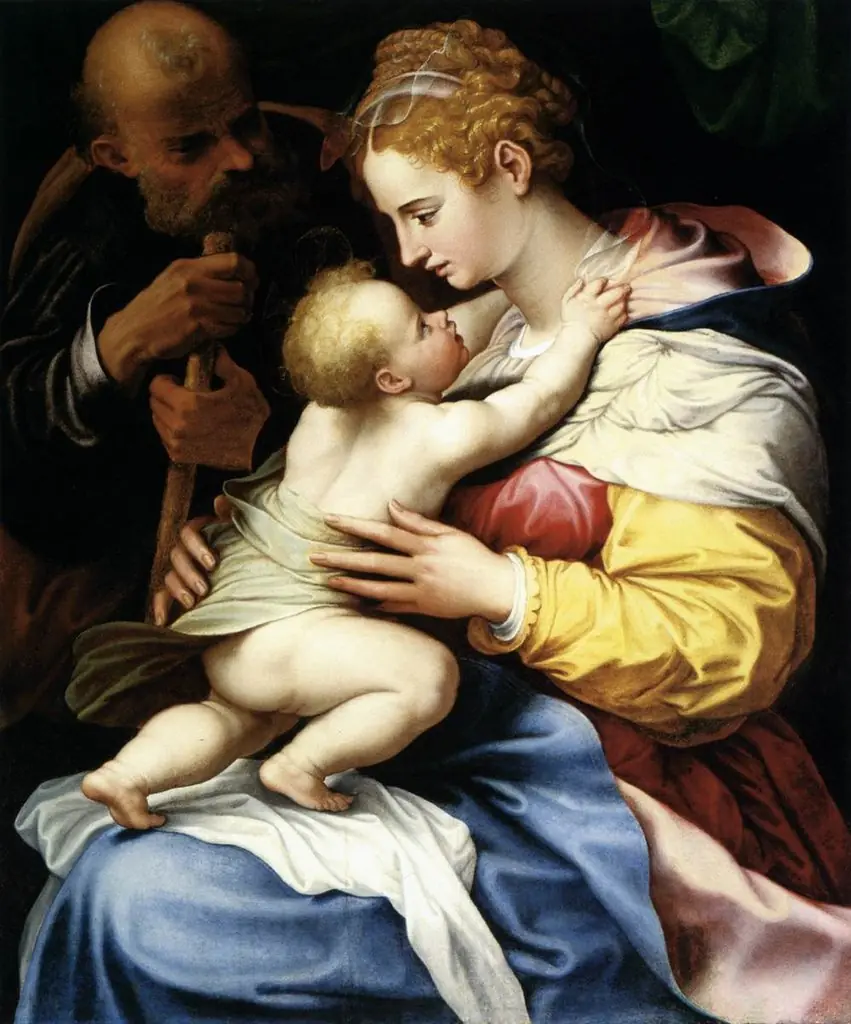 The Holy Family
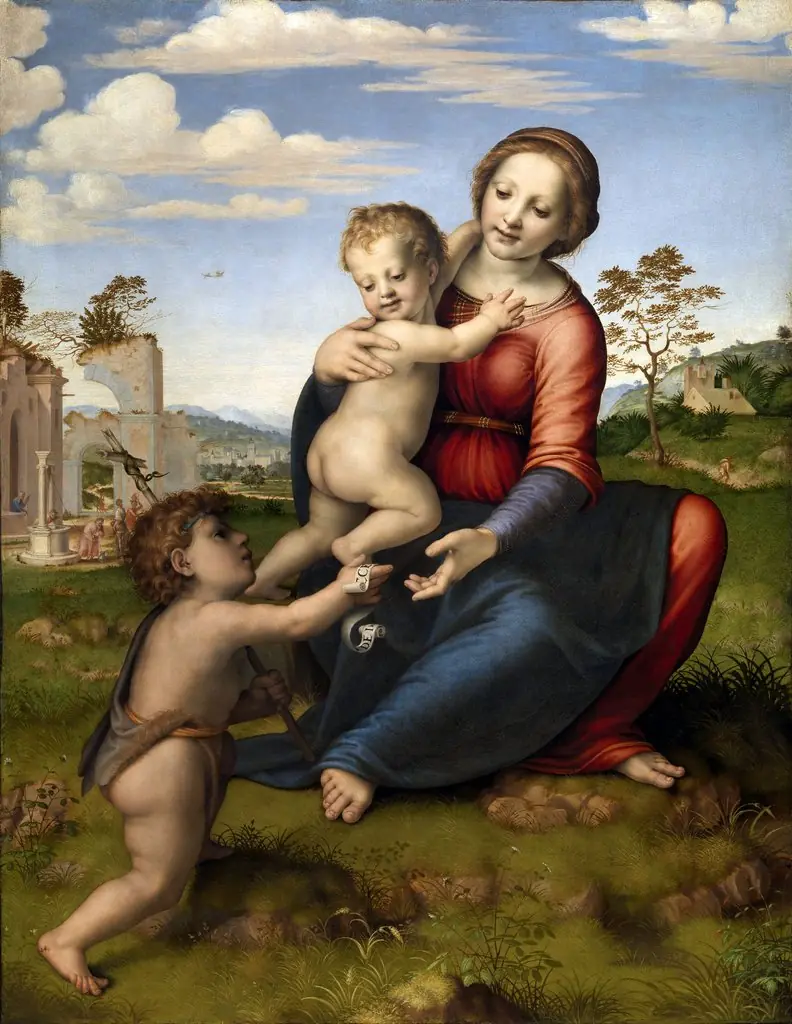 Madonna of the Well or Madonna and Child with the young St. John the Baptist
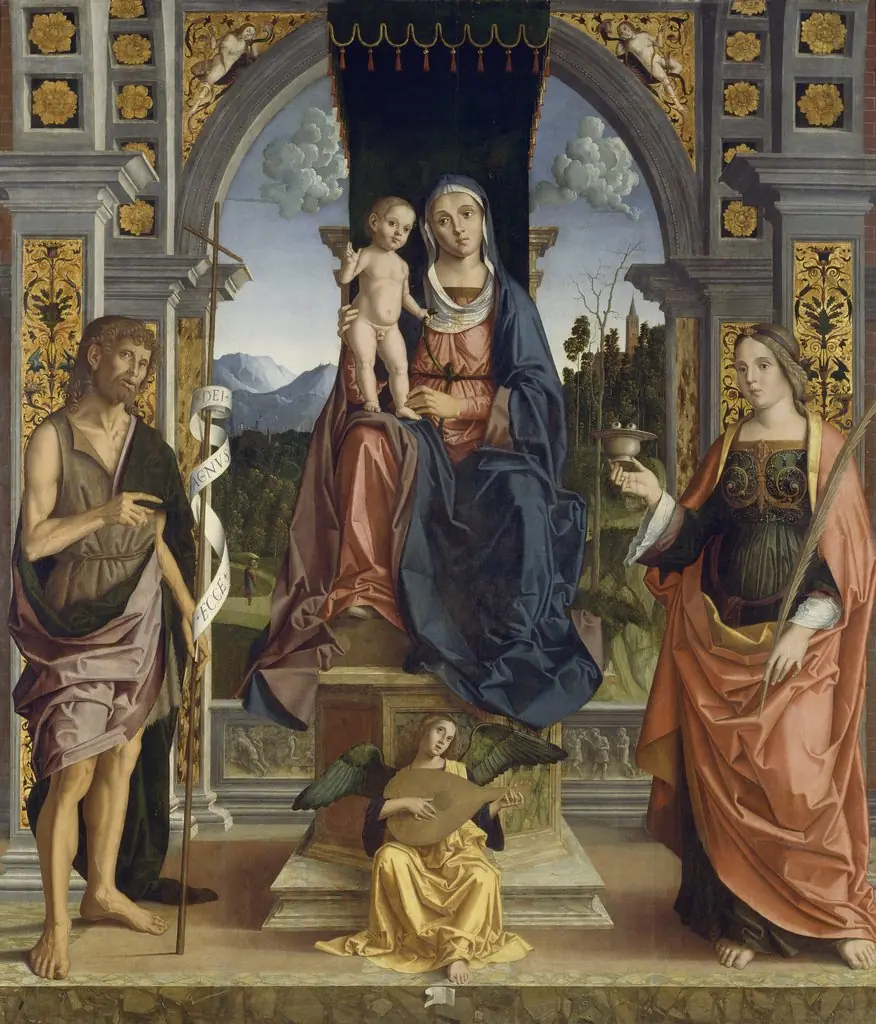 The Virgin and Child Enthroned, with Saints John the Baptist and Lucy
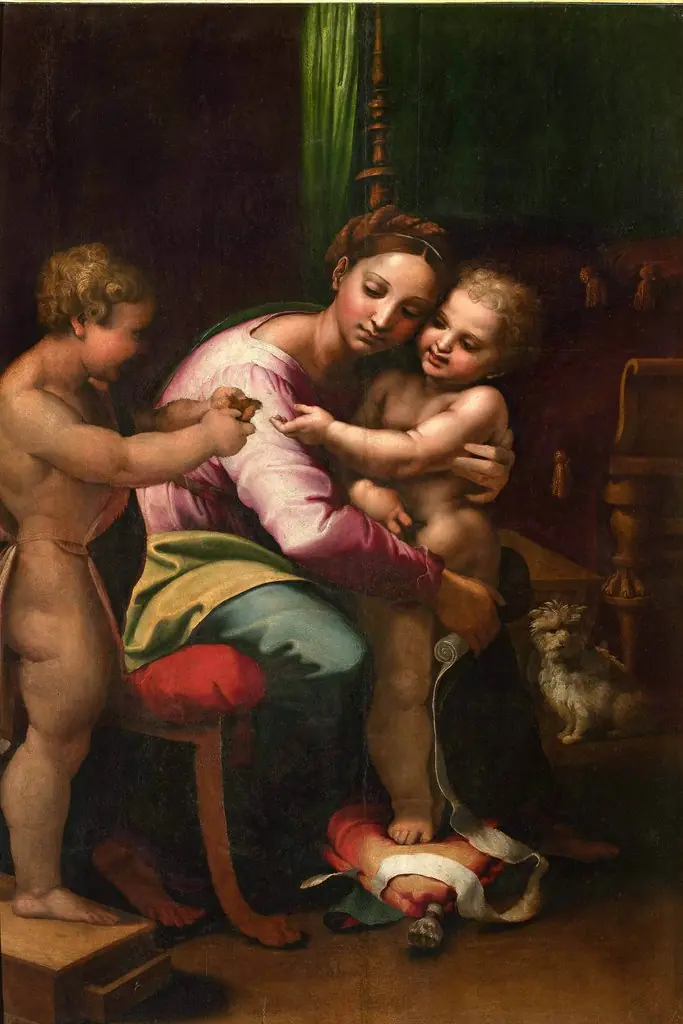 Madonna and Child with The Infant Saint John the Baptist