Artwork
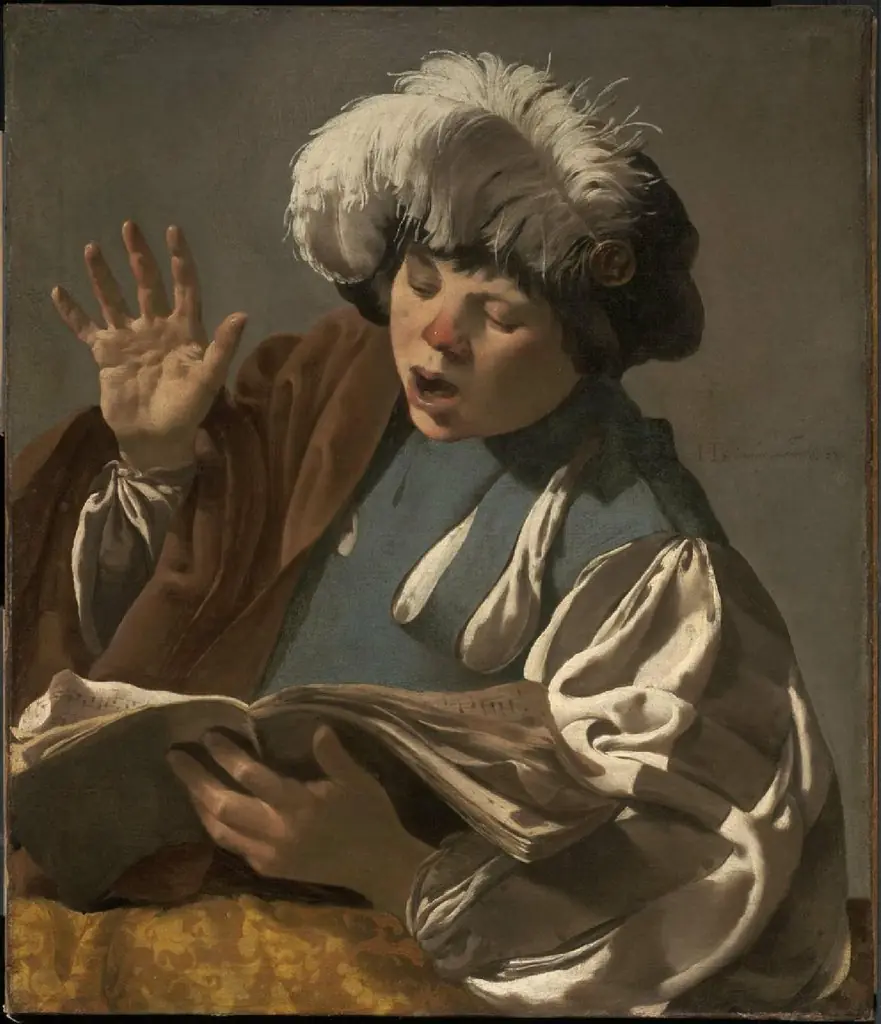
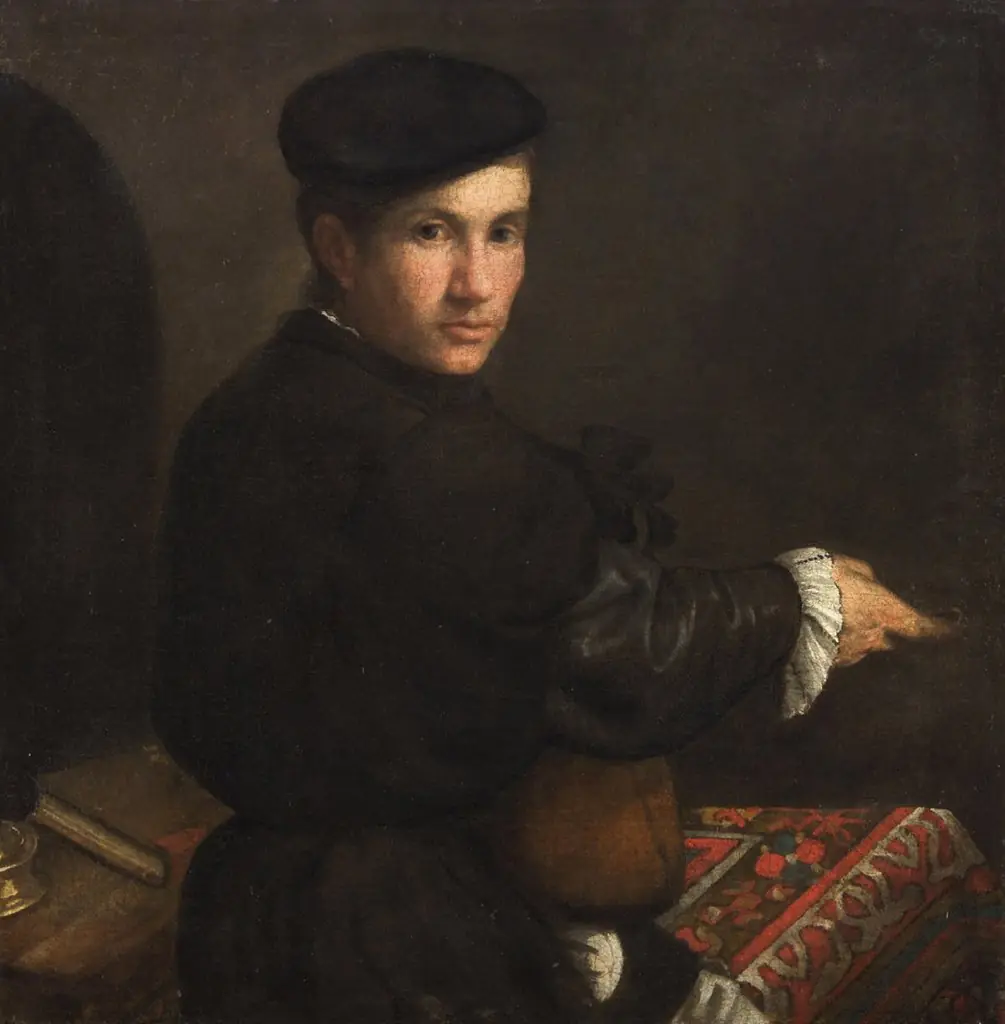
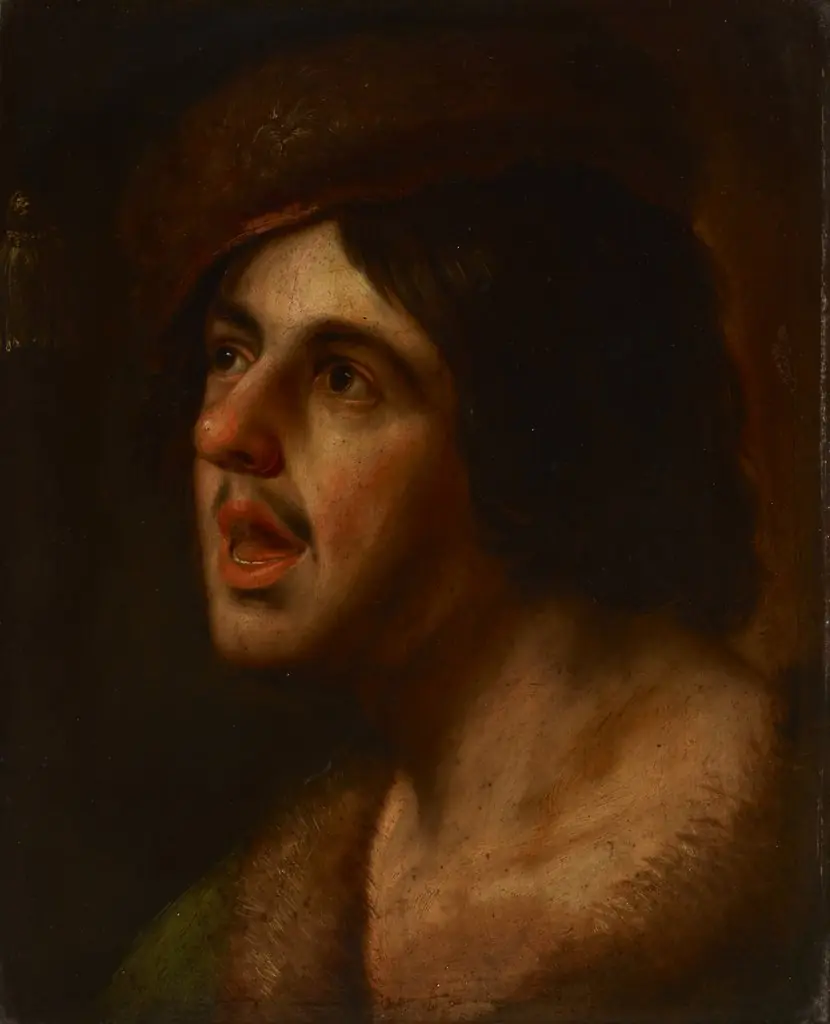
Singing man, possibly a self-portrait
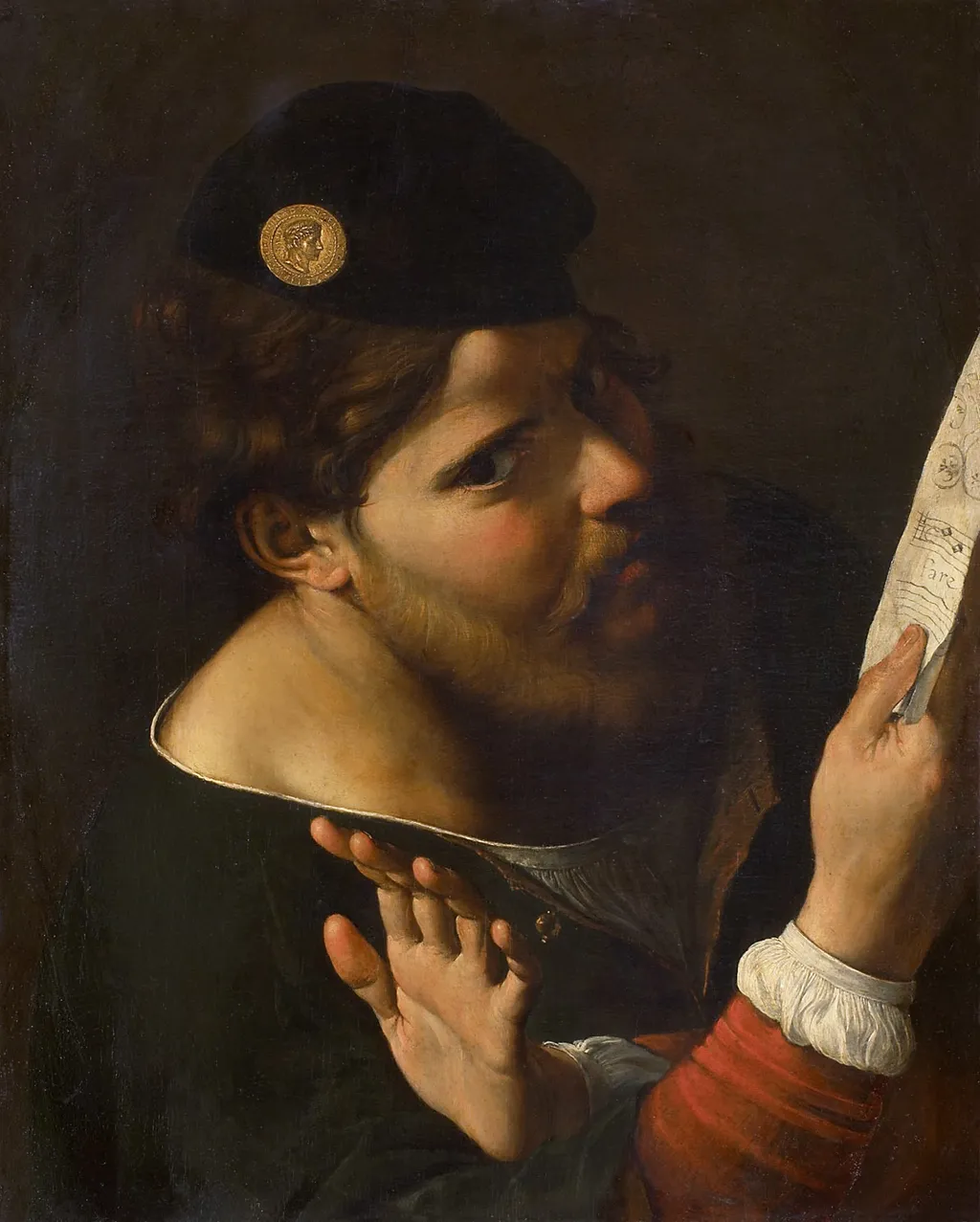
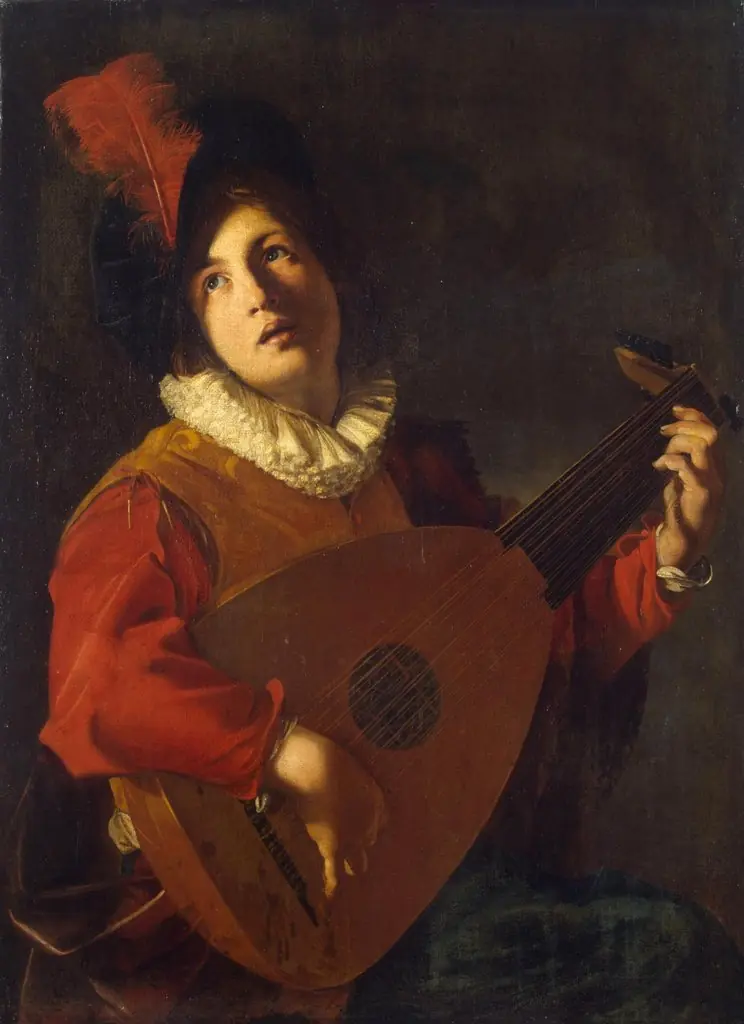
Singing man, possibly a self-portrait is a wood painting by the Early Baroque Italian artist Angelo Caroselli. It dates from 1620 and is held in the collection of the Kunsthistorisches Museum.
About this work
Subject & Meaning
The depiction of the artist himself implies a personal representation, aligning with the genre of self-portraiture.
The work depicts a singing man, a subject that the sources identify as a portrait, with specific attribution suggesting it is a self-portrait of the artist, Angelo Caroselli. As a genre piece classified within the tradition of portraiture, the painting captures the figure in the act of singing, though the provided texts do not elaborate on specific symbolic meanings or iconographic details beyond this identification. The depiction of the artist himself implies a personal representation, aligning with the genre of self-portraiture.
Technique & Style
Created in 1620, Singing man, possibly a self-portrait is an oil painting executed on a wood panel support. The work measures 53 cm in height and 43 cm in width. As a portrait classified within the genre of the self-portrait, the piece depicts the artist Angelo Caroselli. The painting is currently held in the collection of the Kunsthistorisches Museum in Vienna.
History & Provenance
The work titled Singing man, possibly a self-portrait, was created by Angelo Caroselli in 1620 as a wood panel portrait. It entered the collection of the Kunsthistorisches Museum, where it remains on display within the Caravaggio and Bernini exhibition context. The painting's dimensions measure 53 centimeters in height by 43 centimeters in width, and its inception date is recorded as 1620-01-01. This provenance reflects continuous ownership by the museum since its creation.
The painting Singing man, possibly a self-portrait by Angelo Caroselli is held in the collection of the Kunsthistorisches Museum. While the work is cataloged as a portrait on wood created in 1620, specific inventory or accession numbers are not provided in the available records. The artwork has been included in exhibitions, notably appearing in a show titled Caravaggio and Bernini.
Overview
Around 1620, Italian Baroque painter Angelo Caroselli produced a wooden panel portrait that is generally identified as a self‑portrait of a singing figure. The work belongs to the early Baroque period in Rome and is part of the Kunsthistorisches Museum’s collection.
Context
Caroselli’s oeuvre blends influences from Caravaggio’s dramatic lighting and the genre scenes of the Bamboccianti. Though he is also noted for paintings on witchcraft and religious allegory, this portrait reflects his interest in everyday subjects rendered with theatrical intensity.
Artist & collection
Artist
Angelo Caroselli or Carosèlli (11 February 1585 – 8 April 1652) was an Italian painter of the Baroque period, active mainly in his native Rome.