Artwork
Jean-Baptiste Belley, member of the National Convention
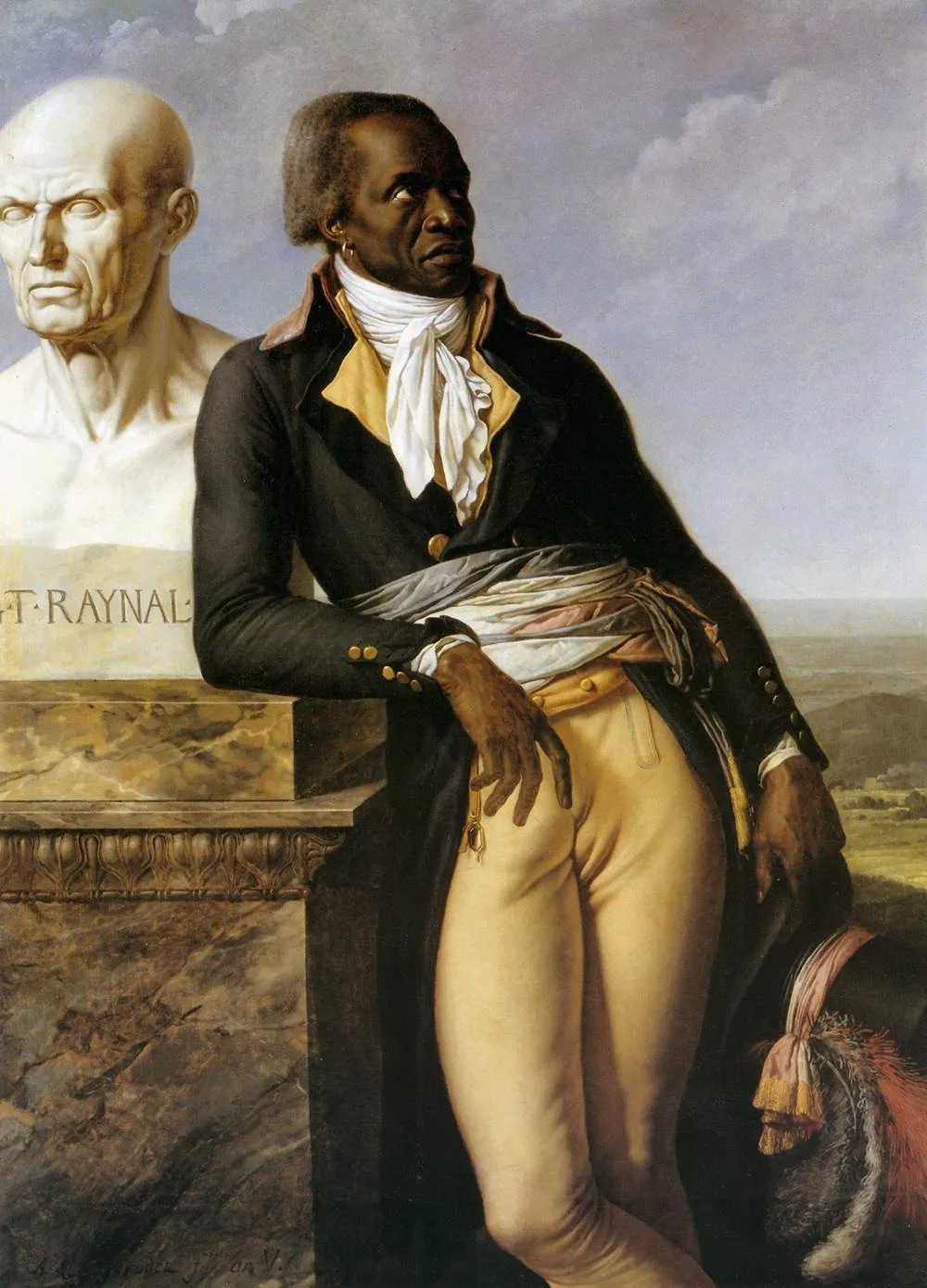
Jean-Baptiste Belley, member of the National Convention is an oil painting by the French Romanticist artist Anne-Louis Girodet. It dates from 1799 and is held in the collection of the Palace of Versailles.
About this work
Subject & Meaning
The painting shows Jean-Baptiste Belley in the uniform of a National Convention member, standing beside a bust of abolitionist Guillaume Thomas François Raynal.
The painting shows Jean-Baptiste Belley in the uniform of a National Convention member, standing beside a bust of abolitionist Guillaume Thomas François Raynal. The composition uses a tropical backdrop and a relaxed pose that was typical of French revolutionary political portraits. Contemporary scholarship notes that the work foregrounds Belley's body in ways that echo 18th‑century French racial stereotypes linking Black men with sexual excess, a theme explored by Darcy Grigsby, who describes the portrait as accreting erotic charge alongside its political message of liberty.
The portrait was first exhibited at the Salon of 1798, later acquired by the Louvre in 1828 and now belongs to the Palace of Versailles collection. It has been used on the cover of Christopher Bayly's The Birth of the Modern World and was the subject of a 2019 request to rename a room in the French National Assembly after Belley.
Technique & Style
The work is an oil on canvas portrait measuring 158 by 111 cm, executed by Anne-Louis Girodet in 1797. Belley is shown standing in a relaxed, elegant pose typical of French Revolutionary political portraiture, wearing the uniform of a Convention member with a tropical landscape behind him. His elbow rests on a bust of the philosopher Guillaume Thomas François Raynal, a recently deceased supporter of abolition.
Scholars have observed that the composition foregrounds Belley's body, particularly the groin area, in a manner that engages 18th-century racial stereotypes associating Black men with sexual excess, an element art historian Darcy Grigsby describes as inseparable from the painting's political project. The composition has been linked to Girodet's later Portrait of Chateaubriand. A preparatory drawing in ink and black chalk is held by the Art Institute of Chicago.
History & Provenance
The painting was created in 1797 by Anne-Louis Girodet and exhibited at the Salon of 1798 in Paris. Initially titled Portrait d’un nègre, its title was changed at the urging of the Société des Amis des Noirs to Le citoyen Belley, ex-représentant des colonies. After its Salon debut, the work was displayed in Toulon for several decades before being purchased by the Louvre in 1828 for 3,000 francs, at which time it was mistakenly believed to depict Toussaint Louverture.
In the twentieth century, the painting entered the collection of the Palace of Versailles, where it remains today as part of the holdings of the Museum of the History of France.
The painting is housed in the Museum of the History of France at the Palace of Versailles, where it is catalogued under inventory numbers MV 4616, INV 4962, and LP 105. It entered the collection in 1828 when the Louvre acquired it for 3,000 Francs, initially believing it depicted Toussaint Louverture. Prior to that, it had been exhibited at the Salon of 1798 in Paris and later displayed in Toulon for several decades.
A preparatory drawing by Girodet for this portrait, executed in ink and black chalk, is held by the Art Institute of Chicago (acquired in 1973).
Context
Scholars have extensively analyzed Girodet's portrait as a complex document of Revolutionary-era racial politics. Art historian Darcy Grigsby argues that the painting sexualizes Belley's body, particularly the groin area, reinforcing 18th-century French racial stereotypes associating Black men with sexual excess. She contends this eroticization is inseparable from the portrait's political project: unlike abolitionist prints that typically depicted Black men as "asexual or infantilized," Girodet's painting "accrues not only liberty and individual autonomy (...) but also the erotic charge generally withheld."
The work's exhibition history reveals shifting social meanings. At the Salon of 1798, it was initially titled Portrait d'un nègre; the Société des amis des Noirs protested this term's connection to the slave trade, prompting Girodet to rename it Le citoyen Belley, ex-représentant des colonies. The composition later influenced Girodet's own Portrait of Chateaubriand.
The portrait has gained renewed scholarly attention as a key work for understanding post-revolutionary French visual culture, race, and empire, serving as the cover image for Christopher Bayly's The Birth of the Modern World 1780–1914 (2004).
Legacy
The portrait is recognized as the only known likeness of Jean-Baptiste Belley. Its modern reputation has been significantly shaped by art historian Darcy Grigsby, who analyzed how the work simultaneously asserts political autonomy while reinforcing racial stereotypes through the sexualized depiction of Belley's body. This scholarly interpretation highlights the painting's complex role in post-revolutionary discourse on race and empire.
In contemporary culture, the image gained wider visibility as the cover illustration for Christopher Bayly's 2004 historical study, The Birth of the Modern World. The work's public standing prompted political action in 2019, when French deputy Alexis Corbière formally requested its transfer to the Palais Bourbon to name a hall in Belley's honor, though it remains in the collection of the Museum of the History of France at Versailles.
Overview
Created in 1797, this oil on canvas portrait by Anne‑Louis Girodet presents Jean‑Baptiste Belley, a former enslaved person from Saint‑Domingue who served as a deputy in the French National Convention. The sitter is positioned beside a marble bust inscribed with the name Raynal, linking him to the abolitionist intellectual tradition of the era.
Artist & collection
Artist
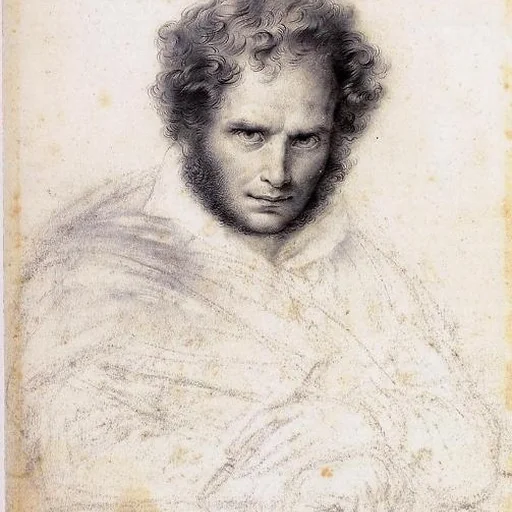
Anne-Louis Girodet de Roussy-Trioson (French pronunciation:; or de Roucy), also known as Anne-Louis Girodet-Trioson or simply Girodet (29 January 1767 – 9 December 1824), was a French painter and pupil of Jacques-Louis…

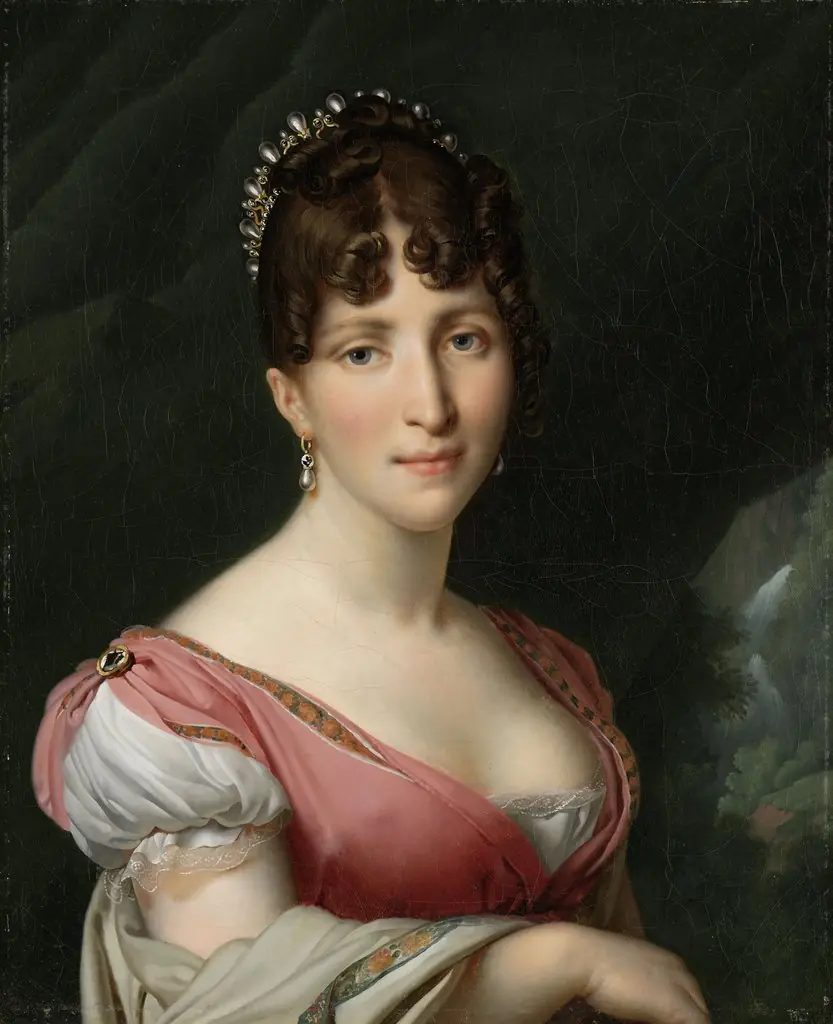
- Jean-Baptiste Kléber, general-in-chief (1753-1800)
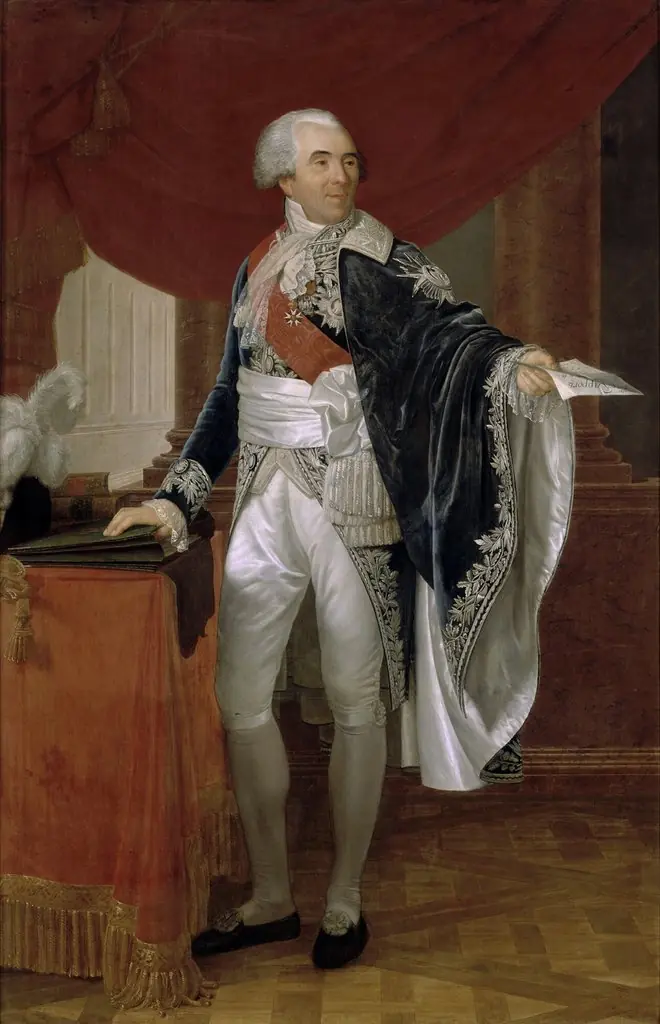 Jean-Gérard Lacués, count of Cessac (1752-1841)
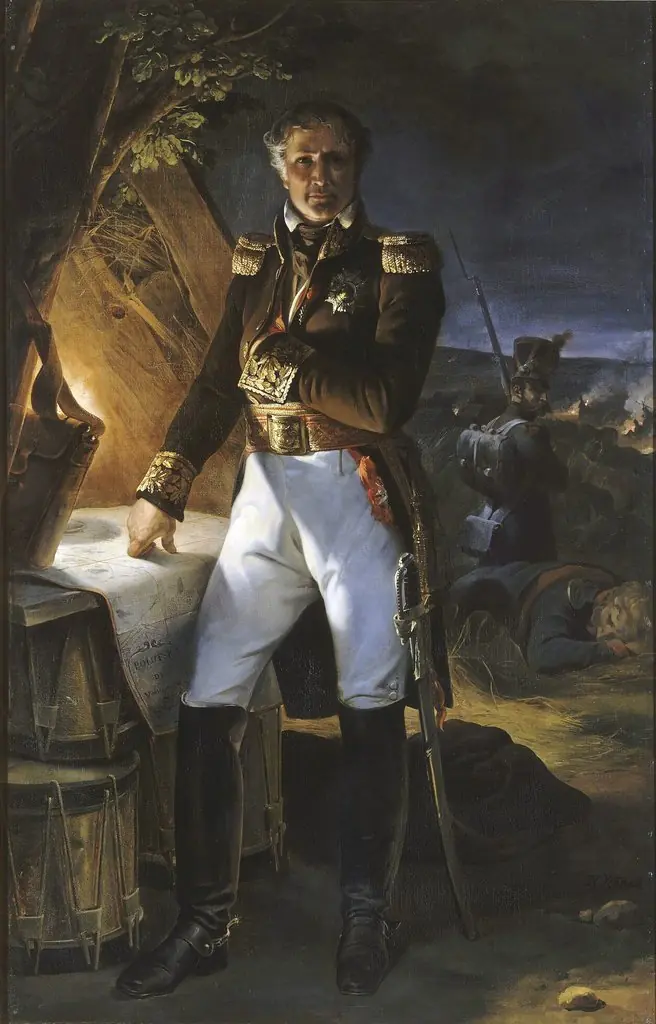 Laurent, Marquis of Gouvion Saint-Cyr
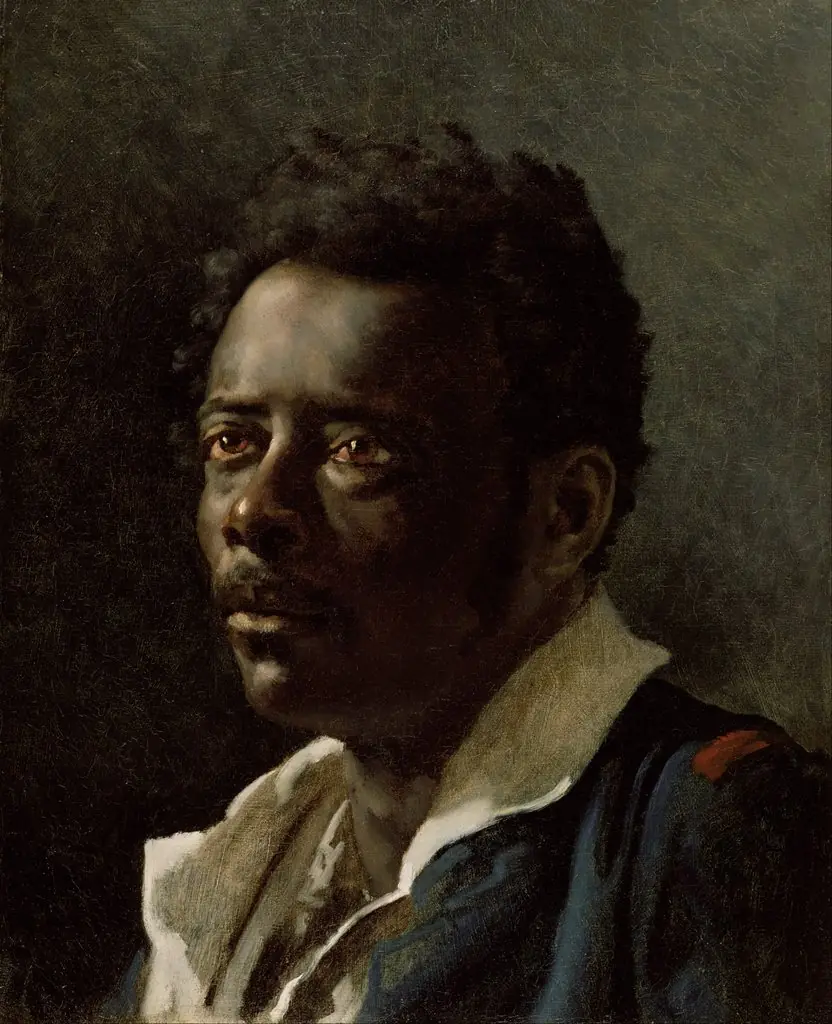 Study of a Model
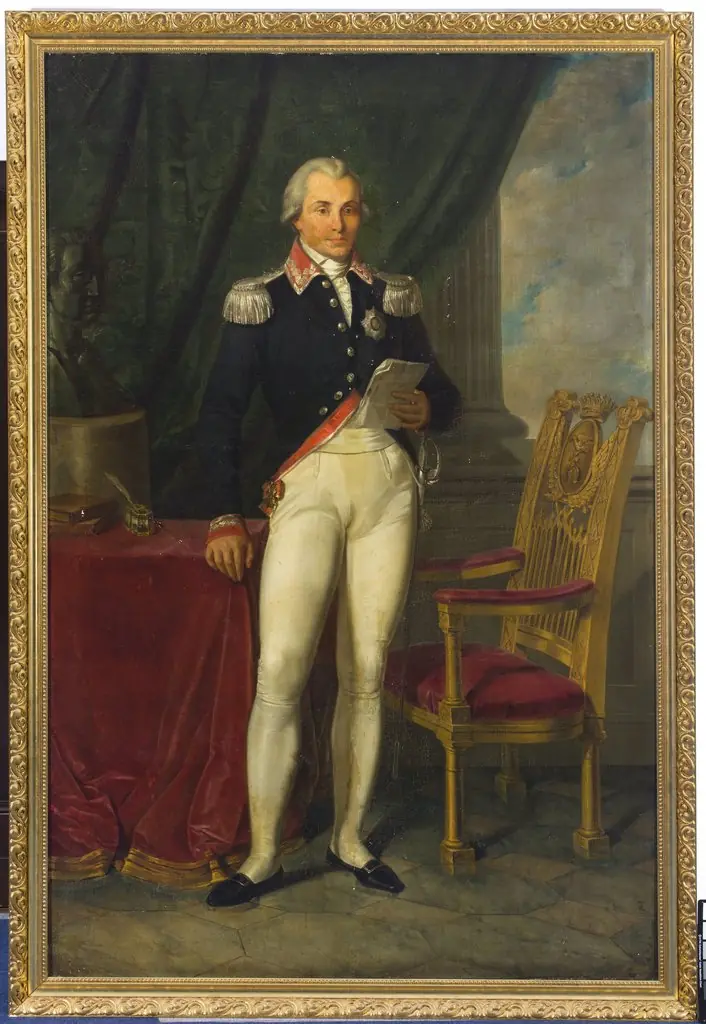 Portrait of Jan Krasiński (1756–1790), starosta of Opinogóra
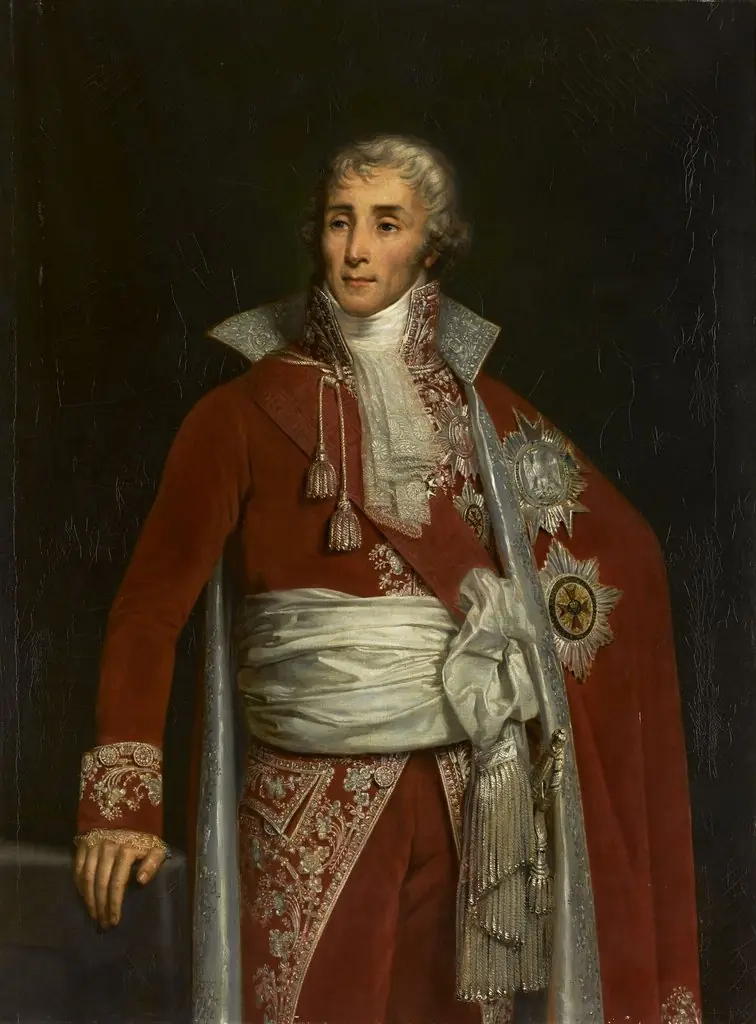 Joseph Fouché, Duke of Otranto
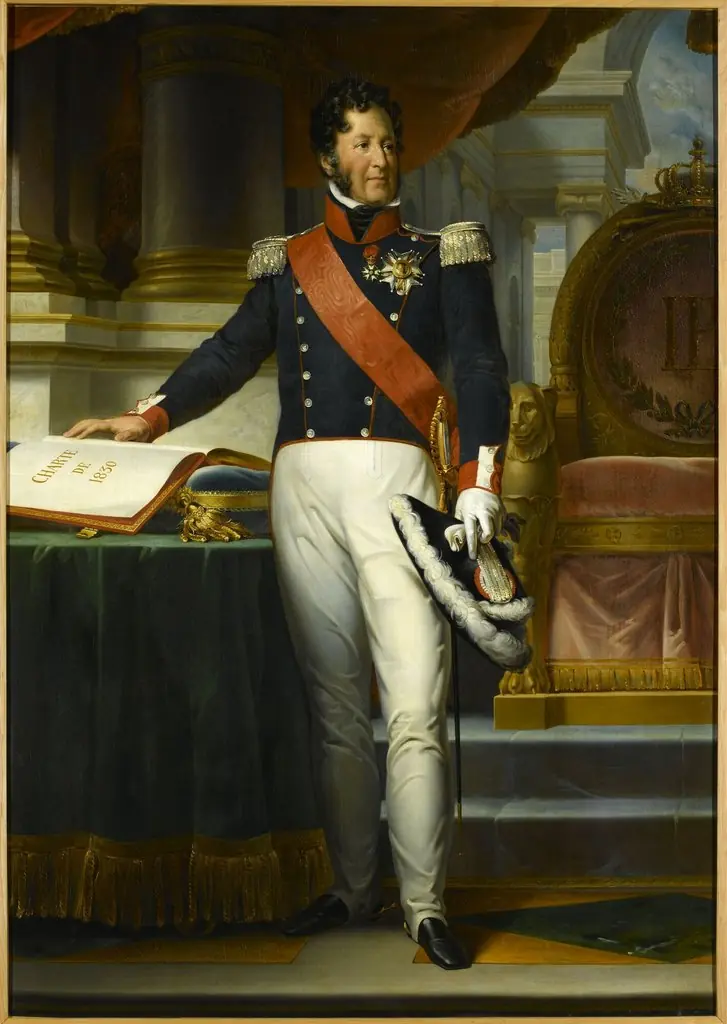 Portrait of Louis Philippe I
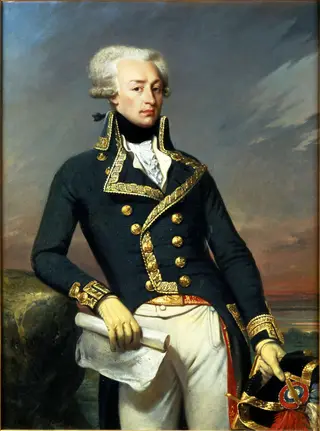 Portrait of Gilbert Motier the Marquis De La Fayette as a Lieutenant General, 1791
 Jean Mathieu Philibert Serurier (1742-1819)