Artwork
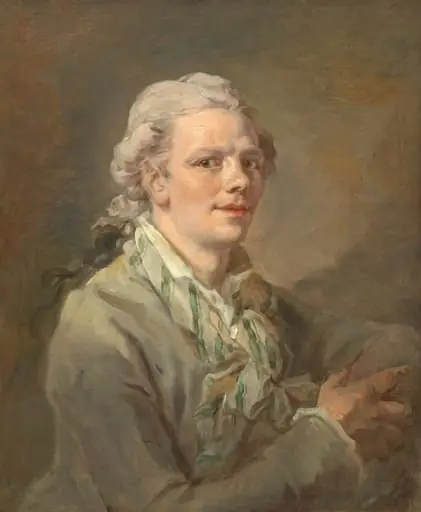
Portrait of a Man
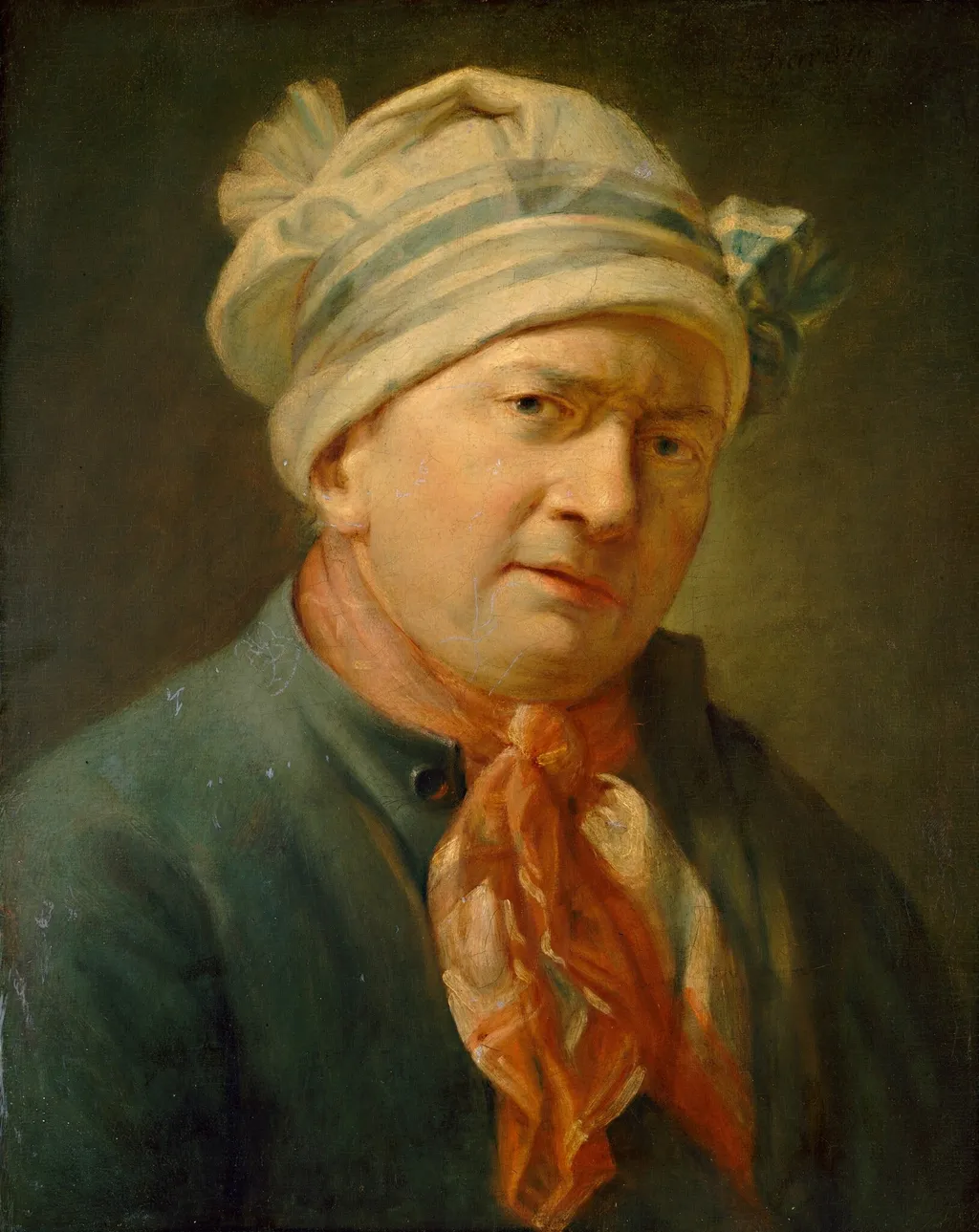
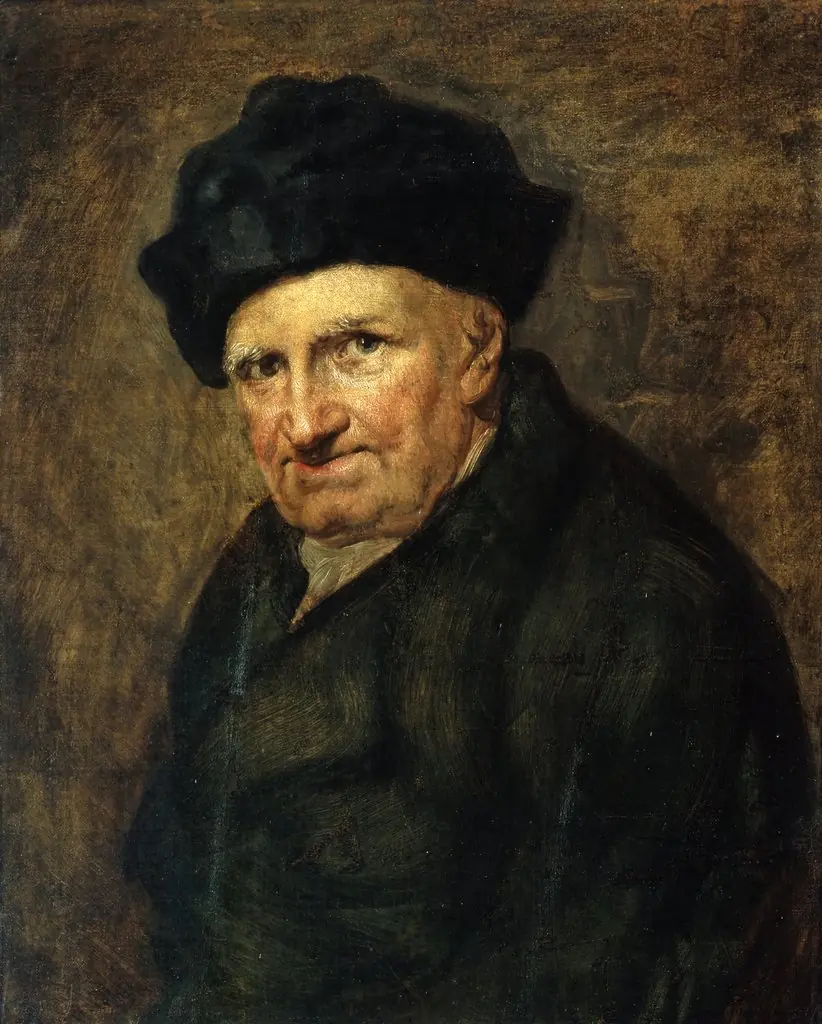
Portrait of a Man is an oil painting by the Baroque artist Follower of Jean Siméon Chardin. It dates from 1750 and is held in the collection of the National Gallery of Art. This oil on canvas depicts a man's face, rendered with a serious and contemplative expression.
- Inscription
- Inscribed:Falsely upper right: Chardin
About this work
History & Provenance
It subsequently passed to Josef Stransky (1885–1936), possibly in conjunction with Wildenstein & Co.
Portrait of a Man is dated to 1750 and executed in oil on canvas. The earliest documented owner in the provenance is Alphonse Kann (1870–1948) of Paris; the work appeared in his sale at Galerie Georges Petit in Paris on 6–8 December 1920, listed as lot 10. It subsequently passed to Josef Stransky (1885–1936), possibly in conjunction with Wildenstein & Co. in New York, and in 1929 was sold to the collector Chester Dale (1883–1962) of New York.
Dale gave the painting in 1943 to the National Gallery of Art in Washington, D.C., where it remains in the collection. The records do not list specific public exhibition histories for the piece.
Overview
This oil on canvas depicts a man's face, rendered with a serious and contemplative expression. He is shown in attire characteristic of an earlier period. The artist employed a restrained palette, contributing to the work's overall sense of tranquility.
The subtle nuances of the subject's gaze invite close observation, making the painting a quiet study of human presence.
Technique & Style
The artist utilized a limited range of colors, which helps to establish the painting's serene atmosphere. The subject's expression is rendered with a quiet subtlety, avoiding overt emotion and instead conveying introspection. While specific details about the creator are scarce, the work demonstrates an approach to light and shadow that aligns with techniques such as chiaroscuro, emphasizing form through strong contrasts.
Context
Despite the limited available information regarding its creator, this "Portrait of a Man" offers valuable insight into an individual artistic sensibility. The painting serves as a testament to the enduring practice of portraiture, even when the artist's identity remains largely unrecorded. It stands as a singular example, allowing viewers to appreciate the aesthetic choices of an otherwise unknown practitioner.
Artist & collection

- Bildnis des Landschaftsmalers Johann Heinrich Wüest
 Self-portrait
 Portrait of Pierre-Louis Laideguive
 Berlin Consistory Council Johann Joachim Spalding (1714-1804)
 An Elderly Woman in a Striped Shawl
 Carle Van Loo
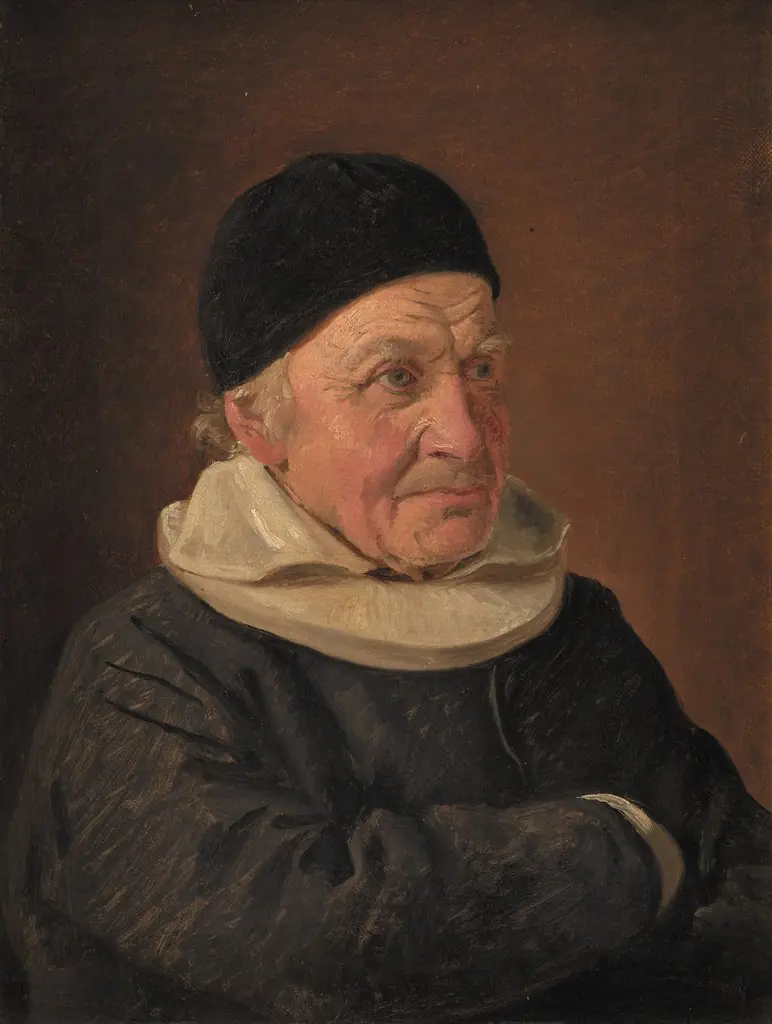 Pastor Jens Bindesbøll
 Portrait of a Young Man
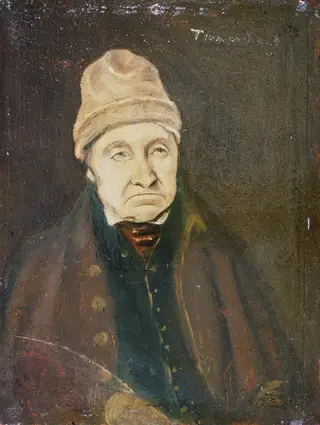 Thomas Edwards (Twm o'r Nant)
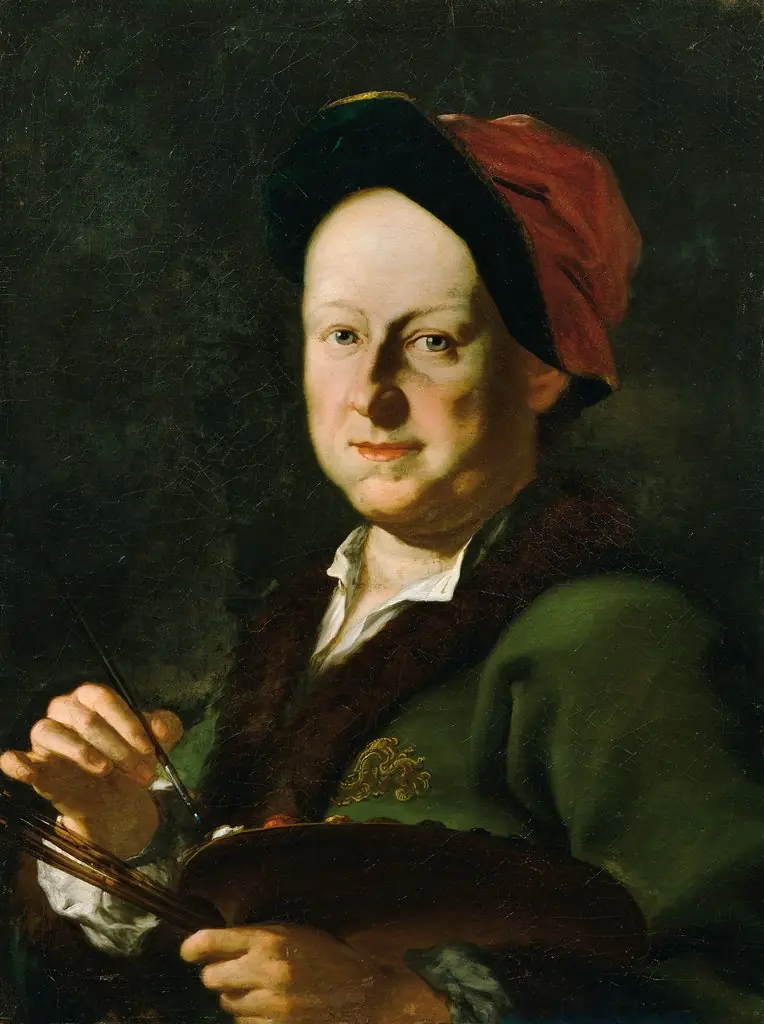 Portrait of the battle painter August Querfurt (1696-1761)
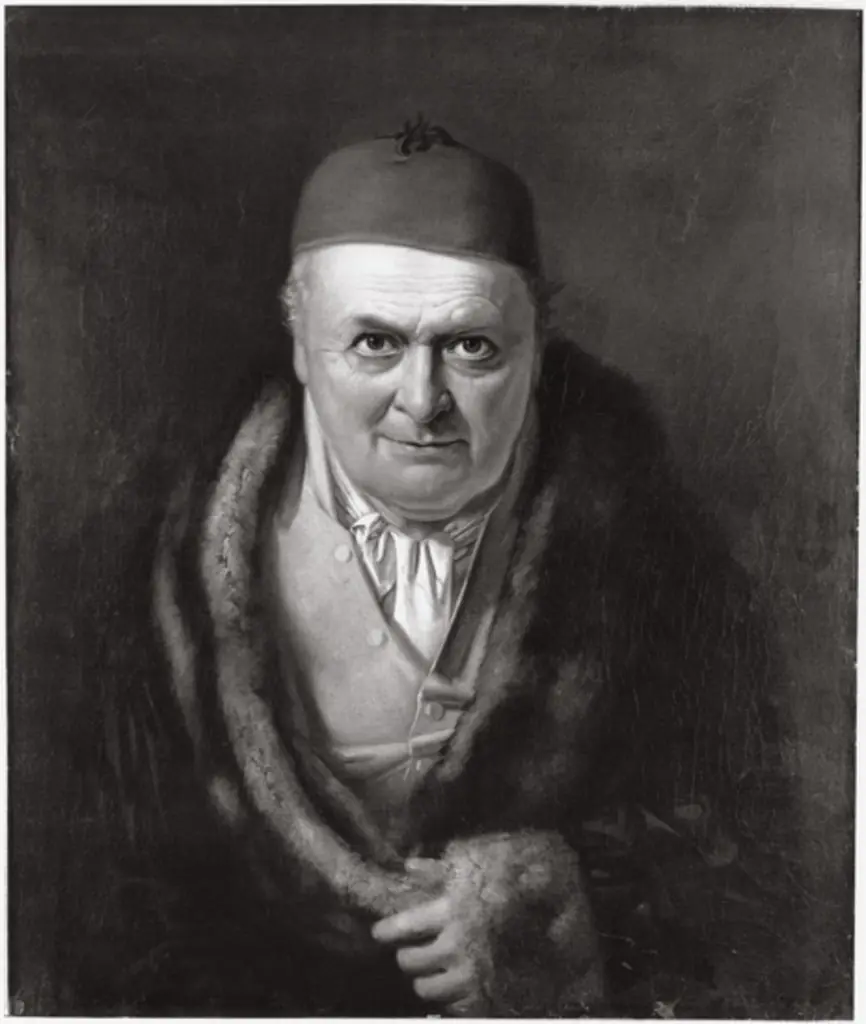 Bildnis des Landschaftsmalers Joseph Koch
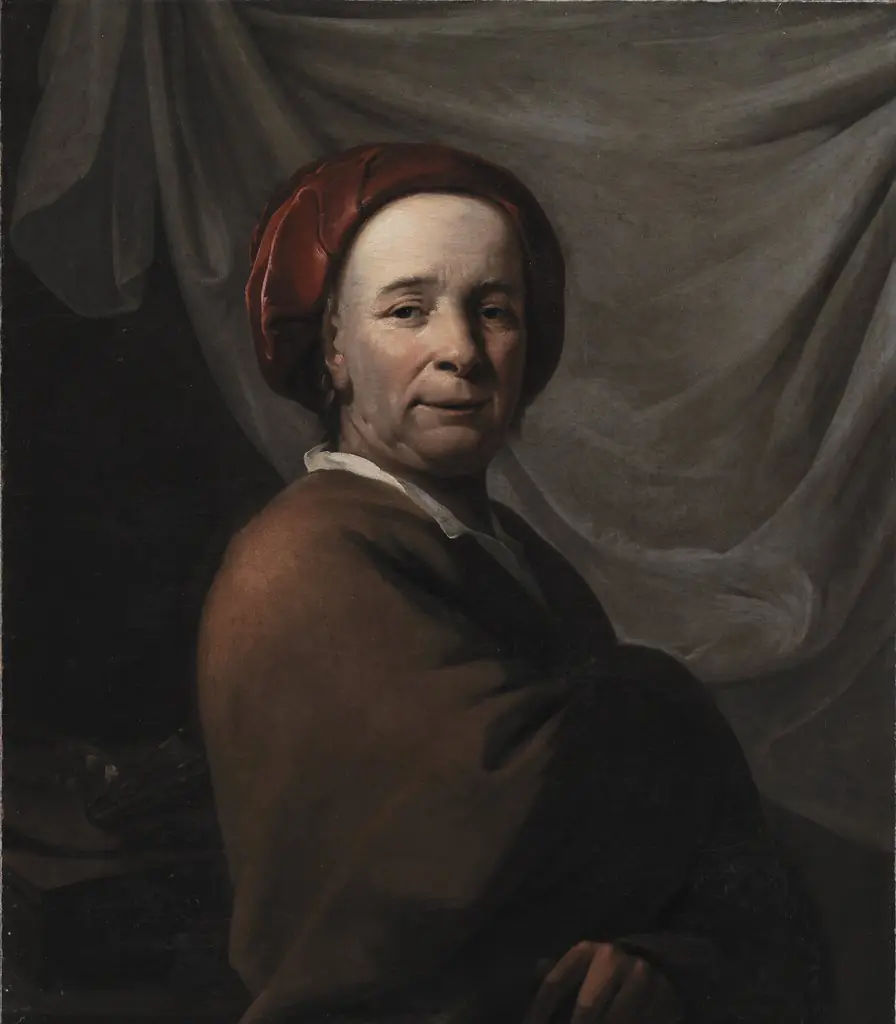 Maleren Michael Gehrmann (?)