Artwork
Olieskitse til Jesus og Samaritanerinden ved brønden
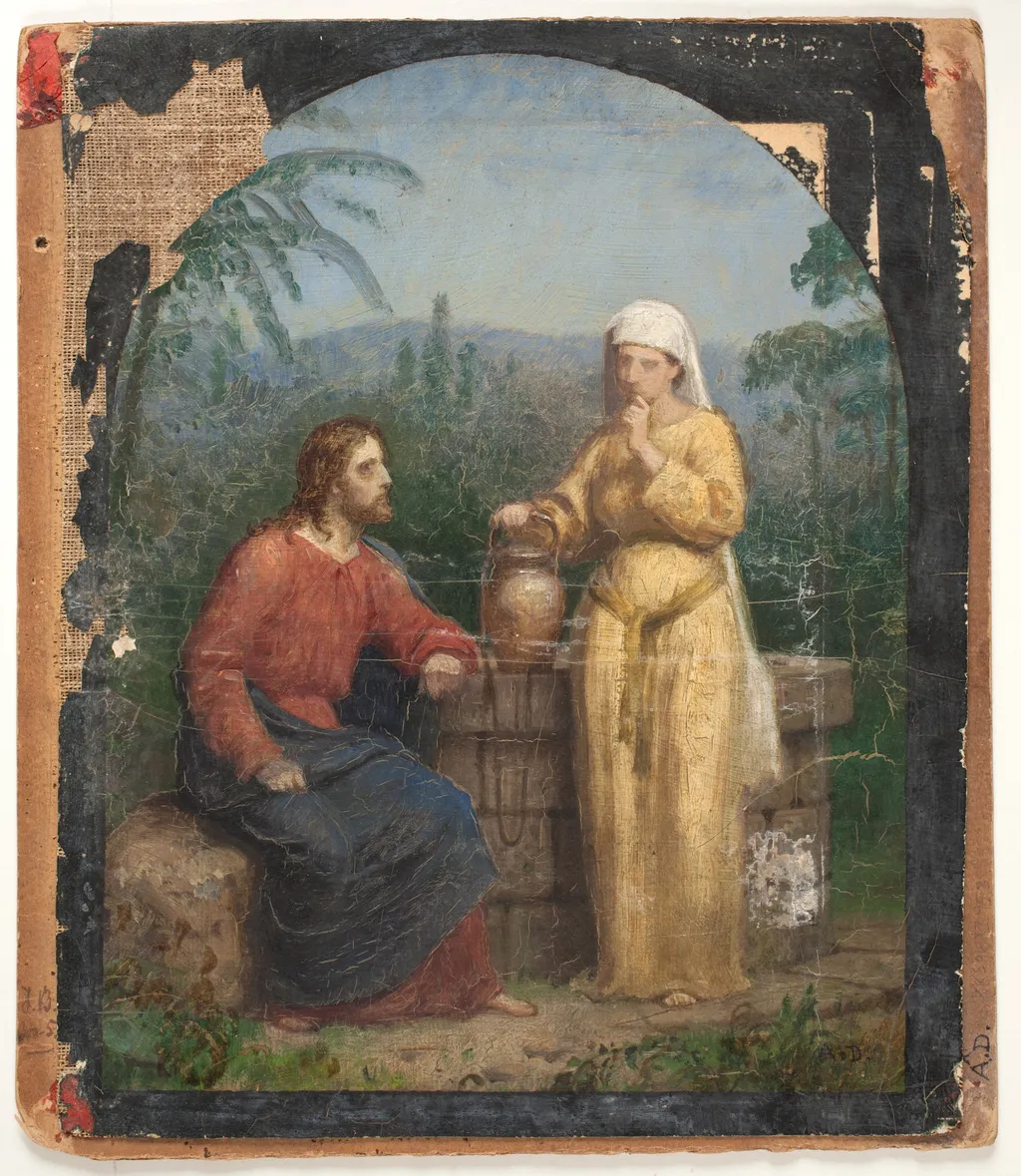
Olieskitse til Jesus og Samaritanerinden ved brønden is an unspecified painting by the Post-Impressionist artist Anton Dorph. It dates from 1896 and is held in the collection of the Statens Museum for Kunst. Created in 1896, this oil sketch portrays the encounter between Jesus and the Samaritan woman at the well.
About this work
Subject & Meaning
As a religious work in the collection of Statens Museum for Kunst, the piece reflects 19th-century Danish interest in narrative clarity and devotional intimacy.
The painting shows the biblical meeting of Jesus and the Samaritan woman at a well, a scene drawn from the Gospel of John. In the composition the figure of Jesus, rendered in a modest pose, offers water to the woman, who holds a bucket, while a stone well and surrounding landscape provide a setting of quiet revelation. The iconography emphasizes the theme of 'living water' and the breaking of social barriers, suggesting a universal invitation to spiritual renewal.
As a religious work in the collection of Statens Museum for Kunst, the piece reflects 19th-century Danish interest in narrative clarity and devotional intimacy.
Technique & Style
The work is classified as a painting and is identified as an oil sketch ("Olieskitse") serving as a preparatory study for a larger composition of Jesus and the Samaritan woman at the well. Its religious genre is reflected in the depicted subjects, which include Jesus Christ, a water well, a bucket, and a woman. The painting is held in the collection of the Statens Museum for Kunst.
Its physical format, given the dimensions of 241 cm in height by 196 cm in width, indicates a substantial vertical canvas, consistent with a finished or near-finished oil study.
History & Provenance
Anton Dorph completed the oil painting Olieskitse til Jesus og Samaritanerinden ved brønden in 1896. The work, measuring 241 cm in height and 196 cm in width, depicts the biblical scene of Jesus conversing with the Samaritan woman at a well and is classified as a religious painting. It has remained in the collection of Statens Museum for Kunst, where it is displayed as part of the museum's permanent holdings. No documentation of a specific commission survives.
Context
Anton Dorph's 1896 oil painting Olieskitse til Jesus og Samaritanerinden ved brønden portrays the biblical encounter at the well, showing Christ and a Samaritan woman with a bucket. The work, housed in the Statens Museum for Kunst, exemplifies the artist's engagement with religious subjects in the late 19th-century Danish school. Its composition and iconography have been noted in studies of Dorph's devotional oeuvre, situating the piece within broader discussions of historicist religious art in Denmark.
The painting's dimensions (241 × 196 cm) and provenance reflect its status as a key example of genre-religious painting in the museum's collection.
Overview
Created in 1896, this oil sketch portrays the encounter between Jesus and the Samaritan woman at the well. The composition places the two figures beside a stone well, set against a verdant landscape that recedes toward a clear sky. The work is part of the collection of Denmark’s National Gallery, Statens Museum for Kunst, in Copenhagen.
Own this work as a print
Artist & collection
Artist
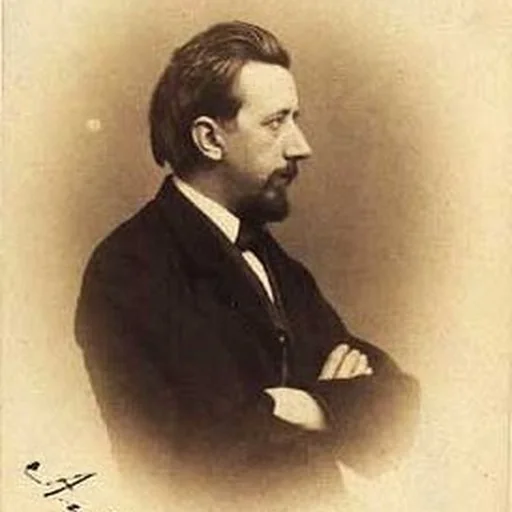
Anton Laurids Johannes Dorph (15 February 1831, in Horsens – 12 January 1914, in Copenhagen) was a Danish painter who is remembered for his altarpieces and his paintings of fishermen.

 Christ and the Samaritan woman
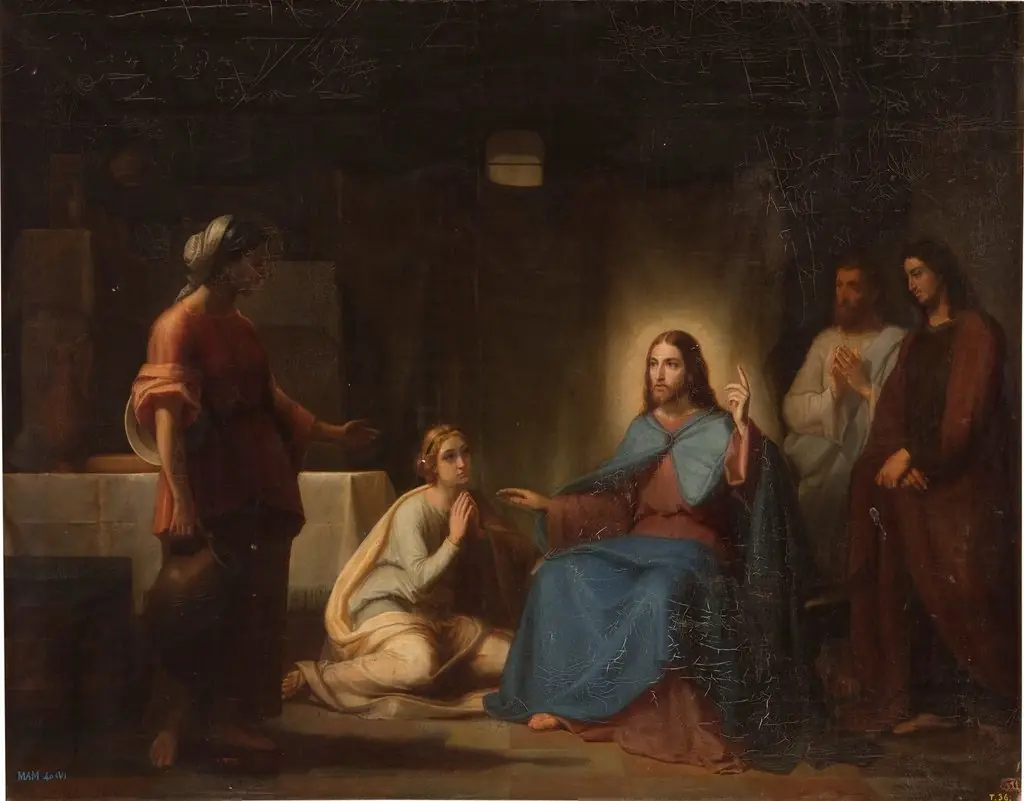 Jesús en casa de Marta y María
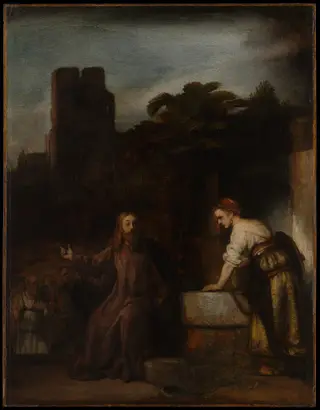 Christ and the Woman of Samaria
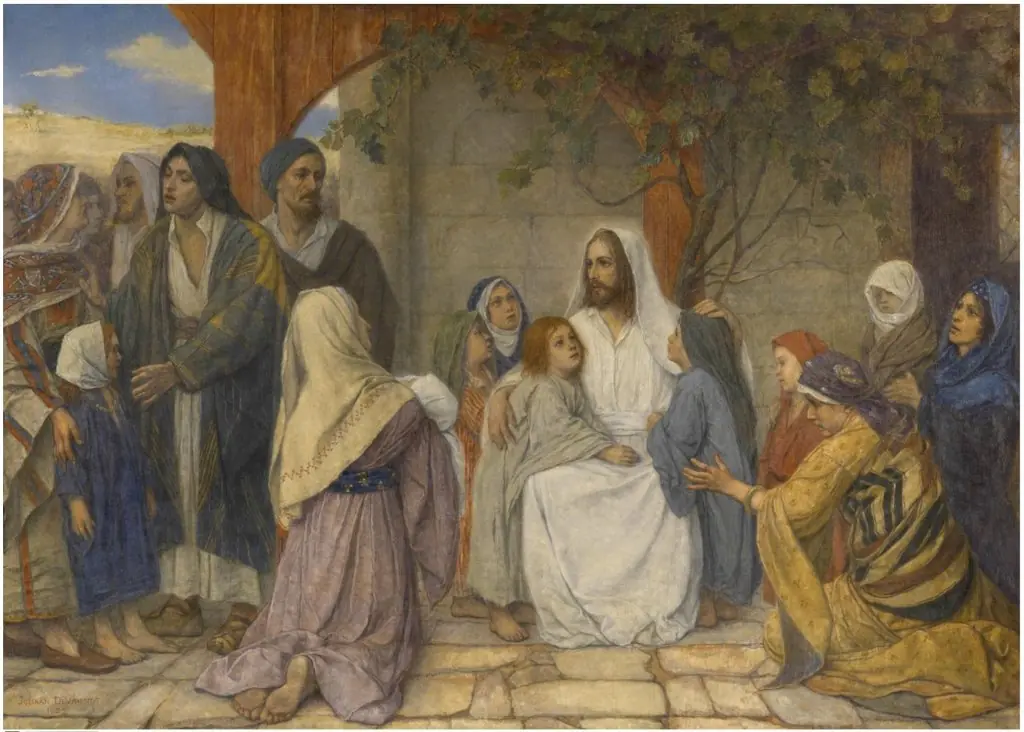 Suffer the Little Children come to Me
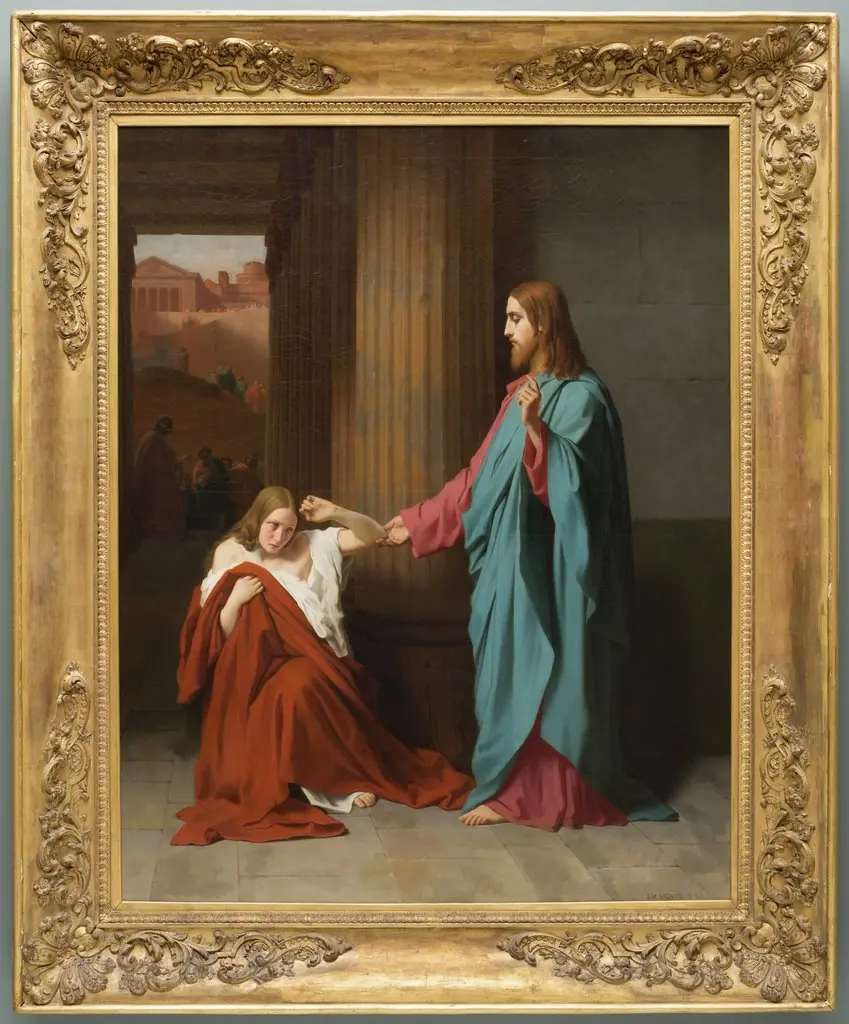 Christ and the Woman Taken in Adultery
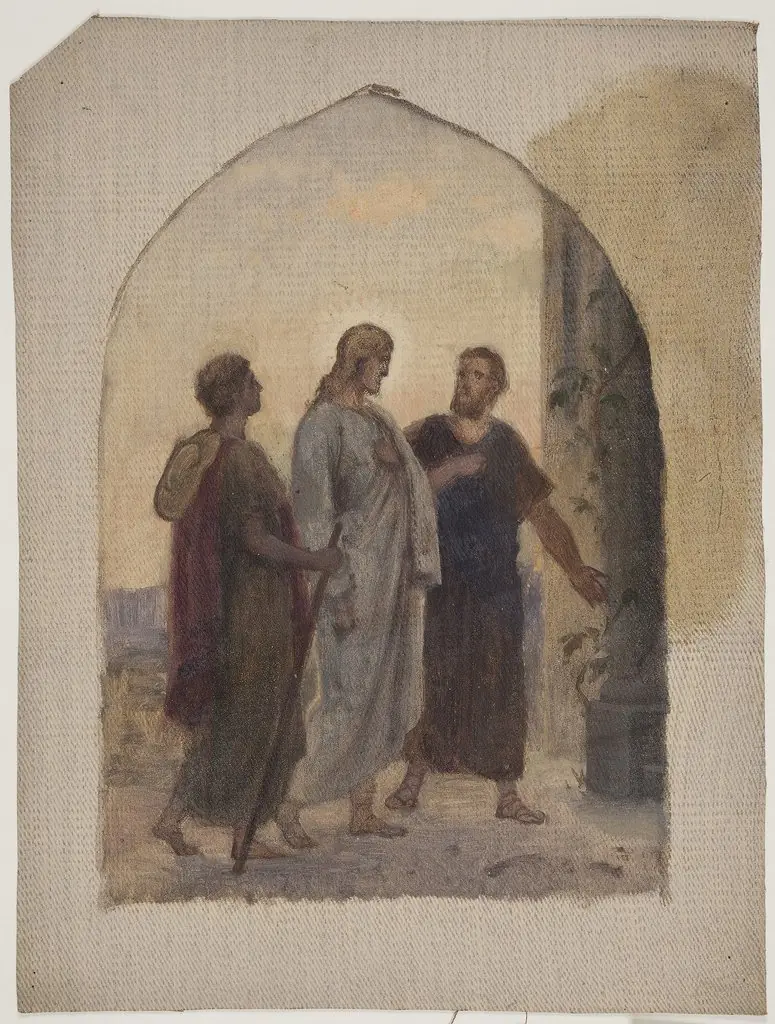 Oil sketch for the Road to Emmaus
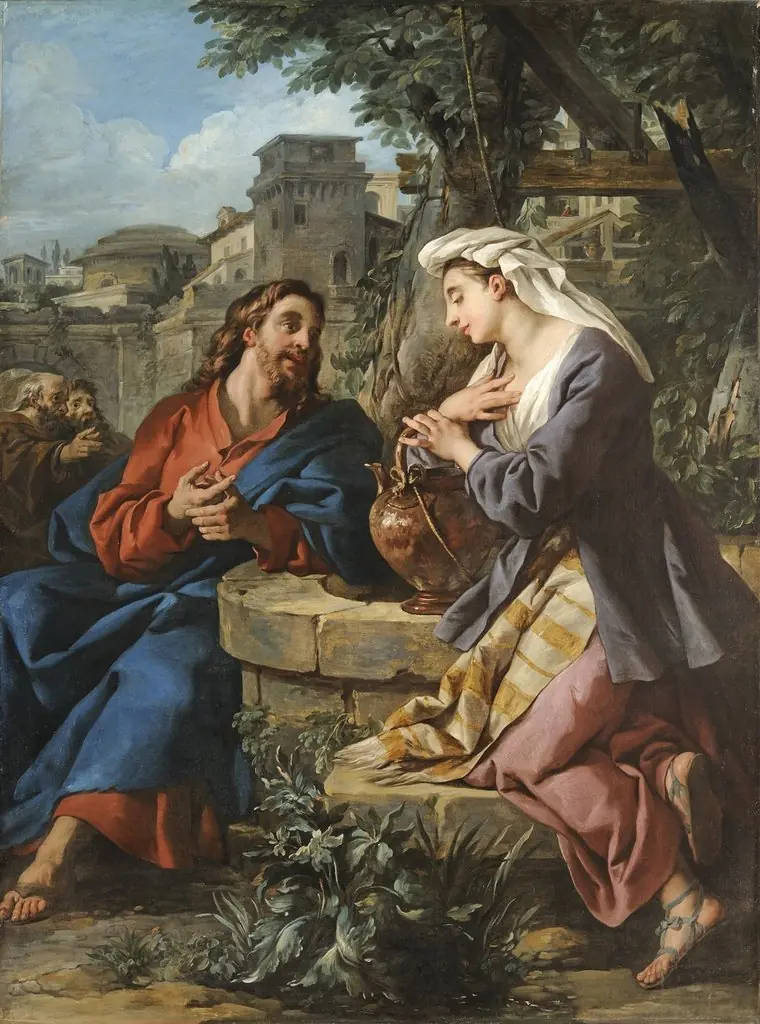 Christ and the Samaritan Woman
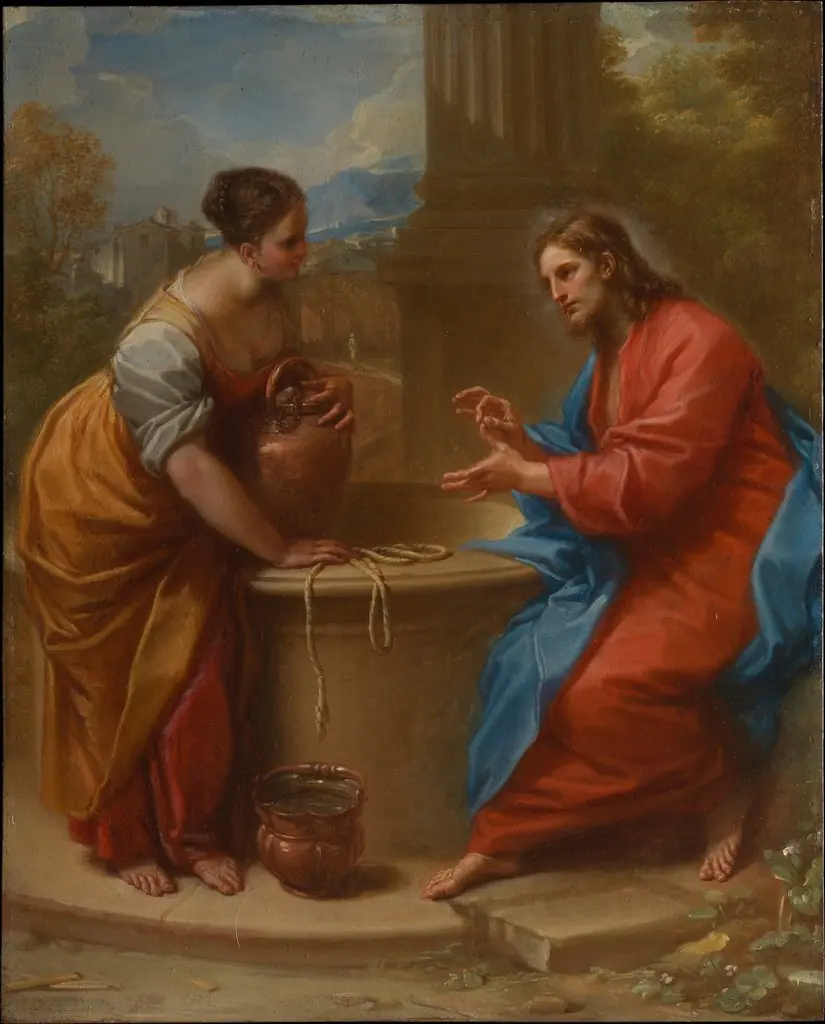 Christ and the Woman of Samaria
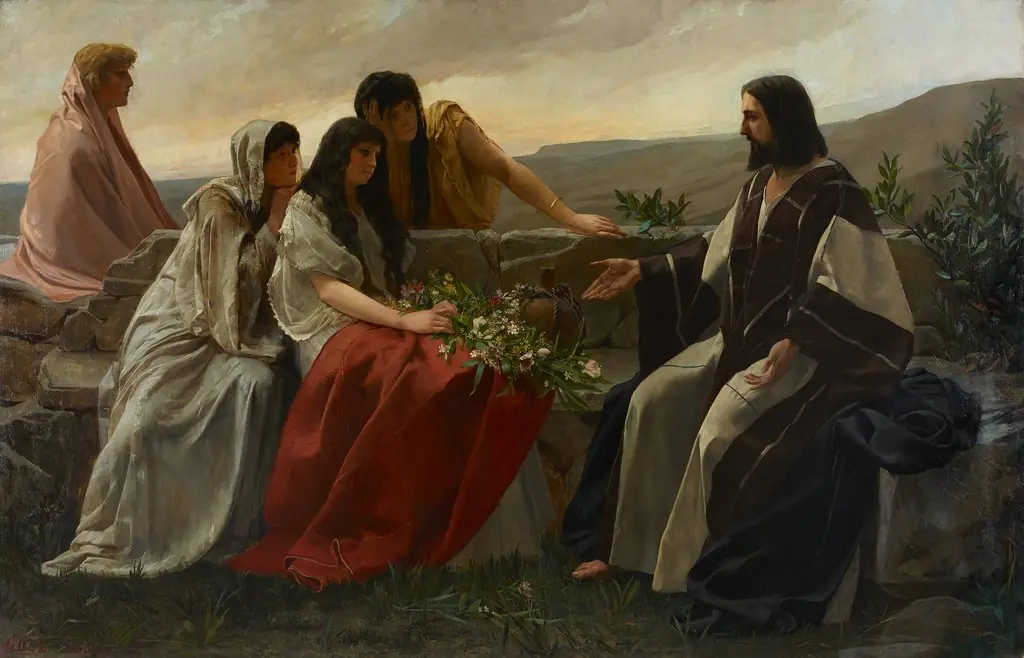 Christus und die Frauen
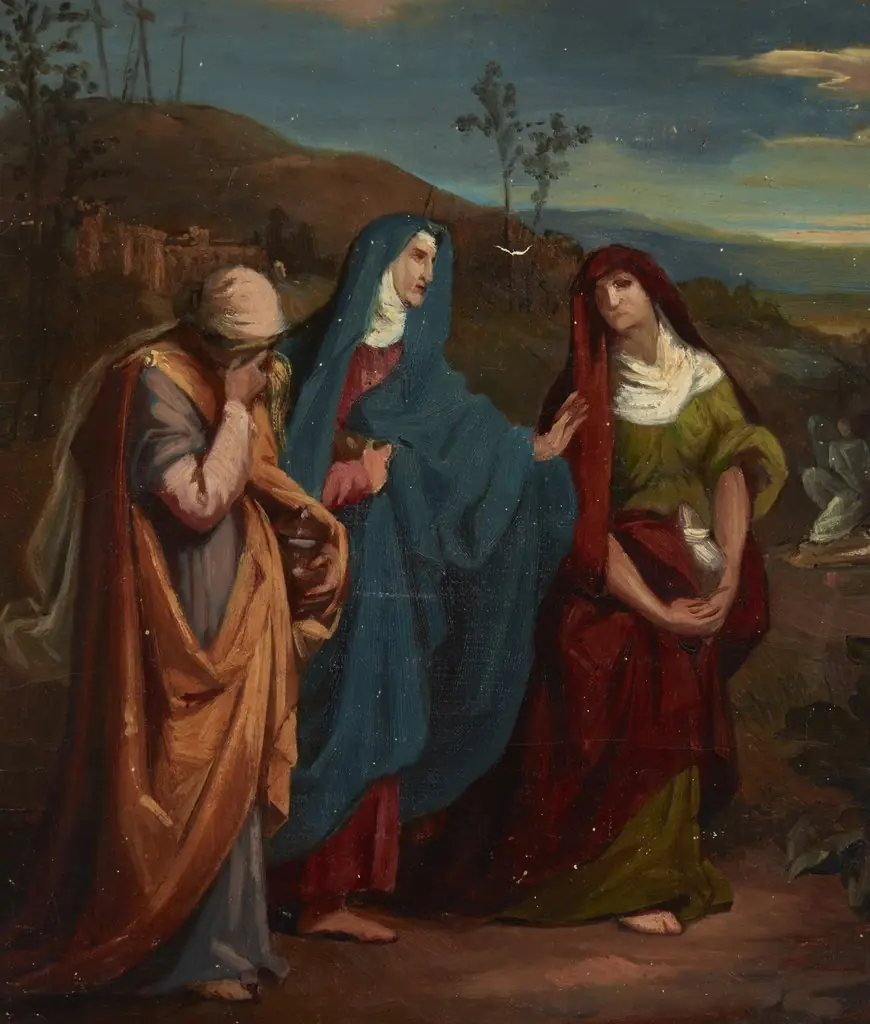 Sketch to the Painting "Three Marys Walking to Christ's Tomb "
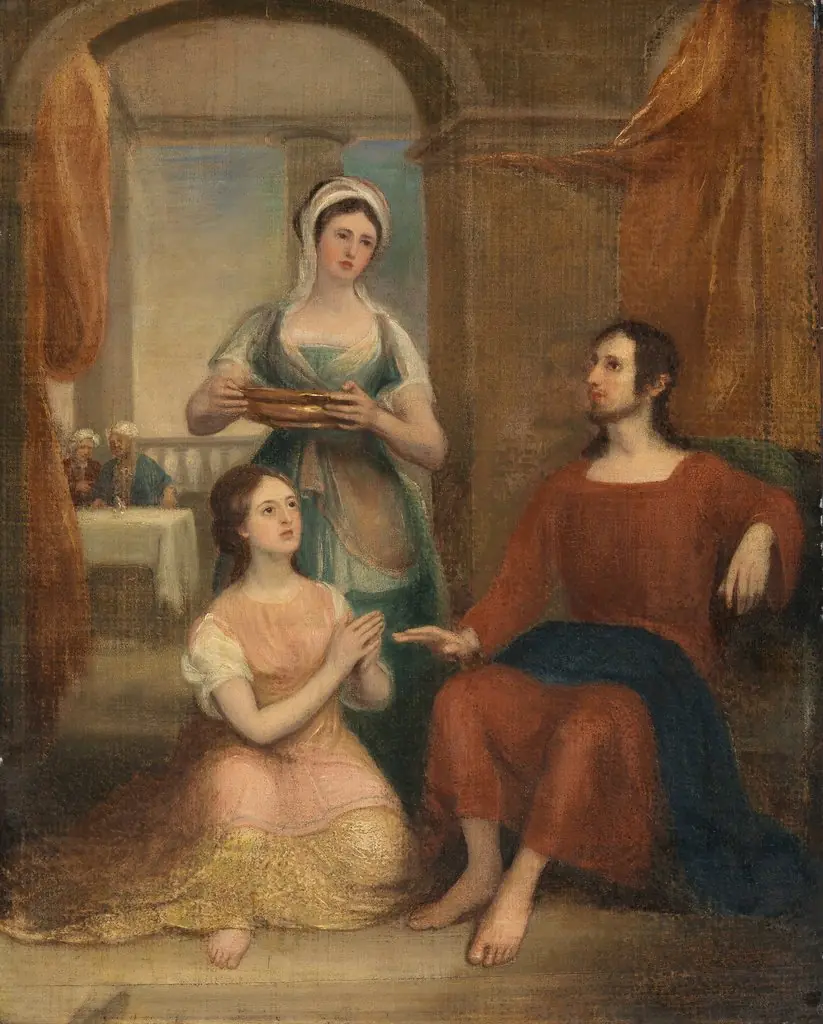 Christ in the House of Martha and Mary
- Olieskitse til Jesus og Samaritanerinden ved brønden