Artwork
Portrait of Pope Clement XIII
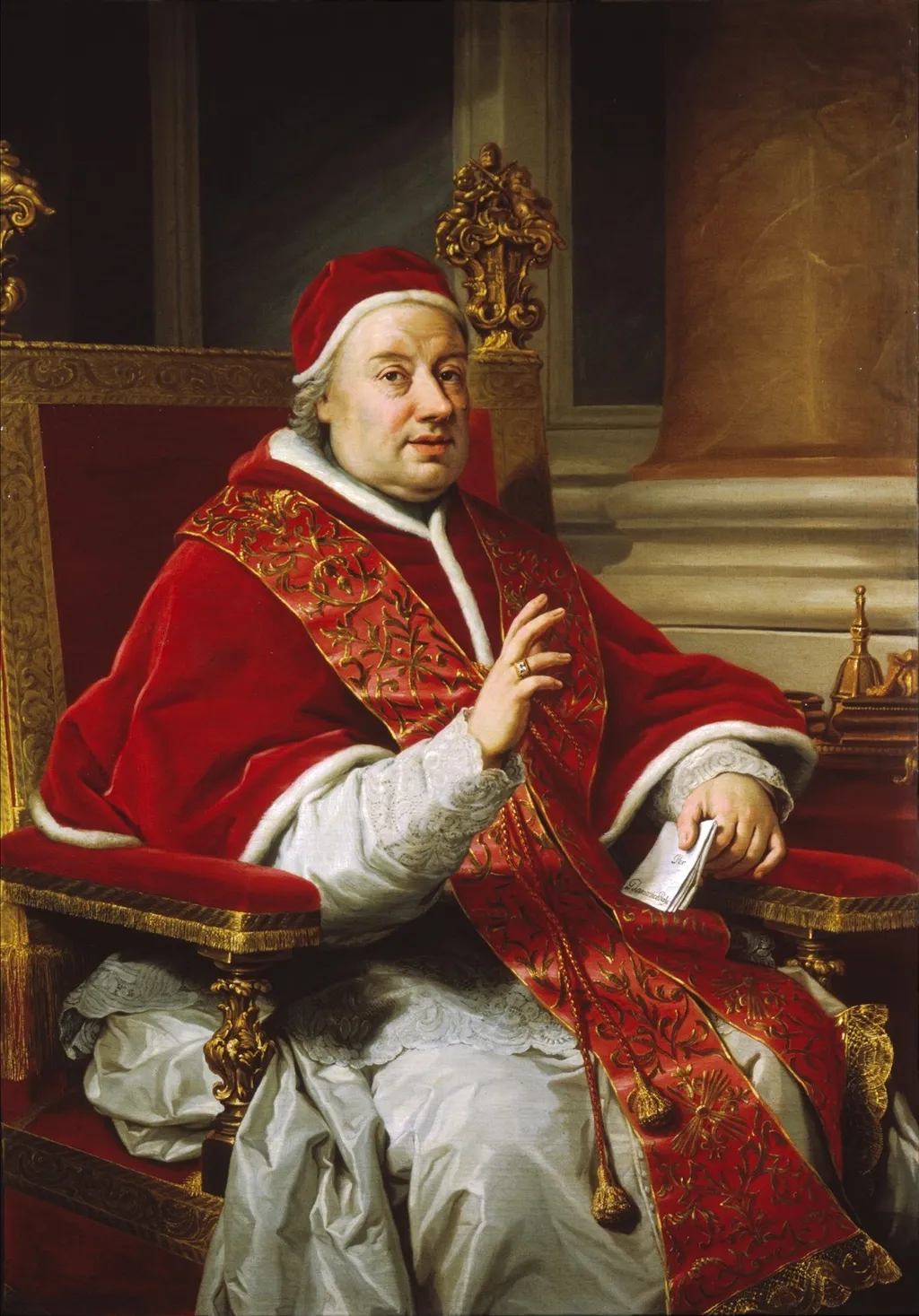
Portrait of Pope Clement XIII is an oil painting by the Baroque artist Anton Raphael Mengs. It dates from 1759 and is held in the collection of the Walters Art Museum.
About this work
Overview
The Pope's gaze meets the viewer directly with a serious, contemplative expression, conveying dignity and solemnity.
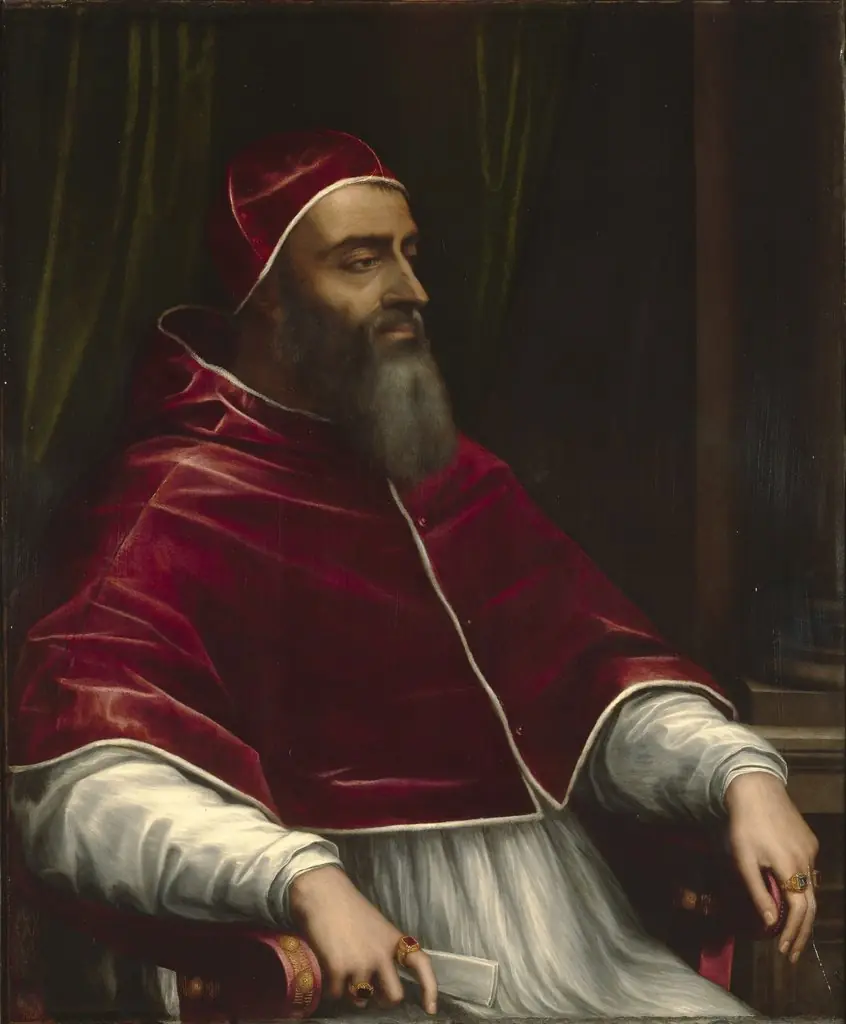
Painted in 1759 by Anton Raphael Mengs, this oil portrait depicts Pope Clement XIII (Carlo Rezzonico) seated in a formal pose that emphasizes his ecclesiastical authority. The composition centers on the pontiff, who is dressed in traditional papal vestments, including a red velvet mozzetta with white fur trim and a matching camauro. A red sash with gold embroidery drapes over his shoulder, adding a layer of ceremonial grandeur to the figure.
In his left hand, the Pope holds a document, likely signifying his role as a legislator or administrator, while his right hand rests near the arm of a red velvet chair adorned with gold trim. Mengs employs a restrained palette dominated by deep reds and warm flesh tones, characteristic of the Neoclassical style he helped pioneer, which sought to balance idealized form with naturalistic detail. The Pope's gaze meets the viewer directly with a serious, contemplative expression, conveying dignity and solemnity.
Created shortly after Mengs arrived in Rome, this work exemplifies the artist's ability to merge the grandeur of Baroque portraiture with the clarity and order of the emerging Neoclassical movement, establishing his reputation as a leading portraitist of the papal court.
Subject & Meaning
The sitter, Pope Clement XIII, is shown in his papal robes, complete with a red mantle trimmed in white fur and a matching hat. A gold‑embroidered sash drapes over his shoulder, and he holds a document, suggesting his role as a spiritual and administrative leader. His direct gaze and solemn expression convey the authority and dignity of the papacy.
Technique & Style
Mengs employs a realistic approach, using subtle modeling to convey the plushness of the velvet chair and the sheen of the fabrics. The darkened backdrop, featuring a column and a distant window, creates a restrained setting that focuses attention on the figure’s face and attire, characteristic of mid‑18th‑century portraiture.
History & Provenance
Created in 1759, the portrait entered the Walters Art Museum’s holdings, where it remains on display. Its provenance traces back to the artist’s workshop, reflecting Mengs’s reputation as a leading portraitist of his era.
Own this work as a print
Artist & collection