Artwork
The Infant Saint John the Baptist
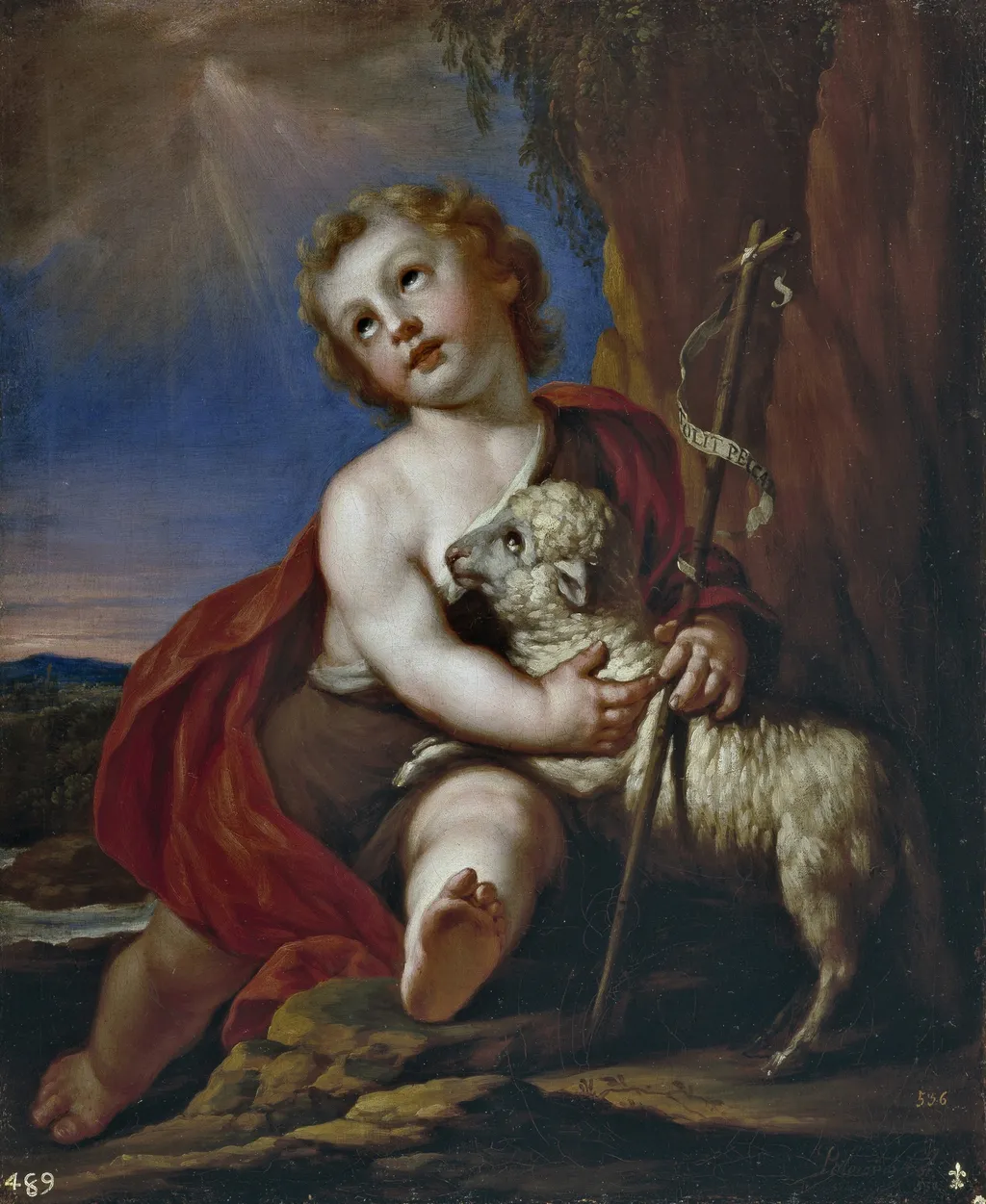
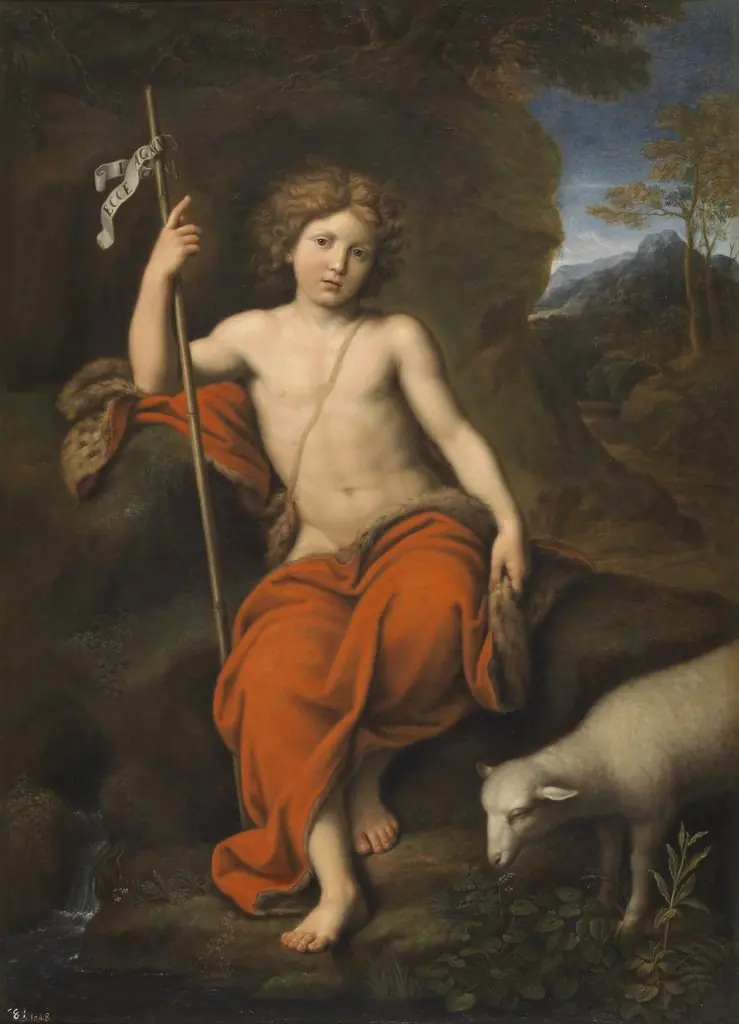
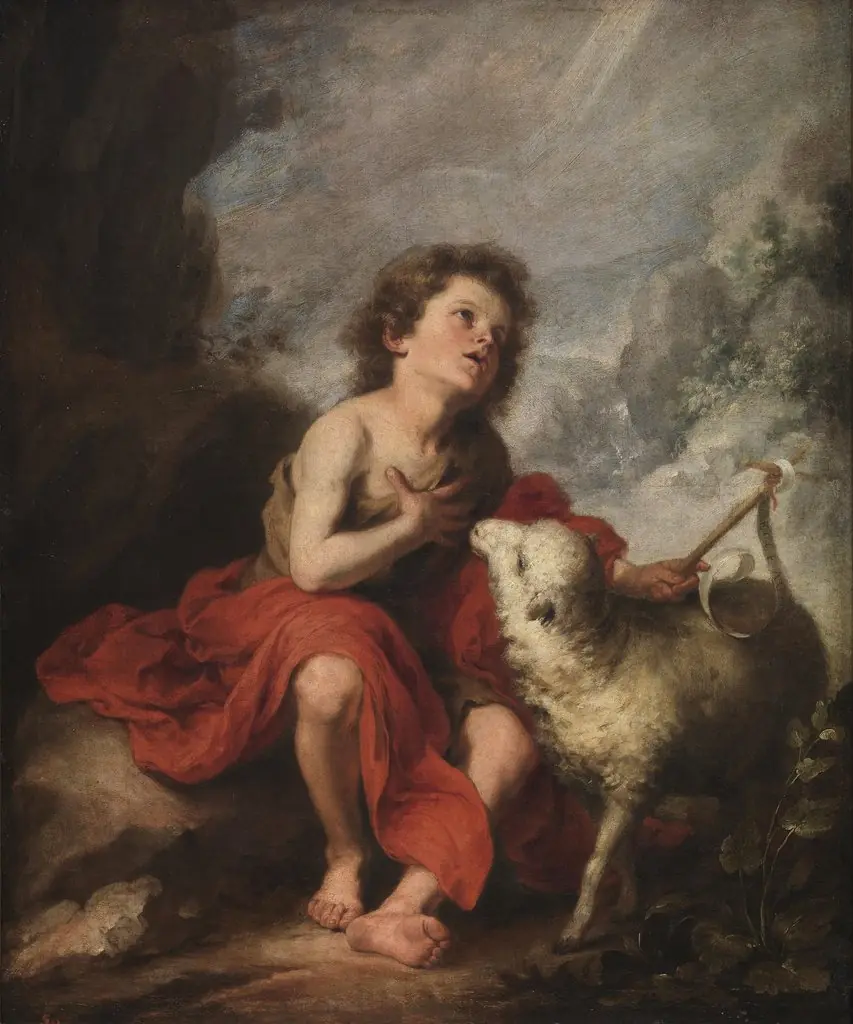
The Infant Saint John the Baptist is an oil painting by the High Baroque Italian artist Antonio Palomino. It dates from 1701 and is held in the collection of the Museo del Prado.
About this work
Subject & Meaning
The image thus functions both as a tender devotional portrait and as a theological statement about John's mission to prepare the way for Christ.
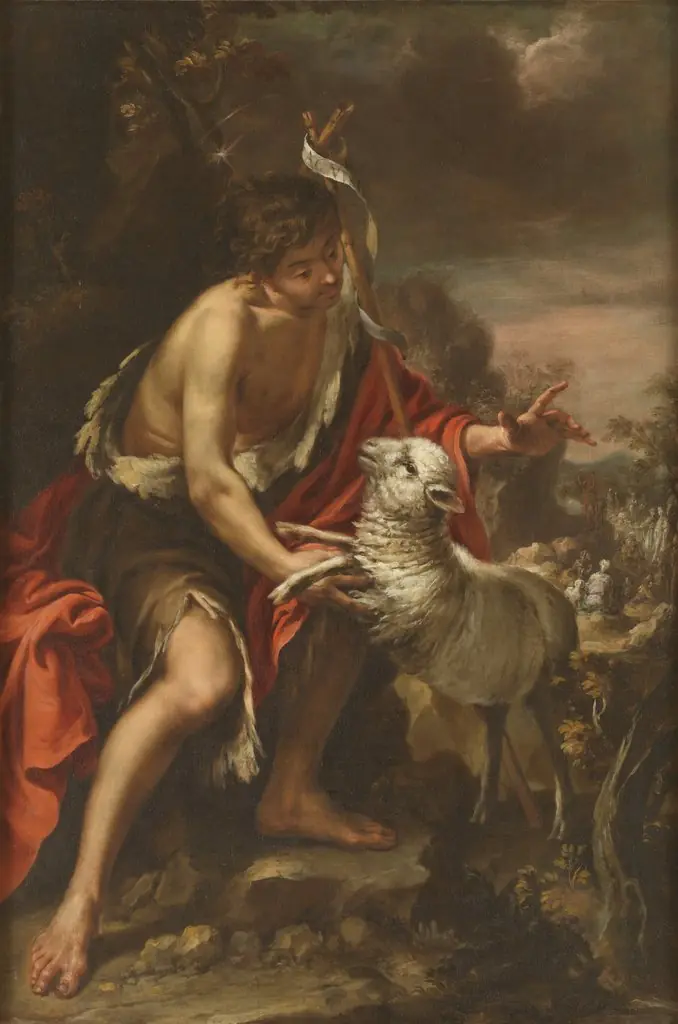
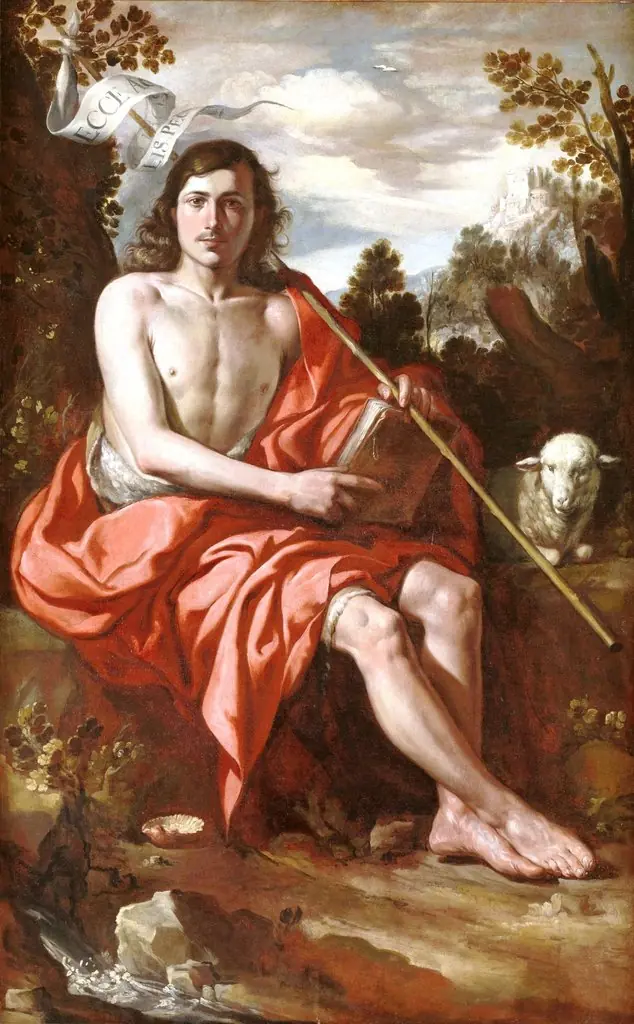
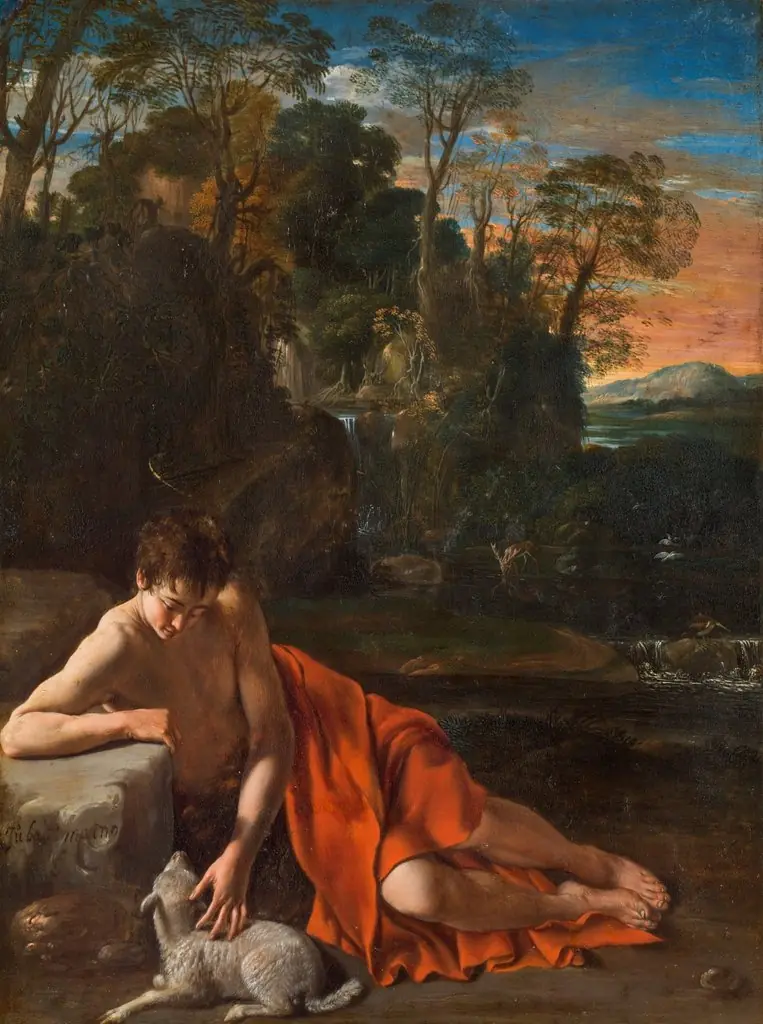
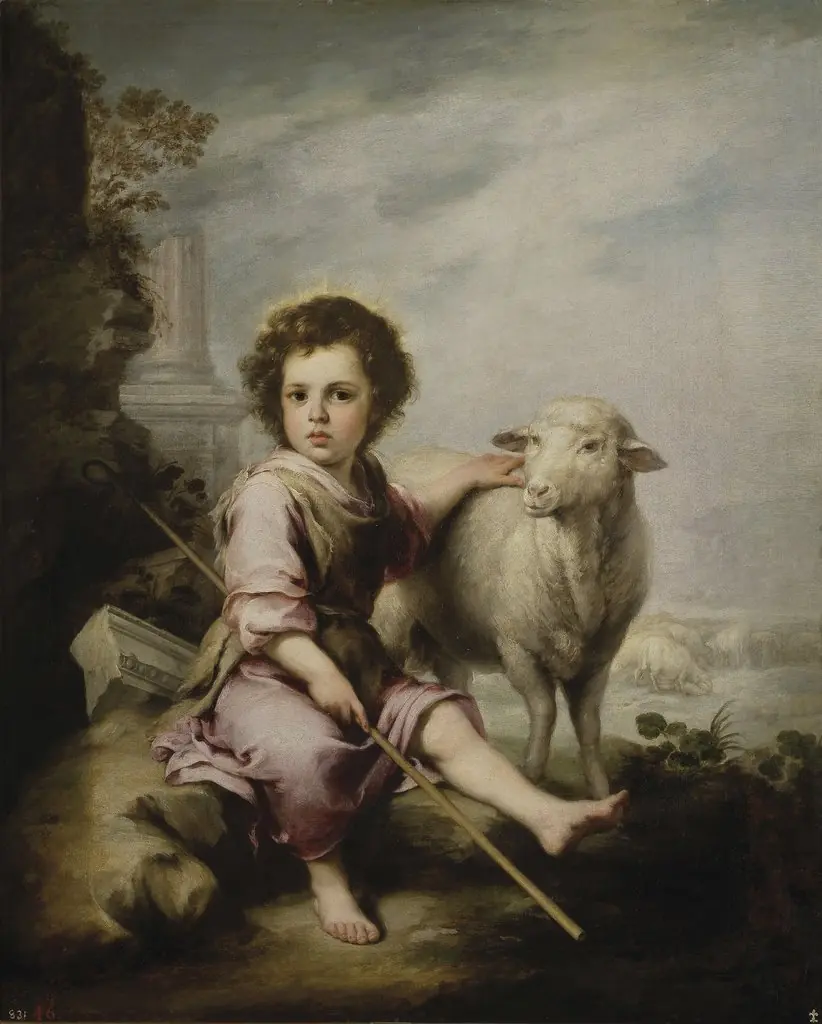
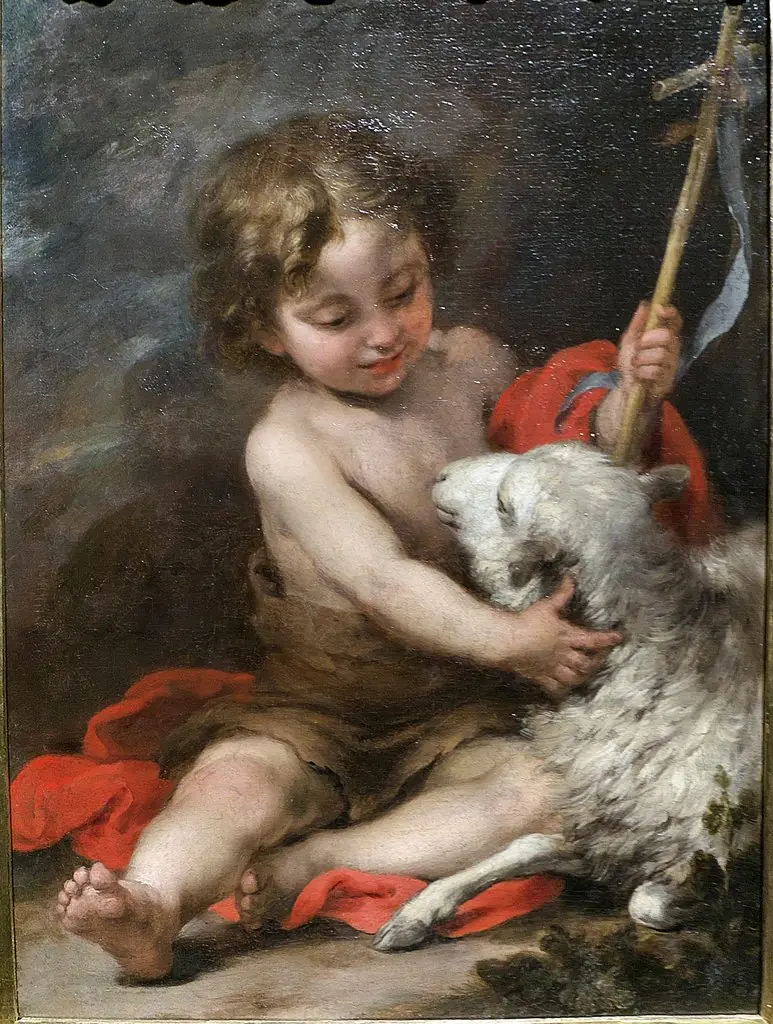
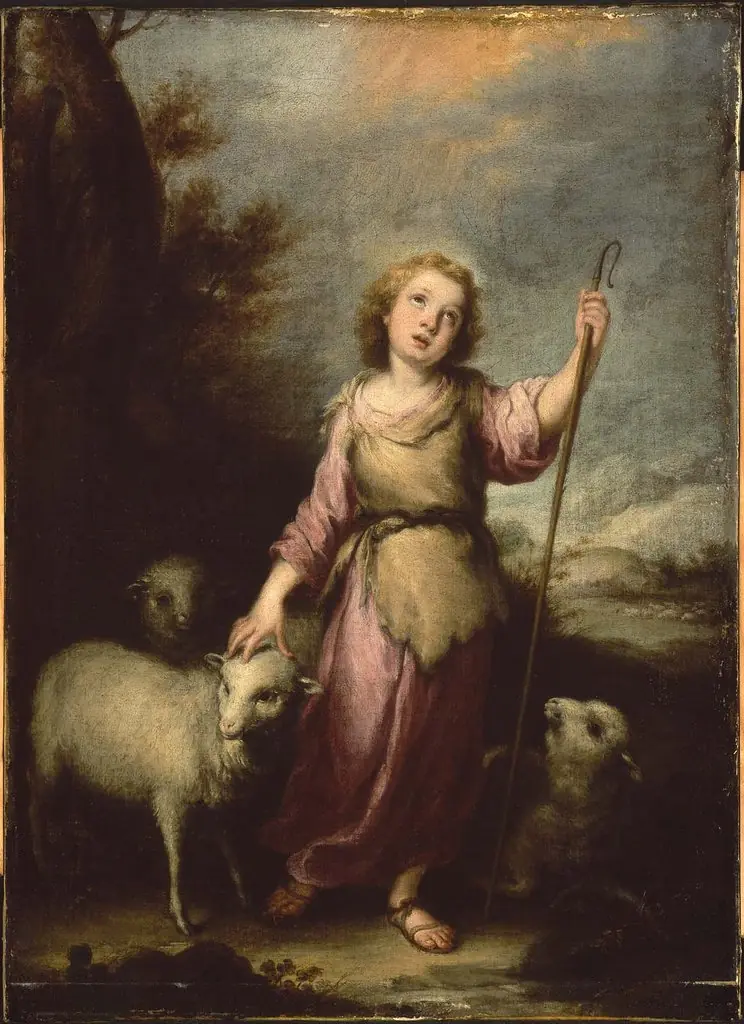
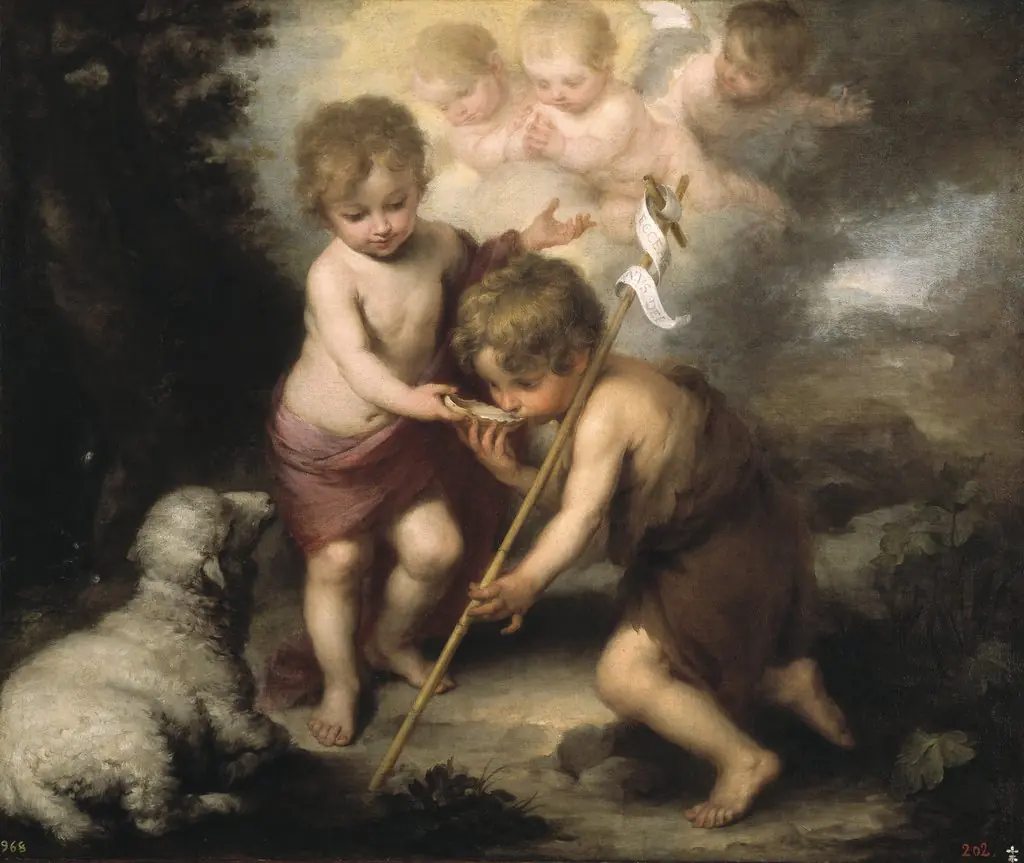
The painting depicts the Child Saint John, a recurring devotional subject in Spanish Baroque art. According to the catalogue record, the work shows the young saint together with a cross, the two attributes that define his standard iconography in infancy scenes: the reed or staff cross identifies him as the future preacher of penance and identifies him as the forerunner of Christ, while his depiction as a child emphasizes the contemplative life he would later embrace in the wilderness.
Within the religious genre tradition of the period, the pairing of the infant Baptist with the cross visually proclaims his redemptive role in salvation history, presenting him not merely as a child but as a proto-martyr and herald of the Passion. The image thus functions both as a tender devotional portrait and as a theological statement about John's mission to prepare the way for Christ.
Technique & Style
Antonio Palomino's The Infant Saint John the Baptist is an oil painting executed on a canvas support. Created in 1701, the work measures 71 cm in height and 58 cm in width. As a religious genre piece, the painting depicts the Child Saint John holding a cross.
The medium consists of oil paint applied to the canvas, a standard technique for works of this classification during the early 18th century.
History & Provenance
The Infant Saint John the Baptist was created by Antonio Palomino in 1701, executed in oil paint on canvas. The painting entered the royal collection through ownership by Elisabeth Farnese, subsequently passing to Charles III of Spain and then to Ferdinand VII of Spain. It is now held in the Museo del Prado, where it remains part of the museum's holdings.
The work is dated to 1701 and is classified as a religious painting depicting the Child Saint John with a cross. No specific commissioner is documented in the available sources.
The Infant Saint John the Baptist by Antonio Palomino is held in the collection of the Museo del Prado. Its documented ownership traces through the Spanish crown, having been held by Elisabeth Farnese, Charles III of Spain, and Ferdinand VII of Spain before entering the museum's holdings. The painting, executed in oil on canvas in 1701, is catalogued within the Prado's collection of religious works.
Legacy
The Infant Saint John the Baptist has shaped later religious painting through its tender portrayal of childhood sanctity and its role in Spanish Baroque devotional art. Palomino's naturalistic rendering influenced subsequent artists who emphasized emotive immediacy in sacred subjects, particularly in works depicting Saint John as a child. The painting's composition, featuring a youthful figure holding a cross, became a model for later images of youthful penitence in European art.
Its presence in the Spanish royal collection helped disseminate the image of the Child Saint John throughout courtly and ecclesiastical circles. This work's legacy is evident in 18th-century reproductions and its continued use as a reference point for artists exploring the intersection of childhood innocence and religious devotion.
Overview
Antonio Palomino’s The Infant Saint John the Baptist (1701) is an oil painting executed in the high Baroque idiom. The work portrays a youthful Saint John, barefoot and seated on a rocky ledge, clutching a lamb and a slender cross. It is part of the Museo del Prado’s collection, representing Palomino’s religious output alongside his theoretical writings.
Context
Although Palomino was Spanish, the work reflects Italian Baroque influences, especially in its dramatic lighting and emotive portrayal of a holy child. The painting aligns with contemporary Counter‑Reformation art, which favored clear, affective images of saints to inspire devotion among viewers.
Own this work as a print
Artist & collection
Artist
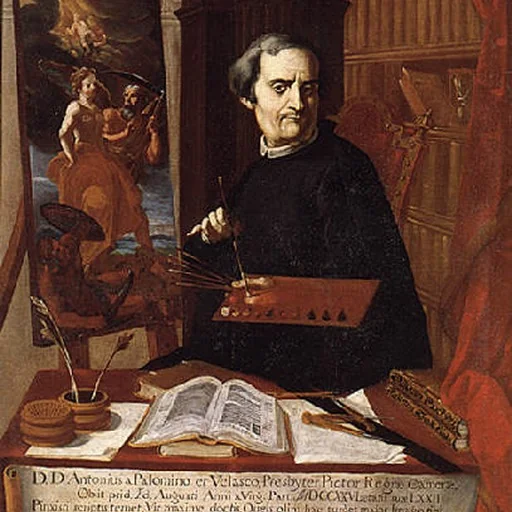
Acislo Antonio Palomino de Castro y Velasco (1655 – 13 April 1726) was a Spanish painter of the Baroque period, and a writer on art, author of El Museo pictórico y escala óptica, which contains a large amount of…