Artwork
Saint John the Baptist
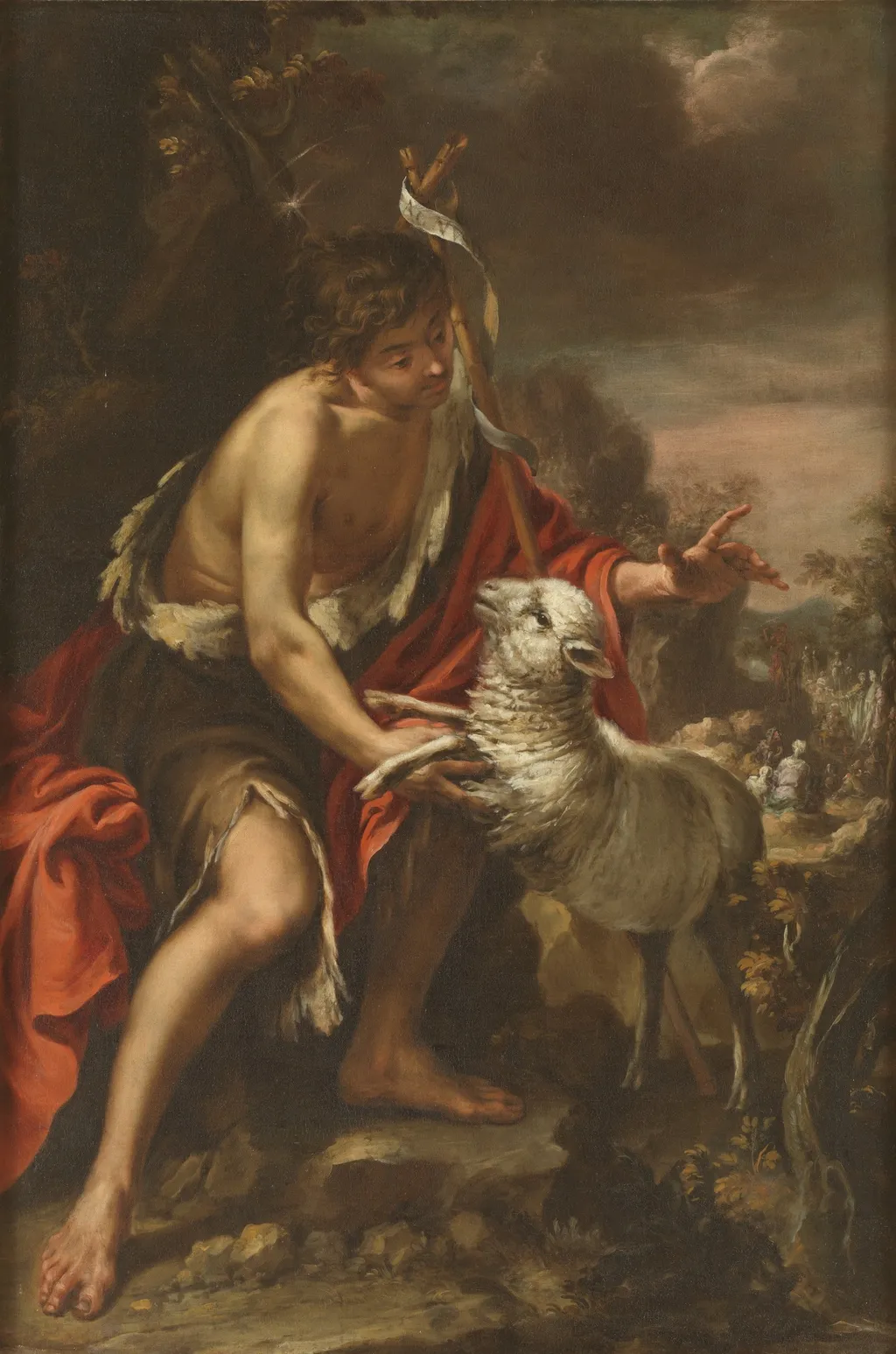
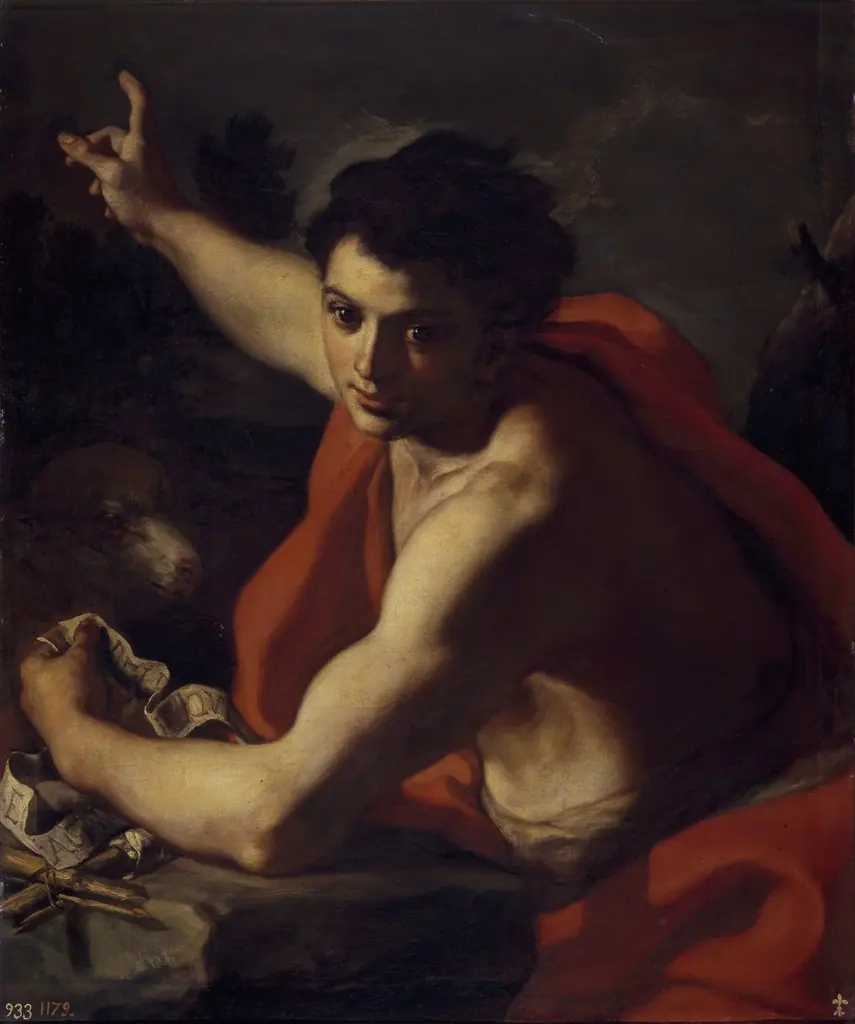
Saint John the Baptist is an oil painting by the Early Baroque Italian artist Juan de Valdés Leal. It dates from 1659 and is held in the collection of the Museo del Prado.
About this work
Subject & Meaning
As a piece of religious art housed in the Museo del Prado, the image serves to visualize the holy man's withdrawal from the world to focus on divine connection.
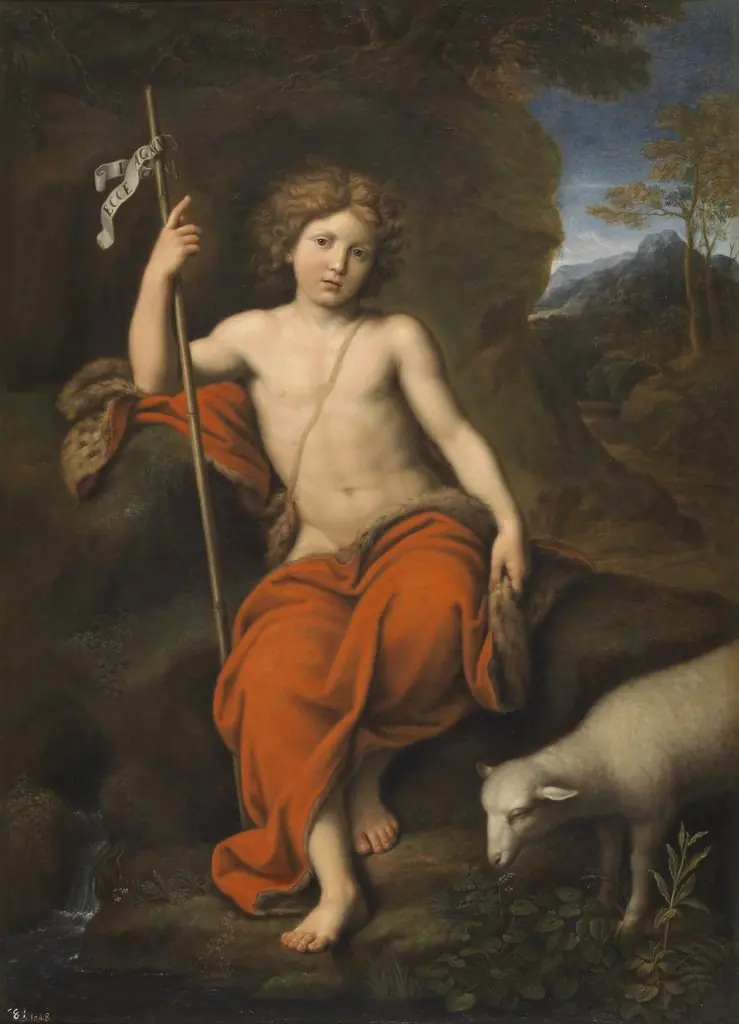
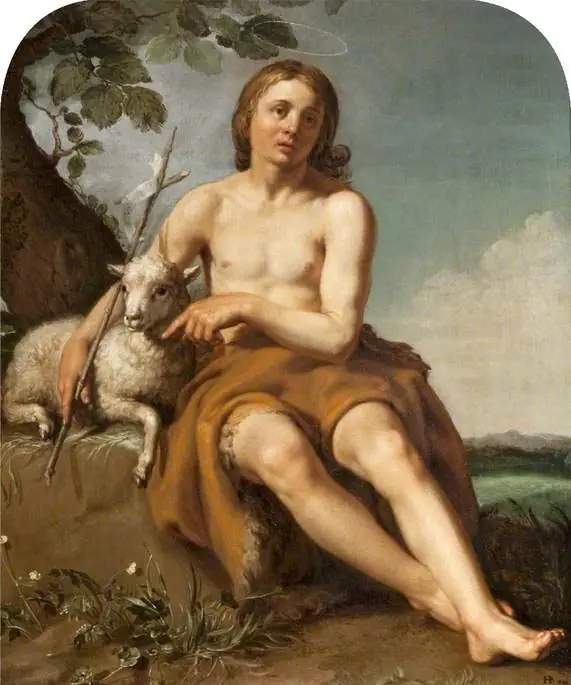
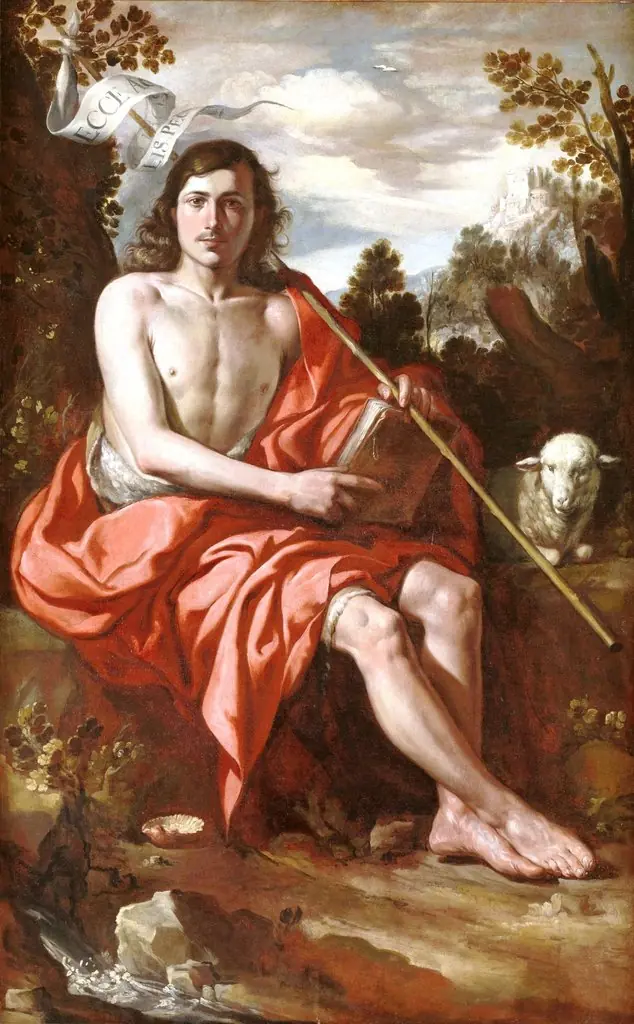
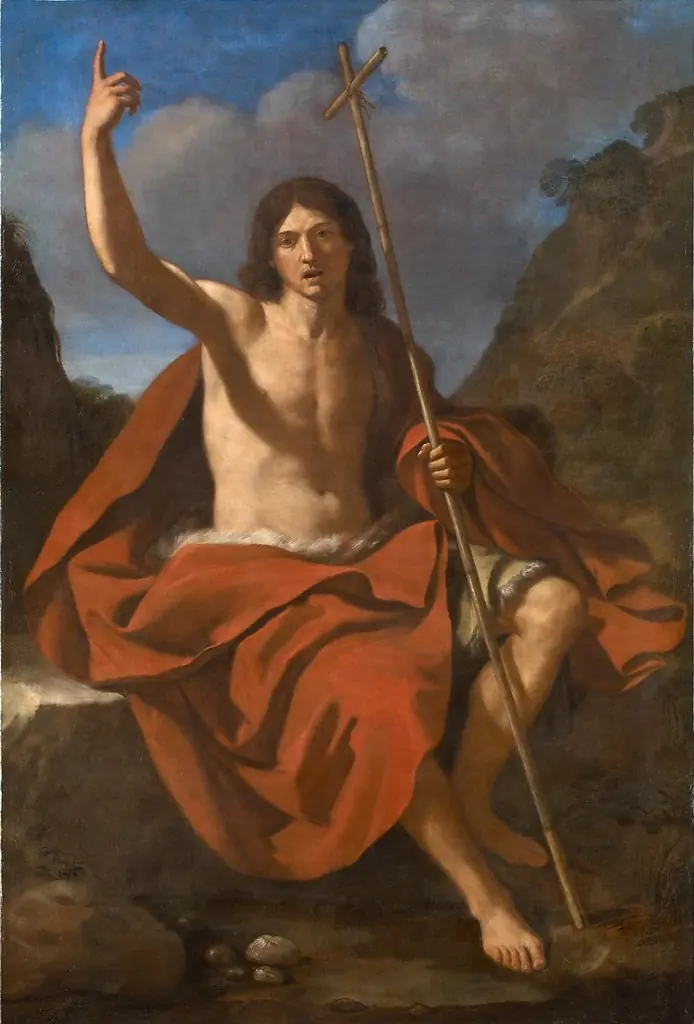
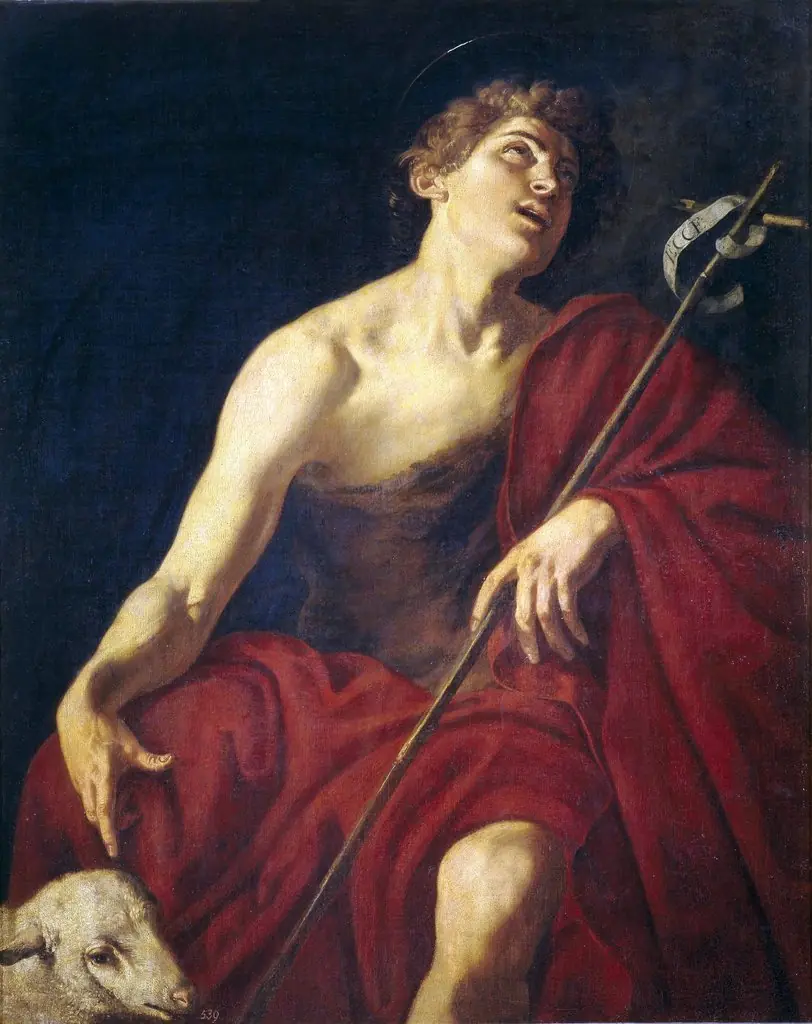
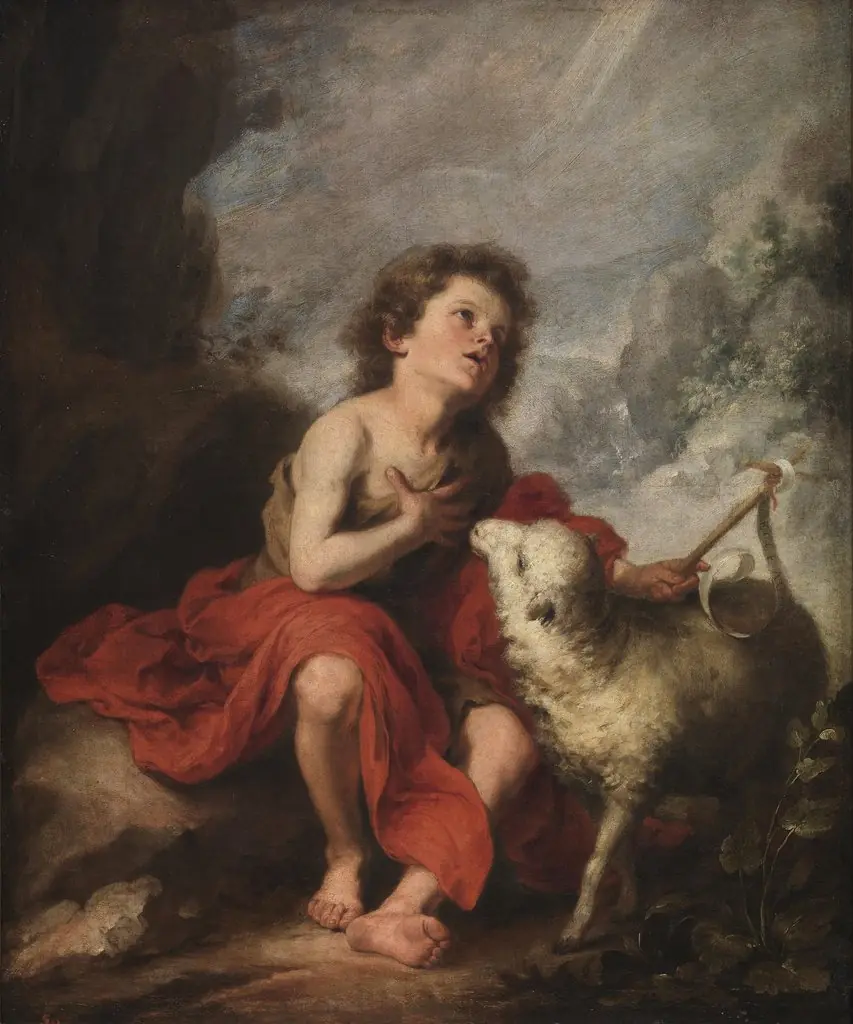
Juan de Valdés Leal's 1659 oil painting portrays John the Baptist as its central religious figure. The work specifically depicts the saint in the wilderness, a traditional setting that underscores his role as an ascetic prophet living apart from society. This iconography aligns with the biblical narrative of John's life before his public ministry, emphasizing themes of solitude, penance, and spiritual preparation.
As a piece of religious art housed in the Museo del Prado, the image serves to visualize the holy man's withdrawal from the world to focus on divine connection.
Technique & Style
Created in 1659 by Juan de Valdés Leal, this religious painting depicts John the Baptist in the wilderness. The work is executed in oil paint on a canvas support. Physically, the composition measures 180.3 cm in height and 121 cm in width. The piece is currently held in the collection of the Museo del Prado.
History & Provenance
The work titled Saint John the Baptist was created by Juan de Valdés Leal in 1659 as an oil painting on canvas. It entered the collection of the Museo del Prado, where it remains on display. The painting was executed in the religious genre and measures 180.3 cm in height by 121 cm in width, depicting John the Baptist in the wilderness.
Overview
Juan de Valdés Leal’s oil on canvas, Saint John the Baptist, was painted in 1659 and is now part of the collection at the Museo del Prado. The work presents a youthful, unclothed figure of the biblical prophet seated on a barren rock, holding a lamb, with a dramatic sky and a distant village visible behind him.
Context
Created during the Counter‑Reformation, the work aligns with the Catholic Church’s emphasis on vivid, emotionally charged imagery intended to inspire devotion. Valdés Leal, active in Seville, often combined dramatic lighting with theological symbolism, situating this piece within the broader Baroque movement that sought to engage viewers through visual intensity.
Own this work as a print
Artist & collection