Artwork
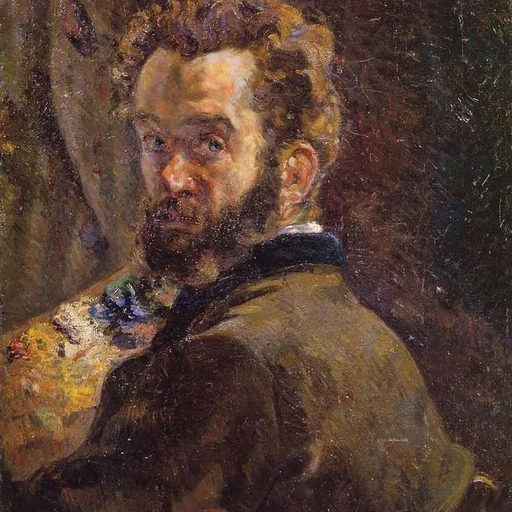
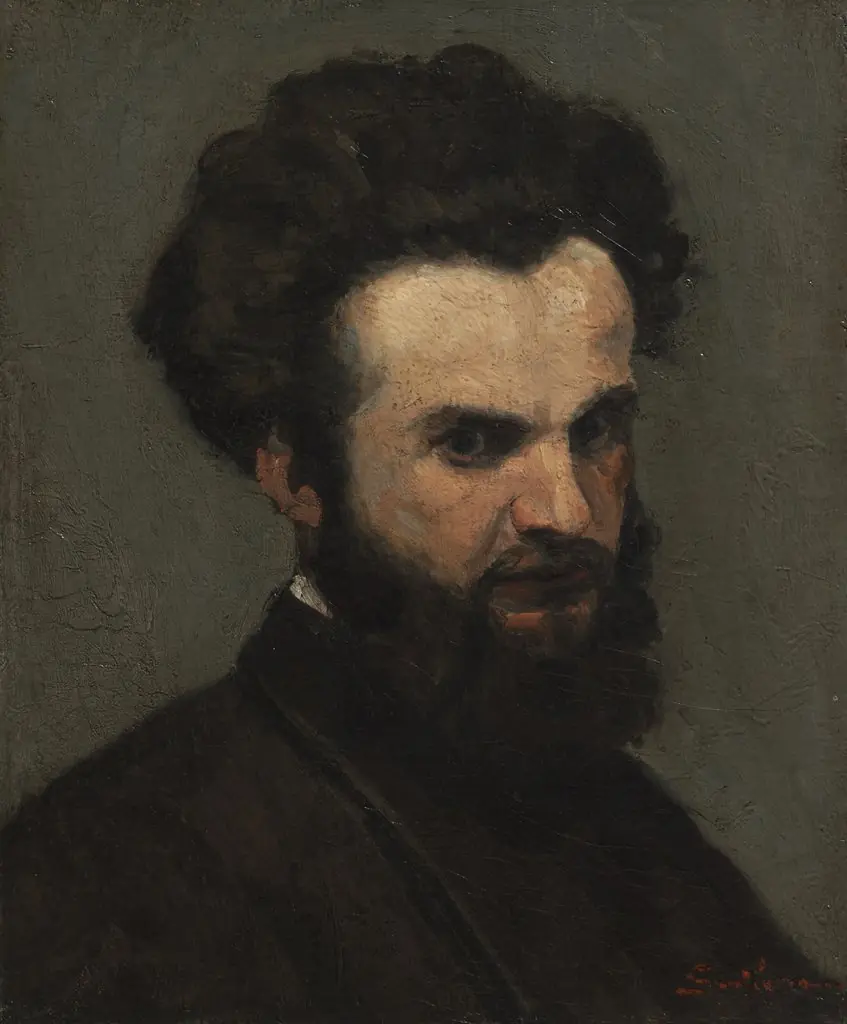
Self-Portrait
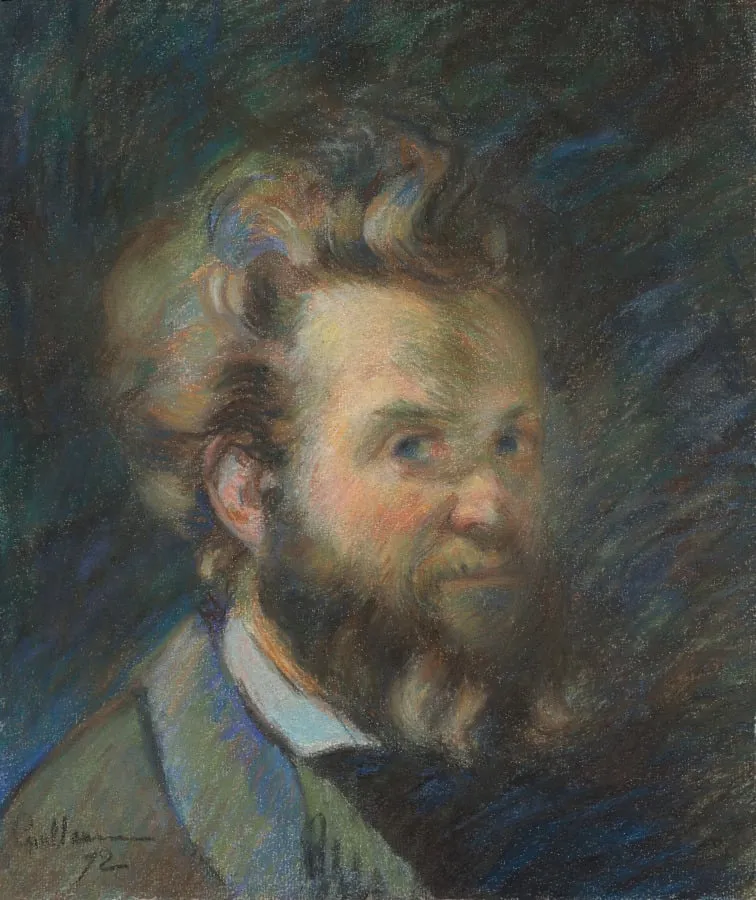
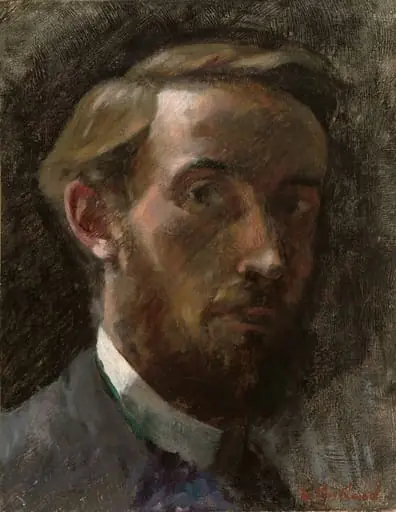
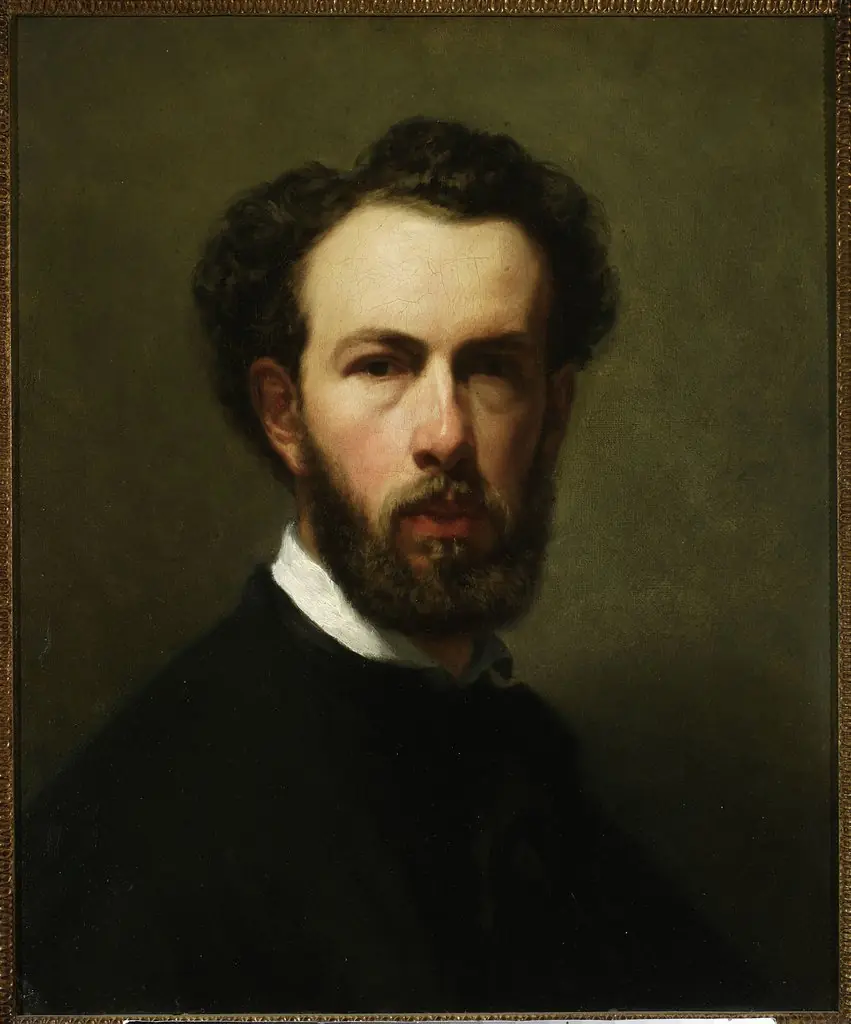
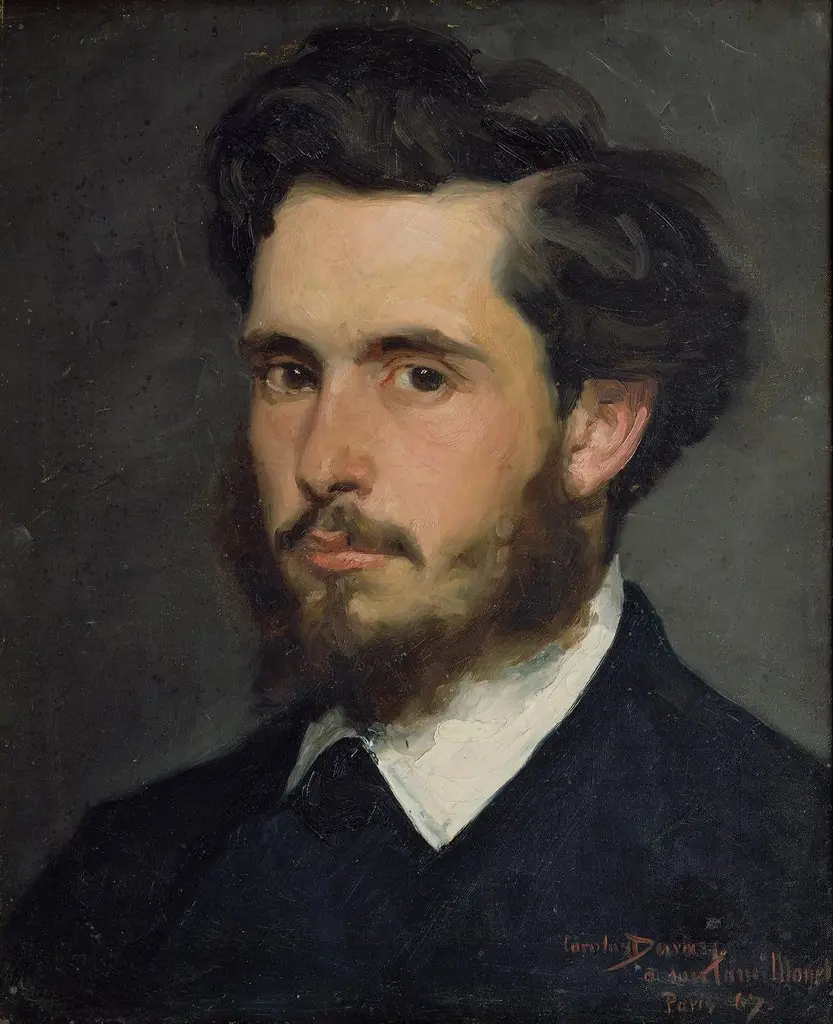
Self-Portrait is a drawing by the Impressionist artist Armand Guillaumin. It dates from 1872 and is held in the collection of the Cleveland Museum of Art.
- Accession no.
- 2020.129
- Credit line
- Nancy F. and Joseph P. Keithley Collection Gift
About this work
Overview
The work stands as a personal study, not a polished commission, revealing an artist testing visual boundaries before full immersion in Impressionist practices.
This pencil and watercolor drawing, created in the early 1870s, captures Armand Guillaumin in his late twenties, during a formative phase of his artistic development. Executed with deliberate roughness, it reflects his engagement with emerging experimental techniques alongside peers like Pissarro and Cézanne. The work stands as a personal study, not a polished commission, revealing an artist testing visual boundaries before full immersion in Impressionist practices.
Subject & Meaning
Guillaumin depicts himself with direct eye contact, conveying quiet intensity rather than vanity. The half-lit face, split between shadow and stark illumination, suggests introspection amid artistic uncertainty. His dark coat anchors the composition, while the unexpected flashes of blue and orange imply an internal energy, perhaps the nascent excitement of color theory being actively explored, not yet codified into movement.
Technique & Style
The drawing employs abrupt contrasts: thick, unblended strokes of blue and orange sit adjacent to muted grays and browns, creating visual tension rather than harmony. Pigment is applied with visible texture, avoiding smooth transitions. The use of watercolor over pencil allows for both precision and spontaneity, emphasizing the materiality of the medium and the artist’s interest in how color interacts when placed side by side, not mixed.
History & Provenance
Created between 1871 and 1873, this self-portrait belongs to a small series Guillaumin made during his early years in Paris. It predates his first public exhibition and coincides with his participation in informal gatherings with future Impressionists. The drawing remained in private hands until acquired by a public collection in the mid-20th century, preserving its status as a personal document rather than a commercial product.
Context
At the time, Parisian art circles were shifting away from academic conventions. Guillaumin, though not yet recognized, was immersed in radical discussions about light, color, and outdoor painting. His use of non-naturalistic hues and fragmented form aligned with emerging ideas later associated with Impressionism, though his approach remained more restrained and introspective than that of his more famous contemporaries.
Legacy
Though overshadowed by peers, this drawing illustrates Guillaumin’s role as a quiet innovator in color experimentation. Its rawness and unresolved tension offer insight into the early, uncertain stages of Impressionist development. It remains a testament to the personal, often solitary work that underpinned broader artistic revolutions, preserved not for fame but for its honest record of artistic inquiry.
Artist & collection