Artwork
Landscape: Harvest-time in the Somme Valley
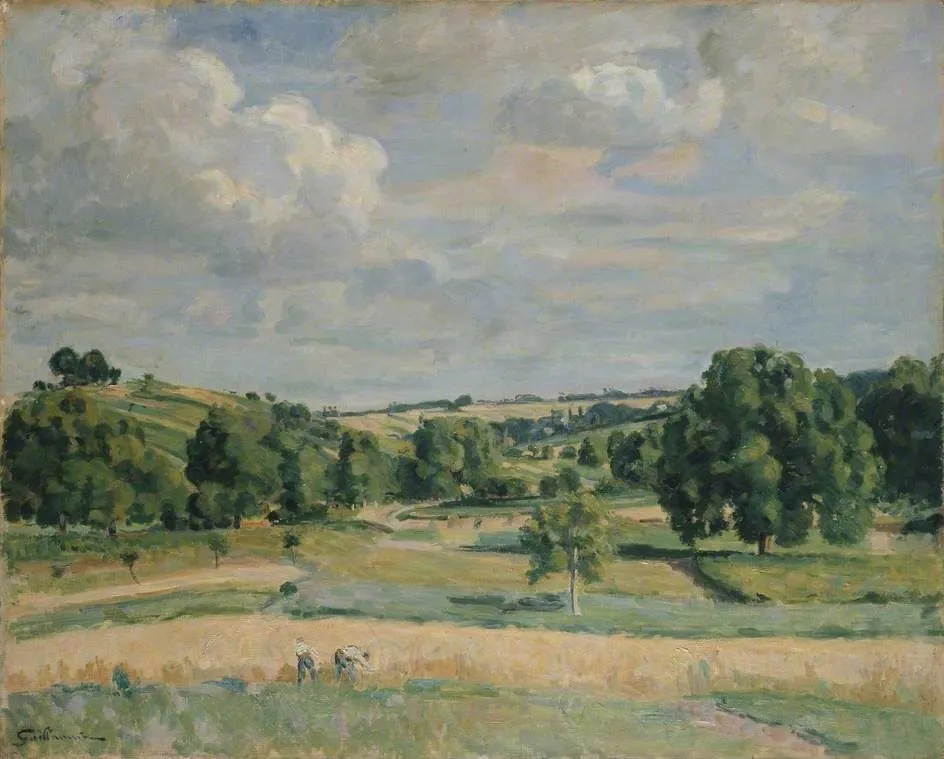
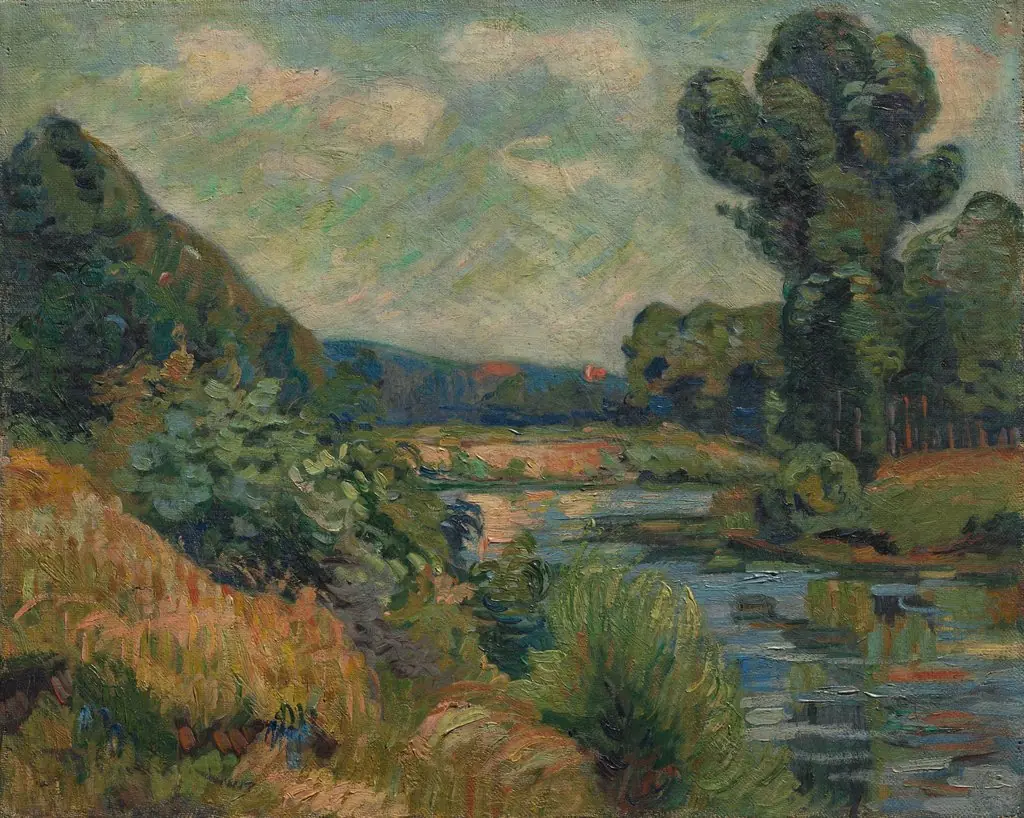
Landscape: Harvest-time in the Somme Valley is an oil painting by the Plein Air artist Armand Guillaumin. It dates from 1891 and is held in the collection of the Ashmolean Museum.
About this work
Overview
The work is part of the Ashmolean Museum’s collection, where it remains a quiet example of late 19th-century French landscape painting.
Landscape: Harvest-time in the Somme Valley is an oil painting by Armand Guillaumin, dated around 1891. It depicts a rural scene in northern France, capturing the quiet rhythm of agricultural labor. The work is part of the Ashmolean Museum’s collection, where it remains a quiet example of late 19th-century French landscape painting. Guillaumin’s focus on everyday rural life reflects his broader interest in the natural world beyond urban centers.
Subject & Meaning
The painting portrays two figures engaged in harvest work amid rolling fields, their presence subtle yet grounding the scene in human activity. The landscape itself, gently undulating hills, ripe crops, and a soft, overcast sky, conveys a sense of seasonal rhythm rather than dramatic event. There is no idealization; the work suggests endurance and quiet diligence, aligning with the Realist and Impressionist traditions that valued observed truth over romanticized narrative.
Technique & Style
Guillaumin employed thick, visible brushwork to build texture in the fields and foliage, emphasizing the tactile quality of the land. His palette favors earthy yellows, muted greens, and cool blue-grays, creating harmony without sharp contrast. The oil medium allows for layered application, giving depth to the sky and a luminous quality to the harvested fields. The brushstrokes are deliberate but not decorative, serving the observation of light and form over expressive flourish.
History & Provenance
Painted around 1891, the work entered the Ashmolean Museum’s collection through established channels typical of British institutional acquisitions in the early 20th century. While its exact path from Guillaumin’s studio to Oxford is undocumented, its presence in the museum since at least the 1920s reflects growing interest in Post-Impressionist landscapes outside France. The painting has remained in public view, rarely loaned, preserving its role as a stable reference in the museum’s holdings.
Context
Guillaumin was part of the circle of artists who exhibited with the Impressionists, though he maintained a more structured approach to composition. In the 1890s, he increasingly turned to rural subjects, influenced by his travels through northern France. This painting aligns with a broader trend among French painters of the era who sought to document agricultural life amid industrialization, valuing the persistence of traditional labor in a changing landscape.
Legacy
Though not widely known outside specialist circles, Guillaumin’s work contributes to the understanding of how landscape painting evolved beyond pure Impressionism. His focus on regional terrain and labor, rendered with restrained color and solid form, offers a bridge between Impressionist light studies and the more structured approaches of early modernism. This painting remains a quiet testament to his sustained engagement with the French countryside.
Artist & collection

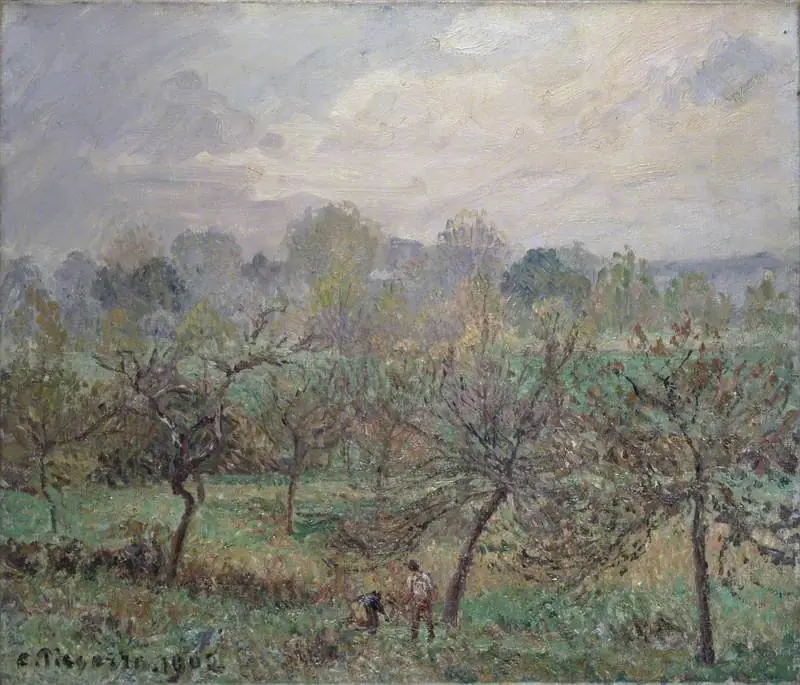 Autumn, Morning Mist, Éragny-sur-Epte
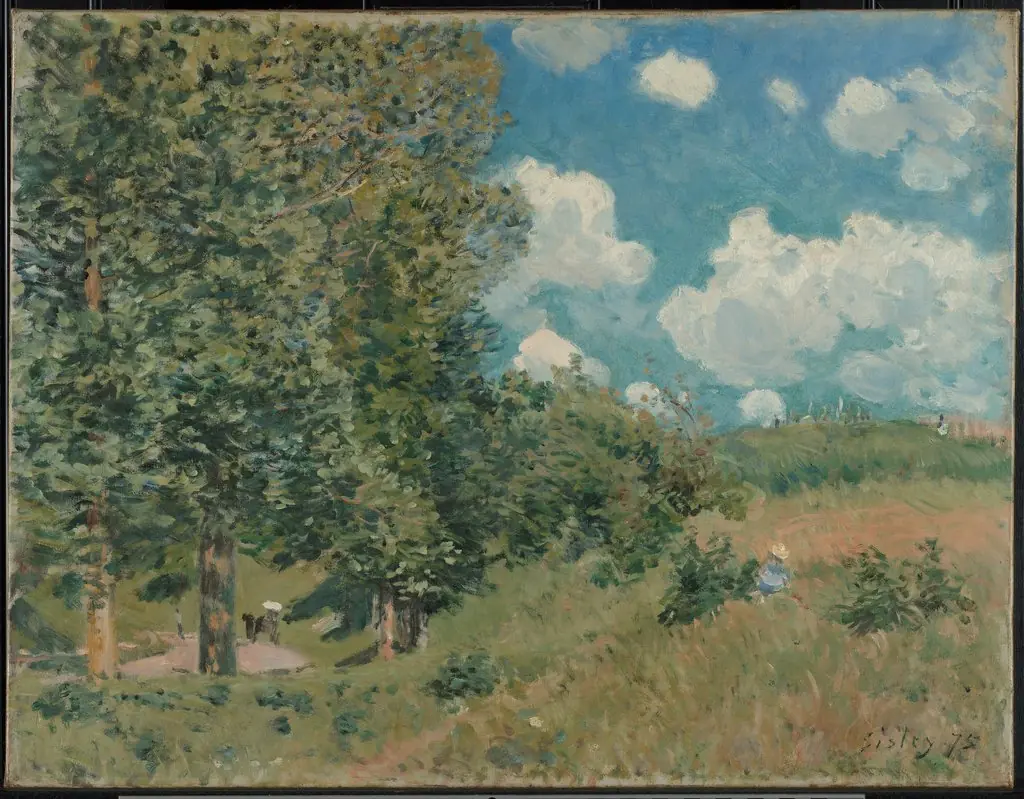 The Road from Versailles to Saint-Germain
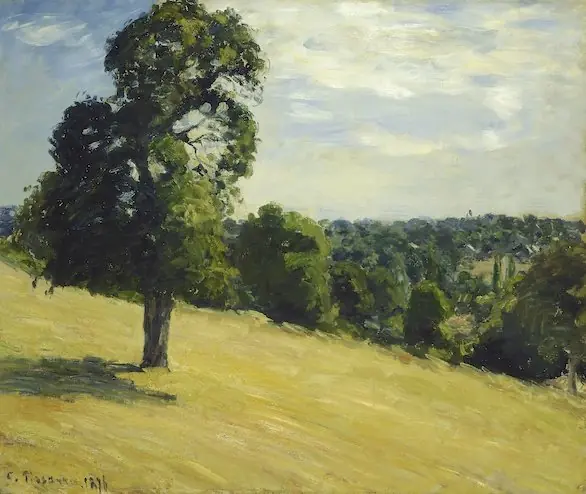 The Big Pear Tree at Montfoucault
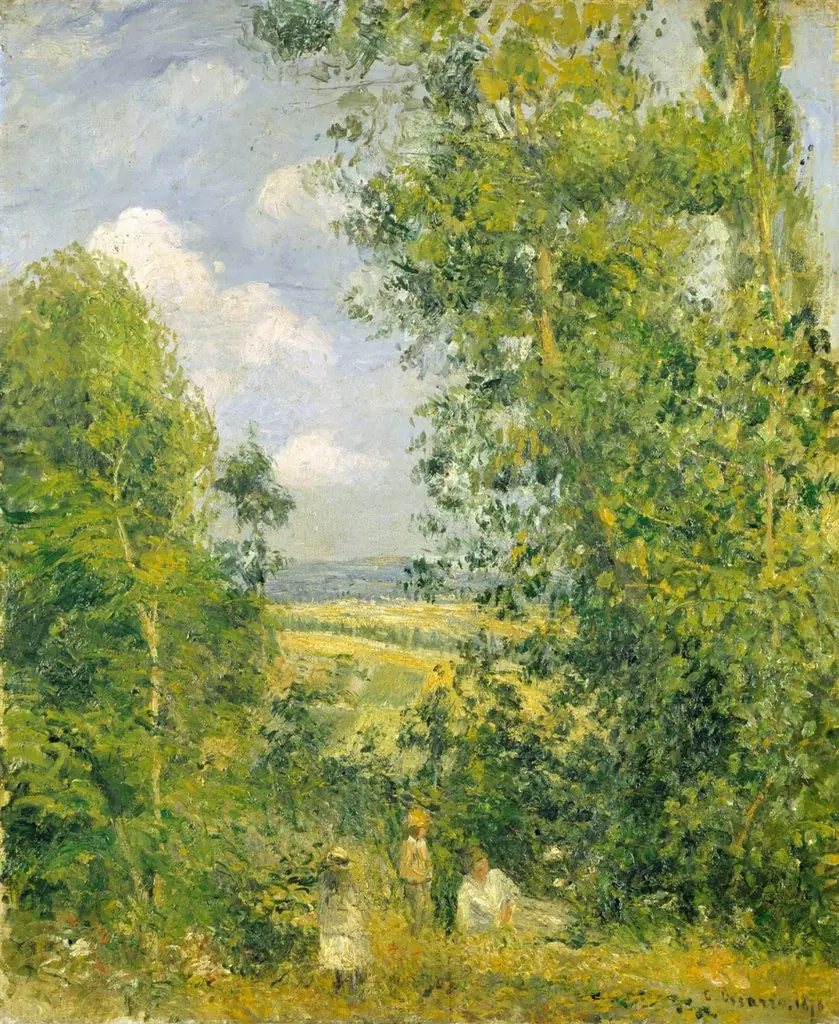 Resting in the Woods (côte des Grouettes), Pontoise
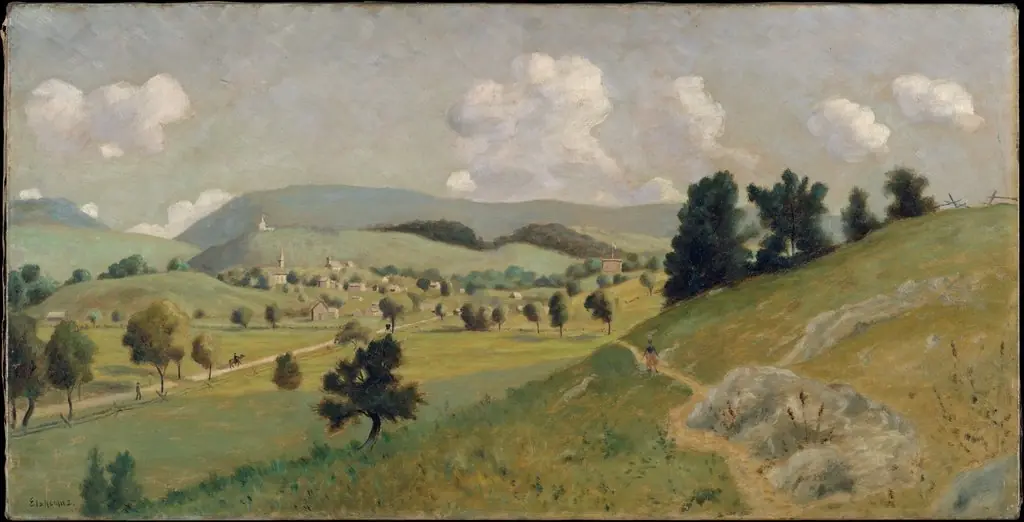 Delaware Water Gap Village
 The Brickfield
 Champ de blé dans le Morvan
 Landscape
 Landscape
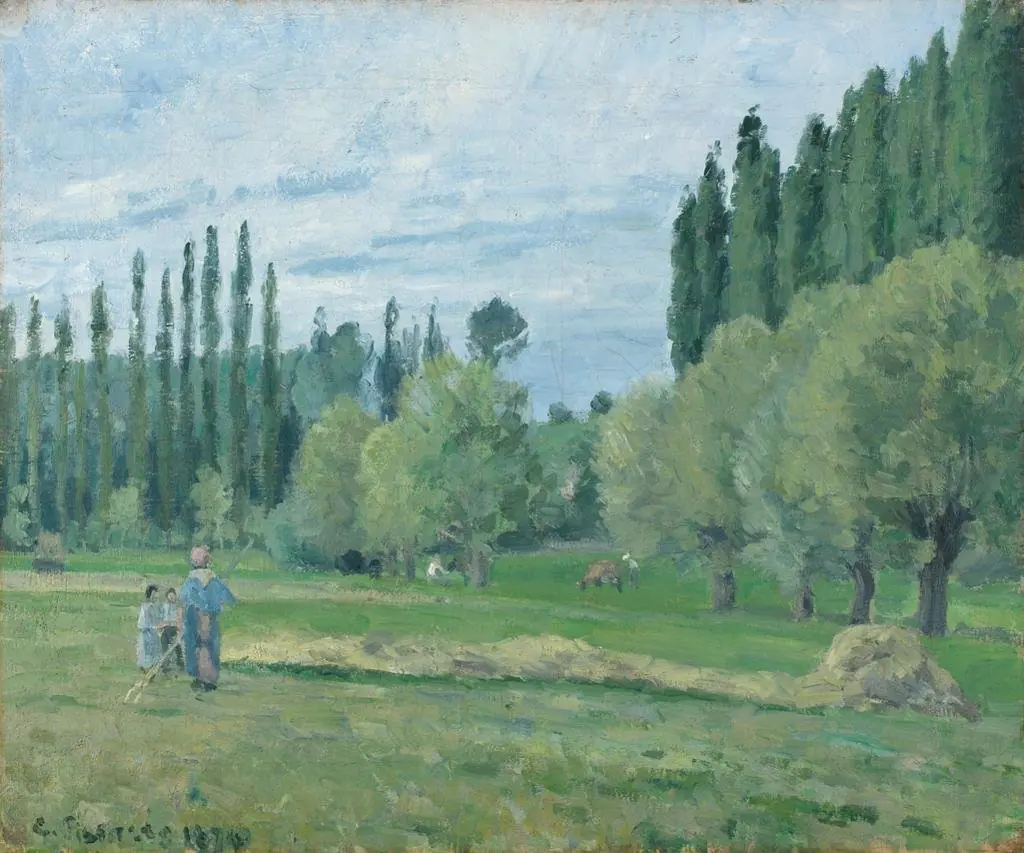 Haymaking
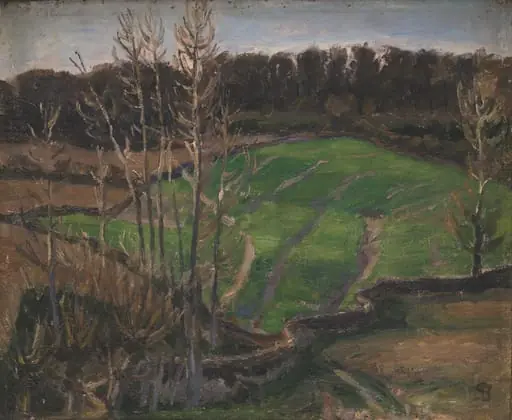 Landskab ved Svanninge med grøn vintersæd
- Landscape (possibly the Stour valley)