Artwork
In the Sea
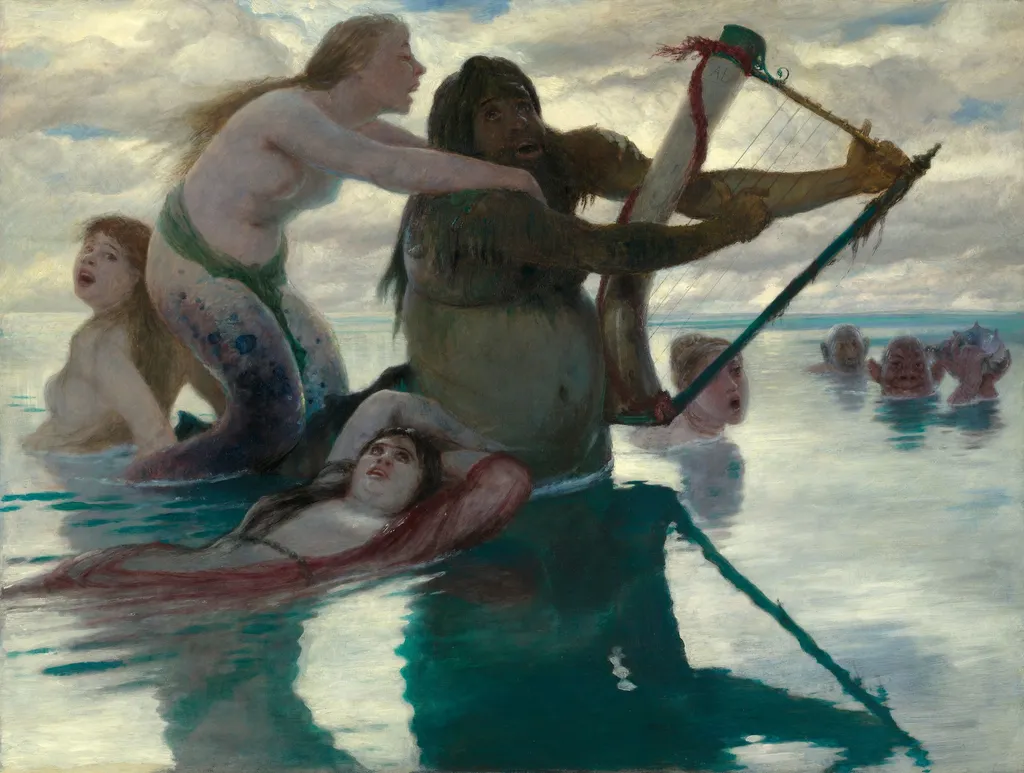
In the Sea is an oil painting by the Symbolist artist Arnold Böcklin. It dates from 1892 and is held in the collection of the Art Institute of Chicago.
About this work
Overview
The scene balances naturalism with symbolic undertones, evoking a ritualistic or mythic atmosphere through its composition and lighting.
Painted in 1892 by Arnold Böcklin, In the Sea is an oil-on-canvas work currently held by the Art Institute of Chicago. It presents a group of figures immersed in water, their forms rendered with dynamic motion and varied postures. A central male figure, barefoot and draped in a loincloth, plays a harp amid others who swim or float.
The scene balances naturalism with symbolic undertones, evoking a ritualistic or mythic atmosphere through its composition and lighting.
Subject & Meaning
The figures in the water suggest a communal or ceremonial moment, though no clear narrative is defined. The harpist, with long hair and minimal clothing, stands apart as a focal point, possibly evoking a mythic bard or spirit of the sea. Others move with fluidity, some submerged, others rising from the waves, hinting at themes of transformation, mortality, or transcendence. The absence of land or horizon amplifies the sense of suspension between worlds.
Technique & Style
Böcklin employs rich, layered oil paint to capture the movement of water and the texture of skin. Blues and greens dominate the aquatic space, contrasted with muted earth tones in the figures’ bodies and garments. Chiaroscuro models forms with subtle gradations, lending volume and a tactile quality.
Brushwork varies from smooth transitions in the water to more textured strokes in hair and fabric, enhancing the sense of motion and physical presence.
History & Provenance
Completed in 1892, the painting entered the collection of the Art Institute of Chicago in the early 20th century. It was likely acquired during a period when the museum expanded its holdings of European Symbolist works. No record of prior ownership or exhibition prior to its arrival in Chicago is widely documented, though it aligns with Böcklin’s late-period interest in mythic and aquatic themes.
Context
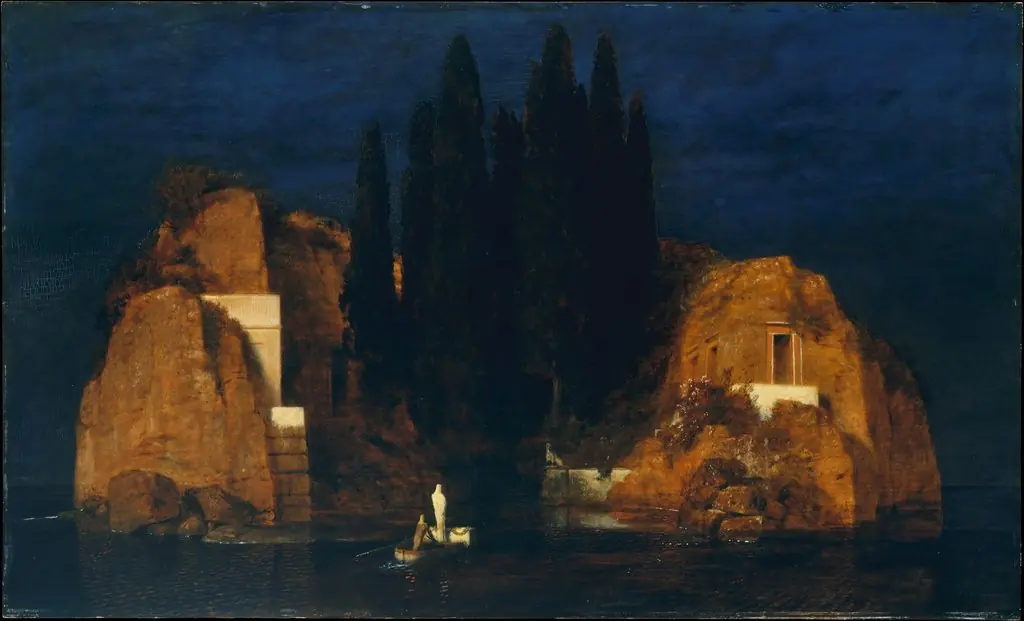
Böcklin painted this during a phase when he increasingly turned to mythological and allegorical subjects, influenced by Romanticism and classical antiquity. In the Sea reflects broader 19th-century European fascination with water as a metaphor for the unconscious, the divine, or the afterlife. Unlike his more famous Isle of the Dead, this work avoids overt morbidity, instead emphasizing movement and collective presence in a liminal space.
Legacy
Though less known than Böcklin’s other works, In the Sea contributes to understanding his evolving treatment of the human form in natural settings. Its emphasis on fluidity and ambiguous symbolism influenced later Symbolist and early modernist painters interested in psychological and mythic landscapes. The painting remains a quiet but resonant example of his ability to merge realism with enigmatic atmosphere.
Own this work as a print
Artist & collection
Artist
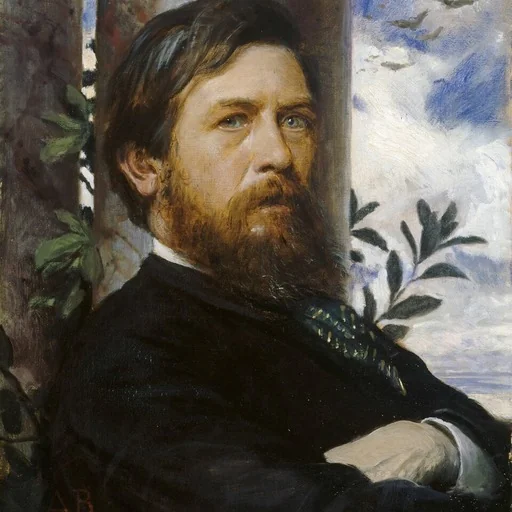
Arnold Böcklin was a Swiss Symbolist painter. His five versions of the Isle of the Dead inspired works by several late Romantic composers.

- In the Sea
 Tritons
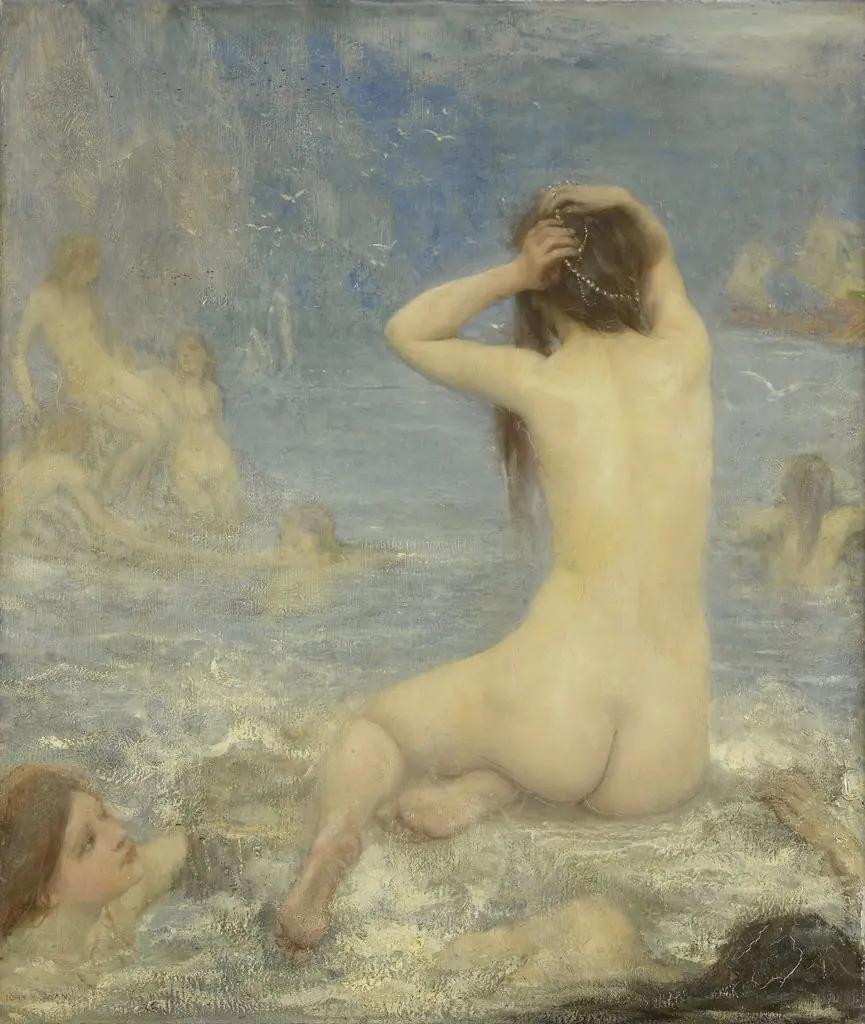 The Sirens
 Et fruentimmer bortføres over søen af fire tritoner
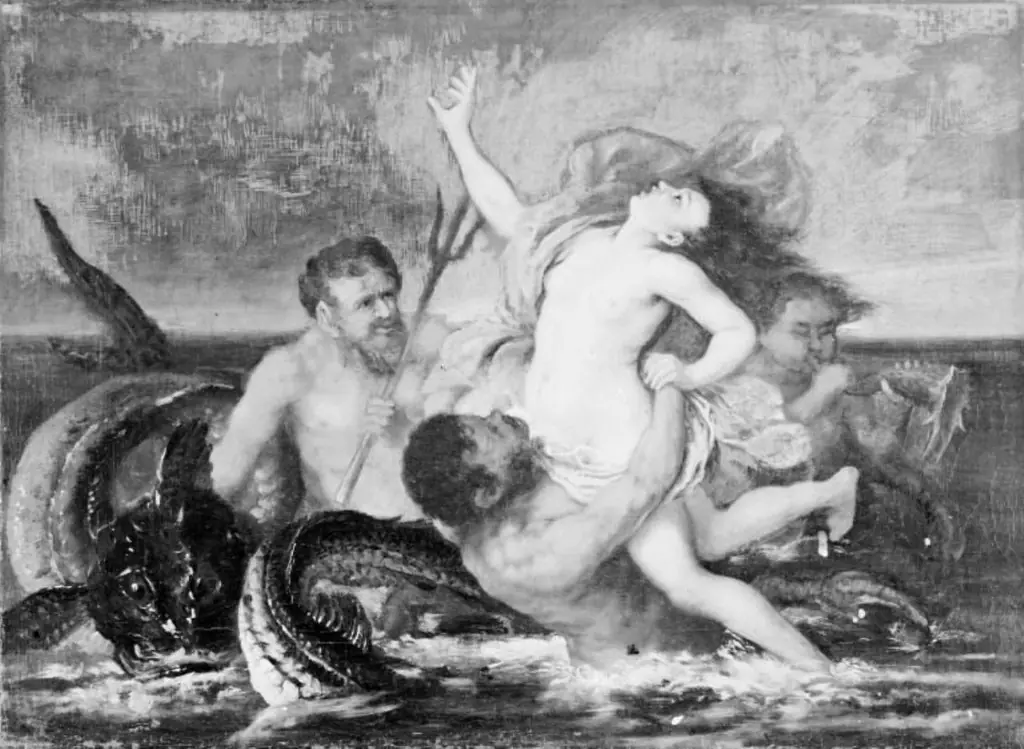 Et fruentimmer bortføres over søen af fire tritoner
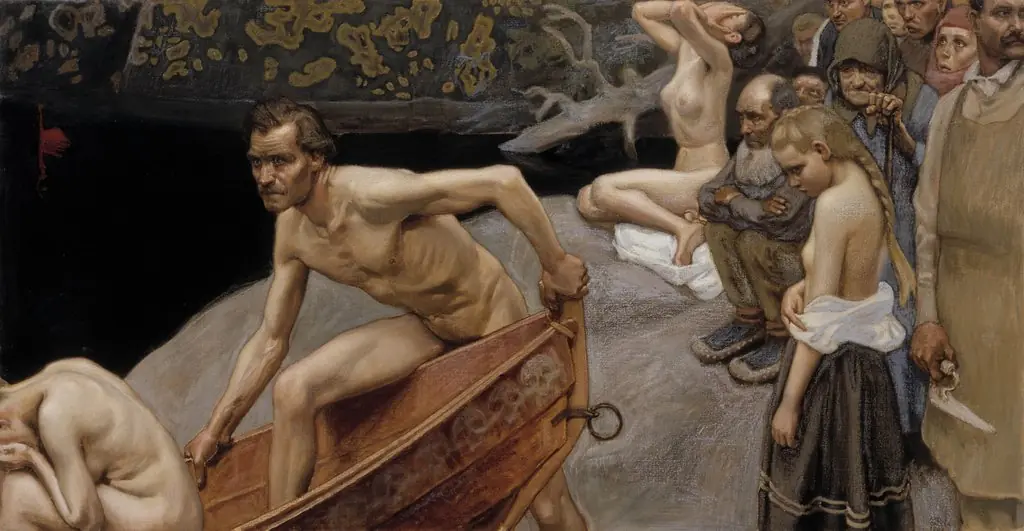 By the River of Tuonela, study for the Jusélius Mausoleum frescos
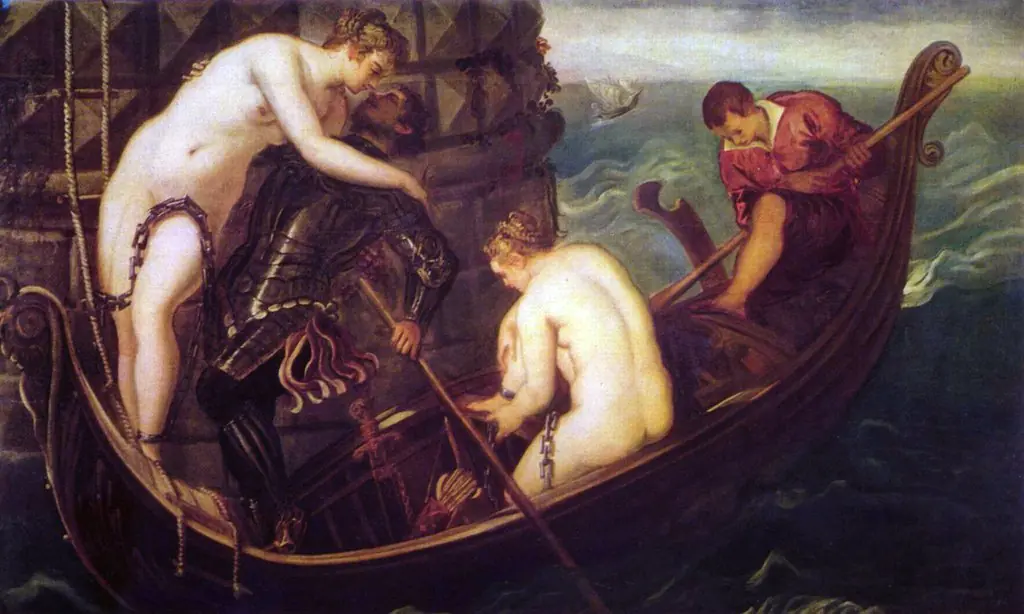 The Deliverance of Arsinoe
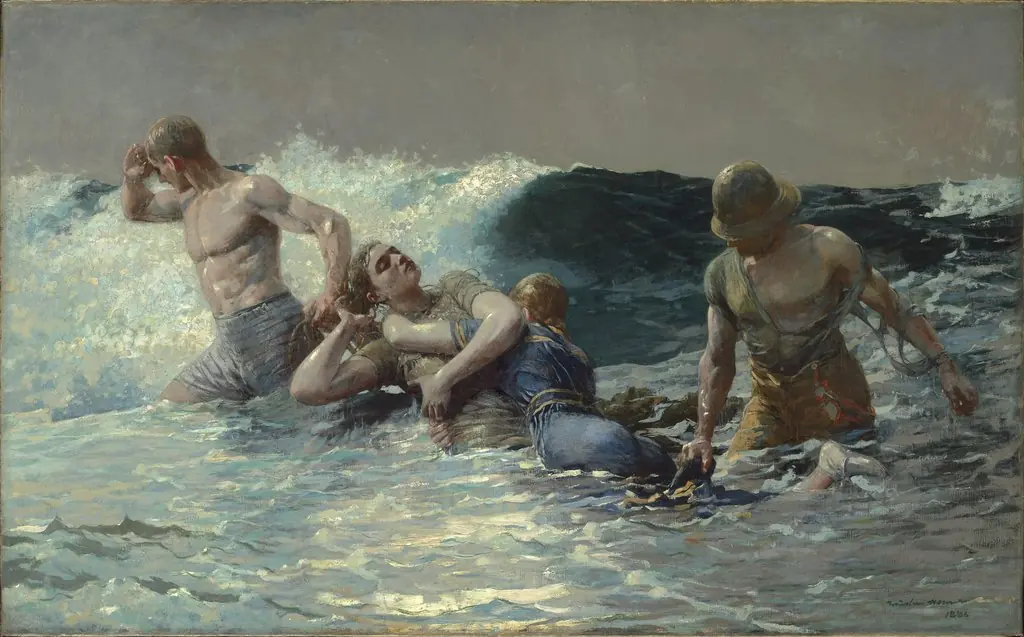 Undertow
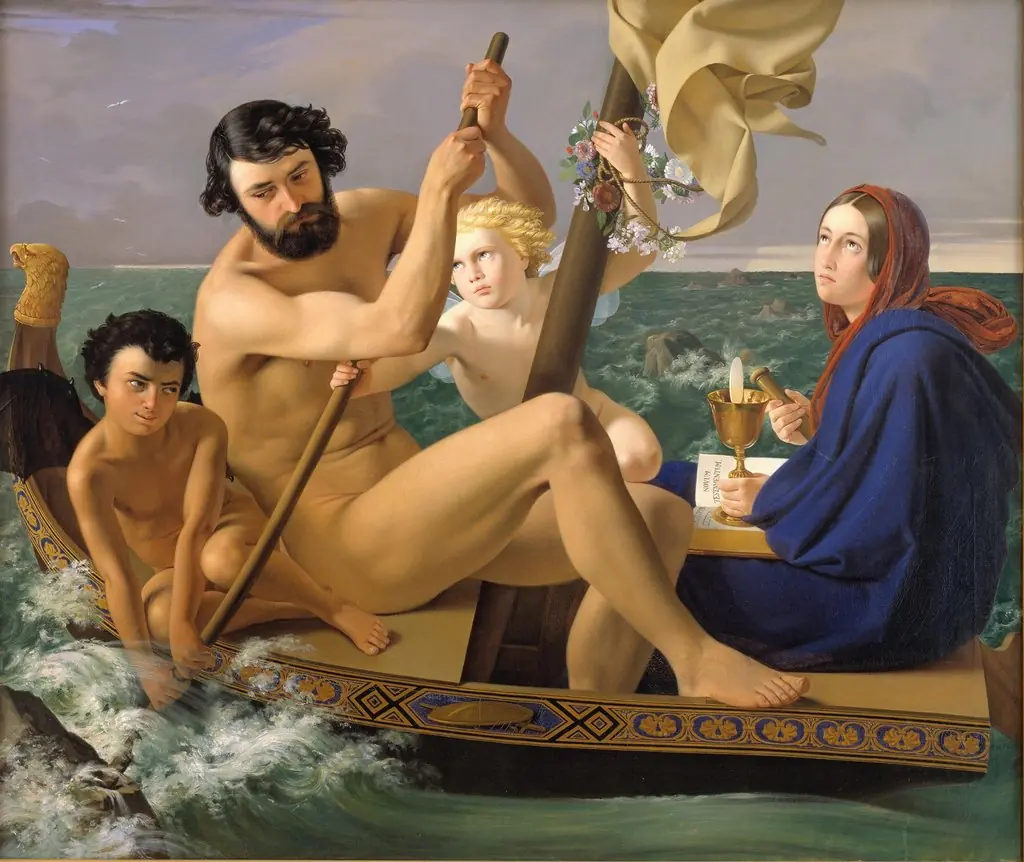 Manhood. From the series: The Four Ages of Man
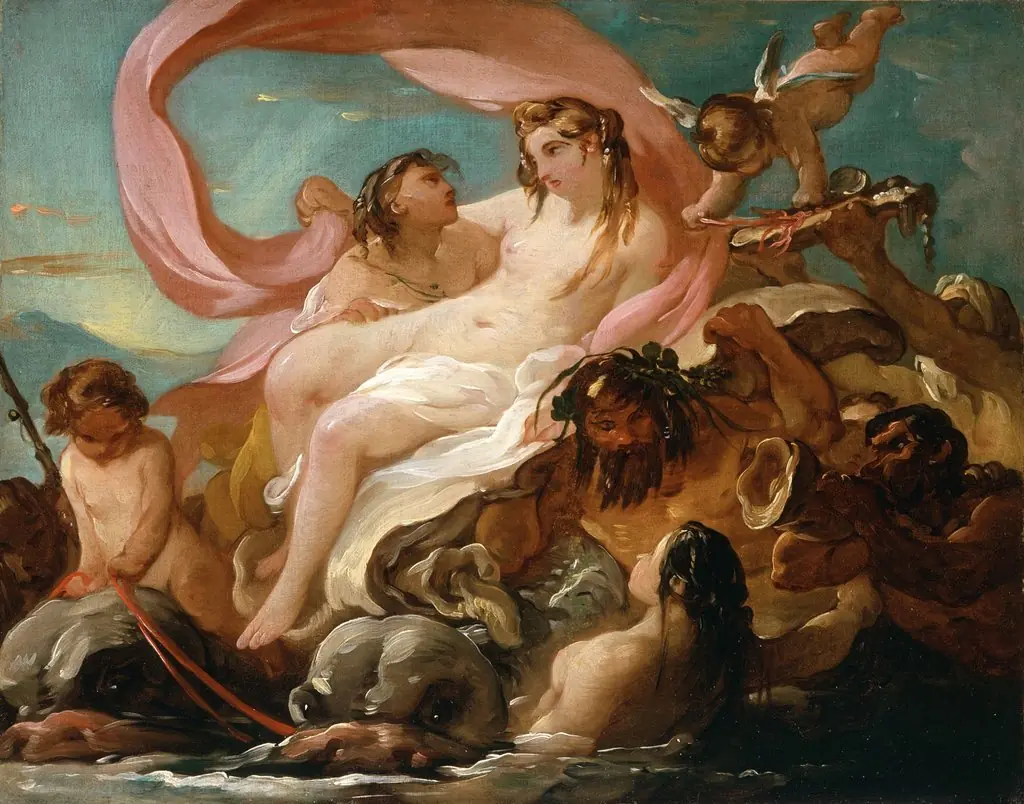 Venus Emerging from the Sea
 Diana
Diana