Artwork
Portrait of Joan van Paffenrode, Baron of Ghussigny, Dramatic Poet
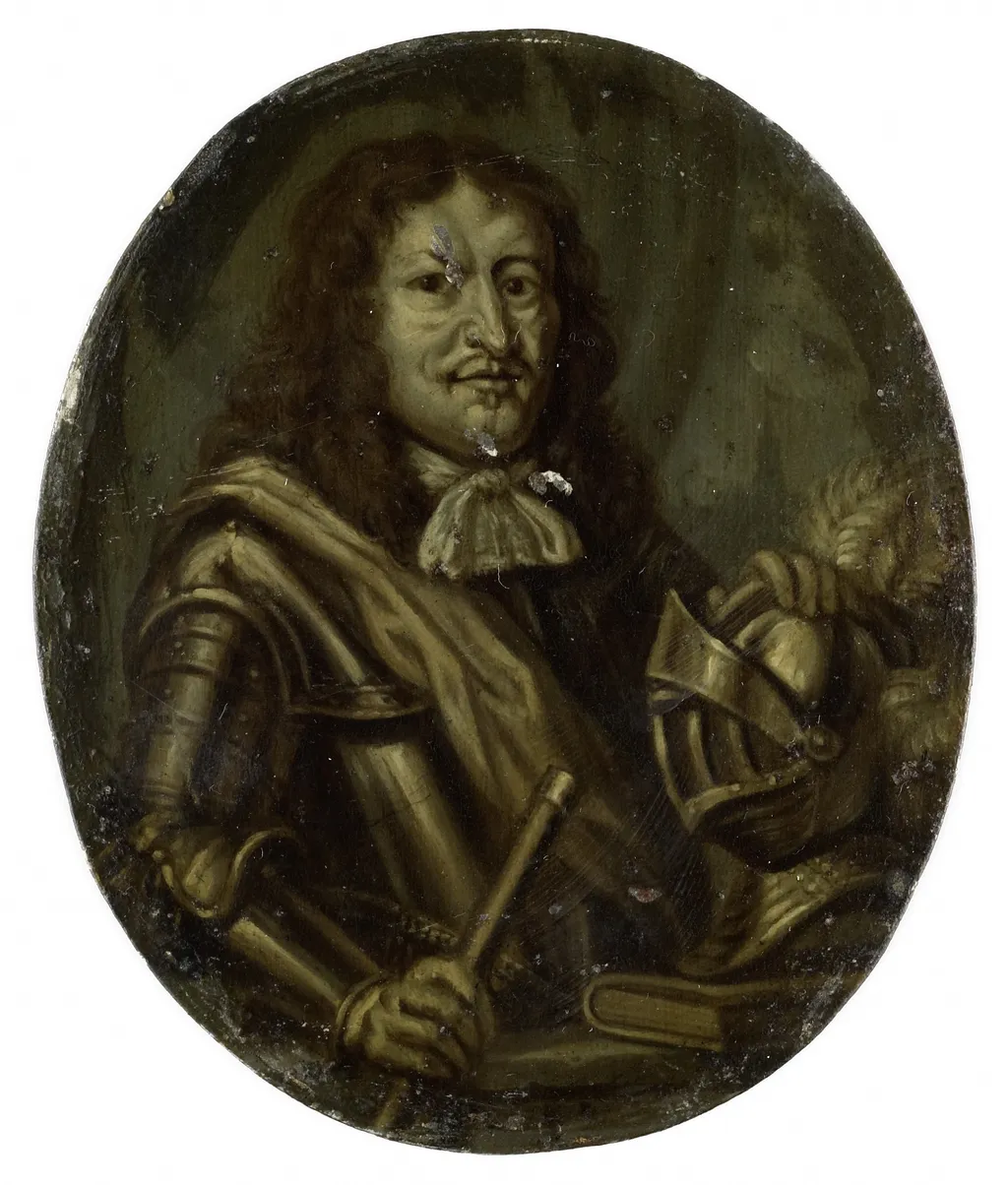
Portrait of Joan van Paffenrode, Baron of Ghussigny, Dramatic Poet is an oil painting by the Rococo painting artist Arnoud van Halen. It dates from 1716 and is held in the collection of the Rijksmuseum.
About this work
Technique & Style
The handling of light emphasizes chiaroscuro, enhancing the three-dimensional modeling of the sitter's face and attire.
The work is an oil painting executed on a tin support, measuring 11 centimeters in height and 9.5 centimeters in width. The surface exhibits a smooth, reflective quality characteristic of metal, with fine brushwork defining facial features and drapery, reflecting the artist's interest in dramatic expression. The handling of light emphasizes chiaroscuro, enhancing the three-dimensional modeling of the sitter's face and attire.
The composition is tightly cropped, focusing attention on the sitter's head and shoulders, while the restrained palette underscores the formal dignity of the portrait.
History & Provenance
Arnoud van Halen created the portrait of Joan van Paffenrode, Baron of Ghussigny, in 1716. The work was executed in oil paint on a tin support. Historical records indicate that the painting was once owned by its creator, Van Halen, before passing into the collection of Michiel de Roode. The artwork is currently held in the collection of the Rijksmuseum.
Overview
Arnoud van Halen's 1716 portrait of Joan van Paffenrode, Baron of Ghussigny, a dramatic poet, is an oval tin painting housed at the Rijksmuseum. The subject is depicted against a dark, rich background, adorned in a lavish coat with voluminous sleeves, a ruffled collar, and a neck chain. Notable details include his curly hair, mustache, and the objects he holds: a rolled paper in one hand and a cane in the other.
Subject & Meaning
The portrait captures Joan van Paffenrode, a Baron and dramatic poet, conveying his status and profession through symbols: the ornate attire signifies his nobility, while the rolled paper may allude to his literary pursuits. The cane could imply age, authority, or simply be a fashionable accessory.
Context
The use of chiaroscuro and the depiction of a literary figure reflect broader artistic and cultural trends of the early 18th century. However, the choice of tin as the painting's substrate is unusual and sets the work apart from contemporaneous portraiture.
Legacy
While the portrait provides insight into 18th-century noble and literary circles, its broader influence or recognition within the art historical canon is not highlighted in the provided information, suggesting it may be more notable for its subject and technical curiosity than for shaping artistic movements.
Own this work as a print
Artist & collection

 Portrait of Sibylle van Griethuysen (ca.1620-na 1662)
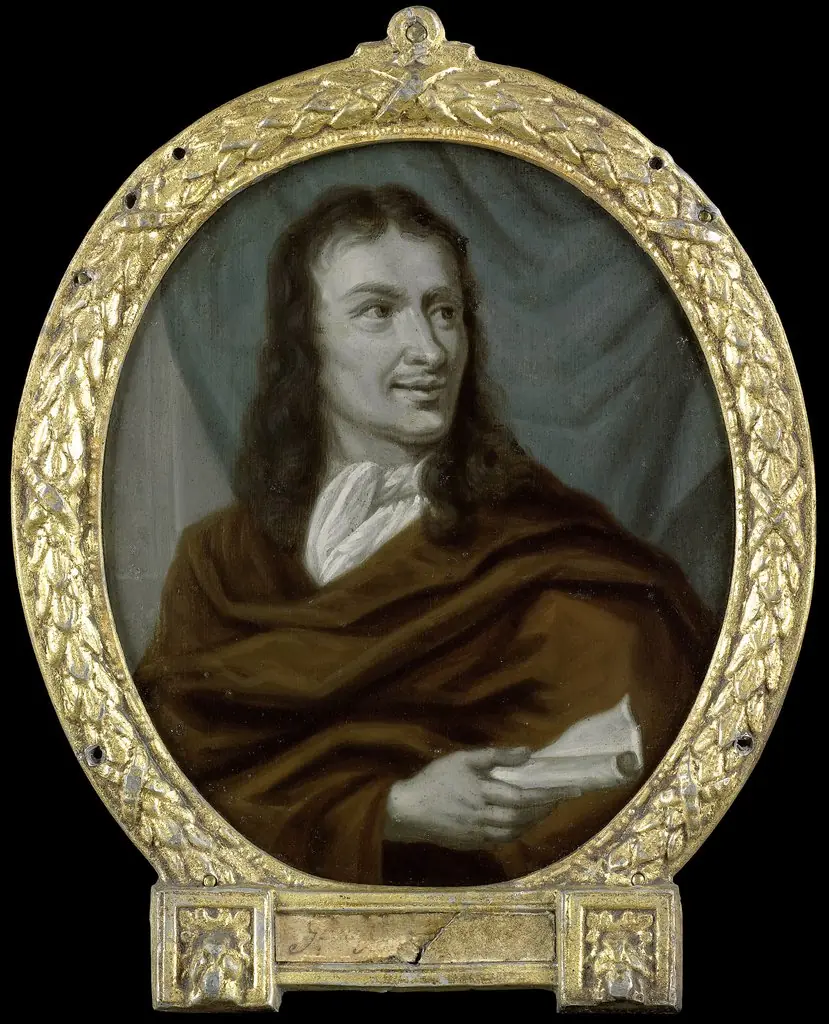 Portrait of Pieter Verhoek (1633-1702)
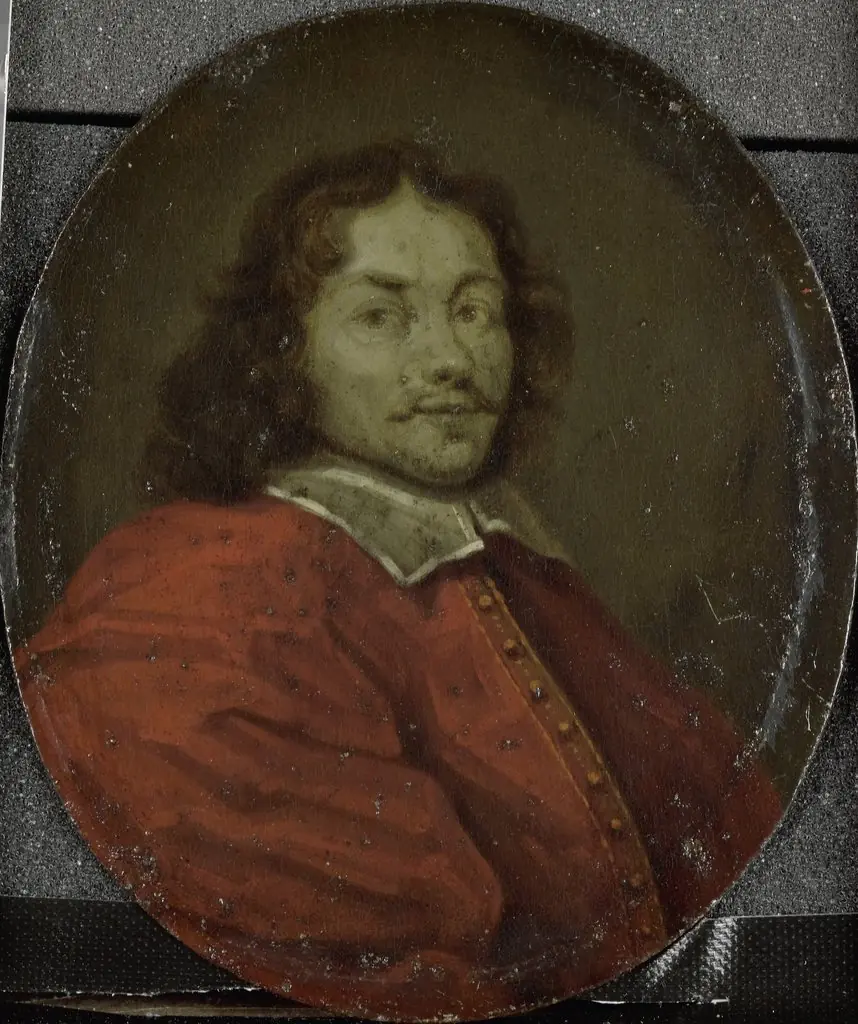 Portrait of Matthijs Gansneb, called Tengnagel, Poet in Amsterdam
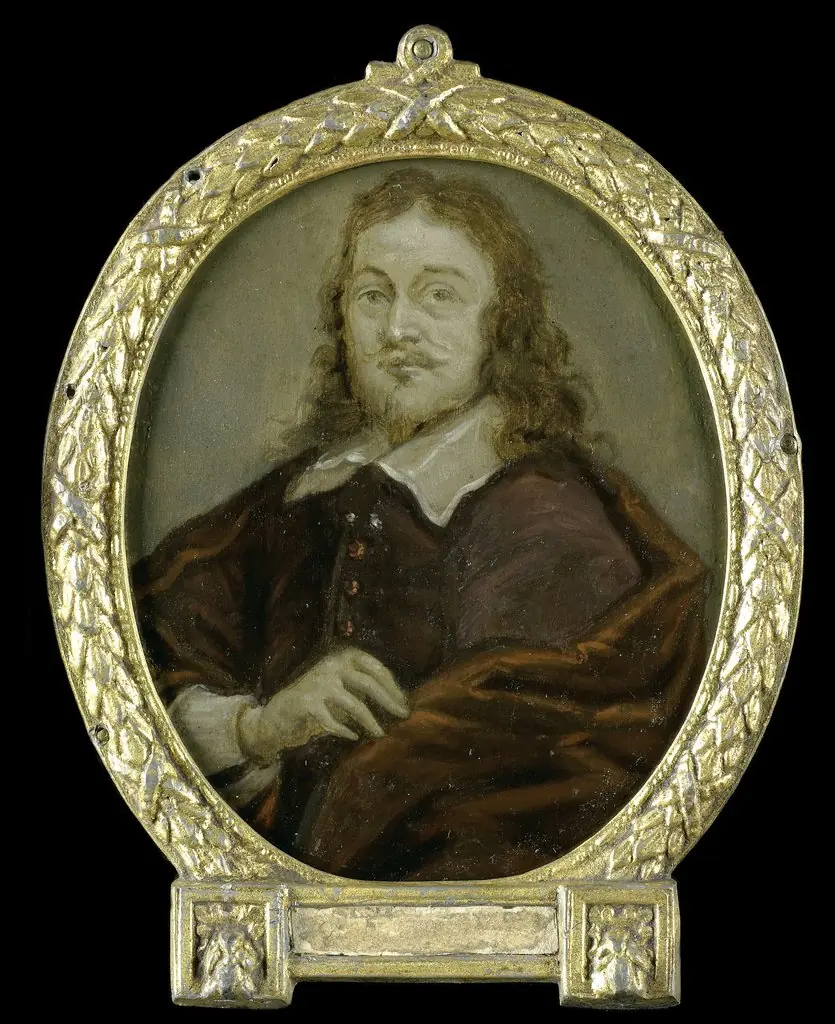 Portrait of the painter Bonaventura Peeters I (1614-52)
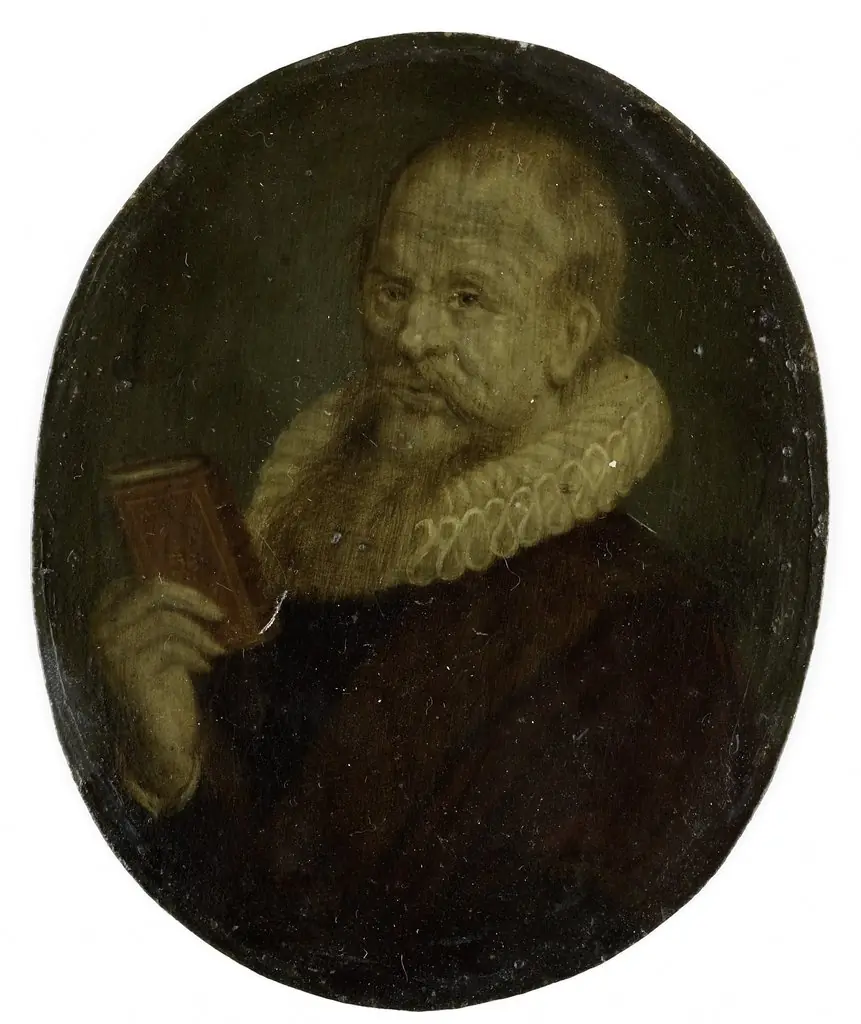 Portrait of Theodorus Schrevelius (1572-1653)
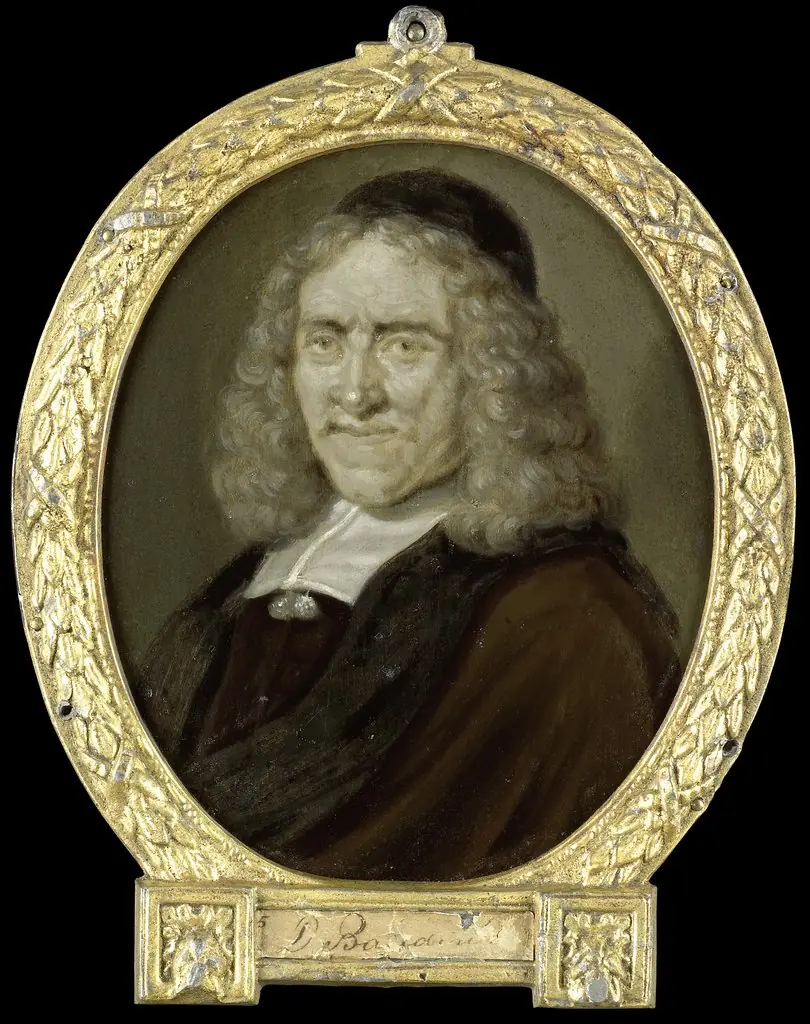 Portrait of Willem Jacobsz van Heemskerck, Poet and Engraver on Glass
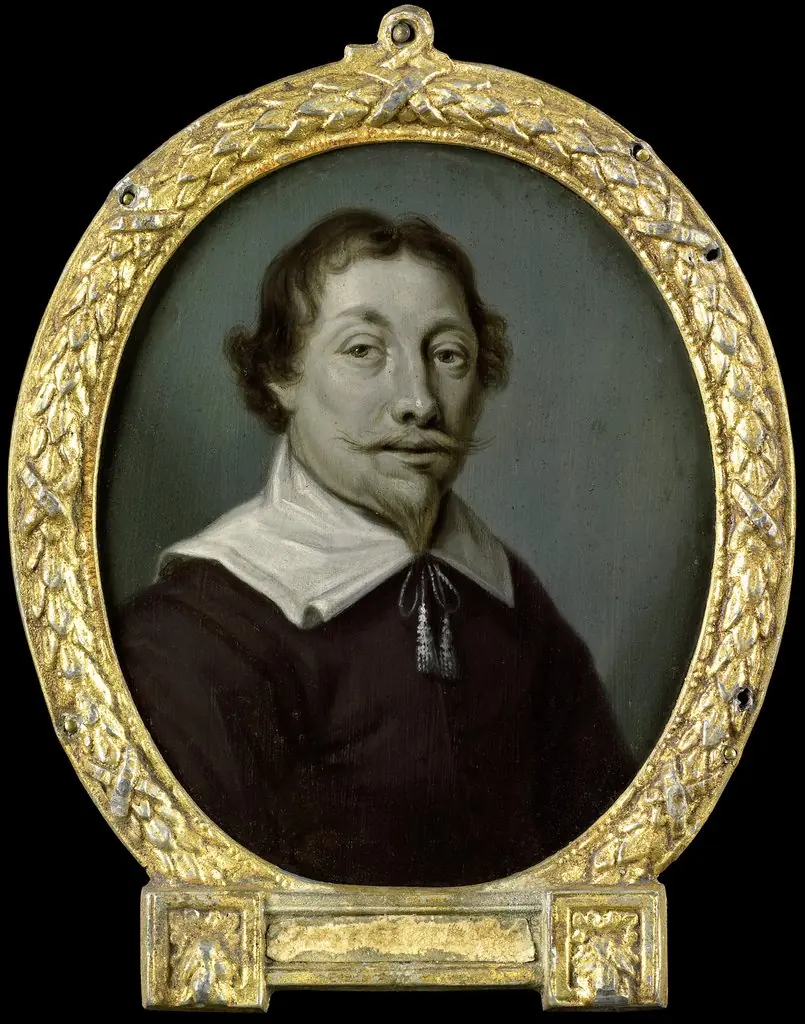 Portrait of Jan van der Veen, Pharmacist and Poet in Deventer
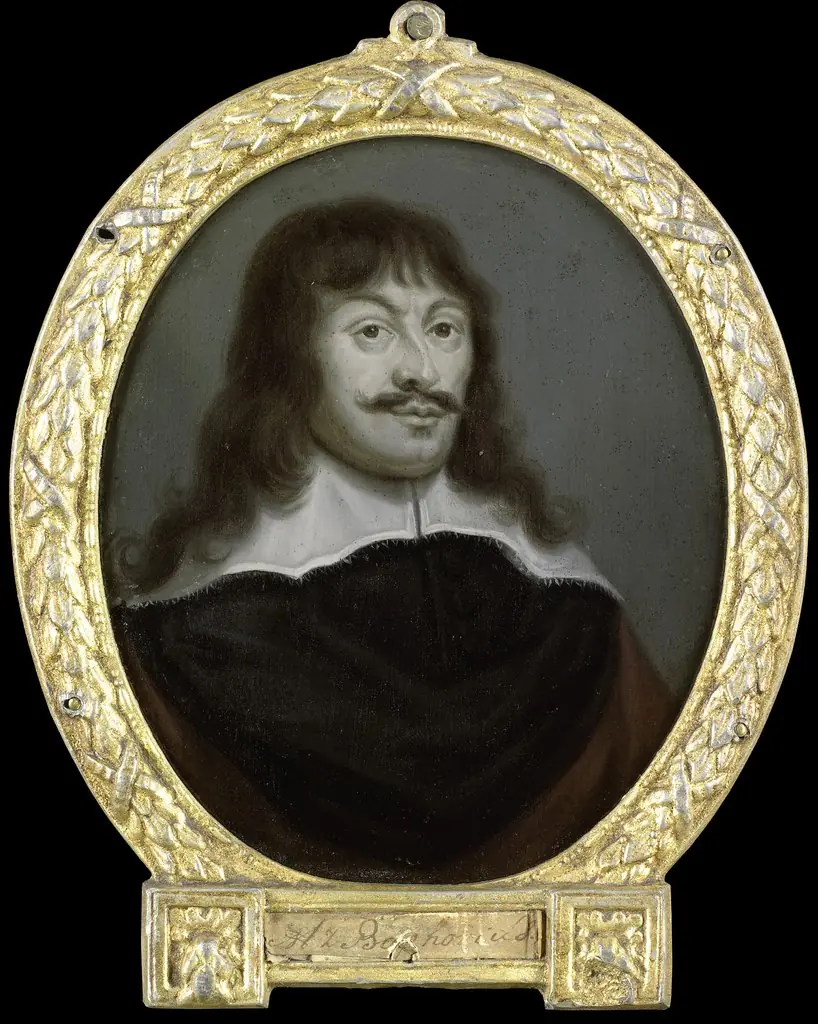 Portrait of Marcus Zuërius van Boxhorn, Historian and Professor at Leiden
 Nobil din sec. XVIII
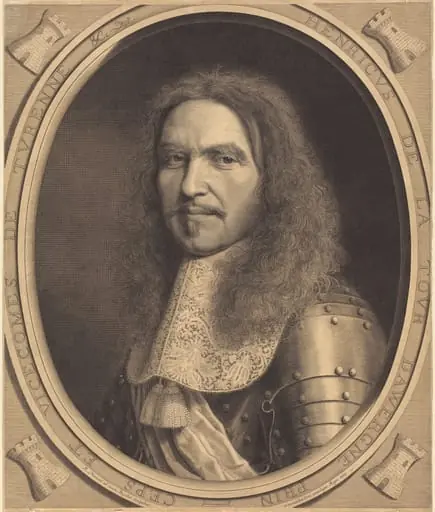 Marechal de Turenne
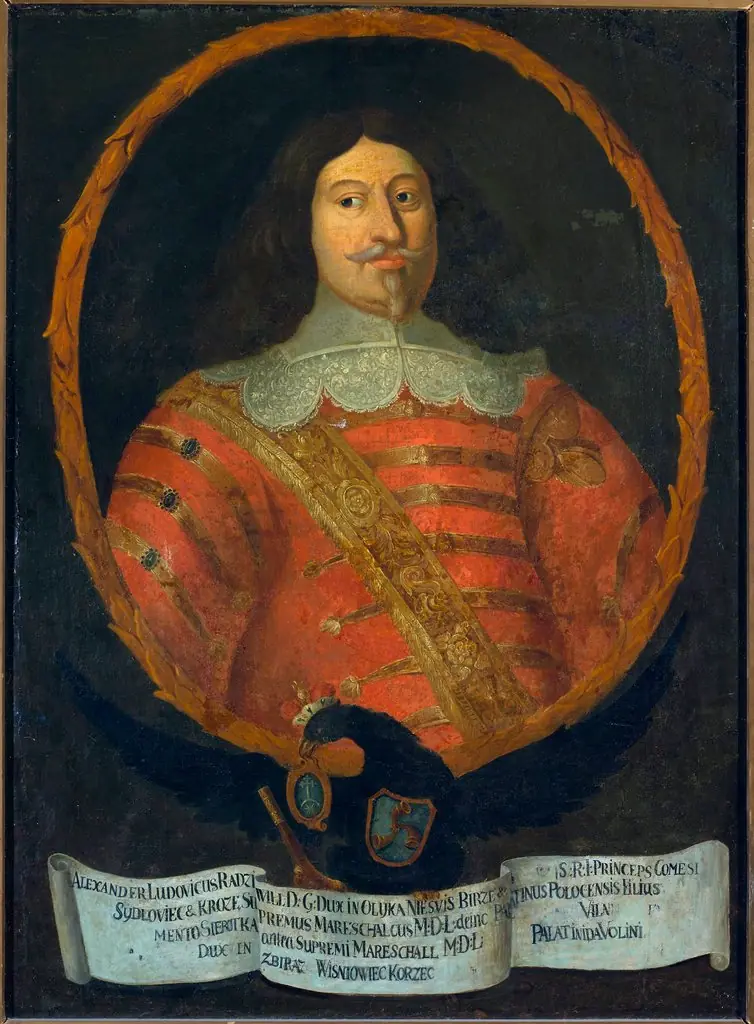 Portrait of Aleksander Ludwik Radziwiłł (1594–1654)
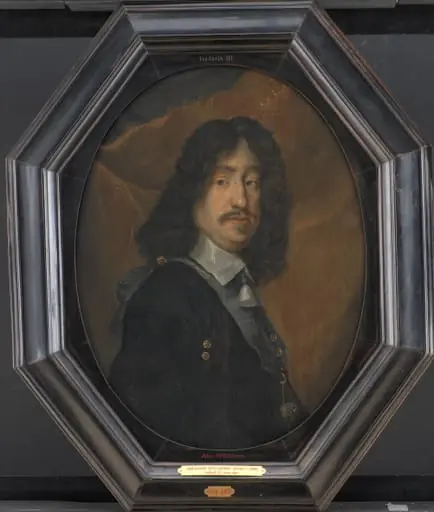 Frederik III
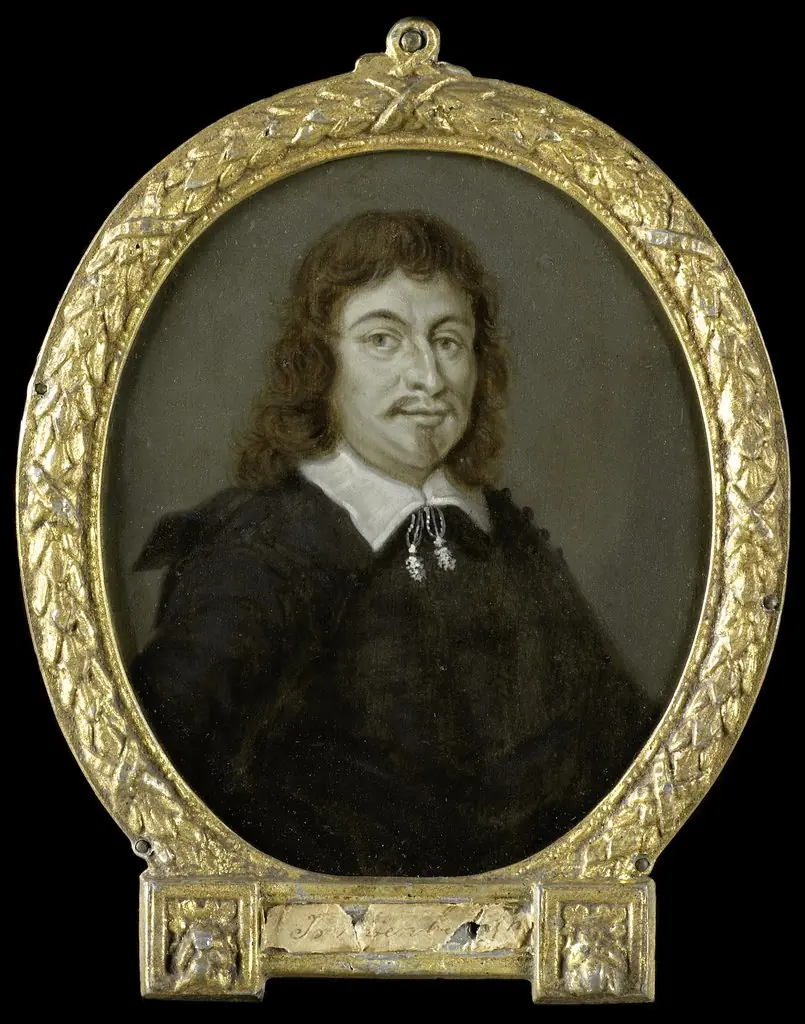 Portrait of Johan van Nijenborgh, Poet in Groningen
 Unbekannter Feldmarschall (Prinz von Homburg?)
 Cosimo III, Grand Duke of Tuscany
 Ludvig VI, 1630-78, lantgreve av Hessen-Darmstadt
 Ferdinando II, Grand Duke of Tuscany
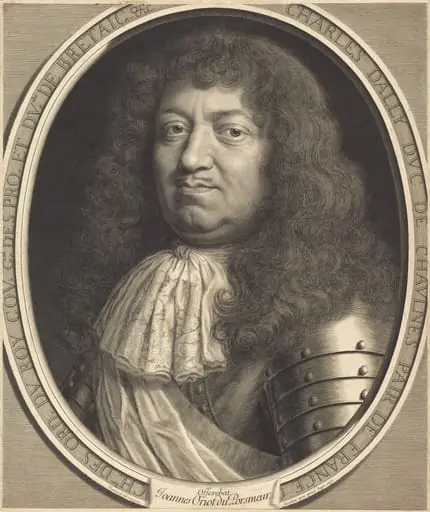 Charles, Duc de Chaulnes
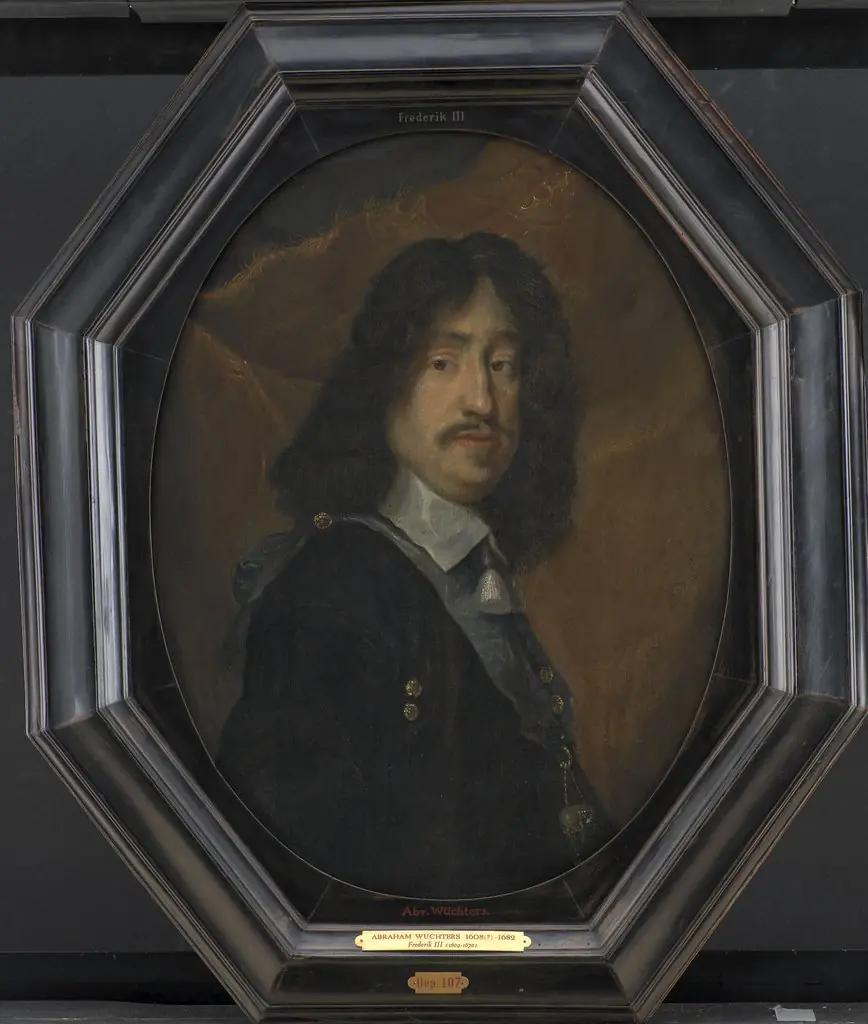 Frederik III
- Portrait of Willem Ogier, Dramatic Poet in Antwerp