Artwork
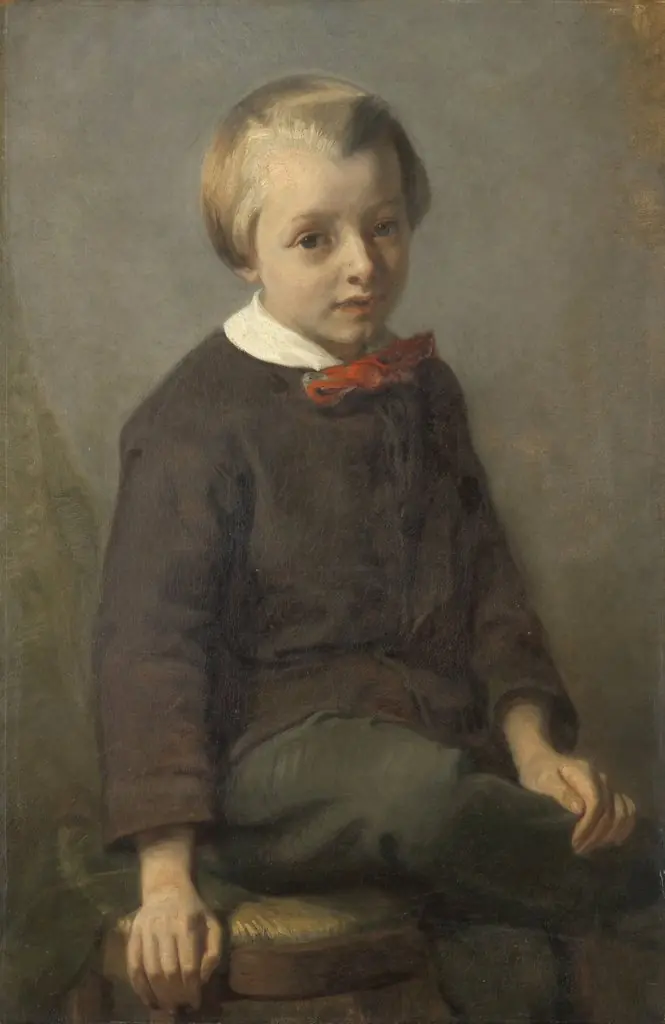
Portret van Annie Allebé
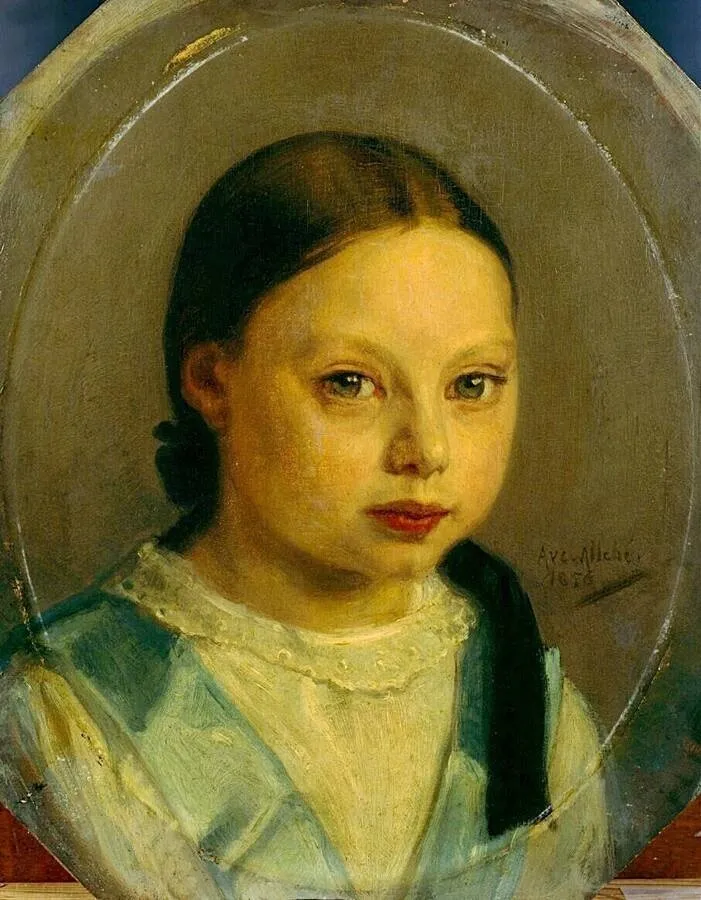
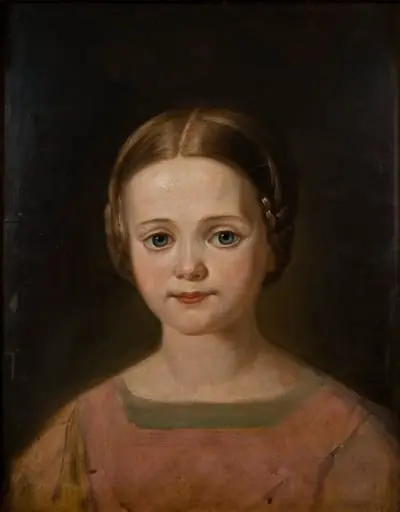
Portret van Annie Allebé is an unspecified painting by the Biedermeier artist August Allebé. It dates from 1856 and is held in the collection of the Kröller-Müller Museum.
About this work
Overview
Executed during the height of the Biedermeier period, the work reflects a preference for personal, unadorned representation over grand narrative.
Painted in 1856 by August Allebé, this portrait captures his daughter Annie in a quiet, domestic setting. Executed during the height of the Biedermeier period, the work reflects a preference for personal, unadorned representation over grand narrative. Allebé, then early in his career, employed a restrained palette and soft focus to convey emotional subtlety rather than theatricality, aligning with the era’s emphasis on private life and modesty.
Subject & Meaning
The sitter, Annie Allebé, is portrayed as a young girl with a composed demeanor. Her direct gaze invites quiet engagement, avoiding sentimentality while suggesting inner presence. The simplicity of her attire, a white dress with a blue collar and a ribboned hairstyle, emphasizes innocence and domestic normalcy.
The portrait does not seek to idealize but to observe, reflecting the Biedermeier value of authenticity in everyday moments.
Technique & Style
Allebé rendered the portrait with delicate brushwork and muted tones, favoring soft transitions over sharp definition. The background, a neutral brown, recedes to isolate the figure, enhancing the sense of intimacy. Light falls gently across the child’s face and dress, modeling form without dramatic contrast.
The composition is tightly framed, focusing attention on the subject’s expression and the subtle textures of fabric and hair.
History & Provenance
Created in 1856, the painting remained within the Allebé family for generations before entering public collection. Its survival as a personal work, rather than a commissioned portrait, suggests its significance as a familial artifact. August Allebé’s later prominence as an educator at the Royal Academy of Amsterdam lends the piece historical weight as an early example of his evolving artistic sensibility.
Context
In mid-19th century Amsterdam, Biedermeier aesthetics flourished among the middle class, favoring domestic tranquility and emotional restraint. Artists like Allebé moved away from romantic grandeur toward intimate observation. This portrait aligns with broader cultural trends valuing privacy and sincerity, particularly in depictions of children, which were increasingly seen as worthy of serious artistic attention.
Legacy
Though not among Allebé’s most widely exhibited works, the portrait exemplifies his early commitment to truthful representation, a foundation for his later role in advancing realism and impressionism in Dutch art. As a teacher, he influenced a generation of artists to value personal observation over academic convention, making this intimate study a quiet precursor to broader artistic shifts in the Netherlands.
Artist & collection
Artist
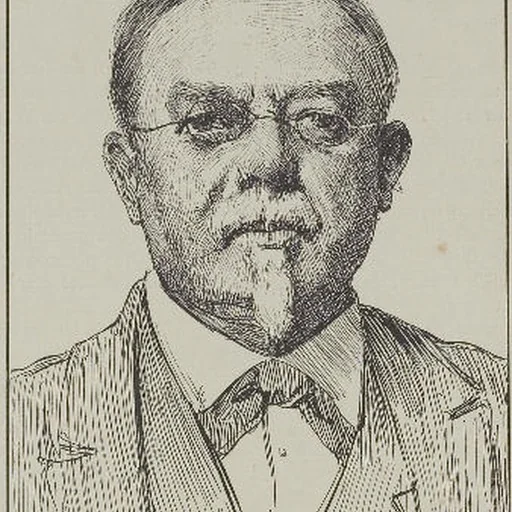
August Allebé was an artist and teacher from the Northern Netherlands. His early paintings were in a romantic style, but in his later work he was an exponent of realism and impressionism. He was a major initiator and…

- Ellen Edelfelt
 Maria Sofia Bernice Wärnhjelm
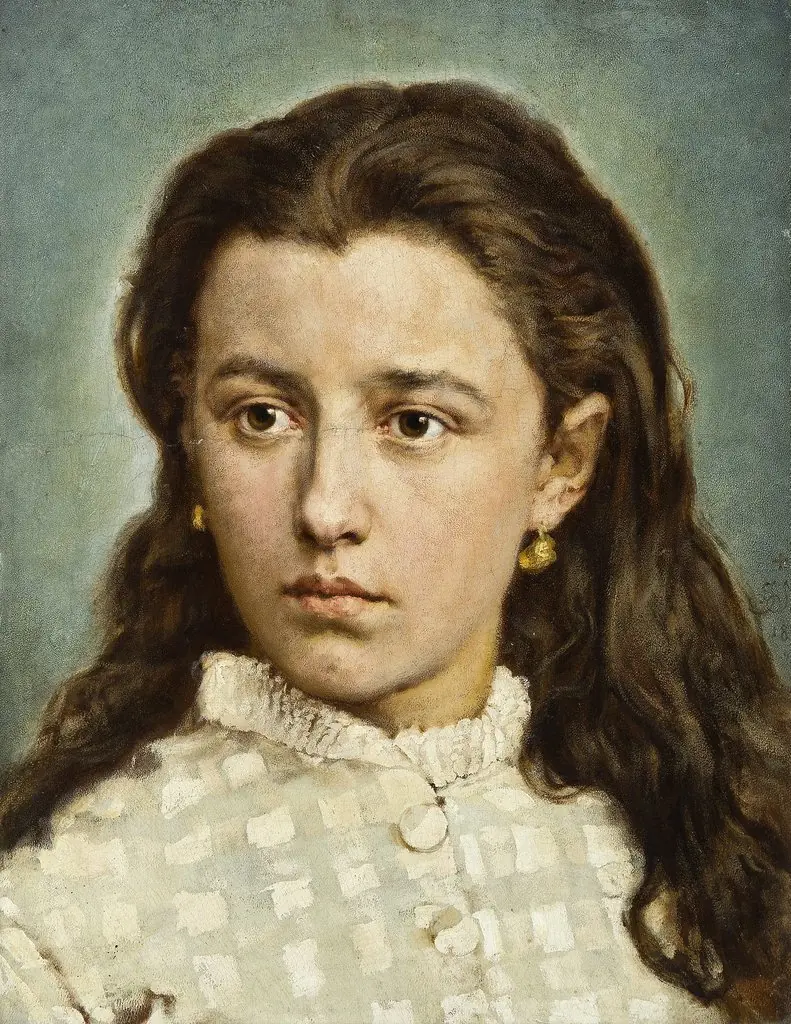 Portrait of Maria Levittoux
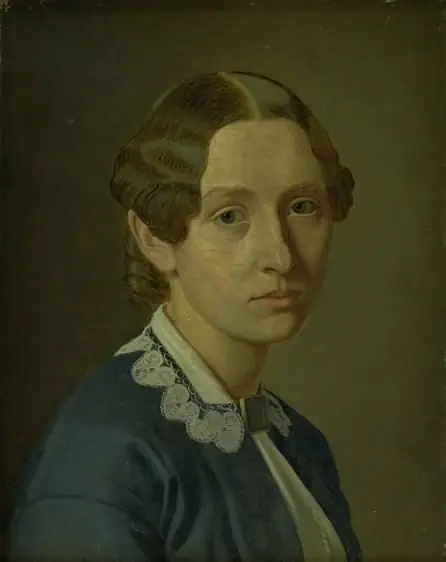 Thomasine Ludvigne Vermehren, f. Grüner, kunstnerens hustru
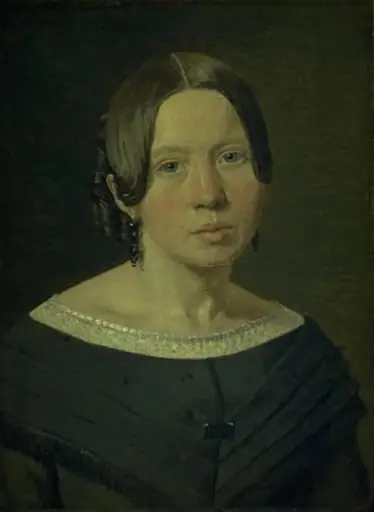 Portrait of the Artist´s Sister-in-Law Johanne Elisabeth Købke, née Sundbye
 Thomasine Ludvigne Vermehren, f. Grüner, kunstnerens hustru
 Retrato de la niña M.L.C.
 Emma Lejeune
 Țărăncuță
 Portrait of Julia Cieślik
 Portrait of Susanne Cecilie Købke, née Købke, the Artist´s Wife
 Portrait of a Girl