Artwork
Well-guarded Child
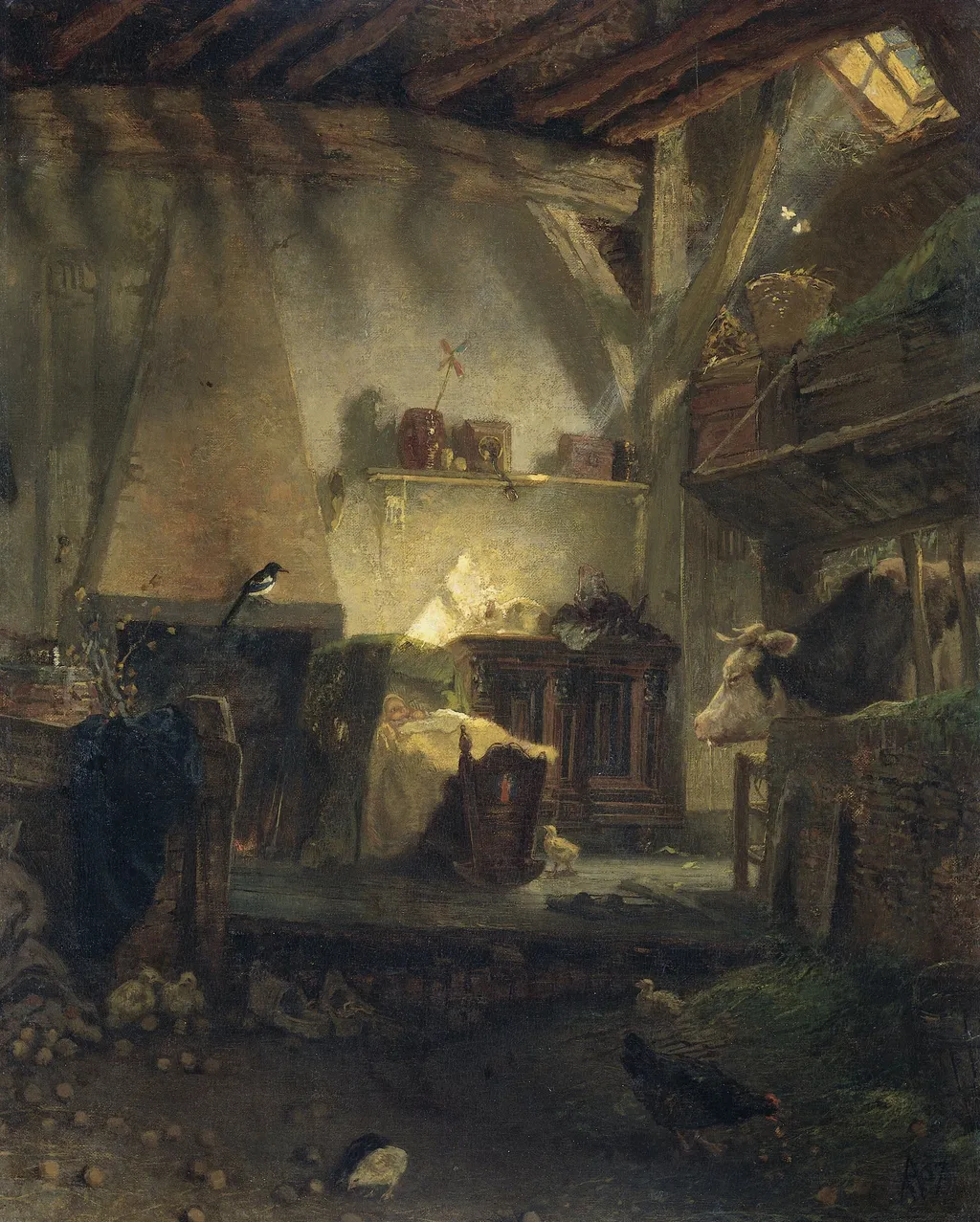
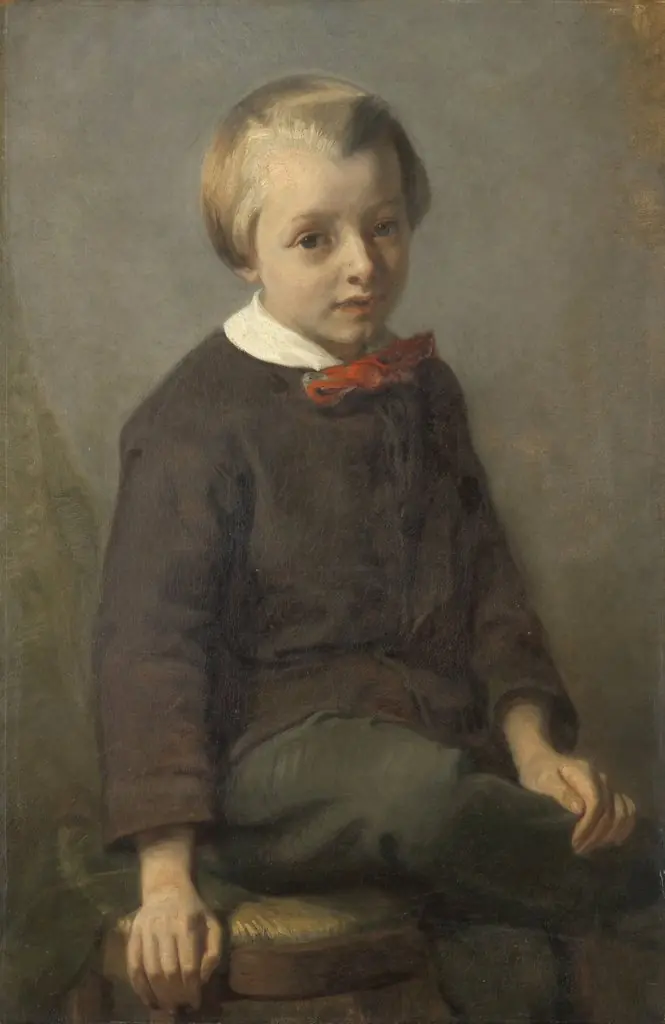
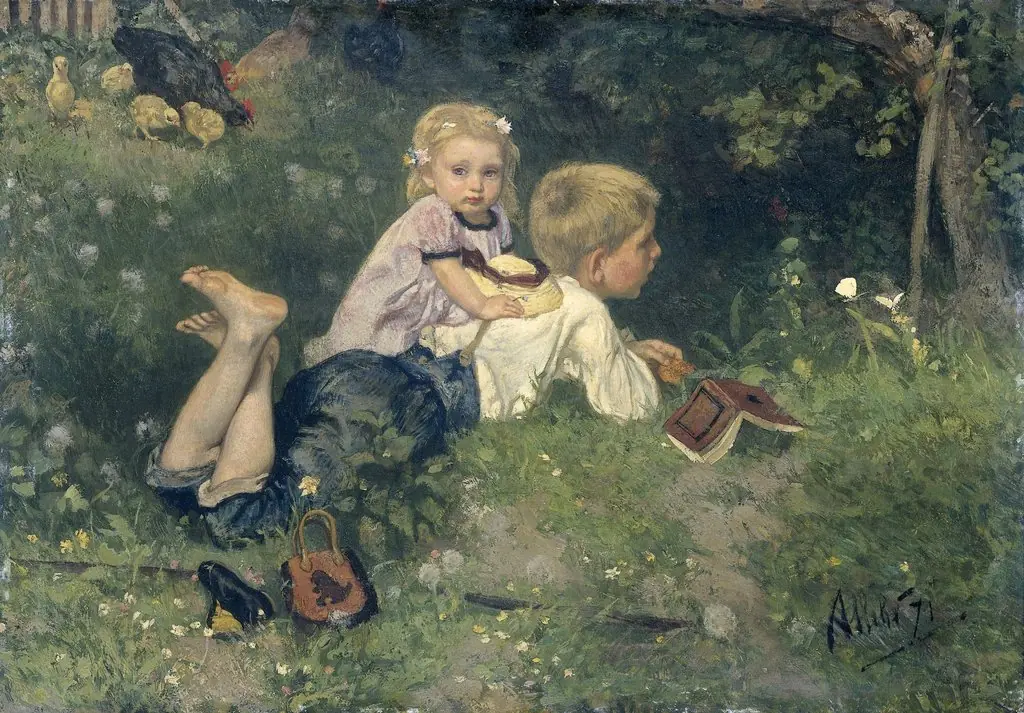
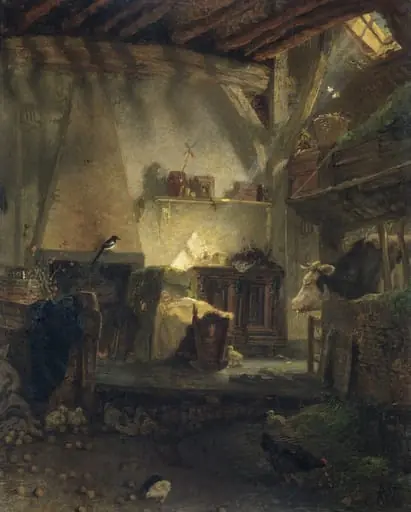
Well-guarded Child is an oil painting by the Realist artist August Allebé. It dates from 1867 and is held in the collection of the Rijksmuseum.
About this work
Technique & Style
Stylistically, the work adheres to mid-19th-century academic conventions, favoring precise draftsmanship and a restrained, naturalistic palette.
August Allebé’s Well-guarded Child (1867) is executed in oil paint on a tightly woven canvas support, measuring 50.5 × 41.0 cm. The artist’s handling is meticulous, with fine, controlled brushwork that builds translucent glazes over a smooth, opaque underpainting. This technique yields crisp contours and subtle tonal gradations, particularly evident in the rendering of fabrics and skin tones.
Stylistically, the work adheres to mid-19th-century academic conventions, favoring precise draftsmanship and a restrained, naturalistic palette. The composition’s intimate scale and attention to quotidian detail align with the genre-scene tradition, while the lighting, soft yet directional, enhances volumetric modeling without dramatic chiaroscuro. Condition reports from the Rijksmuseum confirm the painting remains structurally sound, with no significant losses or overpainting.
History & Provenance
August Allebé’s Well-guarded Child is dated 1867 and is held by the Rijksmuseum in Amsterdam.
The work entered the museum’s collection through Joannes Barnardus Antonius Maria Westerwoudt, who owned it at the time of acquisition. The painting has remained in the Rijksmuseum’s holdings since accession, with no subsequent changes in ownership documented.
August Allebé's 1867 painting, Well-guarded Child, is held in the collection of the Rijksmuseum in Amsterdam. The work is executed in oil on canvas and measures 50.5 cm in height by 41.0 cm in width. Historical records indicate that the piece was previously owned by Joannes Barnardus Antonius Maria Westerwoudt before entering the museum's holdings. No specific exhibition history is detailed in the available documentation.
Overview
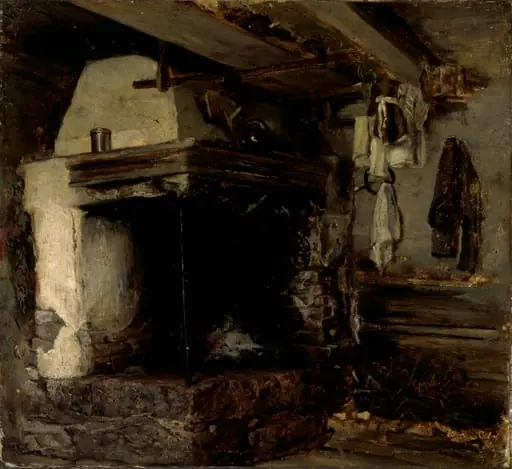
Created in 1867, Well‑guarded Child is an oil painting by Dutch artist August Allebé. The work portrays an intimate domestic interior, illuminated by the glow of a fireplace, and is part of the Rijksmuseum’s collection.
Subject & Meaning
The scene captures a modest room where a woman cradles an infant beside a hearth, while a cow grazes outside a window and a bird rests on the sill. The composition suggests themes of protection, everyday labor, and the quiet dignity of rural family life.
Context
At the time of this painting, Allebé was transitioning toward realism and would later become a central figure in Amsterdam Impressionism, a movement that offered an alternative to the more subdued Hague School. His role as professor at the Royal Academy of Amsterdam positioned him to shape the city’s artistic circles, including the St. Lucas association and the group known as the Amsterdamse Joffers.
Own this work as a print
Artist & collection
Artist
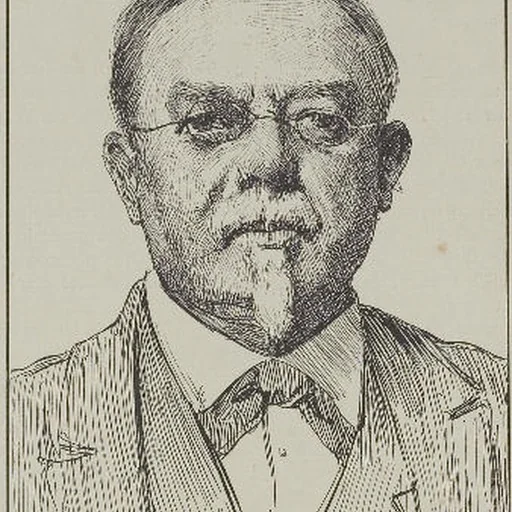
August Allebé was an artist and teacher from the Northern Netherlands. His early paintings were in a romantic style, but in his later work he was an exponent of realism and impressionism. He was a major initiator and…