Artwork
Early to Church
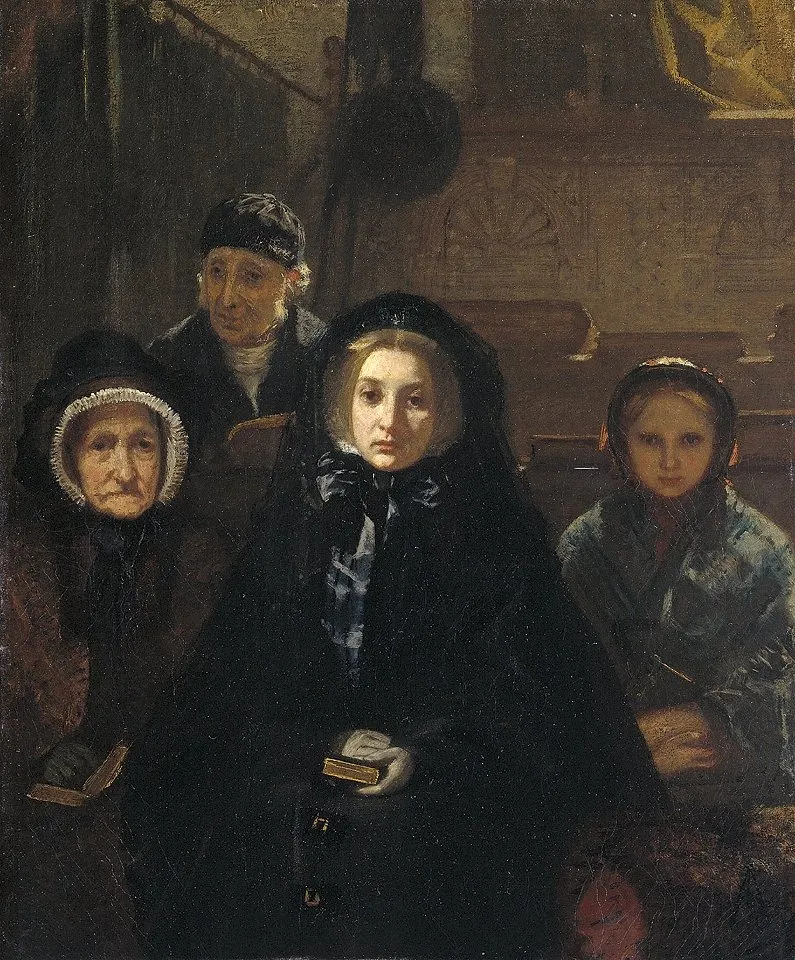
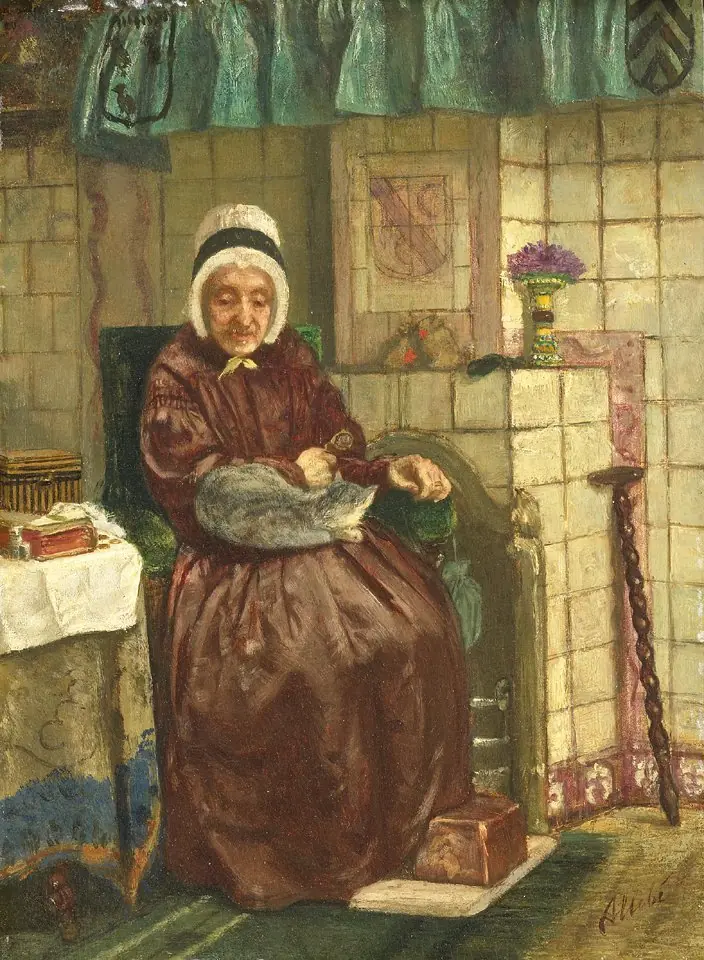
Early to Church is an oil painting by the Biedermeier artist August Allebé. It dates from 1861 and is held in the collection of the Rijksmuseum.
About this work
Subject & Meaning
It was completed in 1861 and is part of the collection owned by Reinhard, Baron van Lynden, later acquired by the Rijksmuseum as its current location.
August Allebé's 1861 oil painting depicts a biblical scene centered on Christ, rendered as a religious work within the genre of religious art. The composition shows Christ standing before a group of figures identified as apostles or disciples, with symbolic emphasis on spiritual authority through Christ's central positioning and gestures. This subject aligns with traditional Christian iconography of divine revelation, reflecting the painting's classification as religious art housed at the Rijksmuseum.
The work measures 43 cm in height and 35 cm in width on canvas, created using oil paint on canvas material. It was completed in 1861 and is part of the collection owned by Reinhard, Baron van Lynden, later acquired by the Rijksmuseum as its current location.
Symbolically, the depiction emphasizes Christ's role as spiritual guide, with the surrounding figures engaged in contemplation or inquiry, reinforcing theological themes of faith and divine presence central to 19th-century religious painting.
History & Provenance
The painting was created by August Allebé in 1861, as evidenced by both the artist’s dated work and the Wikidata record for the piece.
In 1861, the work entered the collection of Reinhard, Baron van Lynden. It was later acquired by the Rijksmuseum, where it is currently held. The painting’s dimensions are recorded as 43 cm in height and 35 cm in width.
Overview
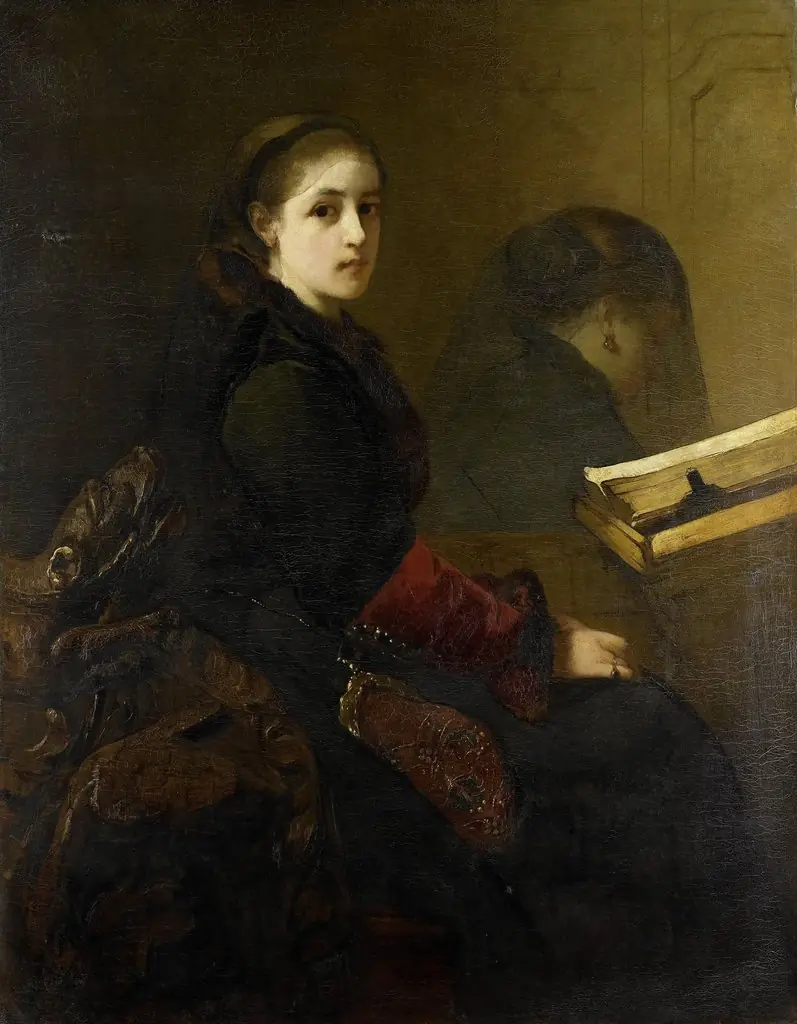
Created in 1861 by Dutch painter August Alle Allebé, Early to Church is an oil on canvas that presents a quiet, interior scene of four figures gathered in a dimly lit room. The composition centers on a woman holding a small book, flanked by an older woman, a young girl, and a man whose face is partially illuminated, emphasizing a contemplative atmosphere.
Technique & Style
Allebé employs a chiaroscuro effect, using strong contrasts of light and shadow to draw attention to the faces while the surrounding space recedes into darkness. Thick, impasto brushstrokes are evident in the rendering of clothing, adding texture and a tactile quality that hints at his later engagement with realist and impressionist concerns.
Context
The painting emerges from a period when Dutch artists were increasingly attentive to middle‑class interiors and the moral values of domestic life. Allebé’s depiction aligns with Biedermeier aesthetics that favored modest, intimate scenes, while also anticipating the shift toward the brighter palettes and looser handling that would characterize Amsterdam Impressionism.
Artist & collection
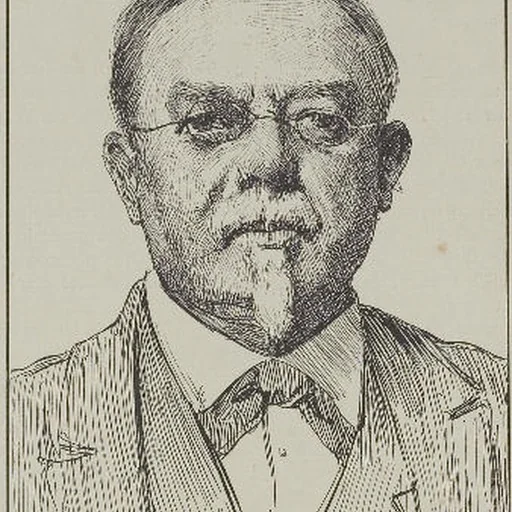
Artist
August Allebé was an artist and teacher from the Northern Netherlands. His early paintings were in a romantic style, but in his later work he was an exponent of realism and impressionism. He was a major initiator and…

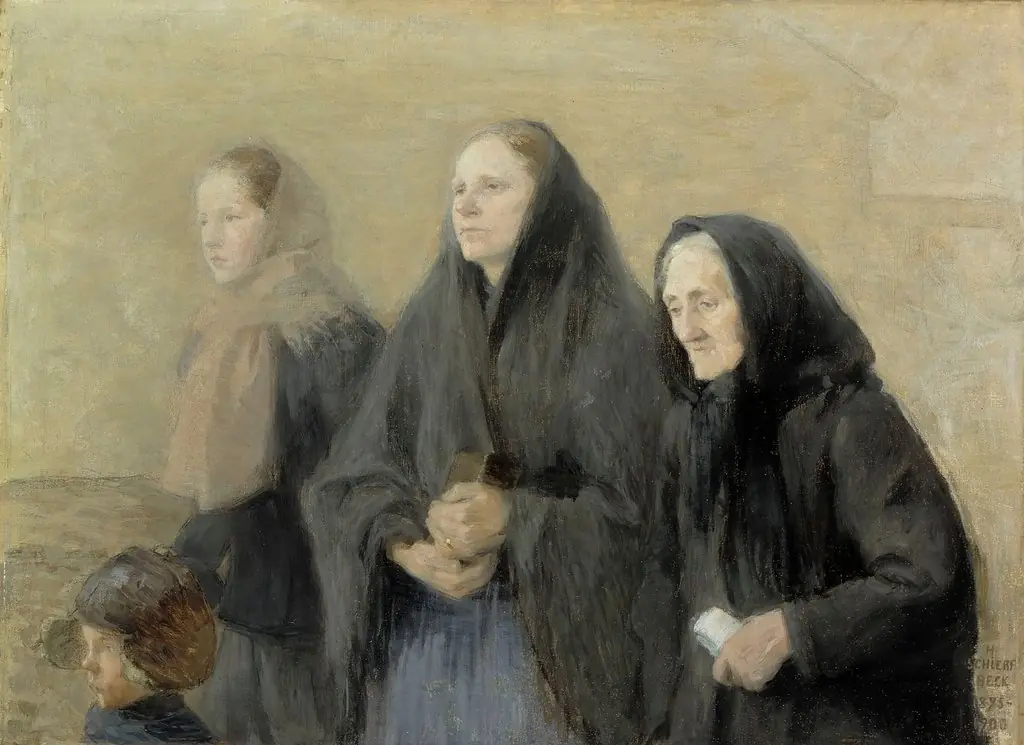
 Kirkkoväkeä
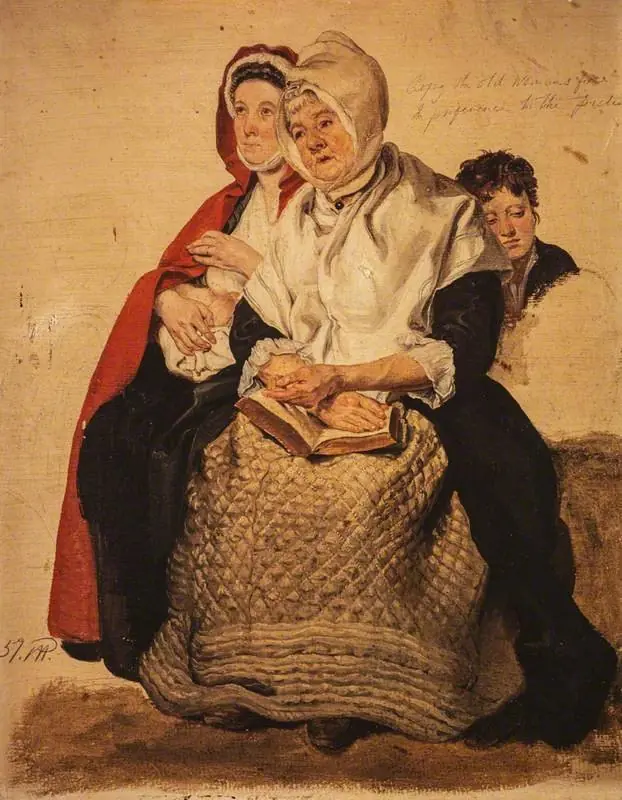 Two Women and a Boy (study for 'The Covenanters Preaching')
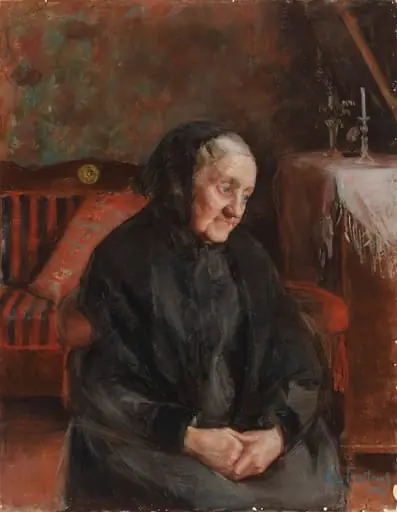 Isoäiti, tohtorinna Augusta Frosteruksen (os. Norling) muotokuva
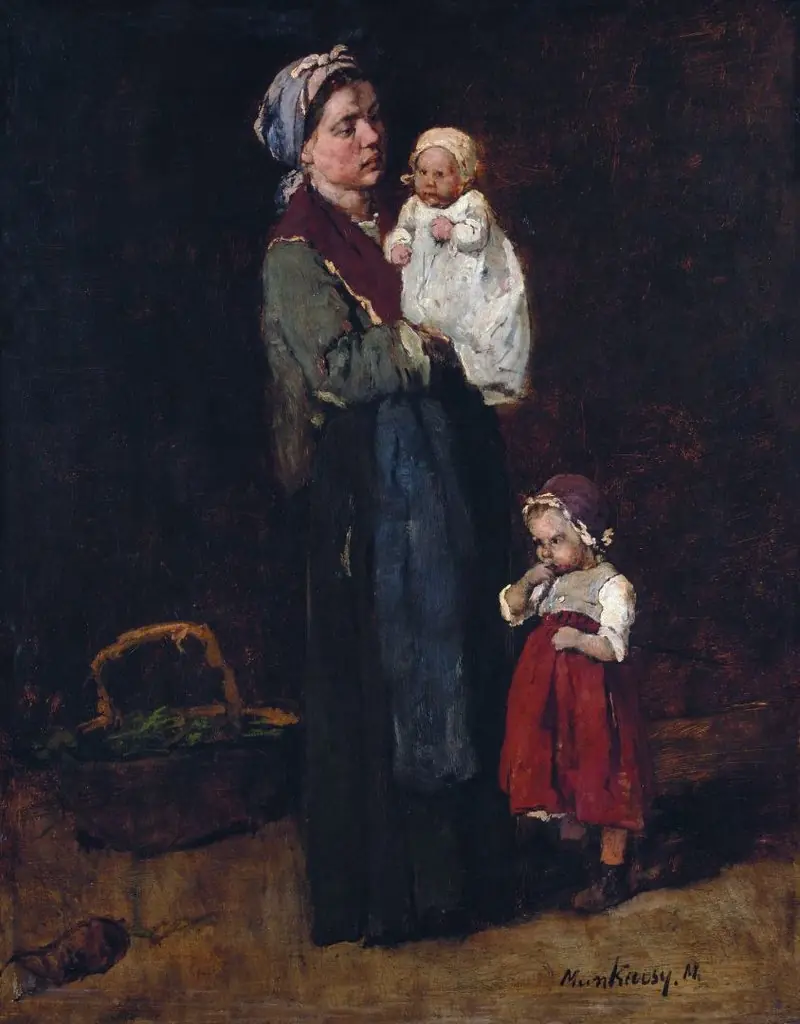 Study for the Pawnbroker's Shop
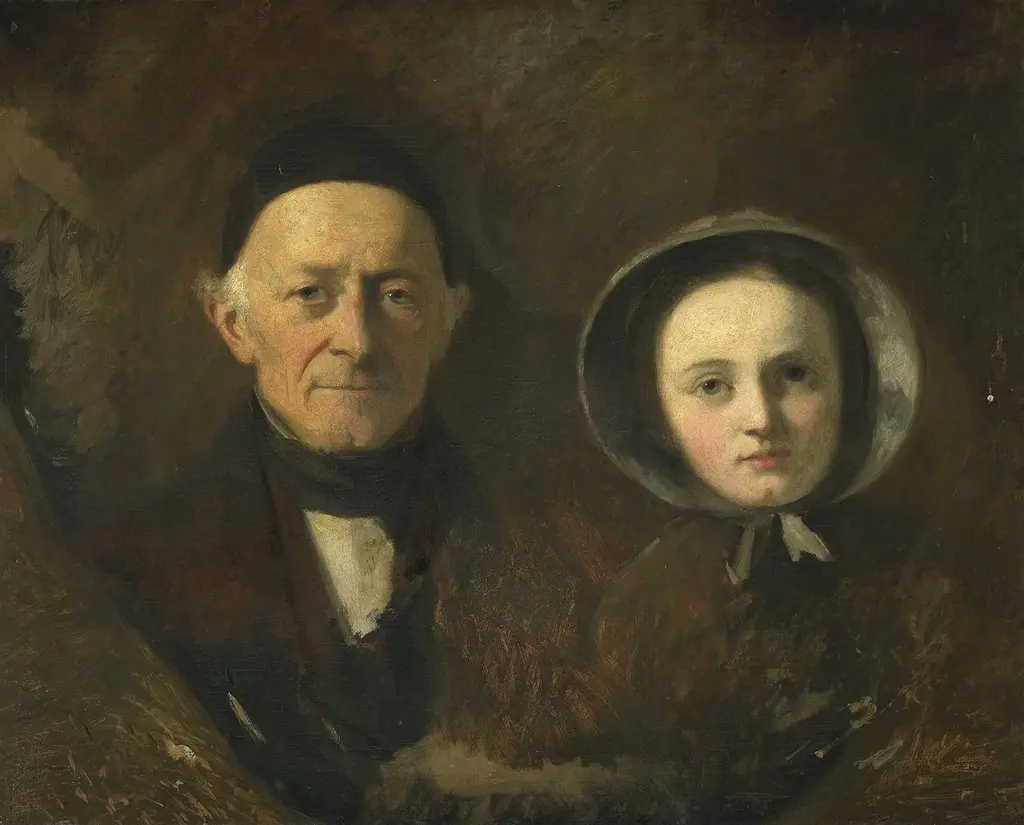 Portrait of Johann Joseph Hermann (1782-1857), father-in law of the artist, with Ida Schwartze, the artist's oldest daughter
 The Interrupted Prayer
 The Refusal
 Old woman