Artwork
In a stable
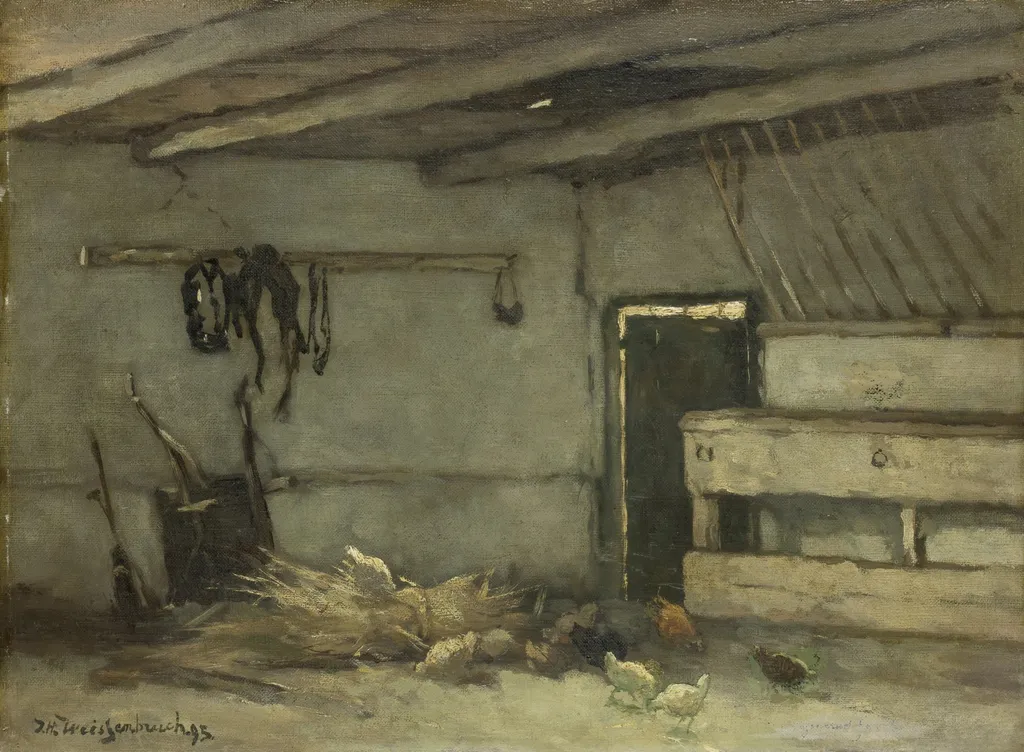
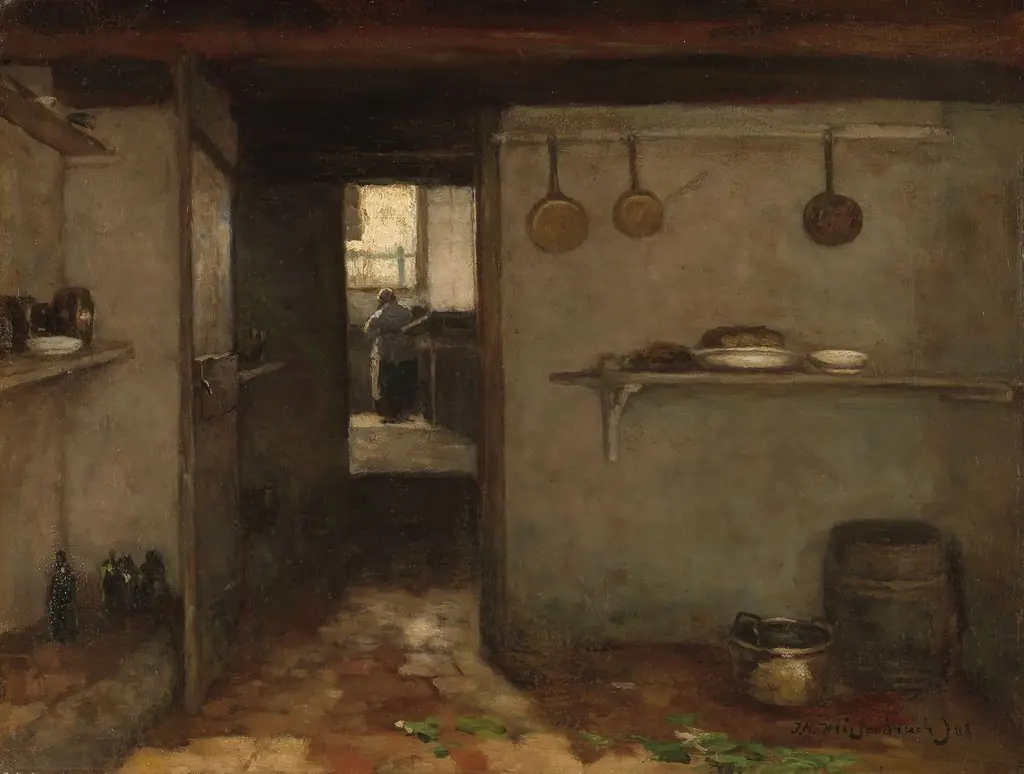
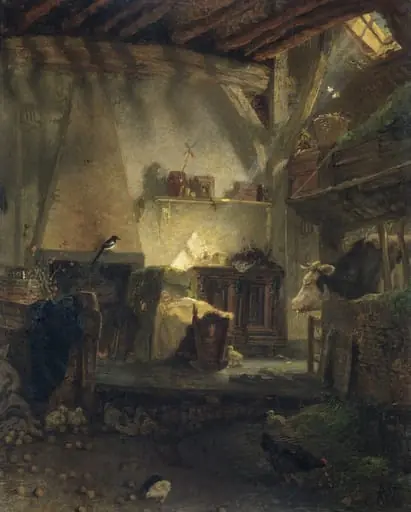
In a stable is an oil painting by the Impressionist artist Johan Hendrik Weissenbruch. It dates from 1898 and is held in the collection of the Rijksmuseum.
About this work
Technique & Style
As a genre scene, the piece captures a specific domestic or rural moment, consistent with the artist's focus on everyday life.
Johan Hendrik Weissenbruch executed In a stable in 1895 using oil paint applied to a canvas support. The work measures 32.5 cm in height and 44.1 cm in width, classifying it as a genre painting. As a genre scene, the piece captures a specific domestic or rural moment, consistent with the artist's focus on everyday life. The materials and dimensions place it within the standard scale for intimate 19th-century Dutch genre works.
History & Provenance
The painting In a stable was created by Johan Hendrik Weissenbruch in 1895. Executed in oil paint on canvas, the work measures 32.5 cm in height and 44.1 cm in width. It is classified as a genre scene depicting interior life. The artwork is currently held in the collection of the Rijksmuseum.
In a stable, painted by Johan Hendrik Weissenbruch in 1895, is held in the collection of the Rijksmuseum. The painting, executed in oil on canvas, measures 32.5 cm in height by 44.1 cm in width.
No specific inventory or accession number is documented in the available sources, and no exhibition history is recorded.
Overview
Johan Hendrik Weissenbruch completed the oil work In a Stable in 1898. The painting presents a modest interior of a farm building, rendered in muted tones that convey a sense of quiet routine. It is part of the Rijksmuseum’s collection, illustrating the artist’s turn toward everyday subjects within an Impressionist framework.
Subject & Meaning
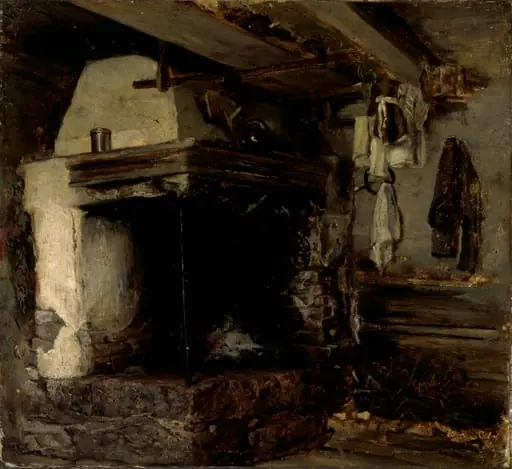
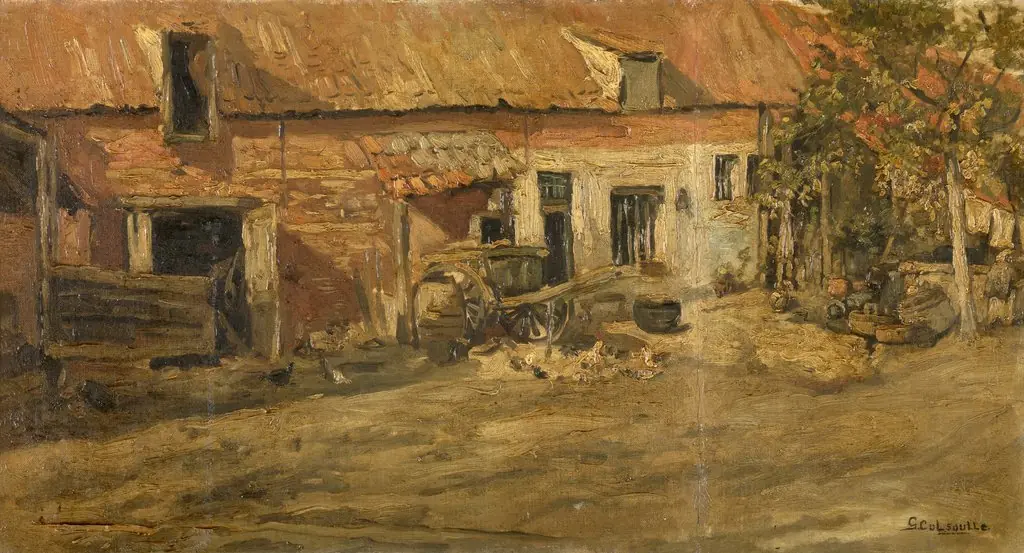
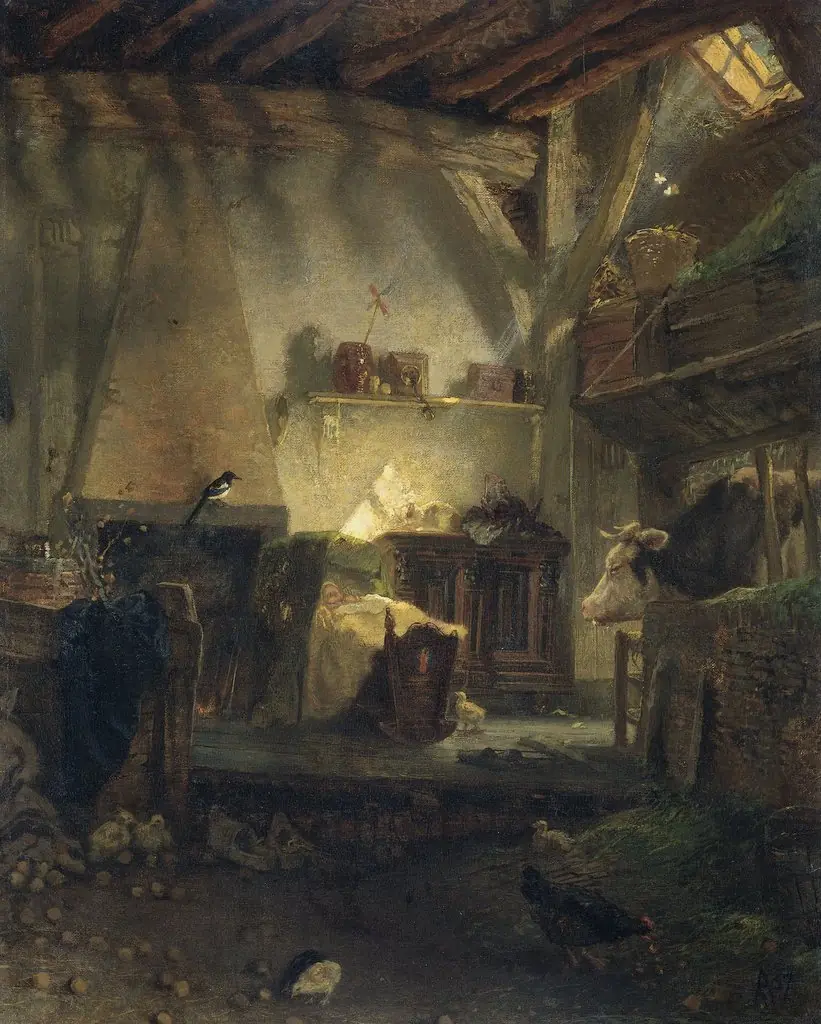
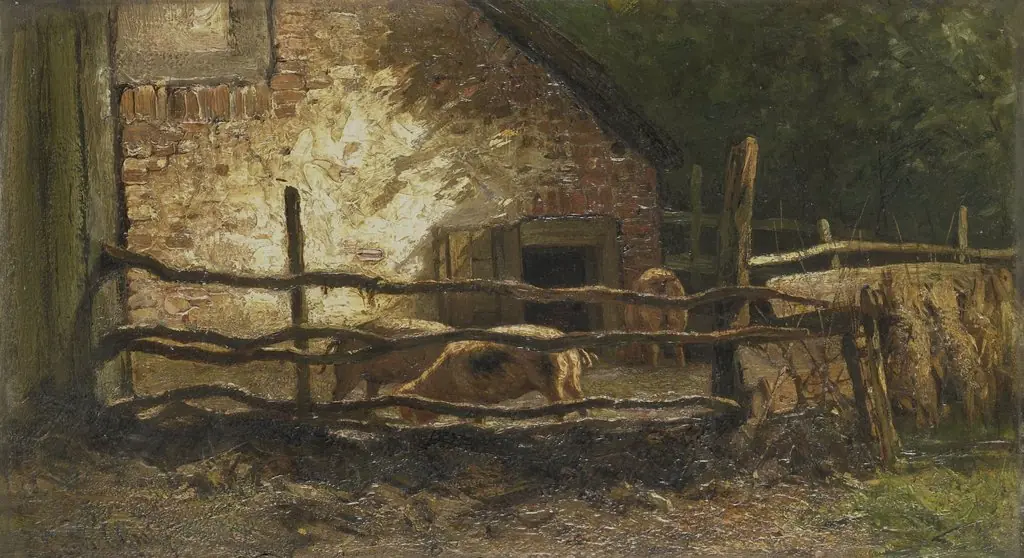
The composition centers on a cramped, dimly lit stable whose wooden walls and sloping roof frame a modest arrangement of tools, hay and scattered straw. A narrow doorway admits a shaft of light that illuminates the steps leading outward, emphasizing the contrast between interior labor and the outside world.
Context
The painting belongs to the later phase of the Hague School, a movement that merged realist observation with the softer, fleeting effects associated with Impressionism. By focusing on a humble agricultural interior, Weissenbruch aligns with the school’s interest in ordinary Dutch life and the changing visual language of the era.
Own this work as a print
Artist & collection
Artist
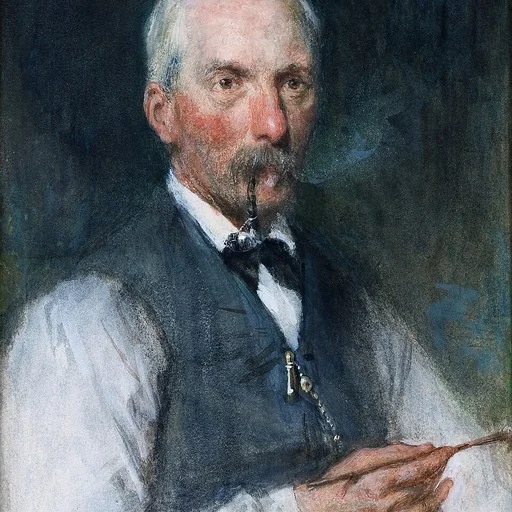
Jan Hendrik Weissenbruch, also known as Hendrik Johannes Weissenbruch (born 19 June 1824 in The Hague – died 24 March 1903 in The Hague) was a Dutch painter of the Hague School. He is noted especially for his watercolours.