Artwork
Landscape after Guo Zhongshu
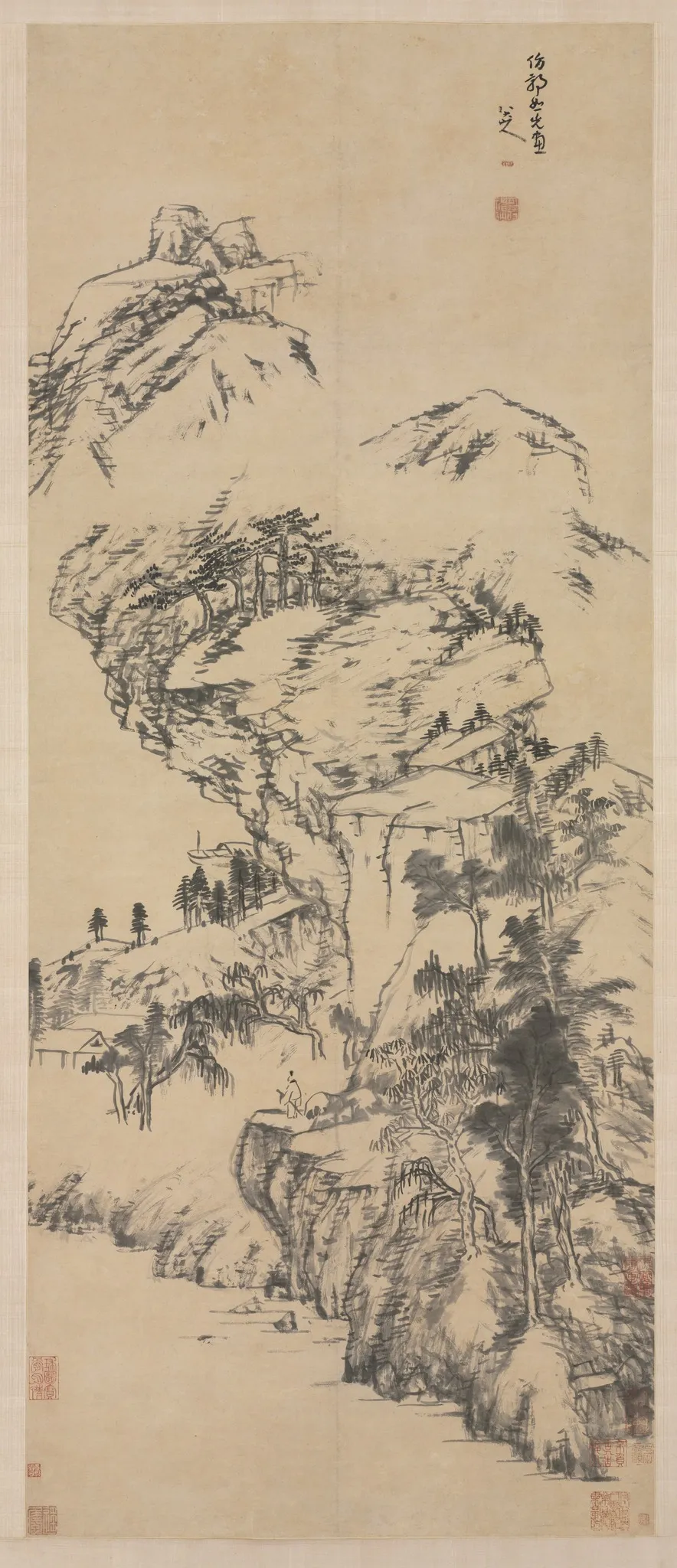
Landscape after Guo Zhongshu is an unspecified painting by the Yuan dynasty literati painting artist Bada Shanren. It dates from 1689 and is held in the collection of the Cleveland Museum of Art.
About this work
Subject & Meaning
Its understated presence invites viewers to consider the transitory nature of life, a theme often expressed through solitary botanical forms in Chinese art.
The painting presents a solitary tree set within a broad, mist‑filled landscape, a motif that aligns with the genre of Chinese literati landscape painting. Executed in 1677, the work follows the compositional style of the earlier master Guo Zhongshu, emphasizing quiet observation of nature rather than narrative detail. The tree, rendered with delicate brushwork, serves as the central visual element, embodying the contemplative relationship between humanity and the natural world that characterizes Bada Shanren’s oeuvre.
Its understated presence invites viewers to consider the transitory nature of life, a theme often expressed through solitary botanical forms in Chinese art.
History & Provenance
Landscape after Guo Zhongshu is a 1677 painting by Bada Shanren (also known as Zhu Da). The work was created in China and portrays a tree in a landscape format. It was accessioned by the Cleveland Museum of Art under the identifier 1955.36, where it remains on view.
The painting’s title references the 17th‑century painter Guo Zhongshu, indicating a deliberate homage. No records of a specific commission survive, and the work’s early ownership history is undocumented prior to its acquisition by the museum.
The painting Landscape after Guo Zhongshu, created by Bada Shanren in 1677, is held in the collection of the Cleveland Museum of Art in Cleveland, Ohio. Within the museum's records, the work is identified by the accession number 1955.36. The available documentation confirms the artwork's location and inventory classification but does not provide specific details regarding its exhibition history or past display venues.
Overview
Bada Shanren's painting, Landscape after Guo Zhongshu, created in 1689, offers a reinterpretation of an earlier master's vision. This ink-on-paper work presents a dramatic natural scene, characterized by towering peaks and a sense of atmospheric depth. It is currently housed at The Cleveland Museum of Art, representing a significant example of the artist's late style.
Technique & Style
Bada Shanren employed a distinctive calligraphic approach, utilizing loose and quick ink strokes that create a dynamic, almost dancing quality across the surface. This expressive brushwork contributes to the overall atmospheric effect, suggesting form and texture rather than meticulously rendering them. The artist's identity is subtly affirmed through the placement of red seals in the corners of the composition.
Context
The title Landscape after Guo Zhongshu indicates Bada Shanren's engagement with the artistic lineage of earlier Chinese masters. Guo Zhongshu, a renowned tenth-century painter, was celebrated for his landscape compositions. By referencing such a figure, Bada Shanren not only paid homage to a revered predecessor but also asserted his own artistic voice within a long-established tradition of landscape painting, reinterpreting classical themes through his unique style.
Artist & collection


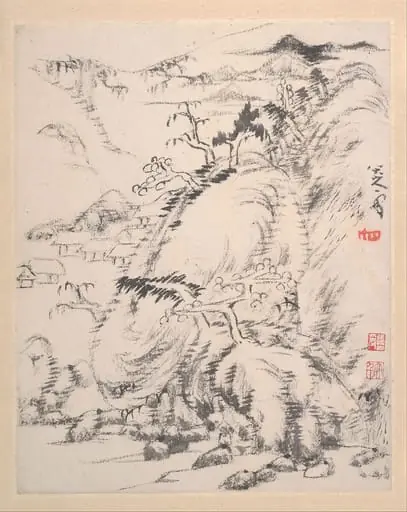
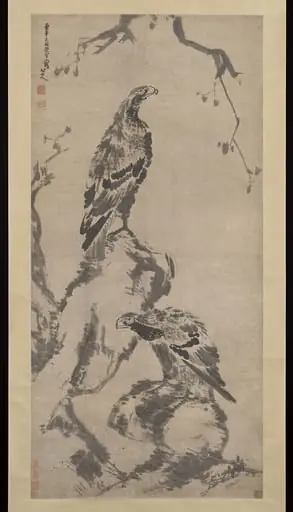
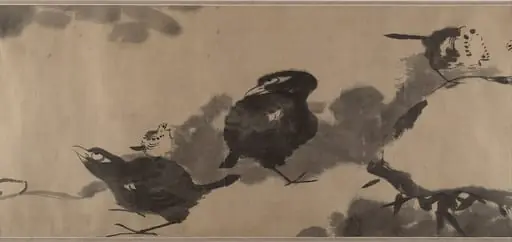
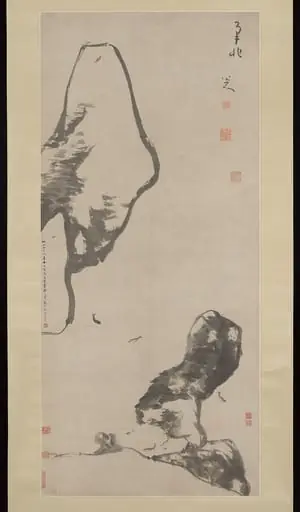

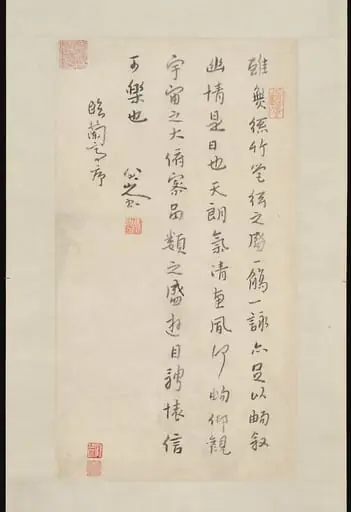
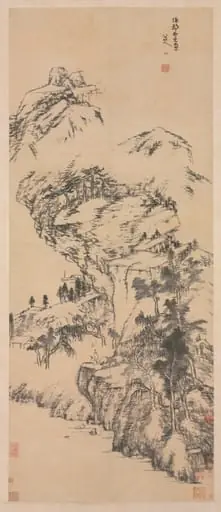 Landscape after Guo Zhongshu
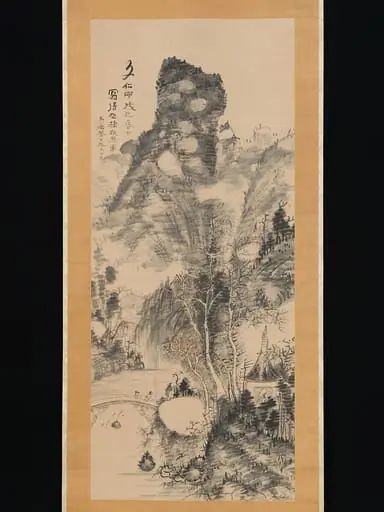 Untitled
![Daoist Retreat in Mountain and Stream (Landscape after Ni Zan [1301–1374]), by Lu Zhi](https://artifactworldgallery.com/img/lu-zhi--daoist-retreat-in-mountain-and-stream-landscape-after-ni-zan--766e576a4810a8bc-w320.webp) Daoist Retreat in Mountain and Stream (Landscape after Ni Zan [1301–1374])
Daoist Retreat in Mountain and Stream (Landscape after Ni Zan [1301–1374])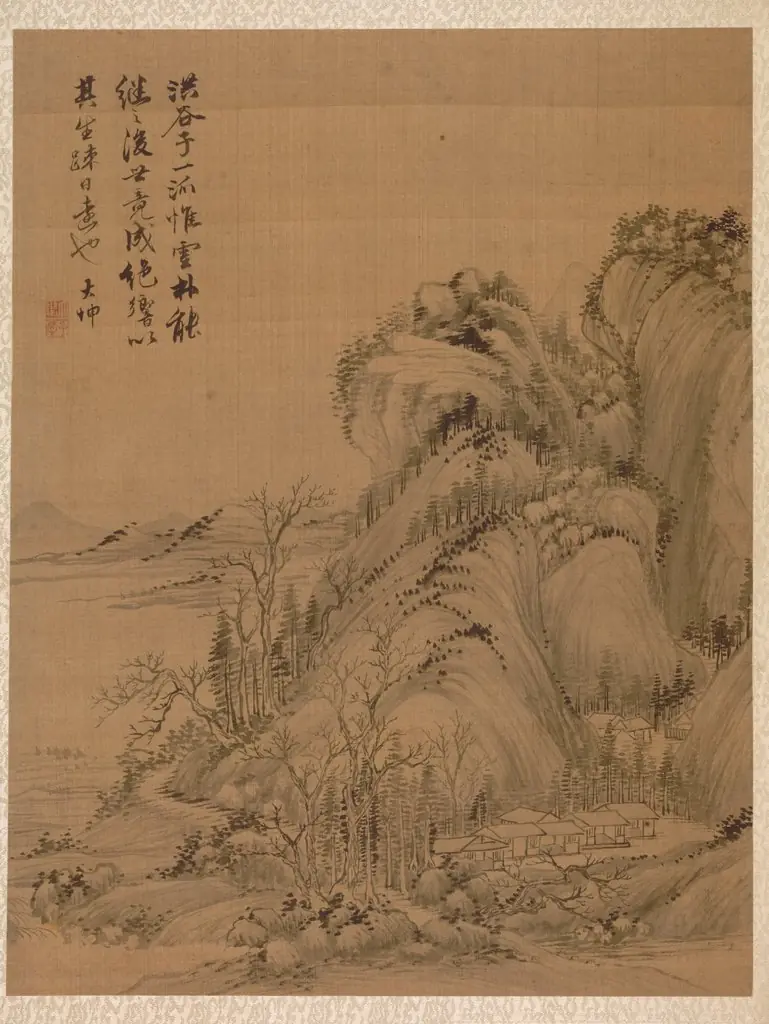 Landscape in the Style of Ching Hao
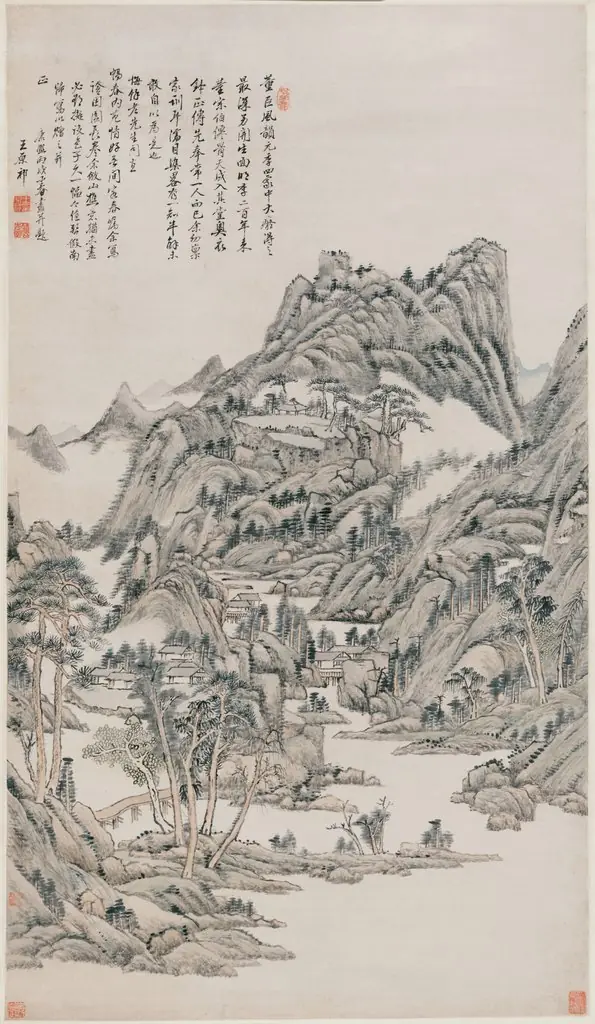 Landscape
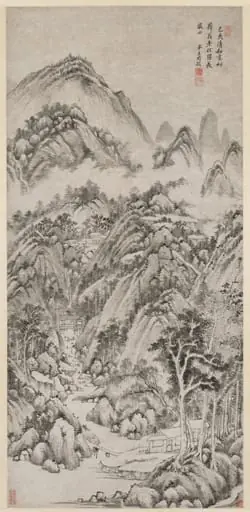 Mountain Village Embraced by the Summer
![Daoist Retreat in Mountain and Stream (Landscape after Ni Zan [1301–1374]), by Lu Zhi](https://artifactworldgallery.com/img/lu-zhi--daoist-retreat-in-mountain-and-stream-landscape-after-ni-zan--a798050b065ab200-w320.webp) Daoist Retreat in Mountain and Stream (Landscape after Ni Zan [1301–1374])
Daoist Retreat in Mountain and Stream (Landscape after Ni Zan [1301–1374])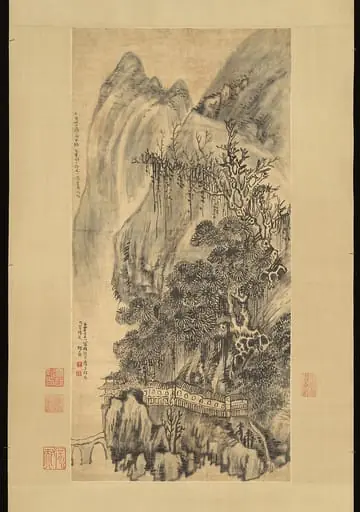 明/清 王鐸 山水圖 軸|Landscape
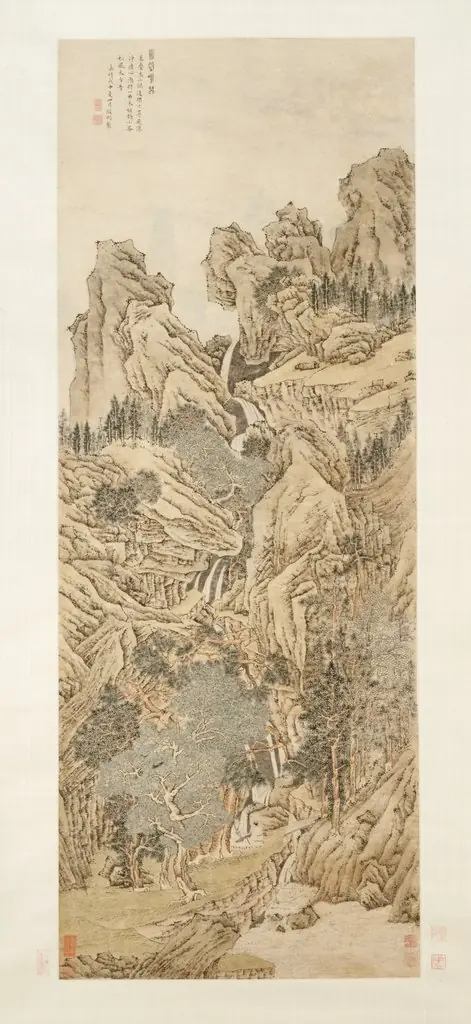 Playing the Qin in a Secluded Valley
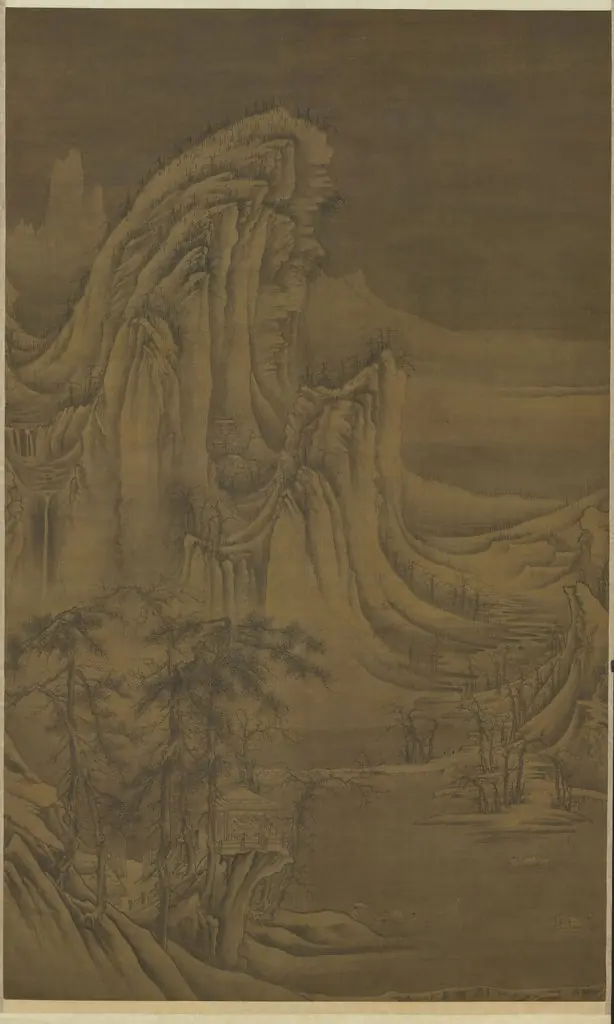 宋許道寧畫雪景 軸